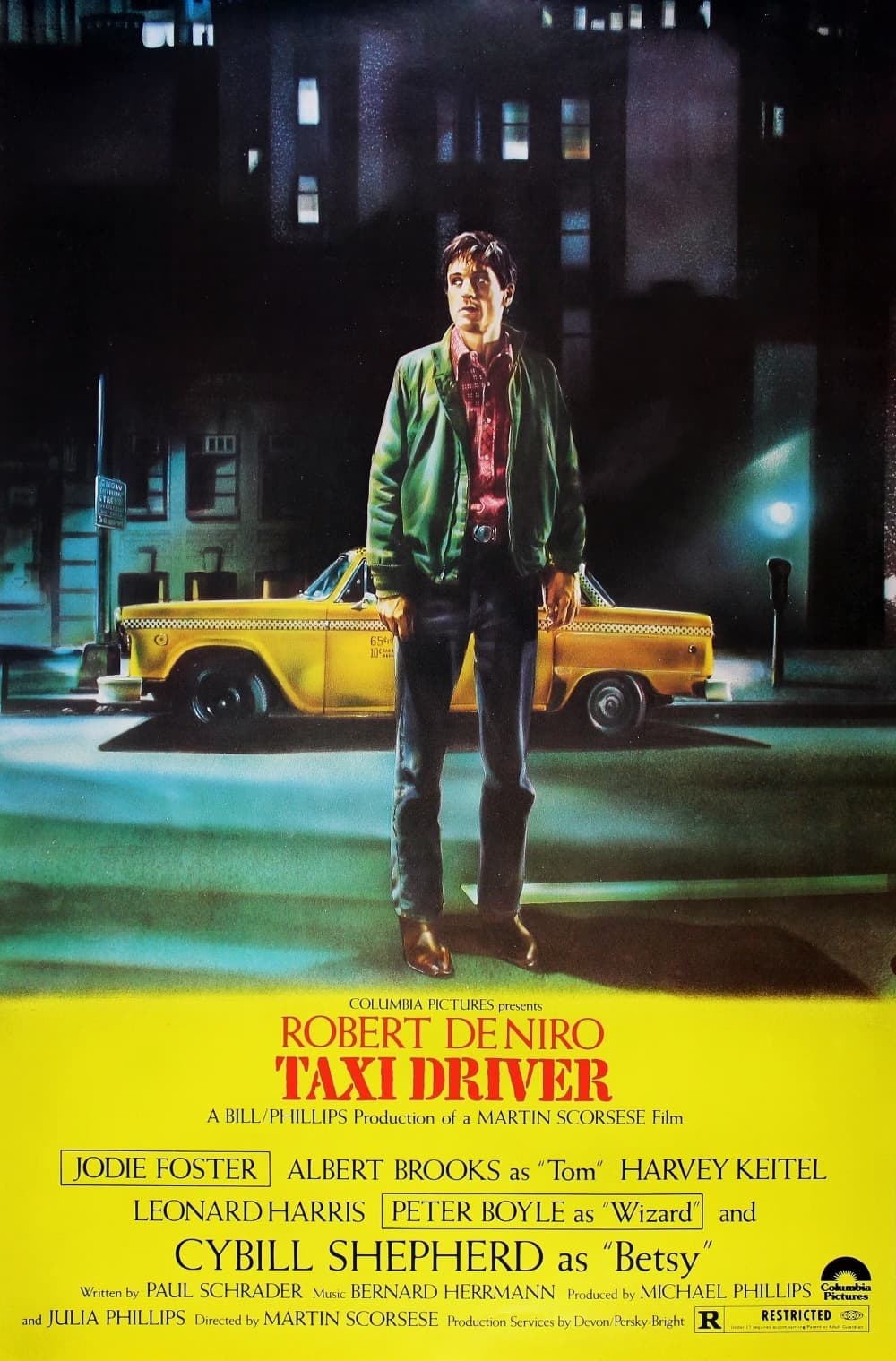
Taxi Driver
Directed by Martin Scorsese
1976
Travis Bickle escaped the picture and entered the language: Scorsese and De Niro made a lonely man's interior so exact that it stopped being about one man at all.
★ 9.6
 skopia
Travis Bickle escaped the picture and entered the language: Scorsese and De Niro made a lonely man's interior so exact that it stopped being about one man at all.
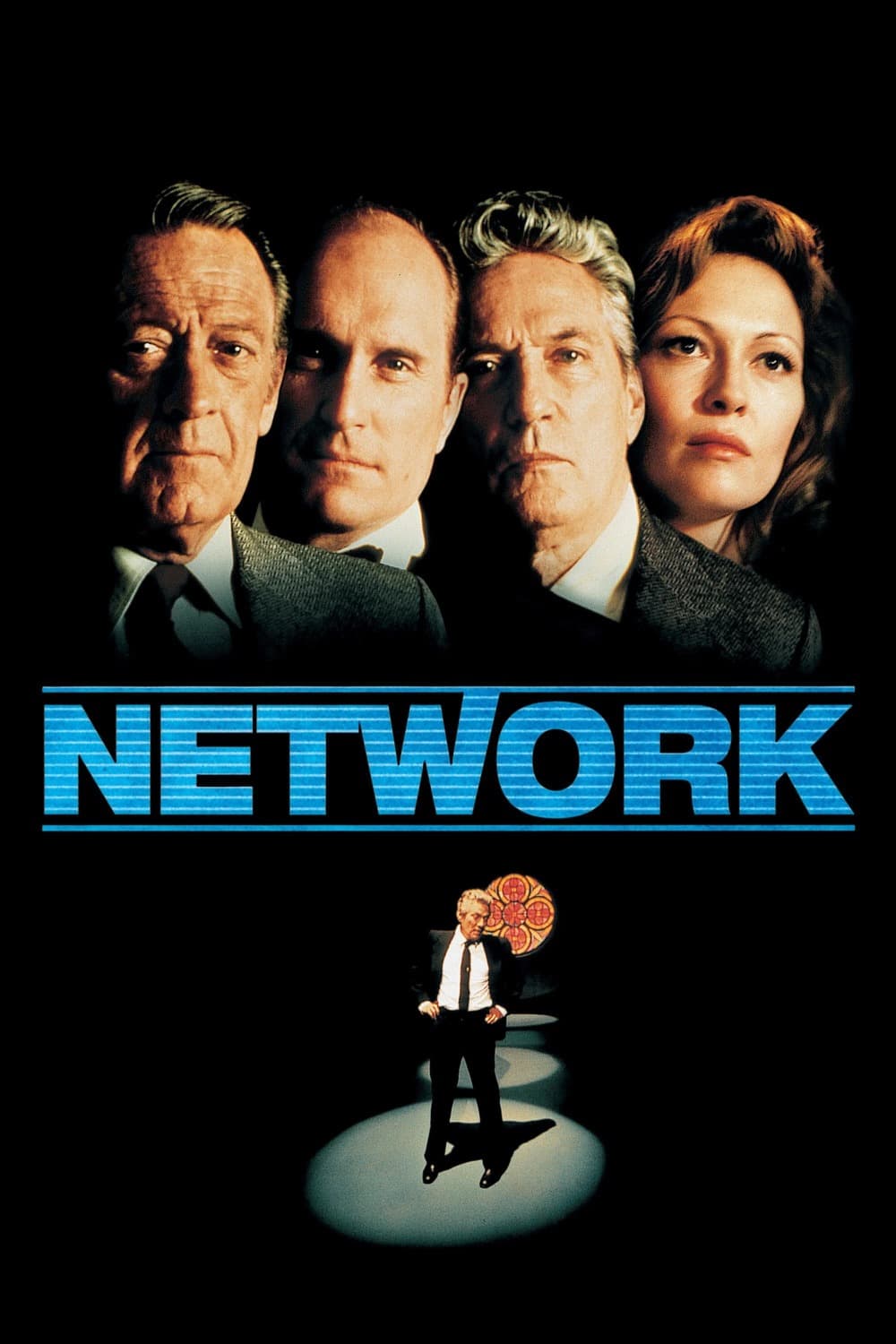
Written as satire in 1976 and now indistinguishable from television: Chayefsky imagined a network that would put a man's breakdown on air for ratings, and got everything right.
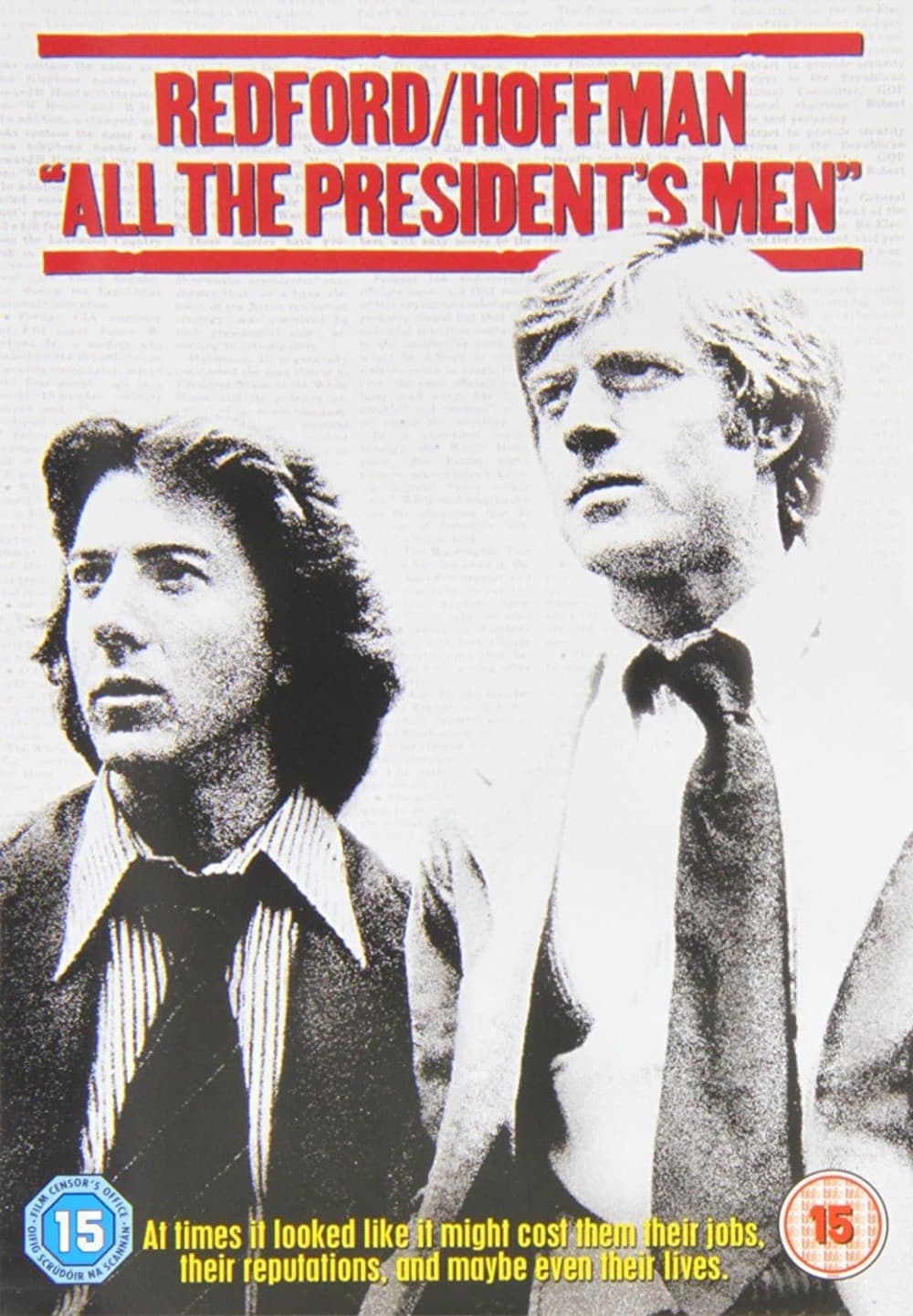
Every journalism film gets held up against this one: two reporters chase Watergate through phone calls and parking garages, and verifying a single fact becomes unbearably tense.
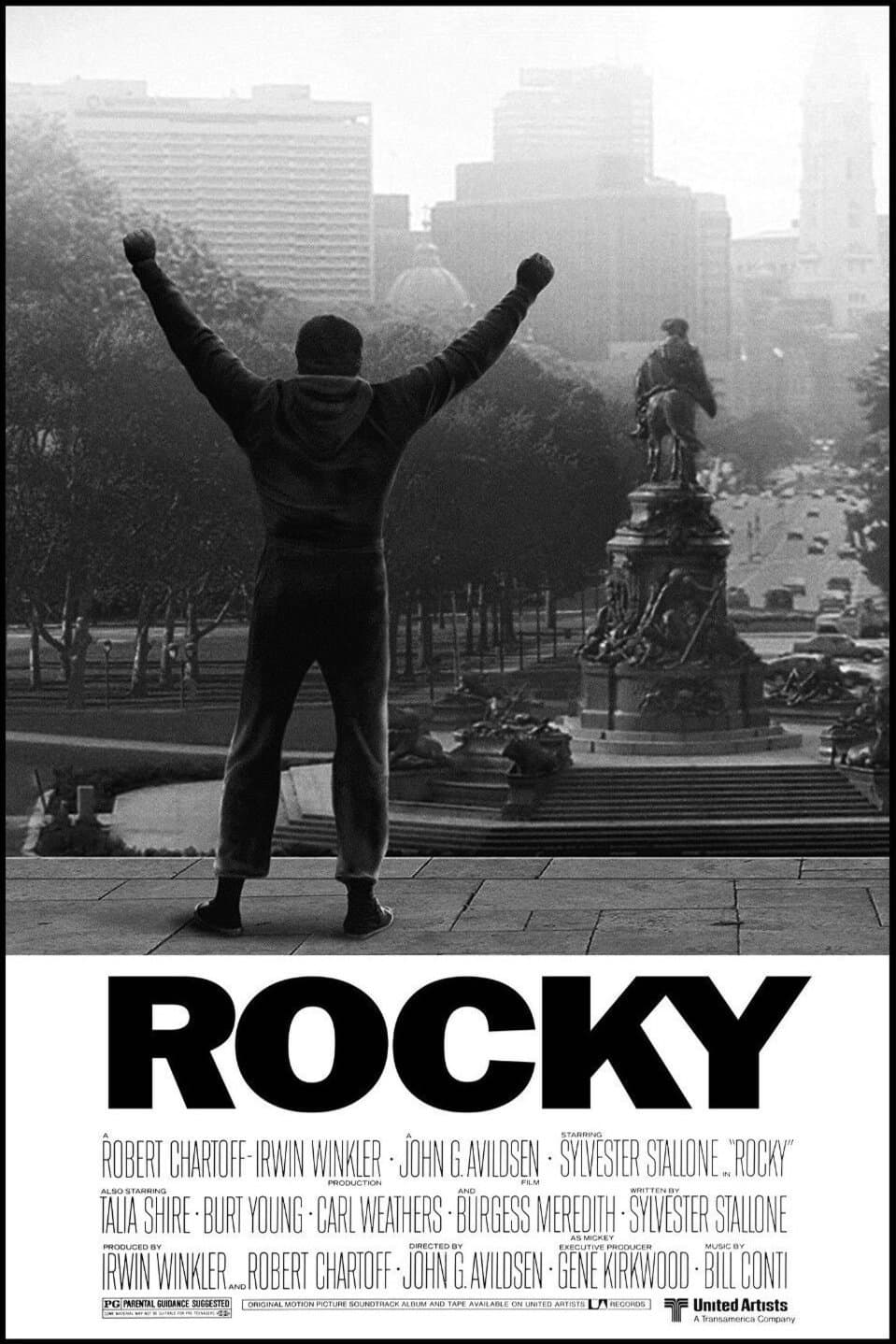
Stallone wrote it himself and would not sell the script unless he could star: a club fighter from Philadelphia is handed a title shot as a publicity stunt, and takes it completely seriously.
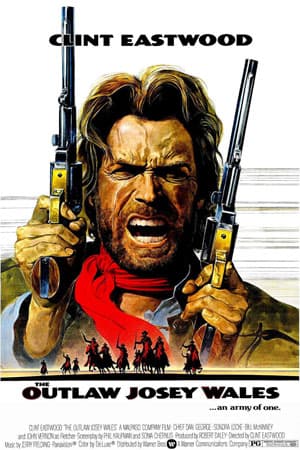
Eastwood fired the director and took over, and the union wrote a rule to stop it happening again: a Missouri farmer rides out after the war and keeps collecting strays he never wanted.
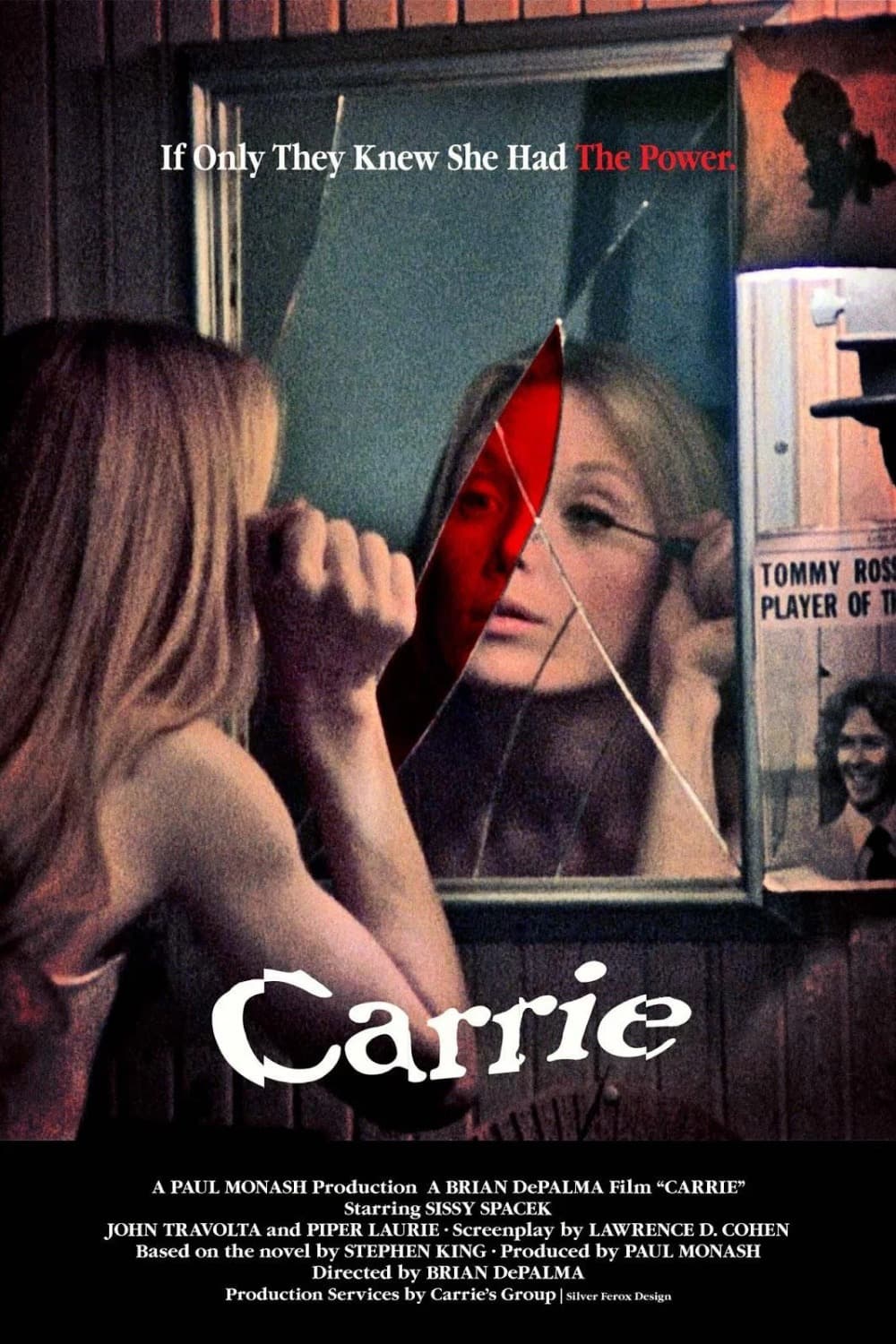
Stephen King's first novel became this, and no adaptation since has been meaner: De Palma films high-school cruelty in slow motion and split screen, and the prom is a fifteen-minute held breath.
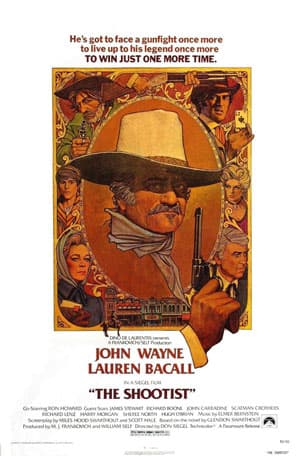
John Wayne's last film has him playing a gunfighter running out of time, which he knew he was: Don Siegel shot it plainly, and the whole genre says goodbye at once.
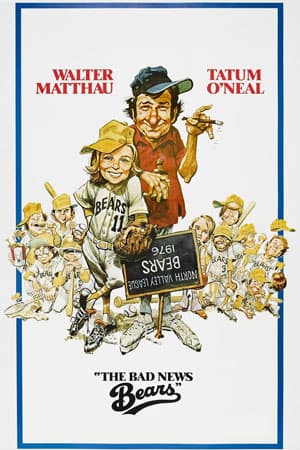
The children swear constantly, the coach drinks in the dugout, and nobody learns very much: Walter Matthau took a Little League team and made the least sentimental sports film ever released.
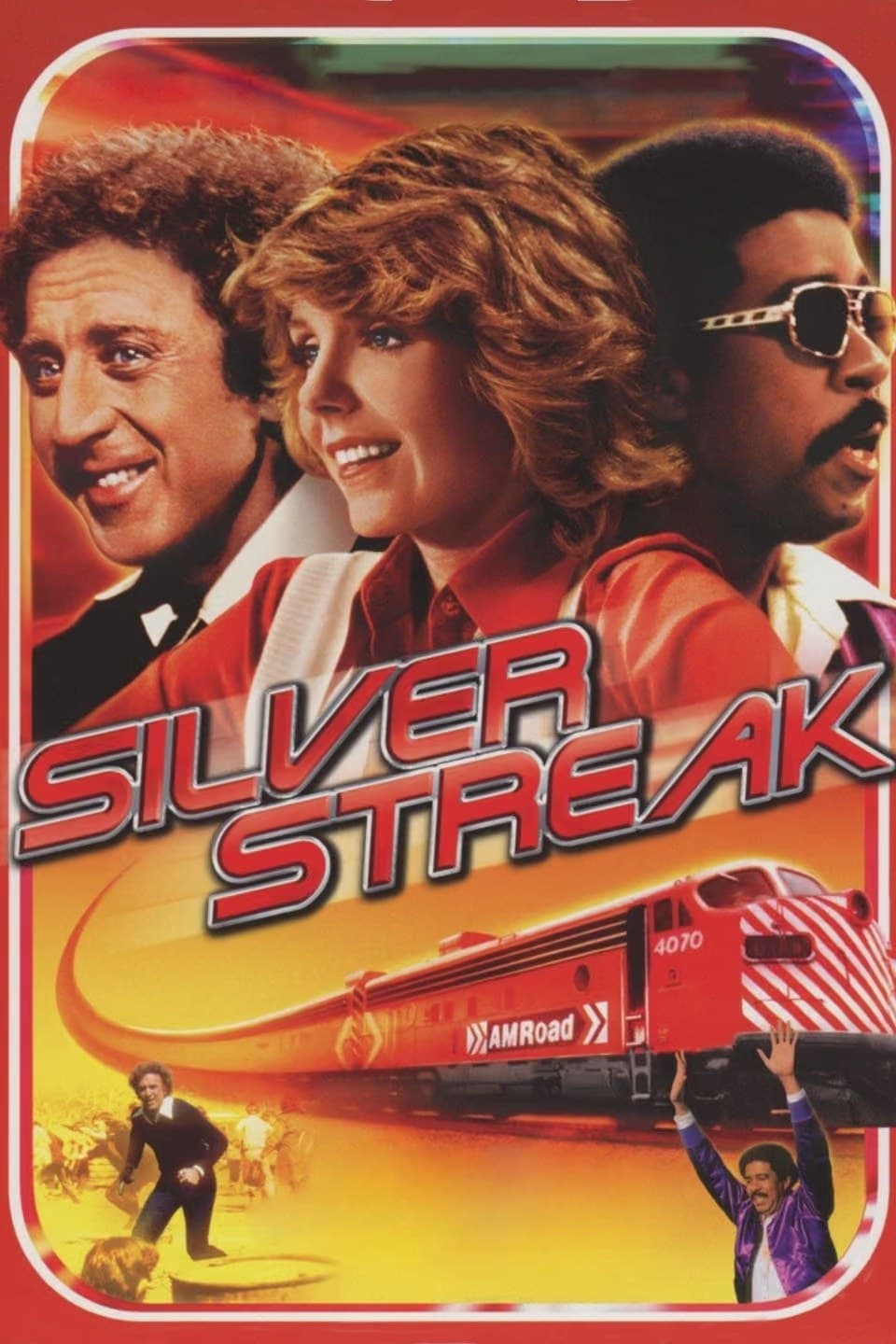
Gene Wilder and Richard Pryor met on this and made three more together: a book editor takes a slow train from Los Angeles to Chicago and sees something through a window.