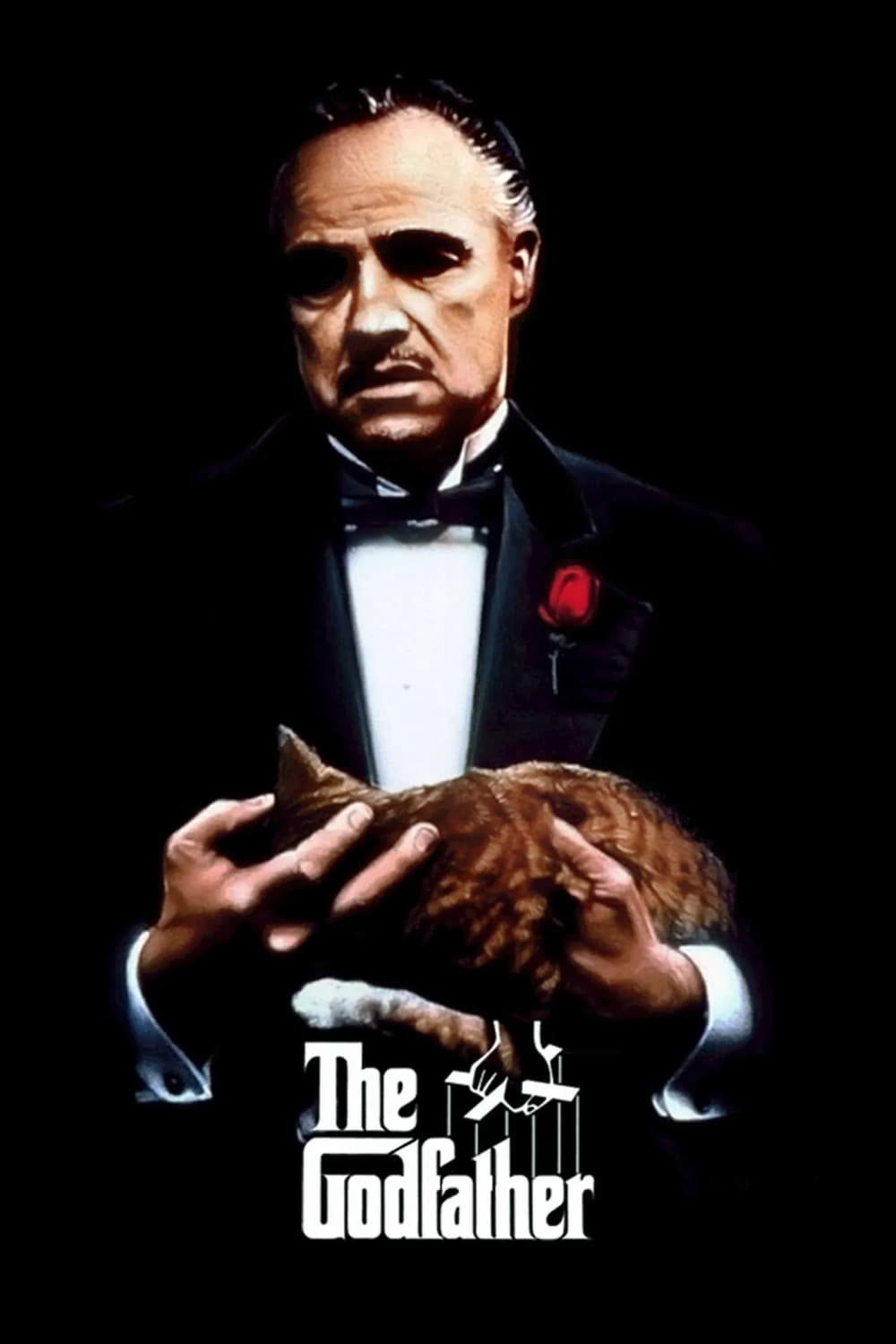
The Godfather
Directed by Francis Ford Coppola
1972
The summit of the American crime film: Coppola turned an immigrant family's rise and rot into the country's own epic, and made damnation look like a coronation.
★ 10.0
 skopia
The summit of the American crime film: Coppola turned an immigrant family's rise and rot into the country's own epic, and made damnation look like a coronation.
Party chatter, a sax that sighs, and Gaye asking the question Motown begged him not to ask.
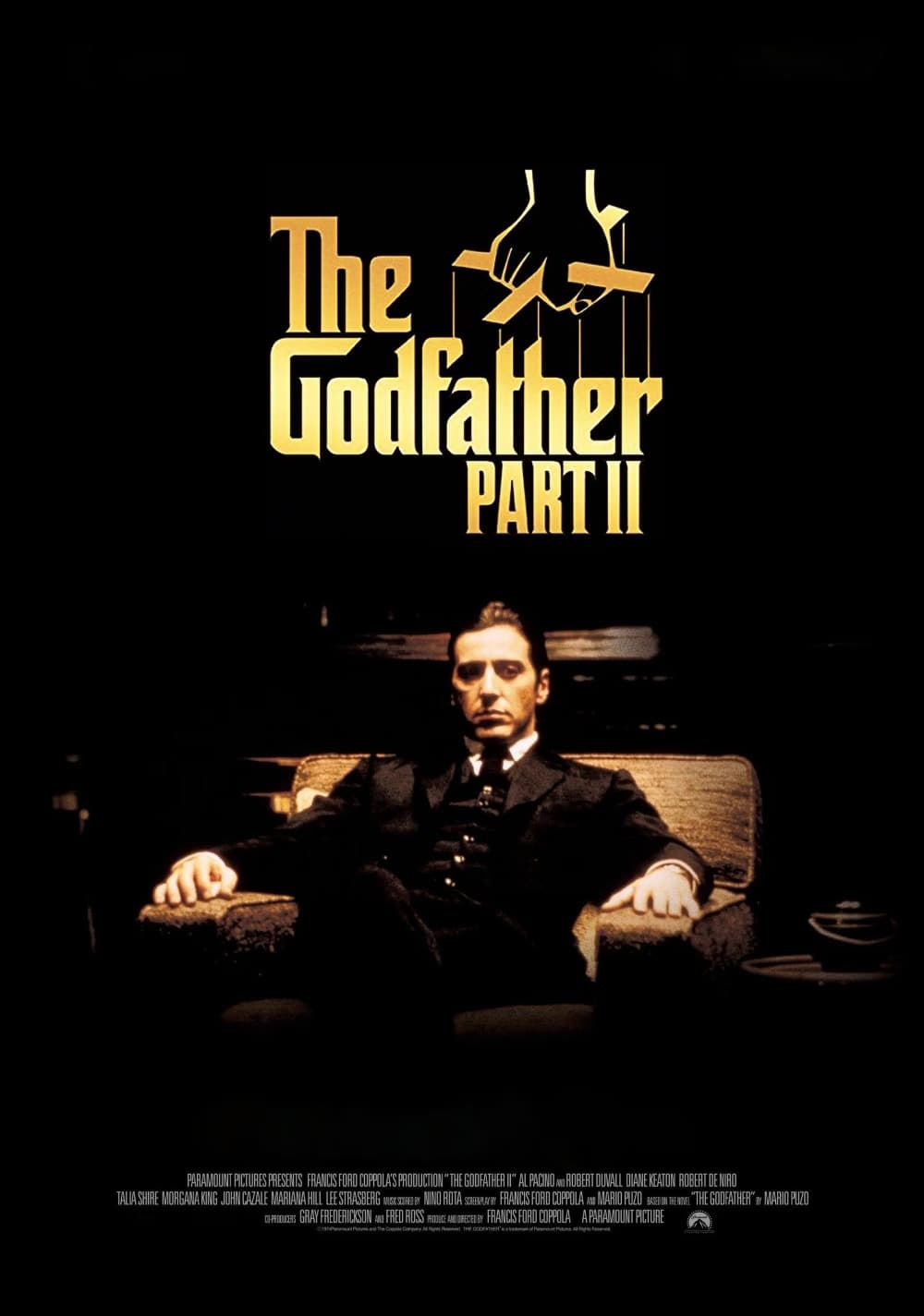
Coppola did what almost nobody manages, and made a sequel with a real claim to surpassing the original: two eras of one family run side by side, and the colder one wins.

Berry Gordy called it the worst thing he had ever heard and refused to release it until Gaye said he would never record for Motown again.
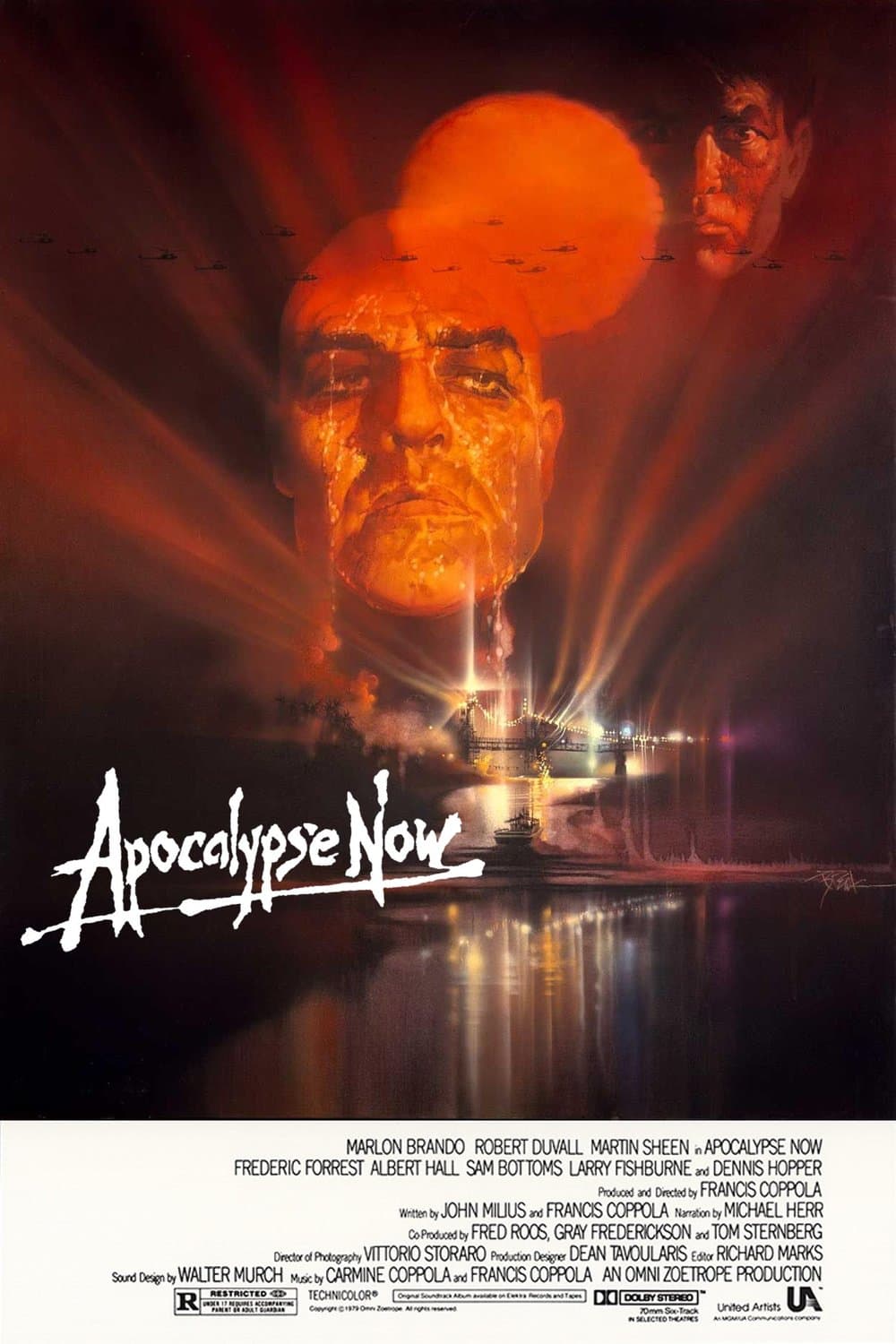
No production has ever gone further off the rails or shown it more clearly: Coppola's Vietnam abandons the war film for pure hallucination, and the helicopters over the trees are permanent.
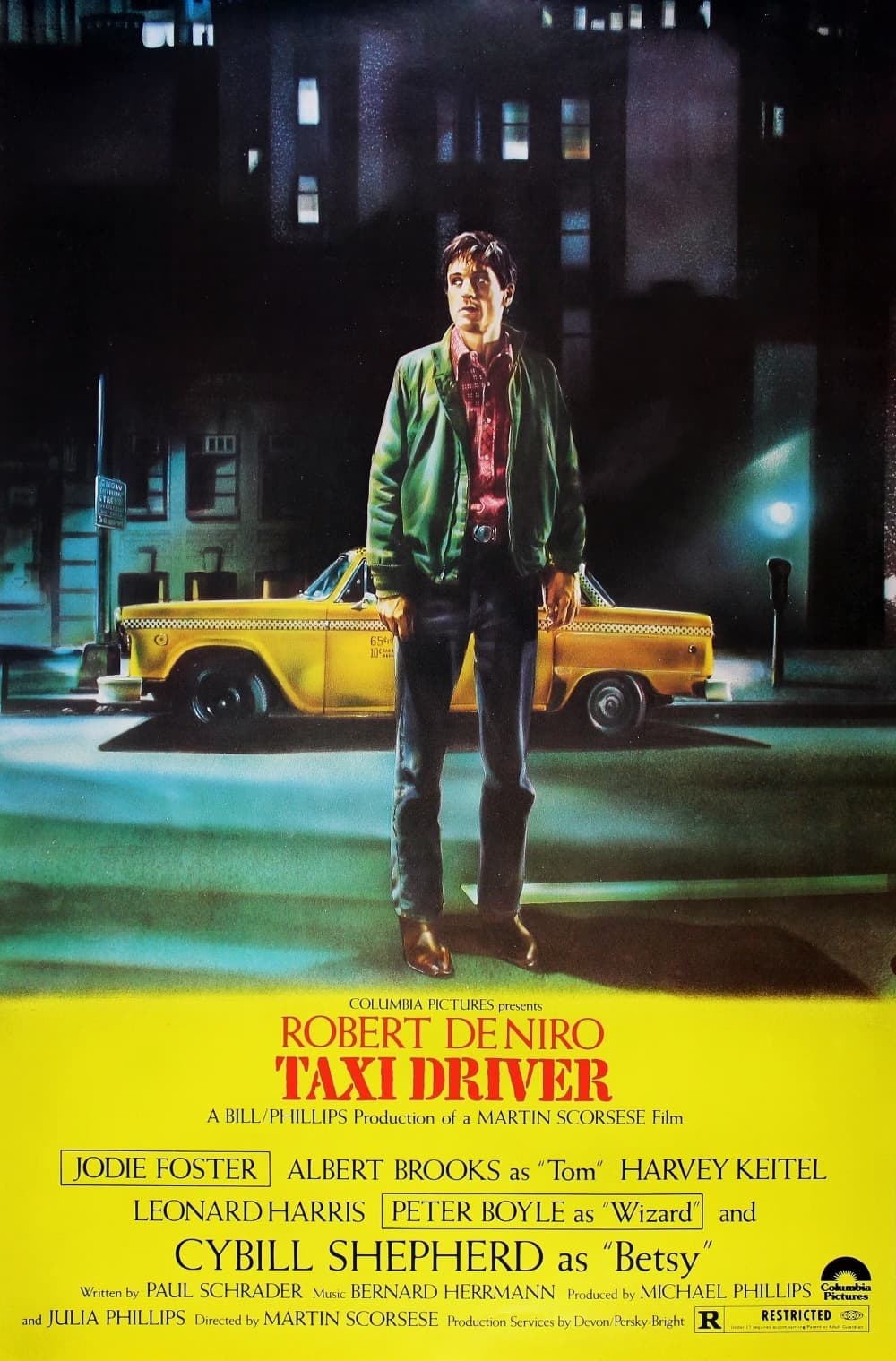
Travis Bickle escaped the picture and entered the language: Scorsese and De Niro made a lonely man's interior so exact that it stopped being about one man at all.

Dylan finished it, then rerecorded half the songs in Minneapolis with local musicians his brother rounded up, days before it was due out.

Modern Hollywood begins here: Lucas told the oldest story there is inside a universe that looked used and lived in, and the blockbuster has run the business ever since.

They asked people around the studio questions on cue cards and used the answers. It then stayed on the American chart for fourteen years.
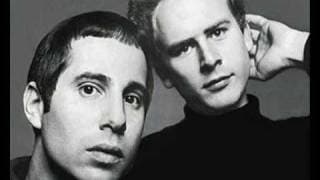
Garfunkel's voice climbing a gospel staircase, the last verse arriving like the cavalry.
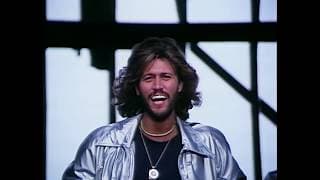
Barry Gibb's falsetto over a drum loop so metronomic that paramedics still use it to time chest compressions.
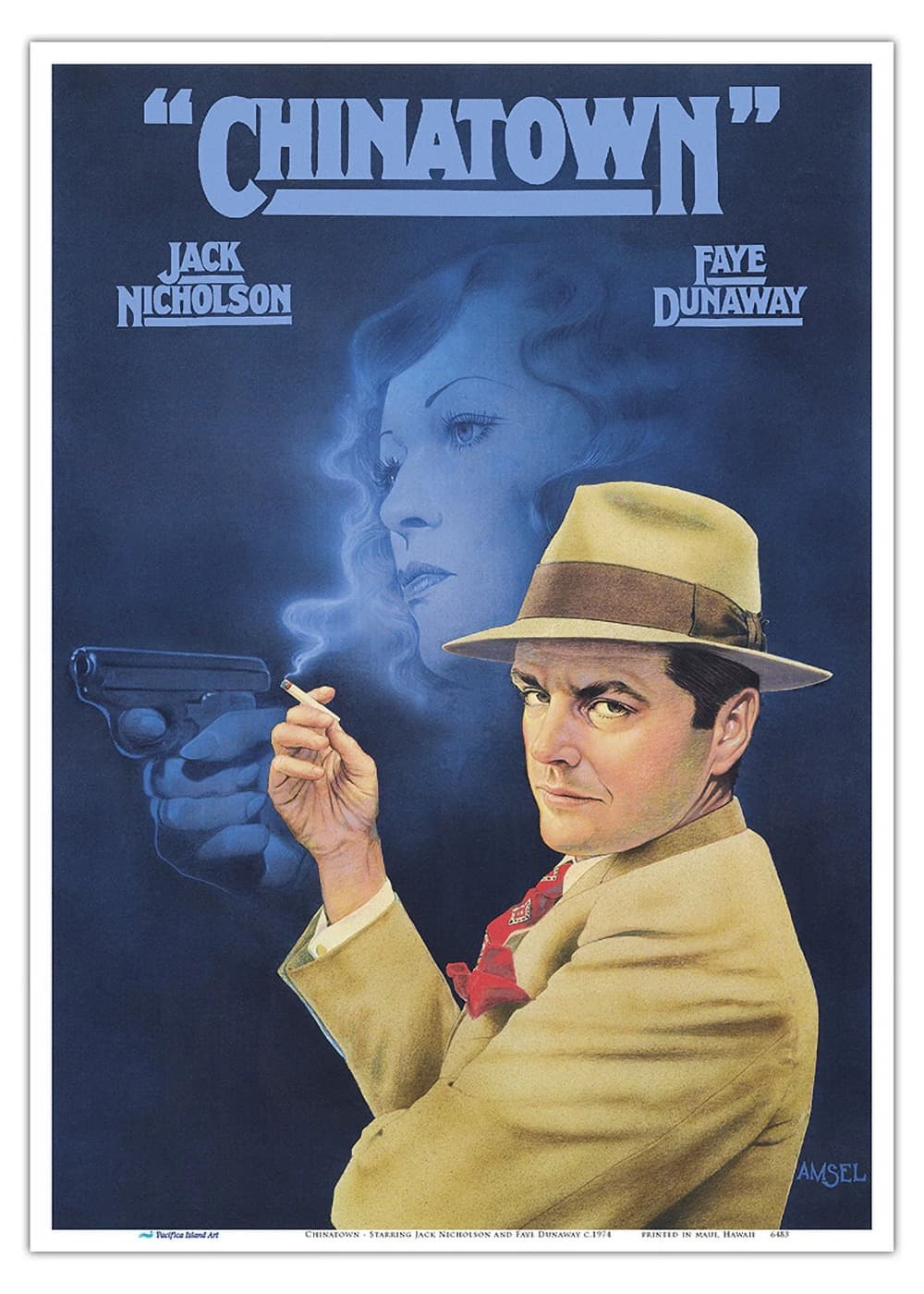
Screenwriters still take this one apart scene by scene to see how it works: Towne and Polanski built a mystery about stolen water that ends without a shred of mercy.
Months of wall-of-sound overdubs poured into one getaway car, and every word still sounds like escape.
Eight minutes that climb from recorders to Page's solo, never released as a single and never needing to be.
Moroder's pulsing synth track, Summer floating above it, and the record Eno reportedly called the sound of the future.
Dolly pleading with her rival rather than fighting her, written the same day as "I Will Always Love You."
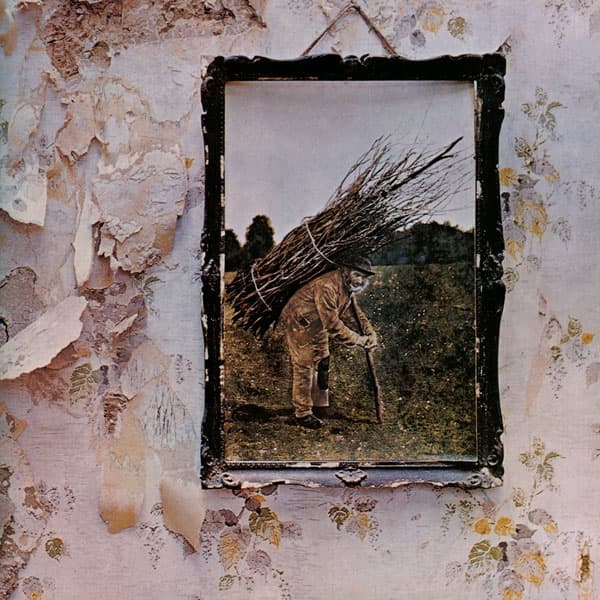
There is no title and no band name anywhere on the sleeve, just four symbols the members chose. The label thought it was commercial suicide.

It took so long that Wonder and the band took to wearing T-shirts reading We're Almost Finished. Twenty-one songs, and no filler.
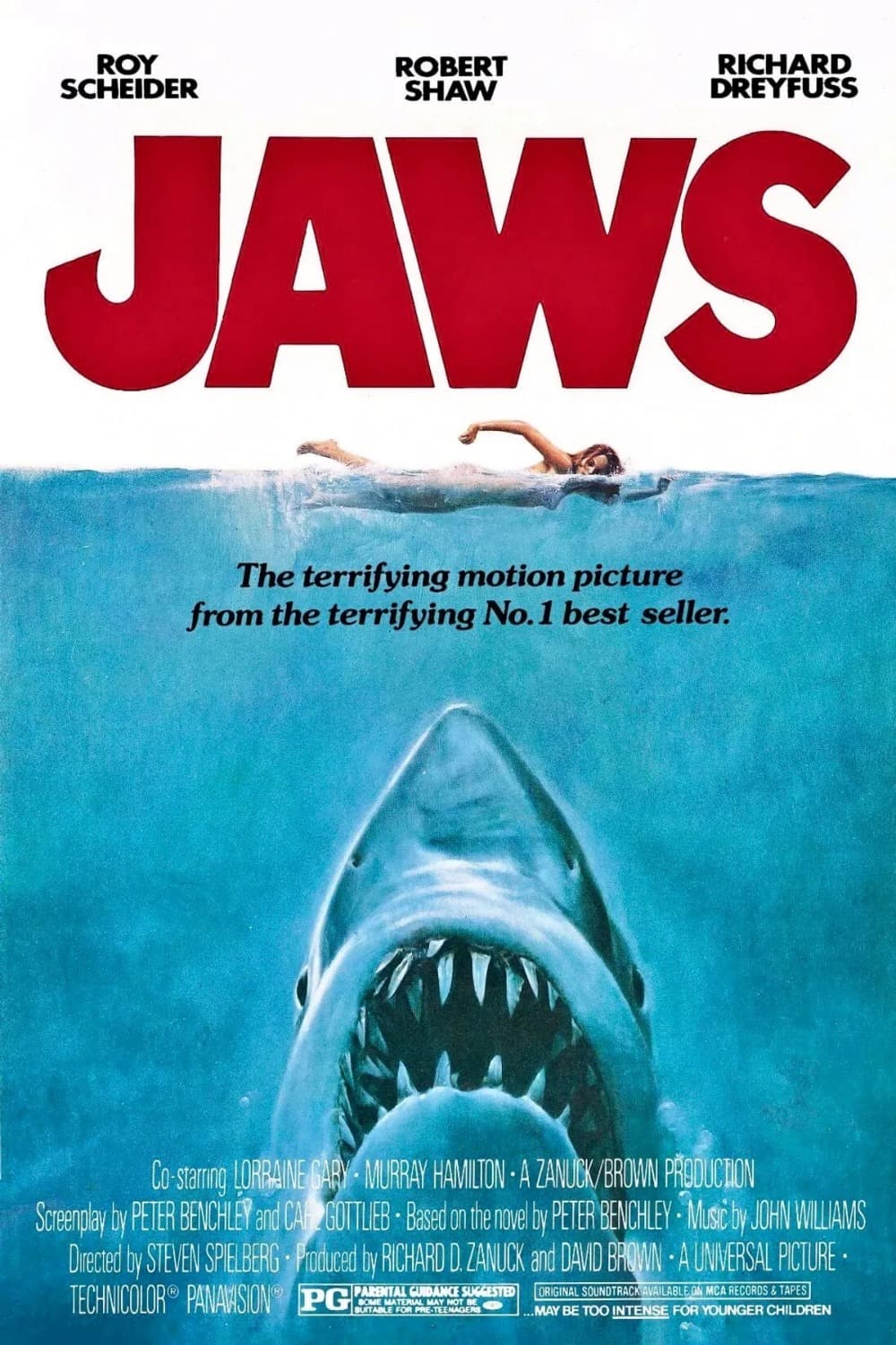
Summer blockbusters start here: the mechanical shark kept breaking, so Spielberg hid it, and accidentally proved that what you cannot see is worse than what you can.