
What's Going On
1971
Berry Gordy called it the worst thing he had ever heard and refused to release it until Gaye said he would never record for Motown again.
★ 9.8
 skopia
Berry Gordy called it the worst thing he had ever heard and refused to release it until Gaye said he would never record for Motown again.
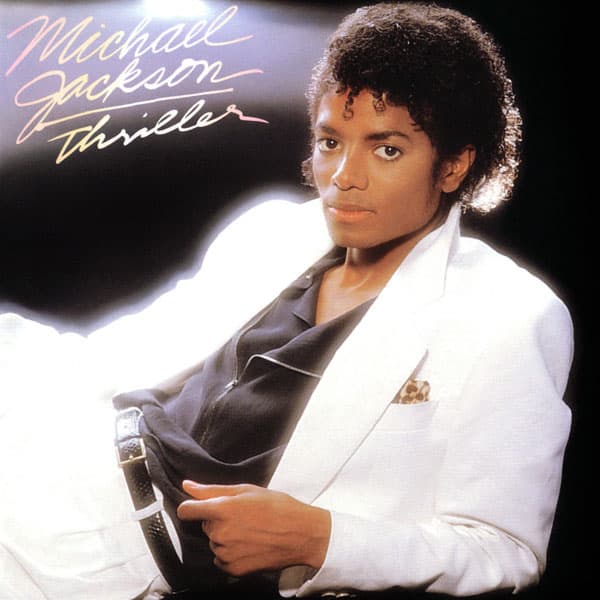
Quincy Jones and Jackson remixed the whole record because the first version sounded thin, and Eddie Van Halen played his solo for free.
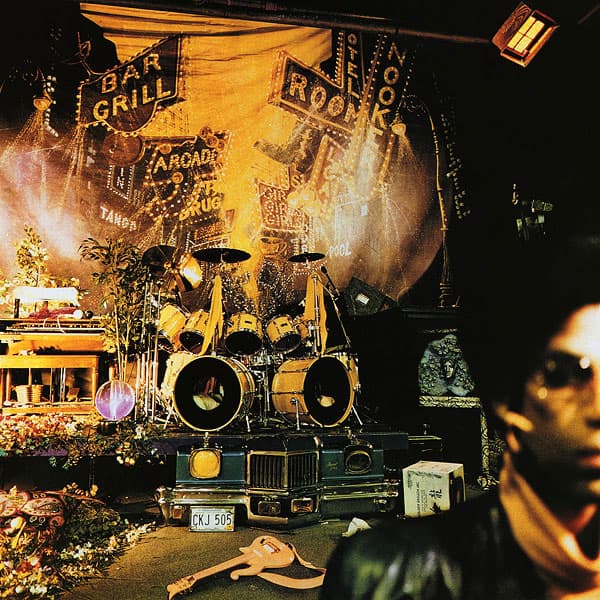
It was meant to be a triple album and the label refused. Some of it is sung by a sped-up alter ego called Camille.
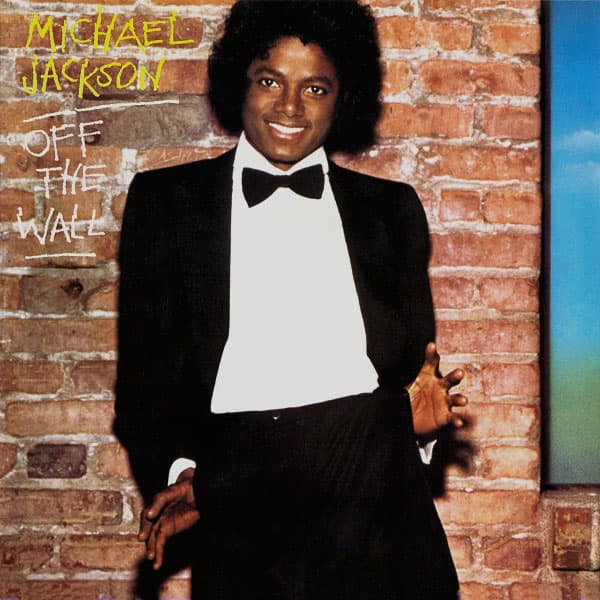
Jackson was twenty-one and wrote the two best songs on it himself. It won a single Grammy, which he took as an insult.
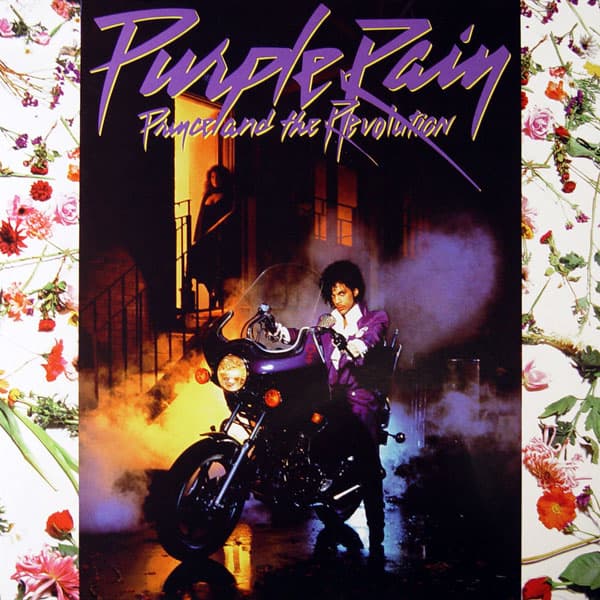
When Doves Cry has no bass on it at all, which Prince did deliberately. Several tracks were taped live at a Minneapolis club.
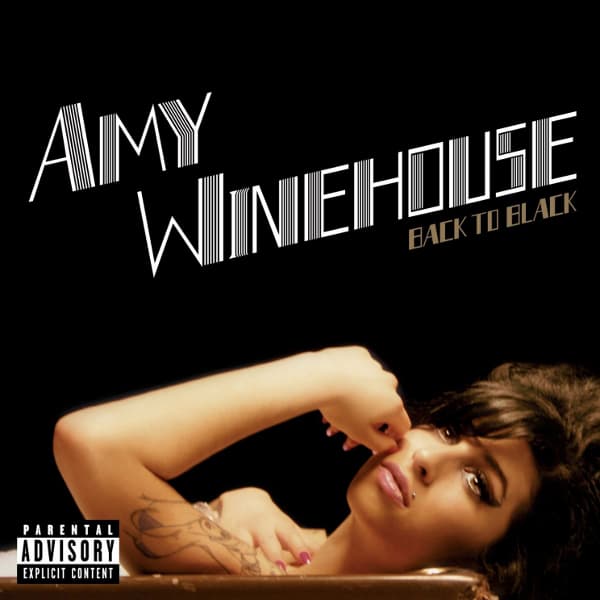
Producer Mark Ronson had a Brooklyn soul band play it live to tape like a sixties session. Winehouse wrote about the man she kept leaving.
Days before it came out, Ocean published an open letter about falling in love with a man, and then let the record speak.
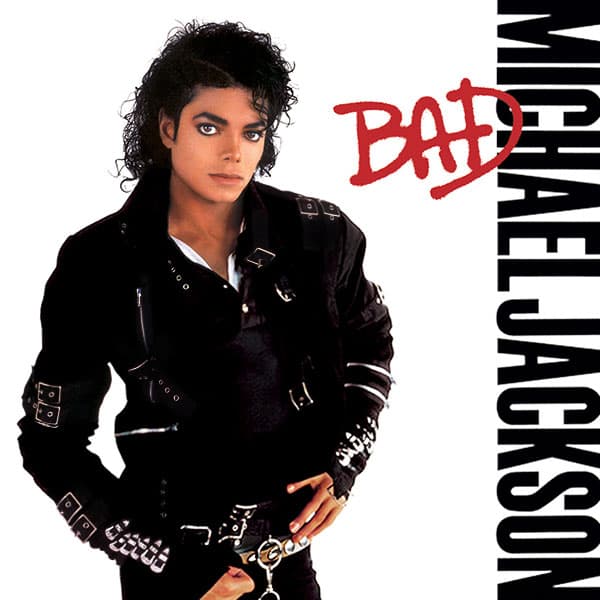
Prince was supposed to sing the title track with Jackson and turned it down. Five singles from it went to number one anyway.

The producer Timbaland built most of the tracks in two halves, so the songs change shape halfway through instead of repeating a chorus.
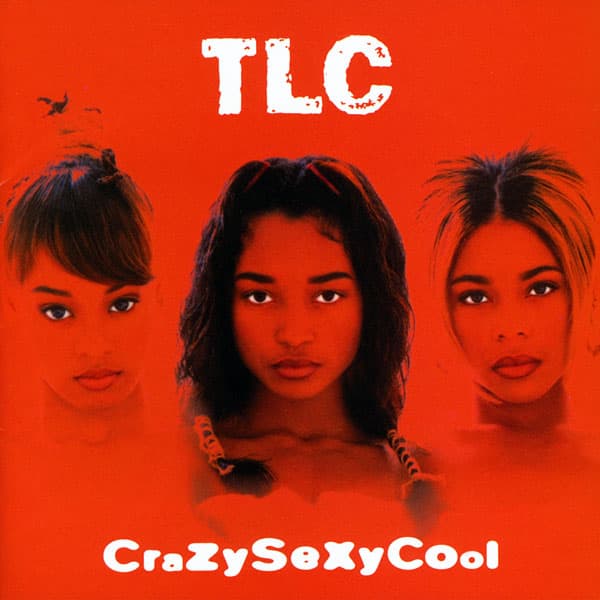
Lisa Lopes burned down her boyfriend's house while they were making it. The album sold over twenty million and the group still went bankrupt.
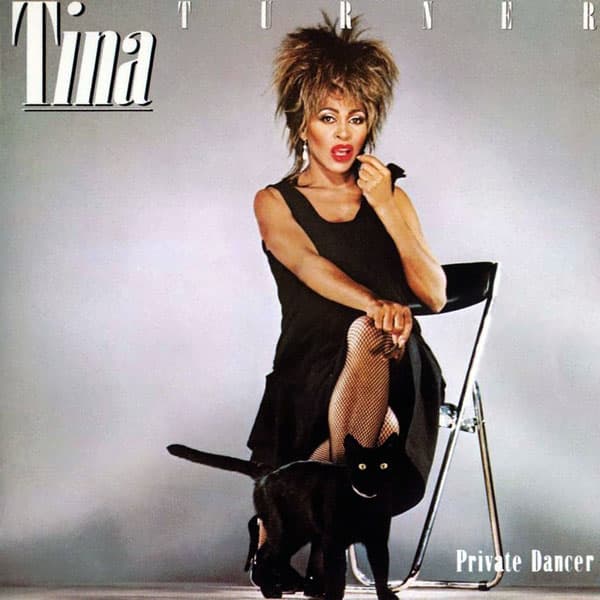
Recorded in about two weeks in London on almost no budget, when Turner was forty-four and considered finished. Mark Knopfler wrote the title song.

Mayfield wrote the songs the civil rights marches sang, then started his own label so that he would own them.
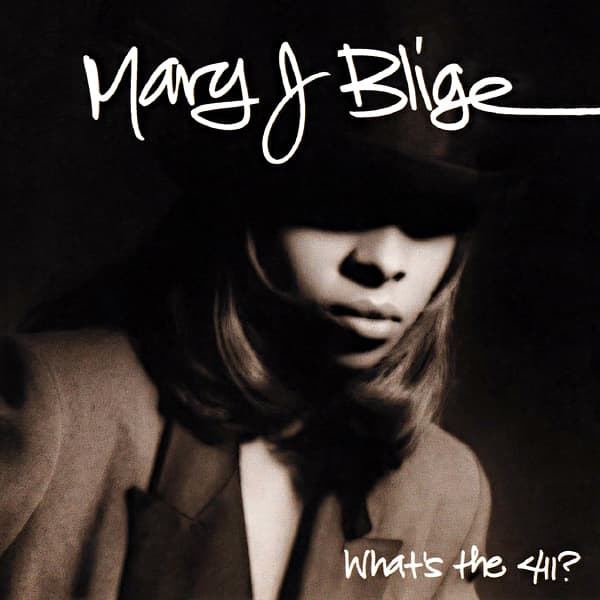
Blige was discovered from a karaoke tape recorded in a shopping mall, and the title comes from the phrase for asking someone's business.
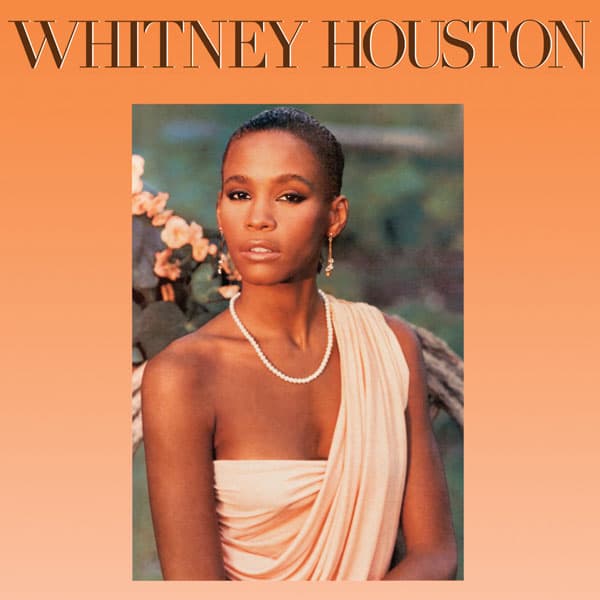
Her mother sang backing vocals for Aretha Franklin. Arista spent two years and a great deal of money picking songs before releasing any of it.
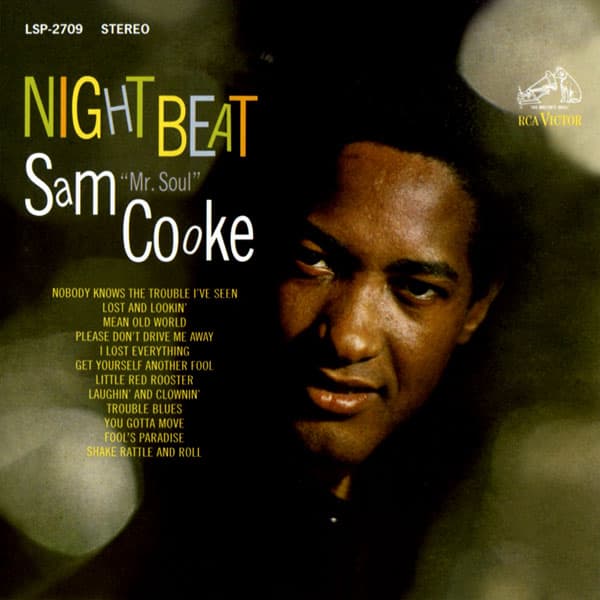
Recorded across three consecutive nights in the small hours, with a sixteen-year-old Billy Preston on organ and the pop arrangements stripped away.

Bland took his trademark squall from a recorded sermon by a Detroit preacher, and worked it into nearly every song he sang afterwards.