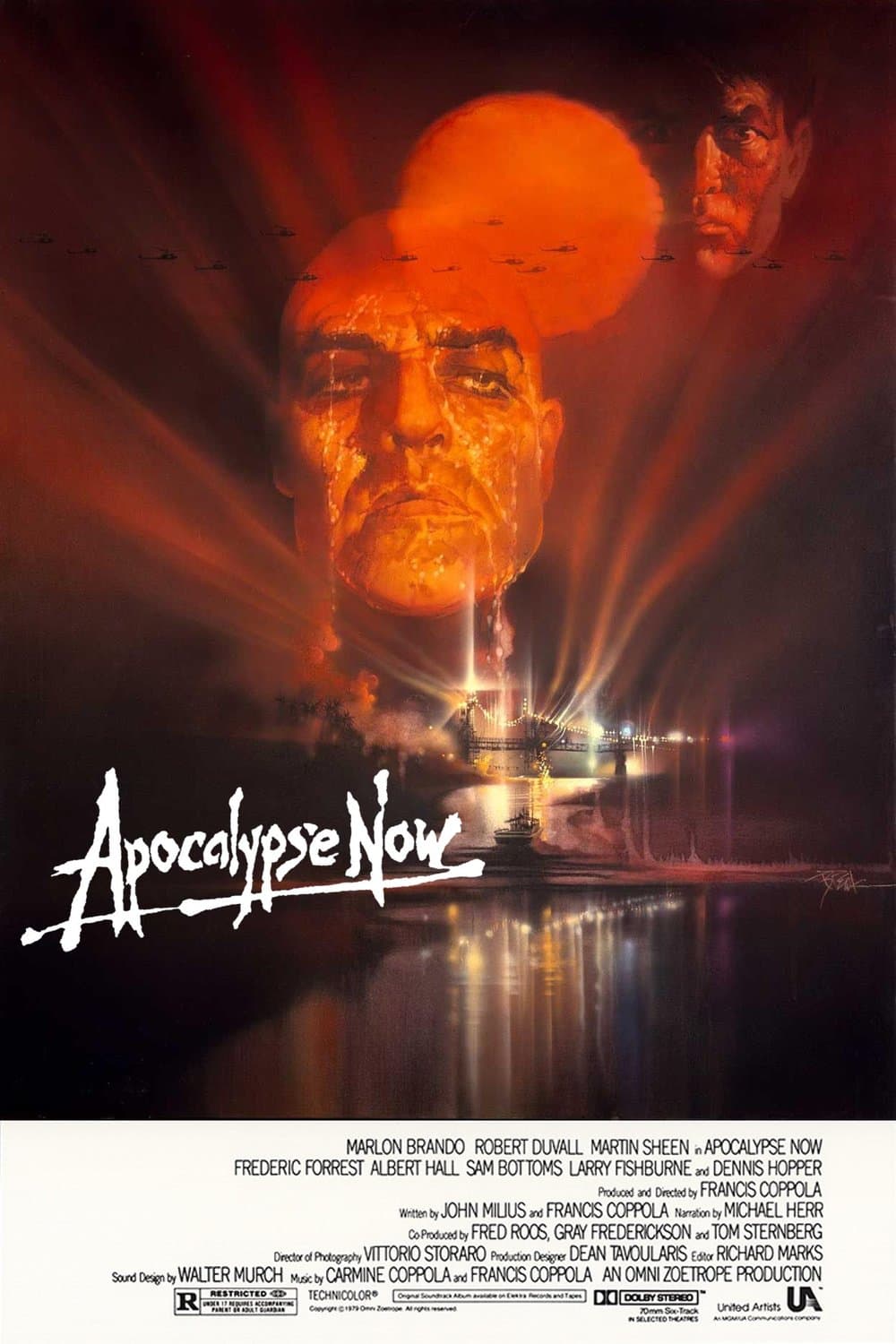
Apocalypse Now
Directed by Francis Ford Coppola
1979
No production has ever gone further off the rails or shown it more clearly: Coppola's Vietnam abandons the war film for pure hallucination, and the helicopters over the trees are permanent.
★ 9.7
 skopia
No production has ever gone further off the rails or shown it more clearly: Coppola's Vietnam abandons the war film for pure hallucination, and the helicopters over the trees are permanent.

Spielberg made the rare first-contact film that treats the aliens as something to hope for: an ordinary man starts building a mountain in his living room and cannot say why.
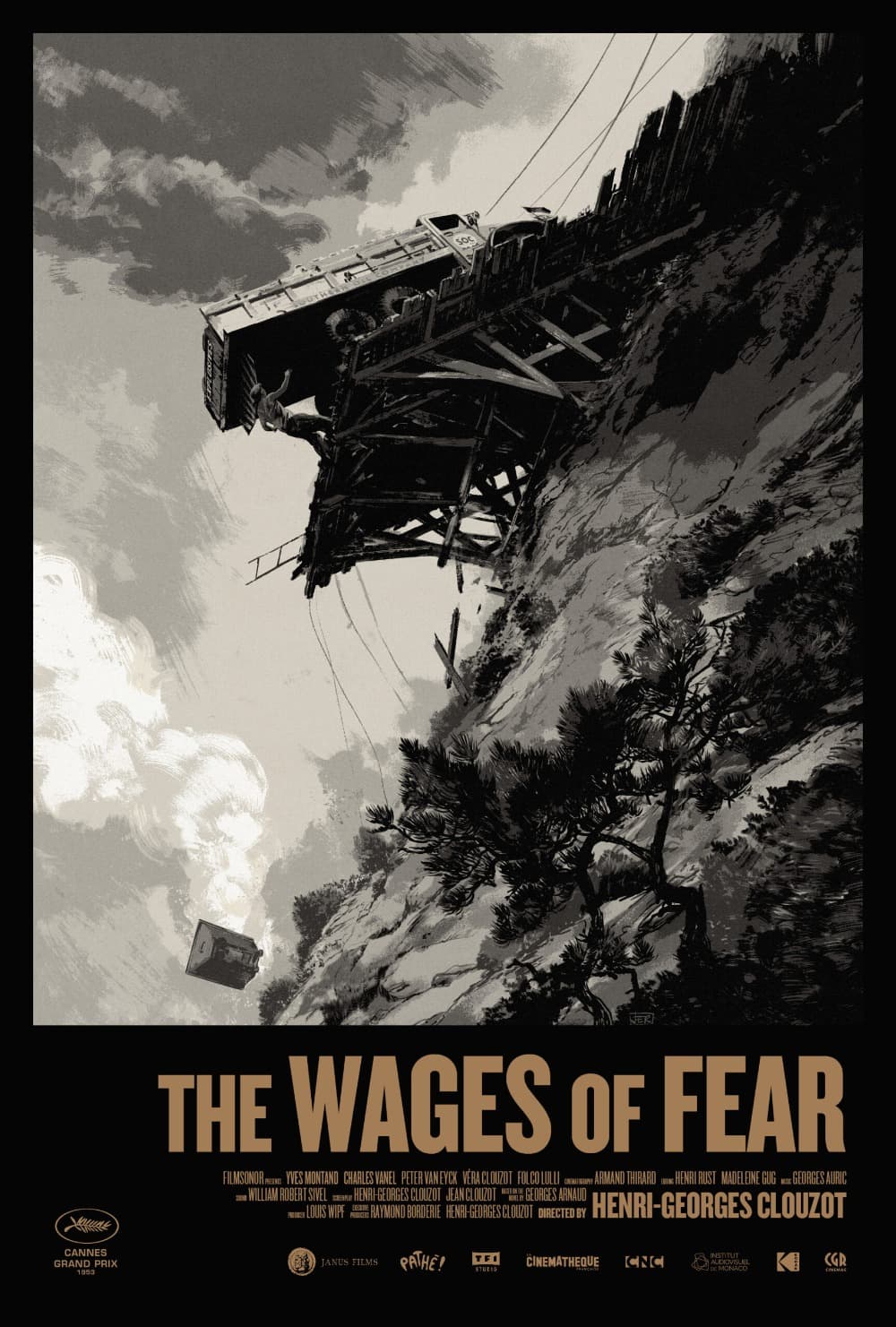
Suspense does not get more physical than this: four desperate men drive truckloads of nitroglycerin over mountain roads, and every rut in the surface becomes an ordeal.
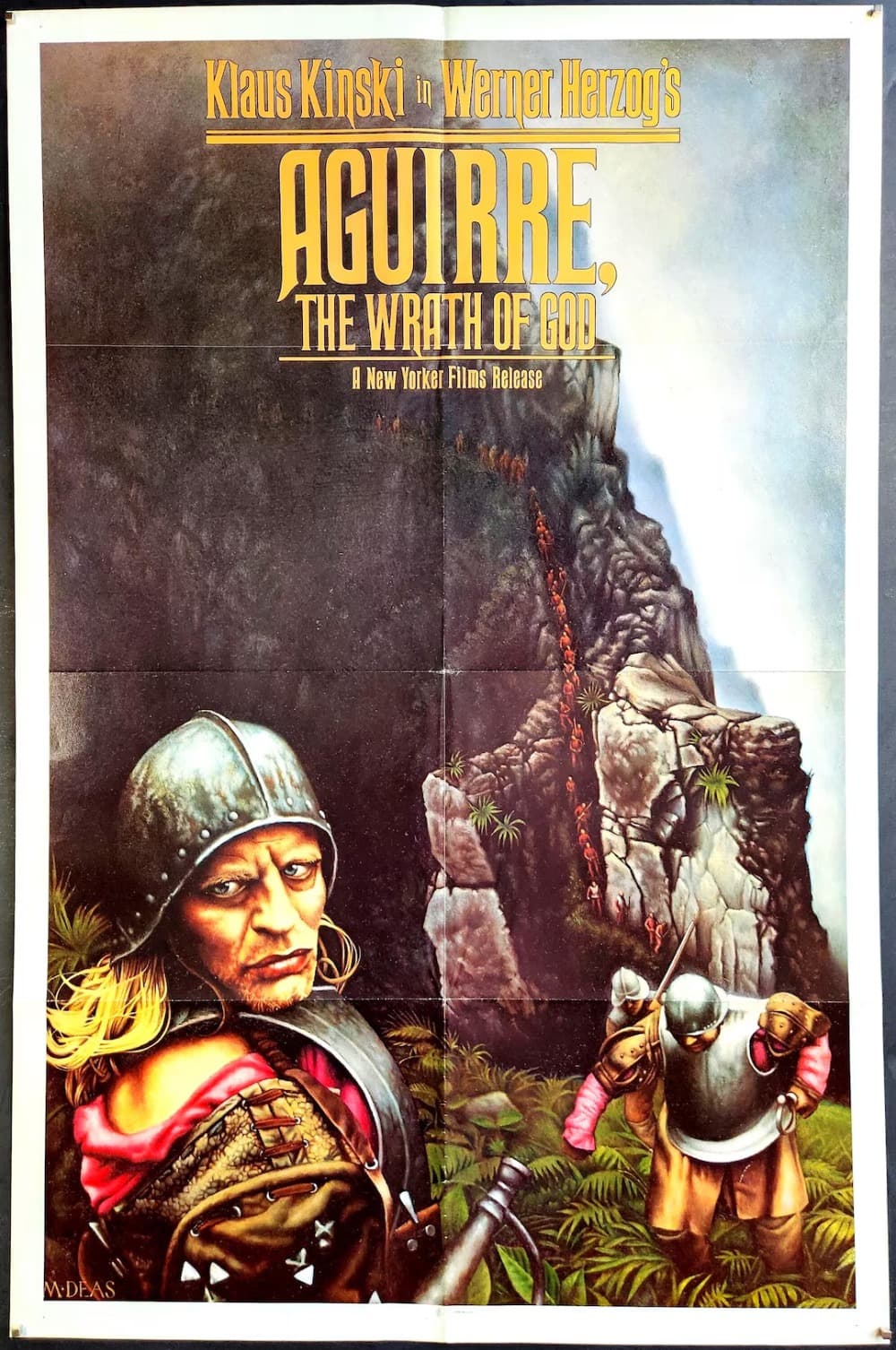
Herzog shot it for almost nothing on a real Amazon river with a lead actor he fought with constantly: Kinski's stare and a shrinking raft do everything.
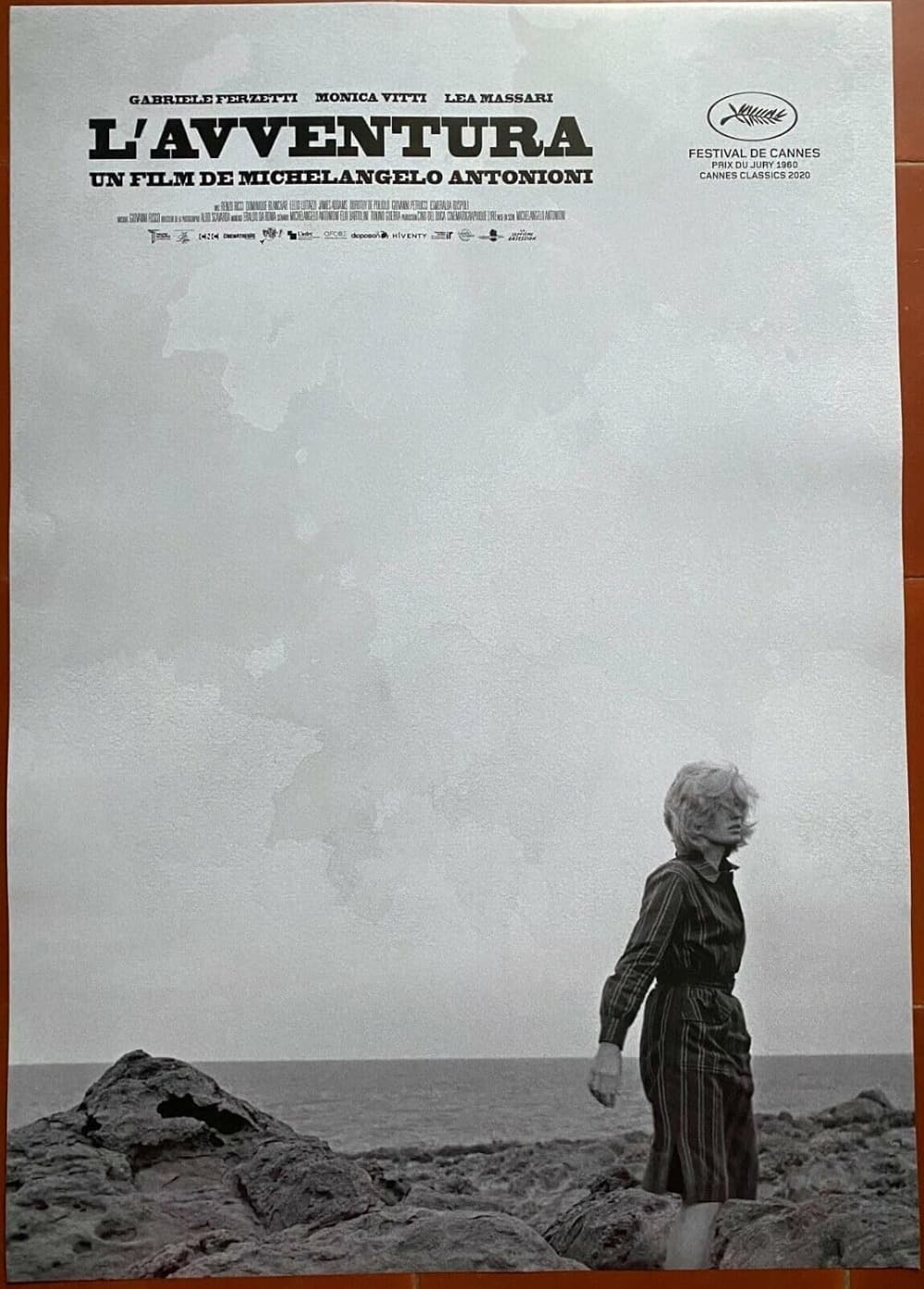
It was booed off the screen at Cannes and won a prize at the same festival: Antonioni made drift and boredom into subjects, and cinema has been arguing since.
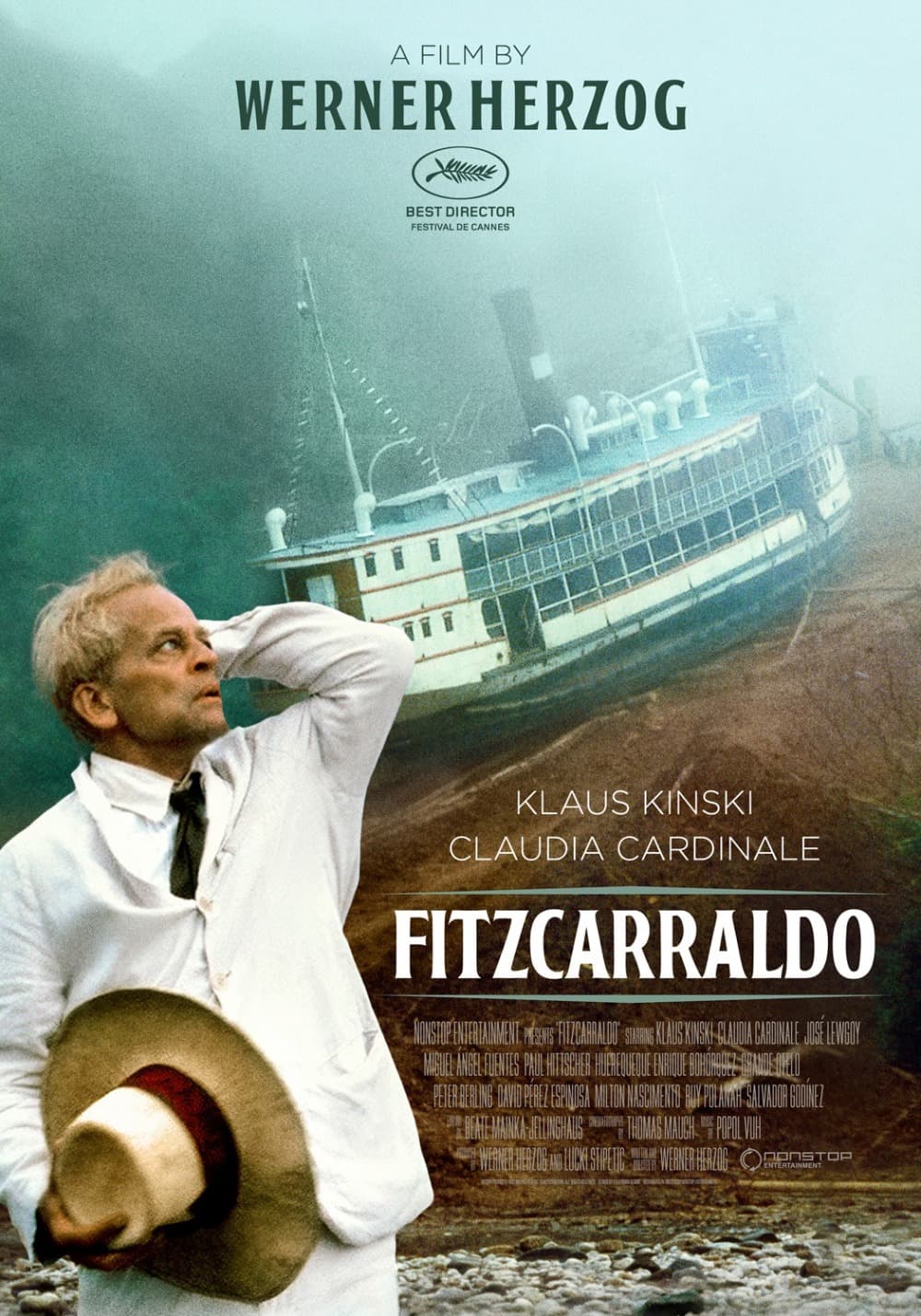
Herzog dragged a 320-ton steamship over a mountain with no models and no effects: his hero wants an opera house in the Amazon, and the production came to resemble the obsession it filmed.
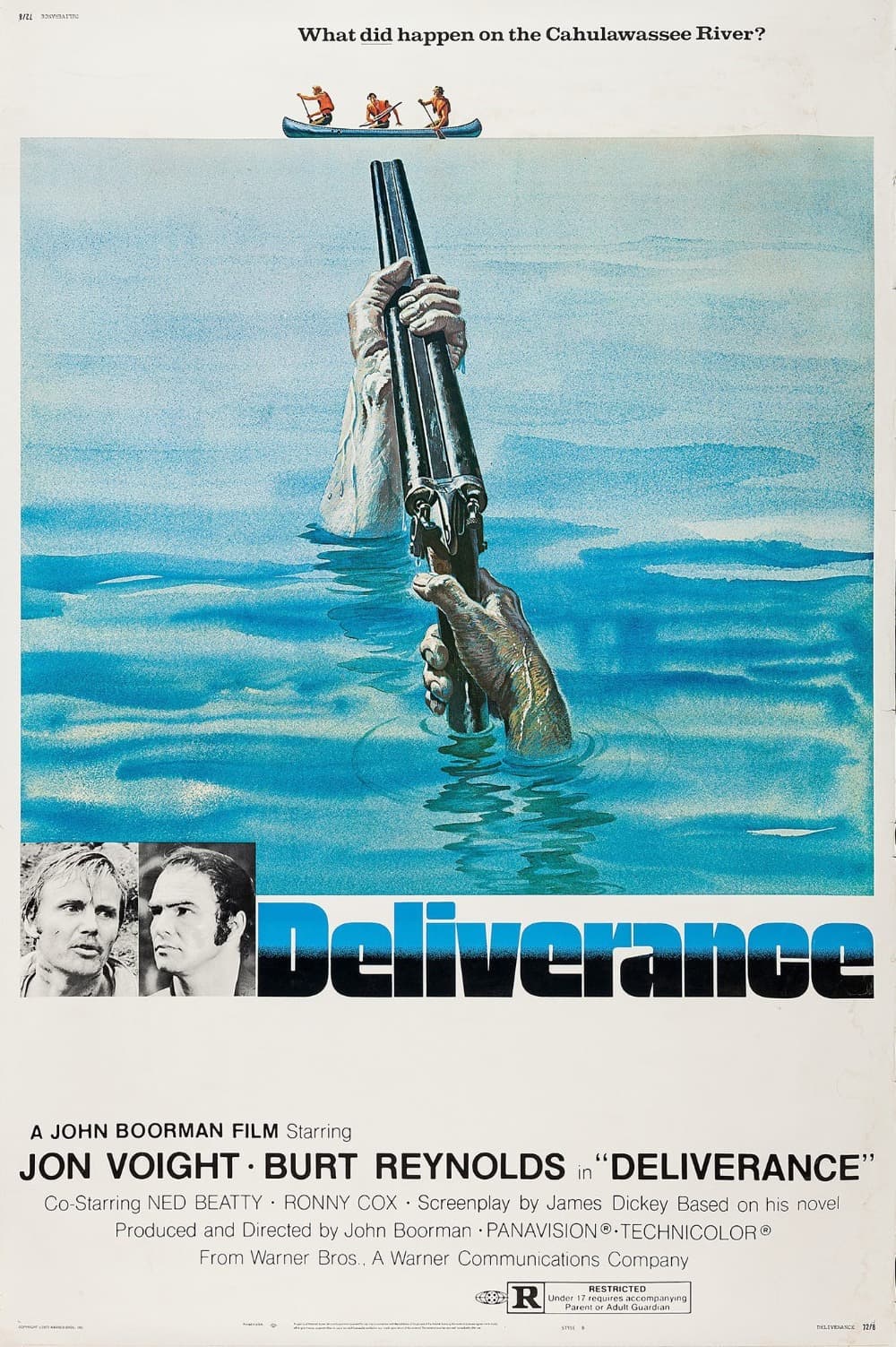
The outdoors has never felt this hostile on film: Boorman shot in sequence and made his actors run the whitewater themselves, and a weekend canoe trip turns into something much older.
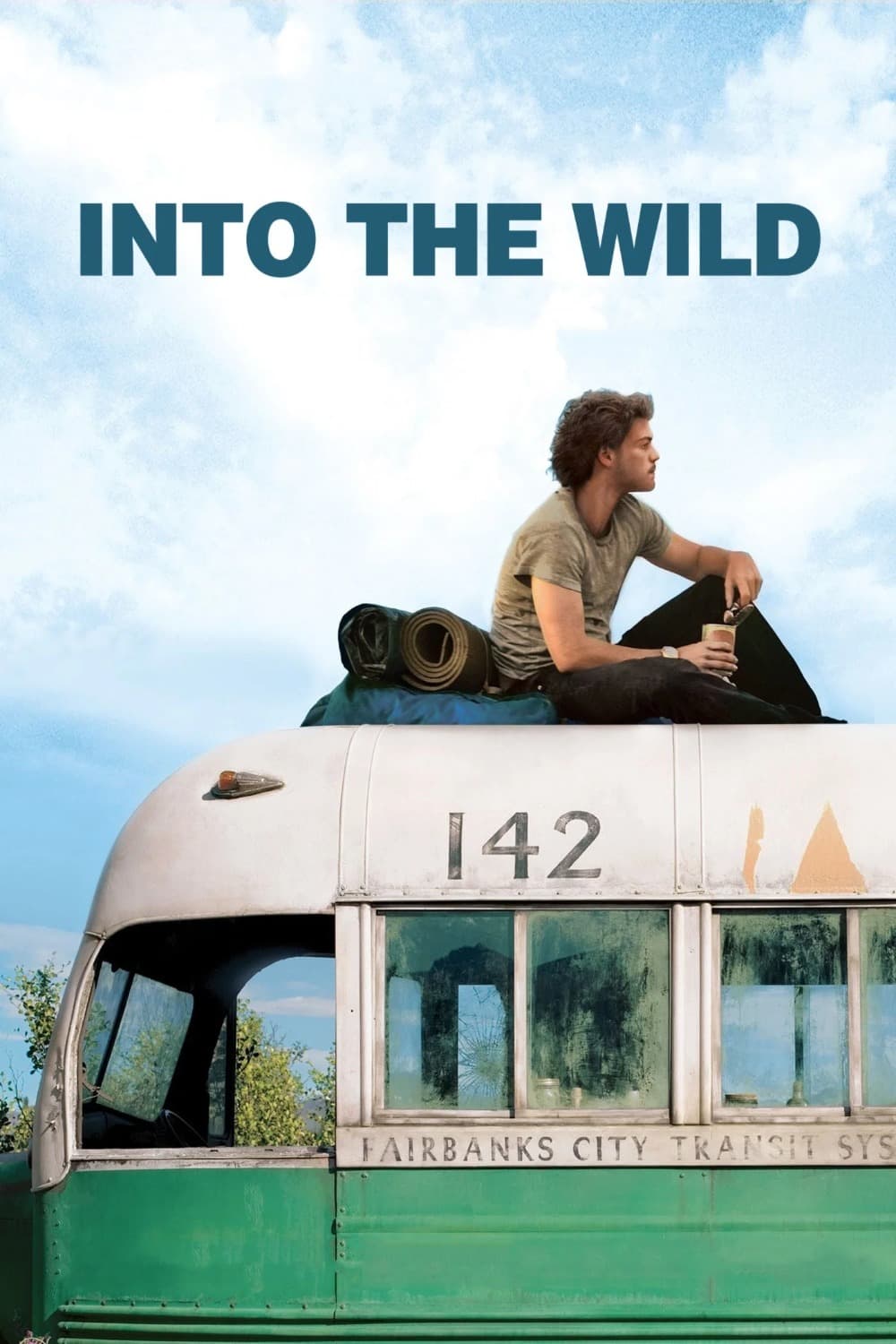
Sean Penn spent ten years persuading the family to let him film this: a graduate burns his savings and walks into the Alaskan interior, and the film neither mocks him nor canonizes him.

Scorsese made a children's film in 3D to argue for film preservation: an orphan living inside a Paris railway station keeps a broken automaton his father left him, and the station watches him.

Production shut down a year so Tom Hanks could lose fifty pounds: for an hour there is barely a word spoken, and a volleyball becomes a genuinely moving character.