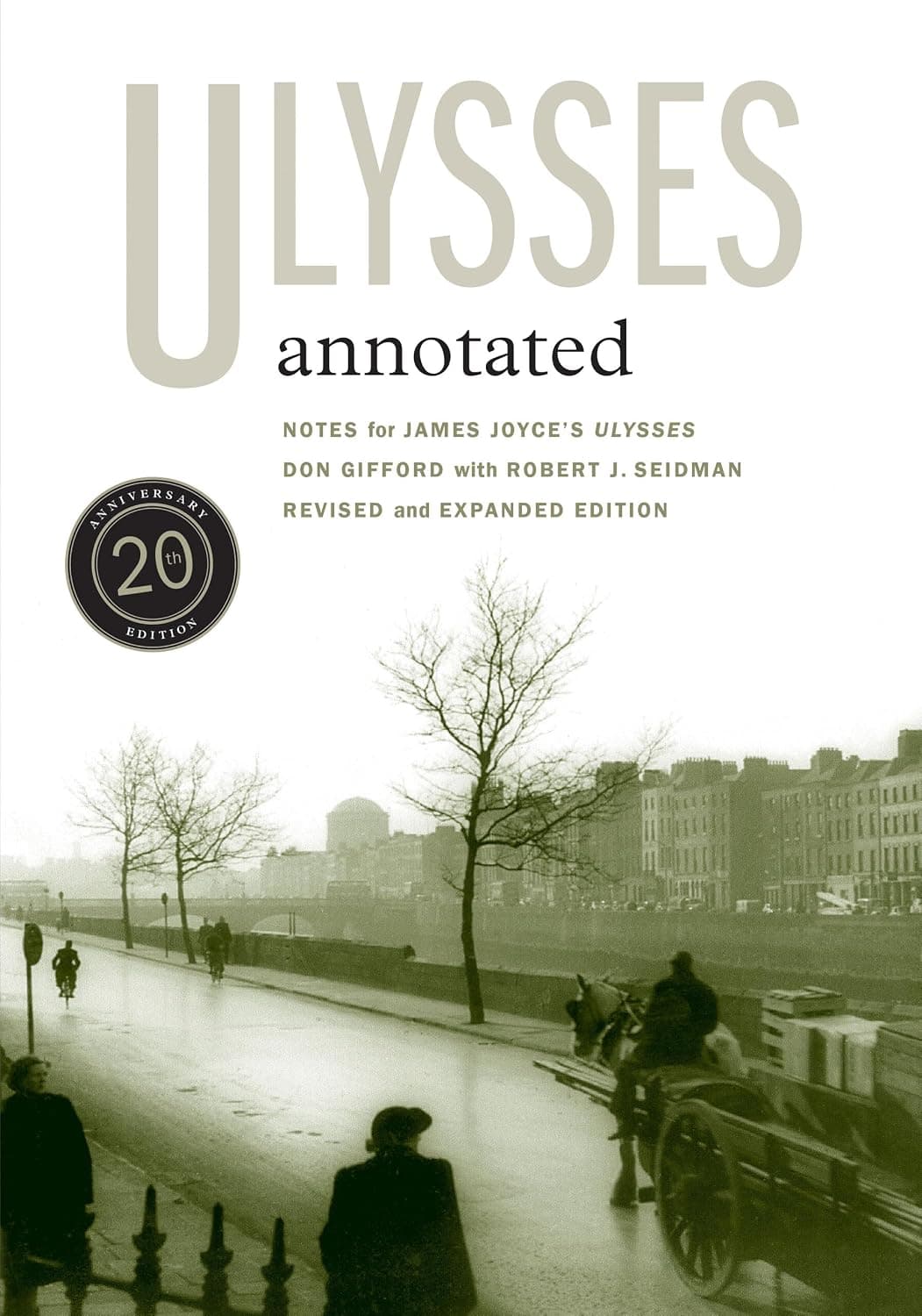
Ulysses
1922 · 694 pages
Leopold Bloom walks Dublin for one day in June 1904, and Joyce pours the whole English language into it. Bloom, advertising canvasser and cuckold, is the kindest man in fiction.
★ 9.7
 skopia
Leopold Bloom walks Dublin for one day in June 1904, and Joyce pours the whole English language into it. Bloom, advertising canvasser and cuckold, is the kindest man in fiction.

The most complete account of memory ever written. A man tastes a madeleine, and three thousand pages of remembered love, jealousy, and vanished aristocrats change permanently how you look at your own past.

Gatsby throws enormous parties hoping the woman he loved will wander into one. Fitzgerald made the Jazz Age America's myth of itself, and the last page is the most beautiful in American writing.
April is the cruellest month, and from that line Eliot assembles a ruined Europe out of voices, tarot cards, and pub talk. The fragments lodge in the memory for good.

At a summer house by the sea a trip to the lighthouse keeps being postponed, and Woolf gets so close to how a mind works that years pass and grief arrives in passing.

Four sections circle one Mississippi family's ruin, and the first belongs to a brother who cannot speak or keep time in order. Faulkner makes confusion itself carry the weight of grief.
Hans Castorp goes to a Swiss sanatorium to visit his tubercular cousin for three weeks and stays seven years. Time comes loose there while the patients debate everything and Europe drifts into war.
Clarissa Dalloway buys the flowers herself and gives a party, one June day in London, while a veteran wrecked by the war comes apart nearby. Woolf moves between strangers' minds without warning.
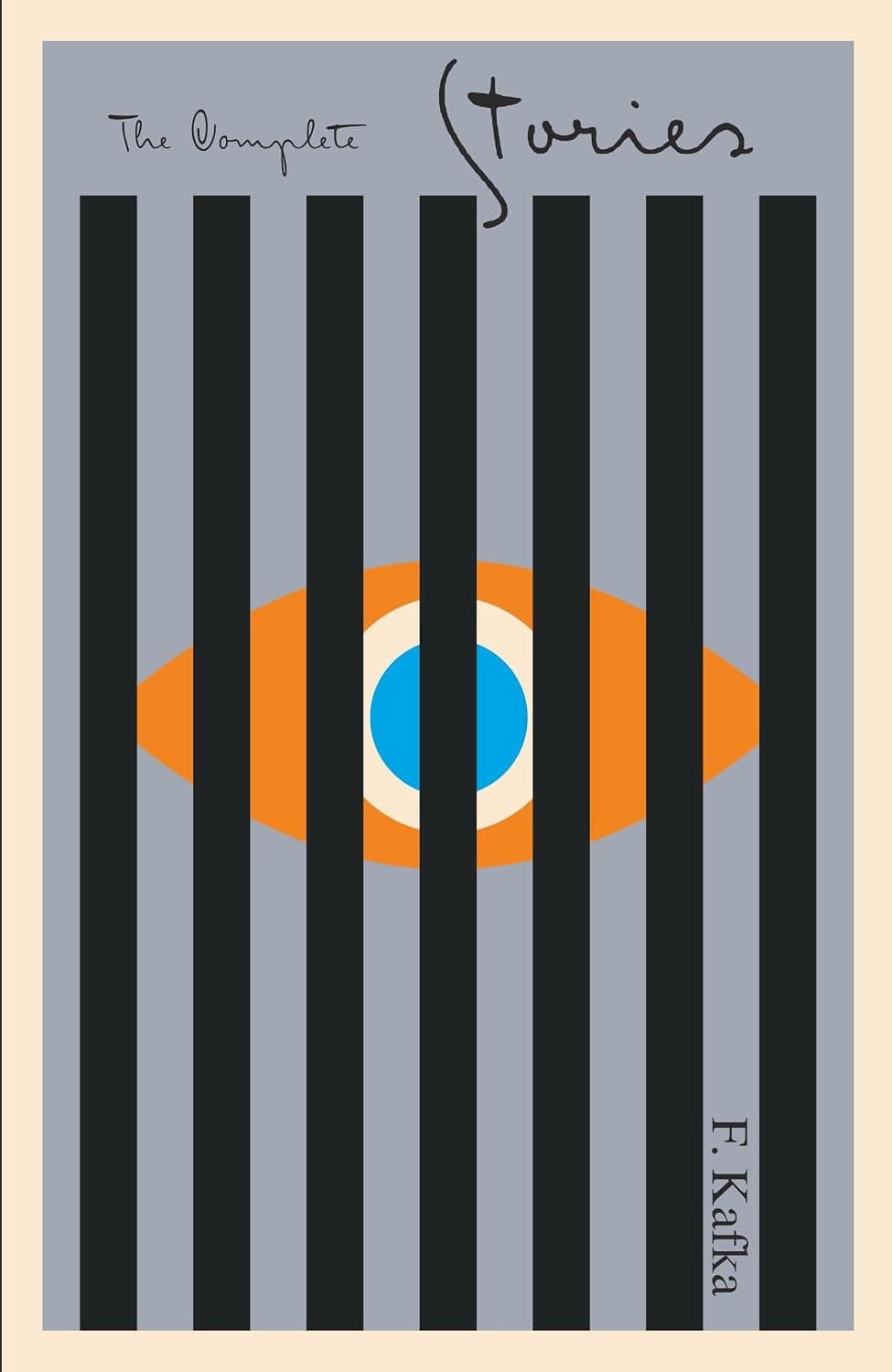
An officer demonstrates his execution machine with love, and a hunger artist starves himself before crowds that have stopped watching. Kafka's imagination runs at full strength in the short forms.
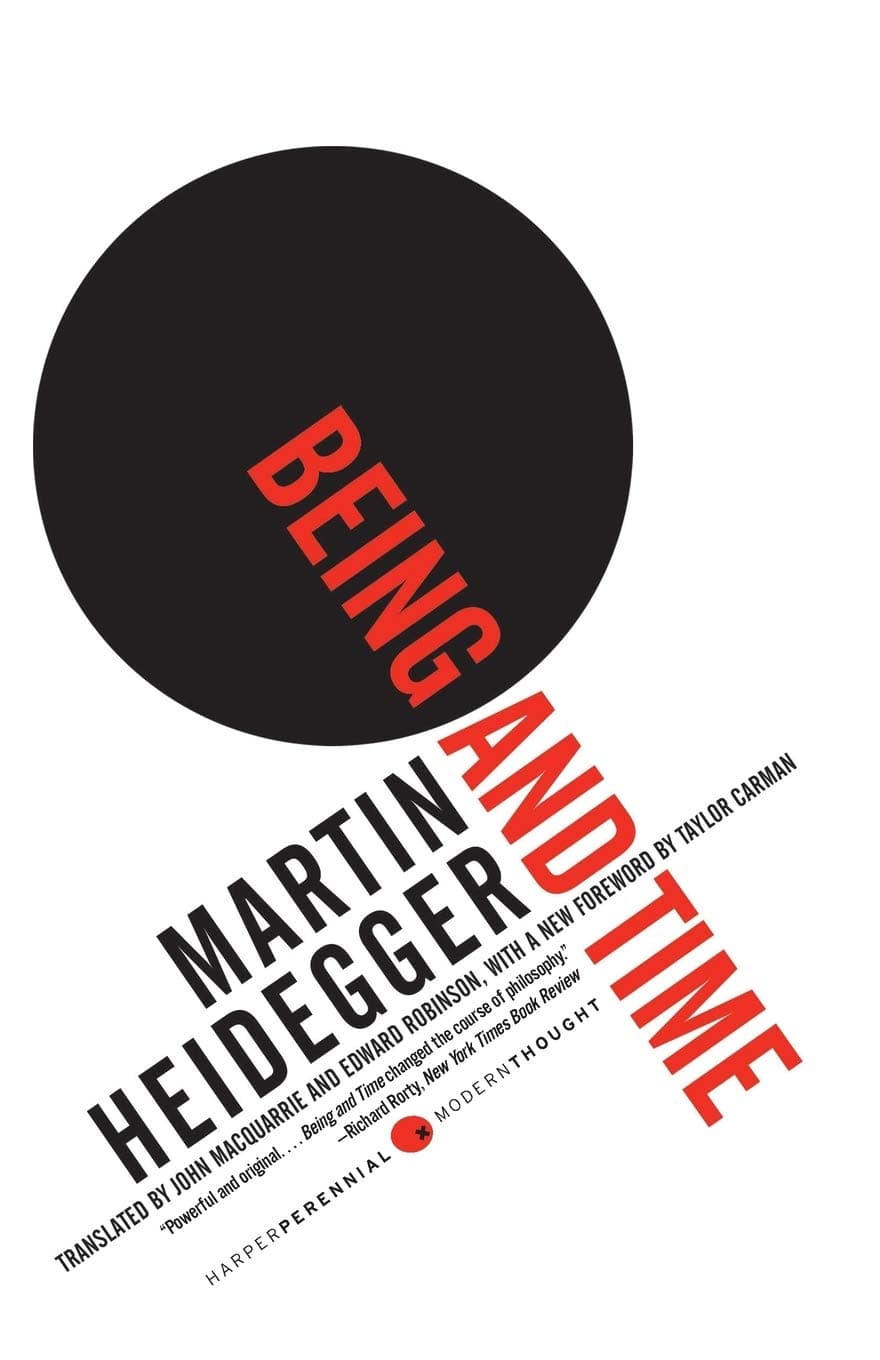
Philosophy forgot to ask what it means for anything to exist. Heidegger rebuilds the question around the ordinary human being, thrown into a world he did not choose and running out of time.

Something happens in the dark of the Marabar Caves, and an Englishwoman accuses the Indian doctor who brought her there. Forster watches a colonial society close ranks and goodwill count for nothing.
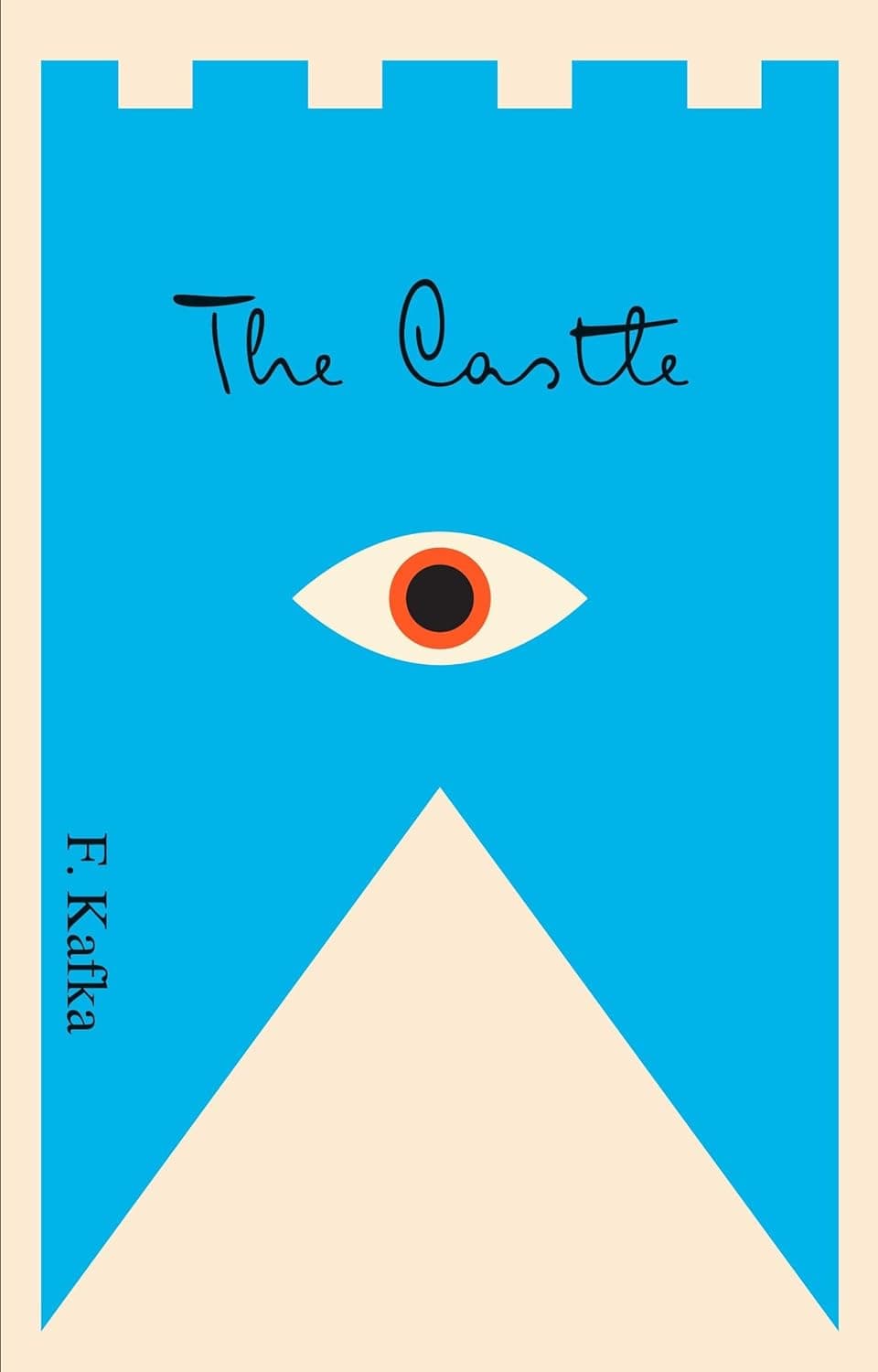
K. arrives in a village claiming the castle above it hired him as land surveyor, and never reaches anyone who can confirm it. Waiting becomes the whole of his life there.

Seven numbered propositions draw the limits of what can be said. Language pictures facts, Wittgenstein argues, so ethics and God fall outside it, and the final proposition tells you to stop talking.

Give a woman five hundred a year and a room with a lock and she will write, Woolf argues, then invents a gifted sister for Shakespeare and follows her to a terrible end.

German schoolboys enlist after a teacher's patriotic speech and find mud, lice, and men dying badly. Remarque was in those trenches, and no book has done more damage to the idea of glory.

From the cafes of Paris to the bullring at Pamplona, expatriates drink and travel and love the wrong people. Hemingway leaves the wound unnamed, and what nobody says sits under every line.

Driving ambulances for the Italian army, an American falls in love with an English nurse while the front collapses around them. Hemingway's plain sentences leave you completely undefended by the last page.

Newland Archer, engaged to the right New York girl, falls for her cousin the Countess Olenska, back from a ruinous European marriage. Old New York moves against them without ever raising its voice.
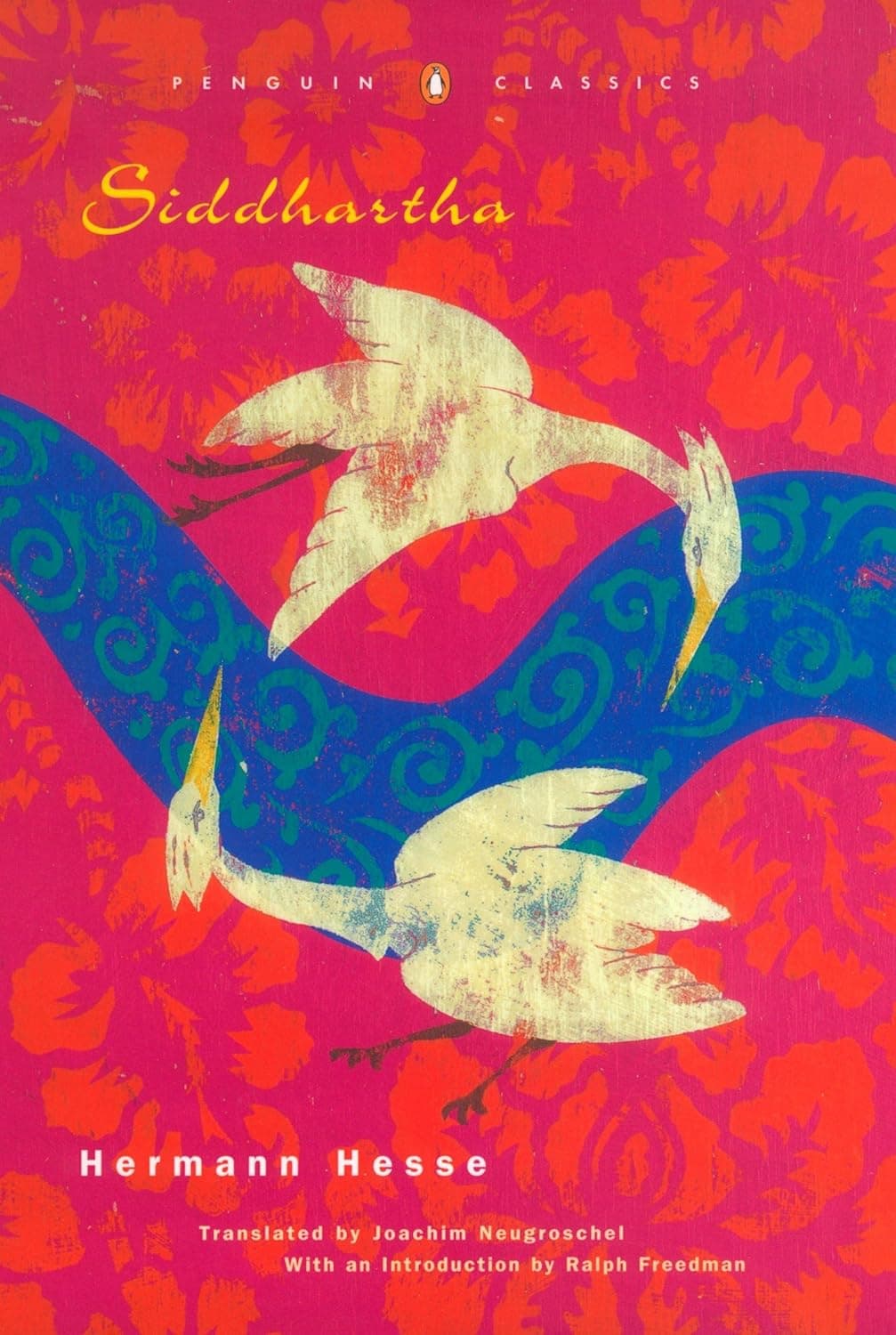
Siddhartha leaves home to seek enlightenment, meets the Buddha and declines to follow him, then spends years chasing money and a courtesan. What finally teaches him is a river and its ferryman.

Lawrence rode with the Arab tribes revolting against the Ottoman Empire, dynamited their trains, and took Aqaba from the desert side. He tells it as epic and never stops accusing himself.