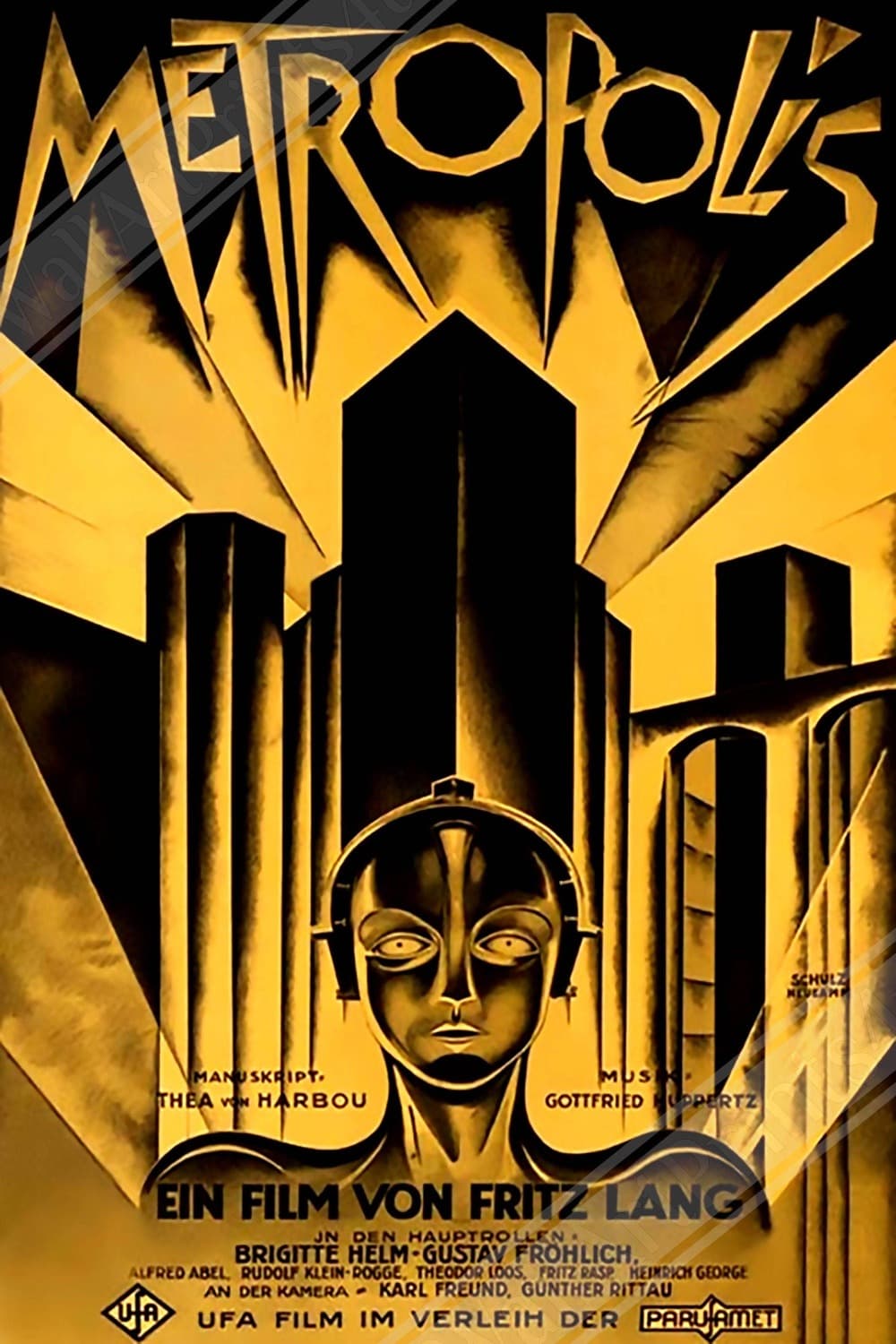
Metropolis
Directed by Fritz Lang
1927
Science fiction has been raiding its designs for a century: Lang built a vertical city and a metal woman in 1927, and both are still turning up in new films.
★ 8.8
 skopia
Science fiction has been raiding its designs for a century: Lang built a vertical city and a metal woman in 1927, and both are still turning up in new films.
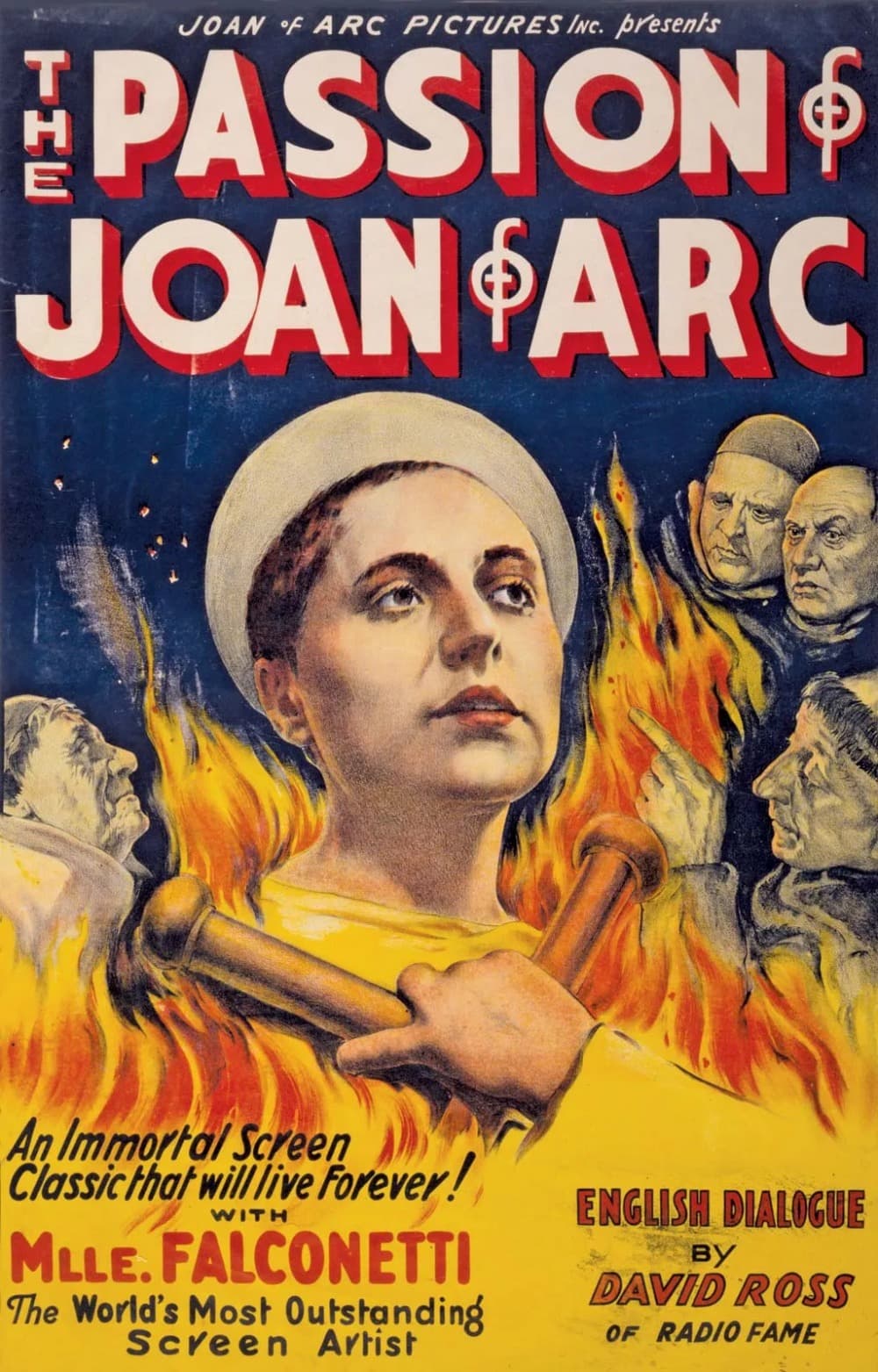
No screen performance has been called greater, and its actress never made another film: Dreyer shot Renee Falconetti's face in close-up, and his original cut went missing for fifty years.

It won the only Academy Award ever given for Unique and Artistic Picture: Murnau's camera never stops moving, and the film is astonishing to look at a century on.
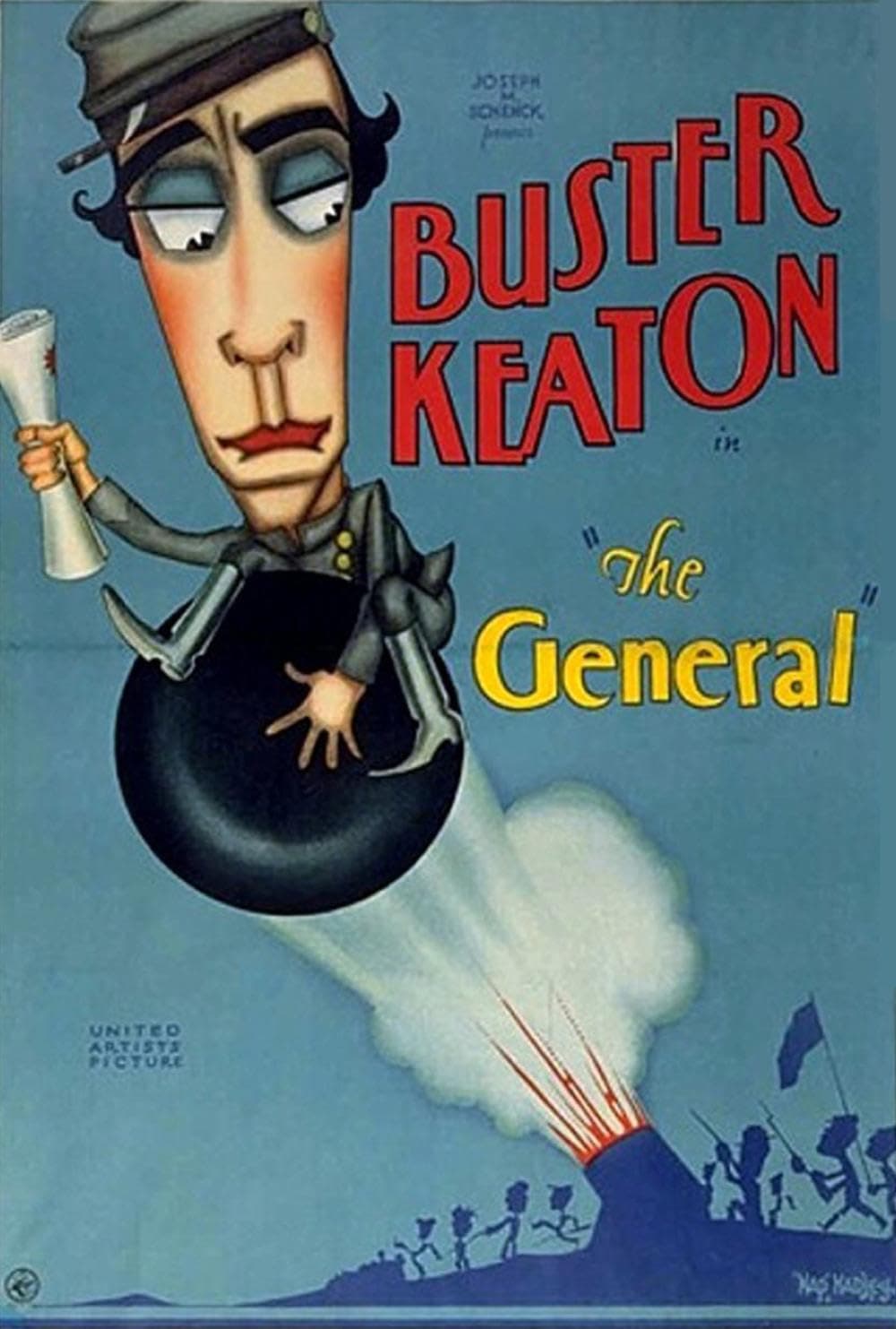
Keaton did every stunt himself and dropped a real locomotive through a burning bridge: it flopped, cost him his independence within two years, and is now considered the great silent comedy.
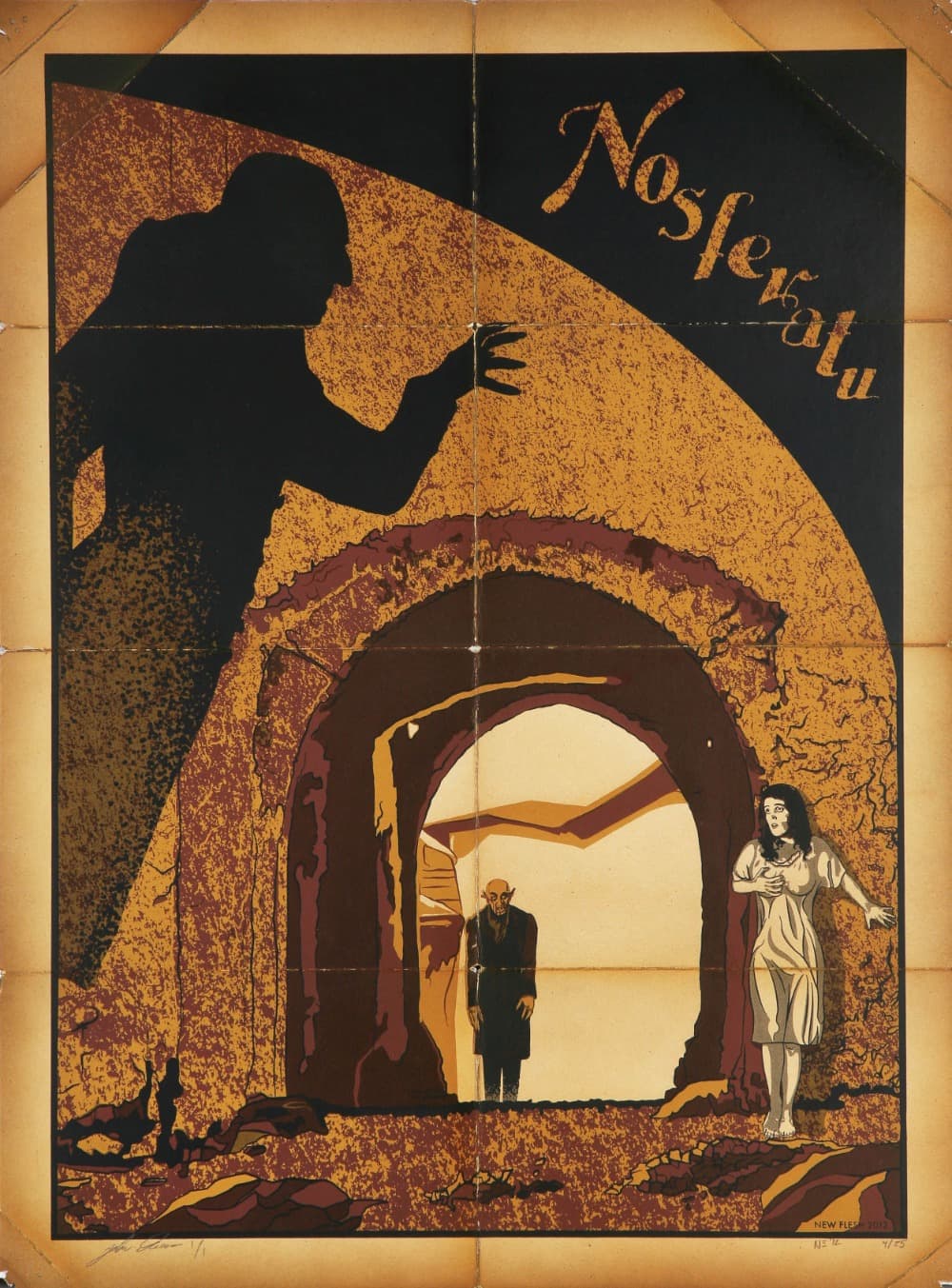
A court ordered every print destroyed and the film survived anyway: Murnau's unauthorized Dracula gave horror its first permanent image, a shadow climbing a staircase toward a door.
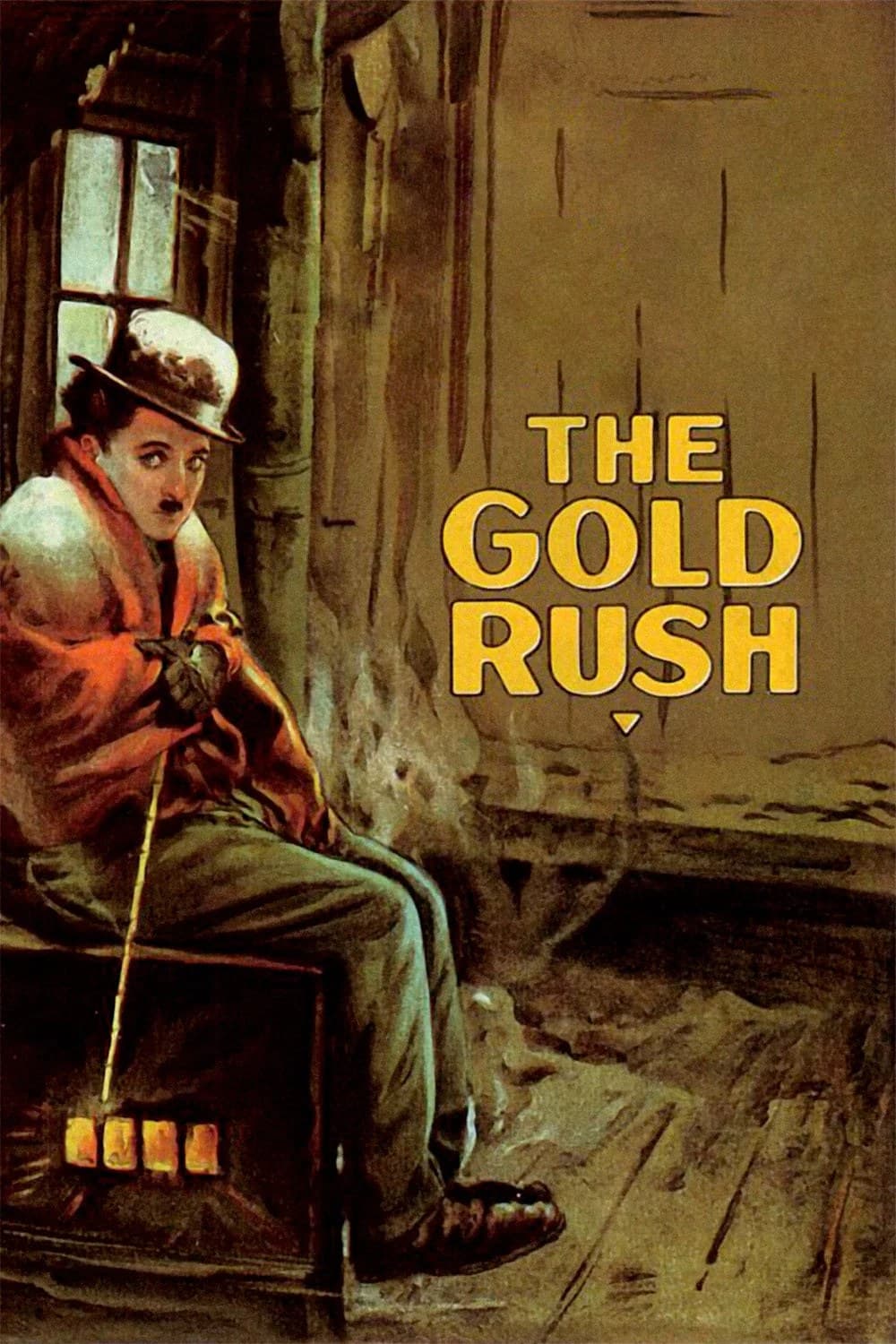
Chaplin said this was the film he wanted to be remembered for: the boiled boot eaten like a banquet, the dancing dinner rolls, and a cabin on a cliff edge.
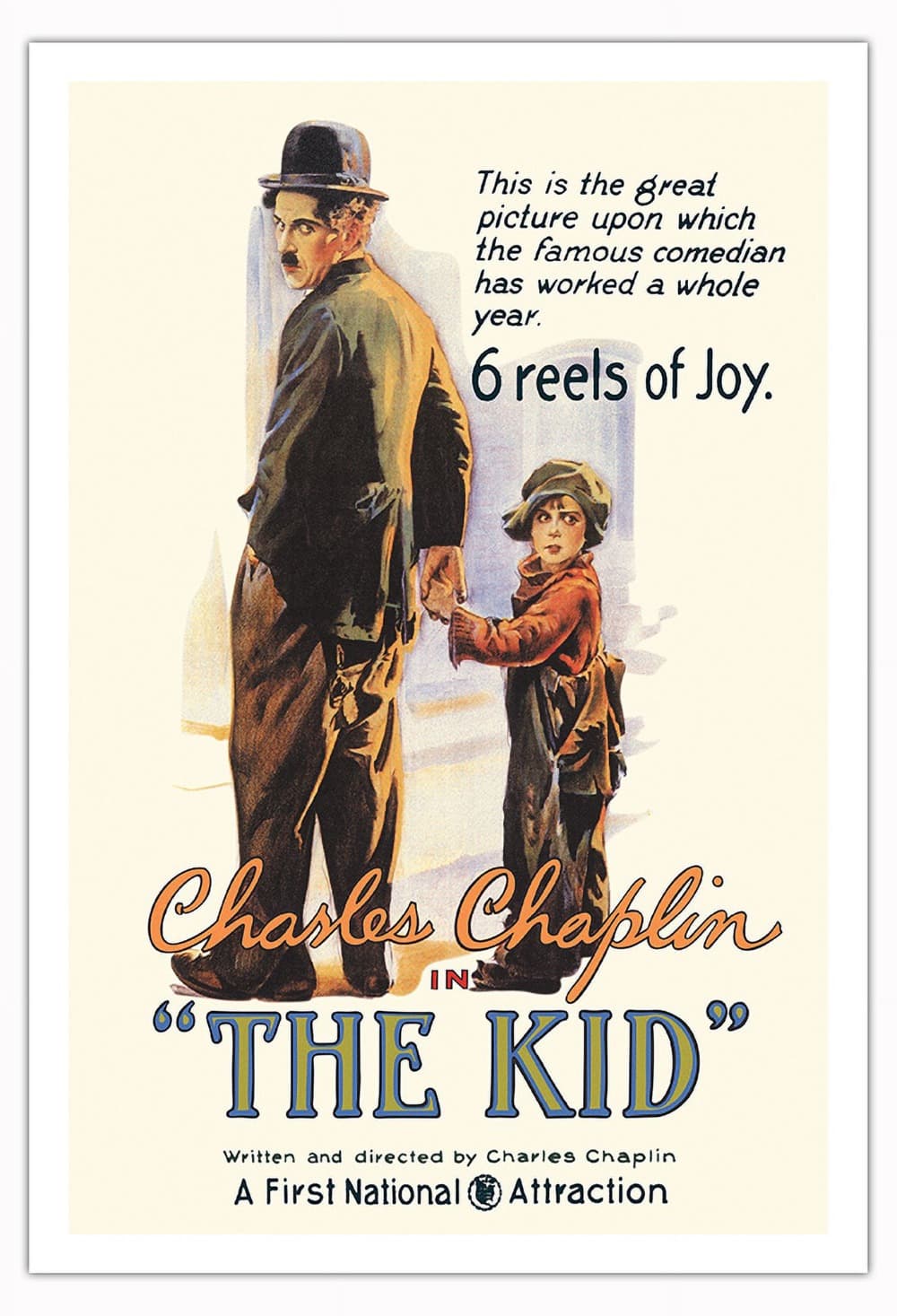
Comedy and heartbreak arrive in the same shot, which almost nobody has managed since: Chaplin's first feature has a tramp raising an abandoned boy, and Jackie Coogan was five years old.