
West End Blues
1928
Armstrong's twelve-second opening cadenza announced that jazz had a soloist, and everything since has been the answer.
★ 9.1
 skopia
Armstrong's twelve-second opening cadenza announced that jazz had a soloist, and everything since has been the answer.
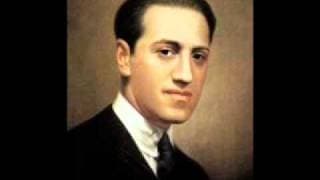
Ross Gorman slurred the opening clarinet as a joke in rehearsal, and Gershwin kept the wail for Aeolian Hall.

Carmichael whistled the tune to his band at Gennett and cut it fast; Parish added the lyric two years later.
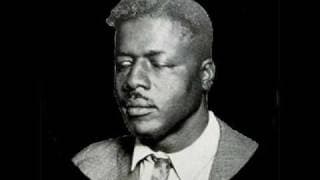
Wordless humming answered by a pocketknife slide, an 1792 hymn tune NASA put on the Voyager Golden Record.
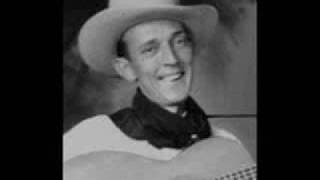
Cut in a converted Camden church in 1927, two takes, and the yodel that made hillbilly records big business.
Armstrong's cornet answering every line Smith sings, with only a wheezing harmonium underneath, cut in New York in 1925.
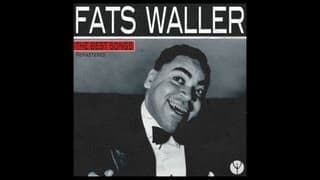
Waller sold every song in Hot Chocolates for five hundred dollars, then cut this one alone for Victor.
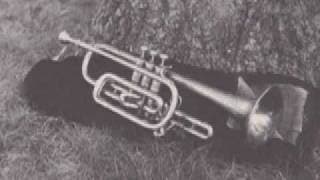
No vocal, the melody withheld until the final chorus, and Beiderbecke's cornet solo transcribed note-for-note by Fletcher Henderson's orchestra.

Maybelle Carter played melody and rhythm at once, and every country guitarist since has learned this 1860 parlor tune.
Alberta Hunter and Lovie Austin wrote it; Smith's debut record sold 780,000 copies in six months, just voice and piano.

Miley's growl trumpet, Nanton's plunger-muted trombone, and a Chopin funeral march closing out the 1927 Victor side.
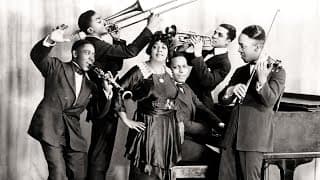
Seventy-five thousand copies in two months, Perry Bradford's tune, and Smith's voice opening the record industry to Black audiences.
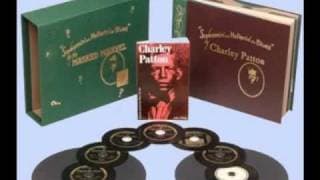
H.C. Speir set up the June 1929 session, and Patton's first Paramount release still sounds like the Delta's starting point.
Smith calls out the steps over a rolling left hand, on the first record to carry boogie woogie in its title.
Cut for Victor in 1924 by a conservatory-trained opera singer, its sales proved a mass audience for hillbilly records.
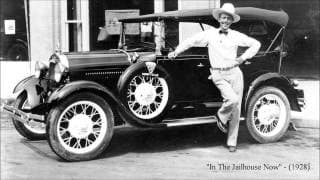
Recorded in Camden in February 1928, a vaudeville novelty from 1915 that Rodgers claimed forever with one yodel.
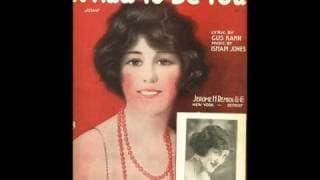
Gus Kahn's lyric prefers the flaws to the virtues, and Jones's 1924 record held number one for five weeks.
Donaldson wrote the tune waiting his turn at a Friars Club billiard table; Austin's soft croon sold millions.
Okeh sent an Avalon sharecropper home after modest sales, leaving behind a fingerpicked John Henry that refuses the hammer.