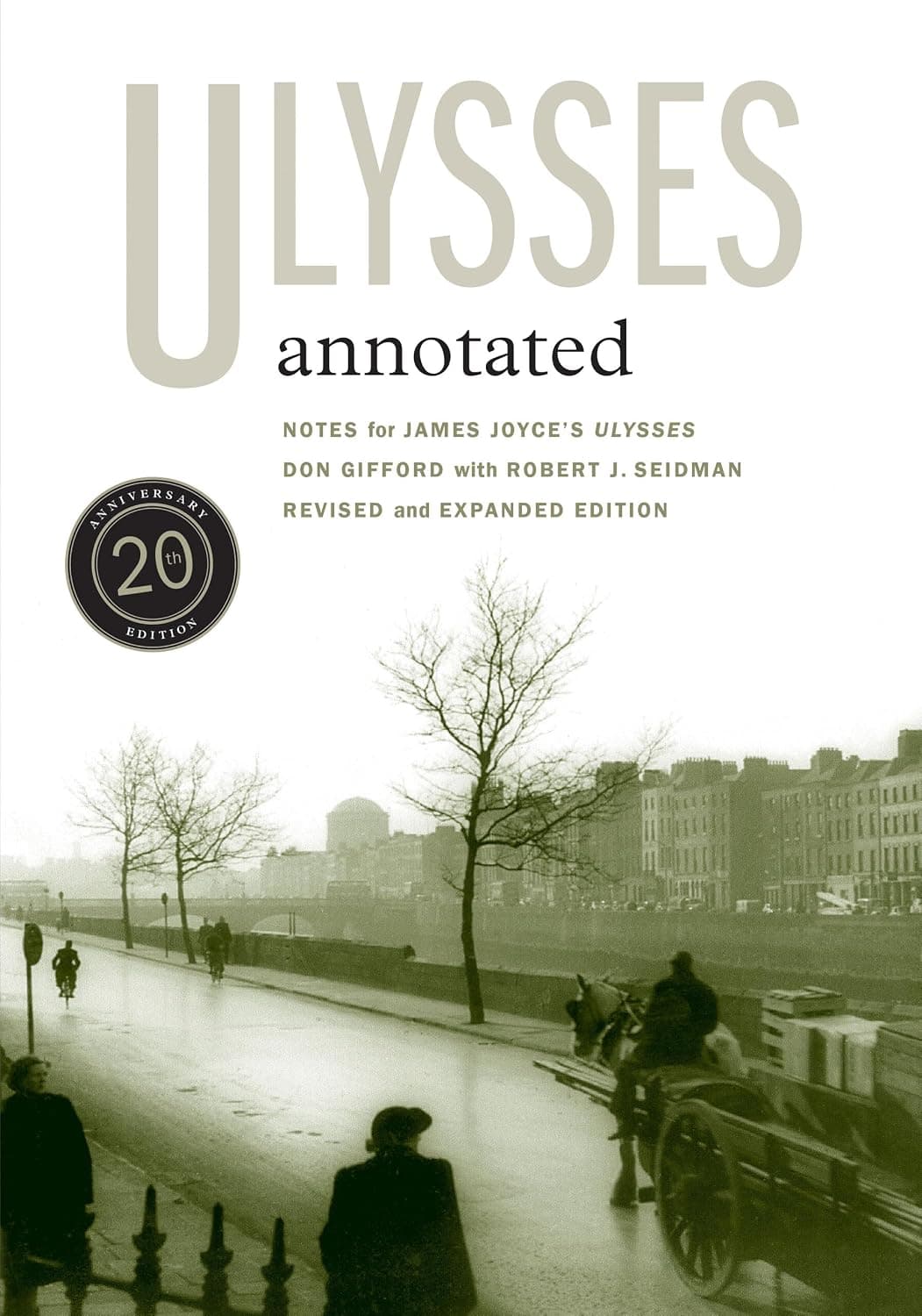
Ulysses
1922 · 694 pages
Leopold Bloom walks Dublin for one day in June 1904, and Joyce pours the whole English language into it. Bloom, advertising canvasser and cuckold, is the kindest man in fiction.
★ 9.7
 skopia
Leopold Bloom walks Dublin for one day in June 1904, and Joyce pours the whole English language into it. Bloom, advertising canvasser and cuckold, is the kindest man in fiction.

The most complete account of memory ever written. A man tastes a madeleine, and three thousand pages of remembered love, jealousy, and vanished aristocrats change permanently how you look at your own past.

Monet painted these eight murals of his pond for two oval rooms in Paris while his eyesight failed. They opened months after he died.

Gatsby throws enormous parties hoping the woman he loved will wander into one. Fitzgerald made the Jazz Age America's myth of itself, and the last page is the most beautiful in American writing.
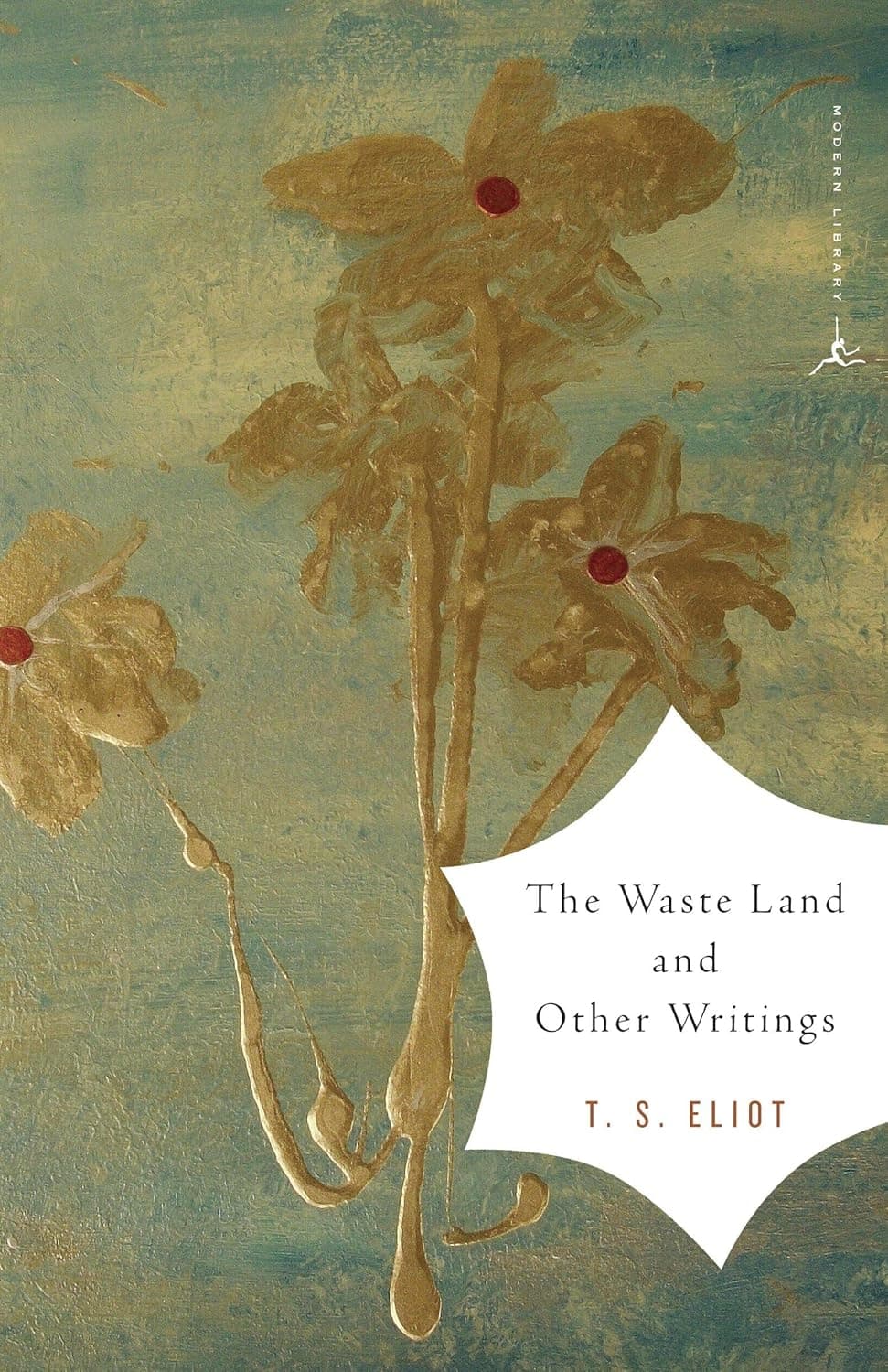
April is the cruellest month, and from that line Eliot assembles a ruined Europe out of voices, tarot cards, and pub talk. The fragments lodge in the memory for good.
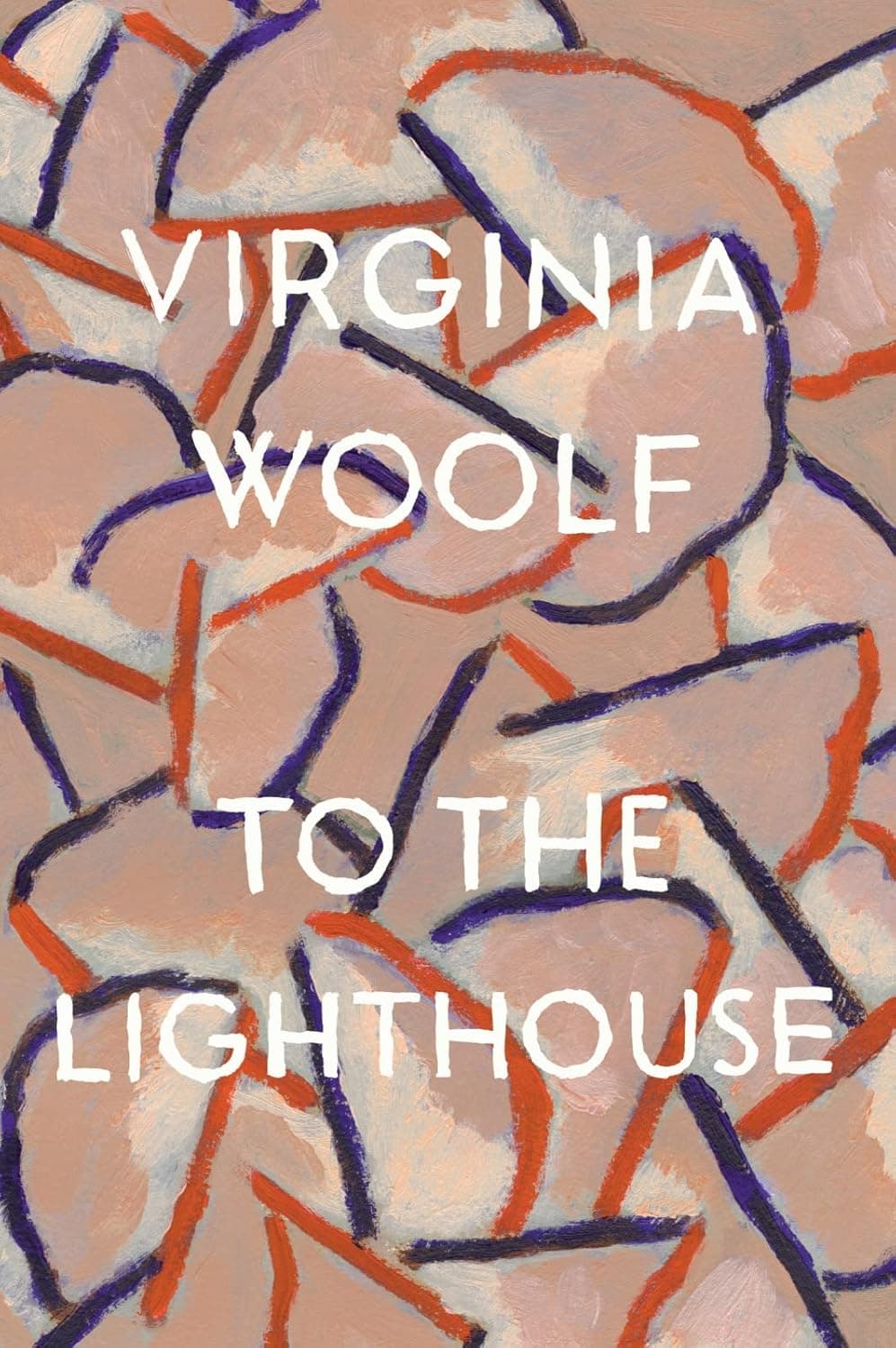
At a summer house by the sea a trip to the lighthouse keeps being postponed, and Woolf gets so close to how a mind works that years pass and grief arrives in passing.

Four sections circle one Mississippi family's ruin, and the first belongs to a brother who cannot speak or keep time in order. Faulkner makes confusion itself carry the weight of grief.
Armstrong's twelve-second opening cadenza announced that jazz had a soloist, and everything since has been the answer.
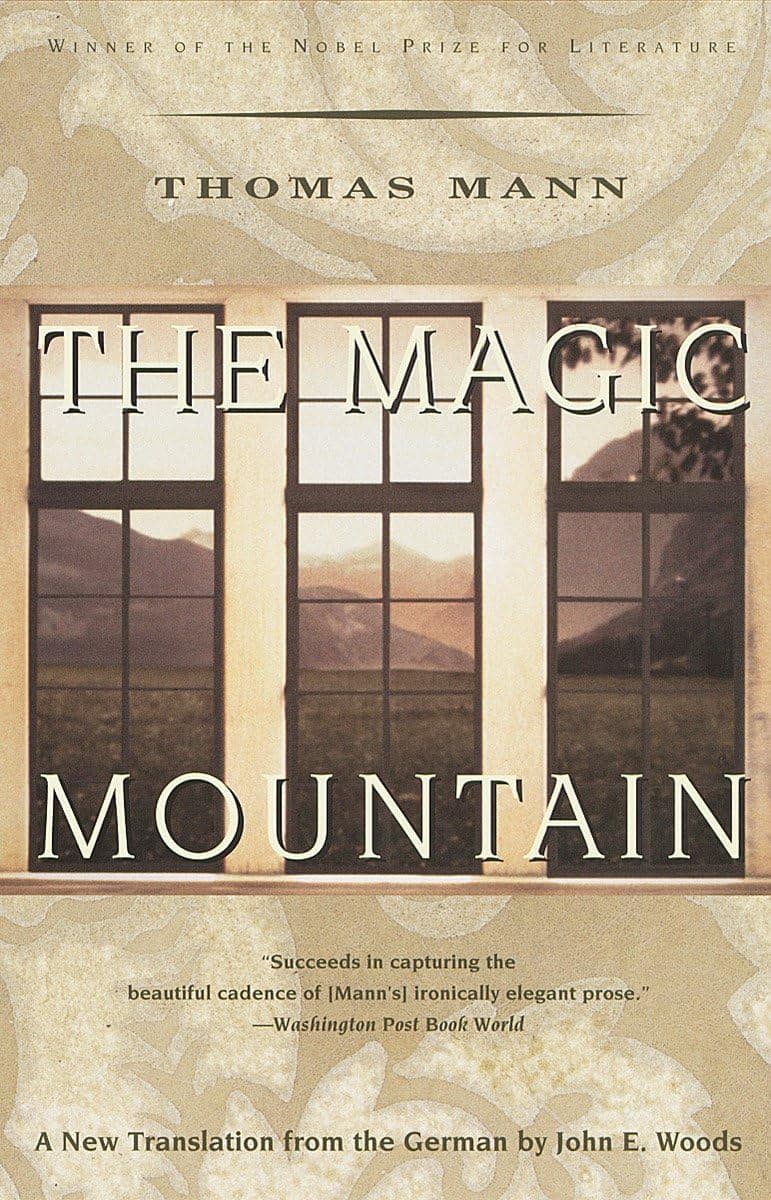
Hans Castorp goes to a Swiss sanatorium to visit his tubercular cousin for three weeks and stays seven years. Time comes loose there while the patients debate everything and Europe drifts into war.
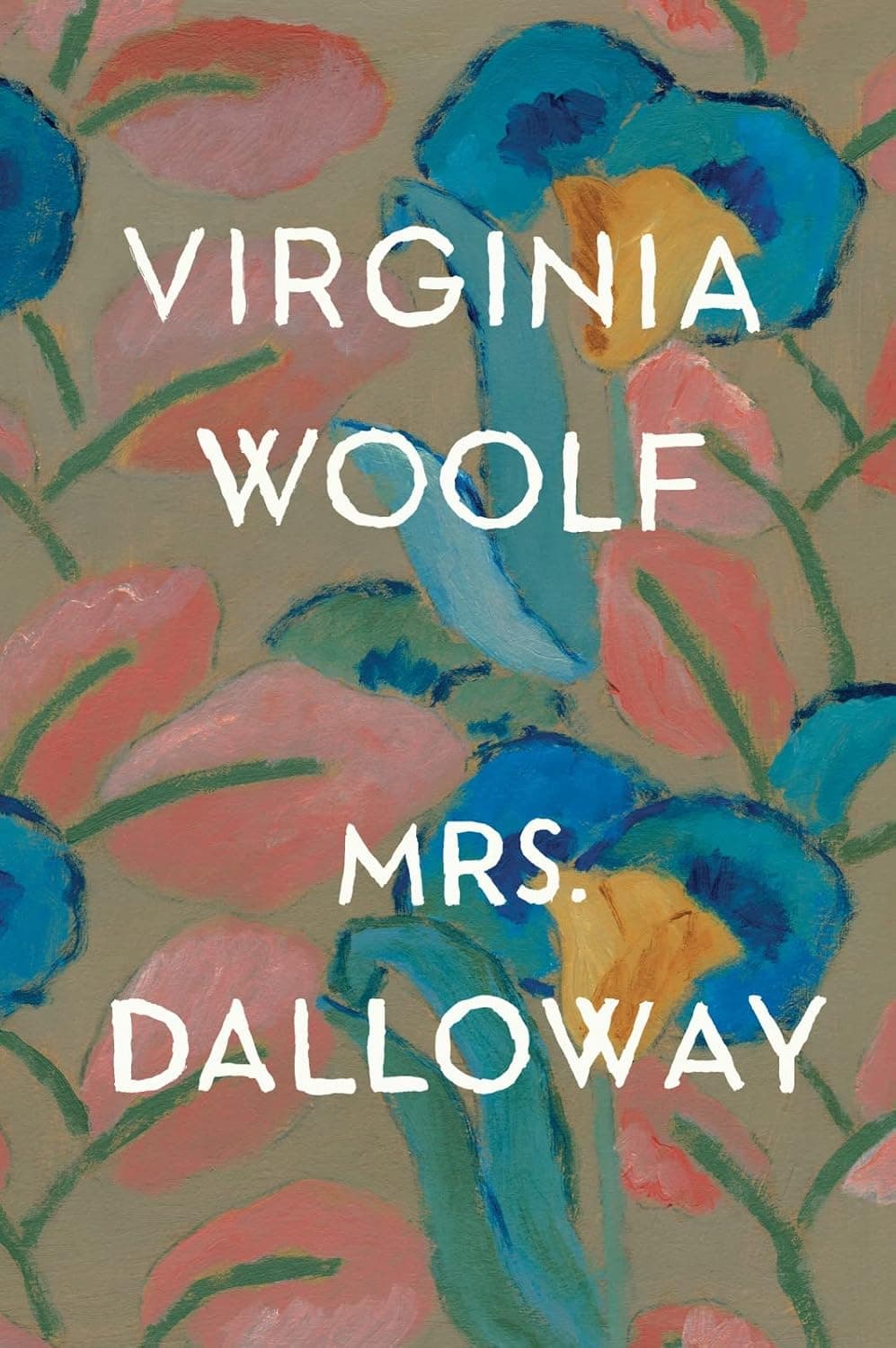
Clarissa Dalloway buys the flowers herself and gives a party, one June day in London, while a veteran wrecked by the war comes apart nearby. Woolf moves between strangers' minds without warning.
The best lack all conviction, while the worst Are full of passionate intensity.
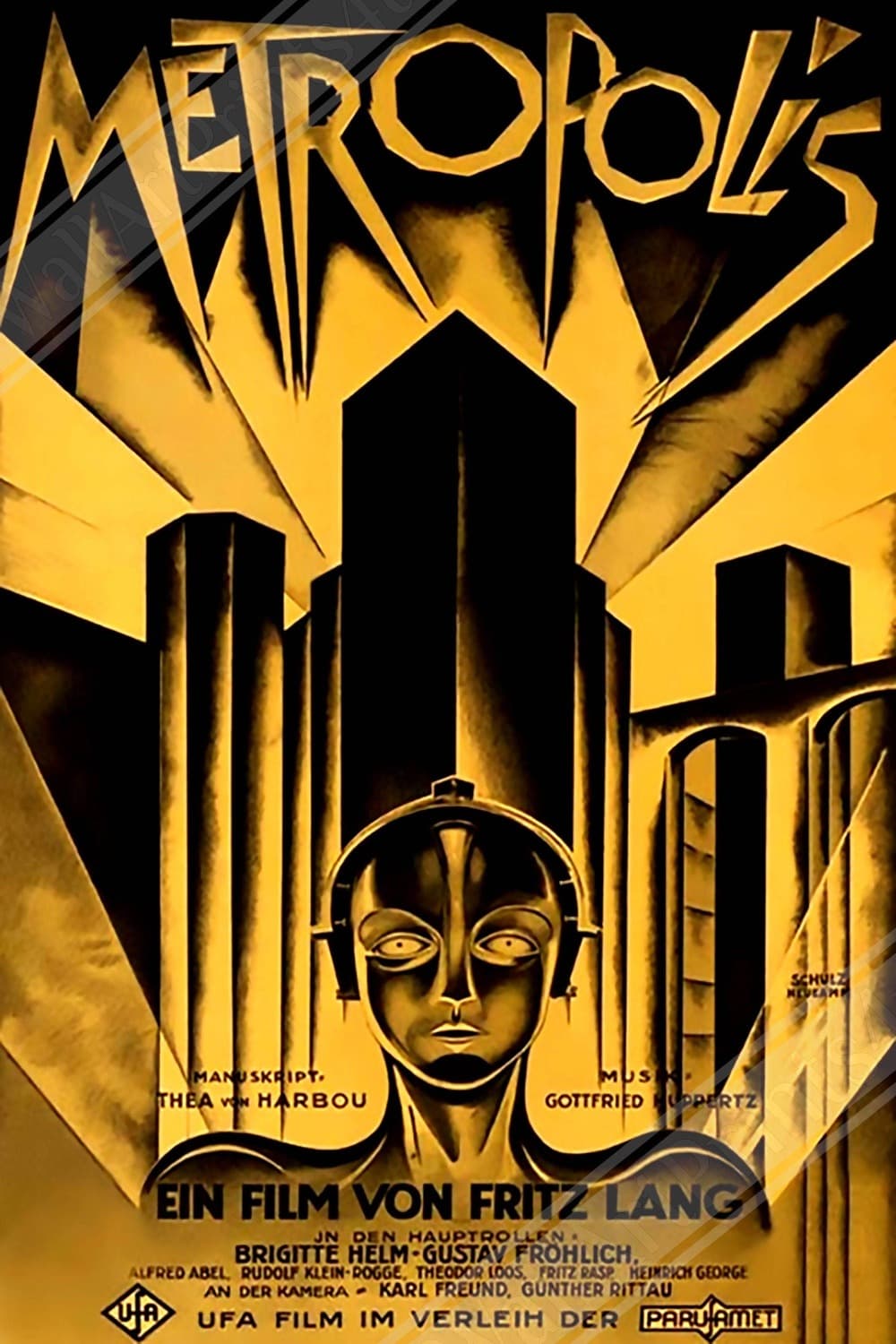
Science fiction has been raiding its designs for a century: Lang built a vertical city and a metal woman in 1927, and both are still turning up in new films.
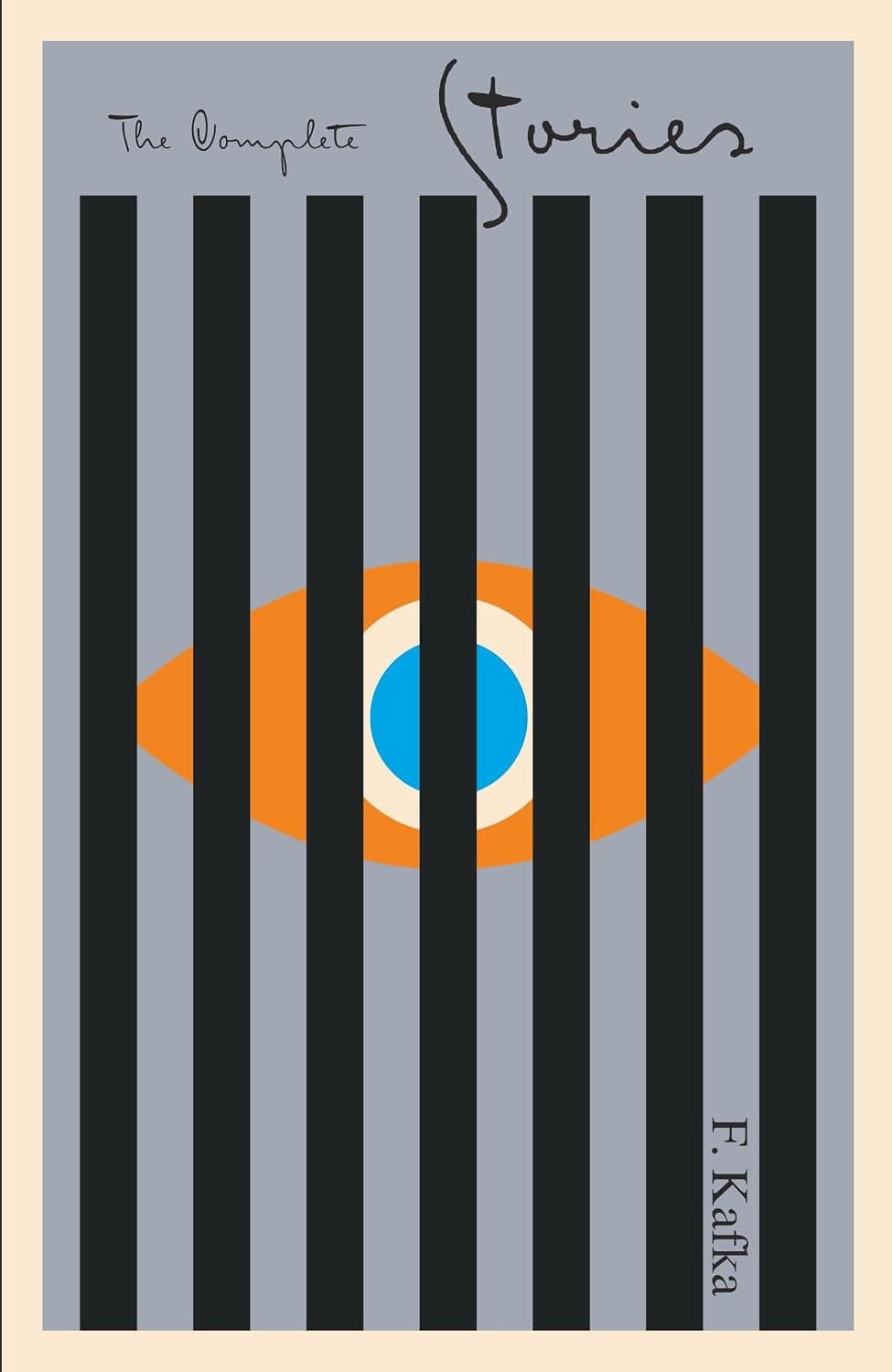
An officer demonstrates his execution machine with love, and a hunger artist starves himself before crowds that have stopped watching. Kafka's imagination runs at full strength in the short forms.
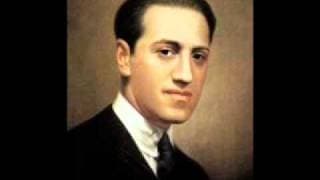
Ross Gorman slurred the opening clarinet as a joke in rehearsal, and Gershwin kept the wail for Aeolian Hall.
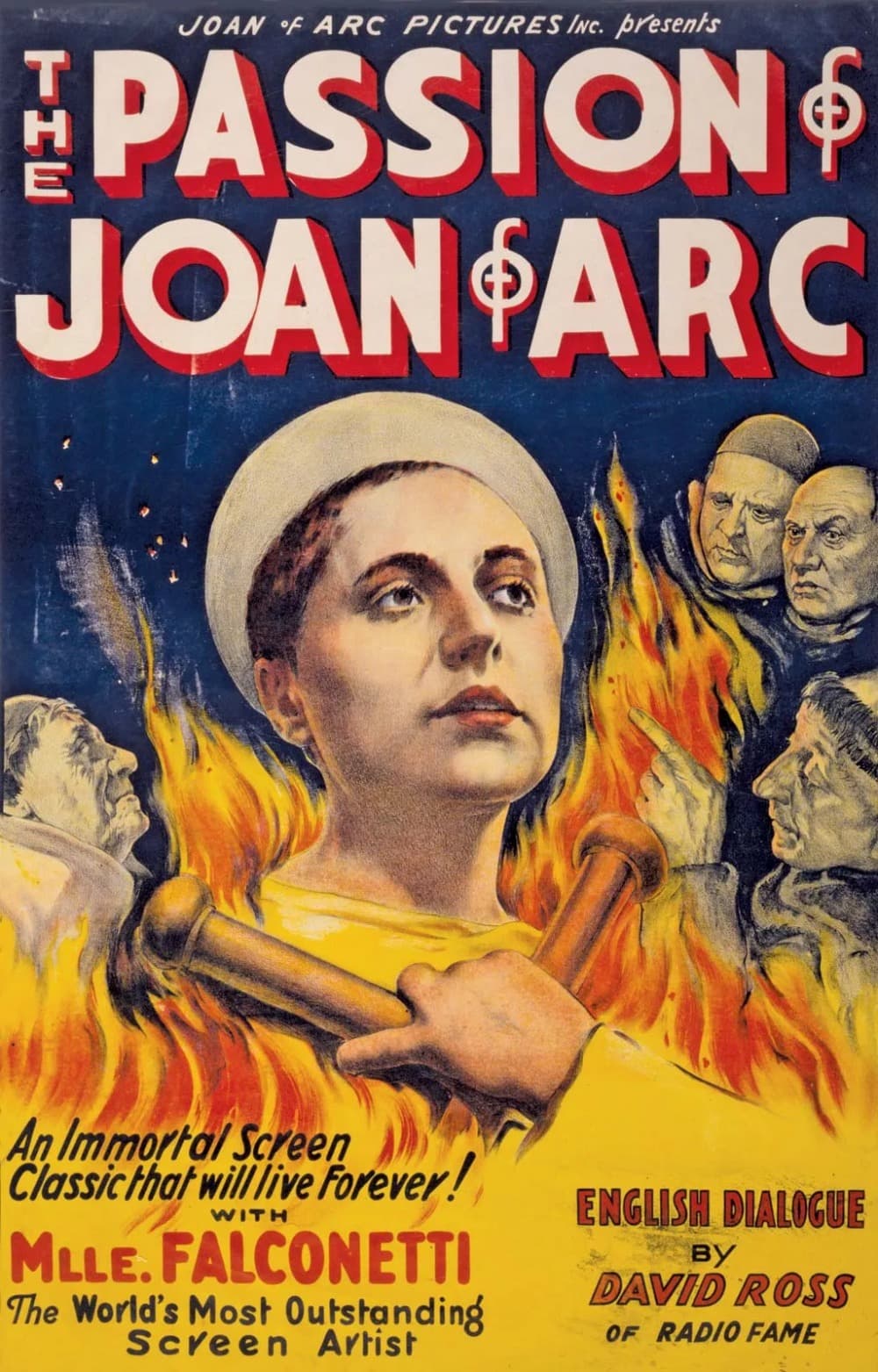
No screen performance has been called greater, and its actress never made another film: Dreyer shot Renee Falconetti's face in close-up, and his original cut went missing for fifty years.

It won the only Academy Award ever given for Unique and Artistic Picture: Murnau's camera never stops moving, and the film is astonishing to look at a century on.
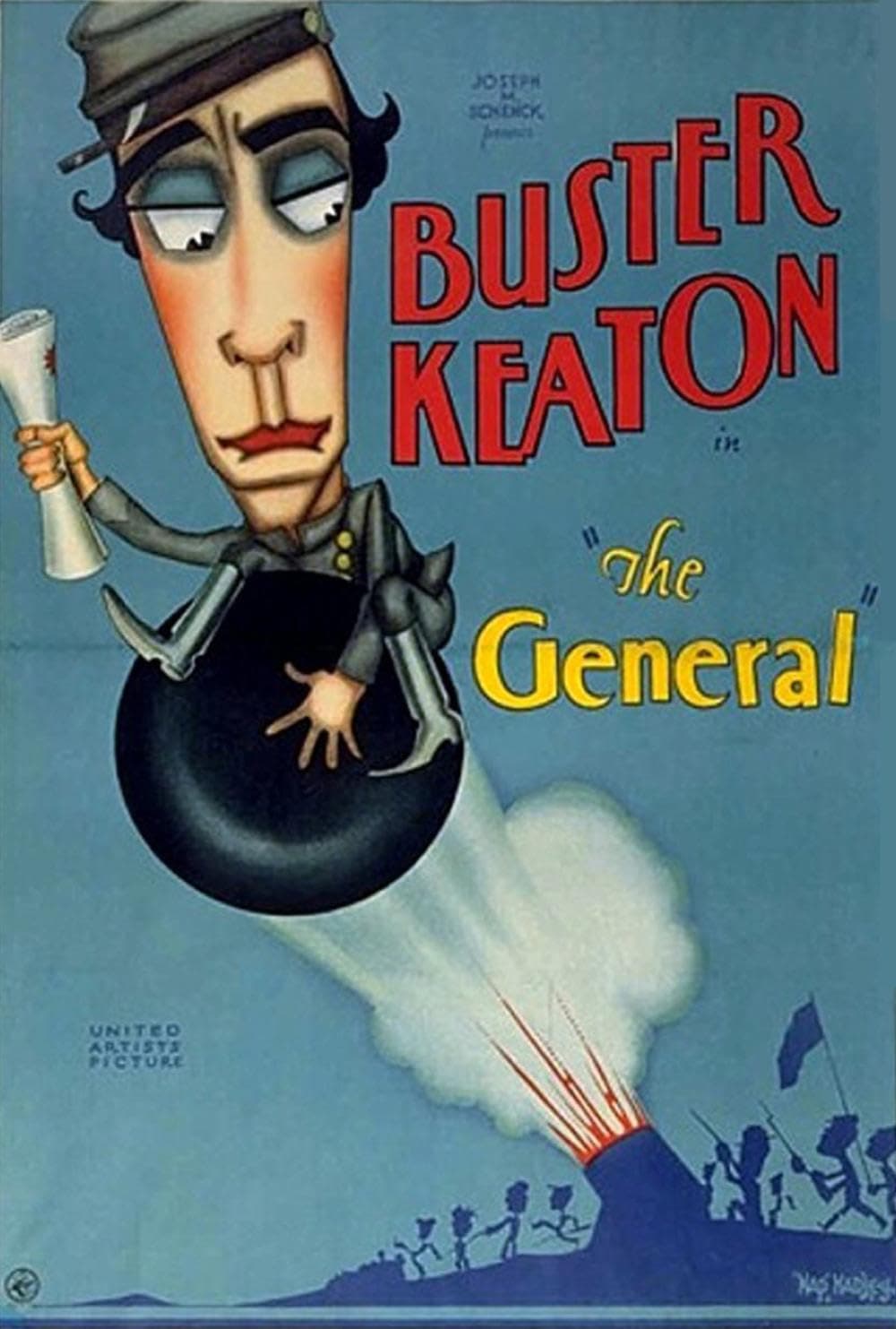
Keaton did every stunt himself and dropped a real locomotive through a burning bridge: it flopped, cost him his independence within two years, and is now considered the great silent comedy.