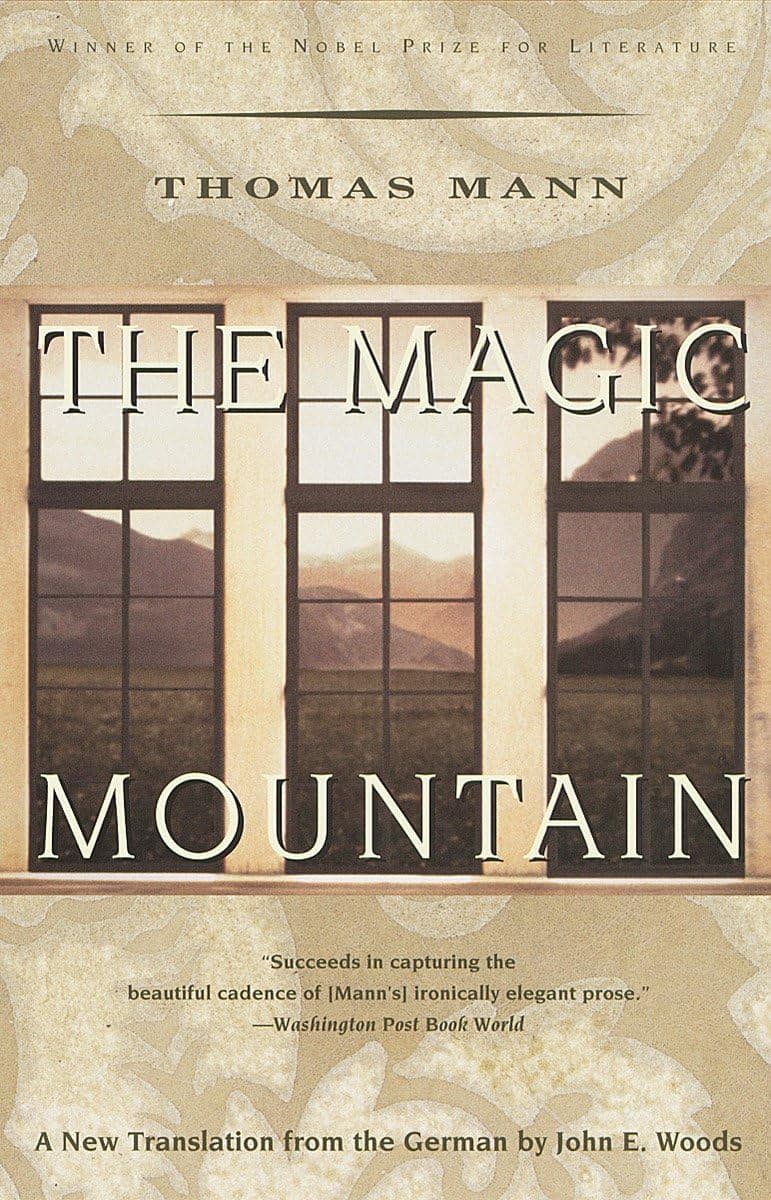
The Magic Mountain
1924 · 706 pages
Hans Castorp goes to a Swiss sanatorium to visit his tubercular cousin for three weeks and stays seven years. Time comes loose there while the patients debate everything and Europe drifts into war.
★ 9.1
 skopia
Hans Castorp goes to a Swiss sanatorium to visit his tubercular cousin for three weeks and stays seven years. Time comes loose there while the patients debate everything and Europe drifts into war.
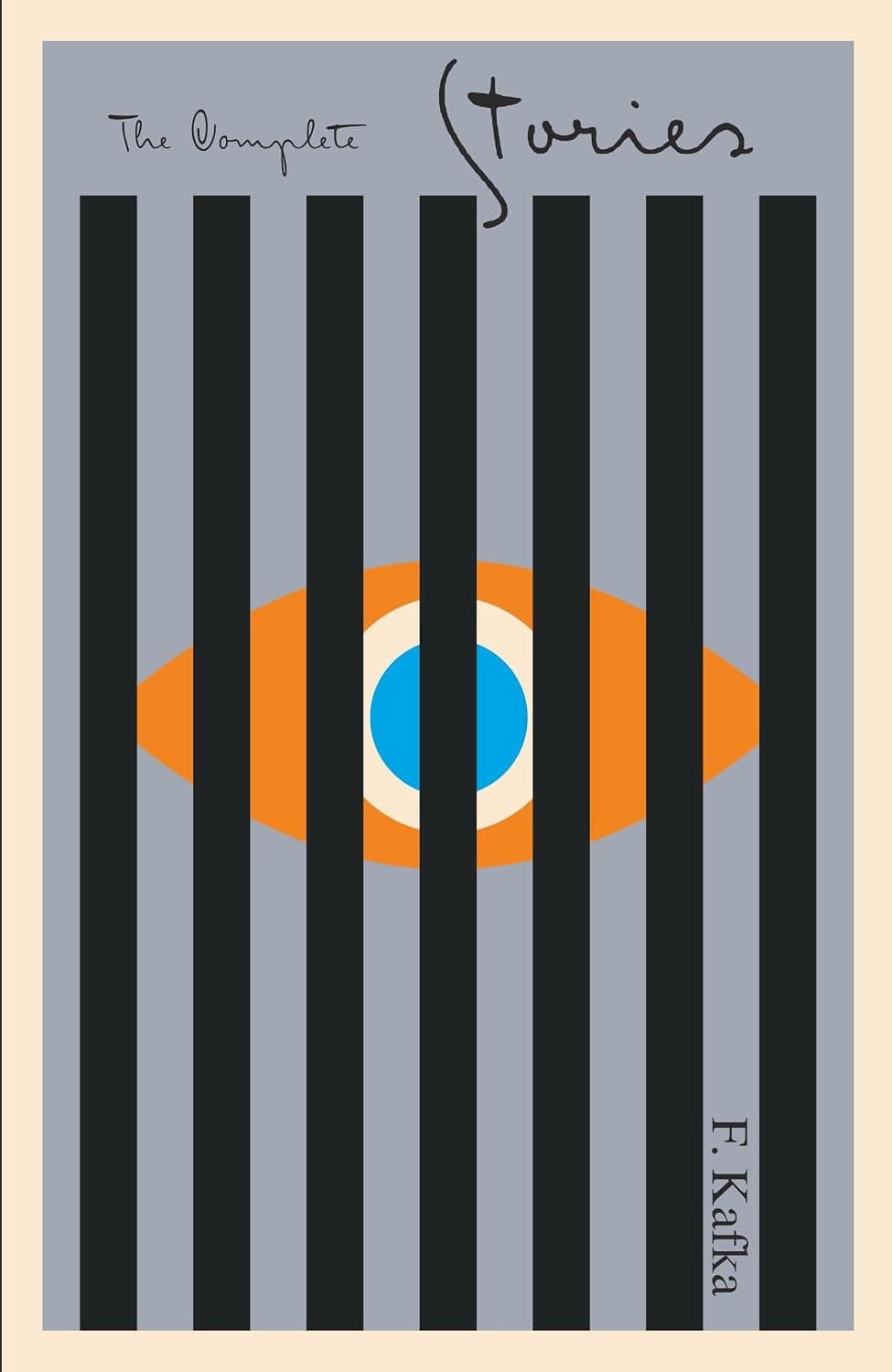
An officer demonstrates his execution machine with love, and a hunger artist starves himself before crowds that have stopped watching. Kafka's imagination runs at full strength in the short forms.
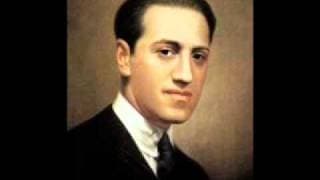
Ross Gorman slurred the opening clarinet as a joke in rehearsal, and Gershwin kept the wail for Aeolian Hall.

Something happens in the dark of the Marabar Caves, and an Englishwoman accuses the Indian doctor who brought her there. Forster watches a colonial society close ranks and goodwill count for nothing.
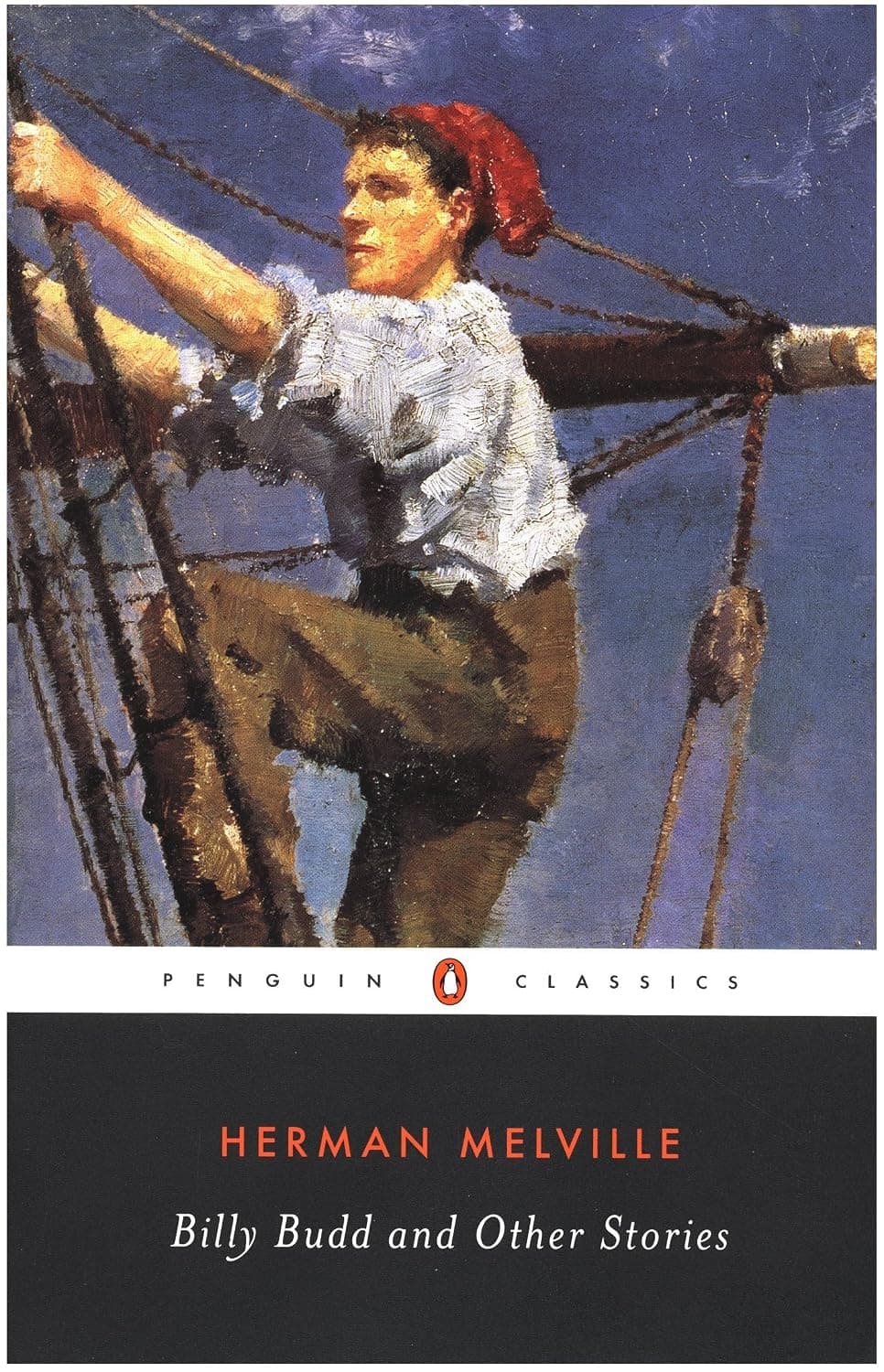
Struck dumb by a false charge of mutiny, a beautiful young sailor answers with his fist and kills his accuser. Melville leaves his captain to choose between the law and the plain truth.

The famous clarinet wail at the start was a joke the player improvised in rehearsal, and Gershwin told him to keep it in.
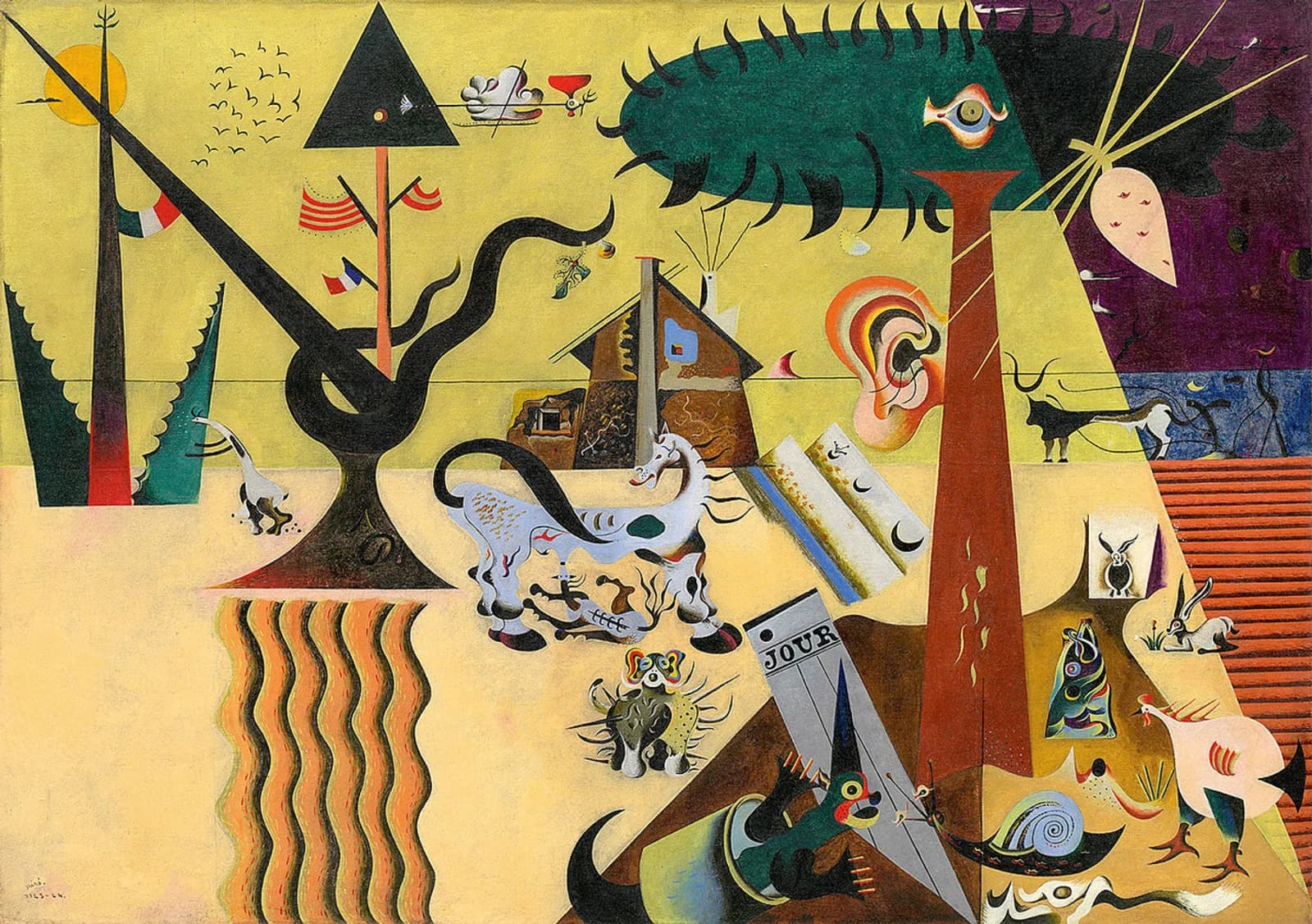
An eye and an ear sprout from a tree and a lizard wears a cap. Miró's Catalan farm has come apart into Surrealism.
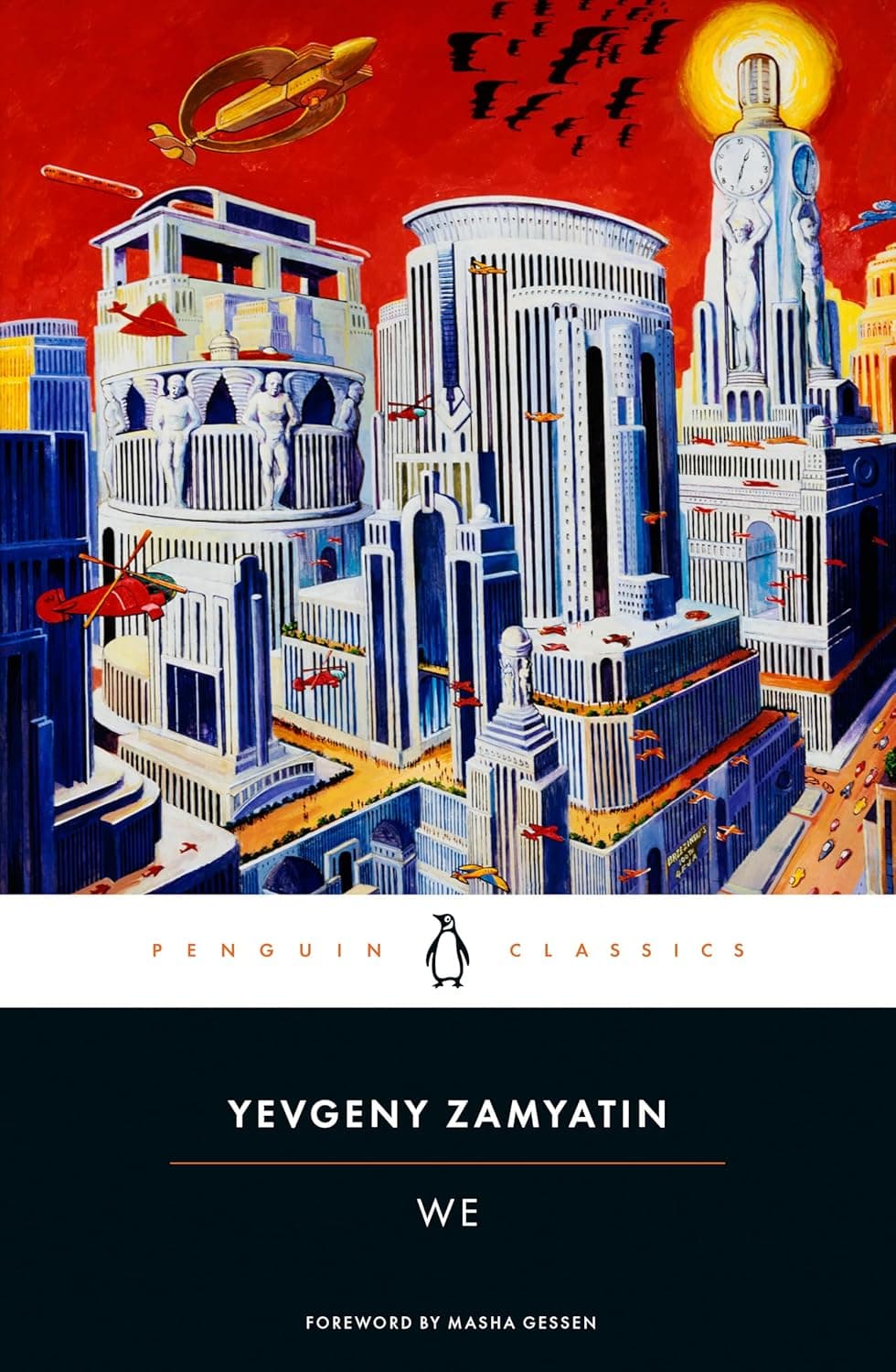
Numbered citizens live in glass apartments under a Table of Hours, and the engineer D-503 records his own unraveling. Banned in Russia until 1988, it gave Orwell his model for Nineteen Eighty-Four.

Neruda was nineteen when these poems appeared, mapping a woman's body onto hills, water, and dusk with a directness that startled readers. Millions of copies later, they are the best-selling poetry in Spanish.

Joji, a Tokyo engineer, takes home a fifteen-year-old cafe waitress to raise into a Western-style wife, and she ruins him instead. Naomi became the emblem of Japan's modern girl and scandalized older readers.
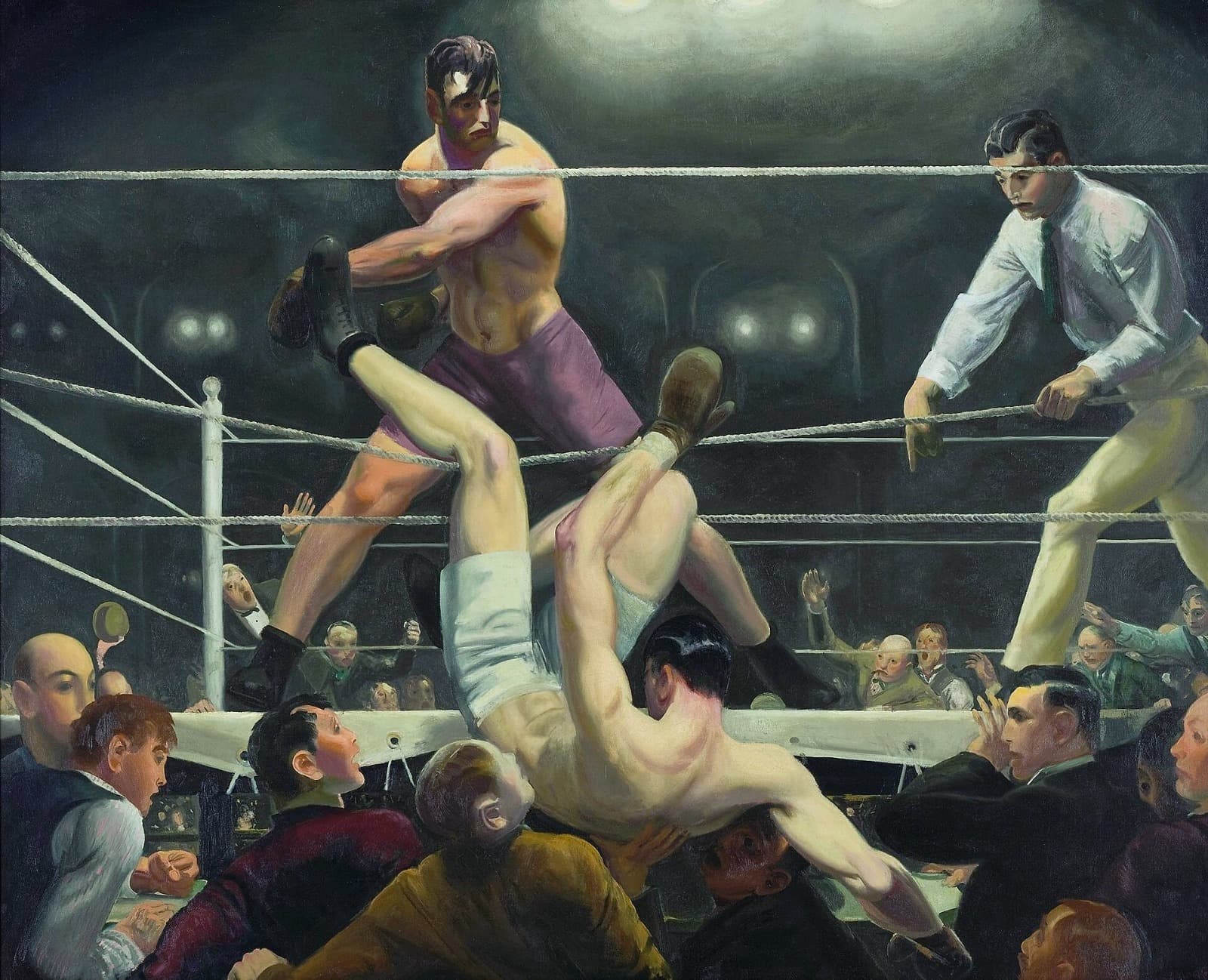
Firpo has just punched Dempsey clean out of the ring and into the laps of the reporters. Bellows painted the exact instant.
Cut for Victor in 1924 by a conservatory-trained opera singer, its sales proved a mass audience for hillbilly records.
Gus Kahn's lyric prefers the flaws to the virtues, and Jones's 1924 record held number one for five weeks.

Smith recorded most of these by singing into a horn, before microphones existed, and still filled the room without any amplification at all.
Time cools, time clarifies; no mood can be maintained quite unaltered through the course of hours.