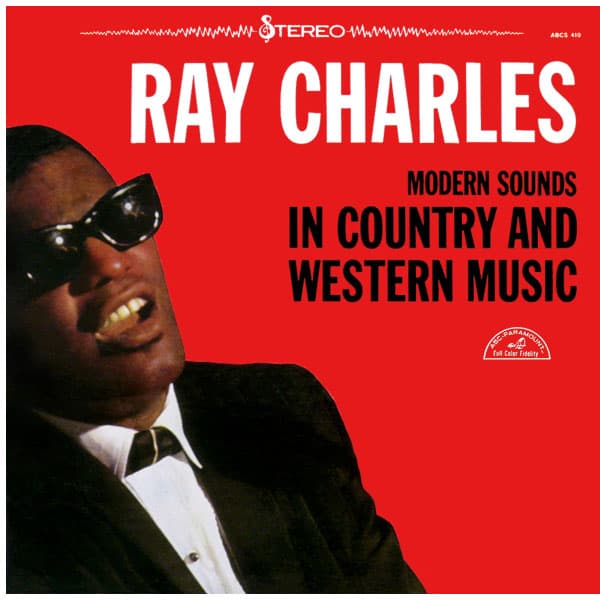
Modern Sounds in Country and Western Music
1962
His label thought recording country songs would finish him. He put strings and a choir behind them and it became his biggest record.
★ 6.8
 skopia
His label thought recording country songs would finish him. He put strings and a choir behind them and it became his biggest record.

Johnson recorded everything he left behind in two sessions, in a hotel room and a warehouse, playing with his face turned to the corner.

The crowd answers every line he sings, and King plays around them rather than over them. He never plays and sings at the same time.

A folklorist recorded him on a Mississippi plantation in 1941. He heard the playback, decided he was good, and moved to Chicago.

He took a gospel song and put worldly words to it, which scandalized the churches and effectively invented soul music in the process.

Duane Allman died halfway through making it, so the band finished the rest as a five-piece. One jam runs thirty-three minutes.
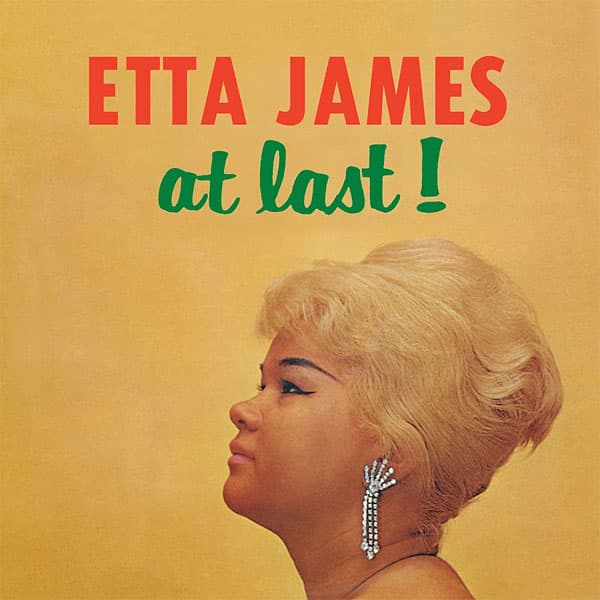
The title song was already twenty years old, a Glenn Miller tune, when Etta James took it away from everybody for good.

King played a right-handed guitar upside down without restringing it, which is why nobody else's bends sound quite like his.
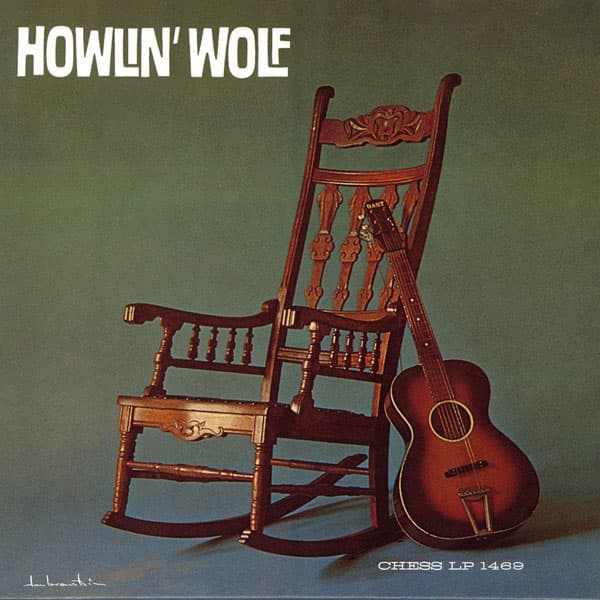
Willie Dixon wrote most of the songs and Hubert Sumlin played the guitar, but the voice is what British bands spent the sixties copying.
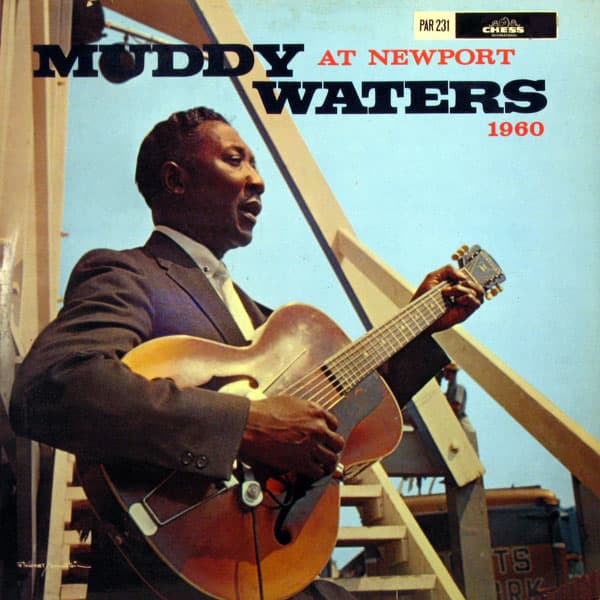
The 1960 festival ended in a riot, but Muddy's set got out on record and half of Britain's guitarists learned it.
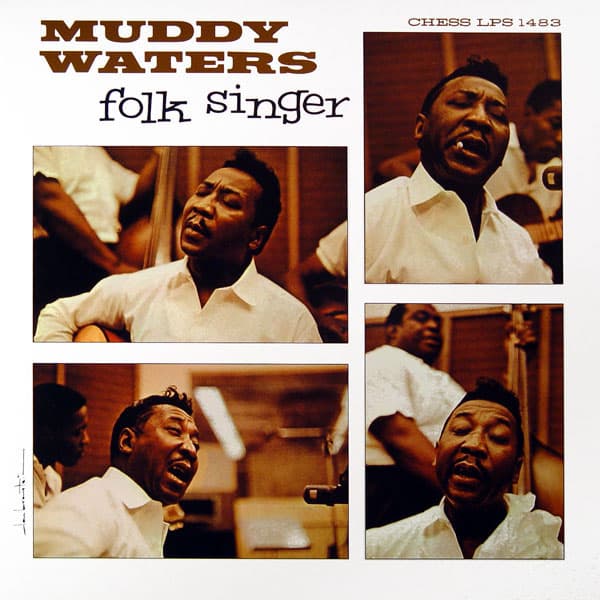
Chess had him put down the electric guitar to chase the folk revival, and the result became a record audiophiles use to test their equipment.

Wolf did not make a record until he was past forty, having farmed until then. This gathers the singles that followed.

Smith recorded most of these by singing into a horn, before microphones existed, and still filled the room without any amplification at all.

The band's rhythm section came straight out of Howlin' Wolf's group, and Butterfield had learned harmonica in Chicago clubs while still at university.

Bland took his trademark squall from a recorded sermon by a Detroit preacher, and worked it into nearly every song he sang afterwards.
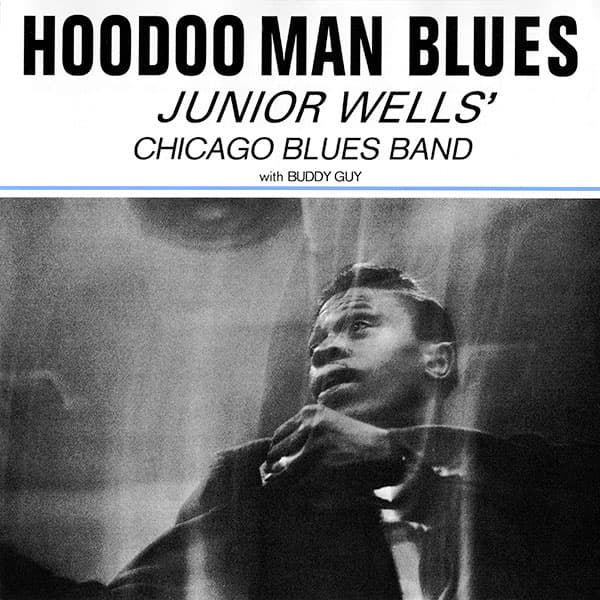
Buddy Guy played guitar but was credited as Friendly Chap, because he was signed to another label at the time.

He tuned his twelve-string low and struck it hard enough to carry bass and rhythm at once. Nirvana closed their unplugged set with the title song.
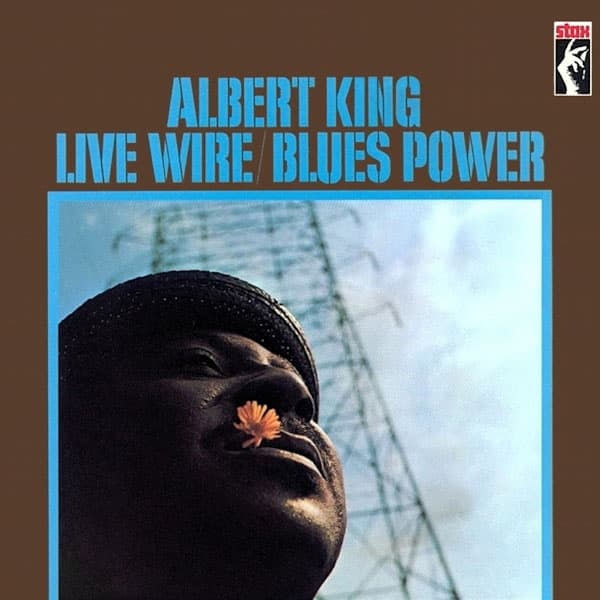
Recorded at the Fillmore in front of a rock crowd who had mostly never heard him, which is why he explains the blues between songs.
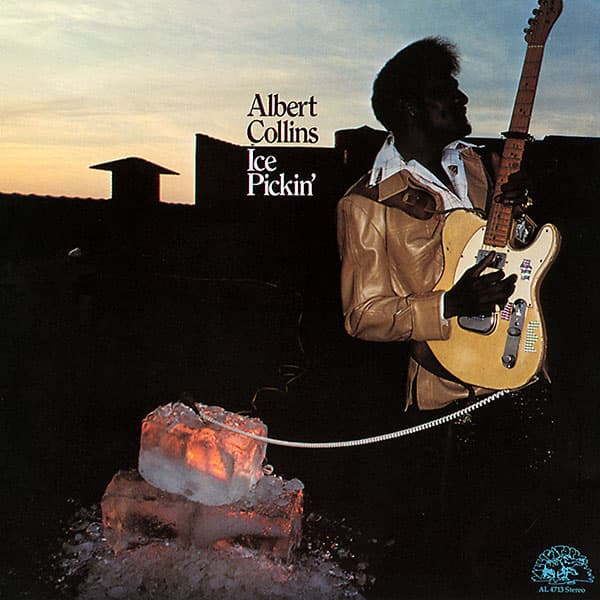
Collins tuned his guitar to a minor chord and moved a capo around it, which no one else did, and it accounts for the sound.
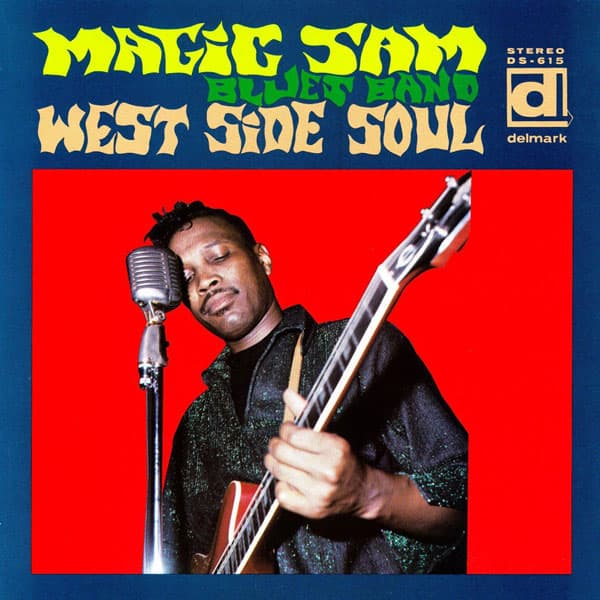
Sam played through a tremolo unit that puts a shiver on every chord, and he sang in a high, urgent voice most bluesmen avoided.