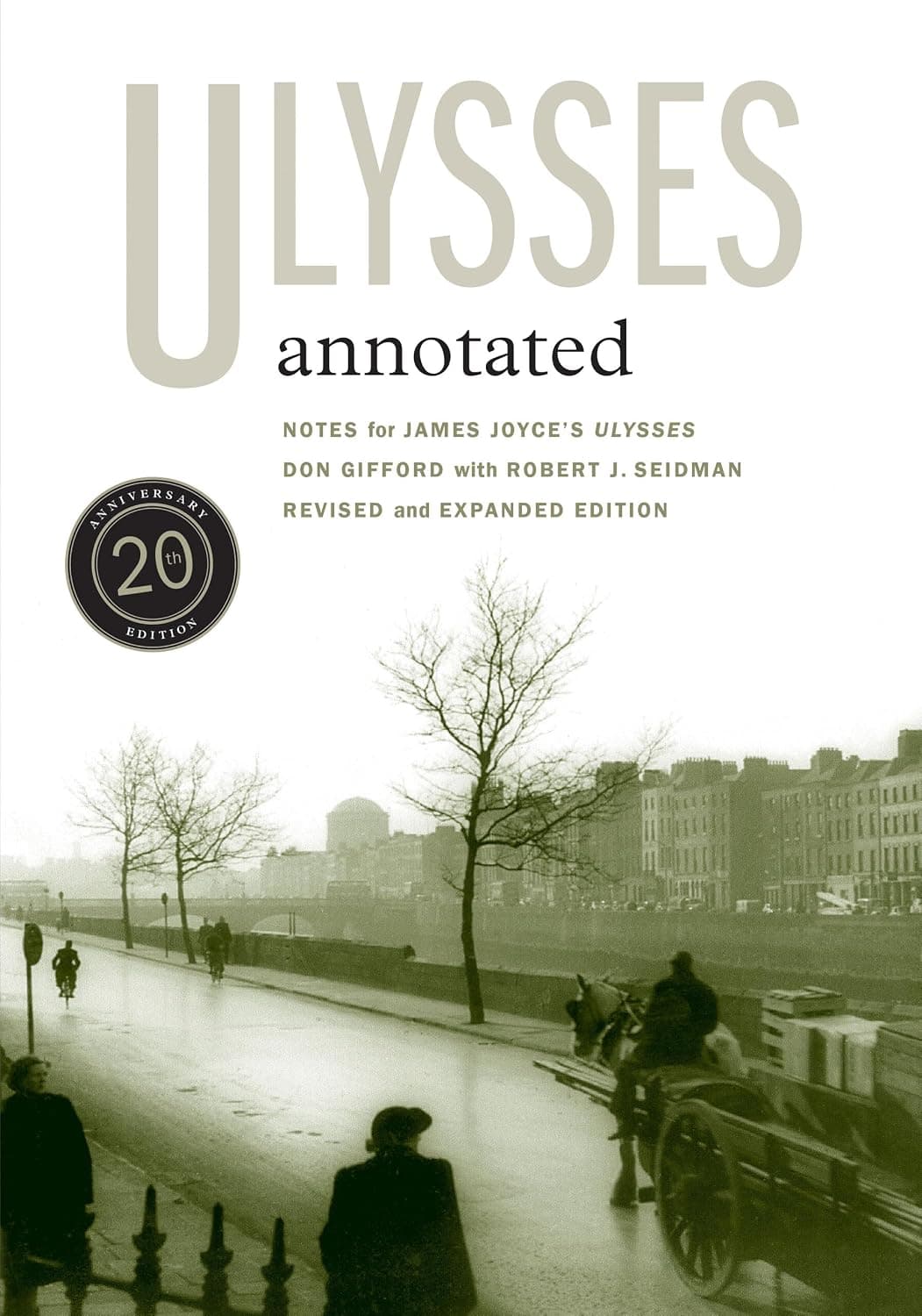
Ulysses
1922 · 694 pages
Leopold Bloom walks Dublin for one day in June 1904, and Joyce pours the whole English language into it. Bloom, advertising canvasser and cuckold, is the kindest man in fiction.
★ 9.7
 skopia
Leopold Bloom walks Dublin for one day in June 1904, and Joyce pours the whole English language into it. Bloom, advertising canvasser and cuckold, is the kindest man in fiction.

The most complete account of memory ever written. A man tastes a madeleine, and three thousand pages of remembered love, jealousy, and vanished aristocrats change permanently how you look at your own past.

Monet painted these eight murals of his pond for two oval rooms in Paris while his eyesight failed. They opened months after he died.

Gatsby throws enormous parties hoping the woman he loved will wander into one. Fitzgerald made the Jazz Age America's myth of itself, and the last page is the most beautiful in American writing.
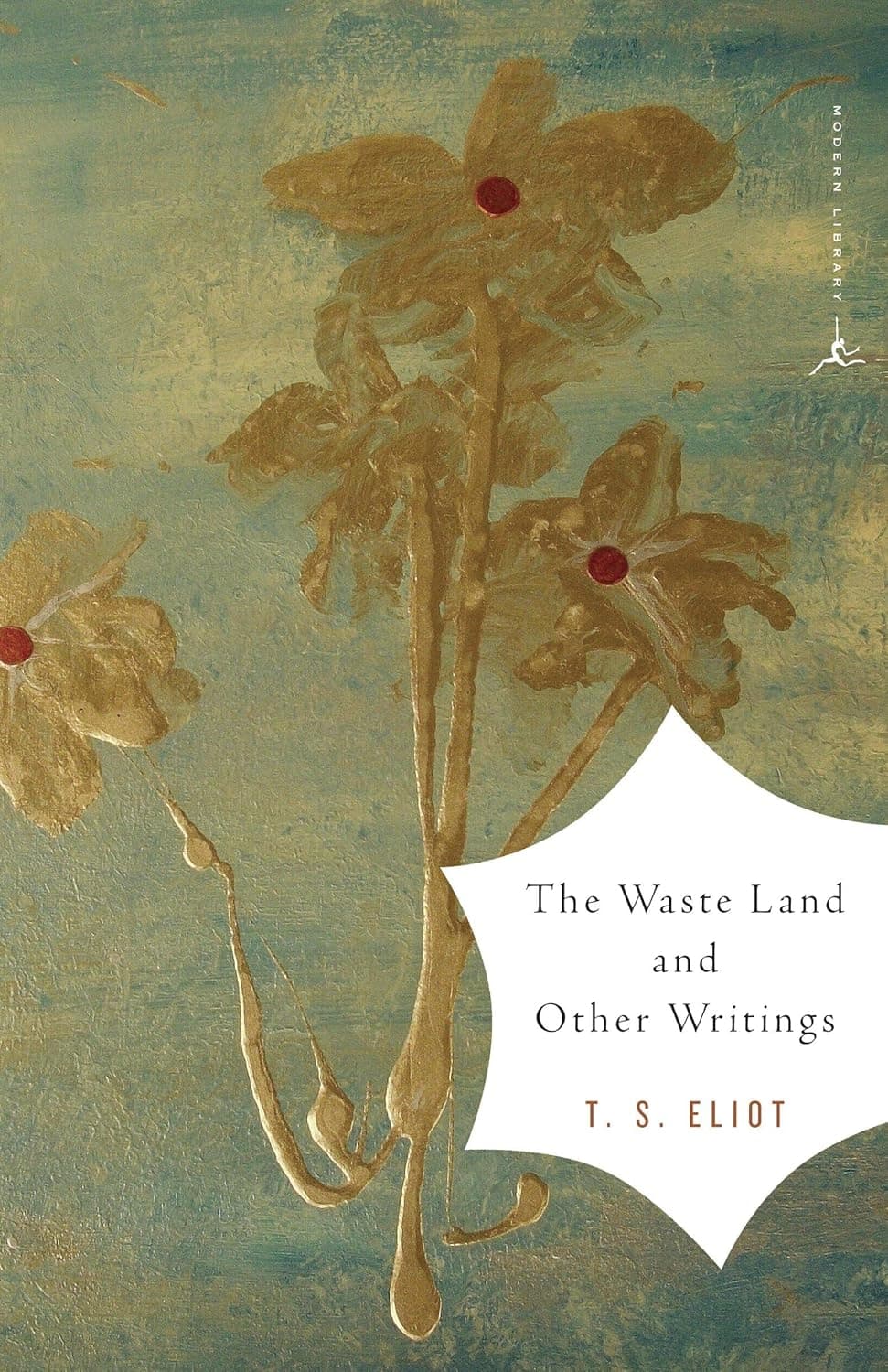
April is the cruellest month, and from that line Eliot assembles a ruined Europe out of voices, tarot cards, and pub talk. The fragments lodge in the memory for good.
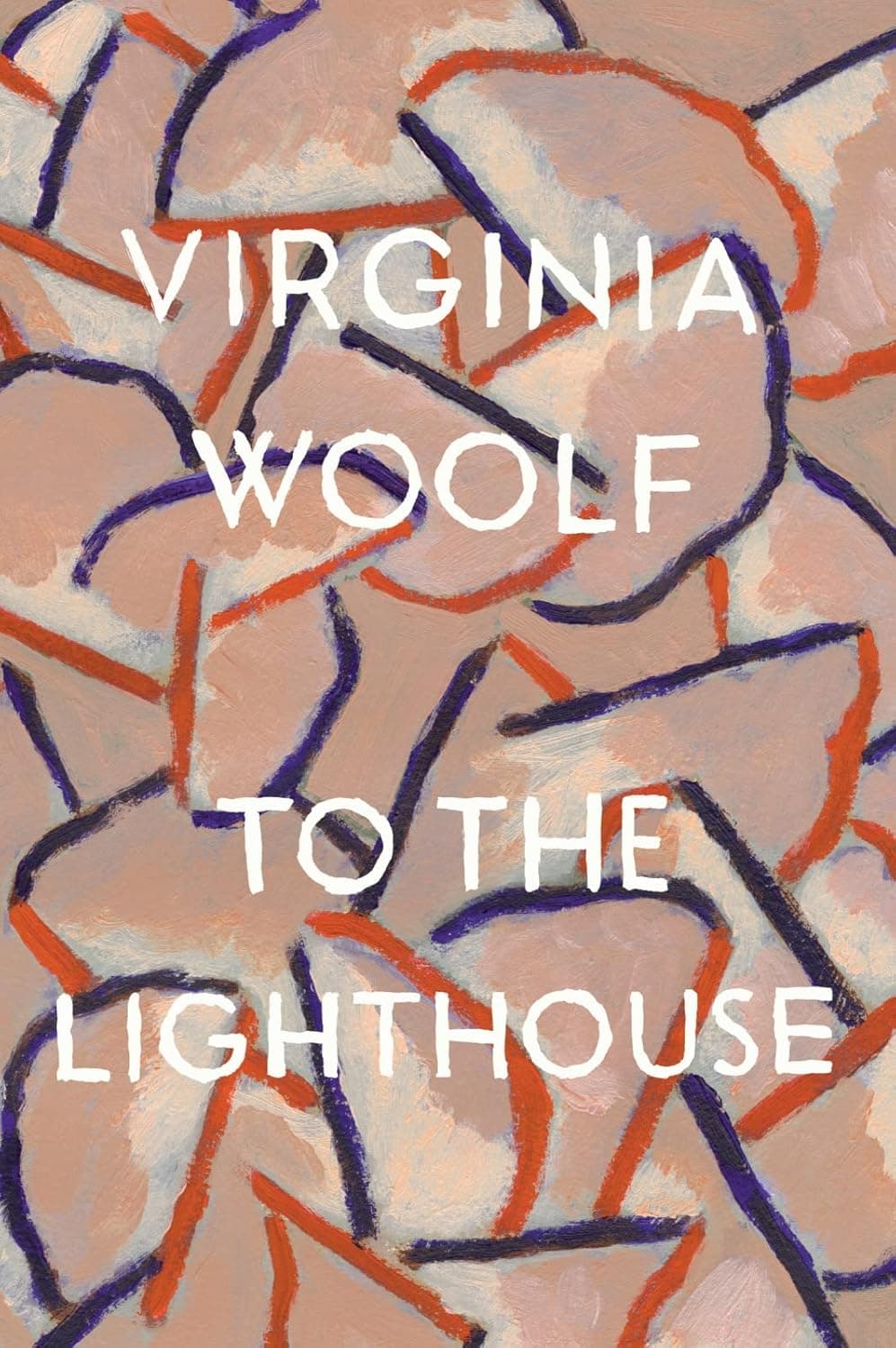
At a summer house by the sea a trip to the lighthouse keeps being postponed, and Woolf gets so close to how a mind works that years pass and grief arrives in passing.

Four sections circle one Mississippi family's ruin, and the first belongs to a brother who cannot speak or keep time in order. Faulkner makes confusion itself carry the weight of grief.
Armstrong's twelve-second opening cadenza announced that jazz had a soloist, and everything since has been the answer.
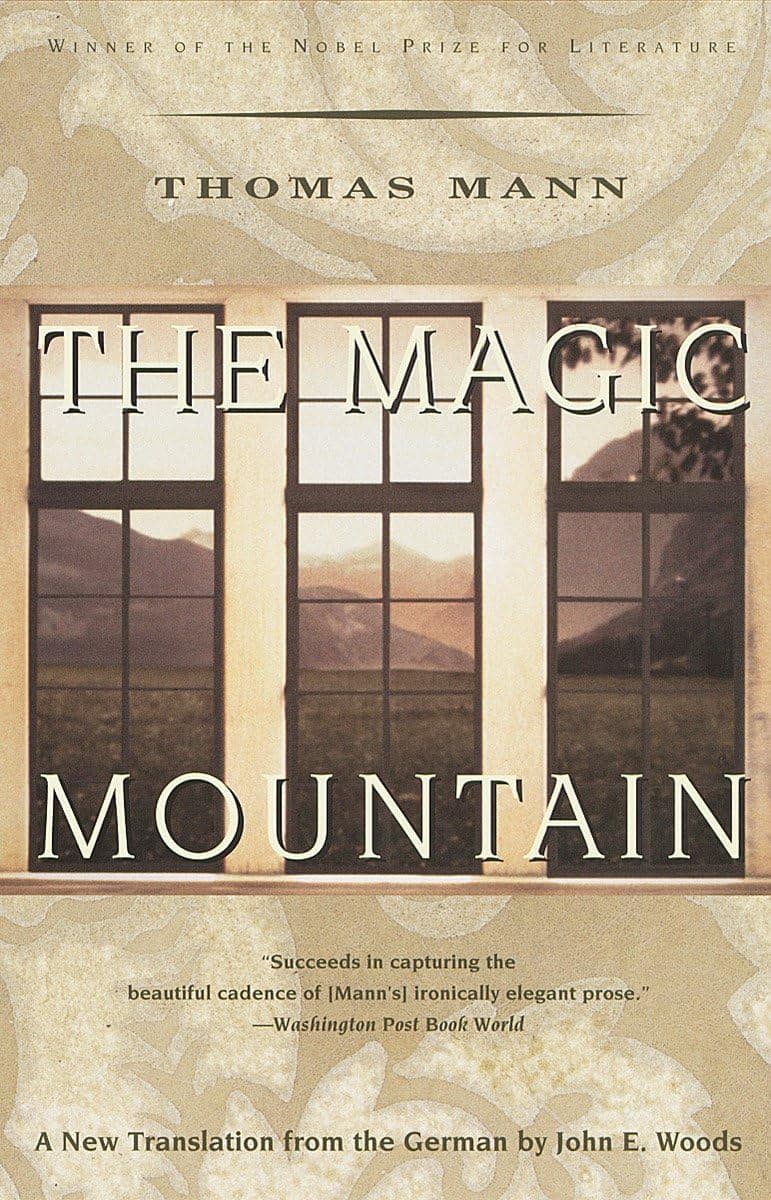
Hans Castorp goes to a Swiss sanatorium to visit his tubercular cousin for three weeks and stays seven years. Time comes loose there while the patients debate everything and Europe drifts into war.
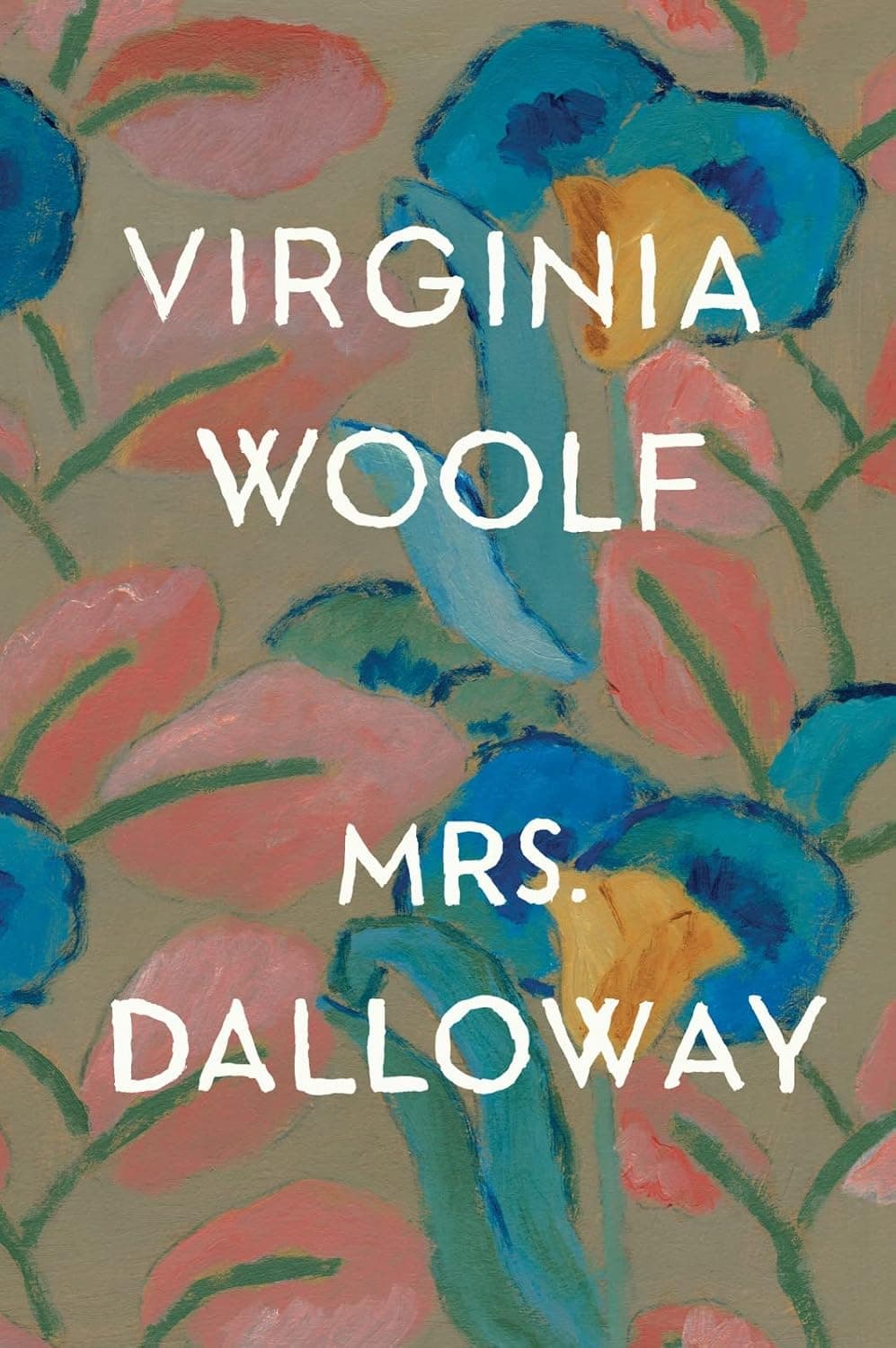
Clarissa Dalloway buys the flowers herself and gives a party, one June day in London, while a veteran wrecked by the war comes apart nearby. Woolf moves between strangers' minds without warning.
The best lack all conviction, while the worst Are full of passionate intensity.
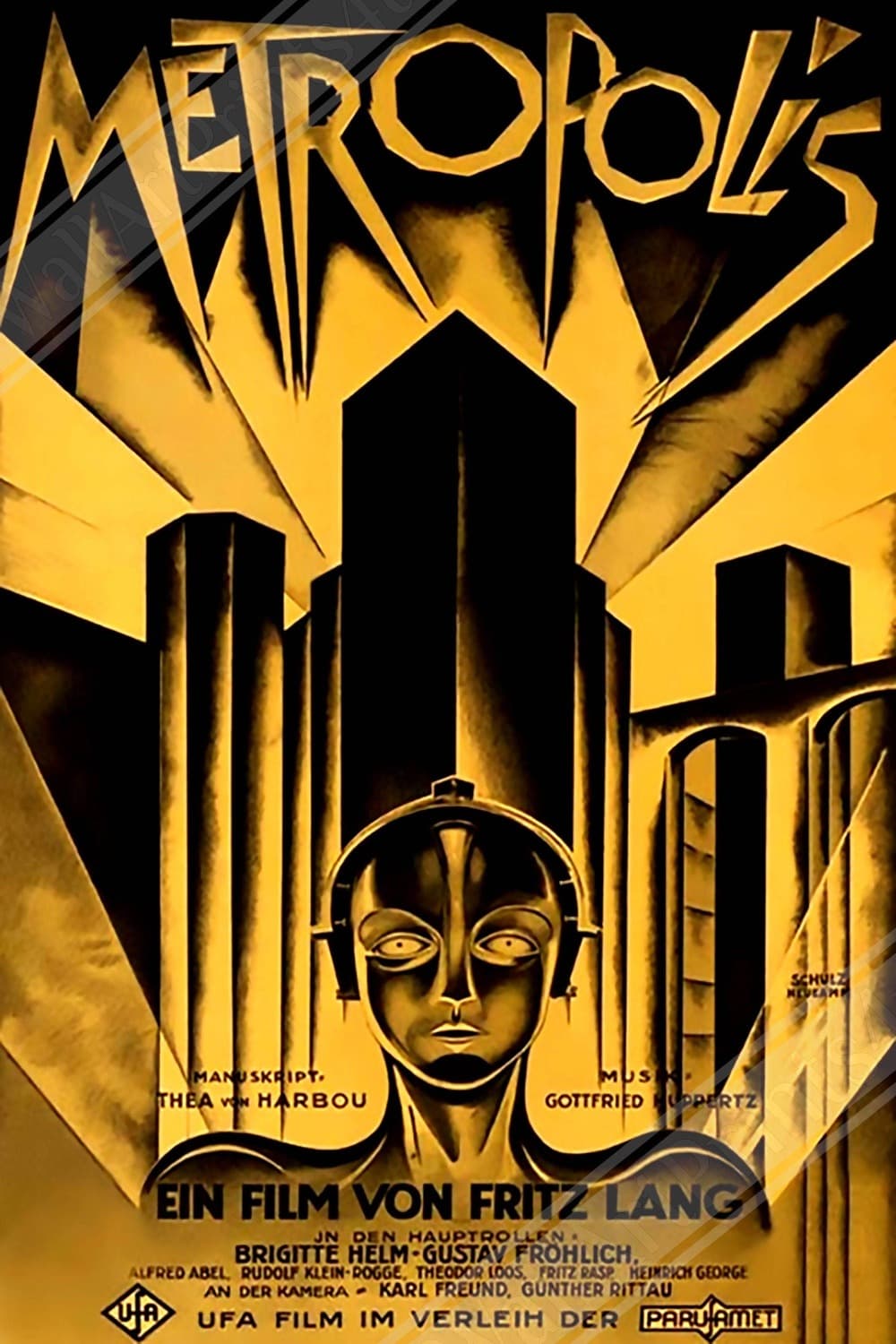
Science fiction has been raiding its designs for a century: Lang built a vertical city and a metal woman in 1927, and both are still turning up in new films.
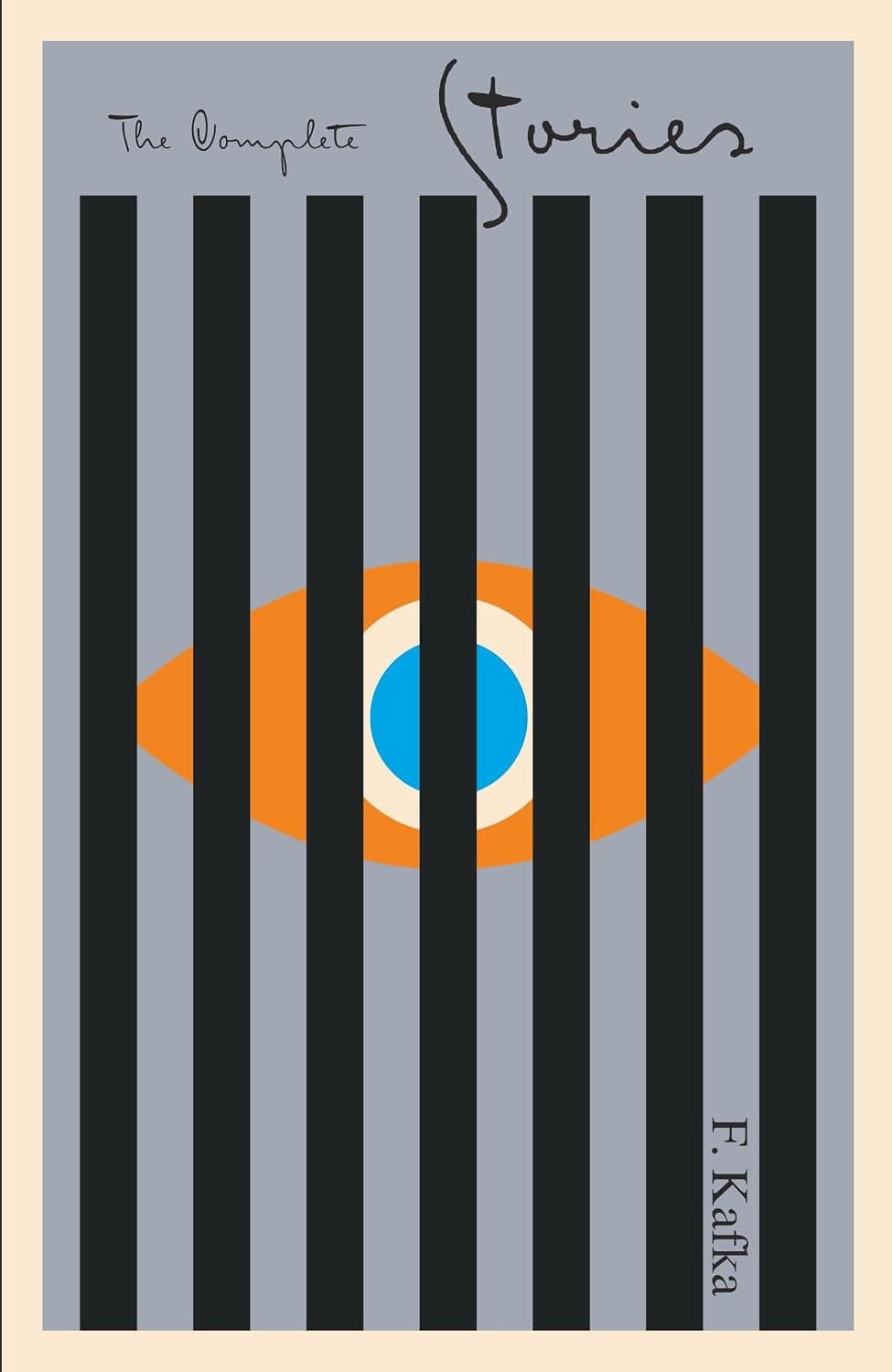
An officer demonstrates his execution machine with love, and a hunger artist starves himself before crowds that have stopped watching. Kafka's imagination runs at full strength in the short forms.
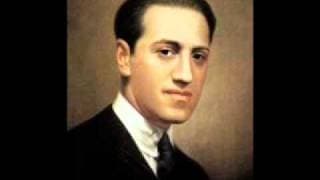
Ross Gorman slurred the opening clarinet as a joke in rehearsal, and Gershwin kept the wail for Aeolian Hall.
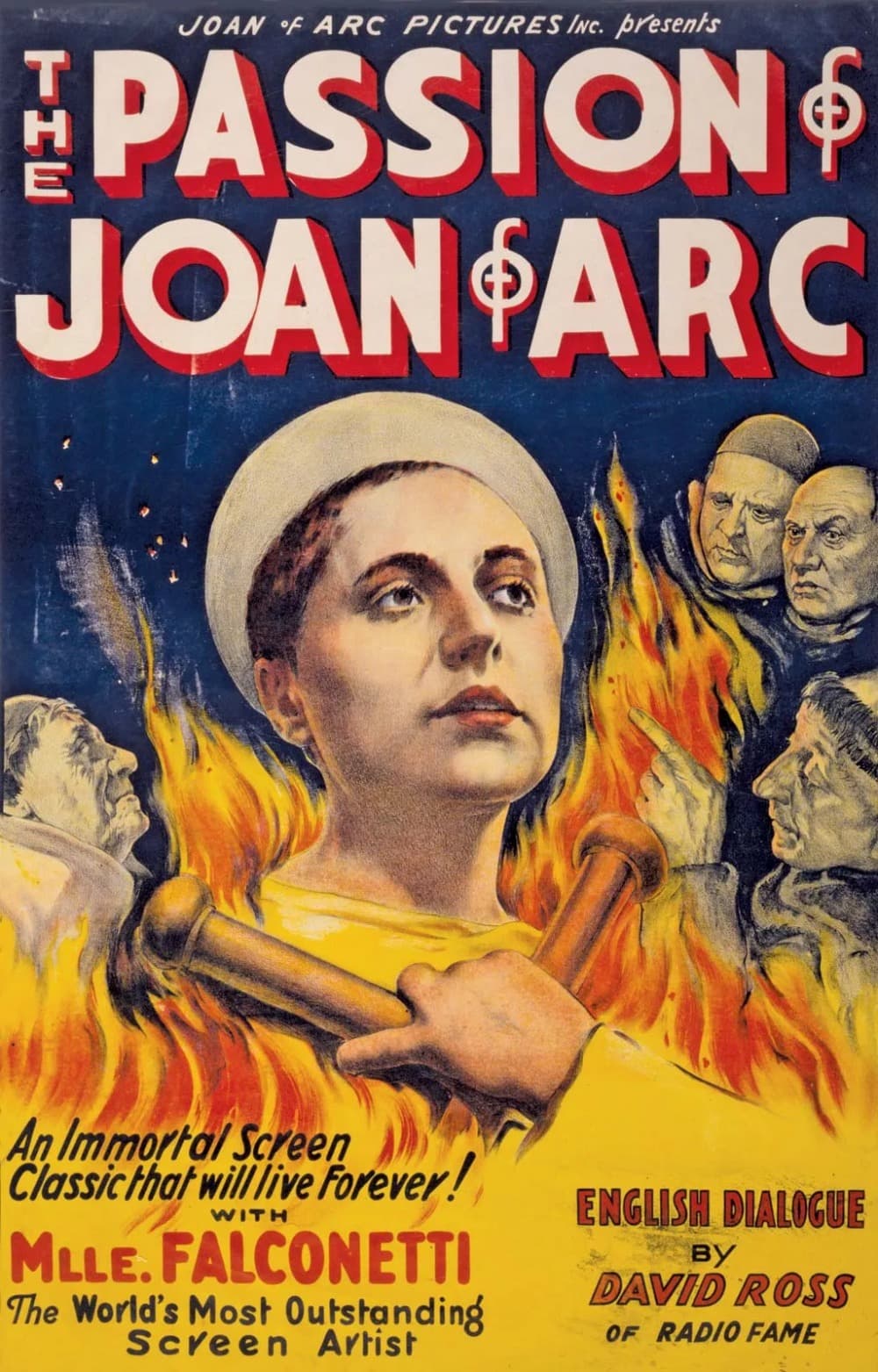
No screen performance has been called greater, and its actress never made another film: Dreyer shot Renee Falconetti's face in close-up, and his original cut went missing for fifty years.

It won the only Academy Award ever given for Unique and Artistic Picture: Murnau's camera never stops moving, and the film is astonishing to look at a century on.
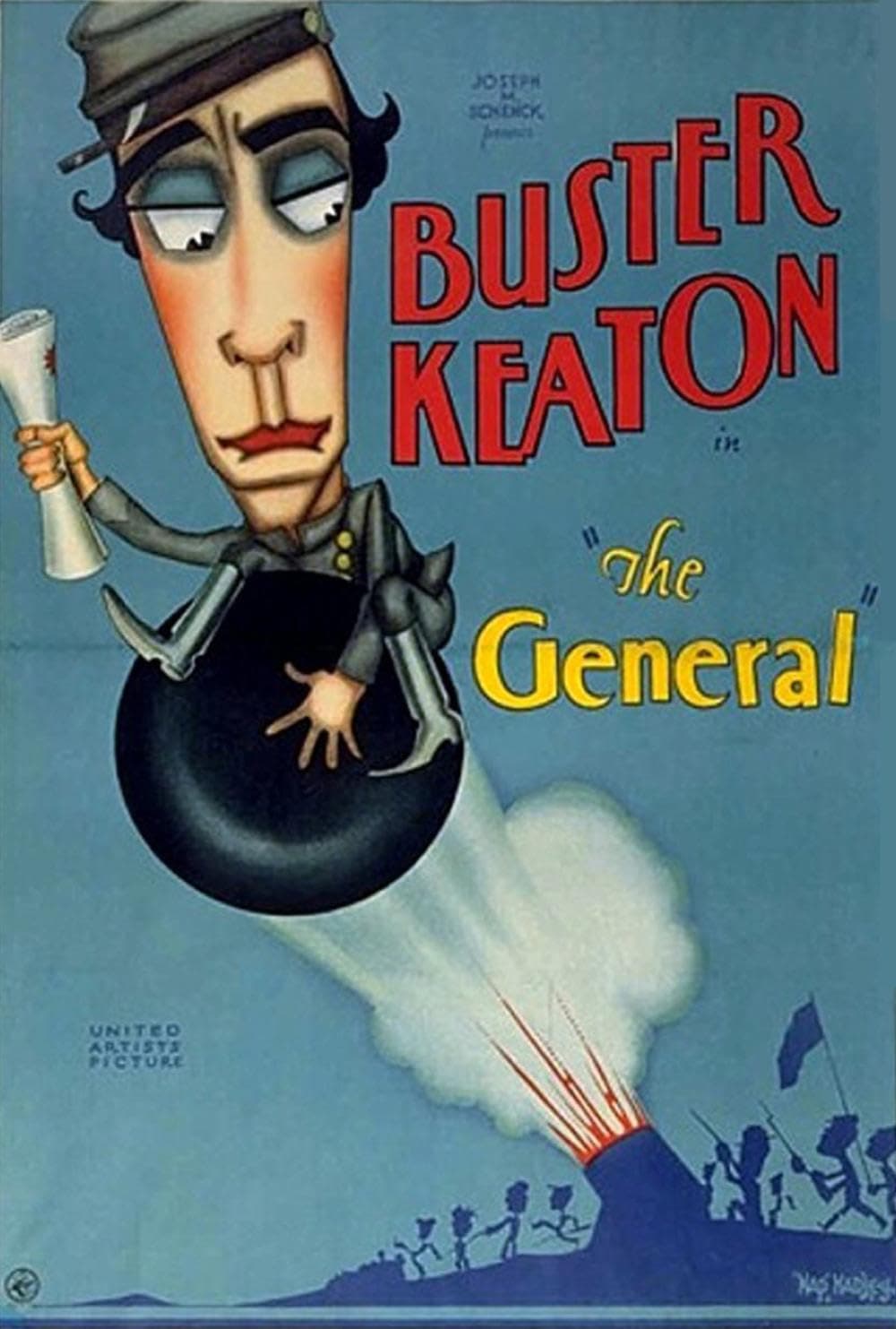
Keaton did every stunt himself and dropped a real locomotive through a burning bridge: it flopped, cost him his independence within two years, and is now considered the great silent comedy.
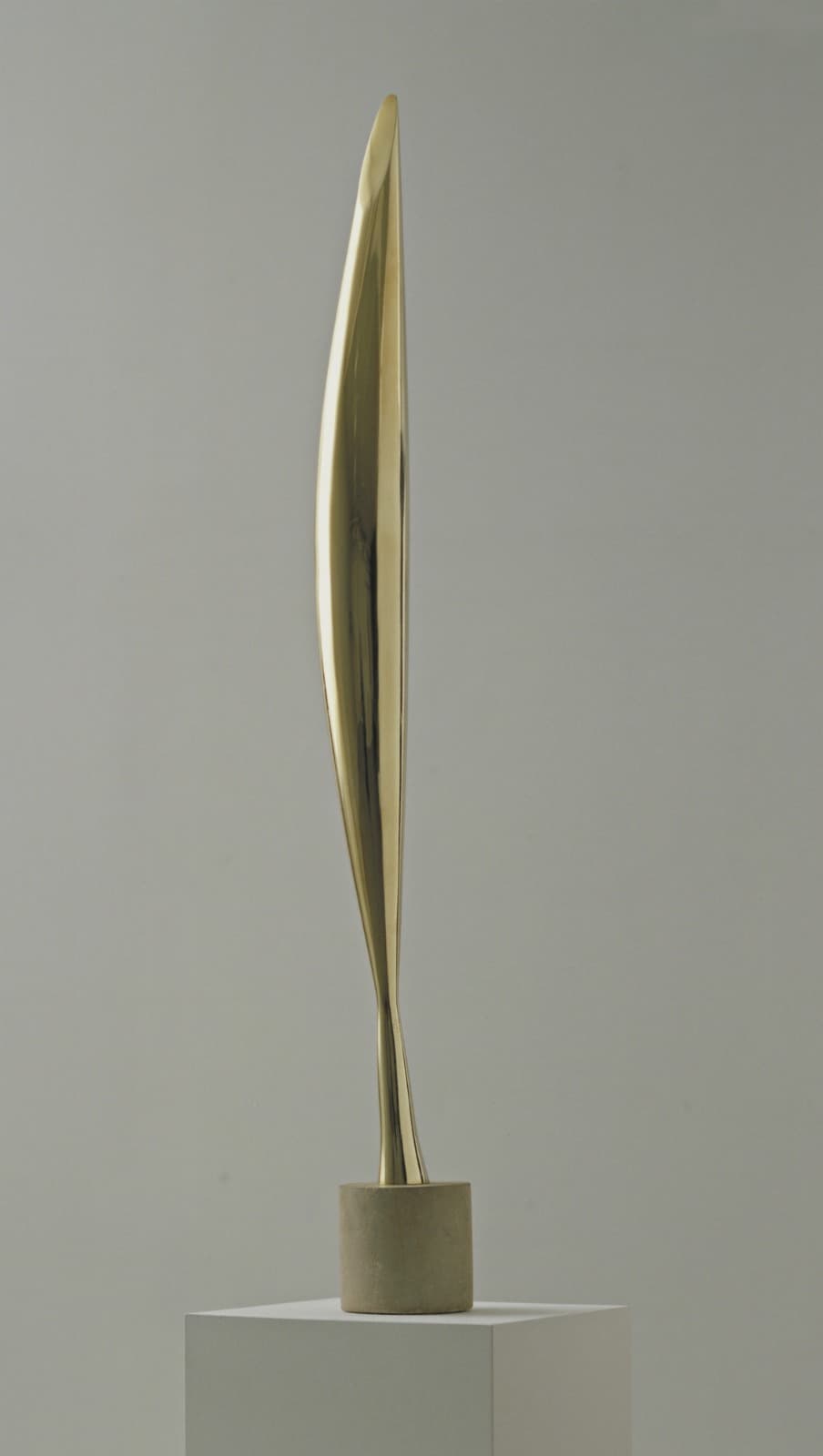
American customs taxed it as industrial metal until Brancusi v. United States in 1928 forced the law to recognize abstract sculpture as art.
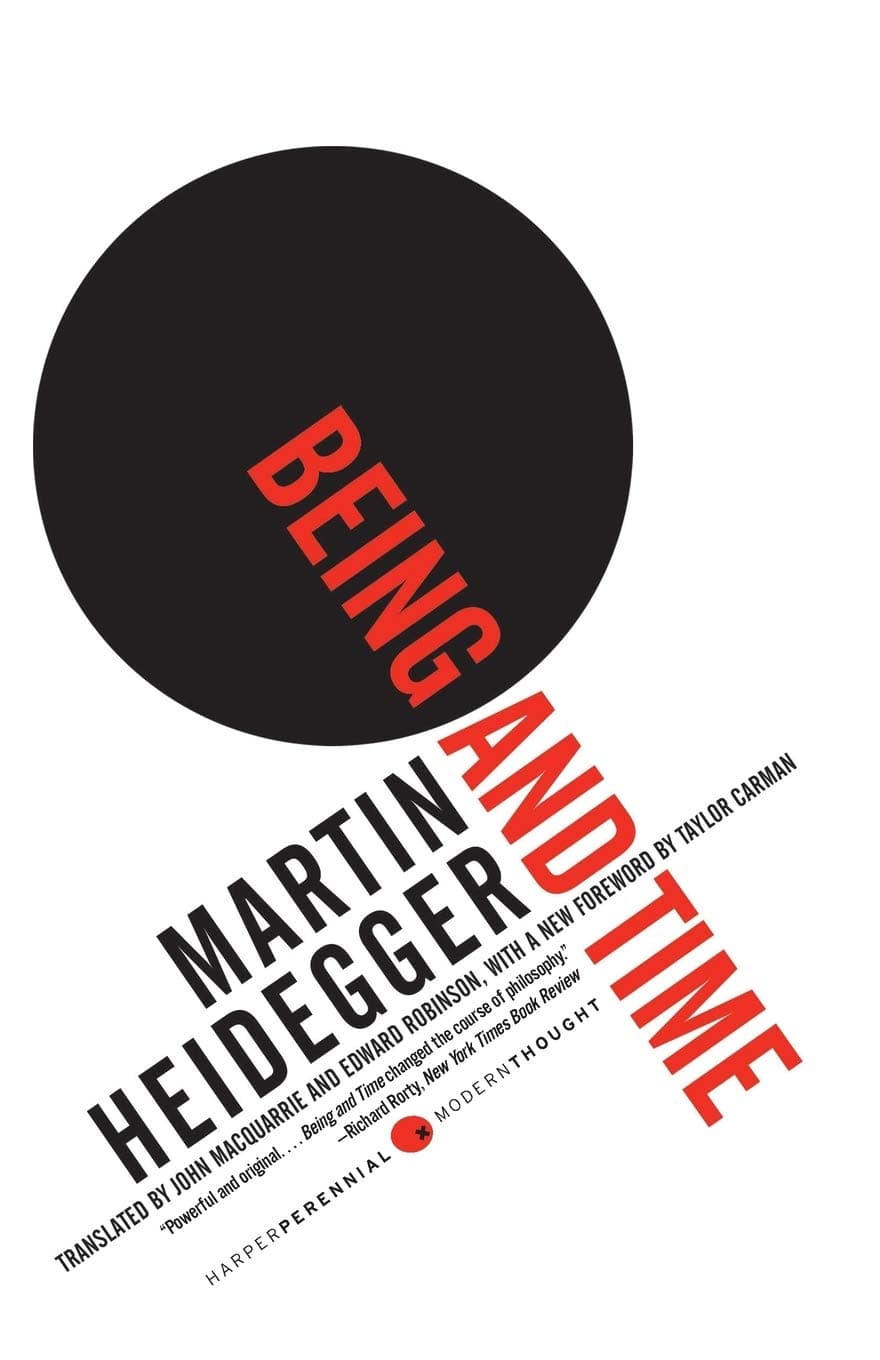
Philosophy forgot to ask what it means for anything to exist. Heidegger rebuilds the question around the ordinary human being, thrown into a world he did not choose and running out of time.

Something happens in the dark of the Marabar Caves, and an Englishwoman accuses the Indian doctor who brought her there. Forster watches a colonial society close ranks and goodwill count for nothing.
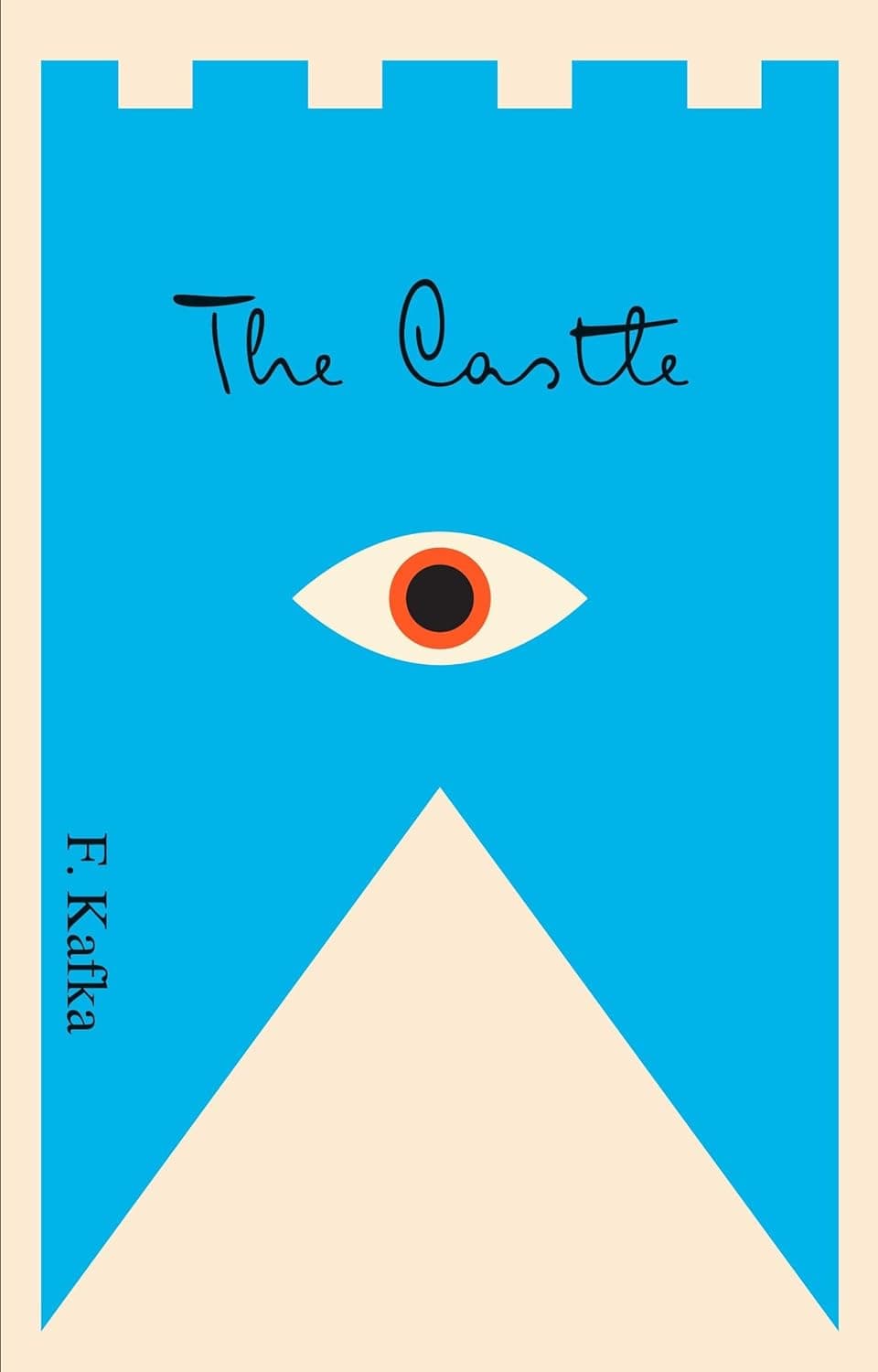
K. arrives in a village claiming the castle above it hired him as land surveyor, and never reaches anyone who can confirm it. Waiting becomes the whole of his life there.
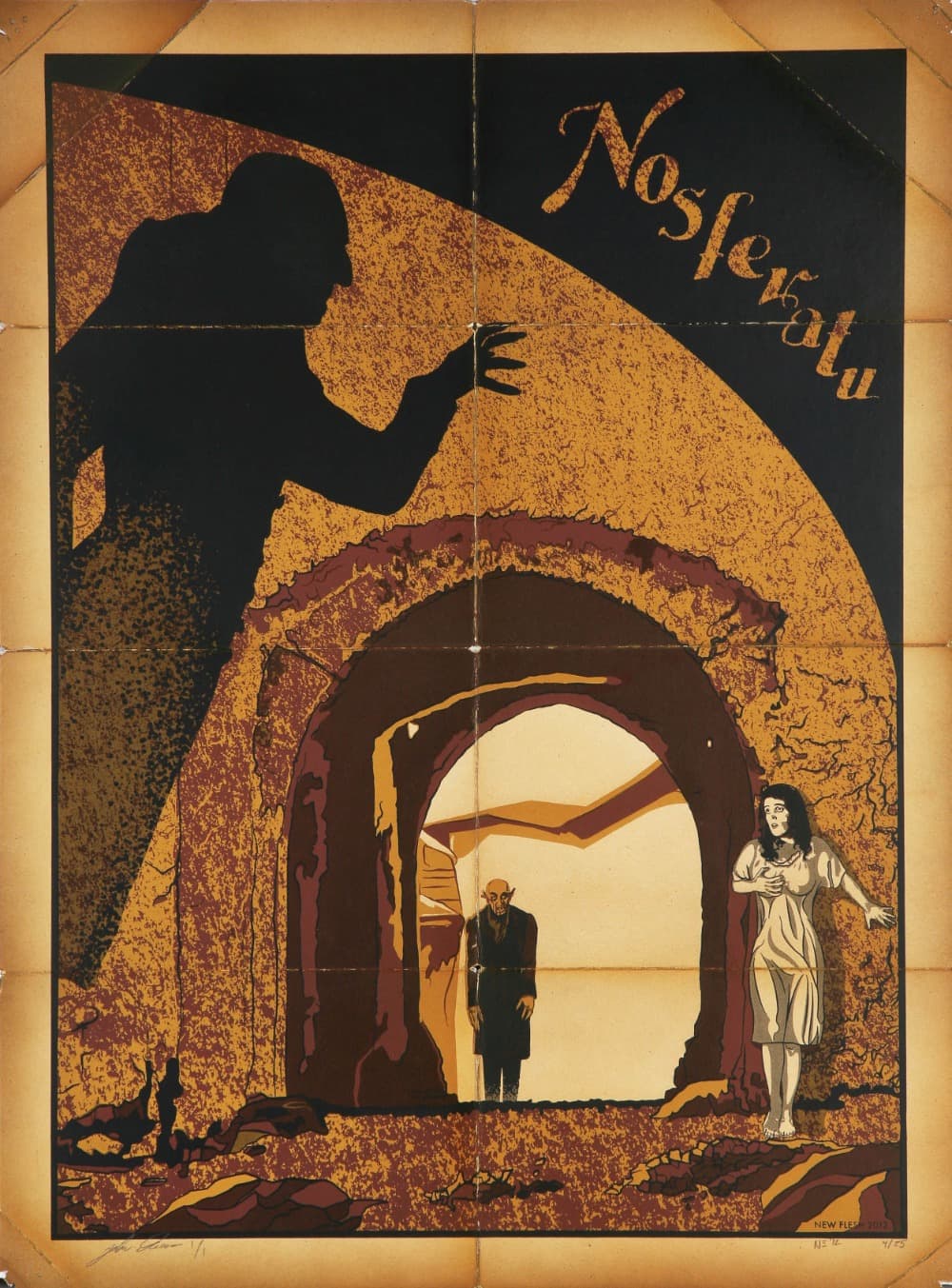
A court ordered every print destroyed and the film survived anyway: Murnau's unauthorized Dracula gave horror its first permanent image, a shadow climbing a staircase toward a door.
Carmichael whistled the tune to his band at Gennett and cut it fast; Parish added the lyric two years later.

Seven numbered propositions draw the limits of what can be said. Language pictures facts, Wittgenstein argues, so ethics and God fall outside it, and the final proposition tells you to stop talking.

Give a woman five hundred a year and a room with a lock and she will write, Woolf argues, then invents a gifted sister for Shakespeare and follows her to a terrible end.

German schoolboys enlist after a teacher's patriotic speech and find mud, lice, and men dying badly. Remarque was in those trenches, and no book has done more damage to the idea of glory.

From the cafes of Paris to the bullring at Pamplona, expatriates drink and travel and love the wrong people. Hemingway leaves the wound unnamed, and what nobody says sits under every line.

Driving ambulances for the Italian army, an American falls in love with an English nurse while the front collapses around them. Hemingway's plain sentences leave you completely undefended by the last page.

The words under the pipe are correct, since a painting of a pipe is not a pipe, which is the whole and entire joke.
Wordless humming answered by a pocketknife slide, an 1792 hymn tune NASA put on the Voyager Golden Record.
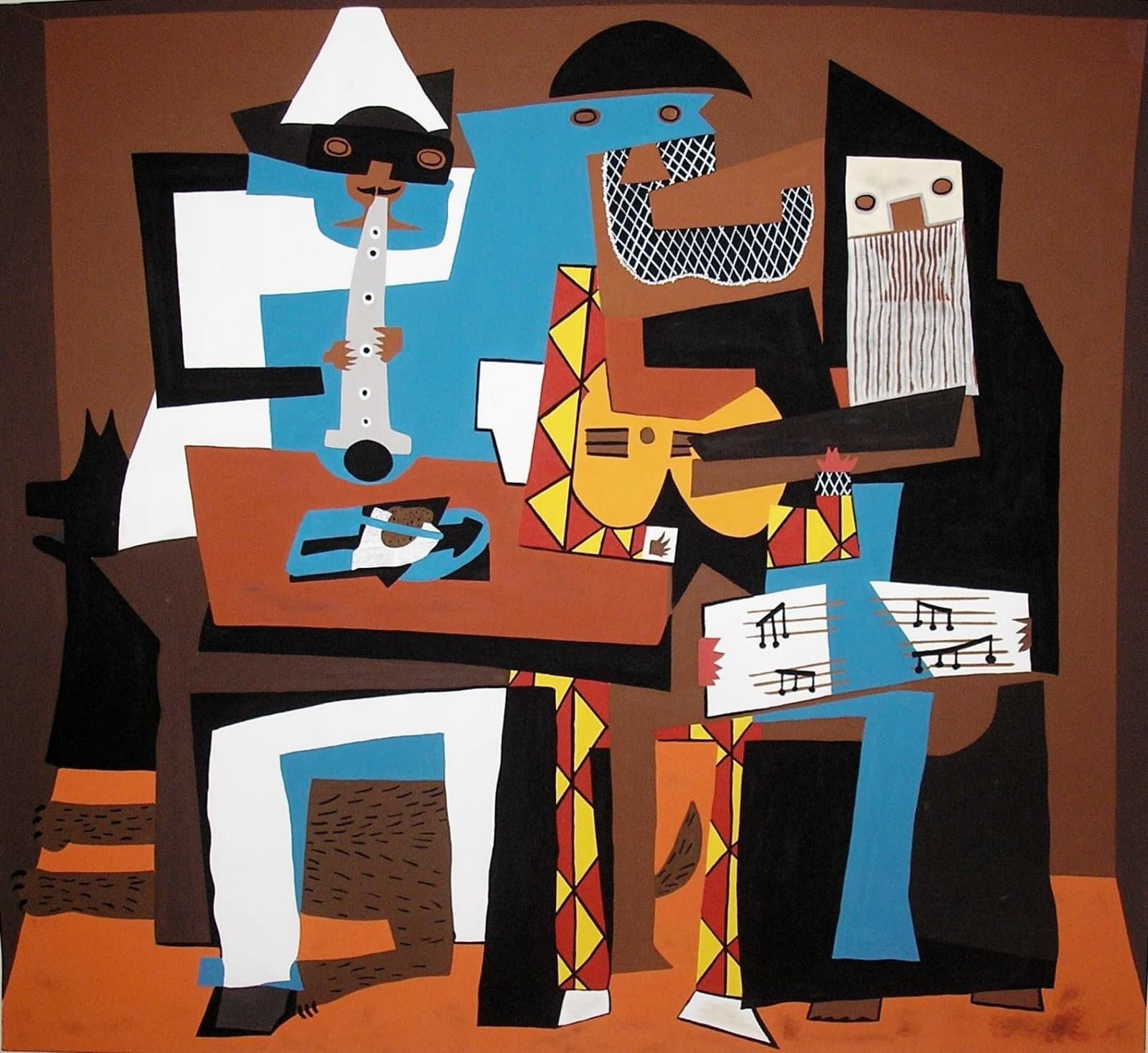
A harlequin, a Pierrot and a monk in flat interlocking shapes that look cut from paper. Synthetic Cubism at its grandest and most deadpan.
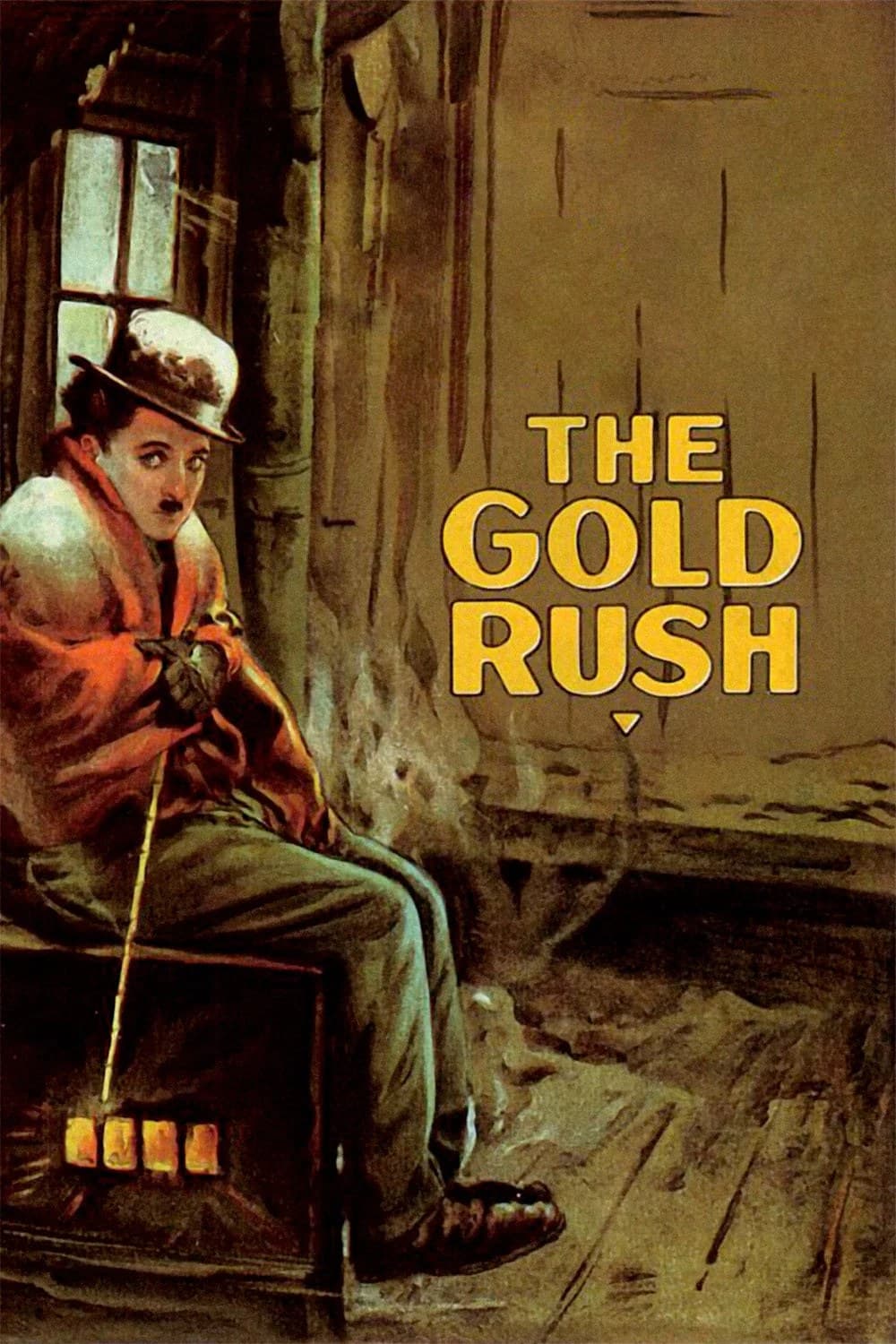
Chaplin said this was the film he wanted to be remembered for: the boiled boot eaten like a banquet, the dancing dinner rolls, and a cabin on a cliff edge.
Cut in a converted Camden church in 1927, two takes, and the yodel that made hillbilly records big business.
Armstrong's cornet answering every line Smith sings, with only a wheezing harmonium underneath, cut in New York in 1925.
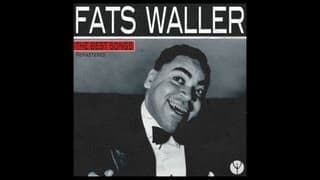
Waller sold every song in Hot Chocolates for five hundred dollars, then cut this one alone for Victor.
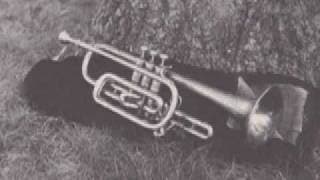
No vocal, the melody withheld until the final chorus, and Beiderbecke's cornet solo transcribed note-for-note by Fletcher Henderson's orchestra.
So we beat on, boats against the current, borne back ceaselessly into the past.