Plays
Three sisters long for Moscow, a family loses its cherry orchard, and everyone talks around what hurts. Chekhov made the unspoken the real action, and modern theater took its shape from him.

Three sisters long for Moscow, a family loses its cherry orchard, and everyone talks around what hurts. Chekhov made the unspoken the real action, and modern theater took its shape from him.

At Yalta a married man meets a woman walking a small dog and cannot shake her. Chekhov judges no one and resolves nothing, and the stories come out quietly devastating.

Du Bois named the double consciousness of seeing yourself through white eyes and called the color line the problem of the twentieth century. The chapter on his firstborn son's death is unbearable.

Four generations of a north German grain family run the firm, growing more refined and less fit to survive. Mann counts every dinner and funeral until the decline turns personal.

In a South American republic of Conrad's invention, silver from a mine props up a dictator, breaks a marriage, and corrupts the man called incorruptible. Conrad's anatomy of capital has not aged.

Sent to Paris to pry a young American away from a Frenchwoman, a middle-aged emissary looks around and tells a young painter to live all he can. James called it his best novel.

Calvinists could not know whether they were saved, so they worked without rest and spent nothing. Capitalism grew out of that anxiety, Weber argues, then shed the faith and kept the iron cage.

Jim jumps from a sinking pilgrim ship that then does not sink, and never afterward proves to himself the jump was not really him. Conrad makes one second of cowardice bottomless.

James set aside doctrine and asked what religion does to a person. Gathering testimony from converts and mystics, he separates the healthy-minded soul from the sick one and judges belief by its fruits.

Lucy Honeychurch is kissed among violets on a hillside outside Florence, and Forster makes the rest a sunlit comedy about whether English respectability is worth the lie it demands of her.

Lily Bart is beautiful, twenty-nine, and unmarried, which in Old New York is a countdown. Wharton tracks her slide from ballroom to boarding house without once softening the arithmetic.

Carrie Meeber leaves Wisconsin for Chicago and rises through two men to the New York stage. Dreiser lets her prosper without remorse or retribution, and American fiction has been freer ever since.

Born wild in the Canadian North, a wolf-dog passes from a Native camp to a dogfighting pit to a man who tames him. The Call of the Wild runs the other way.

Two aging siblings send for an orphan boy to work their Prince Edward Island farm and receive a talkative red-haired girl. Anne Shirley imagines the world into something better and never stops talking.

Conrad wrote the first great modern novel of terrorism. Verloc keeps a seedy London shop, informs on anarchists for a foreign embassy, and is ordered to bomb the Greenwich Observatory to frighten England.

Ten letters answer a nineteen-year-old cadet who asked whether his poems were good. Rilke declines to judge them and tells him to go into himself and ask whether he must write.

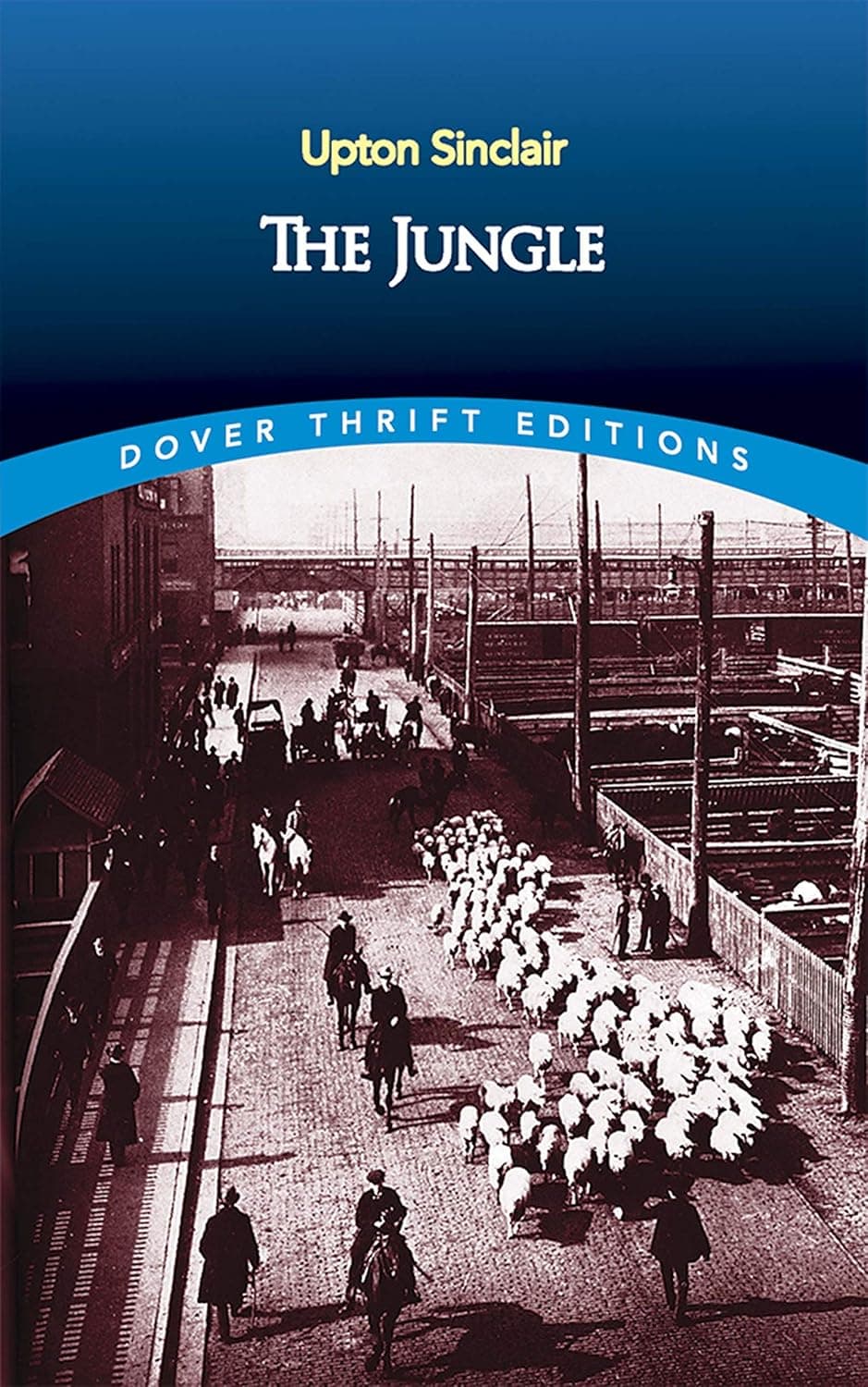
Jurgis Rudkus comes from Lithuania to work Chicago's killing floors, and the packing plants destroy his family while diseased meat ships out. Roosevelt read it and Congress passed federal food inspection within months.

Truth is not something ideas possess but something that happens to them when they work, James argues. He sets friends bickering over a squirrel to show the quarrel is merely verbal.

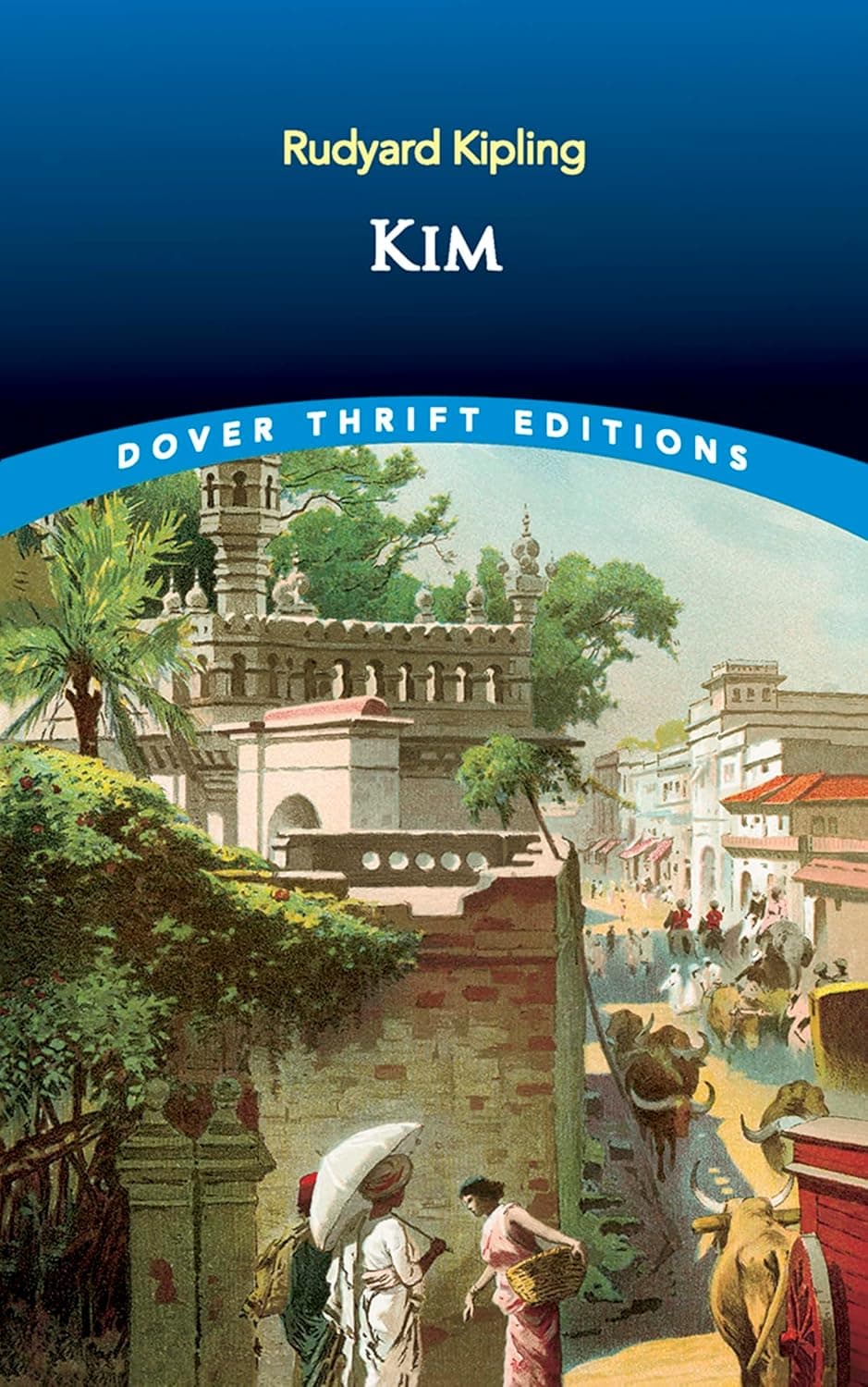
Kim, a white orphan of the Lahore streets, serves two masters: a Tibetan lama searching for a sacred river, and the British officers who train him for the spy war against Russia.

Mole abandons his spring cleaning for the river, and falls in with Rat, Badger, and the reckless Toad, who wrecks motorcar after motorcar. Grahame built the warmest world in English fiction.