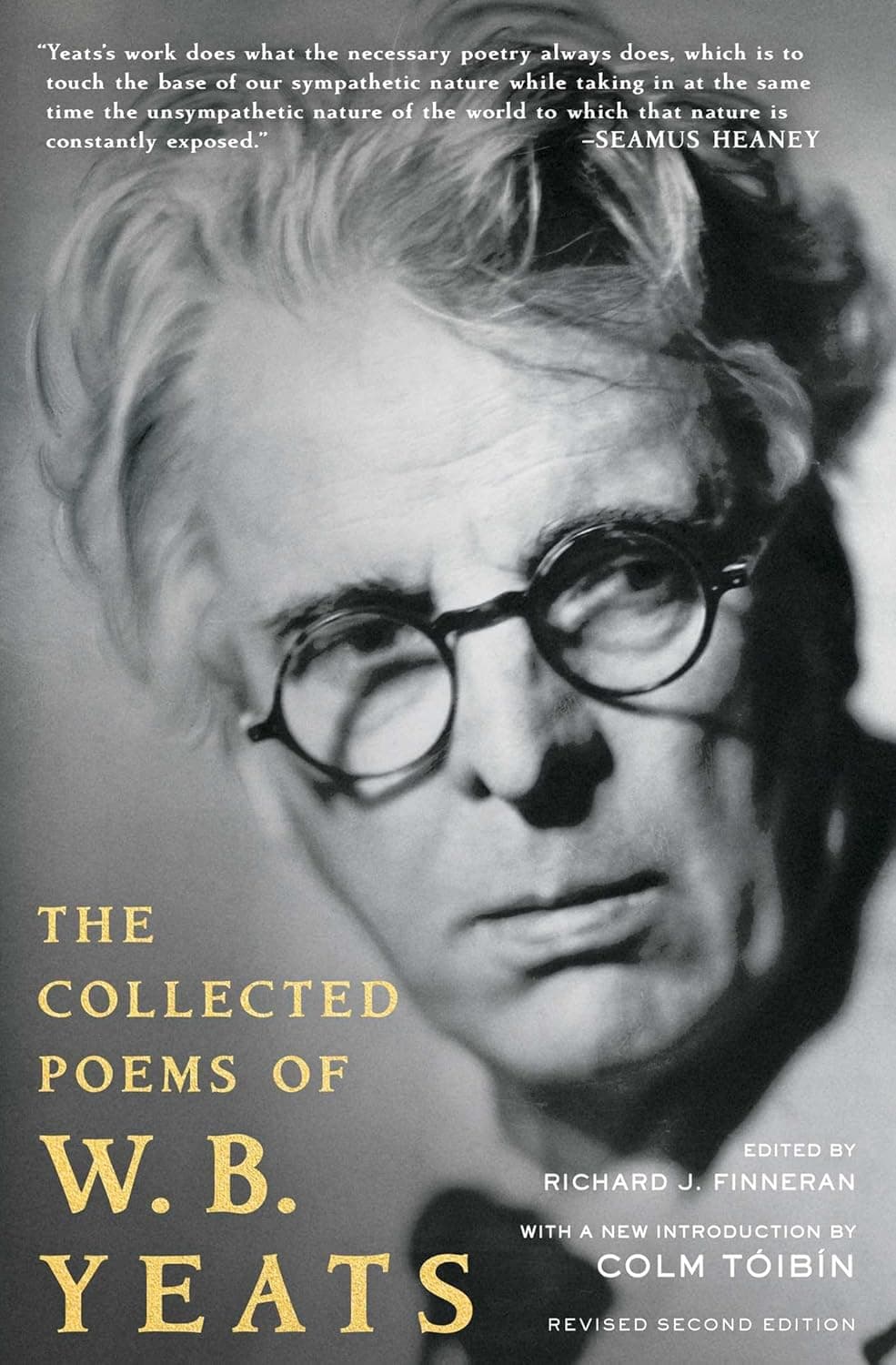
The Collected Poems
1939 · 544 pages
Irish myth and fairy tale at the start, then old age, politics, and desire handled with frightening force. Yeats wrote things fall apart, the centre cannot hold, and a terrible beauty is born.
★ 9.1
 skopia
Irish myth and fairy tale at the start, then old age, politics, and desire handled with frightening force. Yeats wrote things fall apart, the centre cannot hold, and a terrible beauty is born.
Thomas Sutpen arrives in Mississippi from nowhere with a band of slaves and a French architect and builds a dynasty that destroys itself. Two students retell it until it swallows them.
The Joads lose their Oklahoma farm and drive west to California, where the promised work is a lie. Steinbeck's fury at what was done to them still comes off the page.
Babies are decanted from bottles into castes, everyone takes a drug called soma, and nobody is unhappy. Huxley saw that a tyranny of pleasure would hold better than one of fear.

Addie Bundren dies and her family hauls the coffin across Mississippi through flood and fire. Fifteen voices tell it, and you laugh at people whose misery you can feel.

Janie comes home to a Black town in Florida and tells a friend about her three marriages and how she found her own voice. Hurston writes porch talk exactly as it sounded.

Celine's narrator carries his disgust from the First World War to colonial Africa, a Ford assembly line in Detroit, and a Paris suburb. He dragged spoken French into literature and made loathing exhilarating.

Thirteen dwarves turn up at a comfortable hobbit's door and talk him into helping them rob a dragon. The comedy is real, and the riddle game in the dark still frightens children.
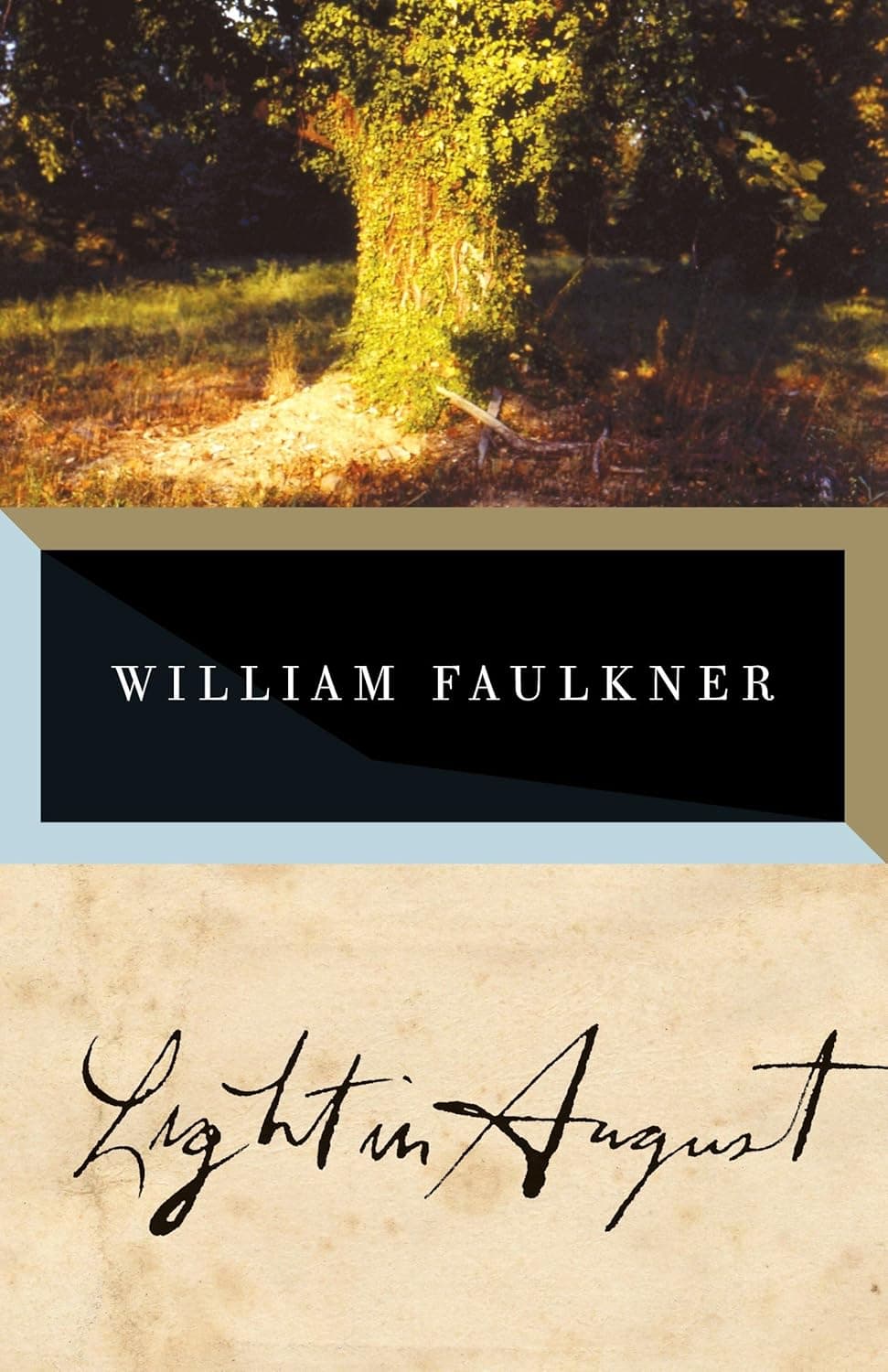
Pregnant and walking from Alabama, Lena Grove looks for the man who left her. Nearby a man who cannot say whether he is black or white is running out of room.
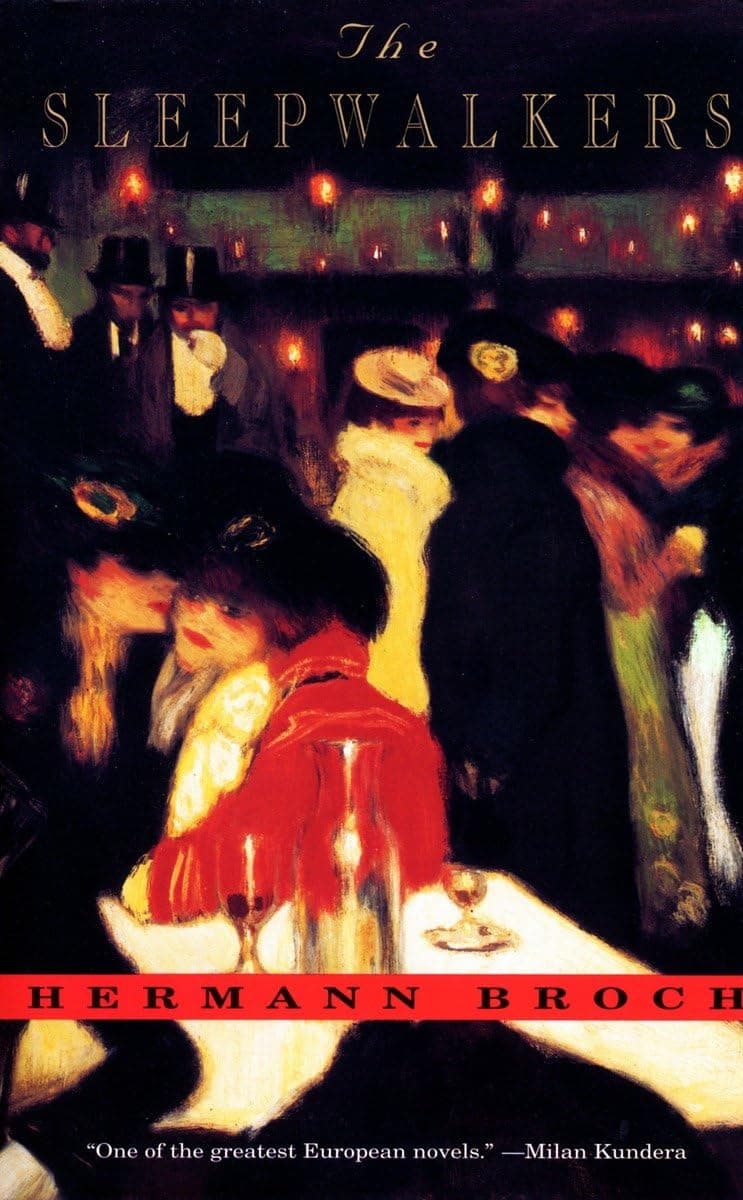
Three novels set in 1888, 1903, and 1918 follow a Prussian officer clinging to his uniform, a bookkeeper demanding justice, and a deserter who feels nothing. Broch watches a whole value system dissolve.
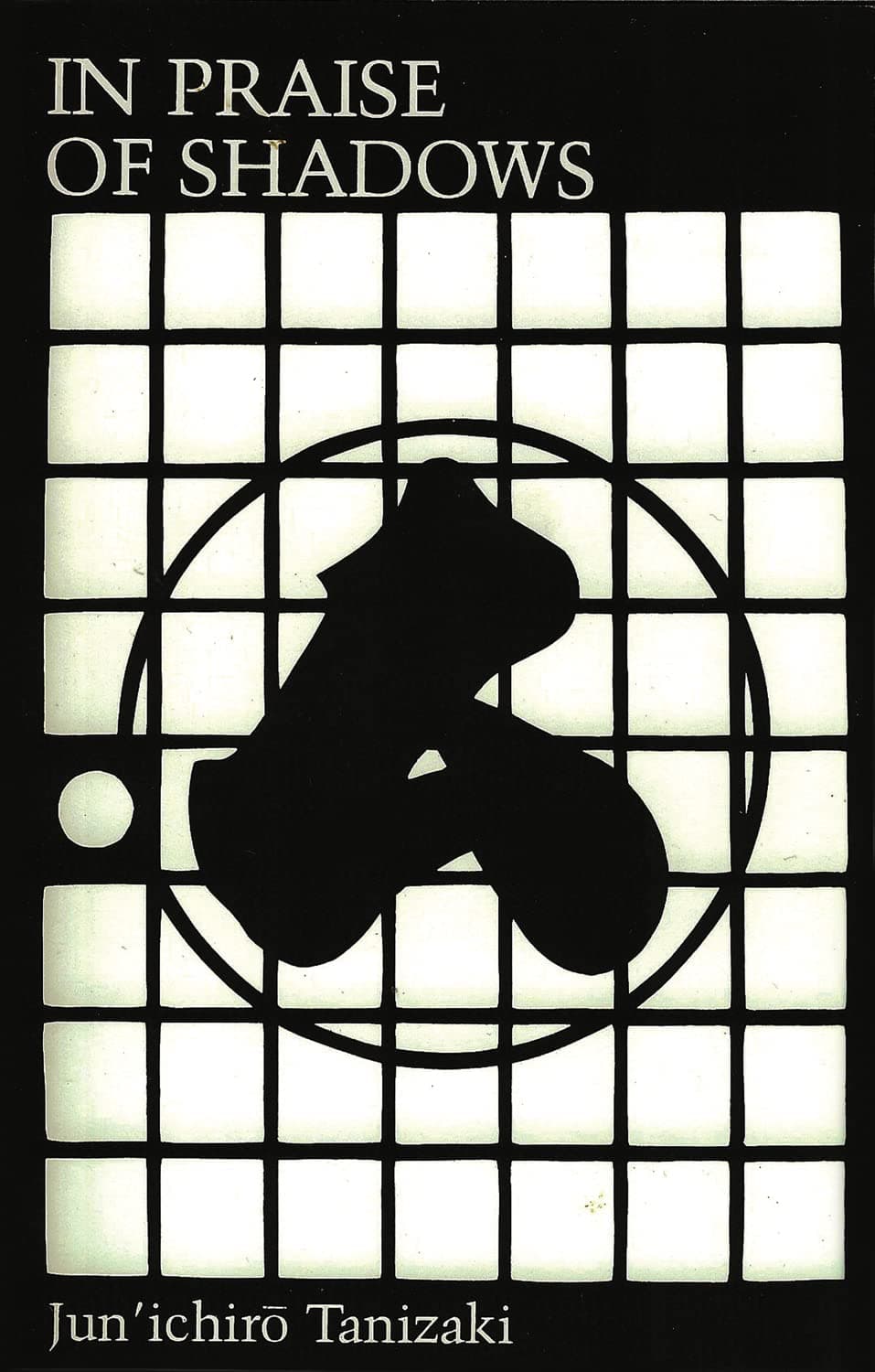
Tanizaki, a Japanese novelist, argues in earnest that the beauty of his country was made for dim rooms and wrecked by electric light. Lacquer, gold leaf, and old toilets all make his case.

Keynes argues that an economy can sit at mass unemployment indefinitely because nobody is spending, and that governments must spend instead. Every recession since has been argued in the terms he set.

A lieutenant knocks Emperor Franz Joseph off his horse at Solferino and saves his life. Three generations of Trottas ride that accident down into 1914, and the Habsburg empire dissolves around them.

Seventeen-hour shifts in a Paris restaurant kitchen, then the tramps' road between London workhouses. Orwell went into poverty himself and came back able to describe what hunger does to a mind.

Eighteen years of hired labor buy Bjartur a stretch of Icelandic moorland, and he defends his independence against weather, debt, and his own family. Laxness makes stubbornness heroic and ruinous at once.
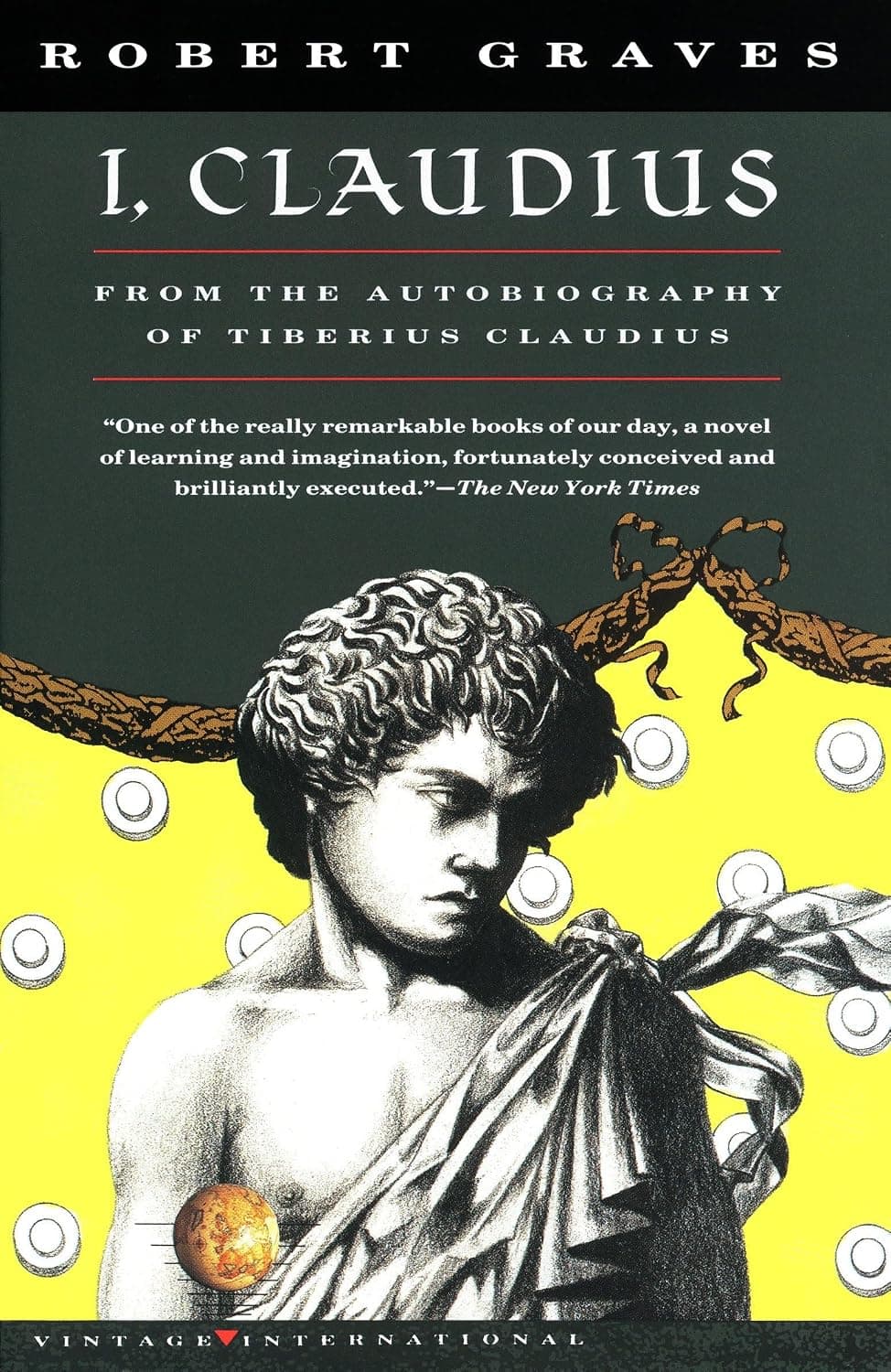
Stammering, limping, and dismissed as an idiot, Claudius survives the Roman imperial family as it murders its way through Augustus, Tiberius, and Caligula, then sets down the secret history of what he watched.

Enslaved people freed themselves, Du Bois argues, walking off plantations in a general strike that broke the Confederacy. He then shows what Black voters built during Reconstruction and who tore it down.
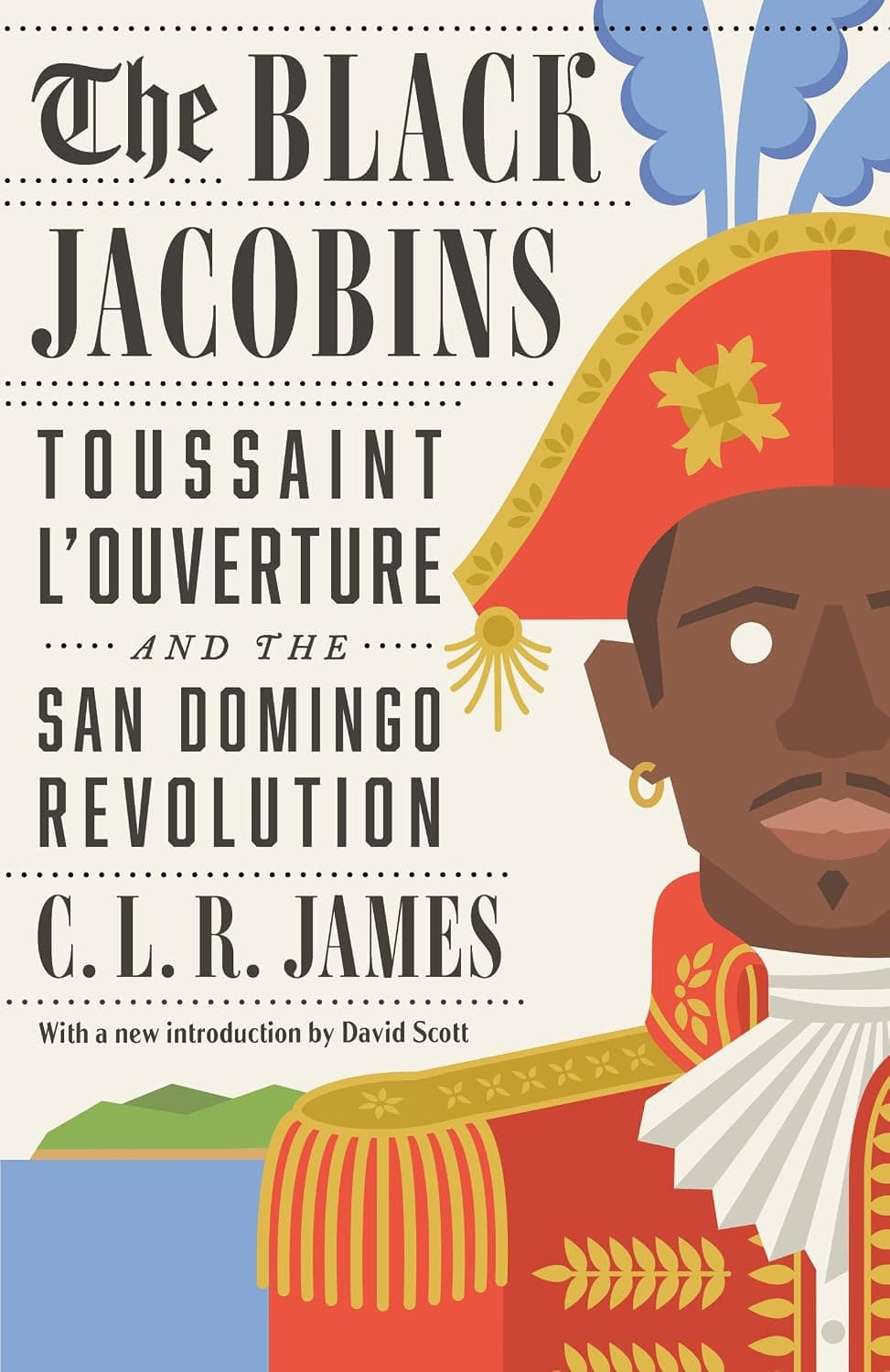
Enslaved people in the French colony that became Haiti rose in 1791 and defeated Napoleon's army. James wrote their revolution as world history, with Toussaint Louverture, born a slave, at its center.
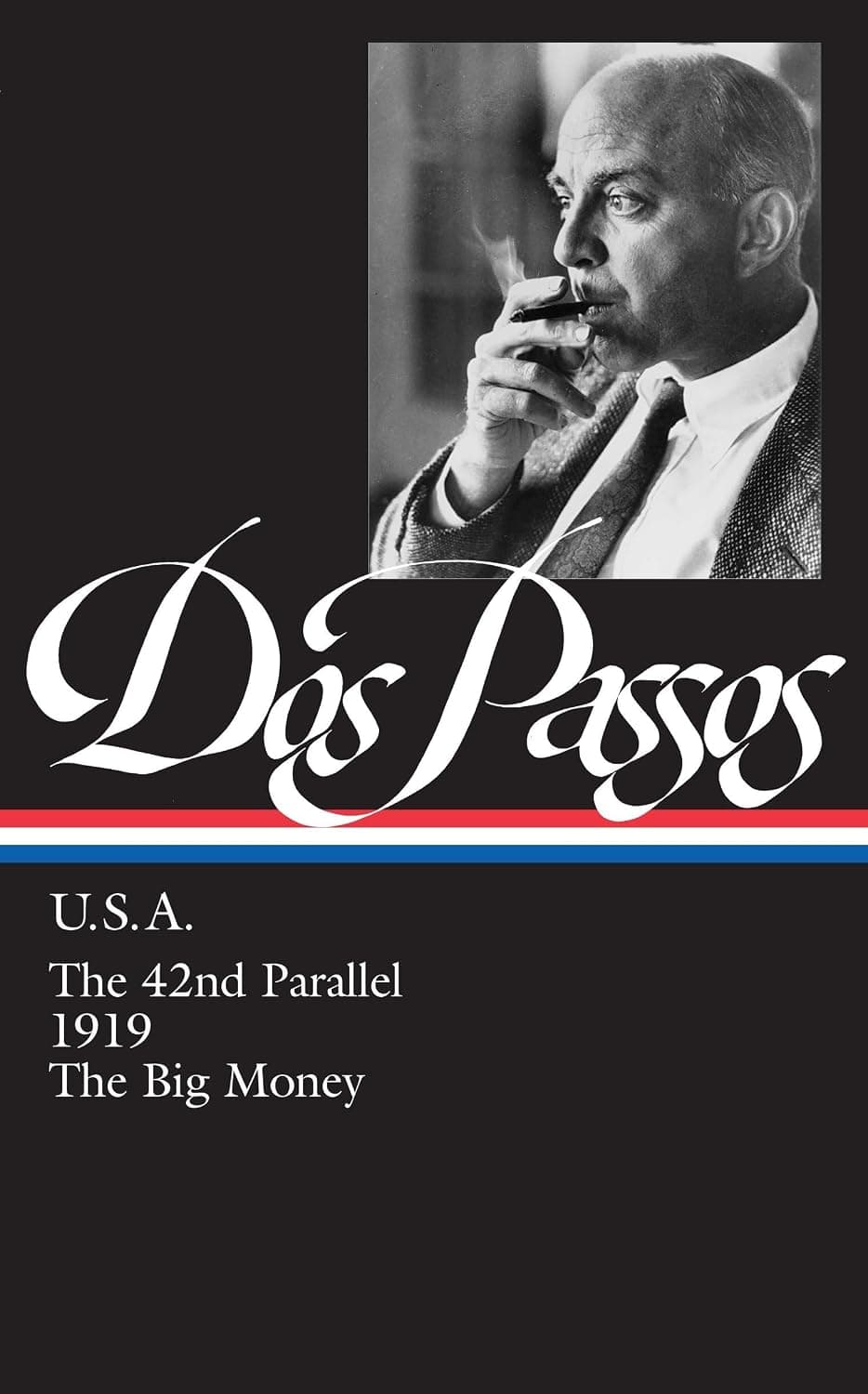
No American novel takes in more of the country. Dos Passos cuts fictional lives against newspaper headlines, song lyrics, and portraits of Henry Ford and Woodrow Wilson, covering the century's first three decades.

George looks after Lennie, huge and slow-witted, across the California ranches, and the two of them keep describing a farm they mean to buy. Steinbeck presses the Depression into that dream.