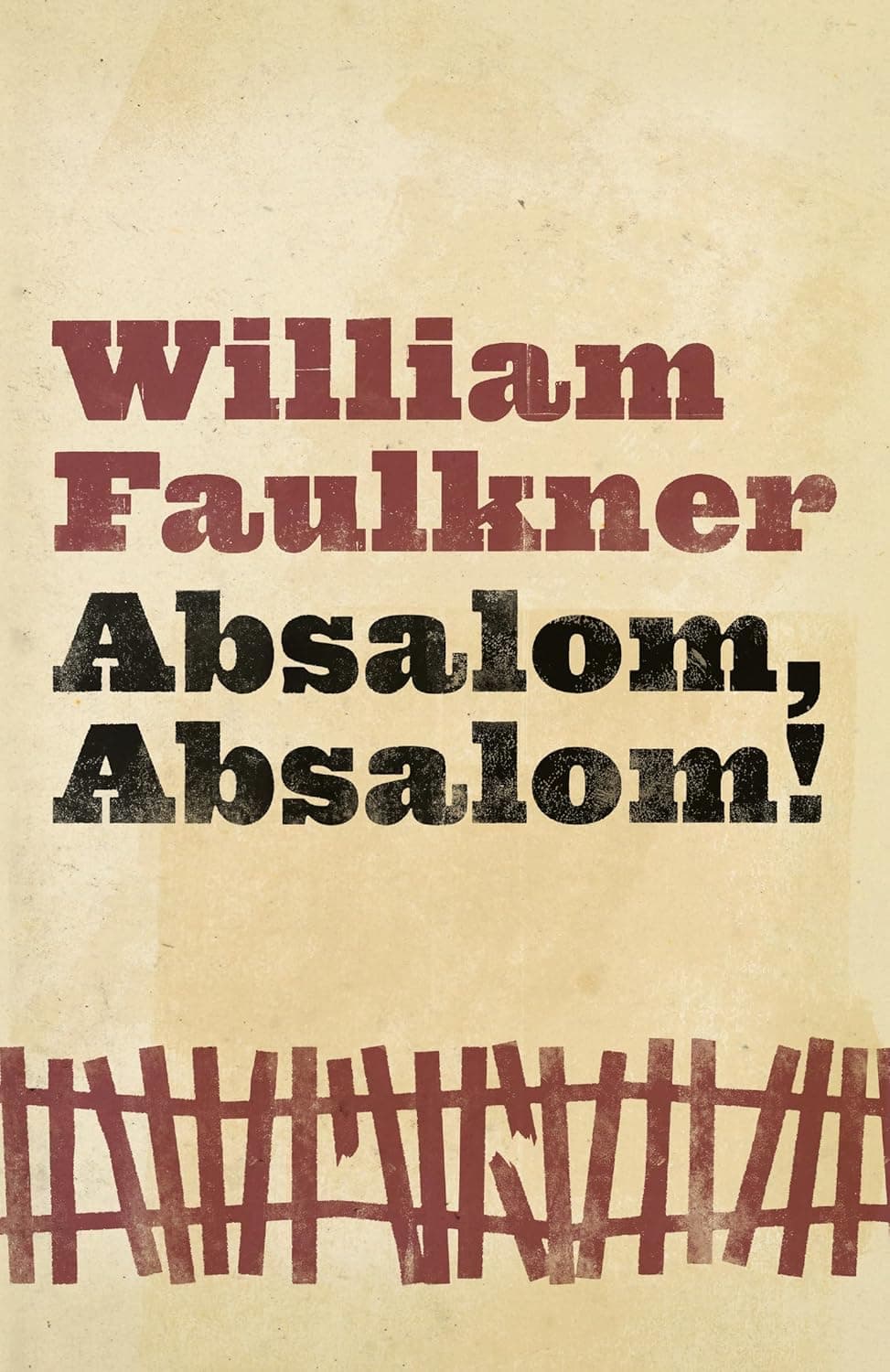
Absalom, Absalom!
1936 · 313 pages
Thomas Sutpen arrives in Mississippi from nowhere with a band of slaves and a French architect and builds a dynasty that destroys itself. Two students retell it until it swallows them.
★ 9.0
 skopia
Thomas Sutpen arrives in Mississippi from nowhere with a band of slaves and a French architect and builds a dynasty that destroys itself. Two students retell it until it swallows them.

Keynes argues that an economy can sit at mass unemployment indefinitely because nobody is spending, and that governments must spend instead. Every recession since has been argued in the terms he set.
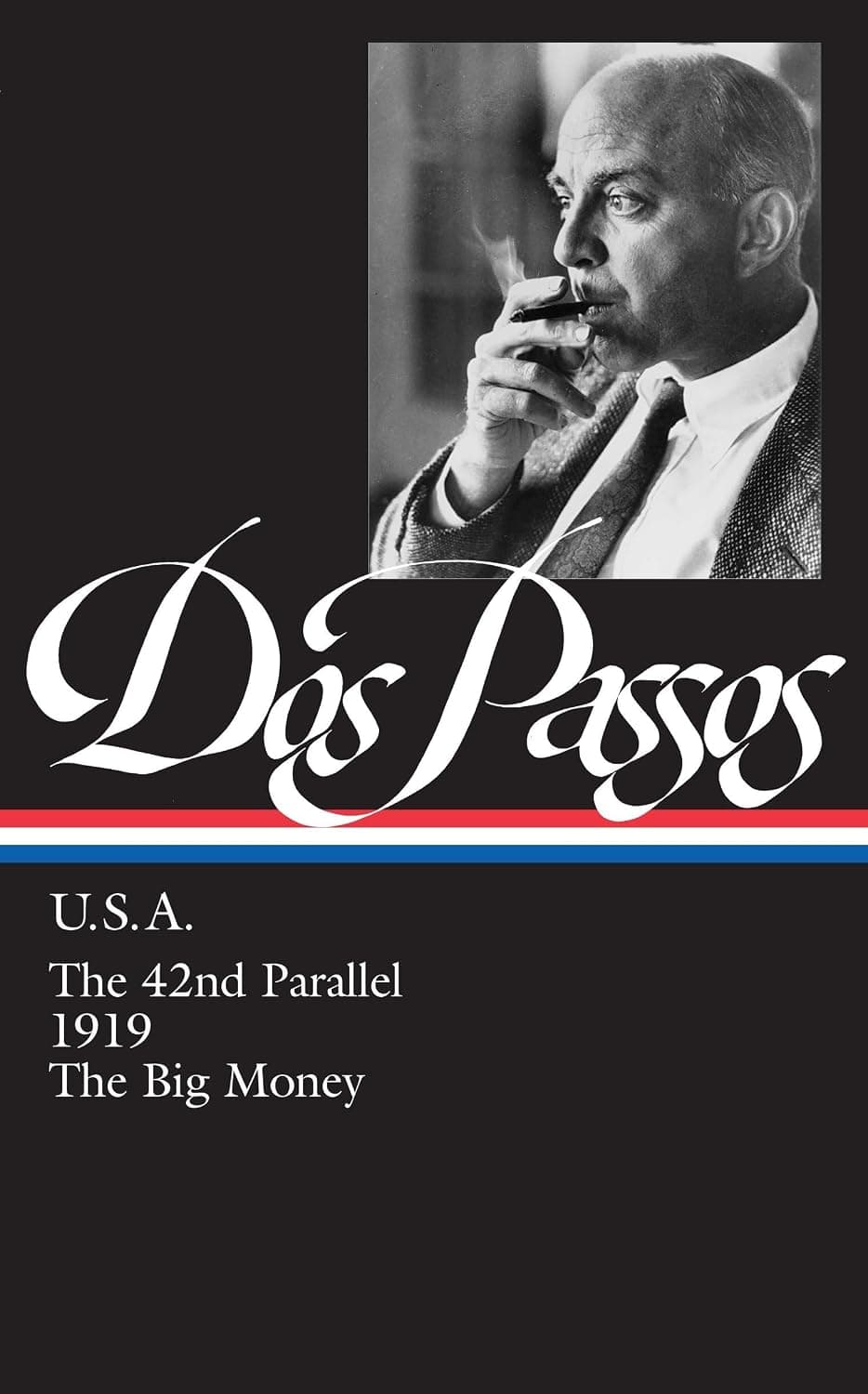
No American novel takes in more of the country. Dos Passos cuts fictional lives against newspaper headlines, song lyrics, and portraits of Henry Ford and Woodrow Wilson, covering the century's first three decades.

Lorca's poems rise from Andalusian folk song and dream logic, where the moon walks into a forge and knives are always waiting. His lament for a gored bullfighter tolls five in the afternoon.

Scarlett O'Hara claws her plantation back through the burning of Atlanta, wanting the wrong man. Mitchell's romance of a gallant South sold thirty million copies and fixed a pastoral memory of slavery.

History is a bottomless well, Gombrich tells his young reader: drop a burning scrap of paper down it and watch. Forty chapters carry you from the first humans to his own century.
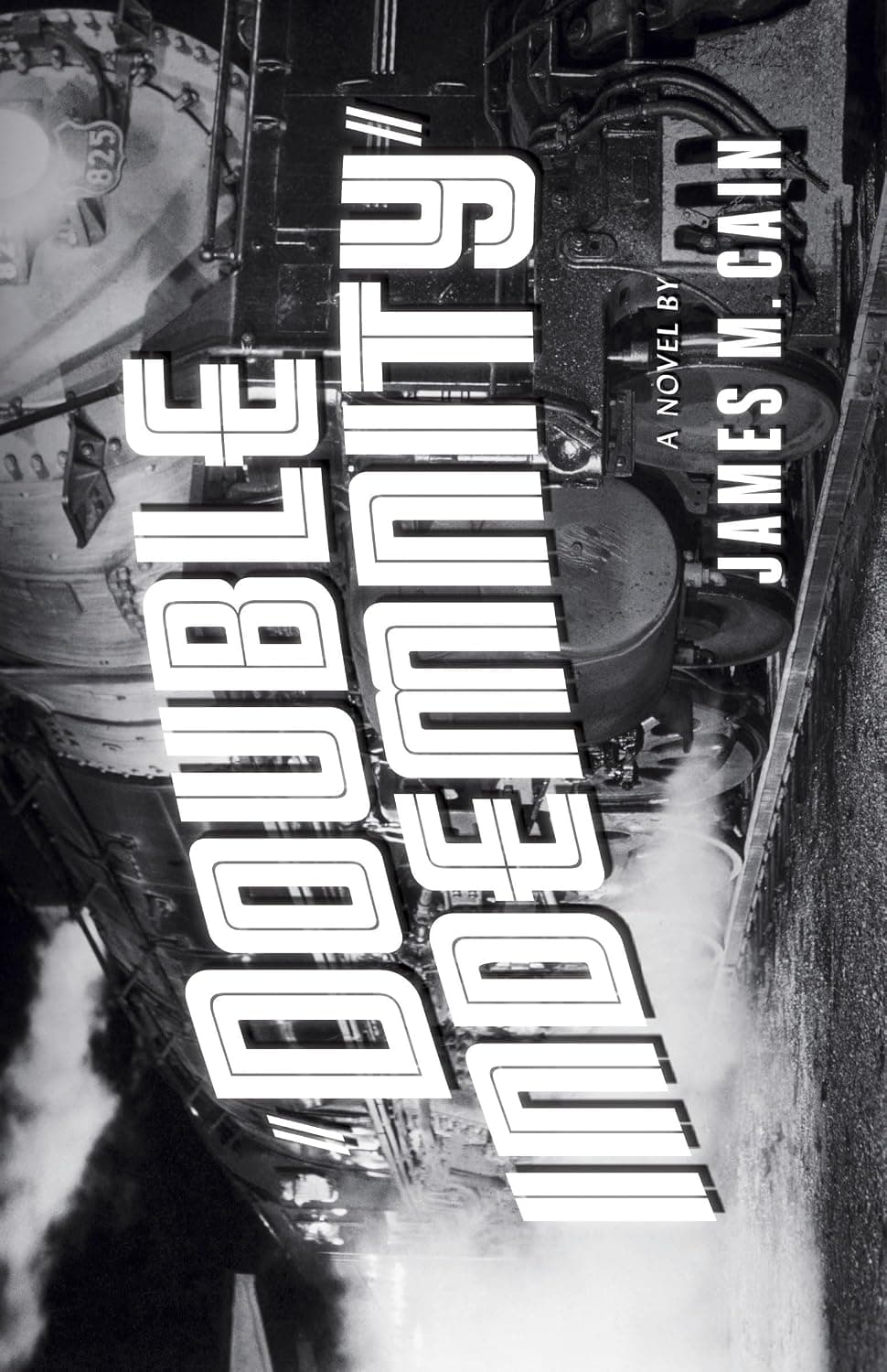
Walter Huff sells insurance, and the wife who wants a policy on her husband starts him on the clause that pays double. Cain tells it as a confession and never slows down.

Antarctic explorers find a stone city older than mankind, its history painted on the walls. Lovecraft's real monster is deep time, and this novella is where his cosmic dread reaches full scale.

A young bull who would rather smell flowers than fight is hauled to the Madrid ring, where he sits down. Franco banned the book in Spain and the Nazis burned it in Germany.