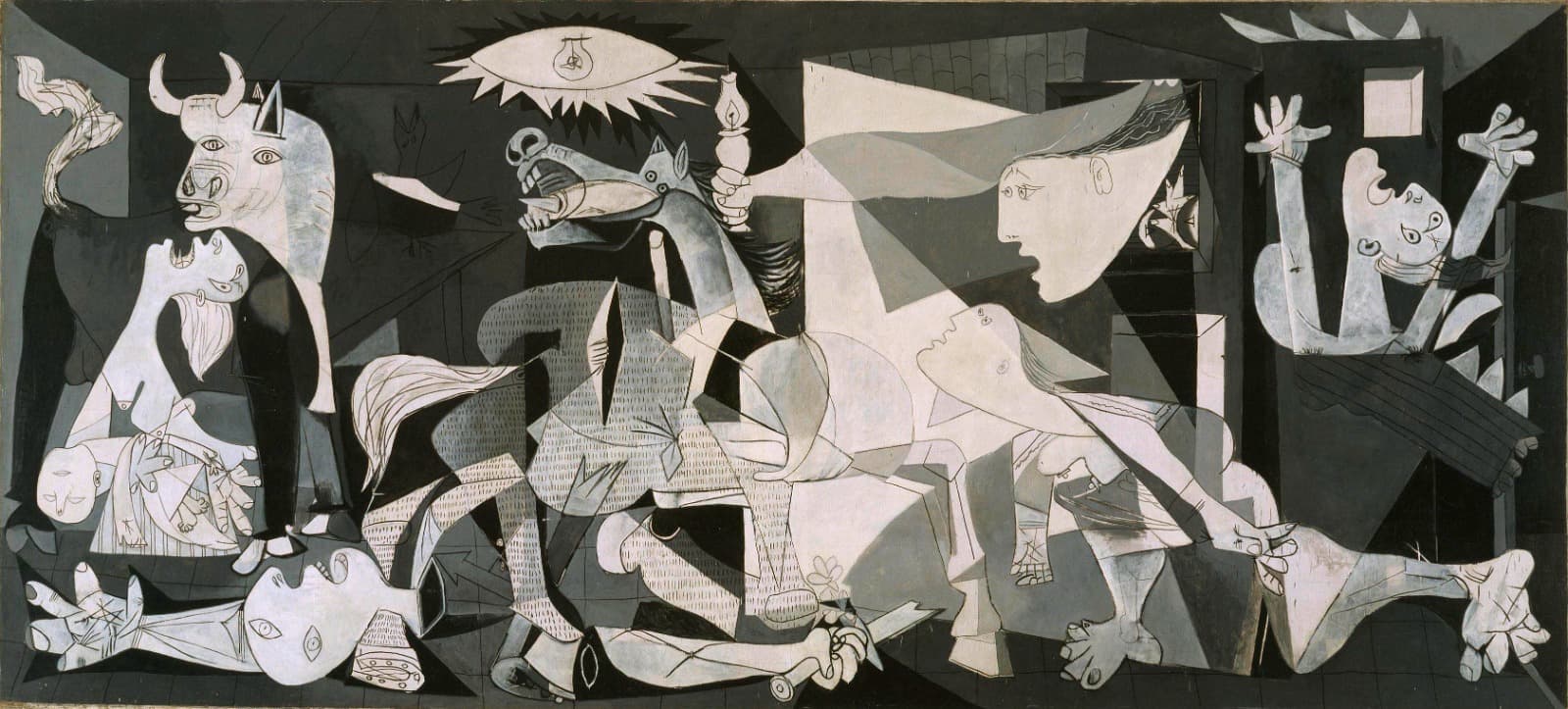
Guernica
1937 · Museo Reina Sofia, Madrid
A screaming horse, a mother with her dead child, all in grey. Picasso painted it in weeks after German bombers leveled a Basque town.
★ 9.9
 skopia
A screaming horse, a mother with her dead child, all in grey. Picasso painted it in weeks after German bombers leveled a Basque town.
The only thing we have to fear is fear itself.
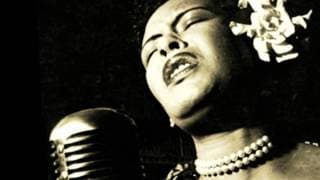
A Bronx schoolteacher's poem about lynching, sung in a single spotlight, still the bravest three minutes on record.
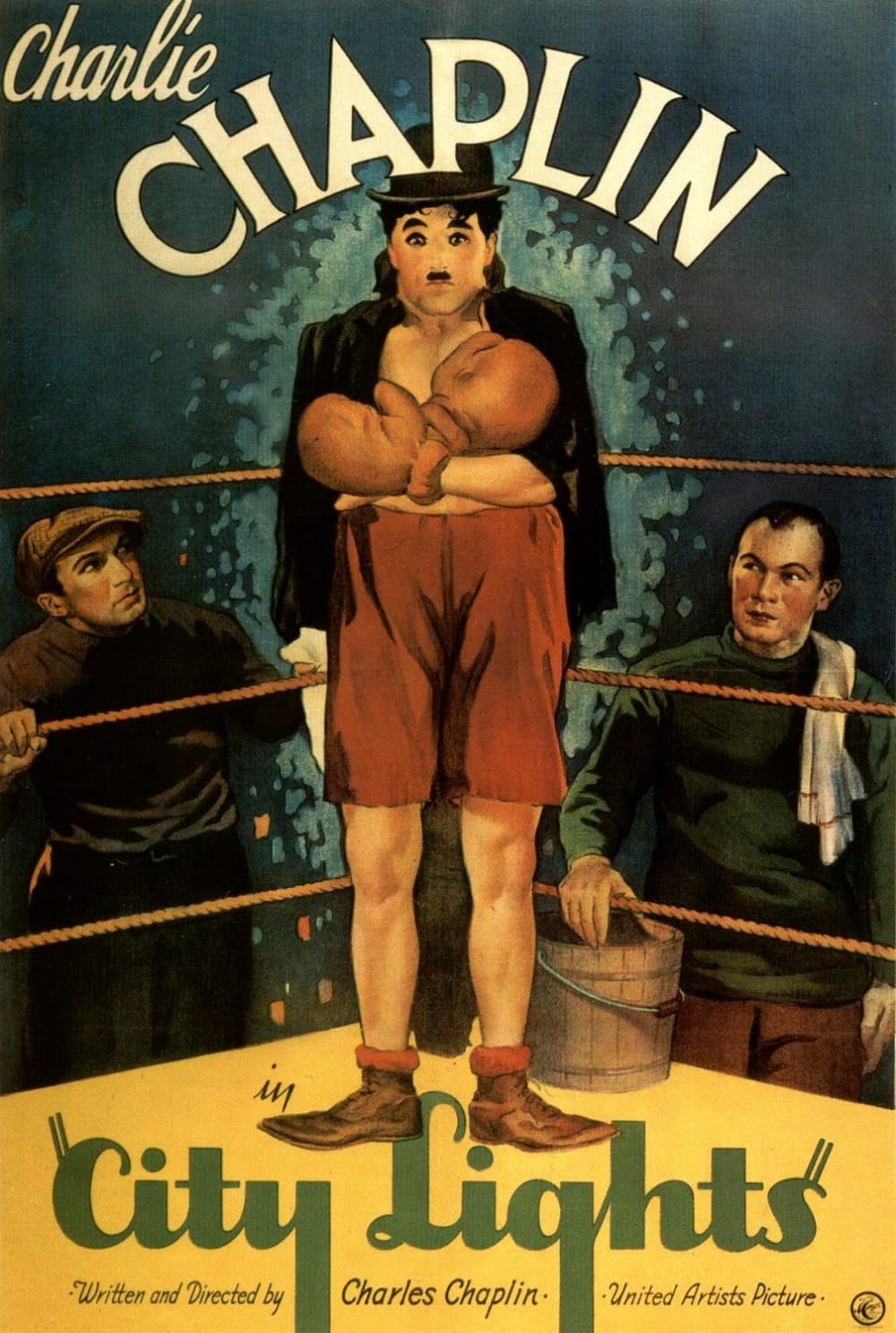
Chaplin's own favorite of his films, and the one people cry at: he refused to make it a talkie, then built ninety minutes toward a final thirty seconds.
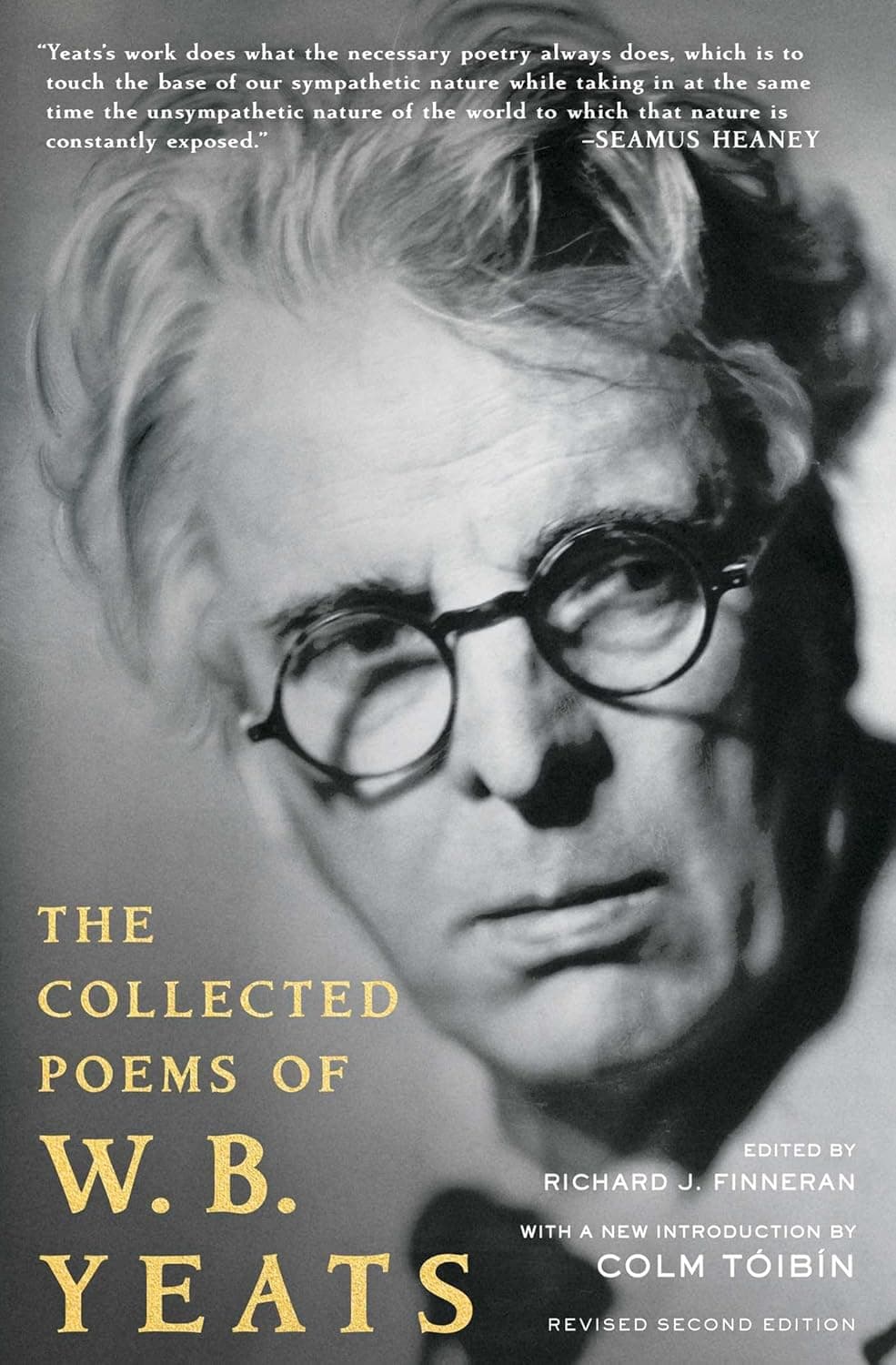
Irish myth and fairy tale at the start, then old age, politics, and desire handled with frightening force. Yeats wrote things fall apart, the centre cannot hold, and a terrible beauty is born.
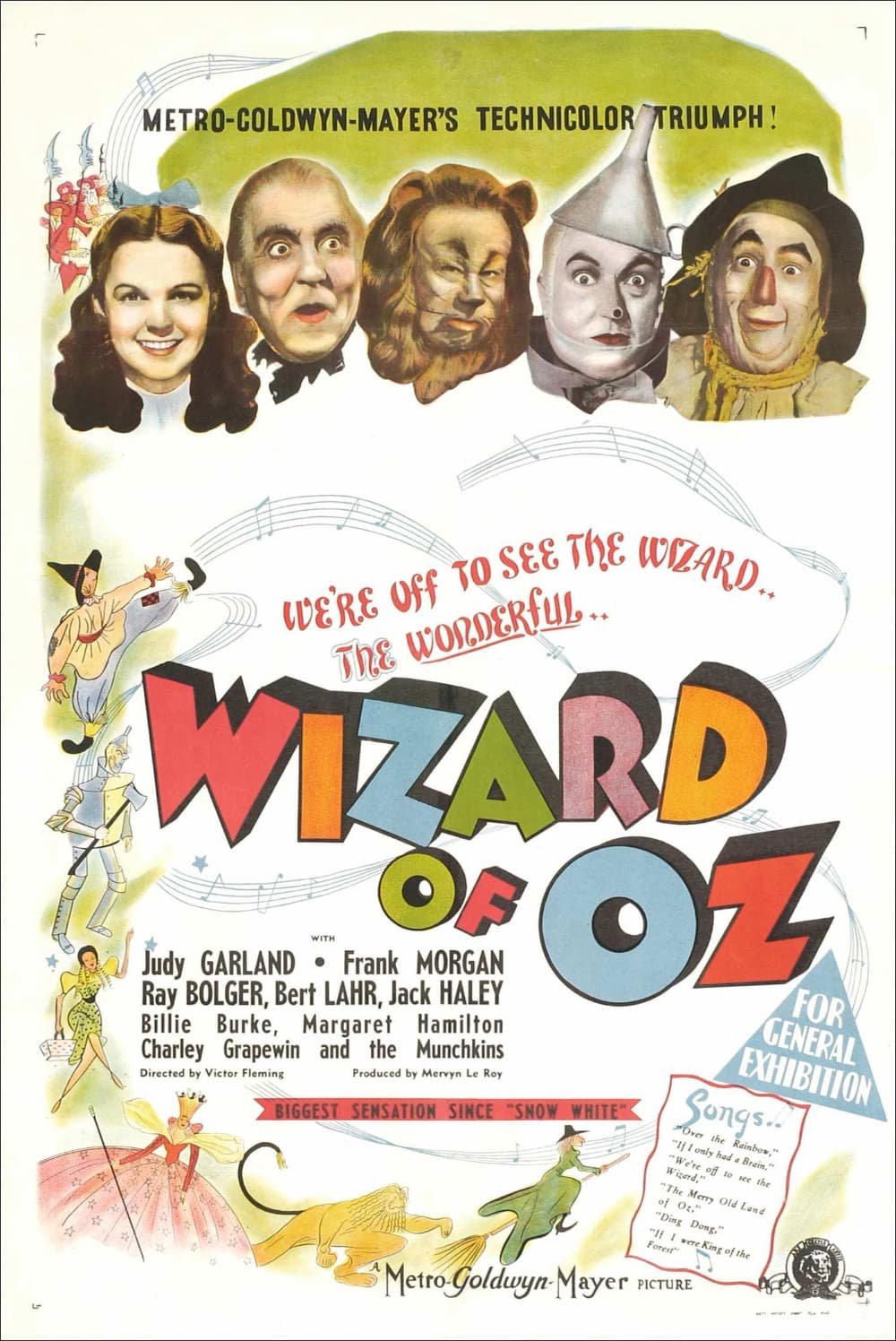
Decades of television broadcasts made it what the Library of Congress calls the most-seen film in history: the switch from sepia Kansas into Technicolor Oz still lands like a door opening.
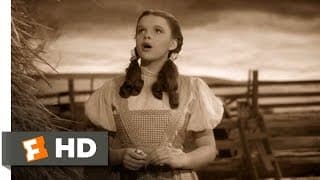
MGM cut it from the film twice until Arthur Freed threatened to quit; Garland was sixteen.
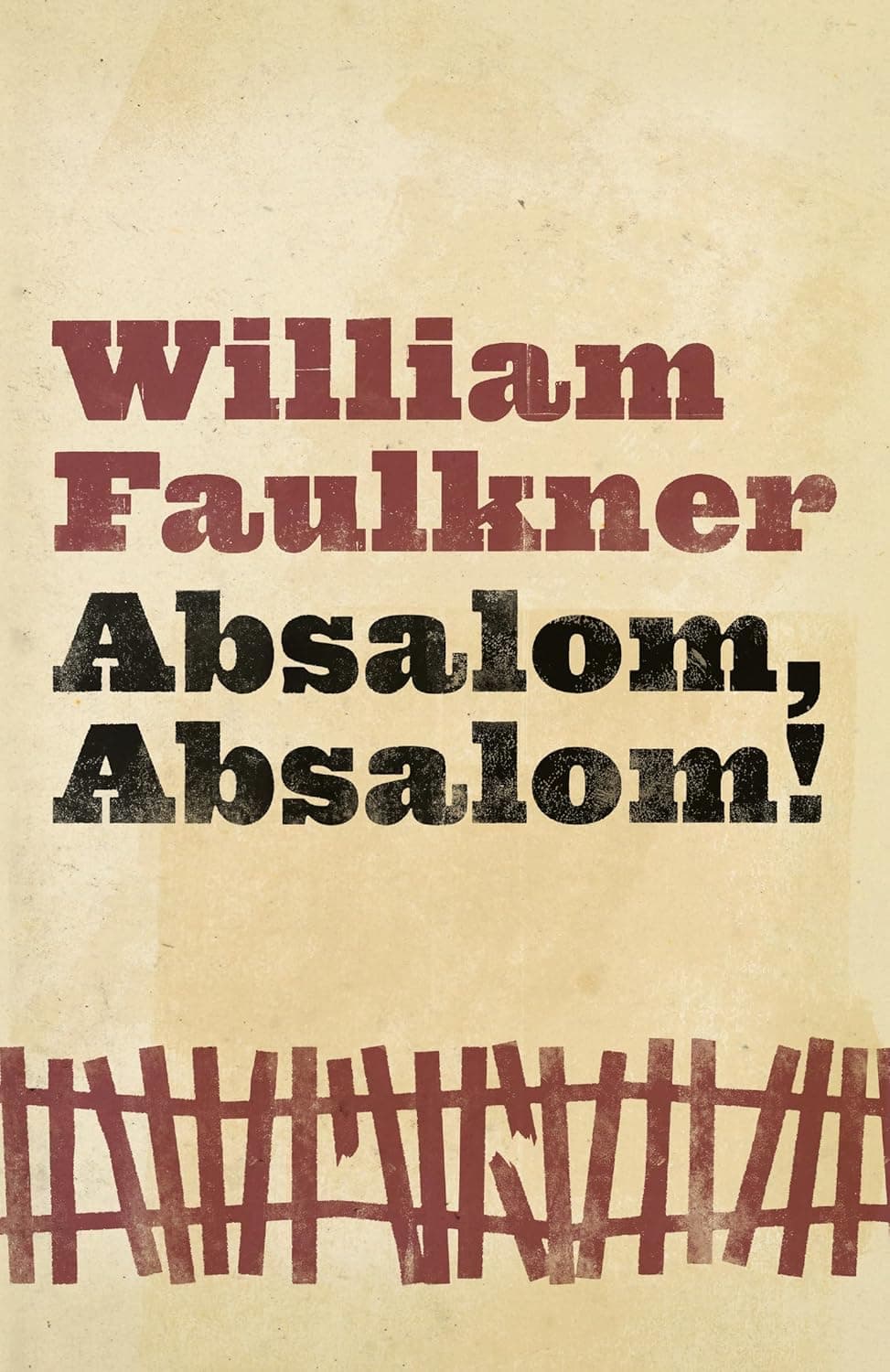
Thomas Sutpen arrives in Mississippi from nowhere with a band of slaves and a French architect and builds a dynasty that destroys itself. Two students retell it until it swallows them.
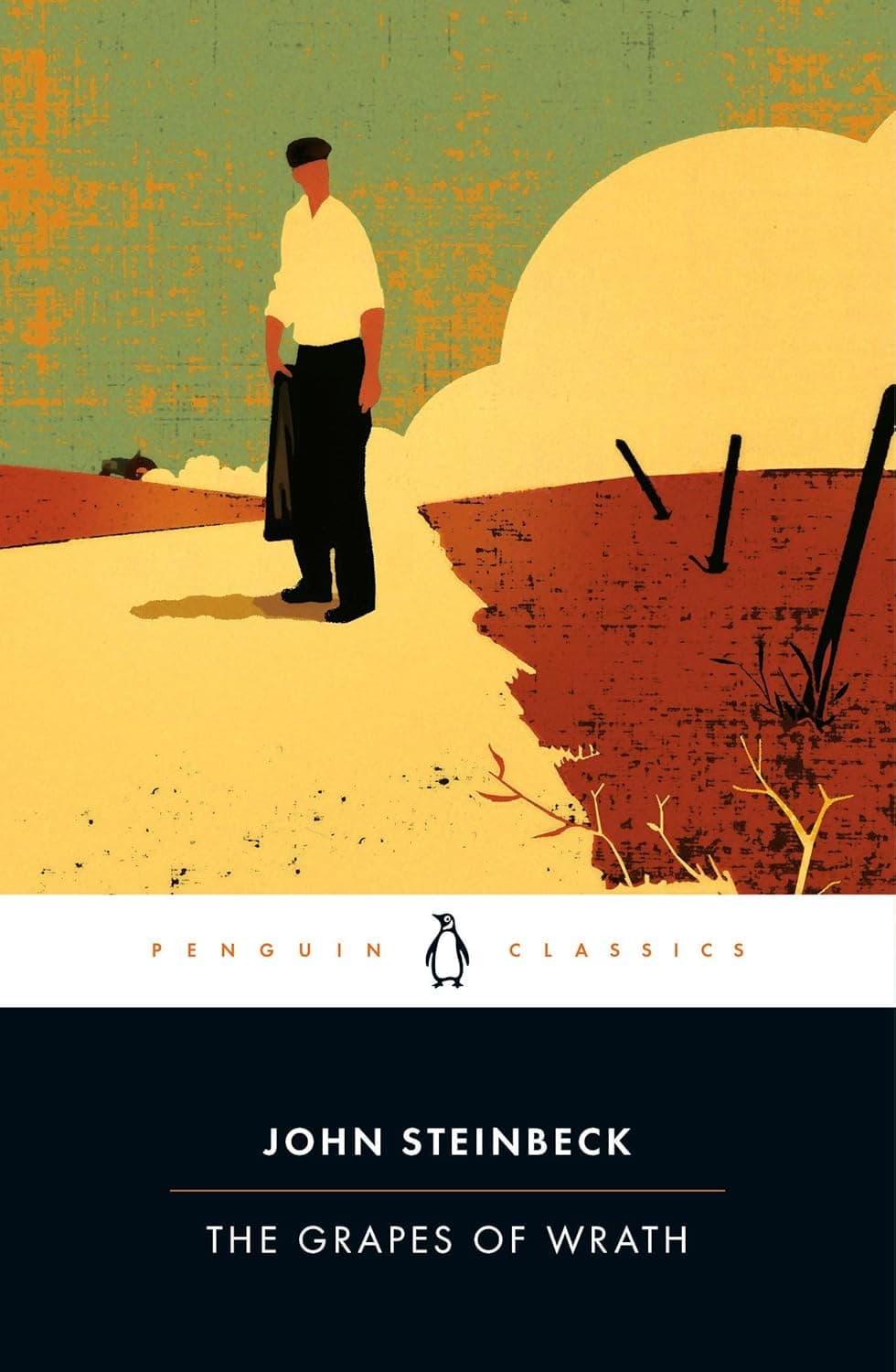
The Joads lose their Oklahoma farm and drive west to California, where the promised work is a lie. Steinbeck's fury at what was done to them still comes off the page.
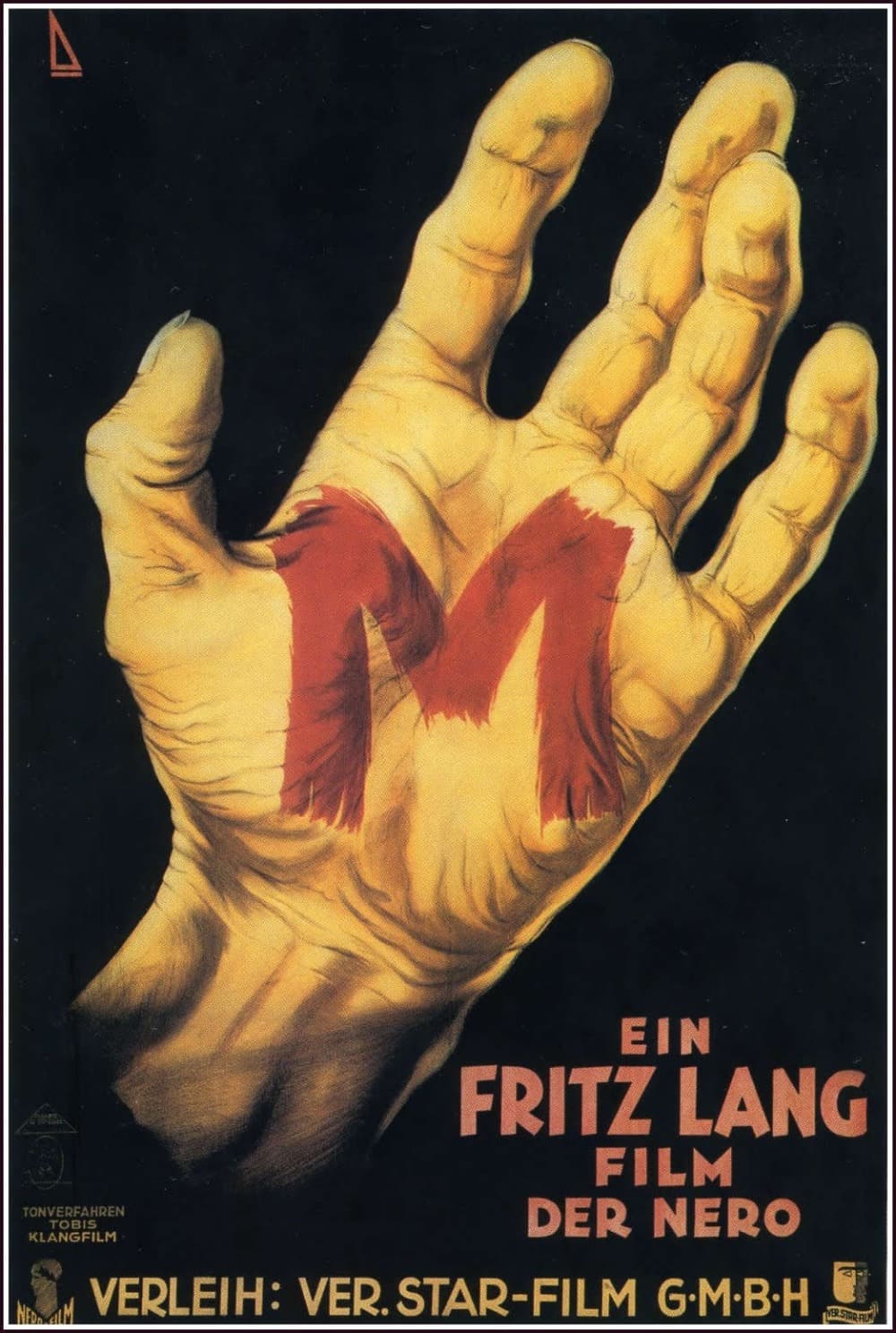
Serial killer films begin here: Lang used sound as a weapon in his first talkie, gave the murderer a whistled tune, and turned a whole city into a trap.
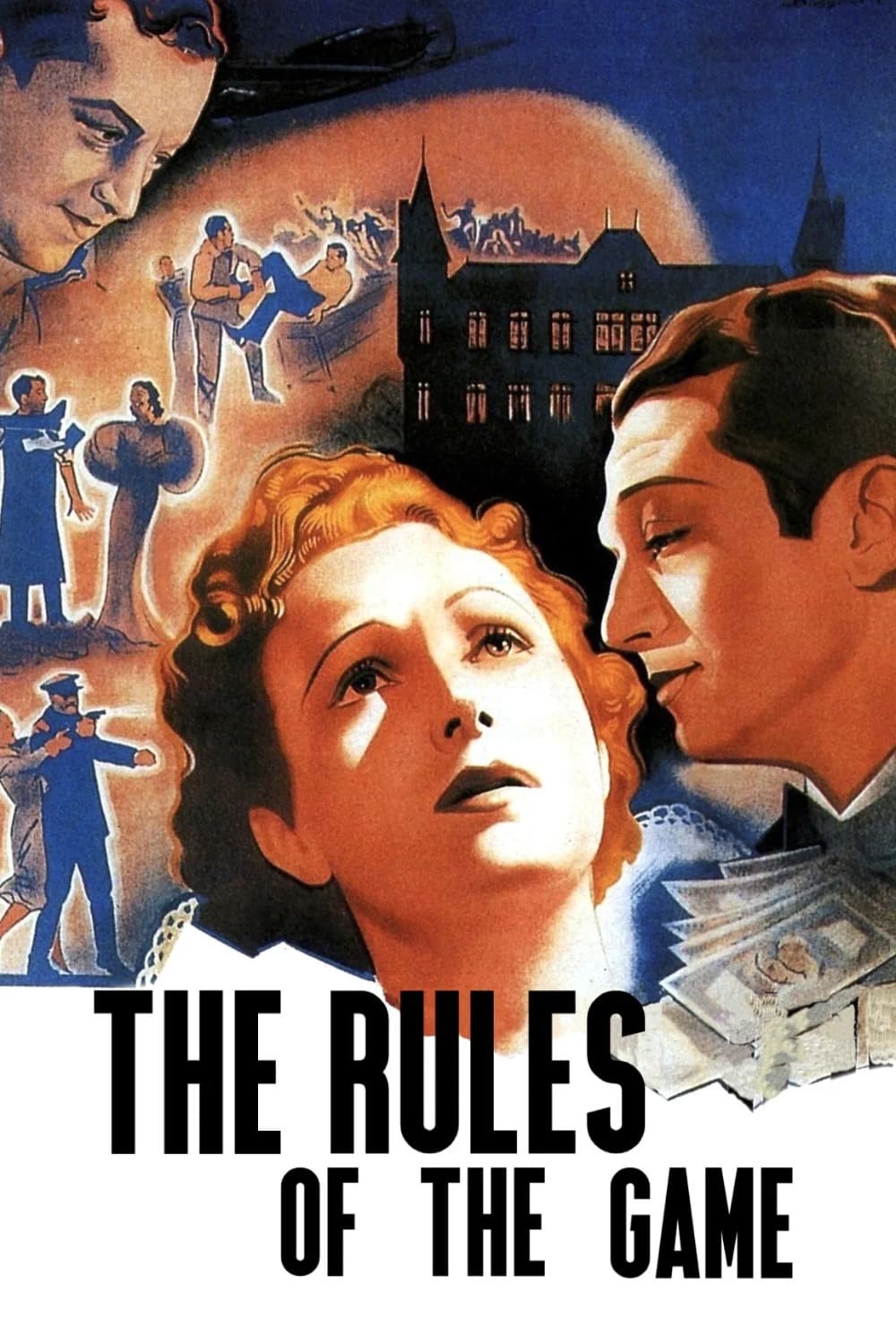
Banned in 1939, booed at its premiere, then in the top ten of every Sight and Sound poll for sixty years: Renoir turned a hunting party into a diagnosis of a doomed society.
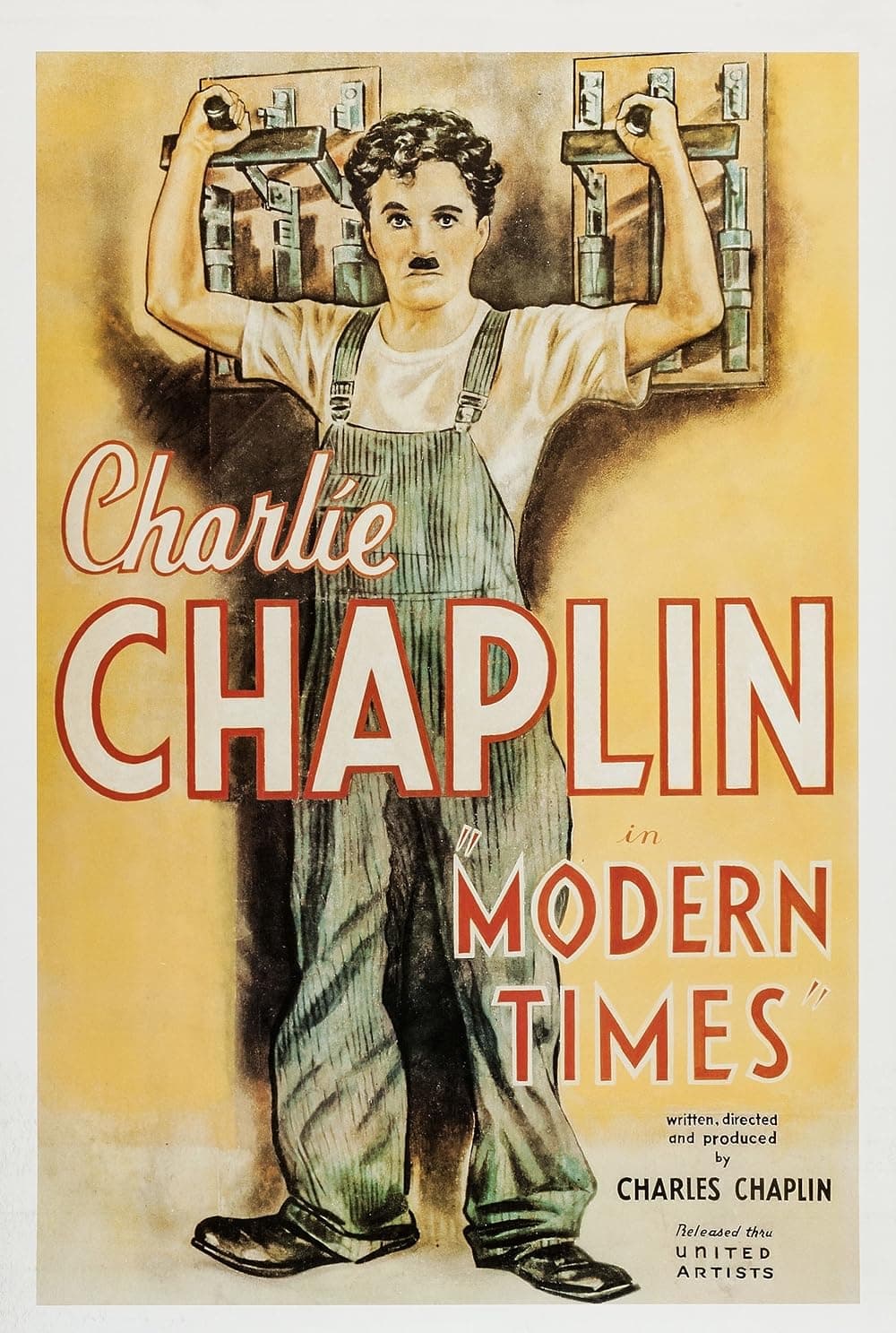
Chaplin's farewell to silence, made nine years into the sound era out of pure stubbornness: the factory gears swallow him, and he answers the talkies entirely on his own terms.

Dalí said the soft watches came to him from a camembert melting in the sun, and he painted them with hallucinatory precision.
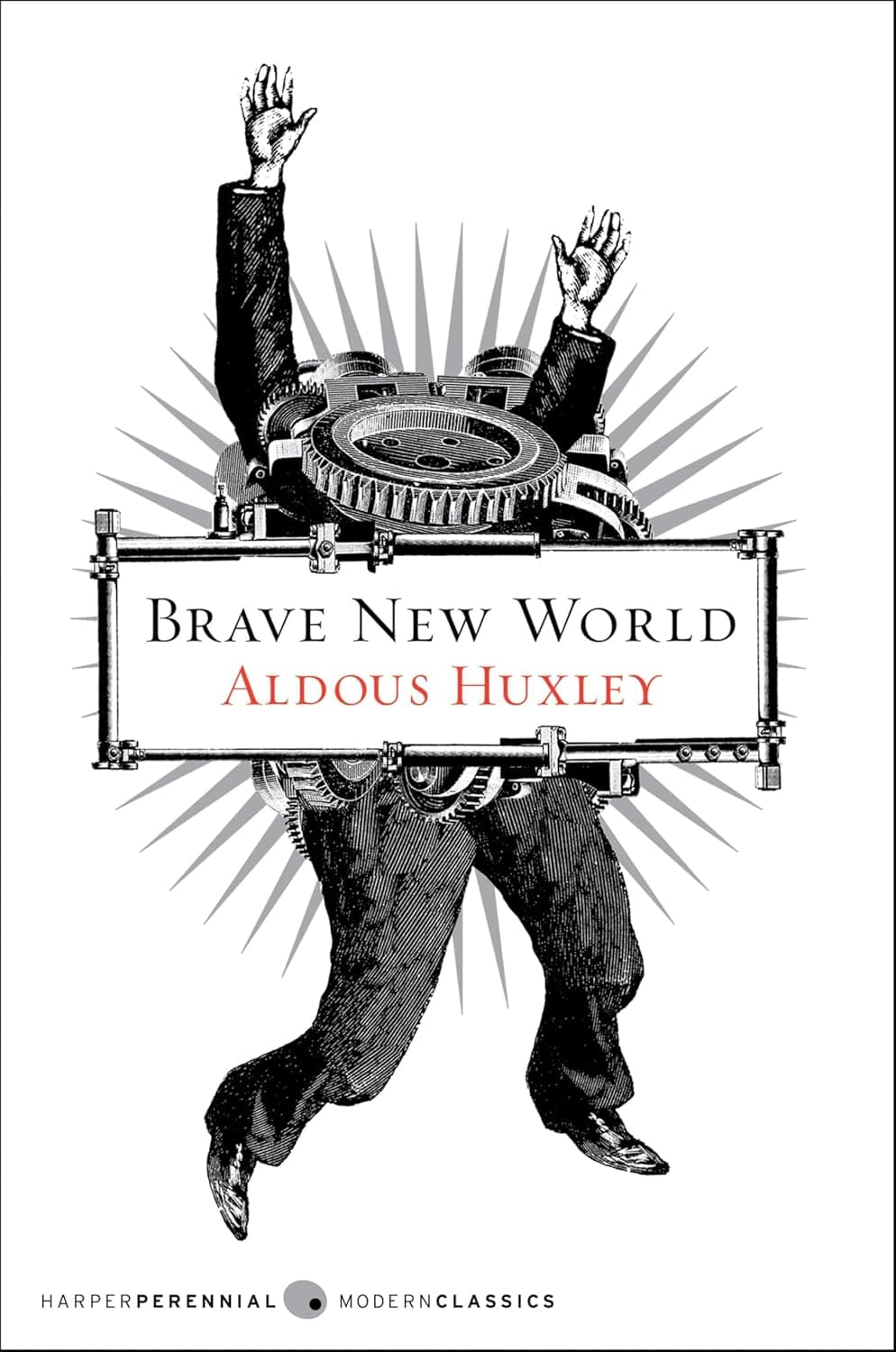
Babies are decanted from bottles into castes, everyone takes a drug called soma, and nobody is unhappy. Huxley saw that a tyranny of pleasure would hold better than one of fear.
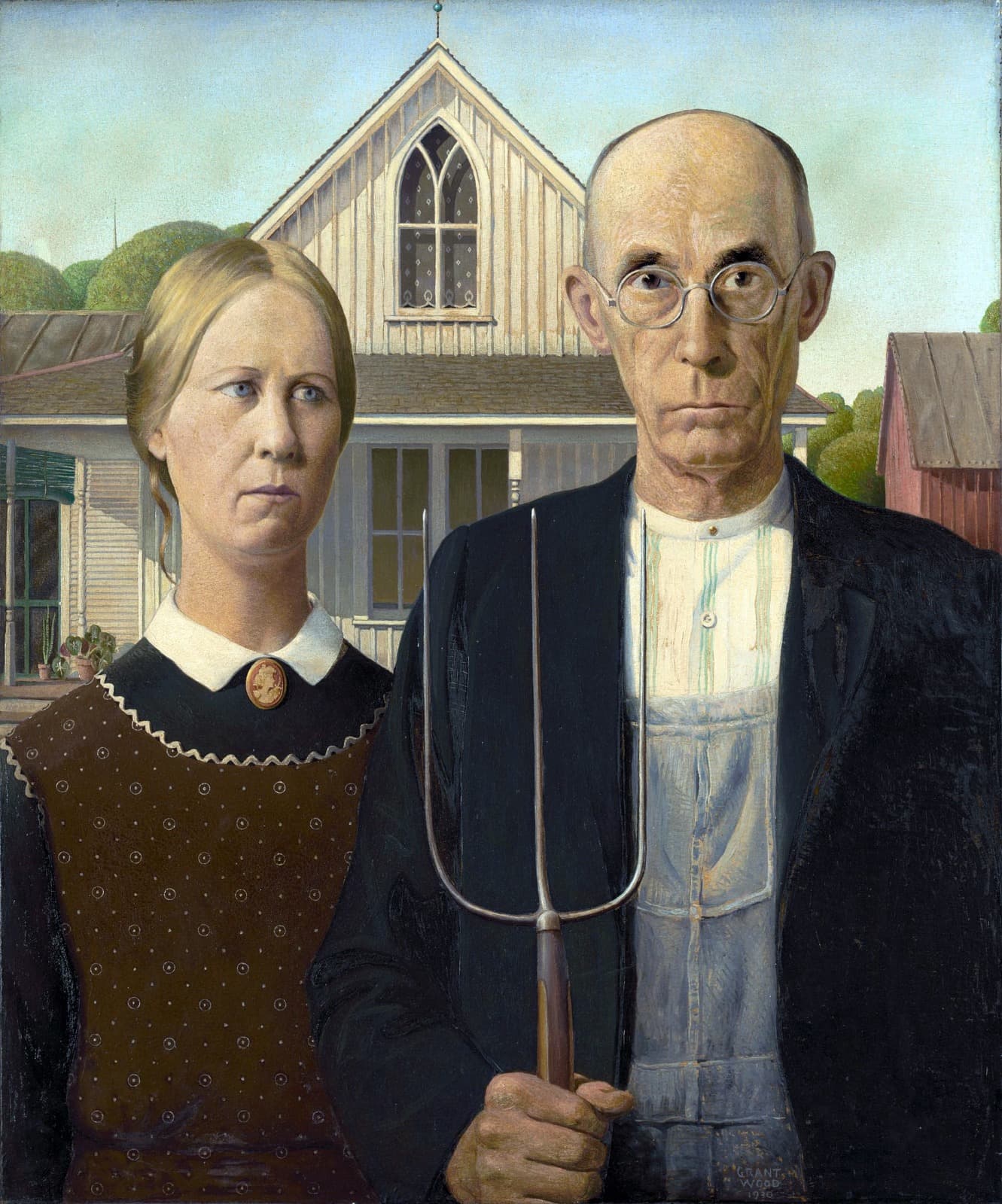
Wood posed his sister and his dentist in front of a farmhouse window, and people have argued ever since whether he meant tribute or mockery.
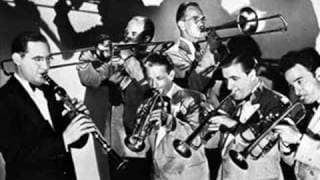
Louis Prima's tune, Krupa's tom-toms, and a performance long enough to fill both sides of a twelve-inch 78.