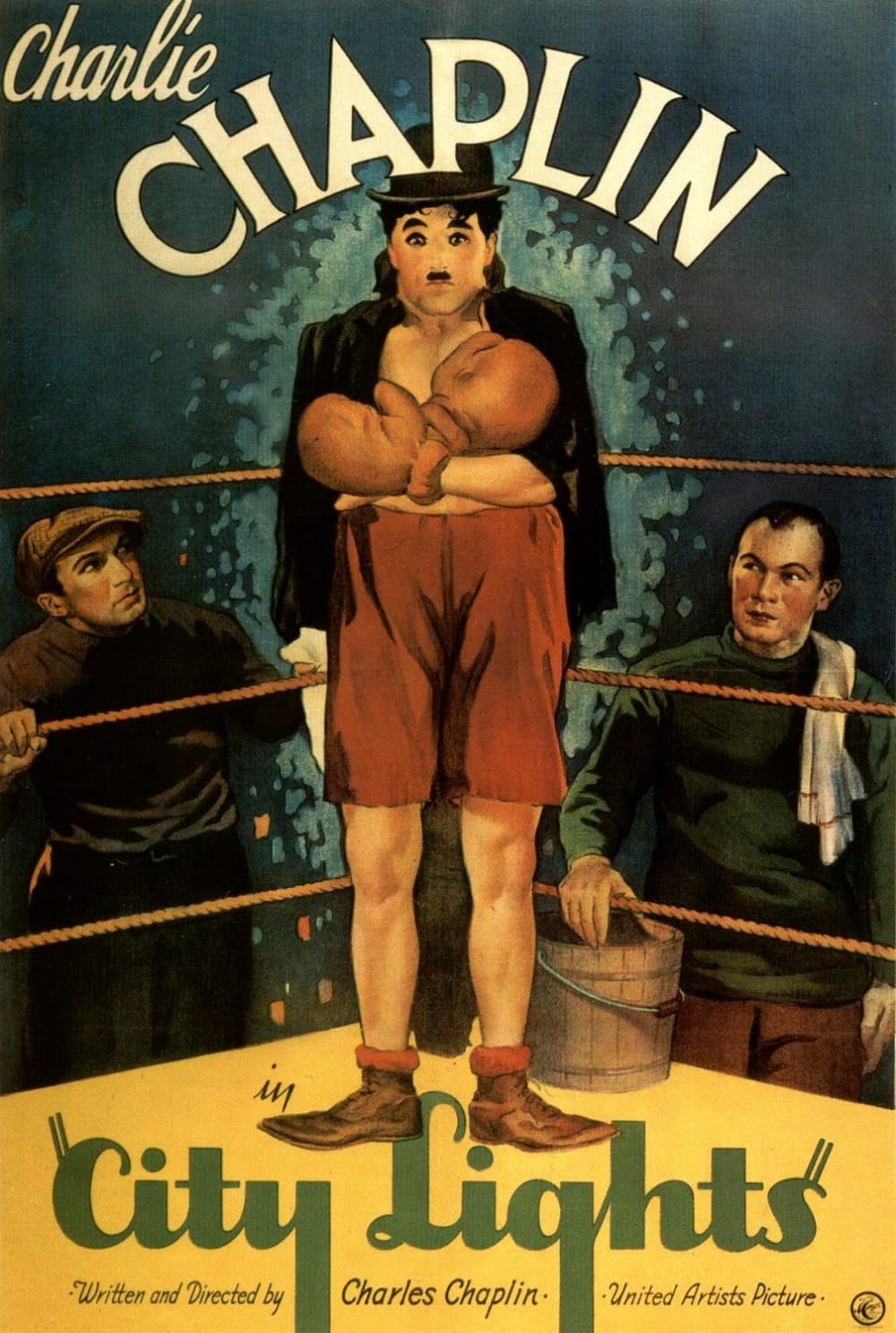
City Lights
Directed by Charlie Chaplin
1931
Chaplin's own favorite of his films, and the one people cry at: he refused to make it a talkie, then built ninety minutes toward a final thirty seconds.
★ 9.3
 skopia
Chaplin's own favorite of his films, and the one people cry at: he refused to make it a talkie, then built ninety minutes toward a final thirty seconds.
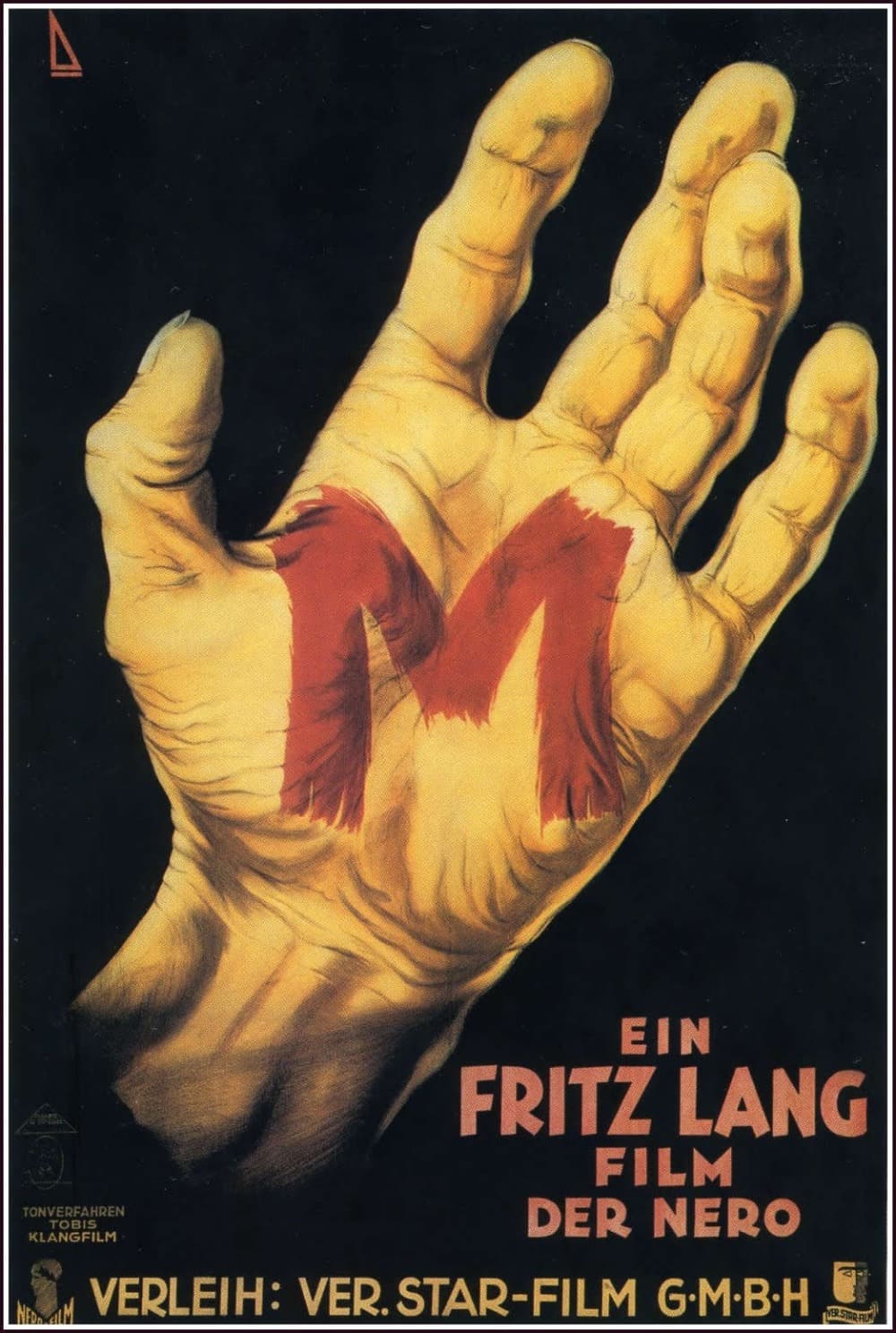
Serial killer films begin here: Lang used sound as a weapon in his first talkie, gave the murderer a whistled tune, and turned a whole city into a trap.

Dalí said the soft watches came to him from a camembert melting in the sun, and he painted them with hallucinatory precision.
Calloway forgot the words on a Cotton Club broadcast, by his account, and the hi-de-ho call and response was born.
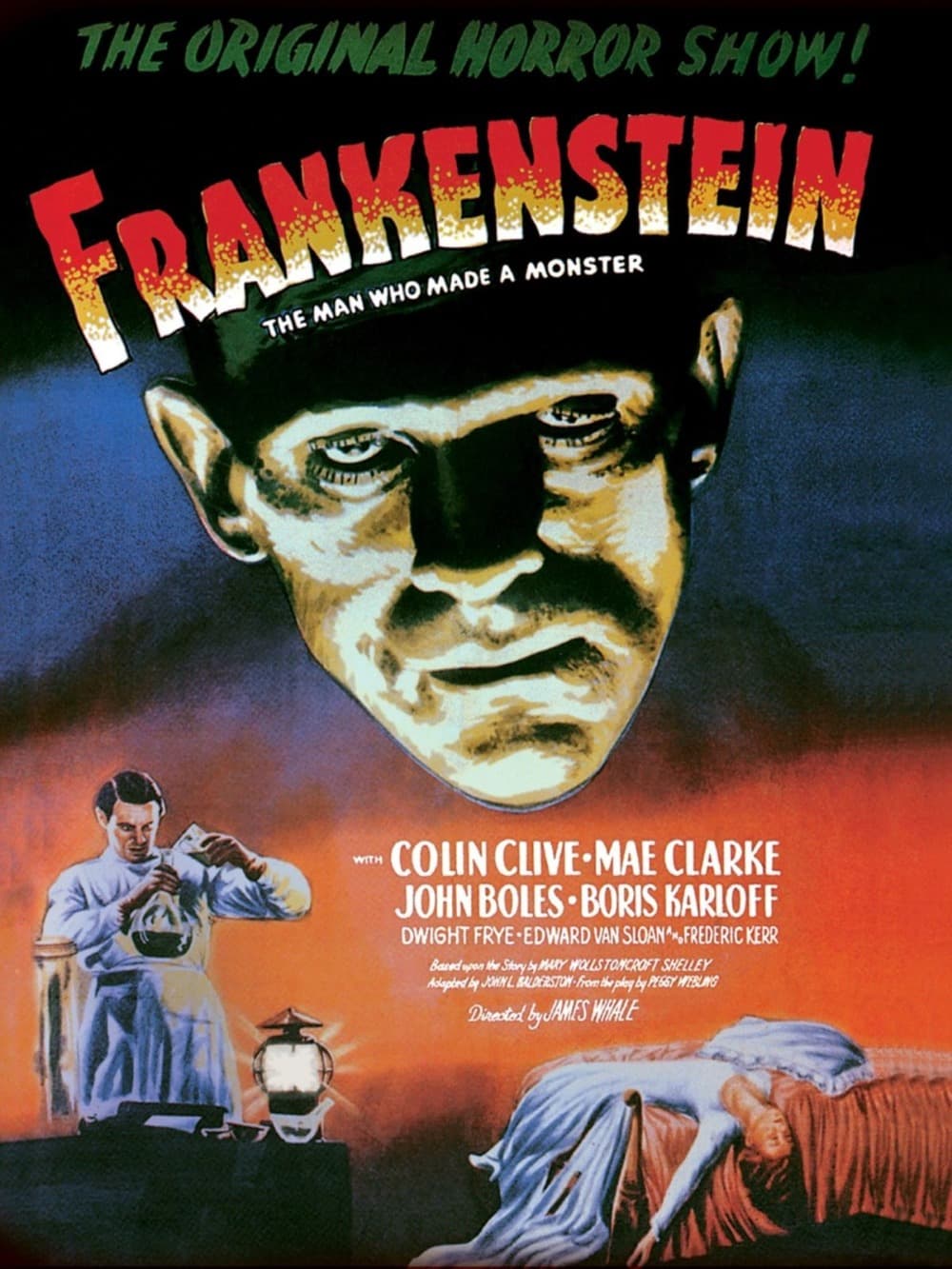
Karloff's monster became the face everyone pictures, which is not what Mary Shelley wrote: Whale made a horror film that keeps asking who the actual monster is.
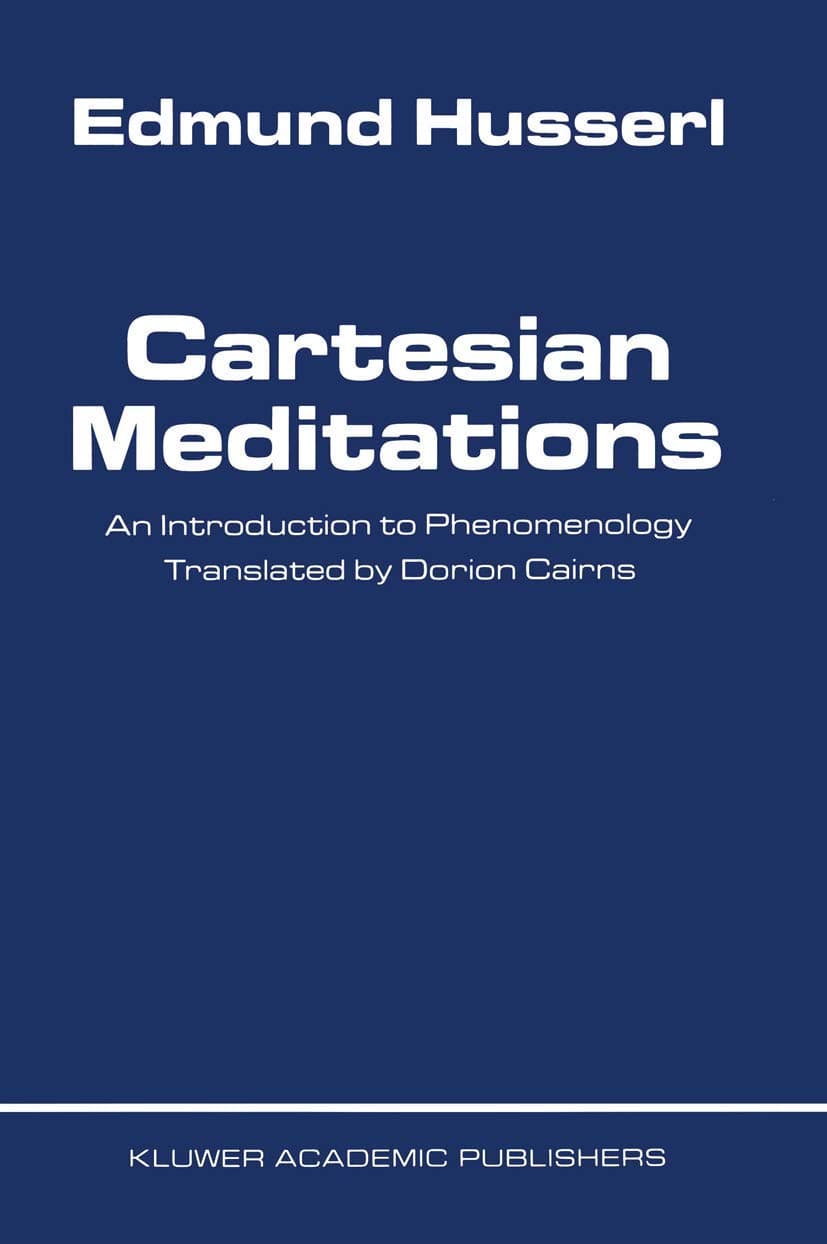
Phenomenology's mature statement: Husserl brackets the world's existence to study consciousness on its own terms, then asks how one mind recognizes another as a mind rather than an object among objects.
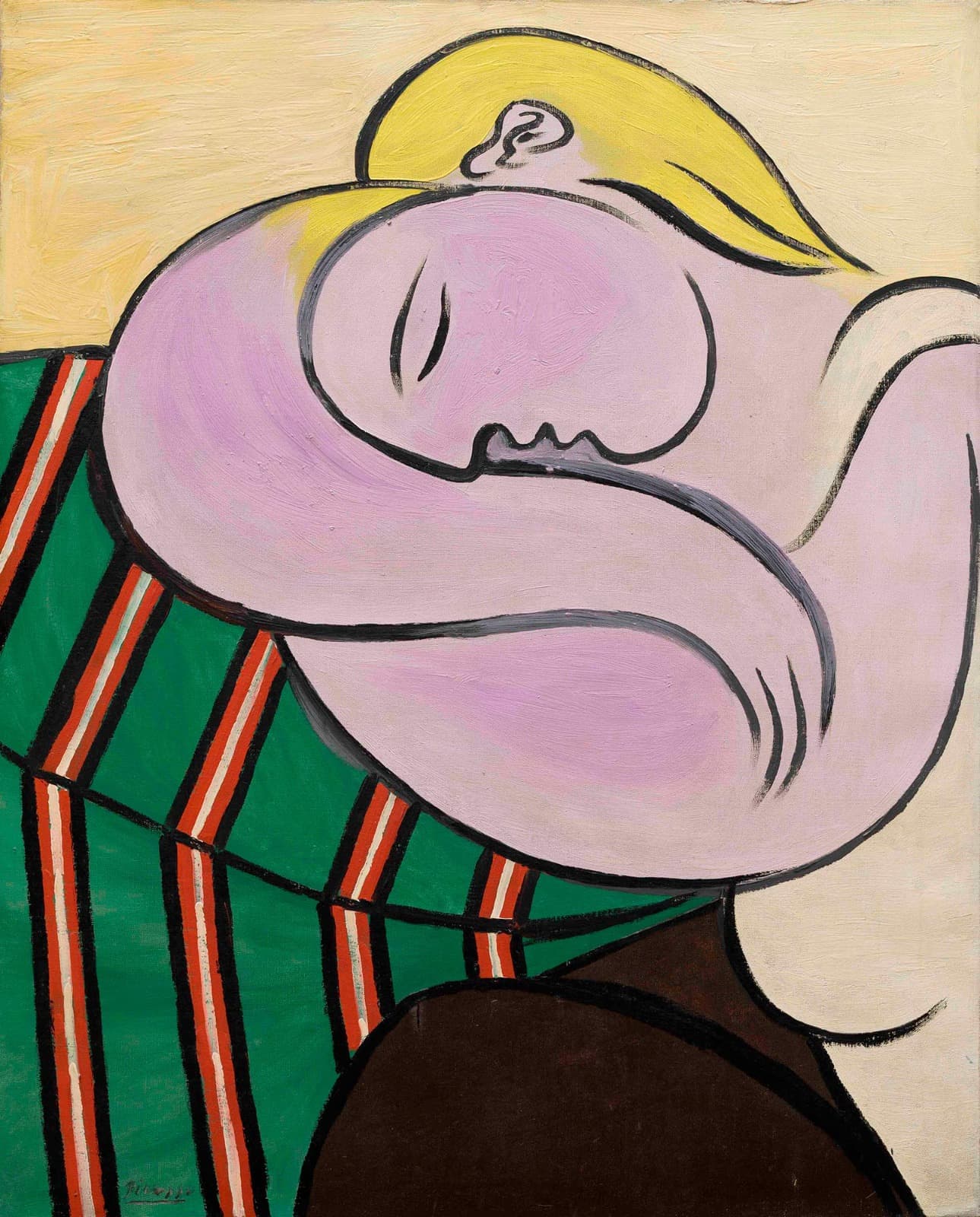
Marie-Thérèse asleep with her head on her arms, the angular violence of Cubism gone soft and curved for a few years.
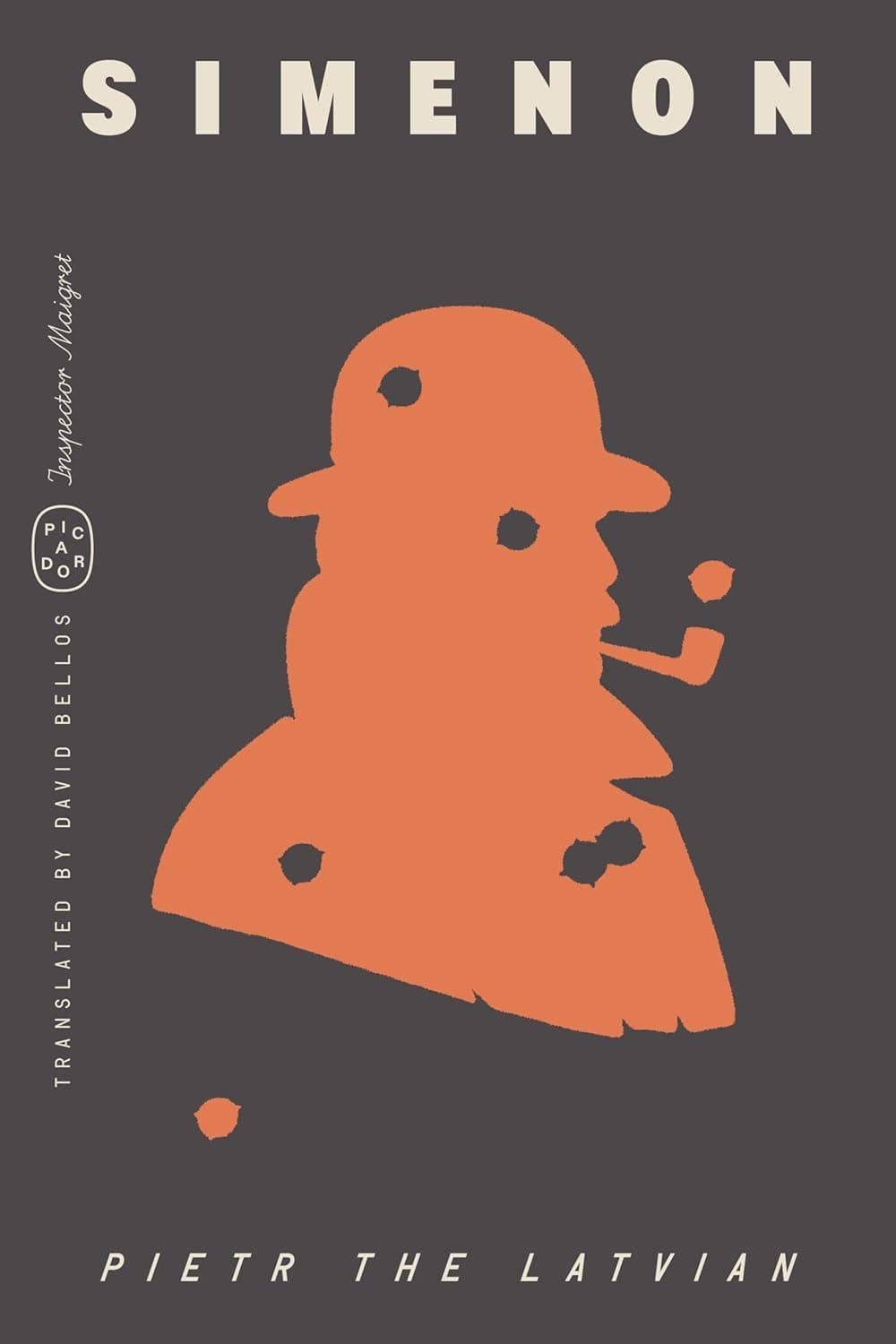
Inspector Maigret arrives fully formed in his first case, following a con man off the Paris express to a Normandy fishing port. He solves people rather than puzzles, and Simenon wrote seventy-four more.
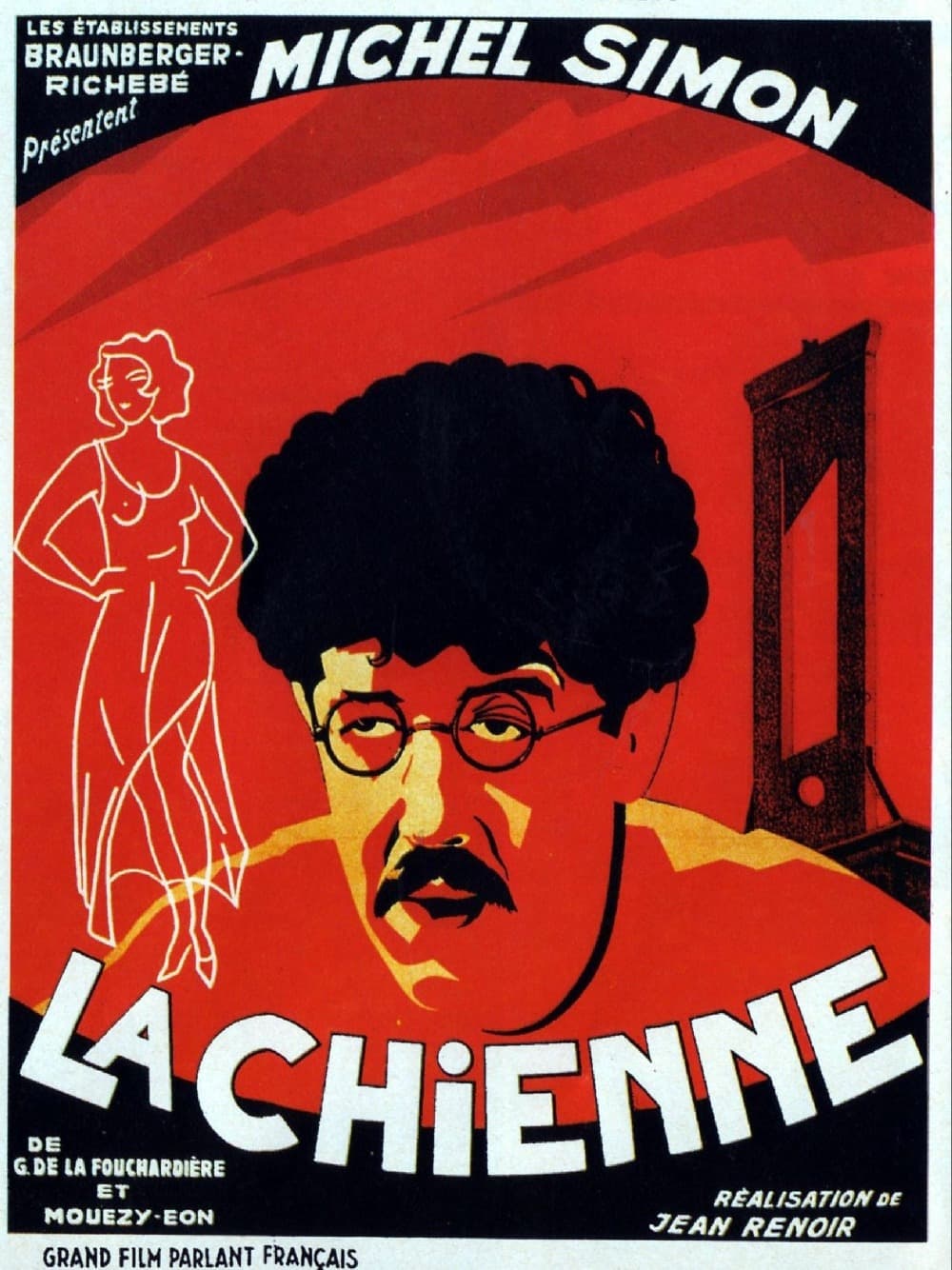
Jean Renoir was recording live street sound in 1931 when almost nobody could: a meek bank cashier who paints on Sundays falls for a woman he meets one night in Montmartre.