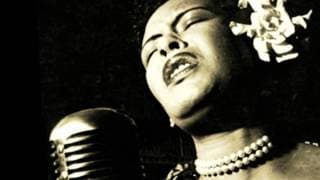
Strange Fruit
1939
A Bronx schoolteacher's poem about lynching, sung in a single spotlight, still the bravest three minutes on record.
★ 9.6
 skopia
A Bronx schoolteacher's poem about lynching, sung in a single spotlight, still the bravest three minutes on record.
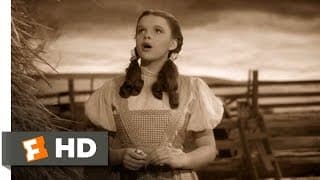
MGM cut it from the film twice until Arthur Freed threatened to quit; Garland was sixteen.
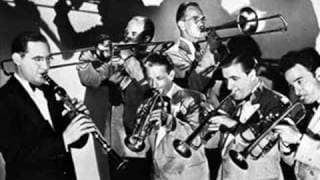
Louis Prima's tune, Krupa's tom-toms, and a performance long enough to fill both sides of a twelve-inch 78.
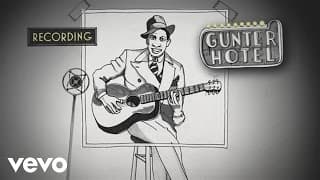
Two takes in a San Antonio hotel room, Johnson's slide answering his own voice; the devil came later.
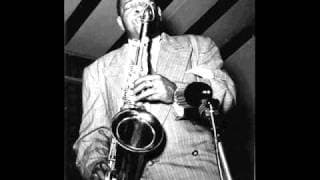
Hawkins barely states the melody, improvises two choruses instead, and the 1939 Bluebird side pointed jazz toward bebop.
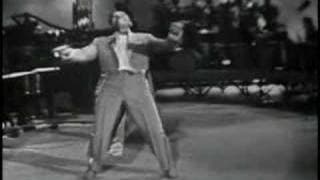
Calloway forgot the words on a Cotton Club broadcast, by his account, and the hi-de-ho call and response was born.
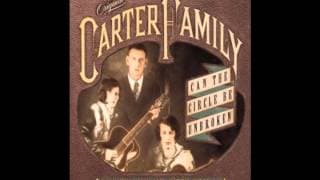
A 1907 hymn rewritten into a mother's funeral, with A.P. Carter tightening the grief and Maybelle's guitar holding it.
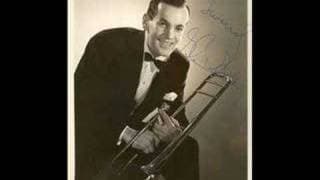
Joe Garland's tune cut to three minutes to fit a 78, and those false endings that never quite stop.
Ellington inverted the horns, trombone high and clarinet low, and the overtones invent a fourth instrument that is not there.
Kenny's tenor floats, Jones talks the lyric back in bass, and doo-wop inherited that top-and-bottom trick wholesale.
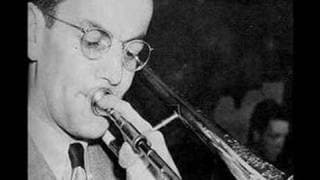
Composed under Joseph Schillinger's tuition, and the band was playing it as a theme before it had a title.
RCA called it "a complete waste of time", hid it on a B-side, and Shaw's clarinet sold six million anyway.
A head arrangement built section by section, Lester Young and Herschel Evans trading solos, Basie's theme song ever after.
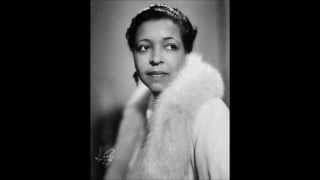
Written for Cab Calloway, who missed the Cotton Club bill; Waters premiered it there in 1933 and owned it.
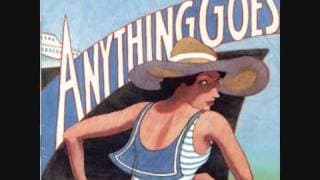
Porter loaded the lyric with Depression-era scandal, and Ethel Merman belted it at the Alvin for eight months.
Recorded in 1936 with someone else singing lead, then cut again by Acuff in 1947, a train that never existed.
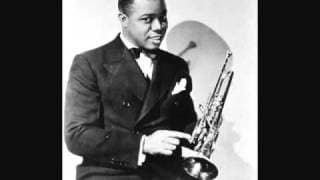
Cut in New York on October 3, 1935, among Armstrong's first Decca sides, trumpet and voice doing identical work.