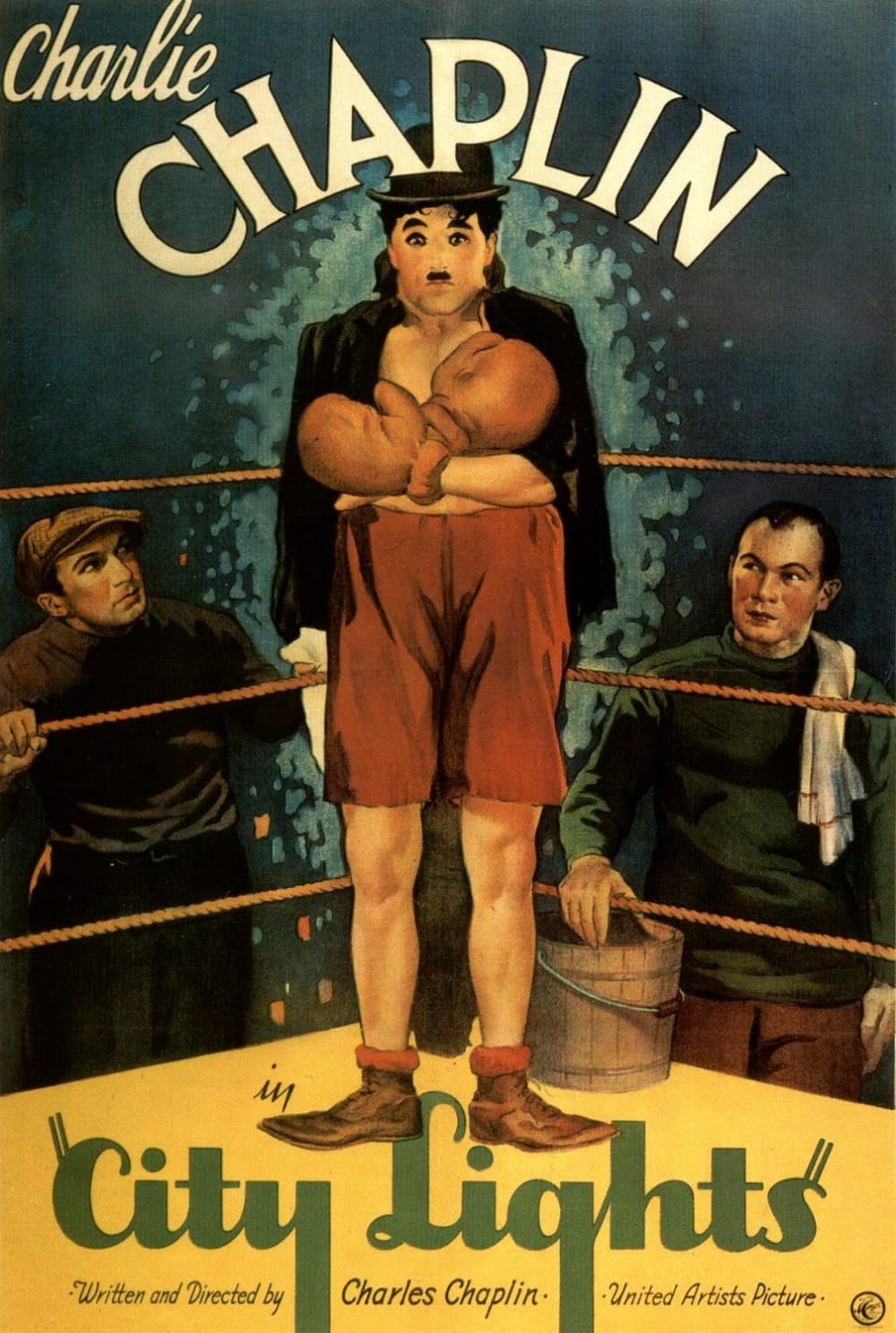
City Lights
Directed by Charlie Chaplin
1931
Chaplin's own favorite of his films, and the one people cry at: he refused to make it a talkie, then built ninety minutes toward a final thirty seconds.
★ 9.3
 skopia
Chaplin's own favorite of his films, and the one people cry at: he refused to make it a talkie, then built ninety minutes toward a final thirty seconds.
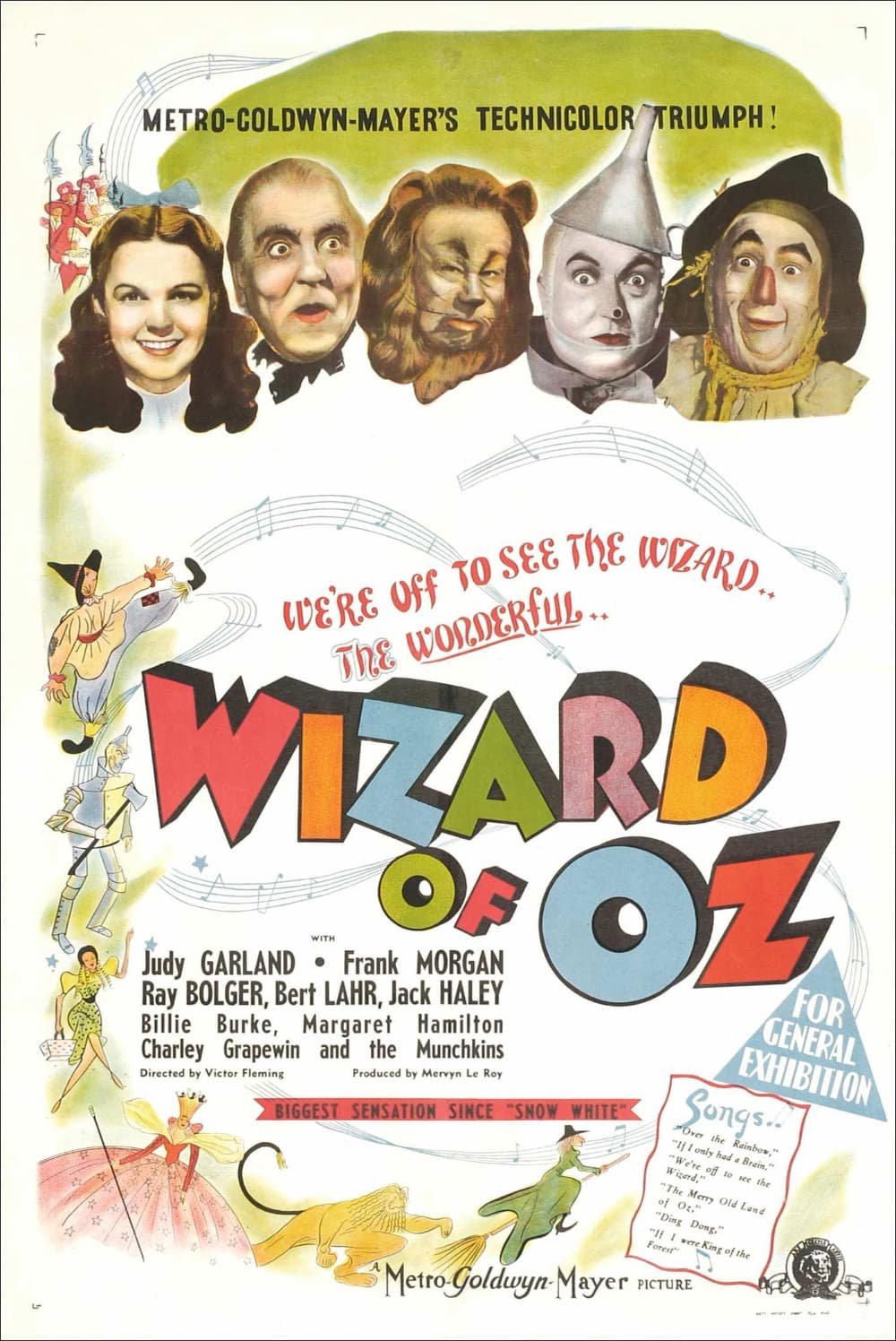
Decades of television broadcasts made it what the Library of Congress calls the most-seen film in history: the switch from sepia Kansas into Technicolor Oz still lands like a door opening.
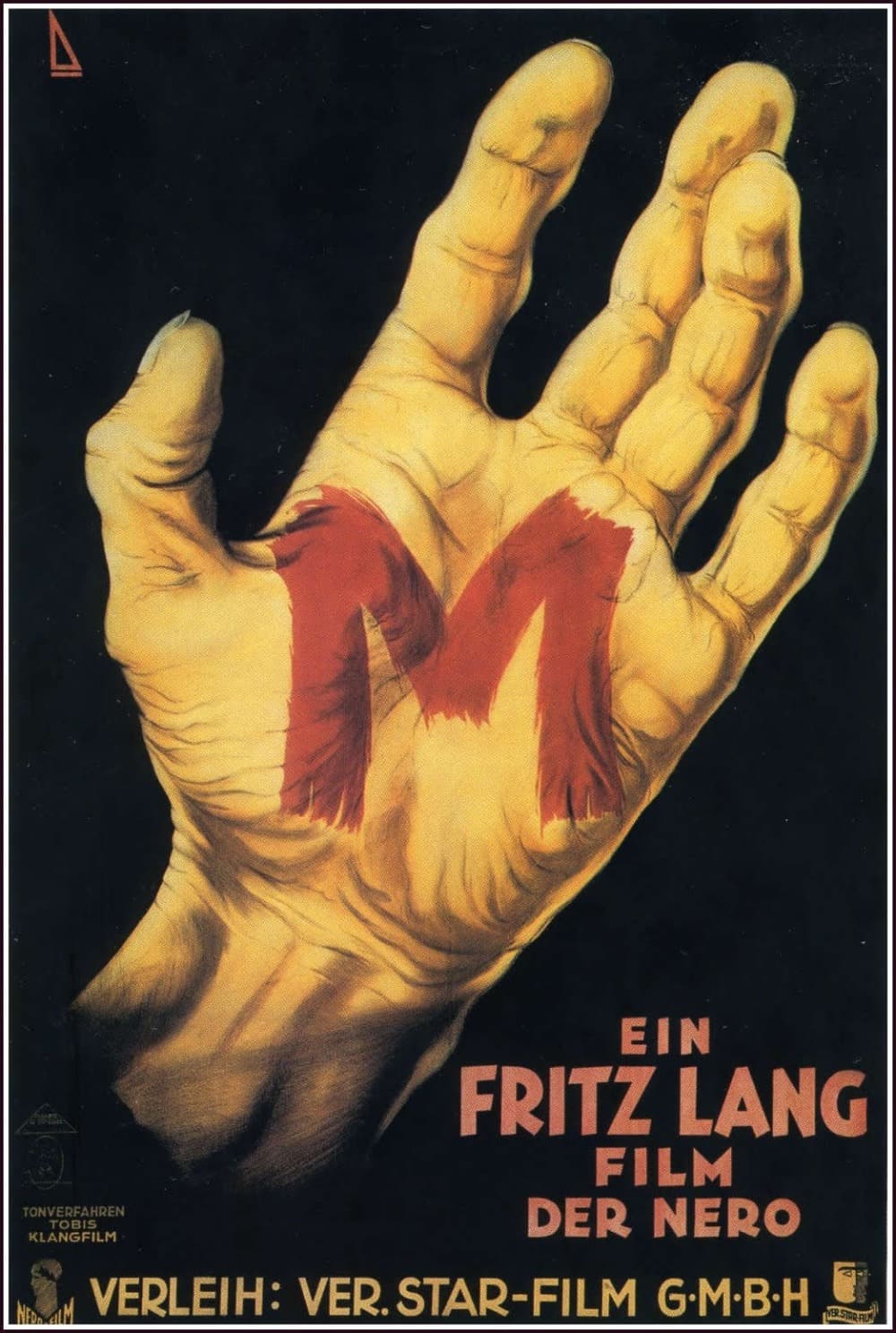
Serial killer films begin here: Lang used sound as a weapon in his first talkie, gave the murderer a whistled tune, and turned a whole city into a trap.
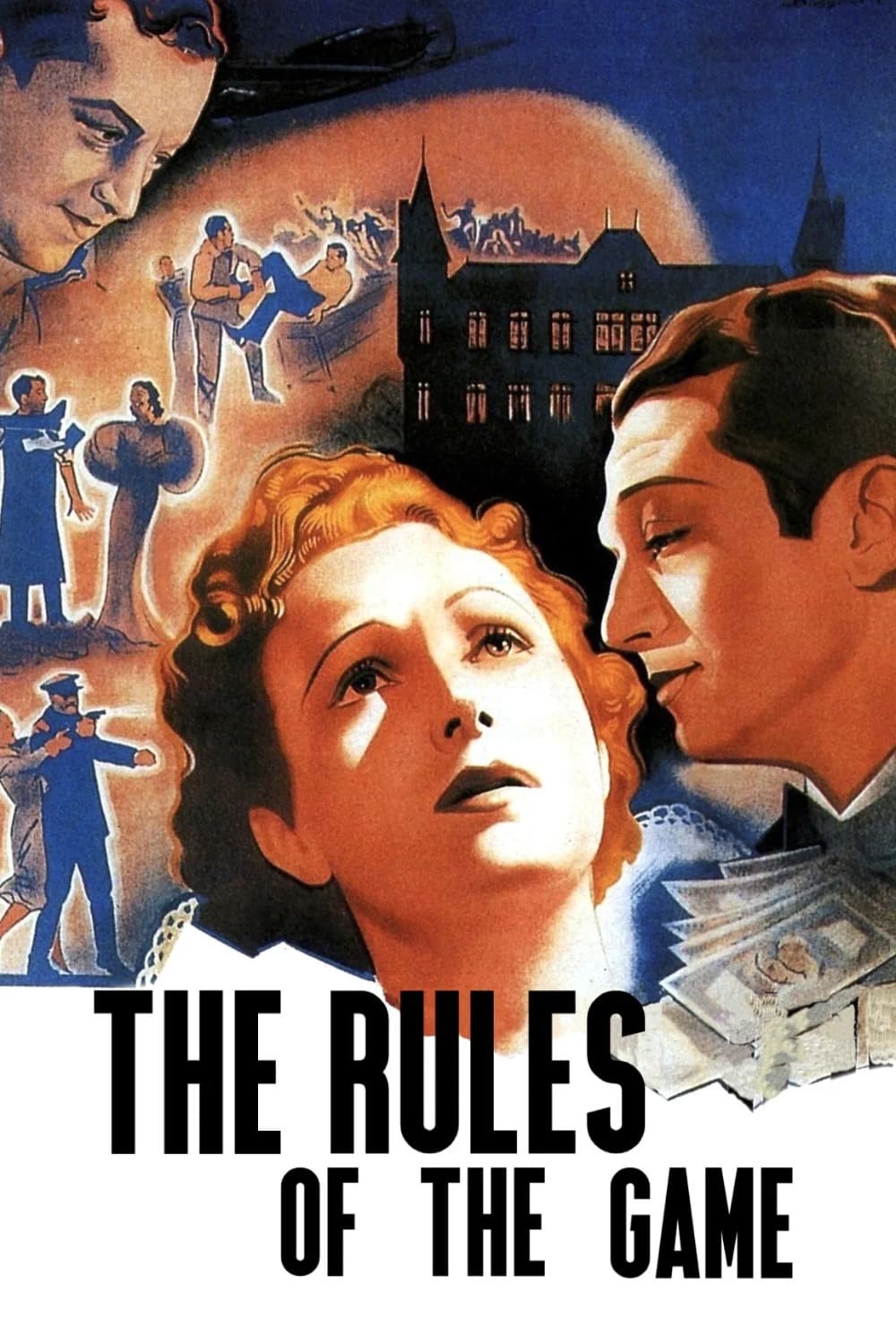
Banned in 1939, booed at its premiere, then in the top ten of every Sight and Sound poll for sixty years: Renoir turned a hunting party into a diagnosis of a doomed society.
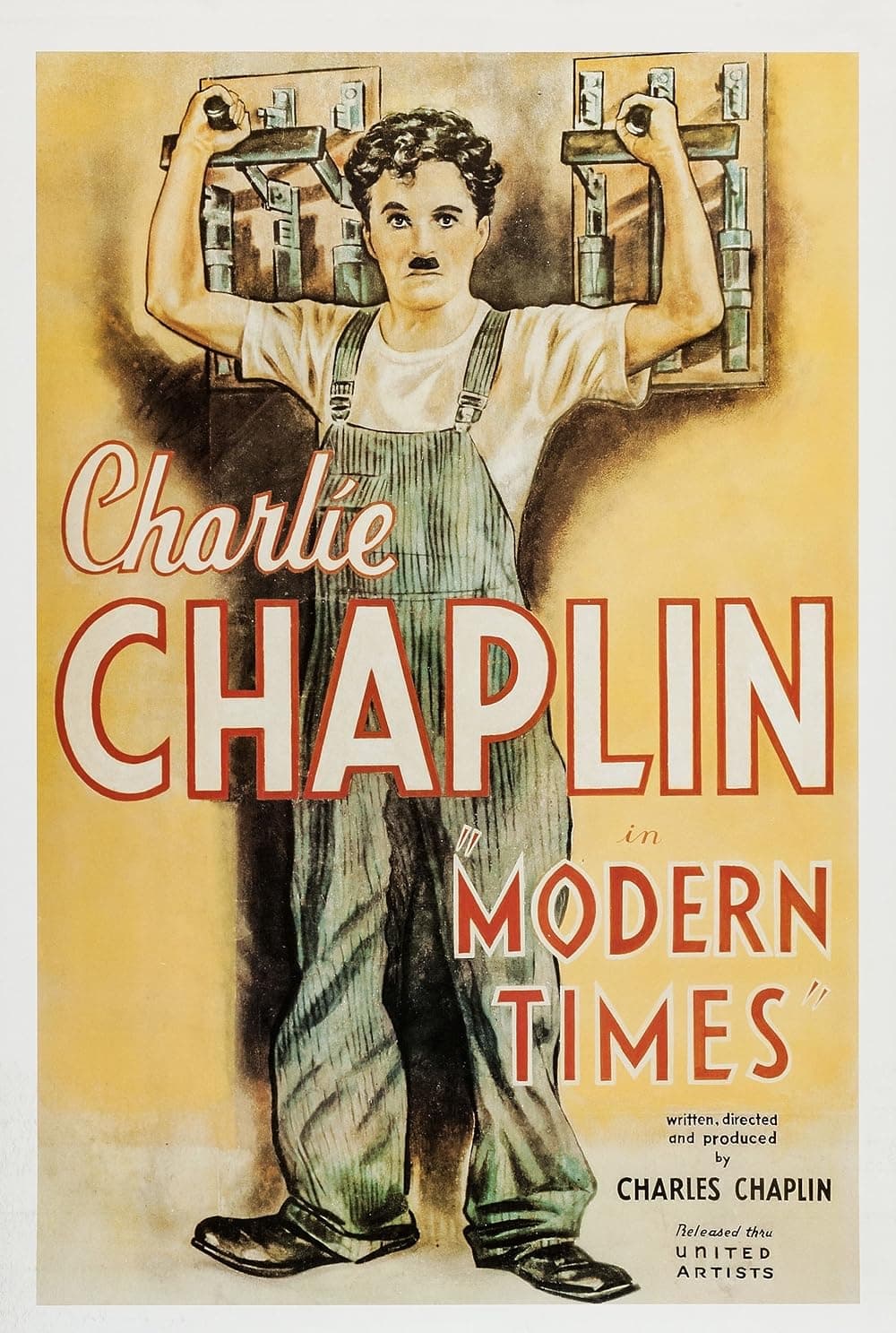
Chaplin's farewell to silence, made nine years into the sound era out of pure stubbornness: the factory gears swallow him, and he answers the talkies entirely on his own terms.
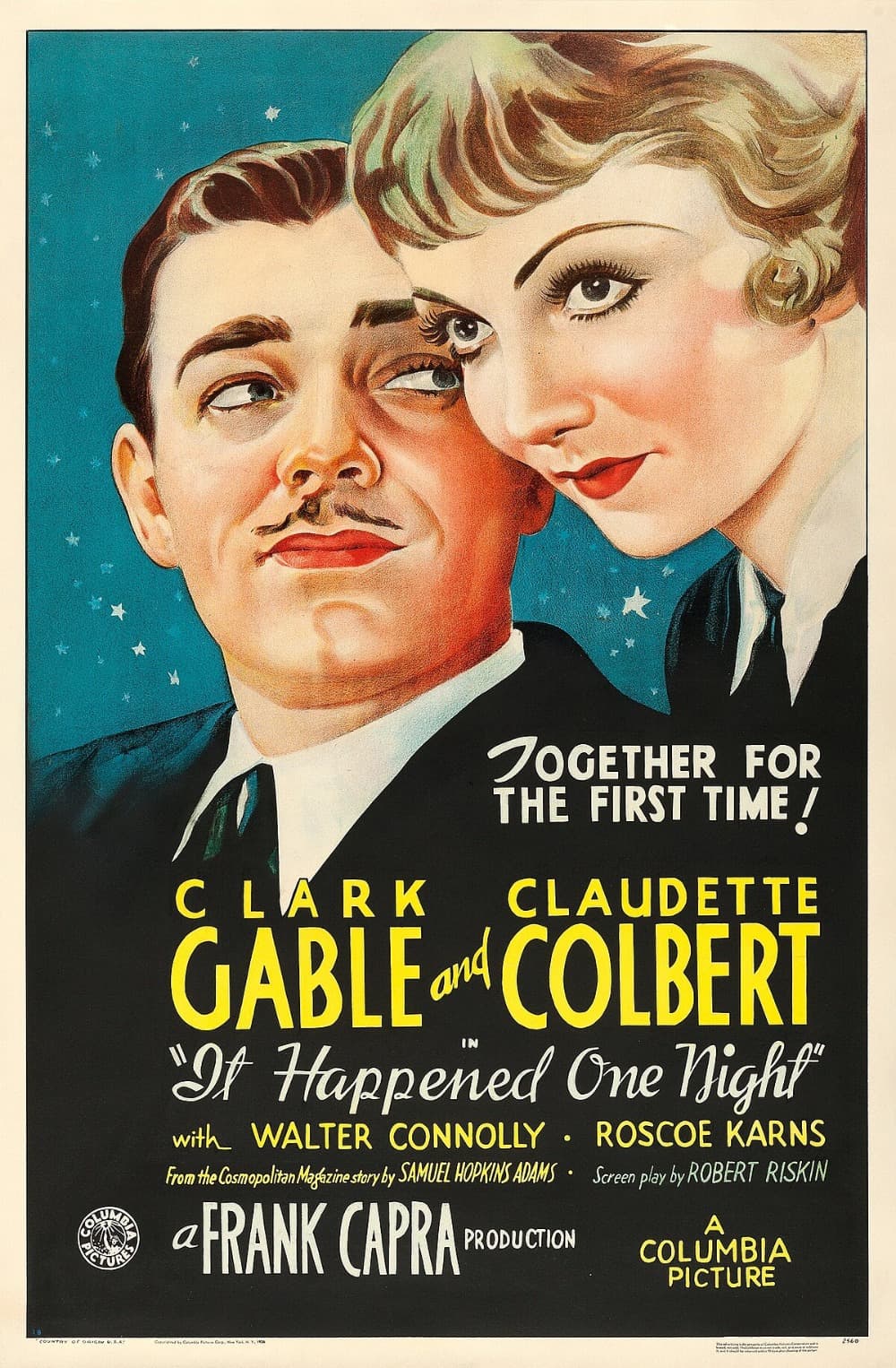
It helped launch the screwball comedy and left fingerprints on every romance that followed: a runaway heiress, a broke reporter, a night bus, and a blanket hung between two beds.

Disney mortgaged his own house to make the first cel-animated feature, and the industry called it his folly: the queen's transformation still frightens small children exactly as intended.
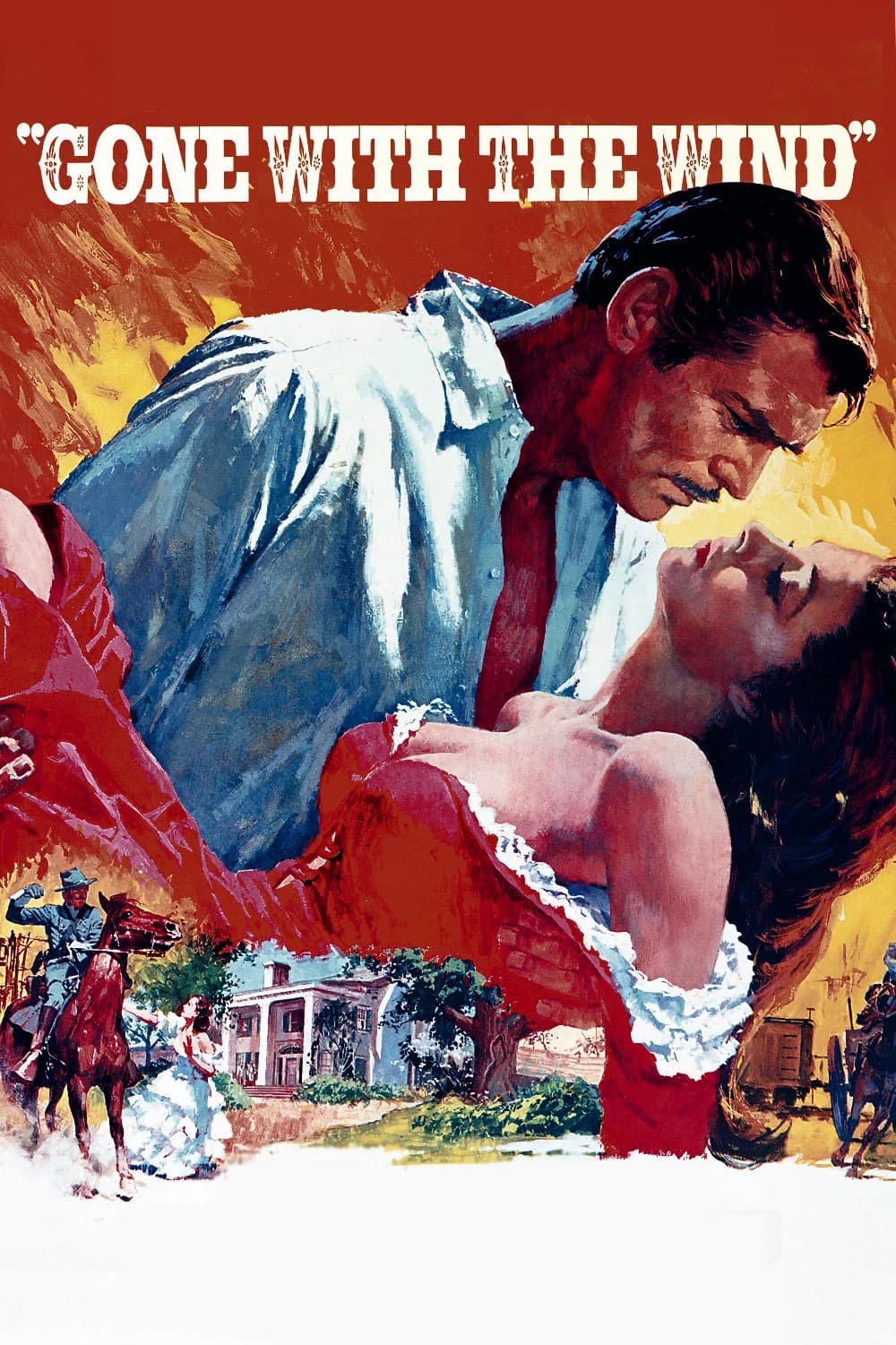
Adjusted for inflation no film has ever earned more, and it is still telling the old South's version of itself: enormous, ravishing, and not to be trusted.
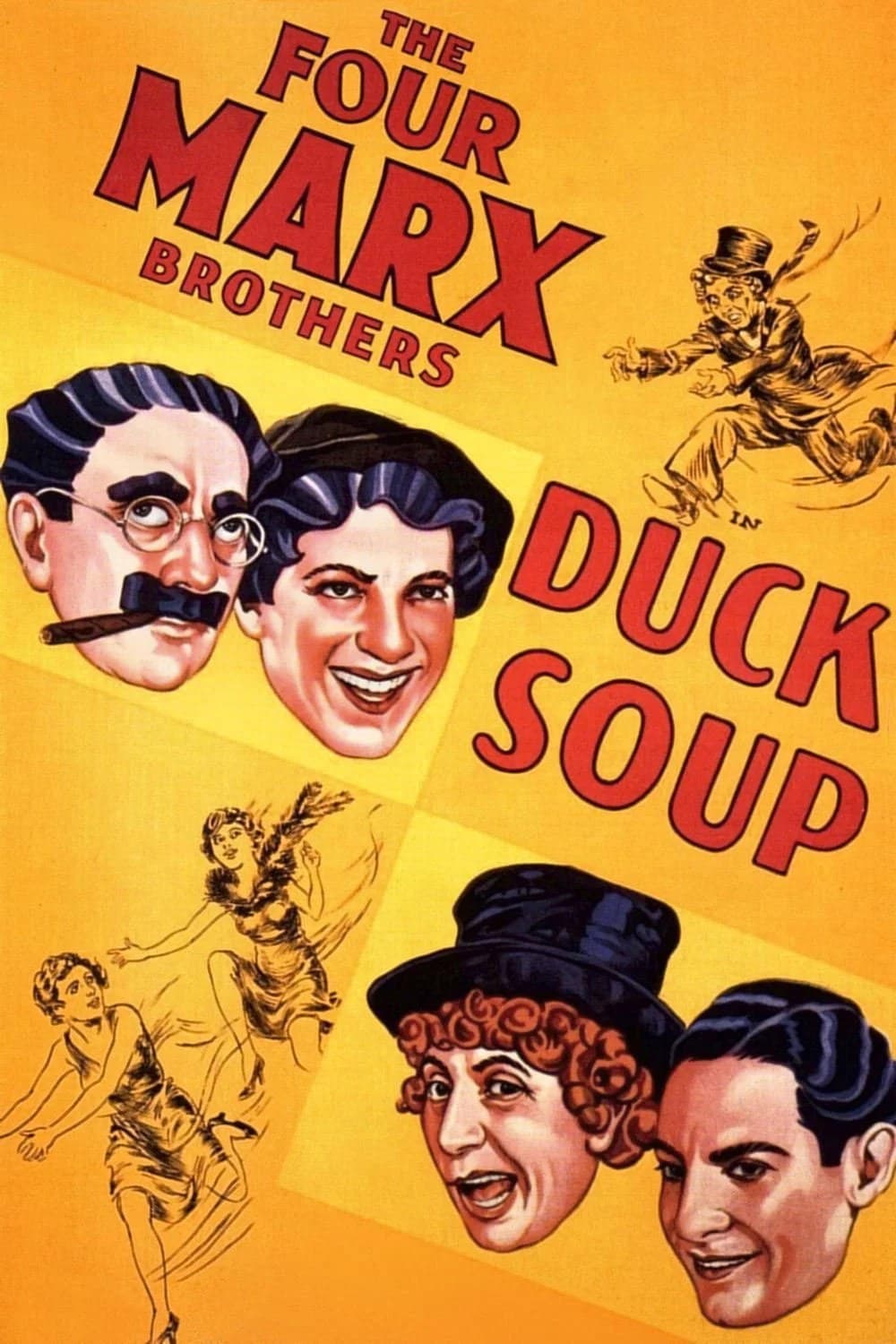
The Marx Brothers at their fastest and most anarchic, and they left Paramount soon after it underperformed: the mirror sequence has been stolen by everybody in comedy since.
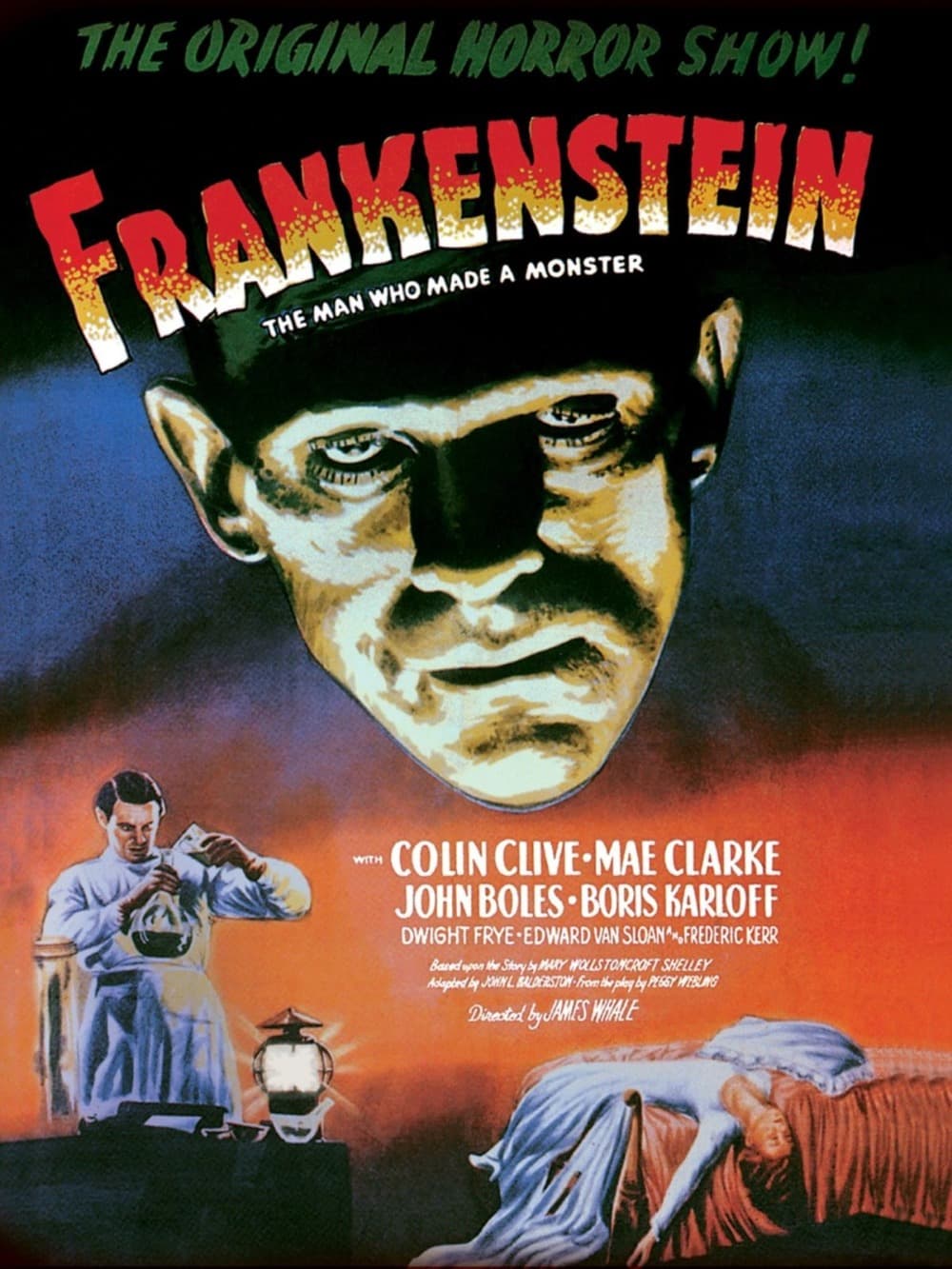
Karloff's monster became the face everyone pictures, which is not what Mary Shelley wrote: Whale made a horror film that keeps asking who the actual monster is.
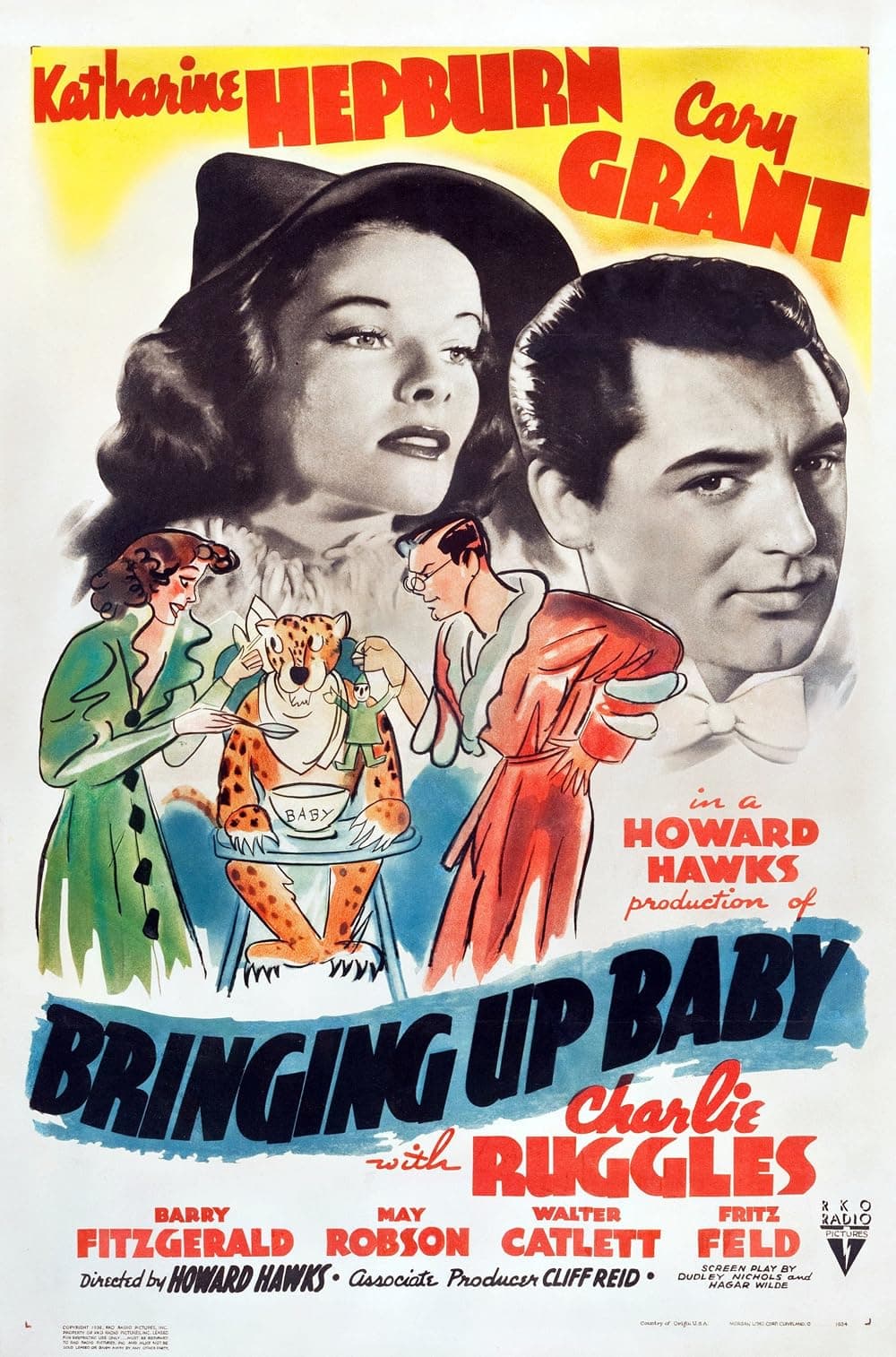
Nobody talks faster than this: Hawks overlapped every line until the dialogue becomes a physical event, and it did badly enough that exhibitors called Hepburn box office poison.
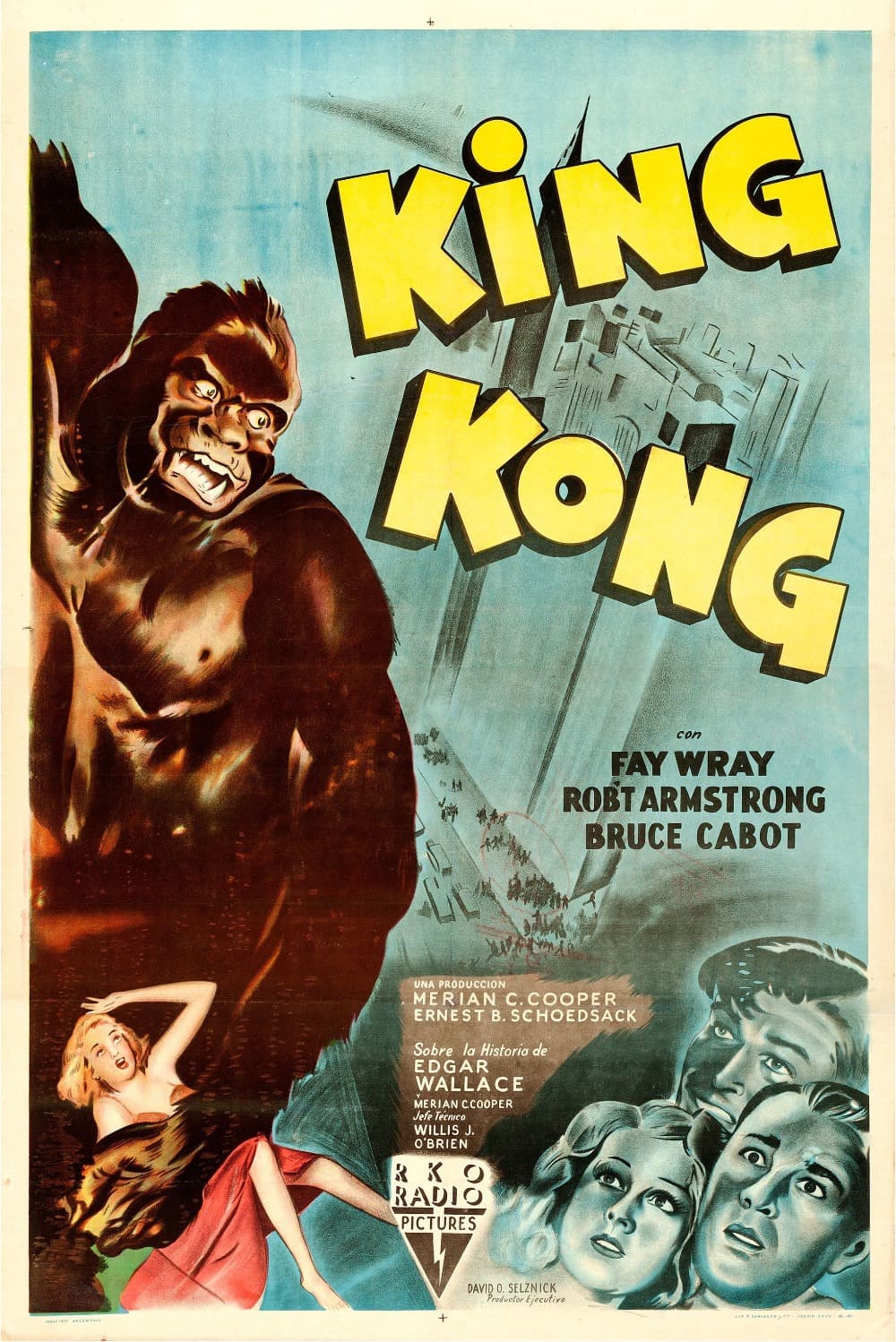
Willis O'Brien animated it a frame at a time and audiences in 1933 had never seen anything like it: the ape on that building is known to people who never watched it.

It made John Wayne a star, invented Monument Valley as a place in the American mind, and put nine strangers in one coach: every road movie descends from it.
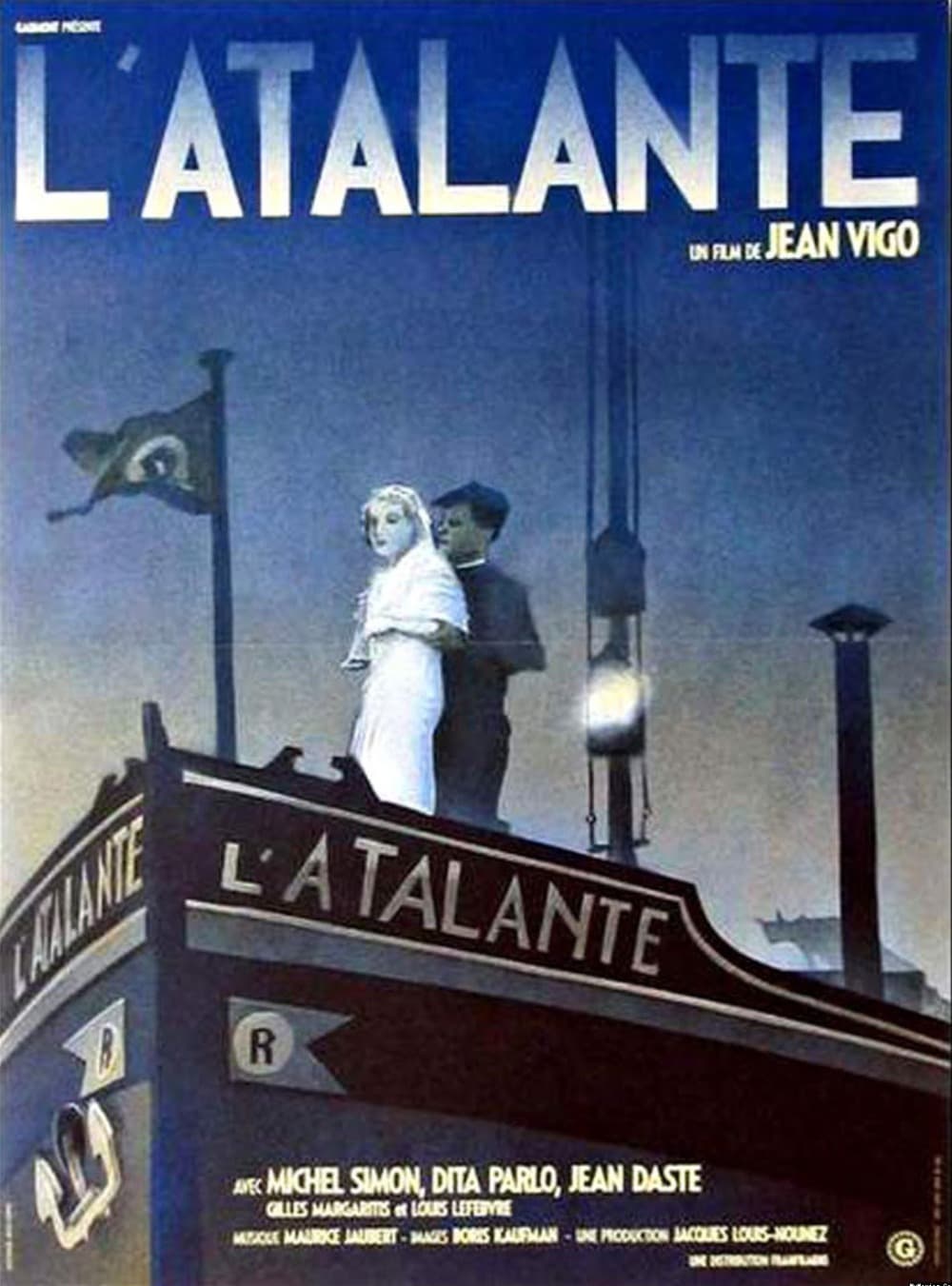
Vigo was dying at twenty-nine when he finished it and the studio hacked it apart anyway: restored, it is the most sensual thing ever filmed about being newly married on a working barge.
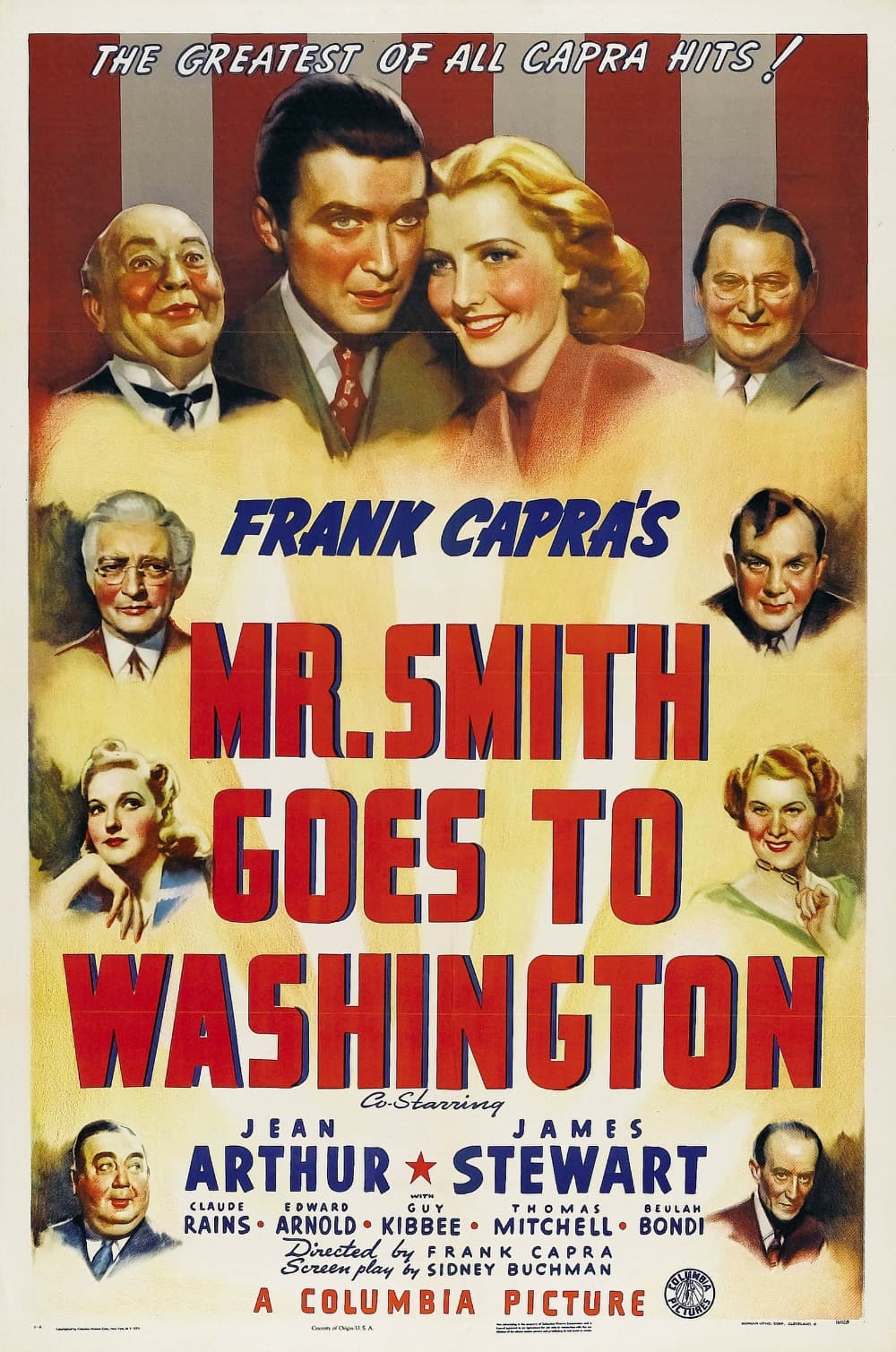
Capra built the most stirring film ever made out of parliamentary procedure: an amateur senator holds the floor with nothing but his voice and the rulebook, and Washington's press corps hated it.

The Nazis sent brownshirts to disrupt its German screenings and banned it outright once in power: the first great sound film about war, told entirely from inside a German schoolboys' trench.
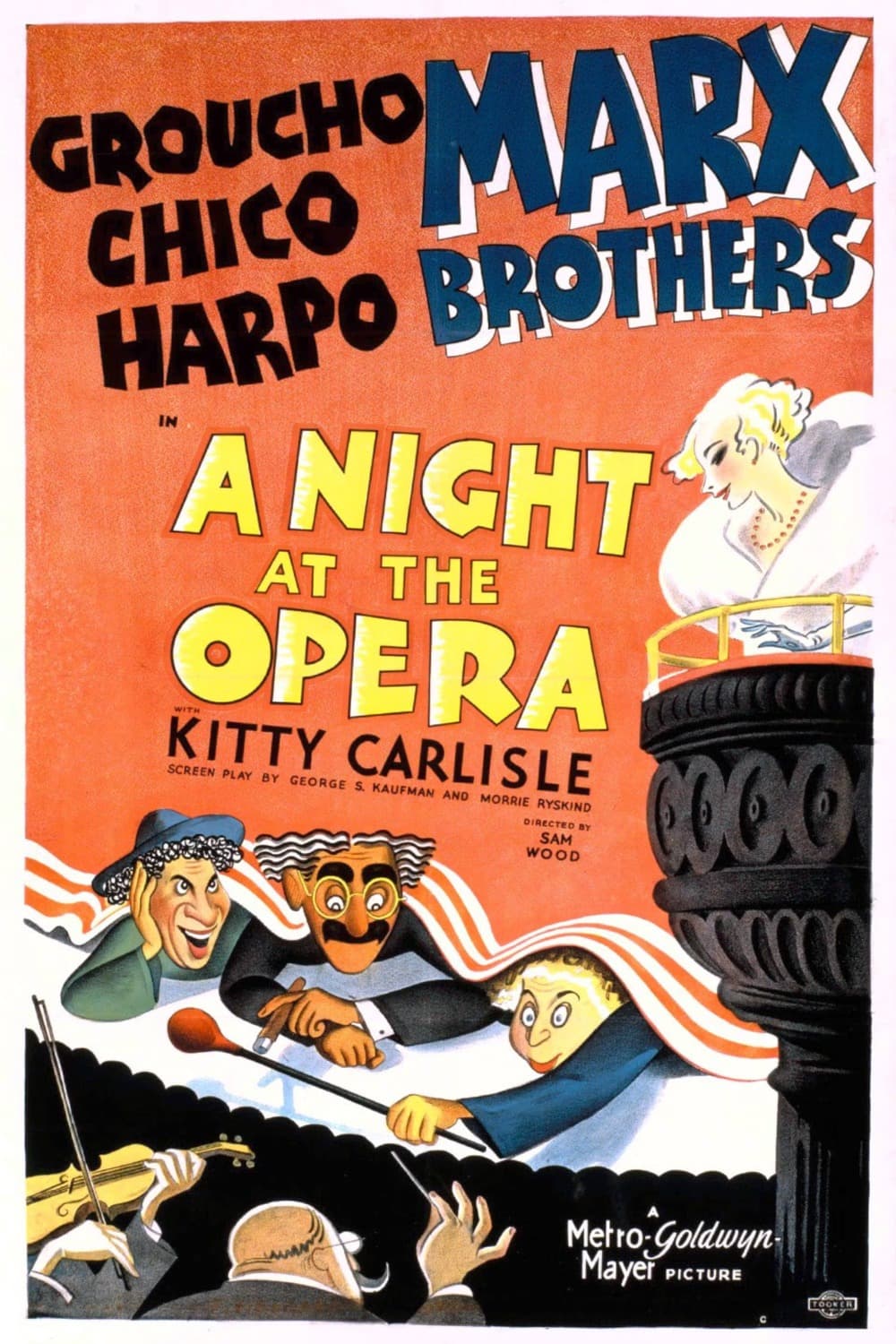
The stateroom scene is the most crowded two minutes in comedy: MGM insisted the Marx Brothers carry a love plot, and they demolished it from the inside anyway.
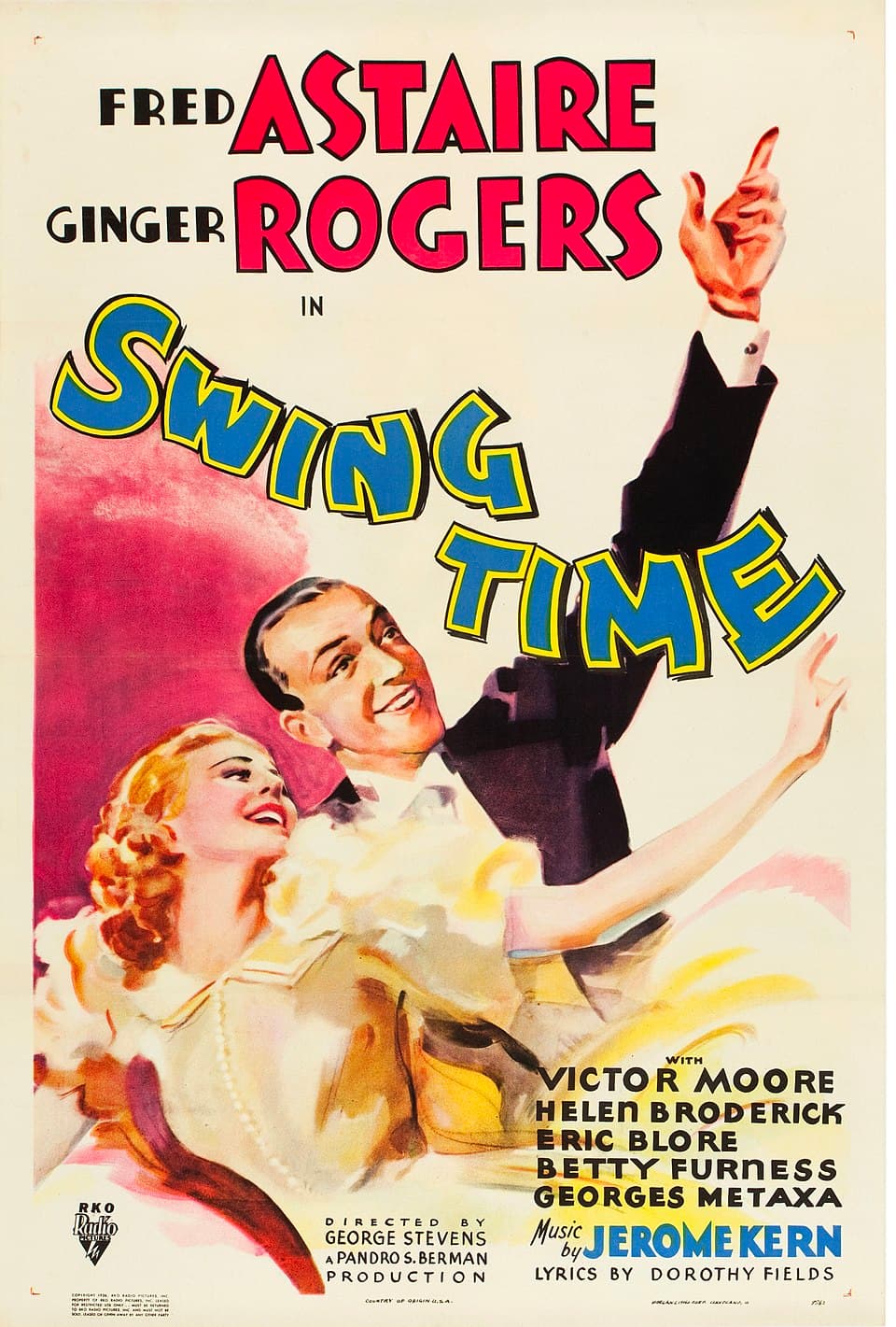
Astaire and Rogers never danced better than in the last number here, which they shot until her feet bled: the plot is nonsense and the dancing is the argument for the whole genre.
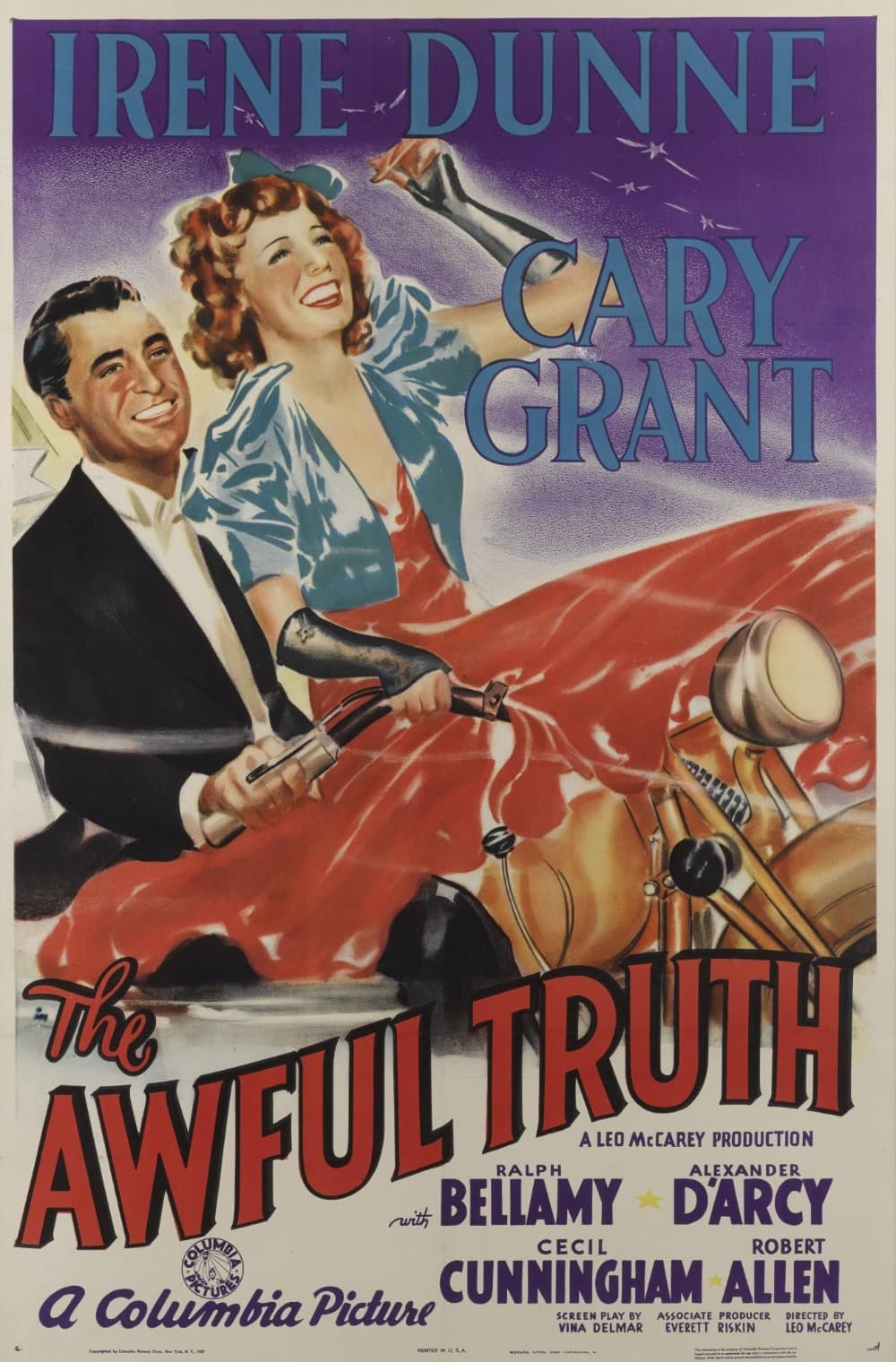
Cary Grant became Cary Grant in this film: Leo McCarey threw out the script daily and improvised on set, and a divorcing couple sabotage each other's new engagements out of pure spite.
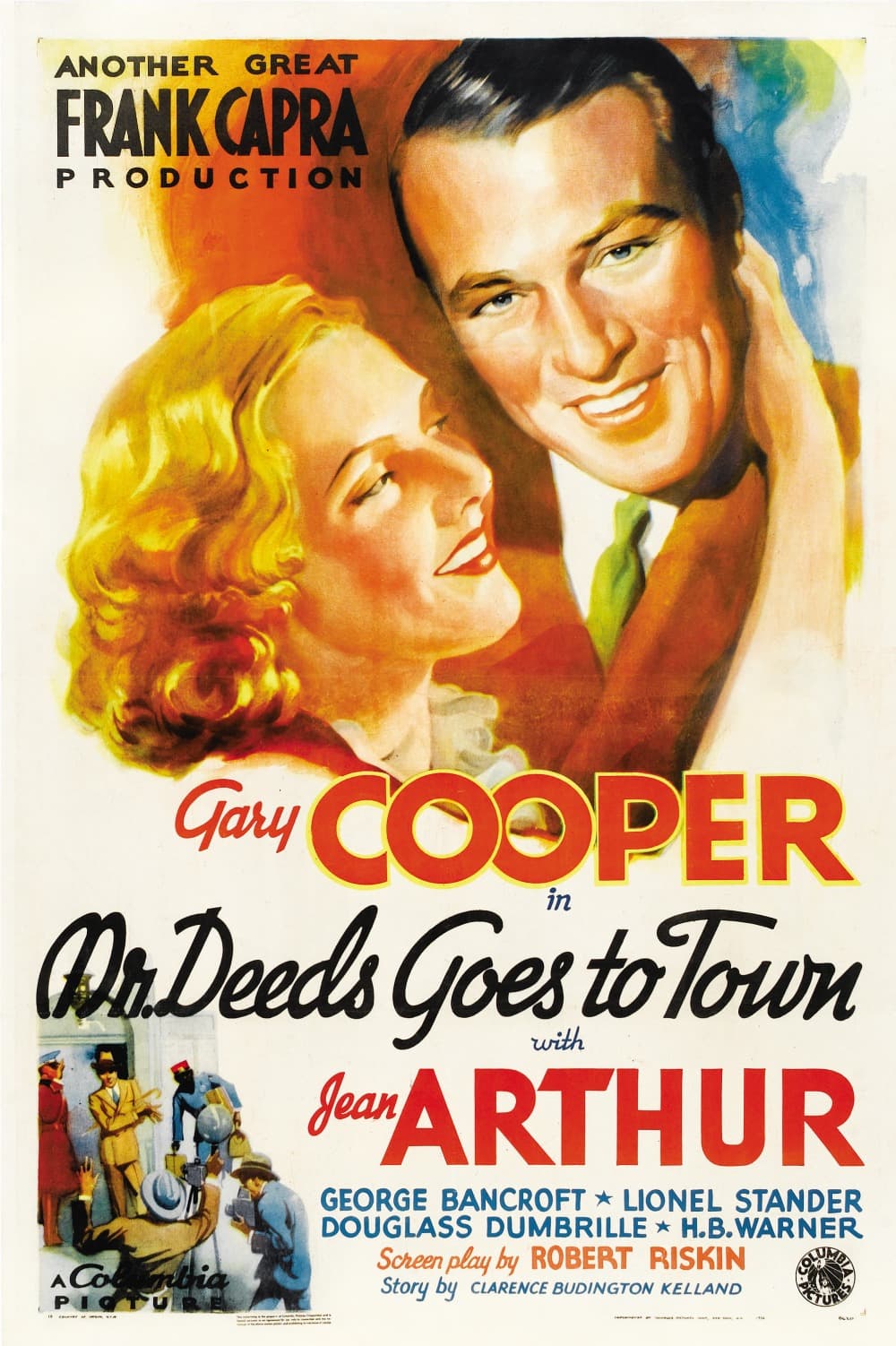
Frank Capra and Gary Cooper at the height of the New Deal: a tuba-playing greeting card poet inherits twenty million dollars and finds out what New York wants from him.