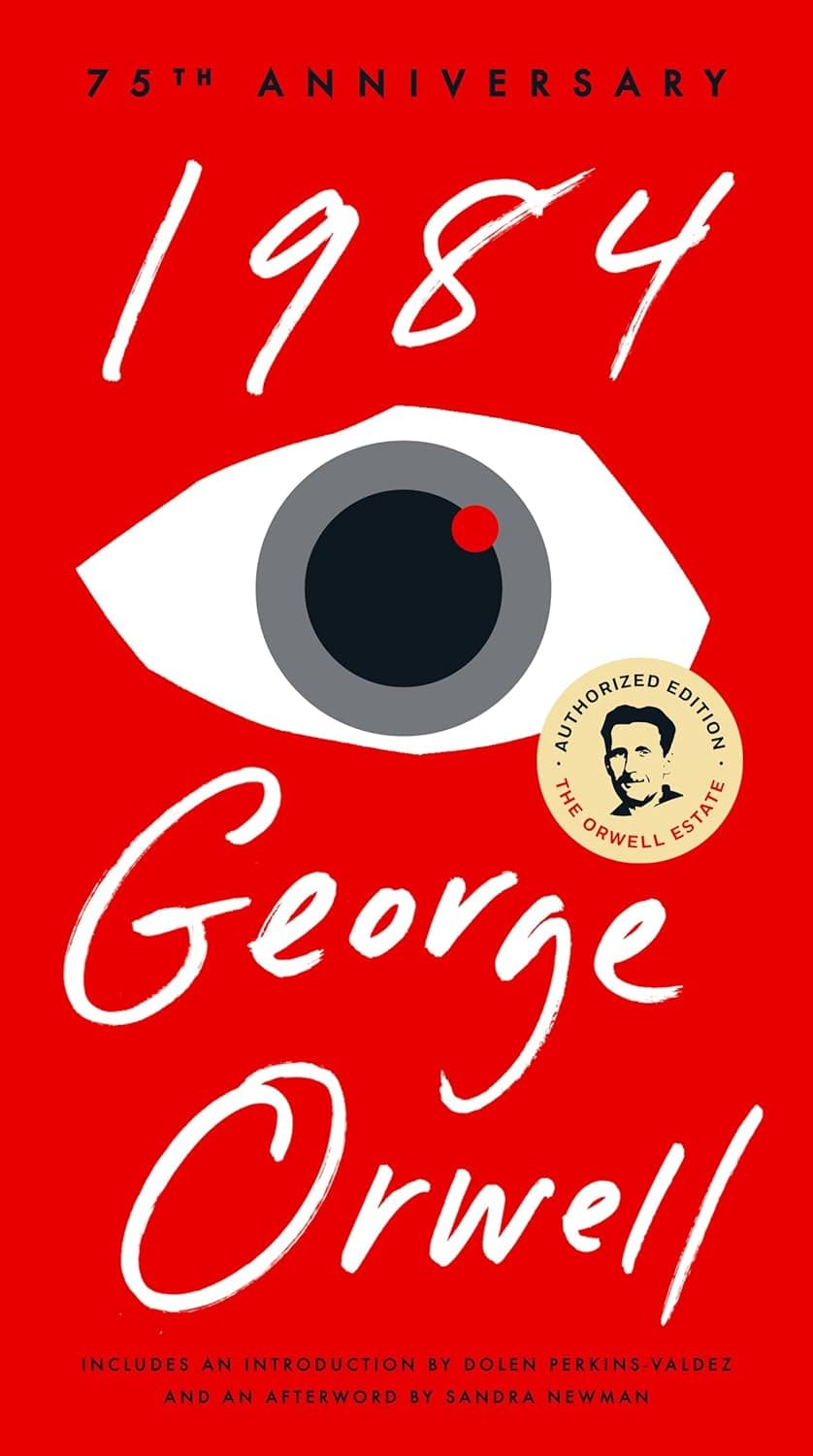
1984
1949 · 328 pages
Winston Smith rewrites old newspapers so history agrees with the Party, then risks a diary and a love affair. Orwell built the machinery so exactly that reading it feels like being watched.
★ 9.1
 skopia
Winston Smith rewrites old newspapers so history agrees with the Party, then risks a diary and a love affair. Orwell built the machinery so exactly that reading it feels like being watched.
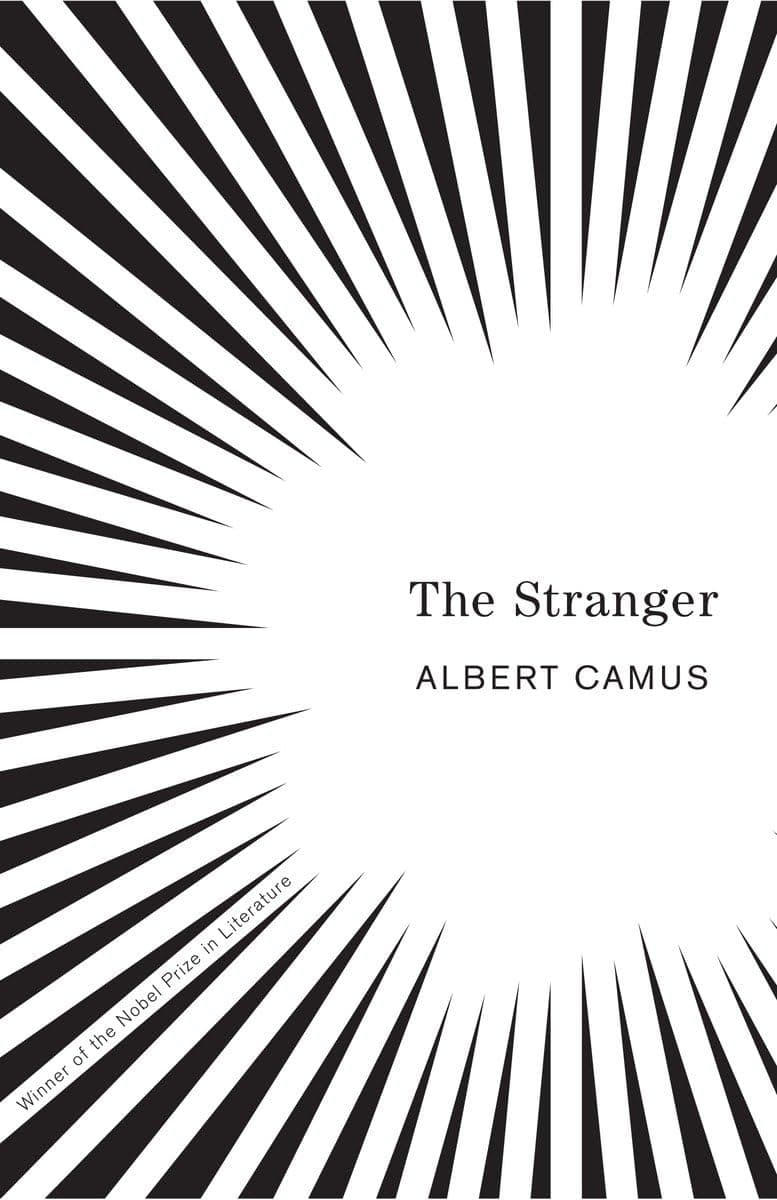
Meursault buries his mother without crying, takes a lover, and shoots a man on a hot Algiers beach. At his trial the tears he never shed matter more than the killing.
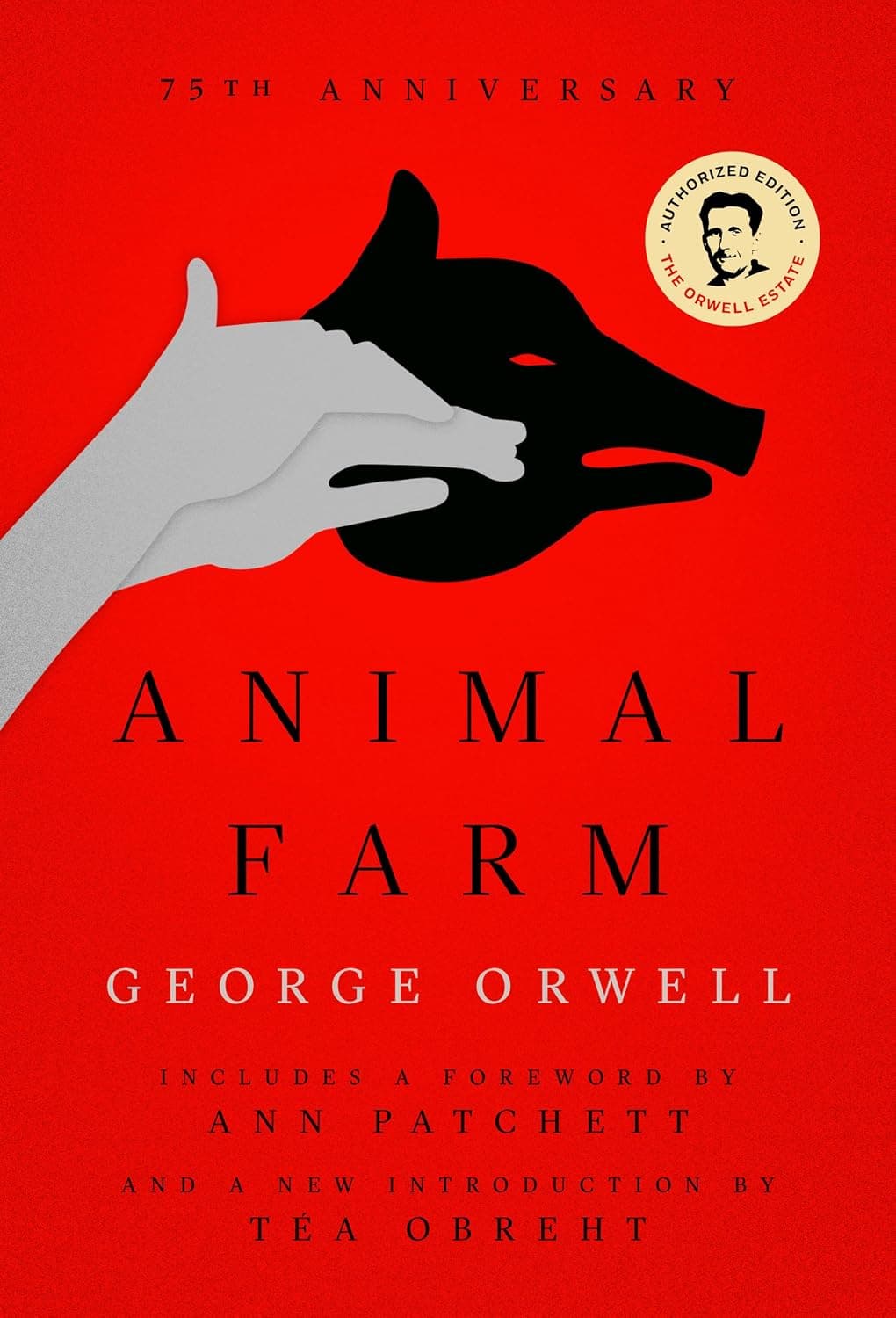
The animals drive out the farmer and run the place themselves, until the rules painted on the barn wall start changing. Orwell reduced the Russian Revolution to a fable no adult forgets.

One is not born a woman, Beauvoir argues, but becomes one. She works through biology, history, myth, marriage, and old age to prove it, and modern feminism begins in these pages.

Willy Loman, a traveling salesman worn down to nothing, argues with his grown sons and with people who are not in the room. Audiences have recognized their own fathers in him since 1949.

Blanche DuBois arrives at her sister's New Orleans apartment with nothing left, and her brother-in-law Stanley sets about destroying what remains. No American play has staged desire and cruelty this nakedly.
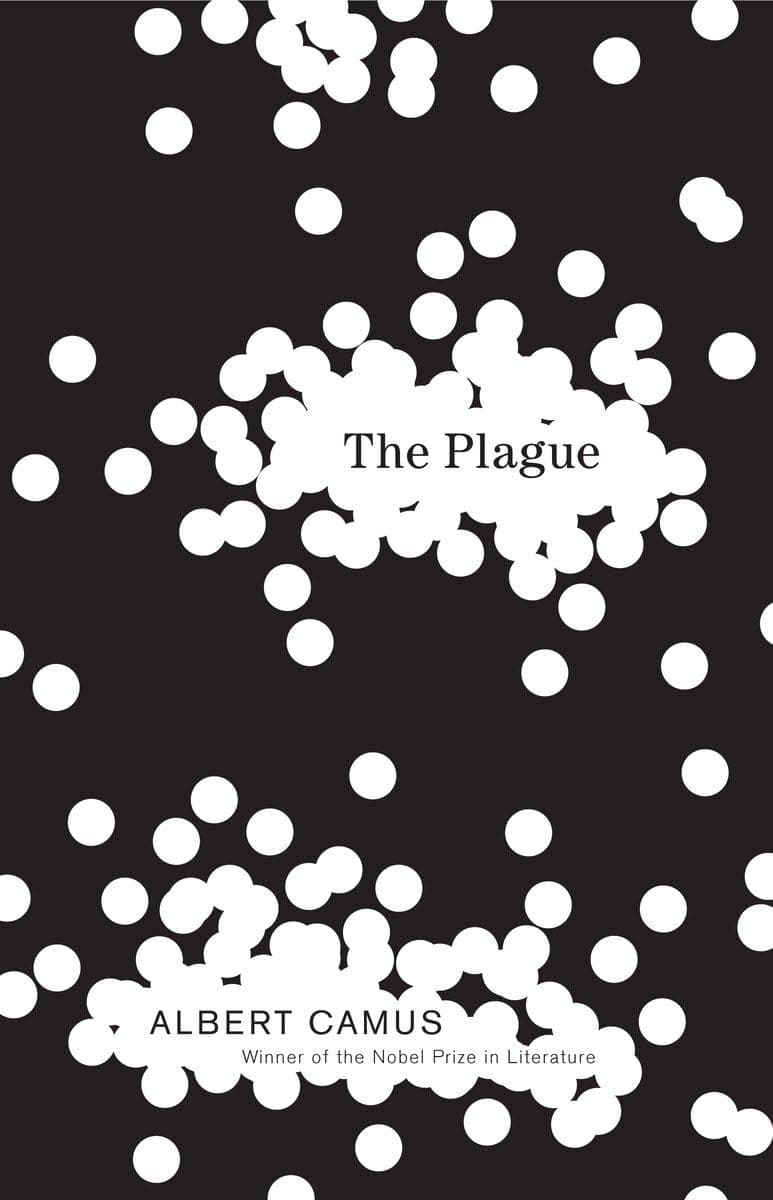
Rats die in the streets of an Algerian port, the gates shut, and a doctor named Rieux keeps working. Camus meant the German occupation, and every epidemic since has proved him right.

Levi was an Italian chemist deported to Auschwitz at twenty-four. He survived, then spent months making his way home across a ruined Europe, and reports all of it without raising his voice.

Two years in hiding behind an Amsterdam office, set down by a girl who wrote about her mother, her boredom, and who she meant to become. She was fifteen when they were found.

Crash-landed in the Sahara, a pilot meets a boy from a tiny planet who worries about his rose. Saint-Exupéry writes for children and lands hardest on adults who have stopped looking properly.
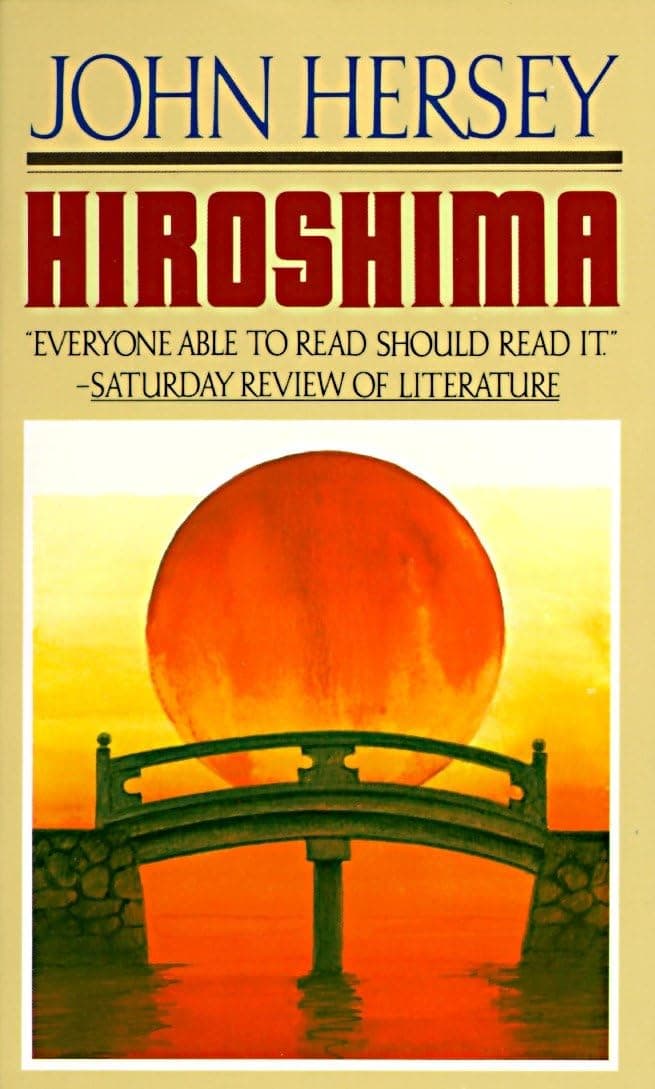
Six people survived the bomb at Hiroshima and Hersey follows them through the year after: a clerk, a widow, two doctors, and two clergymen. He writes flatly and it is unbearable.
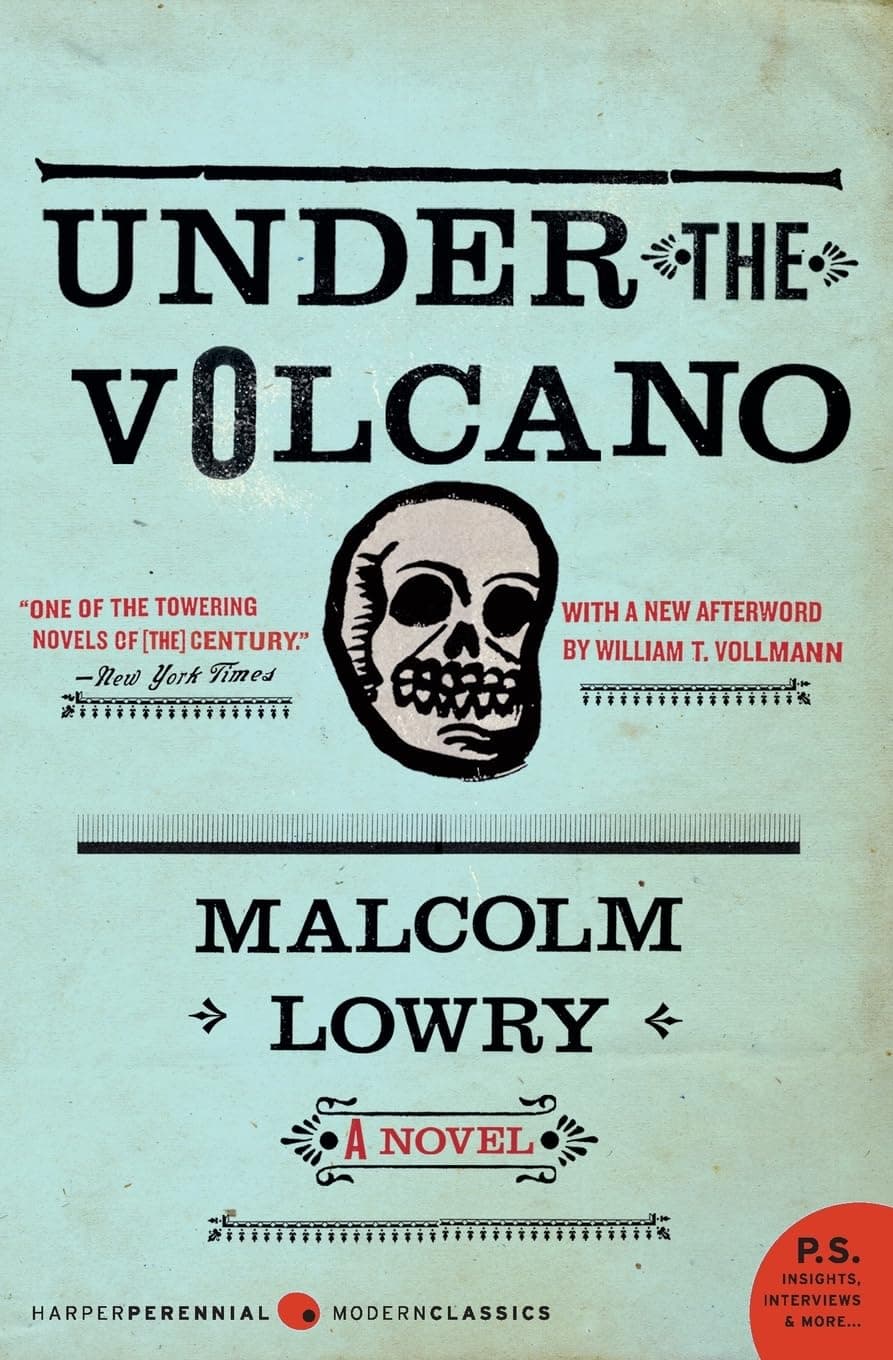
Drinking himself to death in Mexico, a British ex-consul is visited by the wife who left him. Lowry gives them one Day of the Dead, written from inside the bottle.
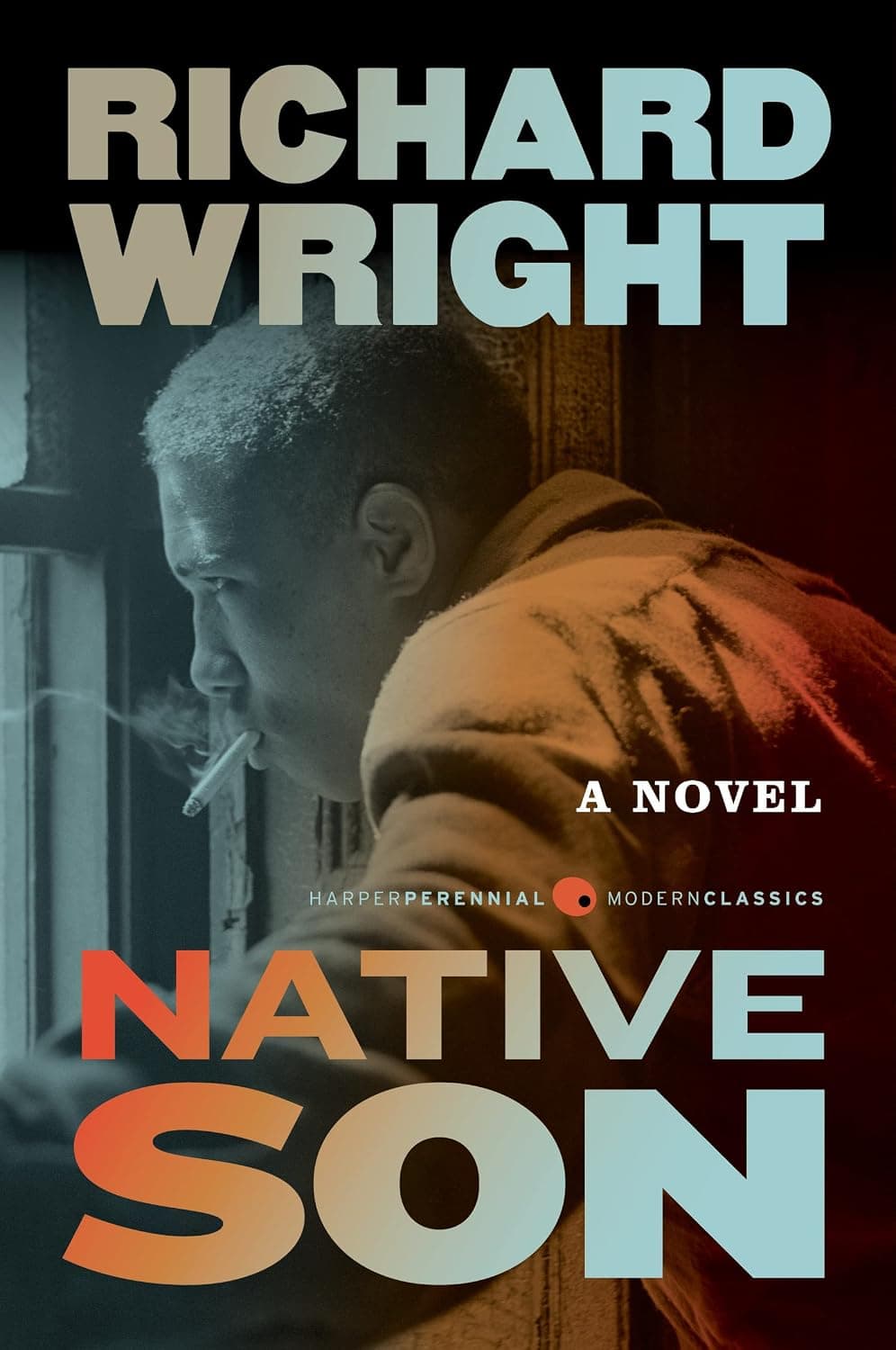
Bigger Thomas drives for a rich white family in 1930s Chicago and kills their daughter in a panic his first night. Wright keeps you inside his head and will not soften him.
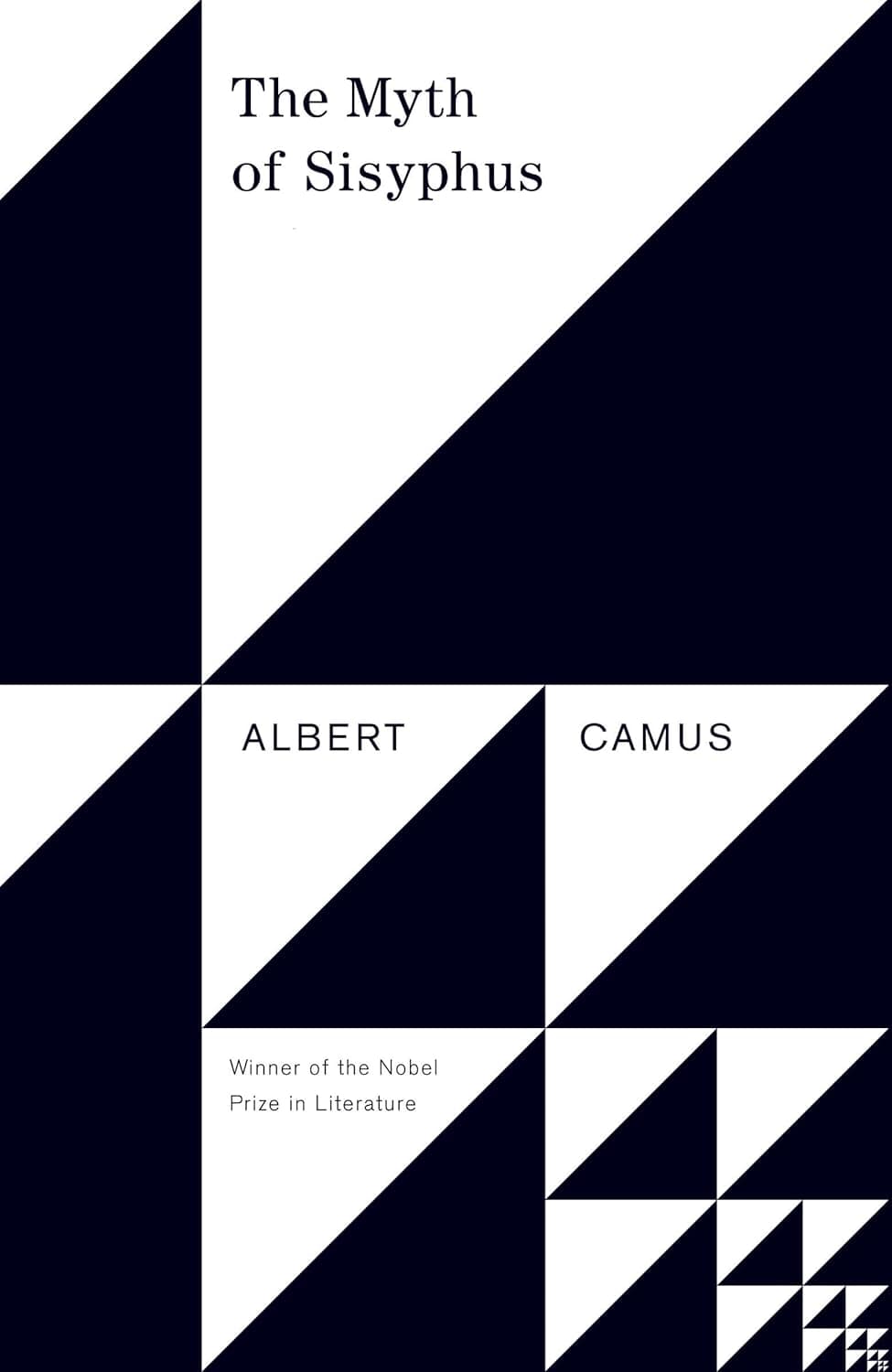
The only serious philosophical question, Camus opens, is whether to kill yourself. His answer: the universe will never explain itself, so you live anyway, unreconciled, like Sisyphus happy pushing his rock uphill forever.

Four centuries of Bosnian life pass over one stone bridge, built by an Ottoman vizier taken from these hills as a boy. Andric ends in 1914 and you feel it coming.
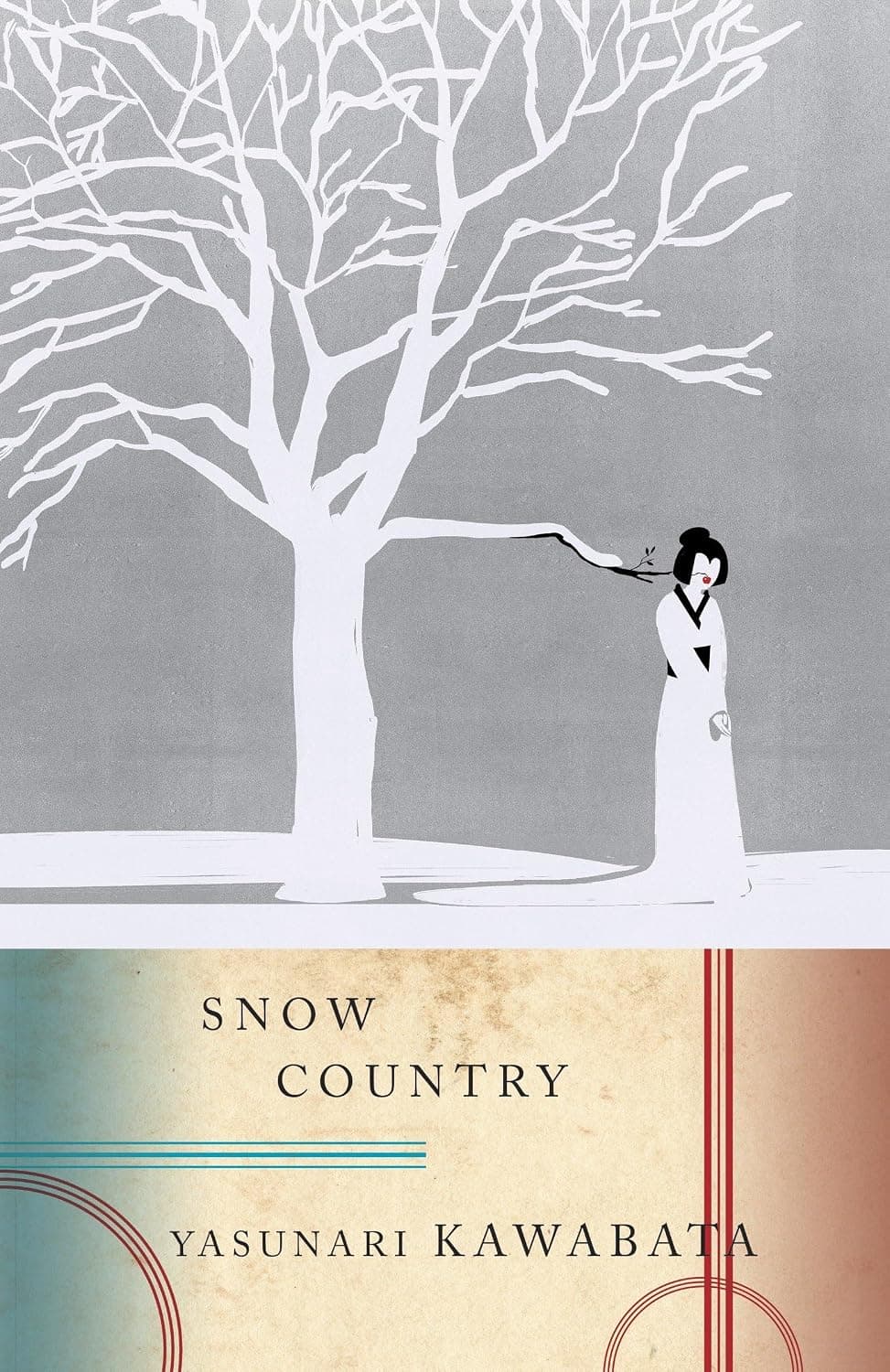
At a hot spring in Japan's snow country, a wealthy Tokyo idler keeps visiting a geisha who loves him past anything he can give. Kawabata states almost nothing and it lands anyway.
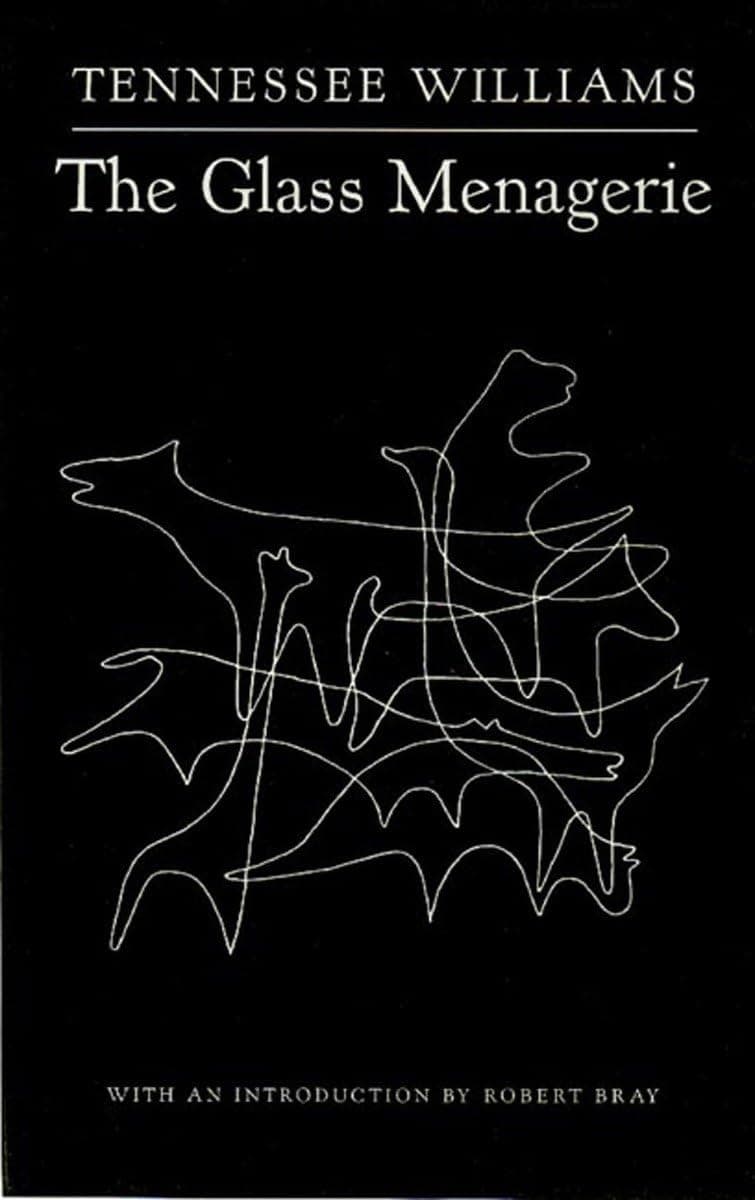
Tom narrates the St. Louis apartment he escaped, where his mother relives the seventeen gentlemen callers of her girlhood and his limping sister tends her glass animals. Everything turns on one visitor.
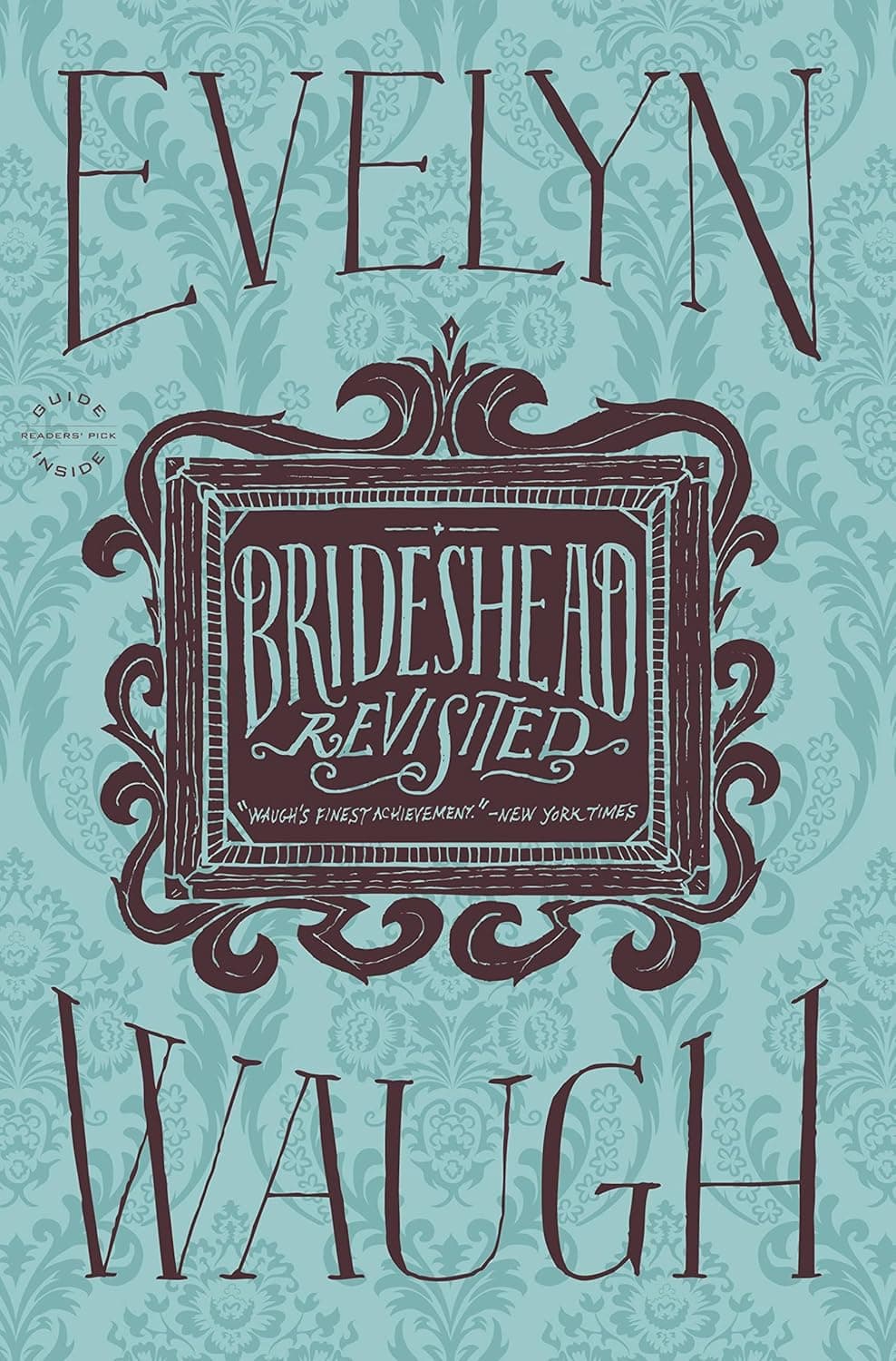
Charles Ryder, an officer billeted at a requisitioned country house, remembers the Catholic family who owned it: the ruined son he loved at Oxford, the sister he wanted later, and grace closing in.

Sent to Alabama in 1936 to report on cotton tenancy, Agee returned with an act of devotion: three sharecropping families recorded down to the nails in their shoes, alongside Walker Evans's photographs.

Frankl, a Viennese psychiatrist, lost his wife and parents to the camps and survived Auschwitz himself. He watched who endured and who gave up, and named the last freedom: choosing your own response.