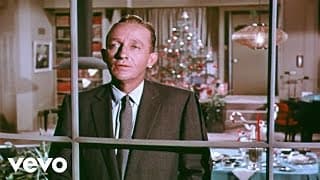
White Christmas
1942
Berlin's snowless Christmas song, the best-selling physical single ever pressed, and the sound of every soldier's homesickness.
★ 9.3
 skopia
Berlin's snowless Christmas song, the best-selling physical single ever pressed, and the sound of every soldier's homesickness.
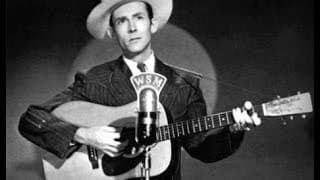
Issued as a B-side because jukeboxes wanted uptempo, with Jerry Byrd's steel guitar shadowing every line Williams sings.
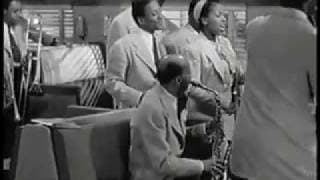
Strayhorn turned Ellington's subway directions into a theme song; Ray Nance's trumpet solo got copied note for note ever after.
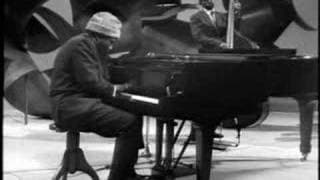
Monk wrote it around 1940, cutting it for Blue Note in 1947; no jazz composer's tune is recorded more.
A quarrel with her mother over money, by Holiday's own account, gave the song its title line and its steel.
Piaf's own lyric, dismissed by her collaborators as foolishness, then a million American sales and a French national possession.
Written at a Kelly's Stables piano in 1942 under the title Interlude, with a bass line that refuses to walk.
Tormé and Wells wrote it in a July heat wave, thinking cool, and Cole overruled Capitol about the strings.
Raye and Prince wrote it for an Abbott and Costello comedy, and the sisters harmonize like a brass section.
Cosimo Matassa's J&M studio, December 1949: Earl Palmer's backbeat, Domino's wordless wah-wah, and a million copies sold.
Lennie Hayton's arrangement gives Butterfield's trumpet and Jenney's trombone their solos, then floats Shaw's clarinet over strings.
Arlen and Koehler wrote it for the Cotton Club in 1933; a decade later Horne made it hers on film.
Cut in Hollywood in May 1941; nine months later RCA handed Miller the first gold record ever presented.
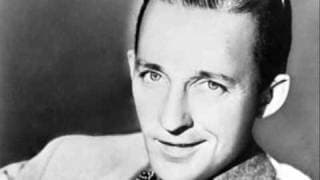
Van Heusen heard Crosby warn a son at dinner he might grow up a mule, and Burke built the lyric.
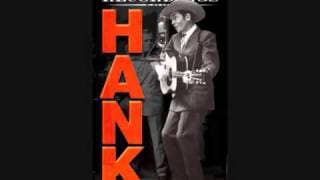
Cut at Castle Studio in 1949, Williams answering the gossips with a grin, a fiddle and Clyde Baum's mandolin.
Recorded in June 1949 by a reluctant Autry, at his wife's urging, from a story written for a department store.
Cut in under fifteen minutes as a B-side in 1942, it sat at number one for twelve weeks.
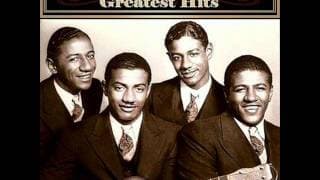
Doris Fisher's music, Allan Roberts's lyric, four voices in close harmony, and a B-side, "Till Then," that charted too.