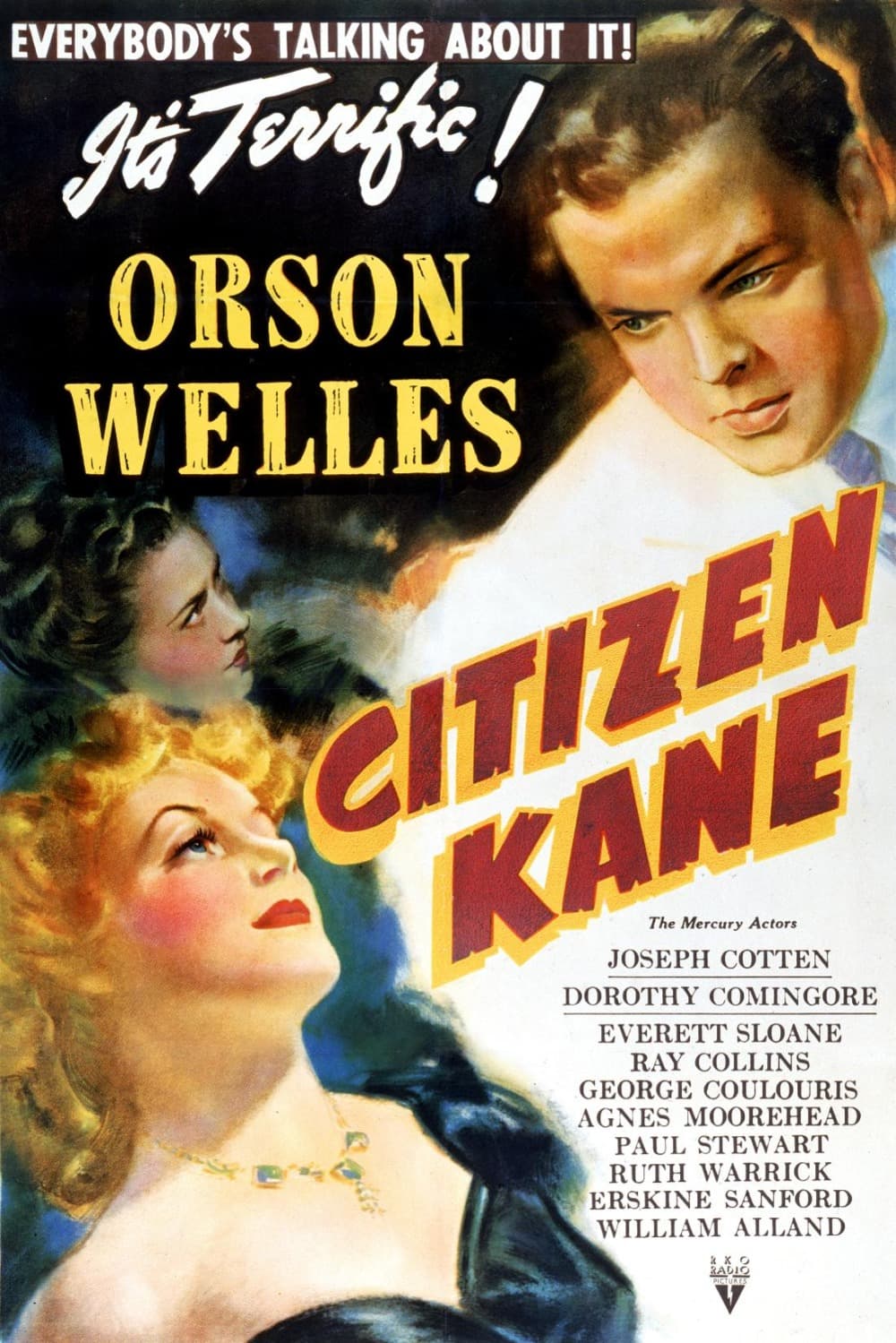
Citizen Kane
Directed by Orson Welles
1941
Welles was twenty-five and had never directed a feature before: he built a portrait of a man whose whole life nobody around him can add up, and changed everything.
★ 9.9
 skopia
Welles was twenty-five and had never directed a feature before: he built a portrait of a man whose whole life nobody around him can add up, and changed everything.
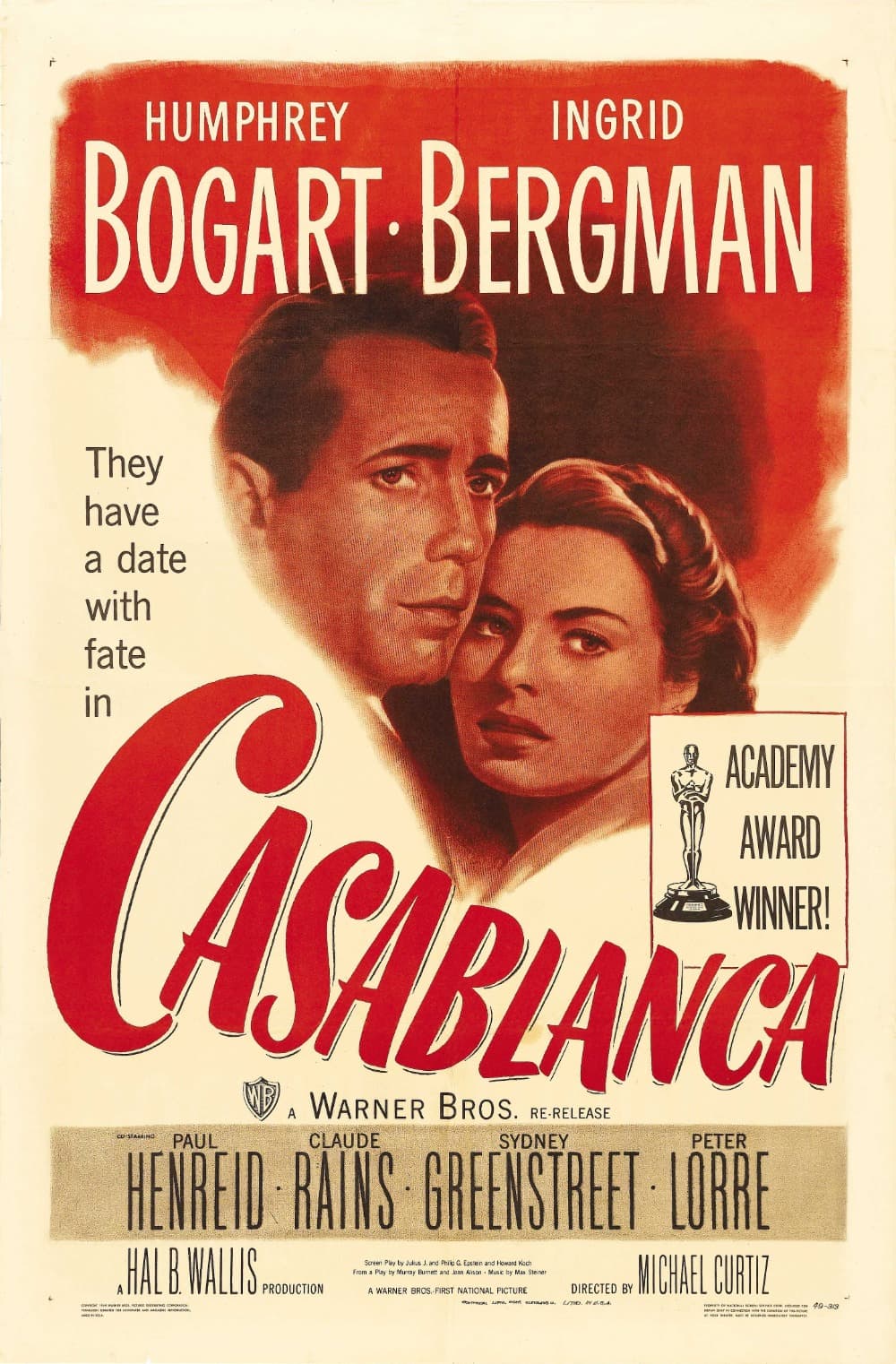
Proof that a studio picture thrown together in a hurry can outlive everything around it: eighty years on, the lines are still in the language and the romance still lands.
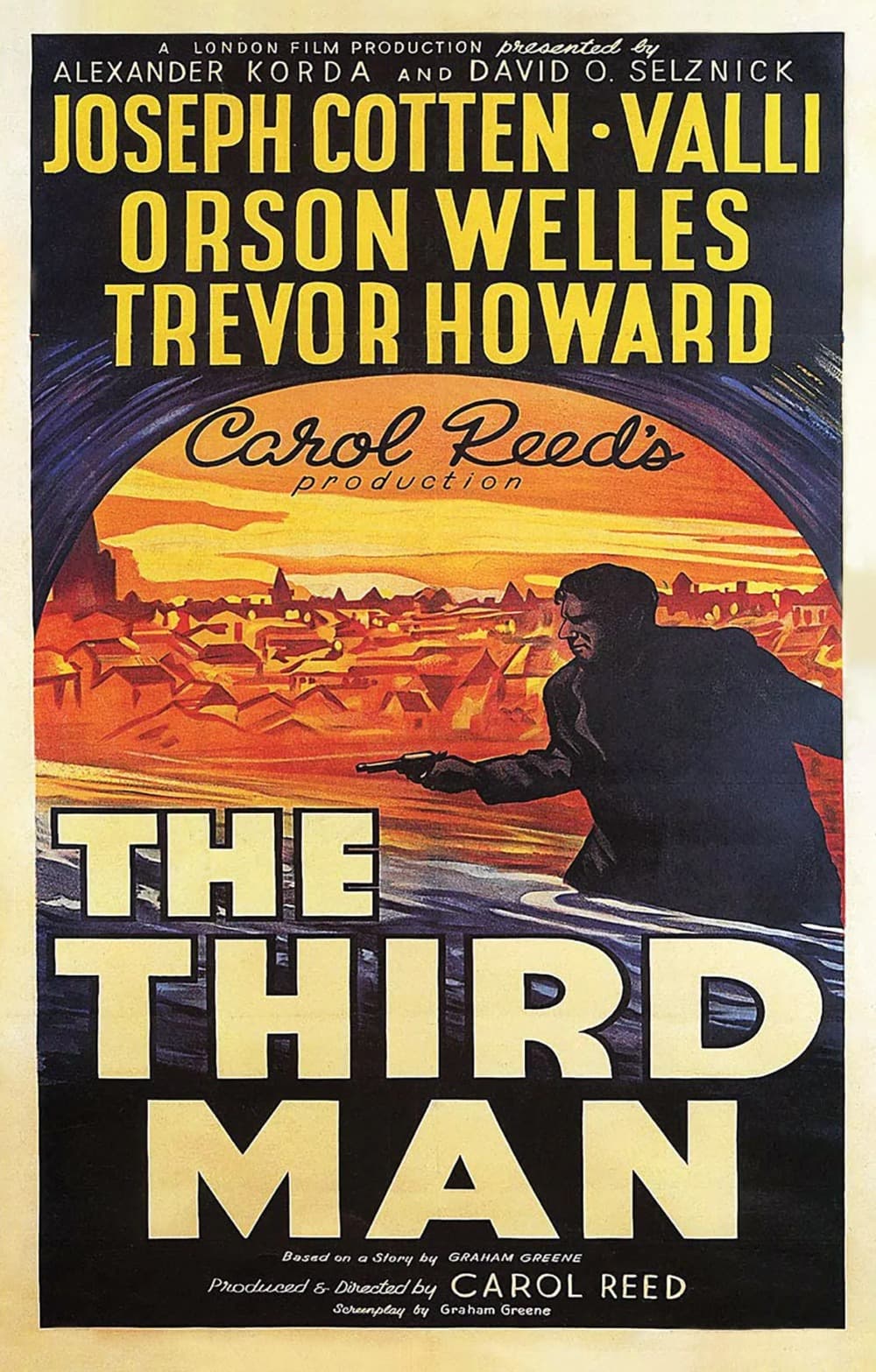
Britain has never made a better one, and nothing else sounds like it: a ruined postwar Vienna, and a zither score by a musician Reed first heard playing for the crew.
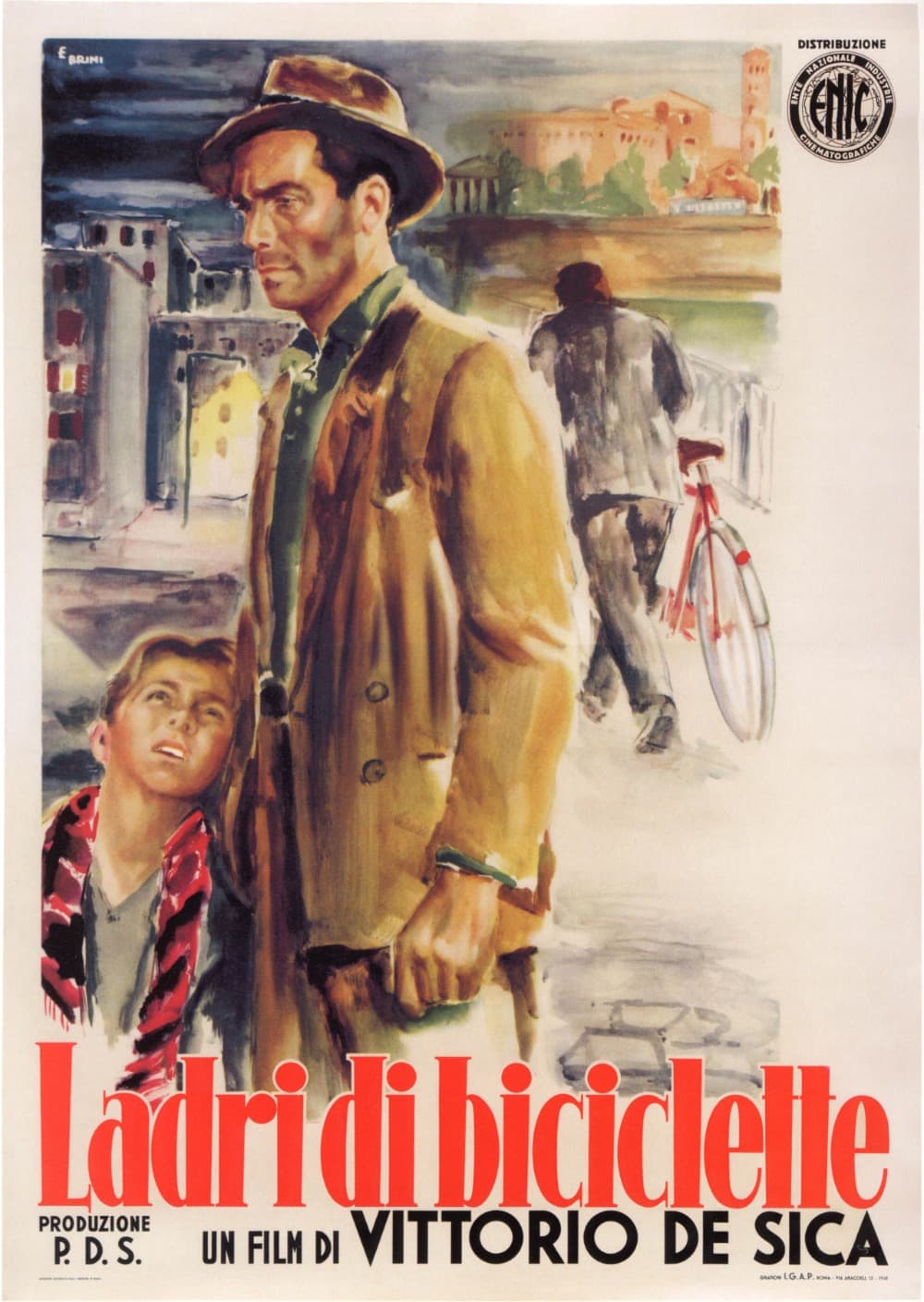
Italian neorealism starts with this, and it still guts people: De Sica cast a factory worker as his lead and found a whole society inside one stolen bicycle.
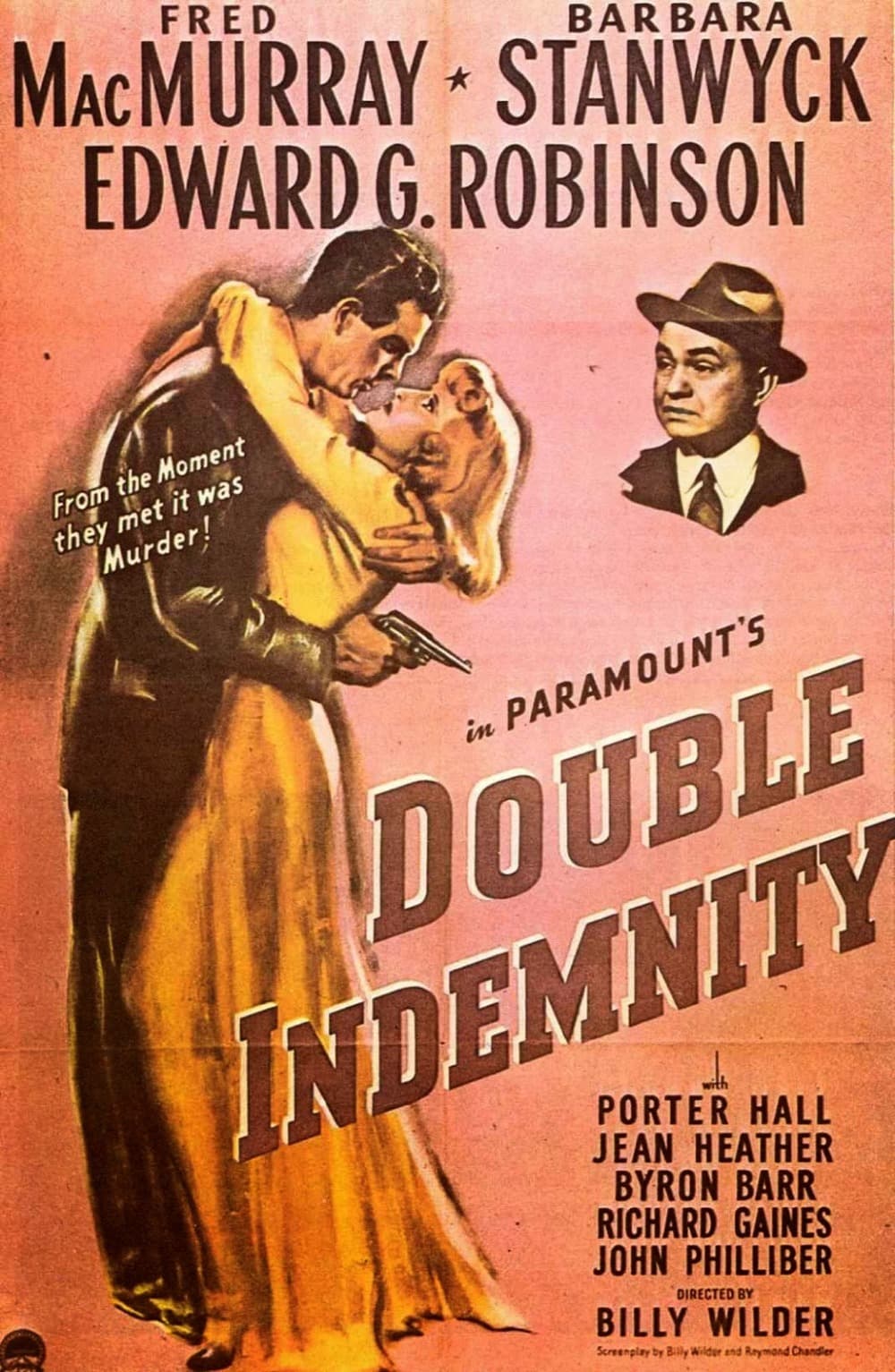
Film noir gets its blueprint here: Wilder and Chandler wrote dialogue nobody has matched for hardness, and set the pattern of the doomed man telling his own story.
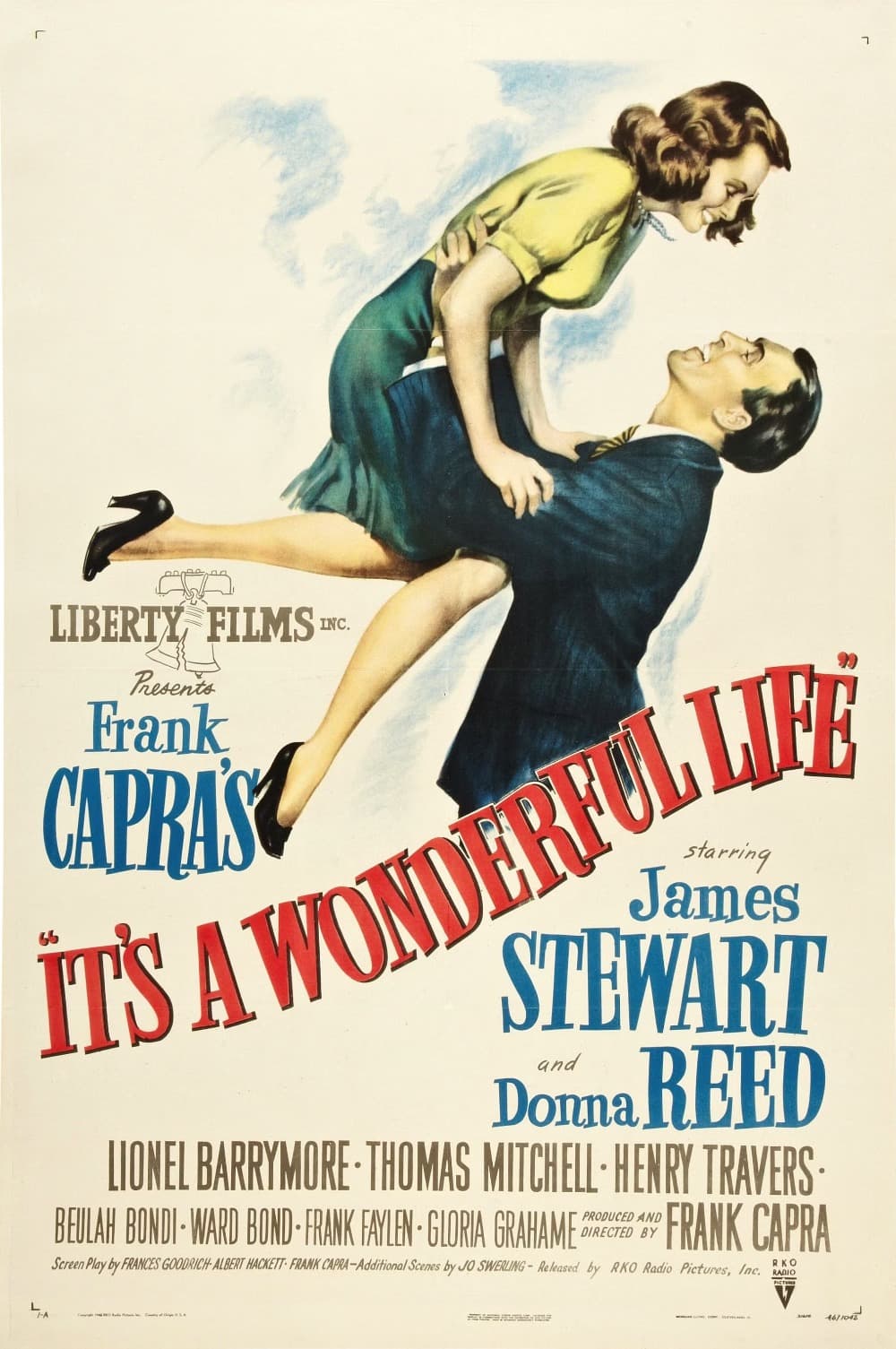
A commercial failure that decades of Christmas television turned into a national ritual: it is far darker than its reputation, and the ending earns every tear it gets.

Ozu made the same film over and over and this is the most perfect version: a daughter who will not marry, a father who will not say what he wants, and one vase.
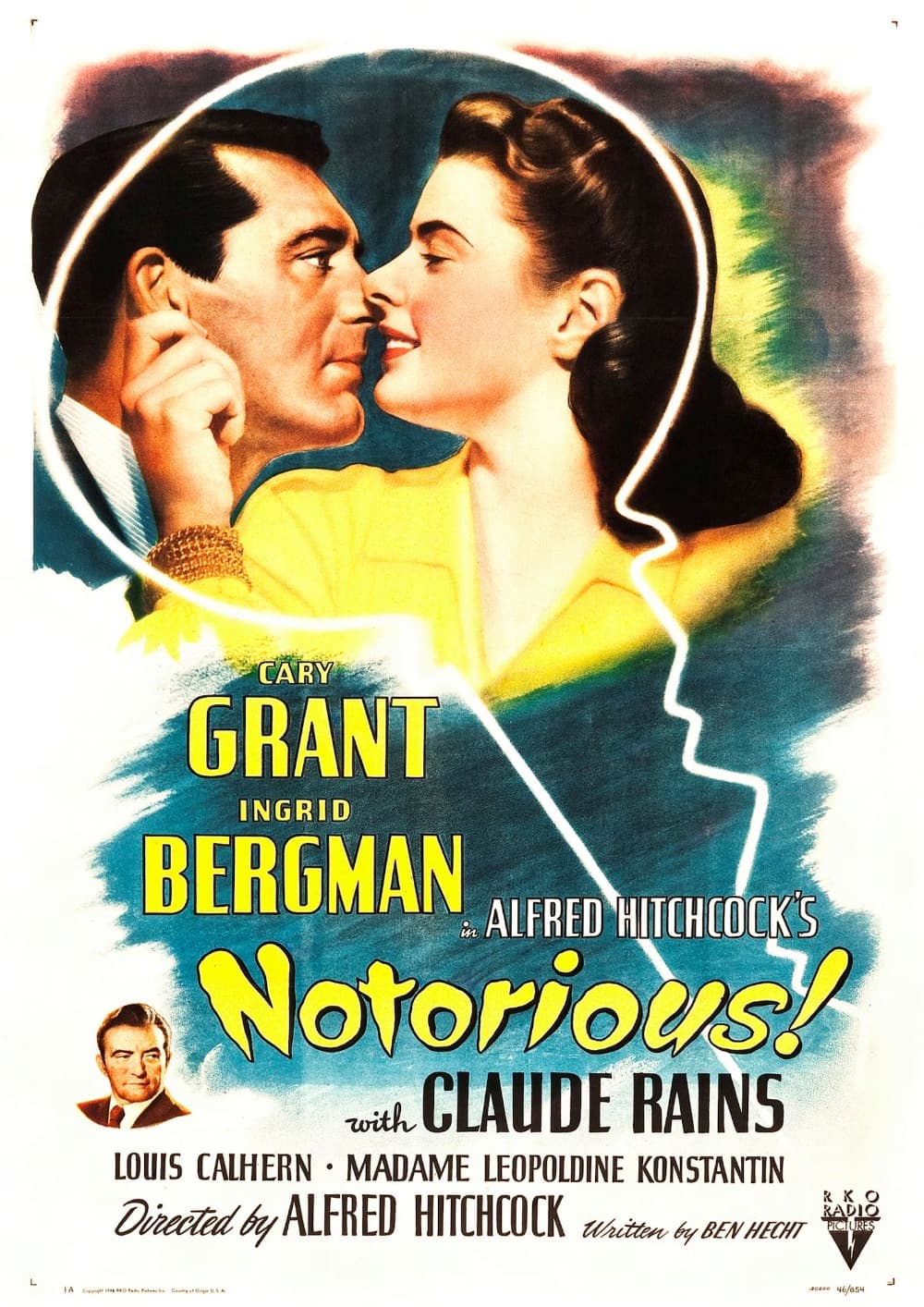
Hitchcock's most grown-up film, and the one where the suspense is entirely about feeling: a woman is sent to seduce a Nazi by the man who loves her.

Huston won two Oscars for it and directed his own father to a third: three men look for gold in Mexico and the heat does the rest.
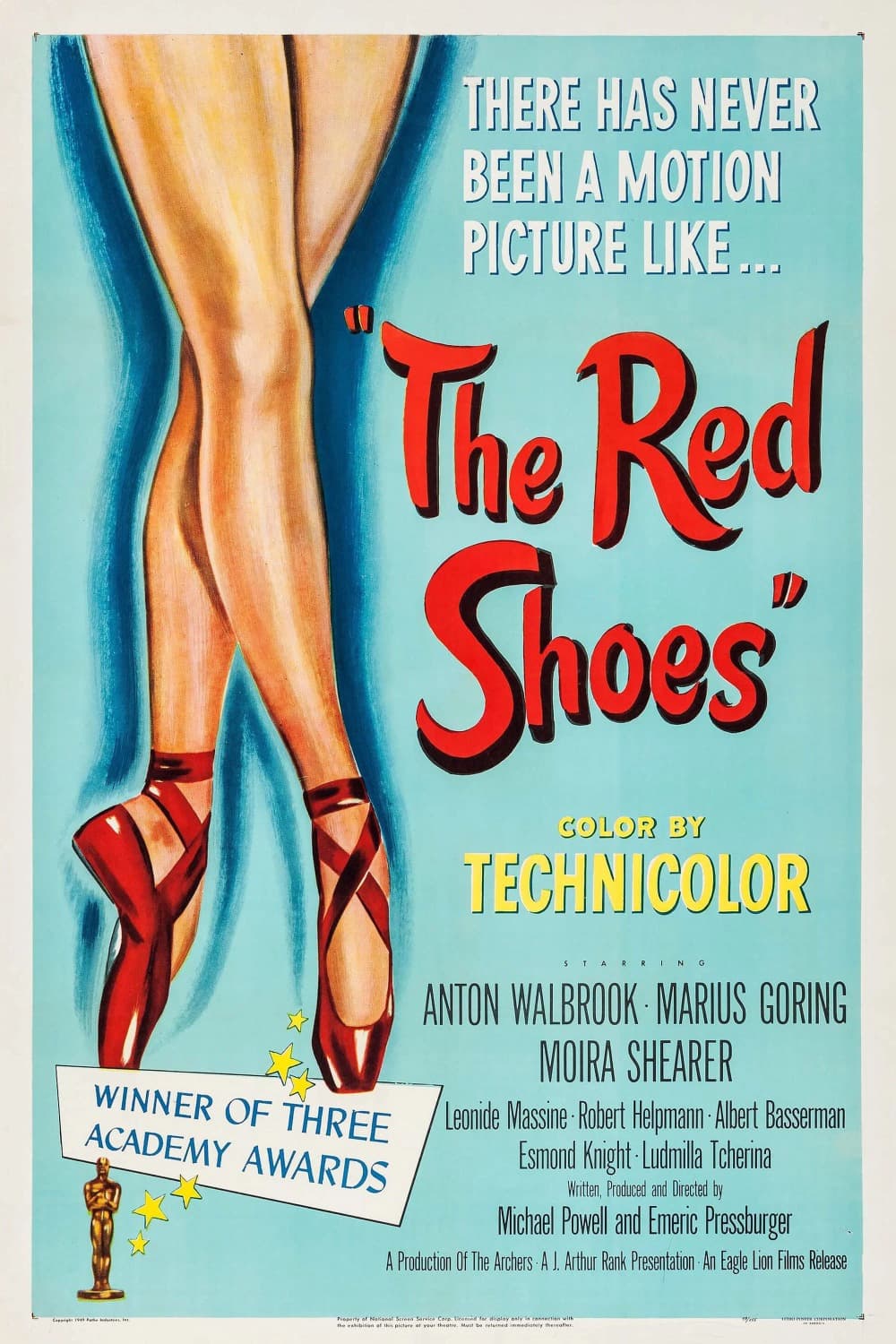
Scorsese has been watching it since childhood and has never stopped: Powell and Pressburger put a ballet on screen in Technicolor so saturated that it plays like a fever.
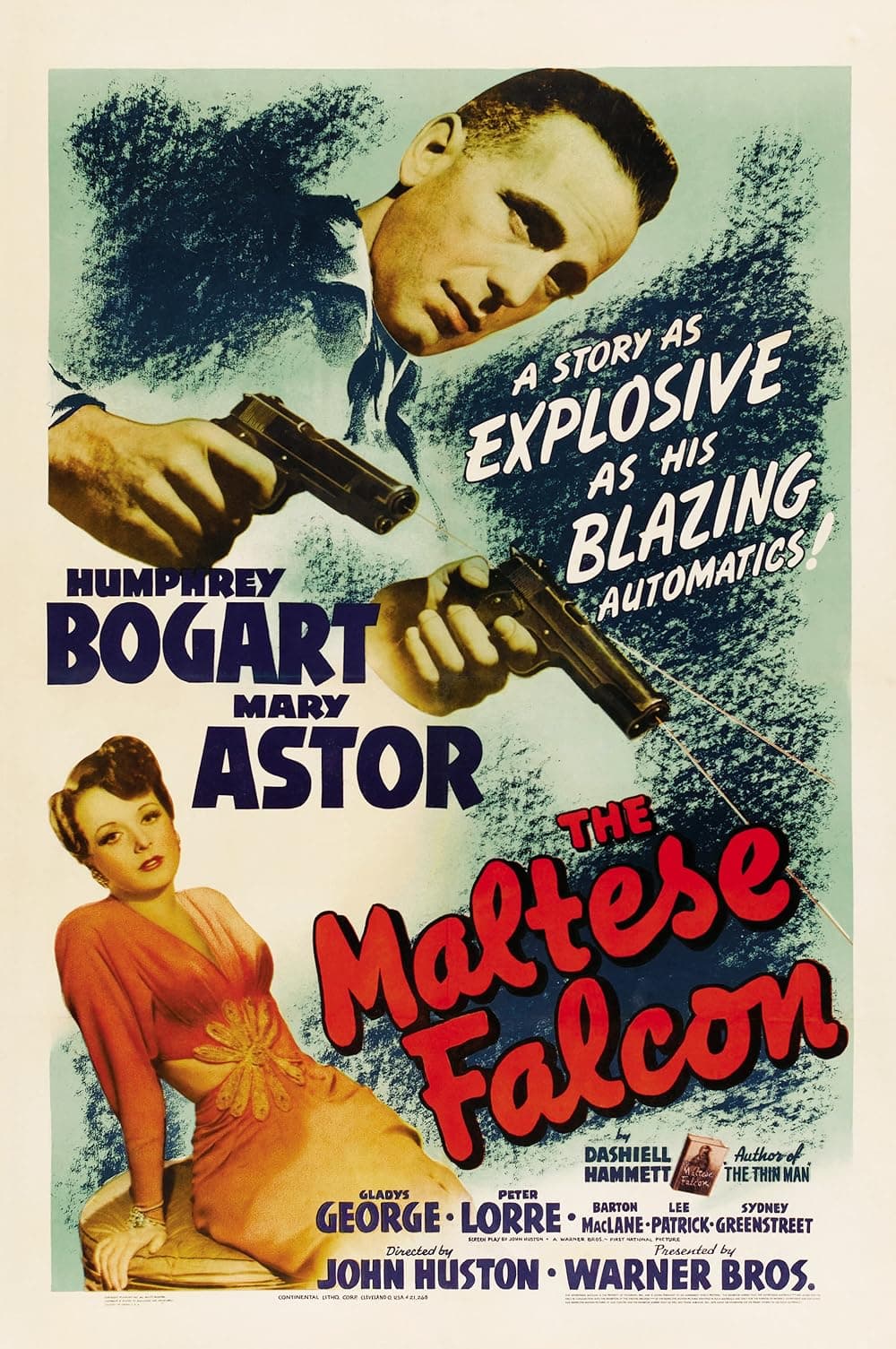
Huston's first film as a director, and the one that finally made Bogart a star: everyone chasing the black bird lies about it for a hundred straight minutes.
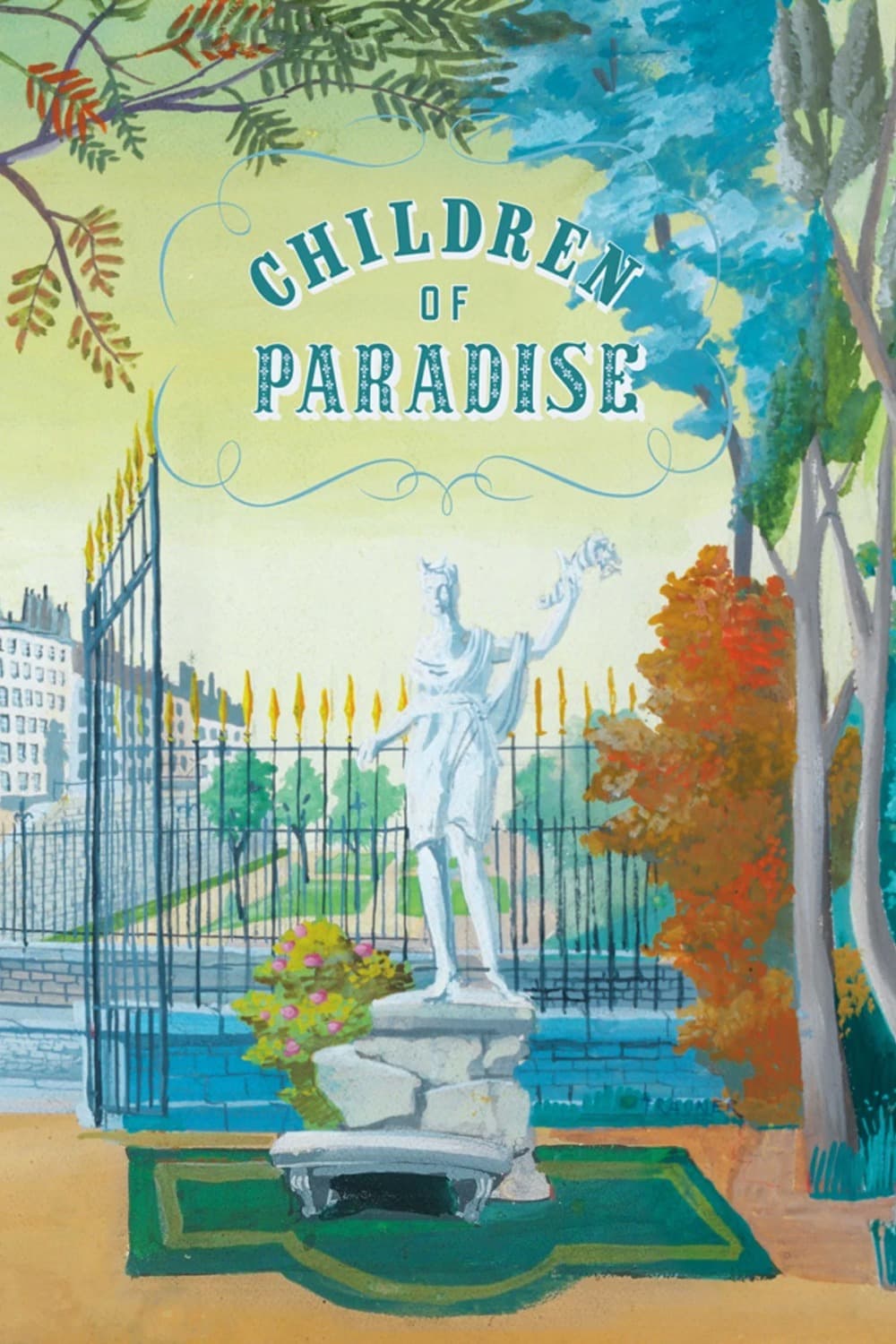
France's greatest film, and its Jewish designer and composer worked in hiding under German occupation: three hours of theater, mime and love among people who cannot afford it.
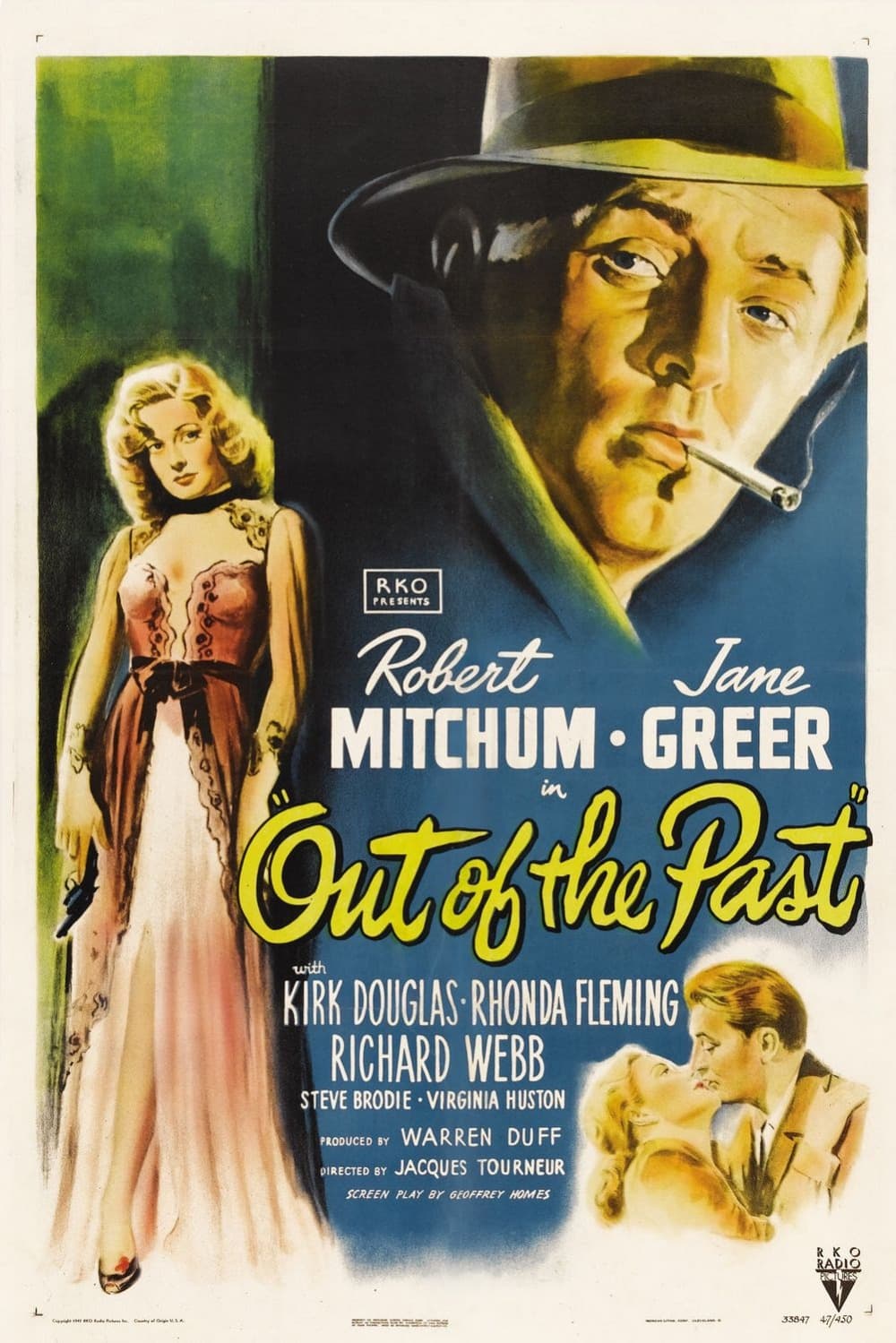
If you want to know what film noir means, this is the film people hand you: a gas station owner's past arrives in the form of a woman he once found.
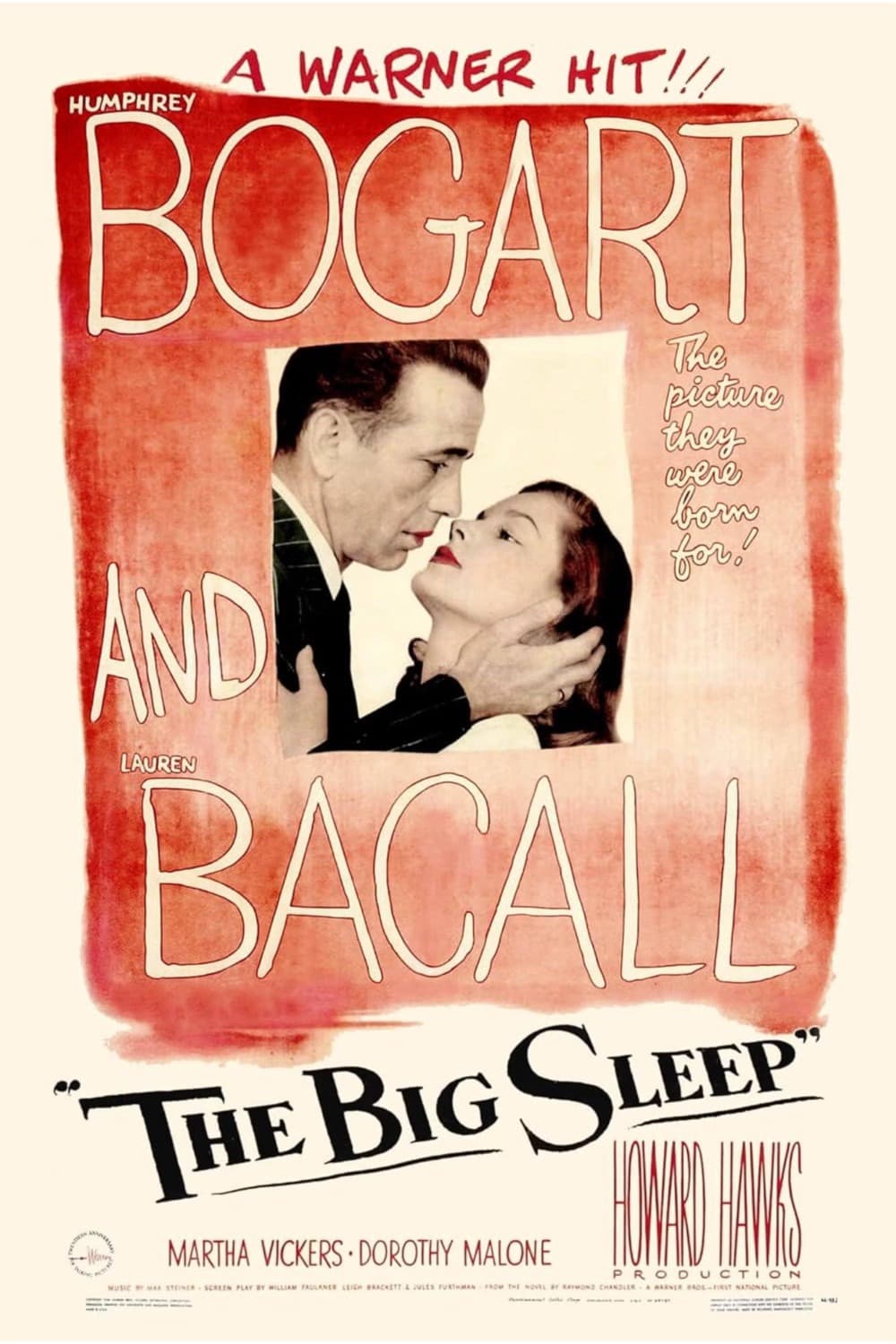
Nobody has ever been able to follow the plot, including the men who wrote it: what you watch it for is Bogart and Bacall talking, which is more than enough.
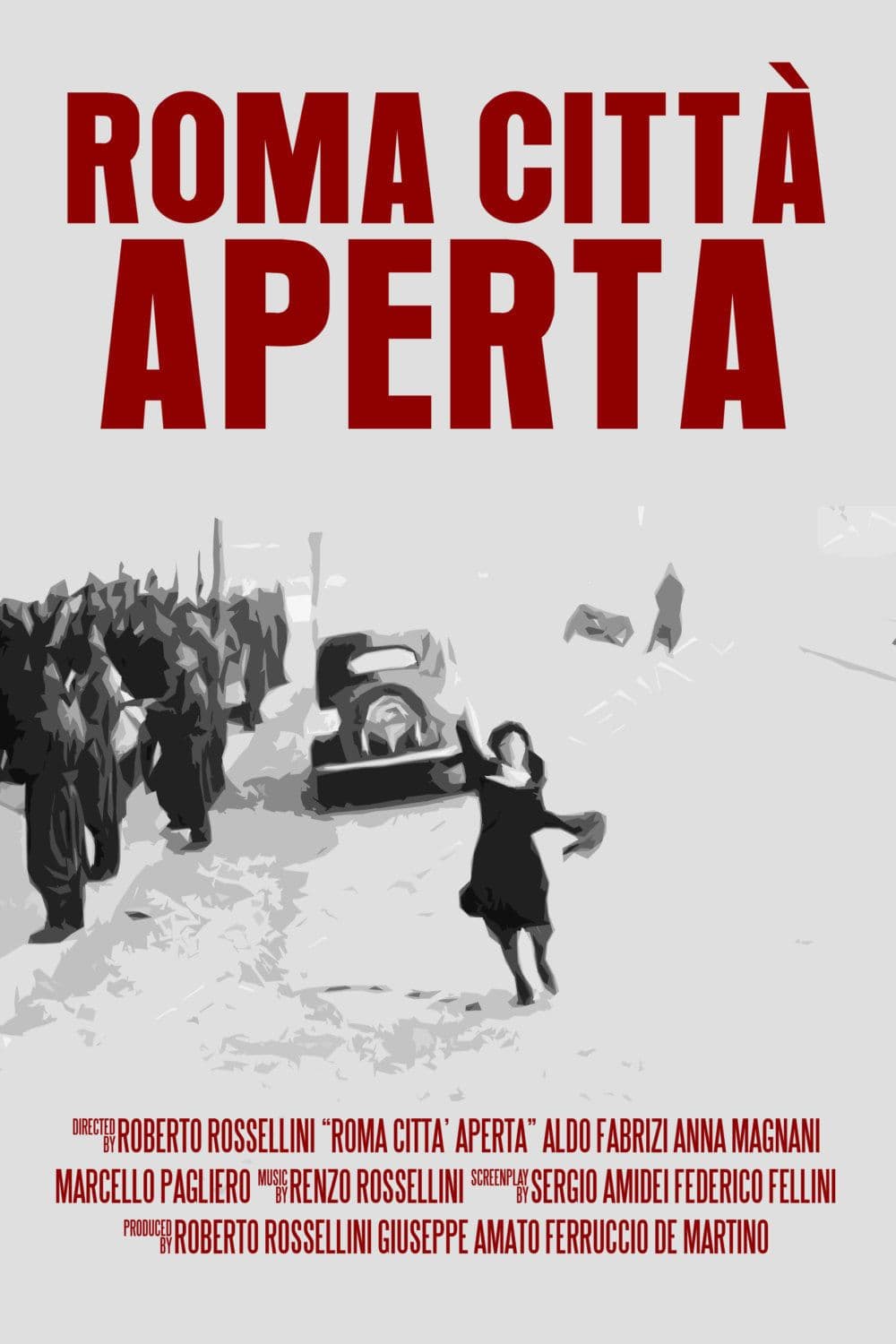
Rossellini shot it in the streets months after the Germans pulled out, on mismatched surplus stock scrounged from an army supplier: this is where Italian neorealism arrives.

Wyler cast a veteran who had lost both hands to play a veteran who had lost both hands, and audiences in 1946 recognized their own living rooms.

Churchill tried to stop it in production and then to bar it from export, convinced it made the British Army look ridiculous: Powell and Pressburger made it anyway.
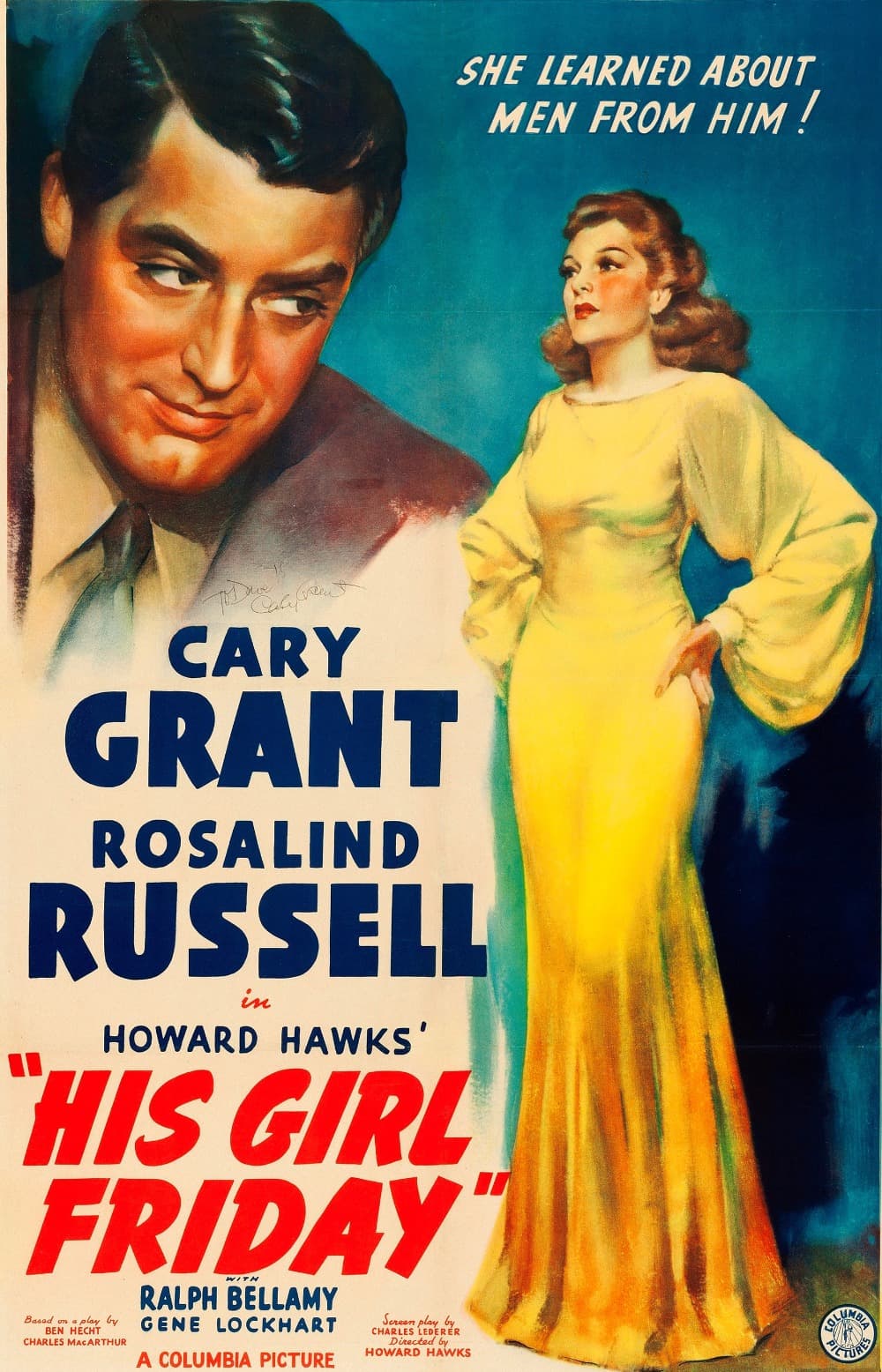
Hawks made the reporter a woman and the ex-husband her editor, then had them talk over each other so fast the film runs at over two hundred words a minute.

Heaven is monochrome and earth is in Technicolor, which is the whole joke: a pilot bails out without a parachute and then has to argue for his life.
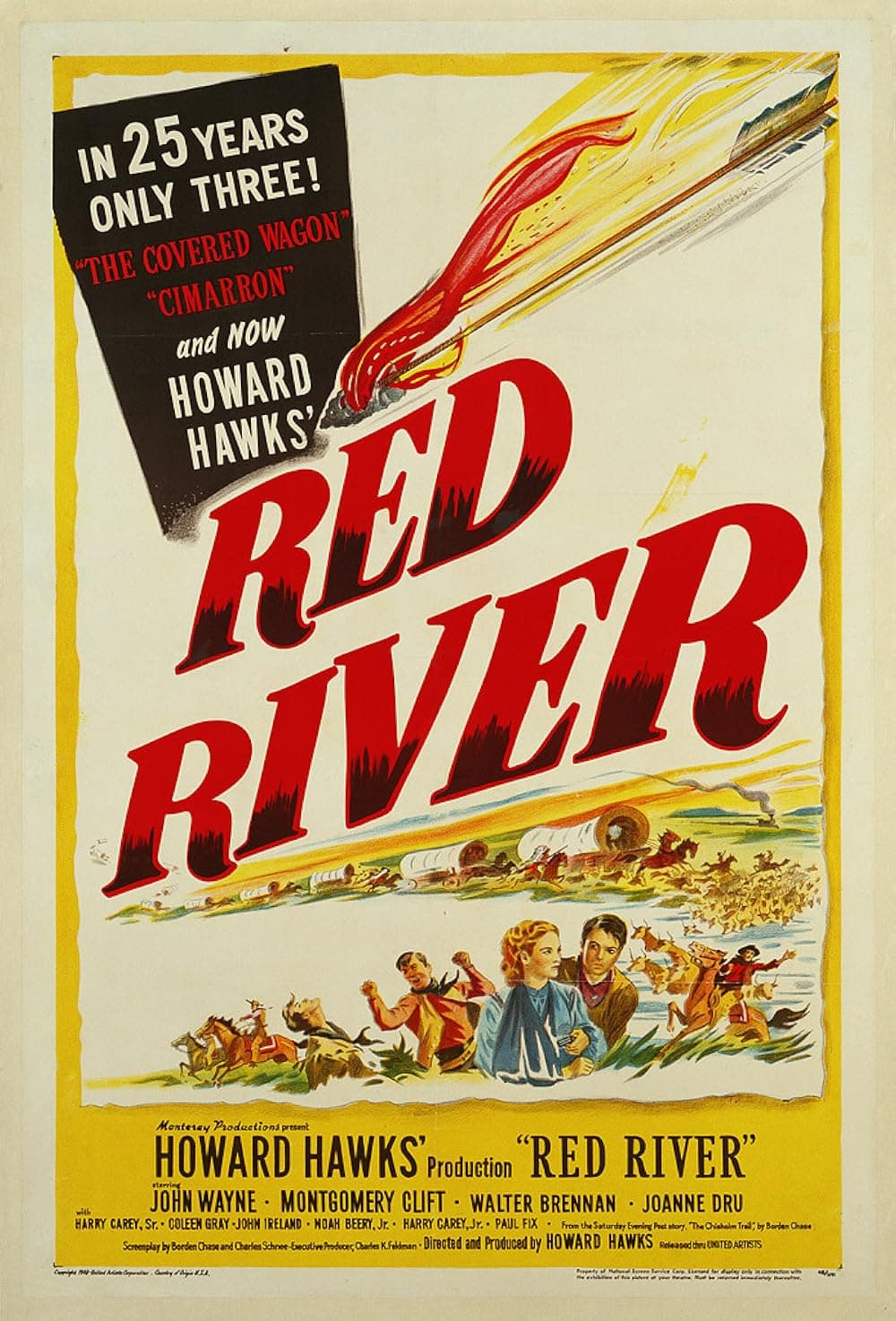
Ford said he never knew Wayne could act until he saw this: a cattle drive turns into a mutiny, and the man in charge becomes the thing to escape.