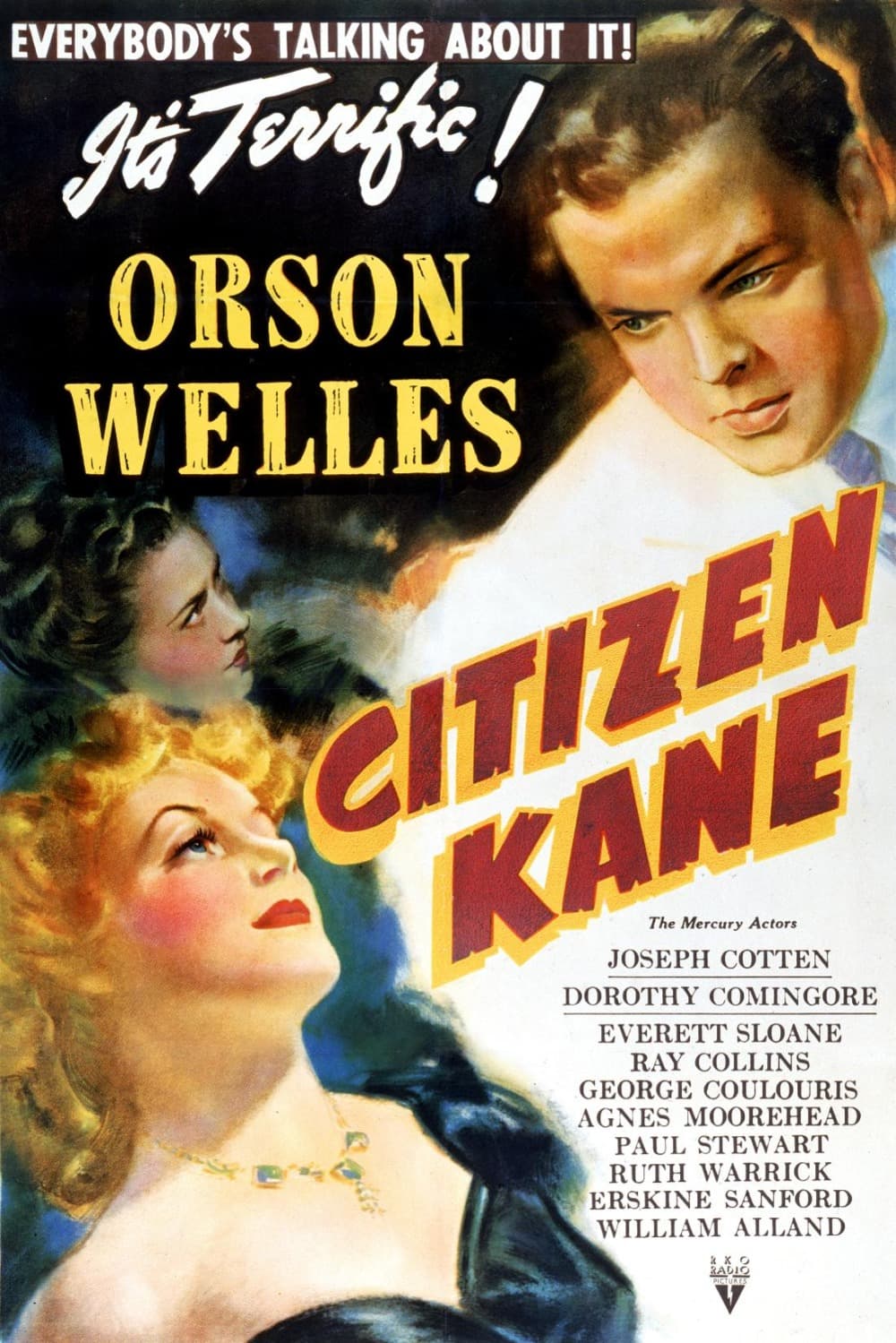
Citizen Kane
Directed by Orson Welles
1941
Welles was twenty-five and had never directed a feature before: he built a portrait of a man whose whole life nobody around him can add up, and changed everything.
★ 9.9
 skopia
Welles was twenty-five and had never directed a feature before: he built a portrait of a man whose whole life nobody around him can add up, and changed everything.
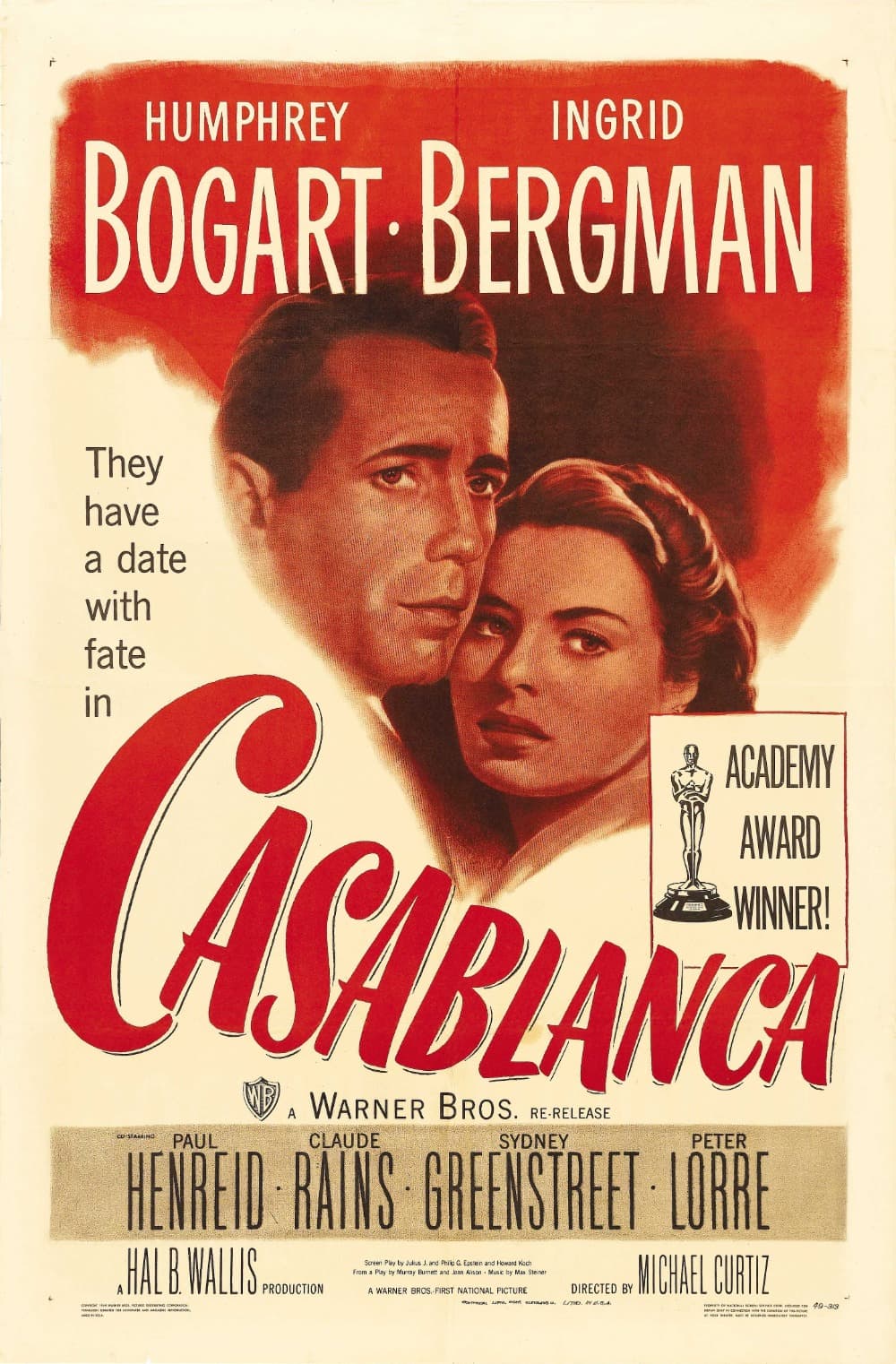
Proof that a studio picture thrown together in a hurry can outlive everything around it: eighty years on, the lines are still in the language and the romance still lands.
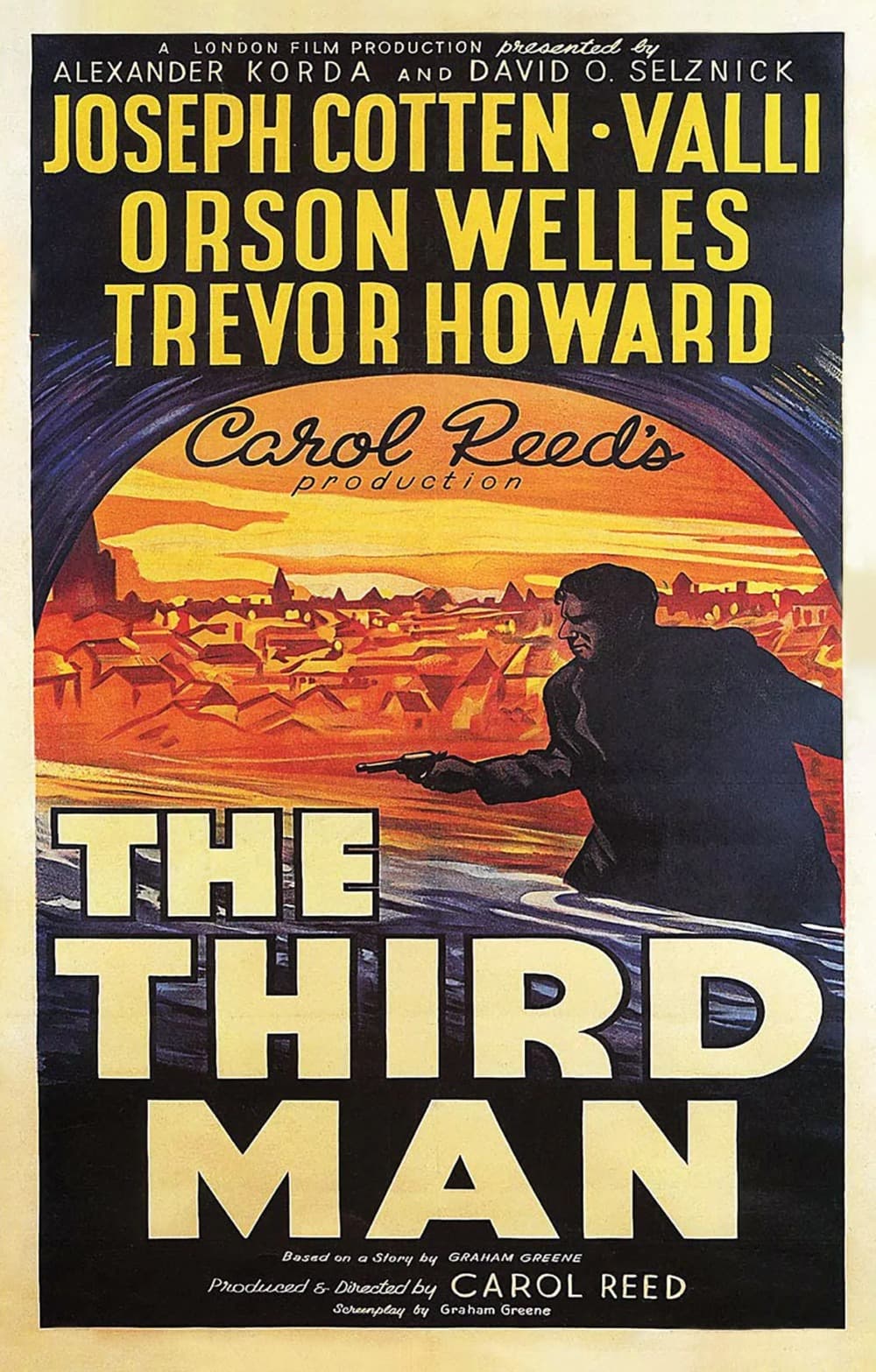
Britain has never made a better one, and nothing else sounds like it: a ruined postwar Vienna, and a zither score by a musician Reed first heard playing for the crew.
Berlin's snowless Christmas song, the best-selling physical single ever pressed, and the sound of every soldier's homesickness.
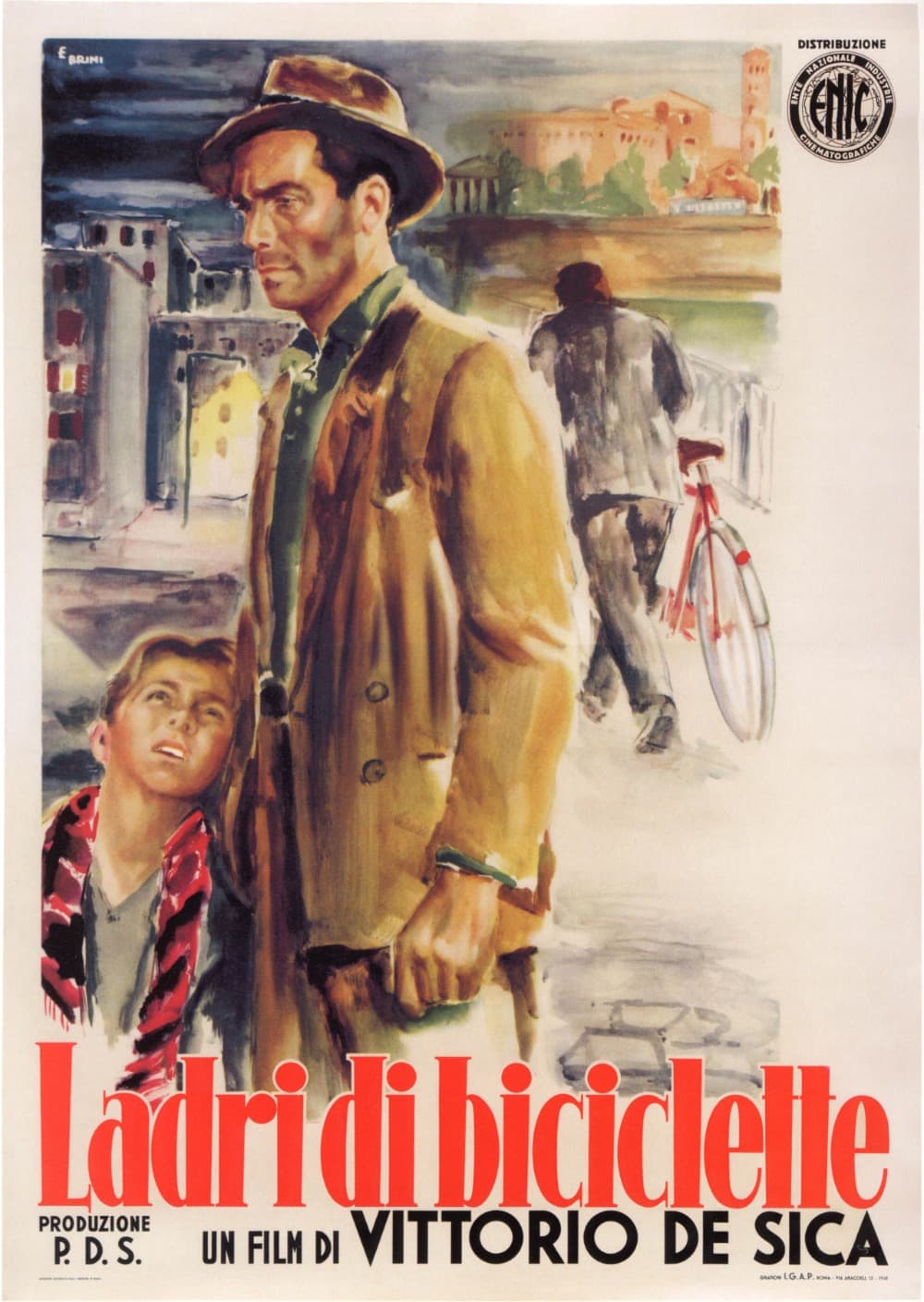
Italian neorealism starts with this, and it still guts people: De Sica cast a factory worker as his lead and found a whole society inside one stolen bicycle.
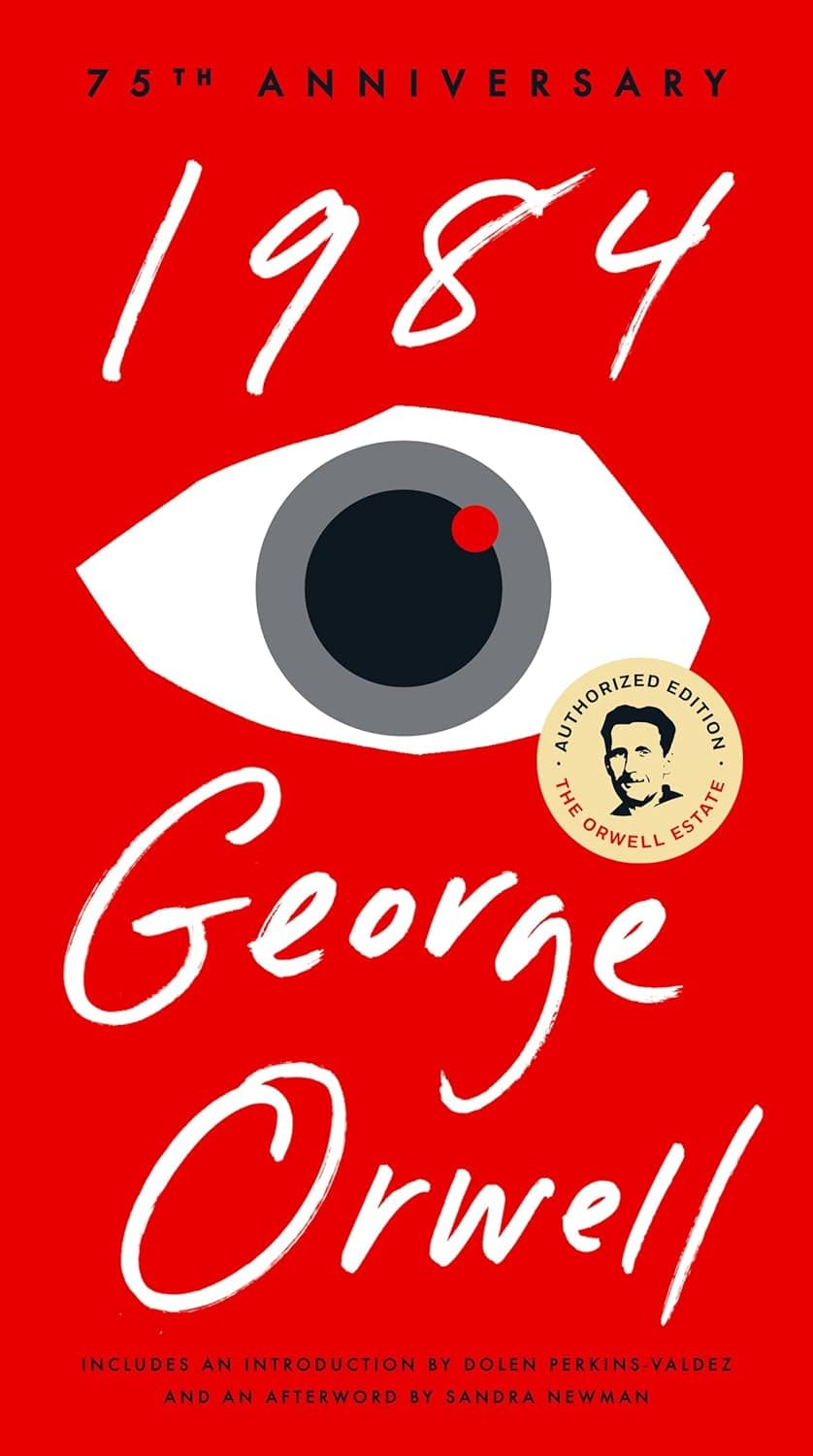
Winston Smith rewrites old newspapers so history agrees with the Party, then risks a diary and a love affair. Orwell built the machinery so exactly that reading it feels like being watched.
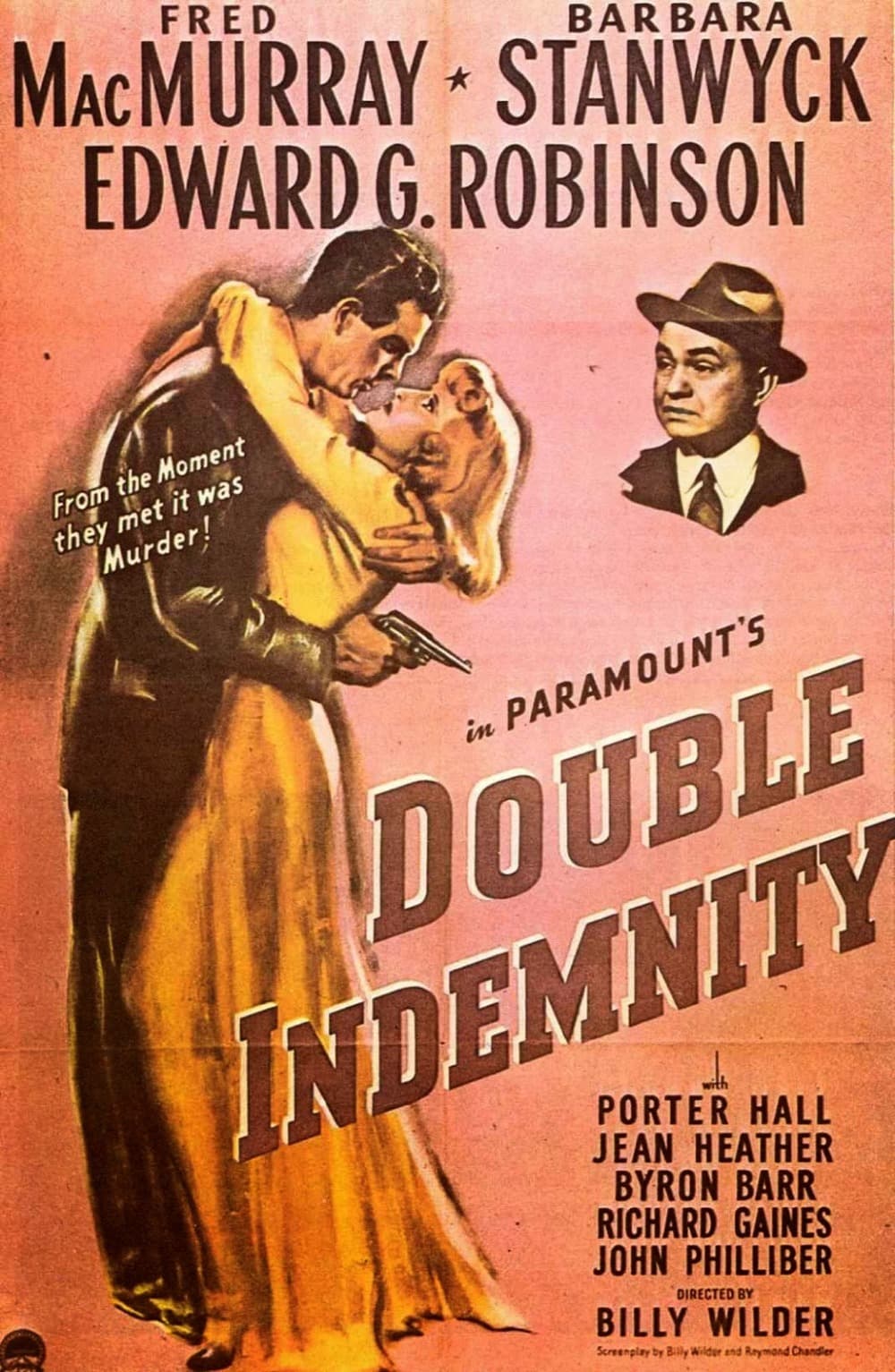
Film noir gets its blueprint here: Wilder and Chandler wrote dialogue nobody has matched for hardness, and set the pattern of the doomed man telling his own story.
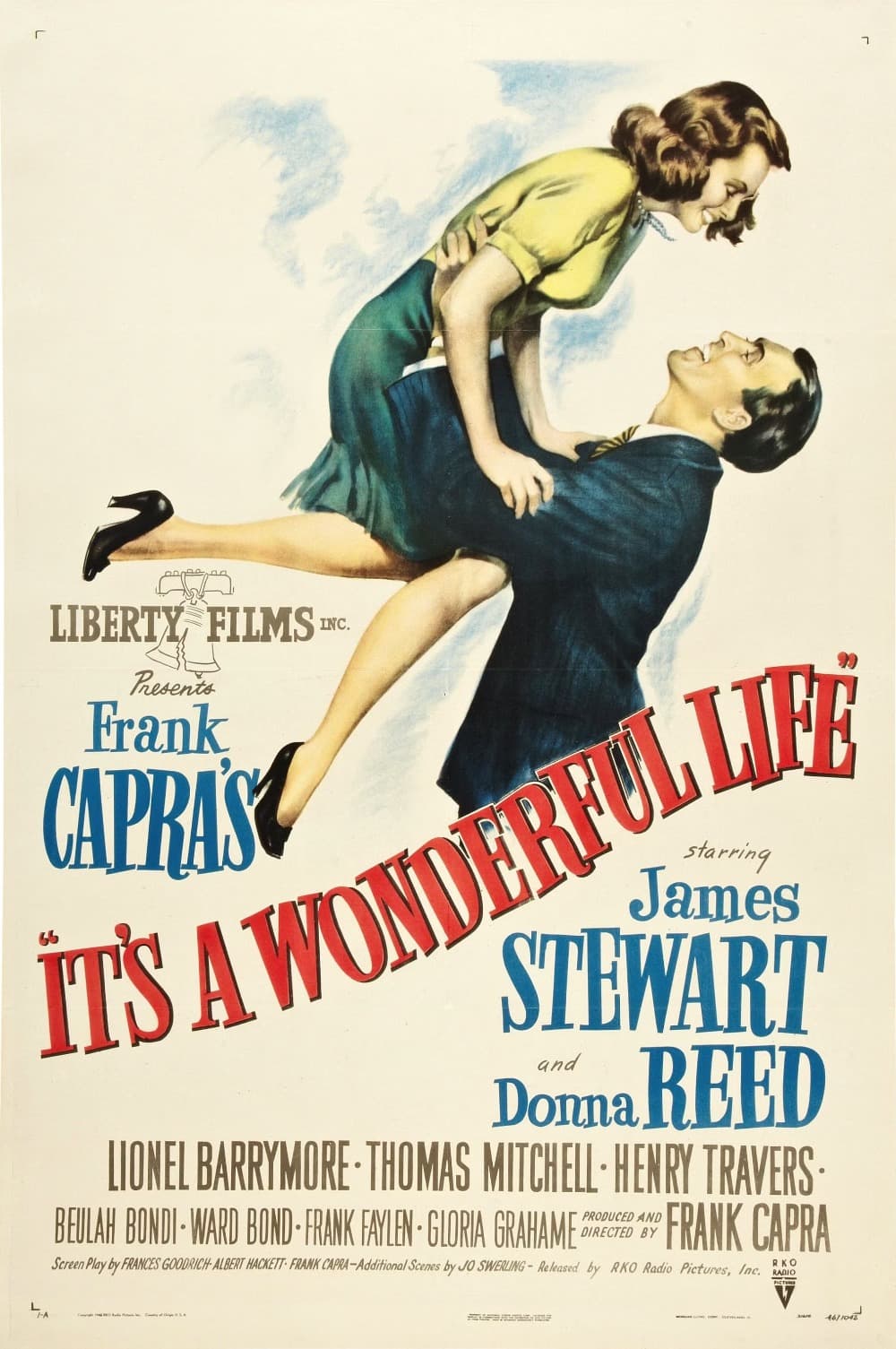
A commercial failure that decades of Christmas television turned into a national ritual: it is far darker than its reputation, and the ending earns every tear it gets.

Meursault buries his mother without crying, takes a lover, and shoots a man on a hot Algiers beach. At his trial the tears he never shed matter more than the killing.
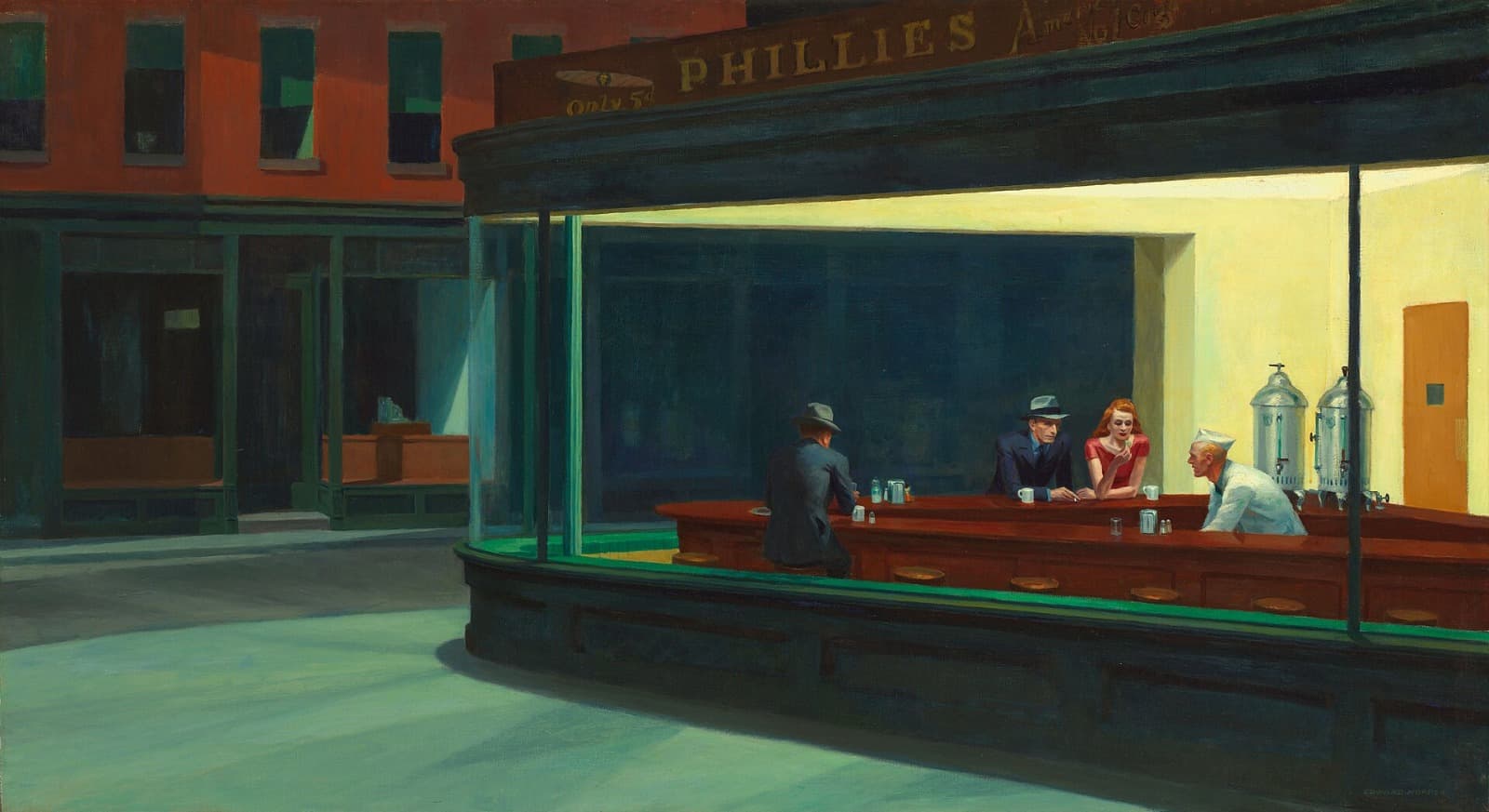
Four people sit under fluorescent light behind a curved sheet of glass, and Hopper gave the diner no door in or out.
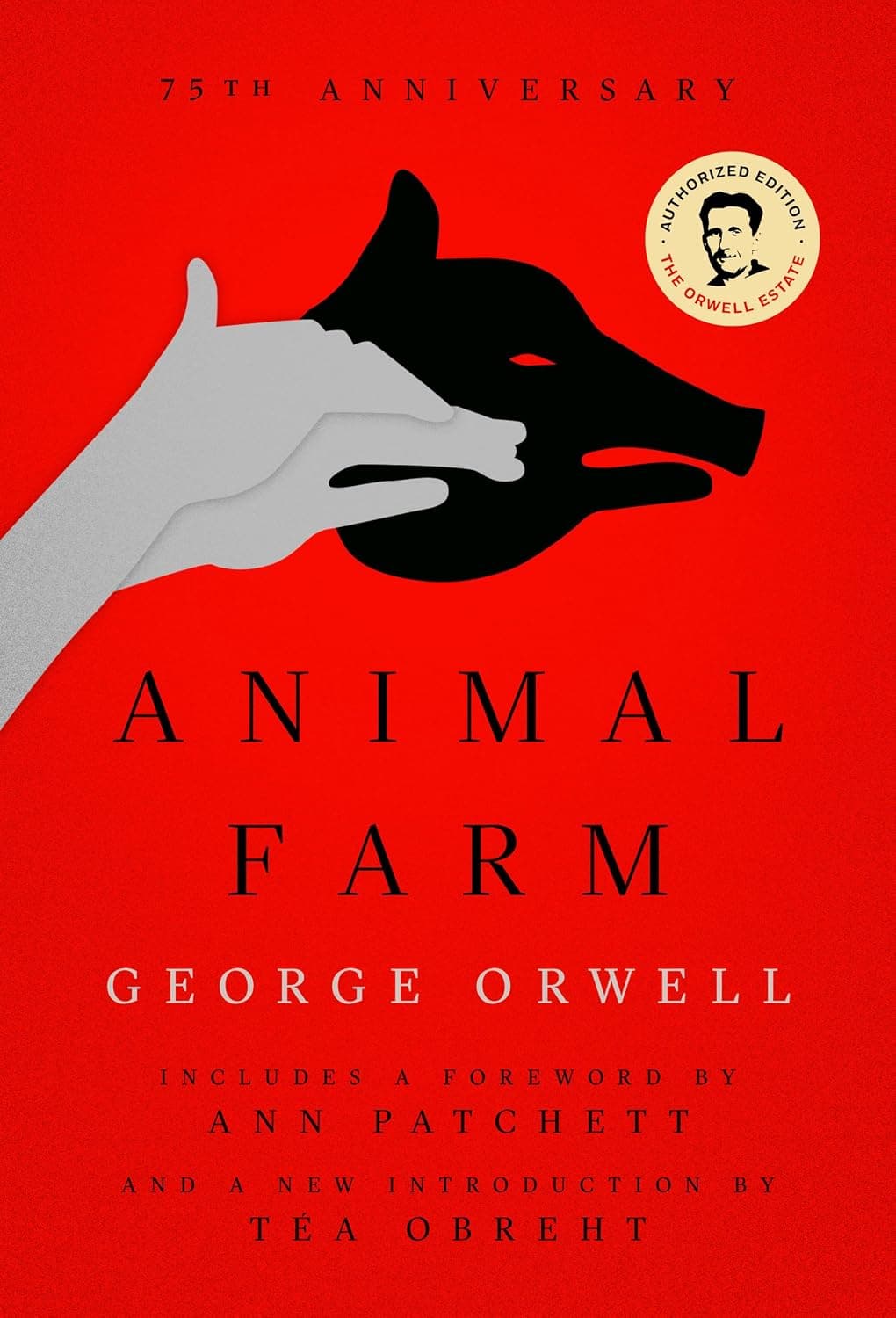
The animals drive out the farmer and run the place themselves, until the rules painted on the barn wall start changing. Orwell reduced the Russian Revolution to a fable no adult forgets.

One is not born a woman, Beauvoir argues, but becomes one. She works through biology, history, myth, marriage, and old age to prove it, and modern feminism begins in these pages.

Willy Loman, a traveling salesman worn down to nothing, argues with his grown sons and with people who are not in the room. Audiences have recognized their own fathers in him since 1949.

Blanche DuBois arrives at her sister's New Orleans apartment with nothing left, and her brother-in-law Stanley sets about destroying what remains. No American play has staged desire and cruelty this nakedly.