
Browse by time · year
1949
Showing 71 works across all media from 1949
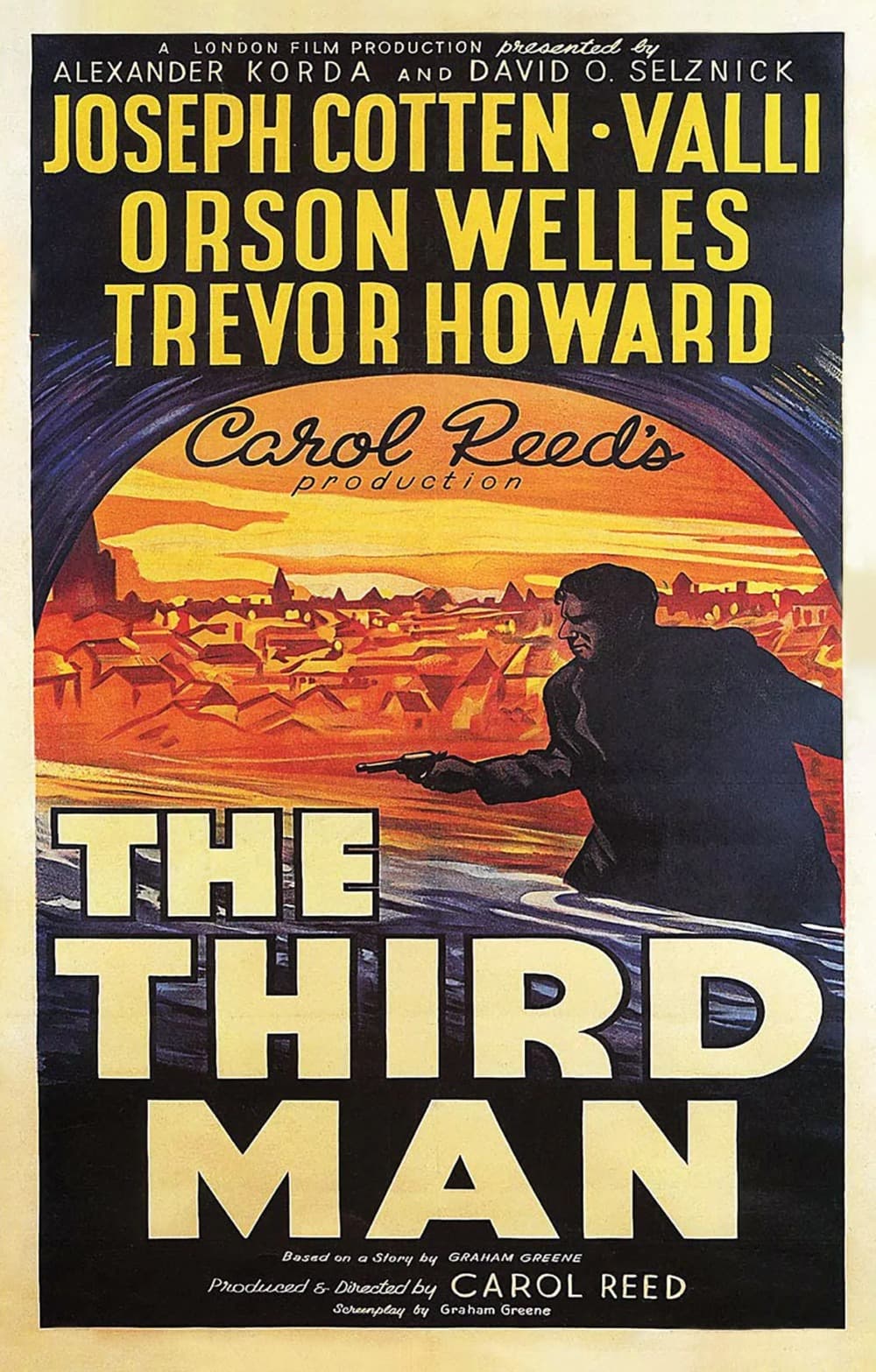
The Third Man
Directed by Carol Reed
1949
Britain has never made a better one, and nothing else sounds like it: a ruined postwar Vienna, and a zither score by a musician Reed first heard playing for the crew.
★ 9.3
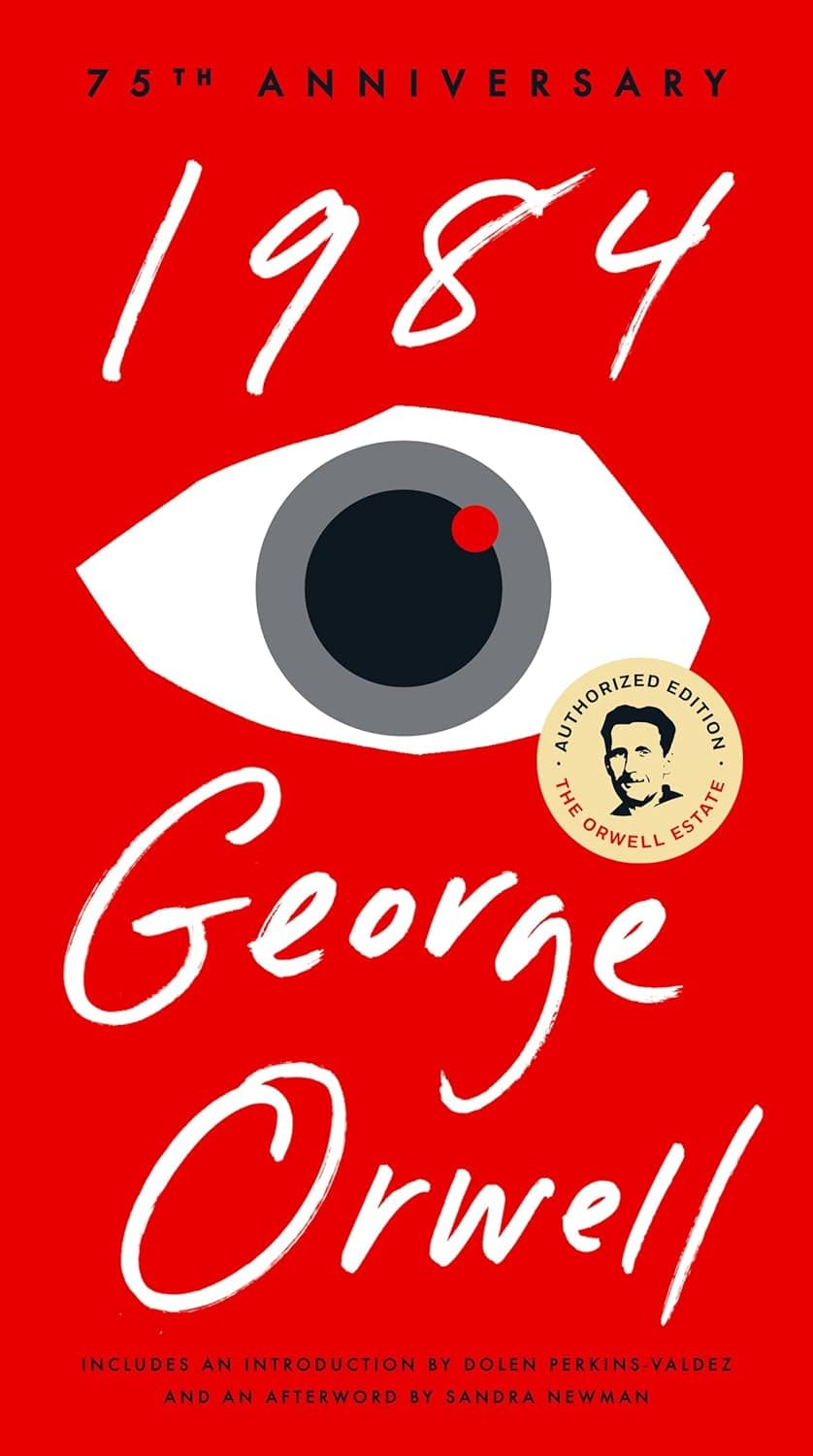
1984
1949 · 328 pages
Winston Smith rewrites old newspapers so history agrees with the Party, then risks a diary and a love affair. Orwell built the machinery so exactly that reading it feels like being watched.
★ 9.1

The Second Sex
1949 · 832 pages
One is not born a woman, Beauvoir argues, but becomes one. She works through biology, history, myth, marriage, and old age to prove it, and modern feminism begins in these pages.
★ 8.7

Death of a Salesman
1949 · 139 pages
Willy Loman, a traveling salesman worn down to nothing, argues with his grown sons and with people who are not in the room. Audiences have recognized their own fathers in him since 1949.
★ 8.7
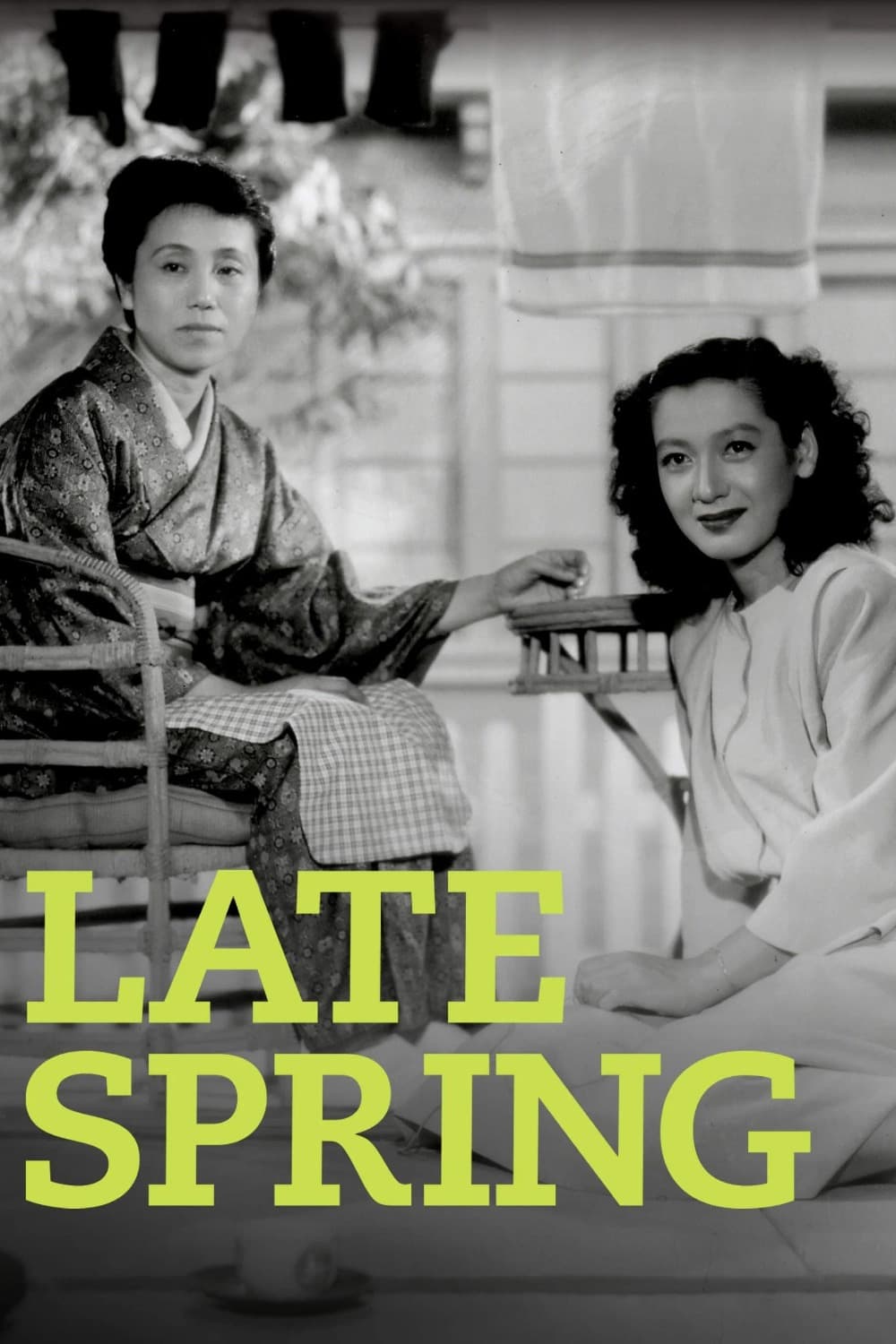
Late Spring
Directed by Yasujiro Ozu
1949
Ozu made the same film over and over and this is the most perfect version: a daughter who will not marry, a father who will not say what he wants, and one vase.
★ 8.6
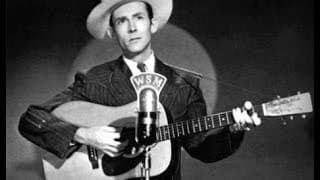
I'm So Lonesome I Could Cry
1949 · From 40 Greatest Hits
Issued as a B-side because jukeboxes wanted uptempo, with Jerry Byrd's steel guitar shadowing every line Williams sings.
★ 8.5
If you want a picture of the future, imagine a boot stamping on a human face—for ever.
Nineteen Eighty-Four · 1949

Violet, Black, Orange, Yellow on White and Red
1949 · Guggenheim, New York City
Soft-edged bands of color stacked one above another, hovering slightly off the surface. Rothko wanted you to stand close and stay a while.
★ 7.1
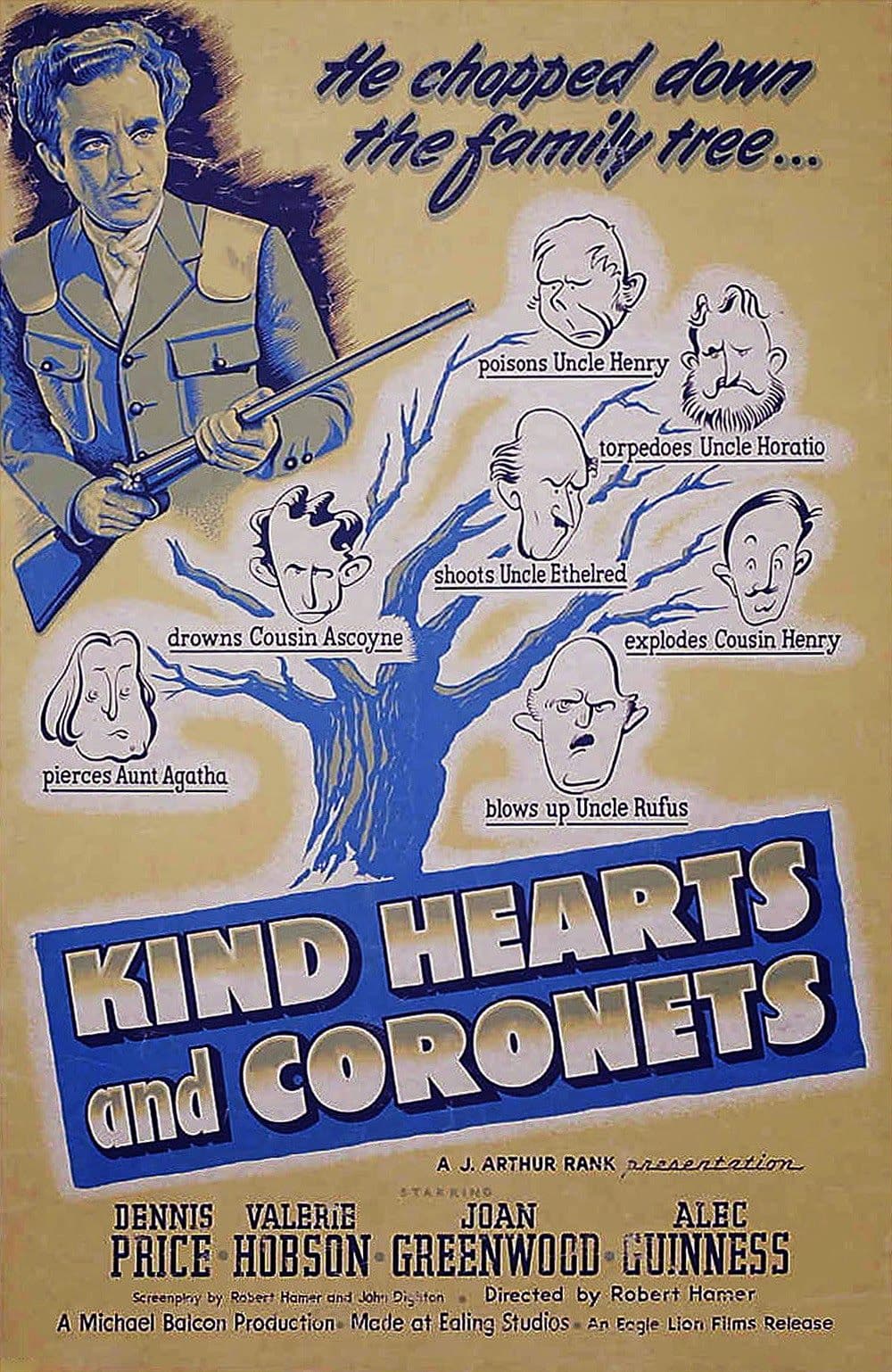
Kind Hearts and Coronets
Directed by Robert Hamer
1949 · United Kingdom
Alec Guinness plays eight members of the same family, including one of the women: the blackest comedy the British ever made, narrated in perfect drawing-room manners by a man counting off his relatives.
★ 6.8
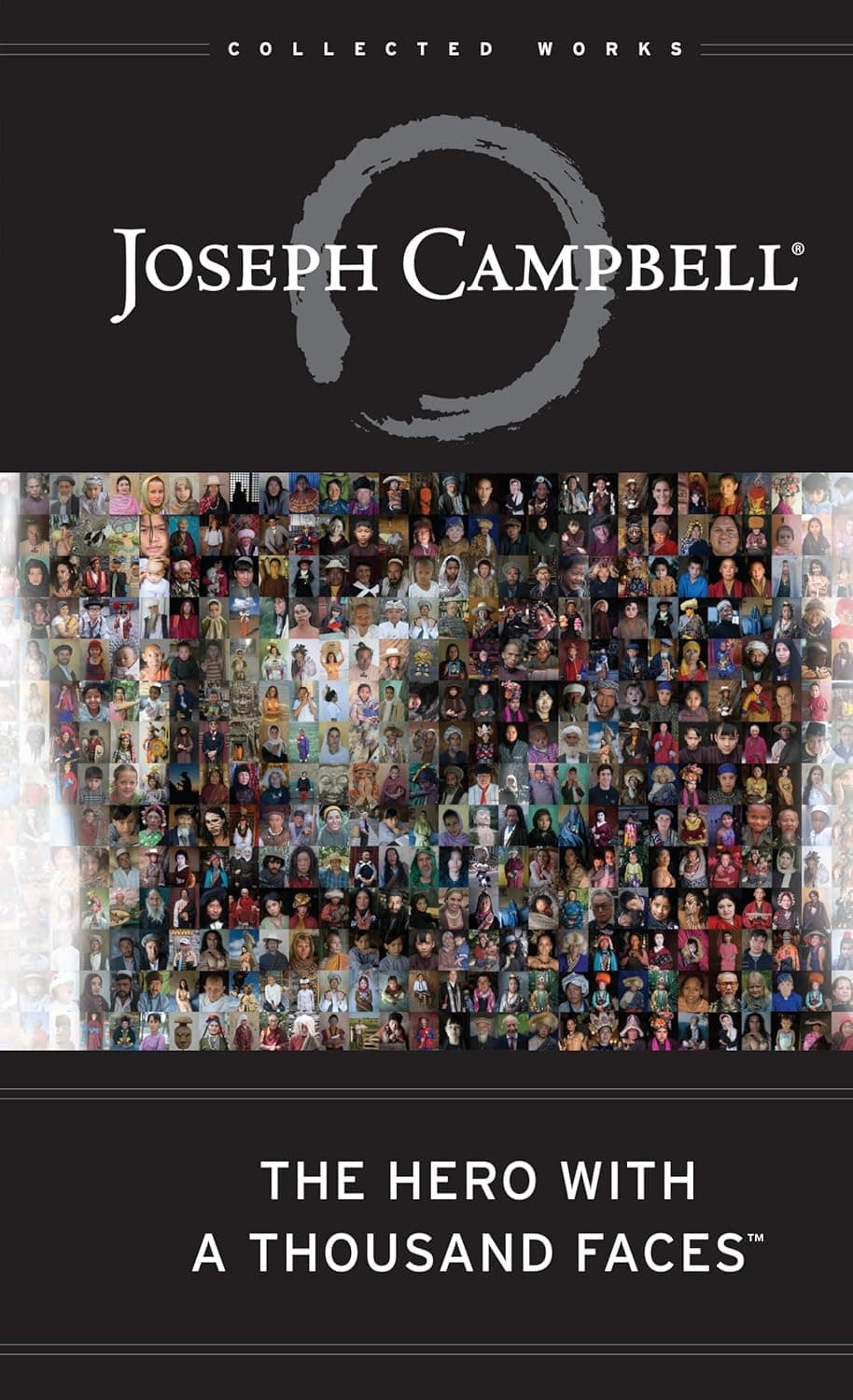
The Hero with a Thousand Faces
1949 · 432 pages
Campbell read the world's myths and found one story under them: a hero leaves home, survives an ordeal, returns changed. Hollywood took the pattern wholesale, from Star Wars to Disney's animated features.
★ 6.5
The Fat Man
1949
Cosimo Matassa's J&M studio, December 1949: Earl Palmer's backbeat, Domino's wordless wah-wah, and a million copies sold.
★ 6.5

The Historian's Craft
1949 · 197 pages
Bloch's son asked what the use of history was. He answered from hiding: history is the science of men in time, and evidence speaks only when questioned. The Gestapo shot him in 1944.
★ 6.4

The Kingdom of This World
1949 · 136 pages
Carpentier's preface named the marvelous real: Latin American history already outruns anything the surrealists could invent. He proves it across the Haitian Revolution, watched from below by an enslaved man named Ti Noel.
★ 6.2

A Sand County Almanac
1949 · 240 pages
Leopold shot a wolf and watched the green fire go out of her eyes. Land is a community we belong to, he concluded, and his land ethic became American environmentalism's creed.
★ 6.1
Human Action
1949 · 912 pages
Every economic law follows from one fact, Mises argues: people act to relieve uneasiness. Planners without market prices are blind, and three generations of the libertarian right have drawn their economics from him.
★ 5.8
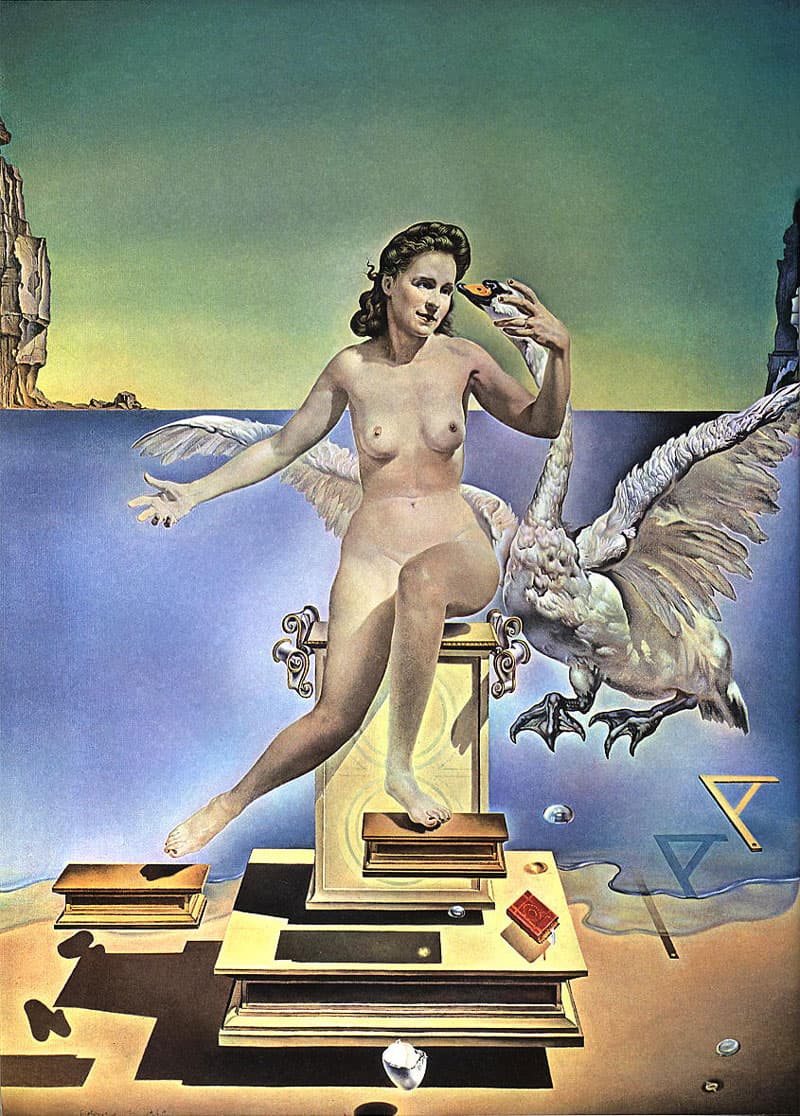
Leda Atomica
1949 · Teatro-Museo Dali, Figueres
Nothing in the picture touches anything else. Dalí built it on the physics of the atom, where matter is mostly empty space.
★ 5.6