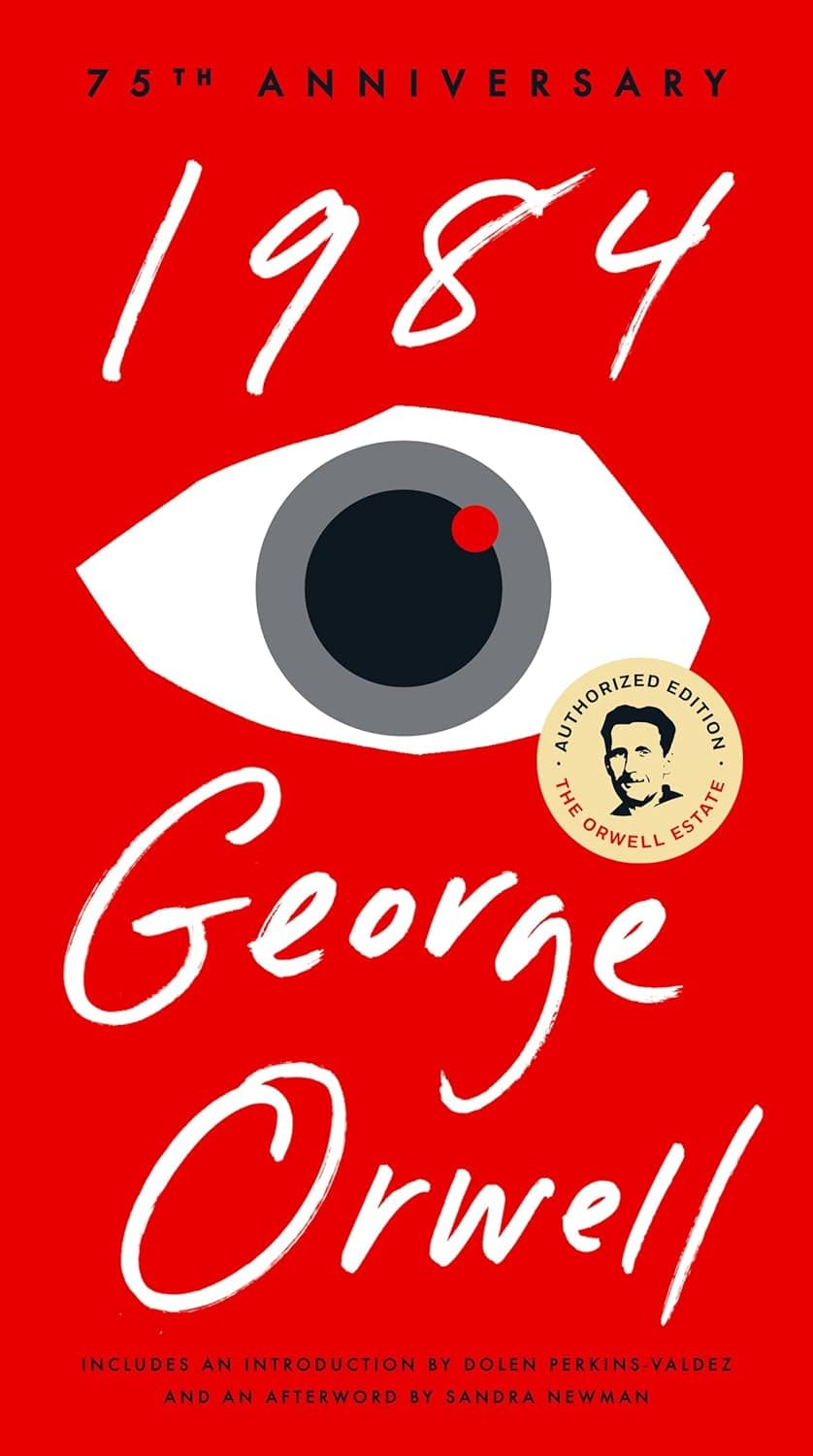
1984
1949 · 328 pages
Winston Smith rewrites old newspapers so history agrees with the Party, then risks a diary and a love affair. Orwell built the machinery so exactly that reading it feels like being watched.
★ 9.1
 skopia
Winston Smith rewrites old newspapers so history agrees with the Party, then risks a diary and a love affair. Orwell built the machinery so exactly that reading it feels like being watched.

One is not born a woman, Beauvoir argues, but becomes one. She works through biology, history, myth, marriage, and old age to prove it, and modern feminism begins in these pages.

Willy Loman, a traveling salesman worn down to nothing, argues with his grown sons and with people who are not in the room. Audiences have recognized their own fathers in him since 1949.
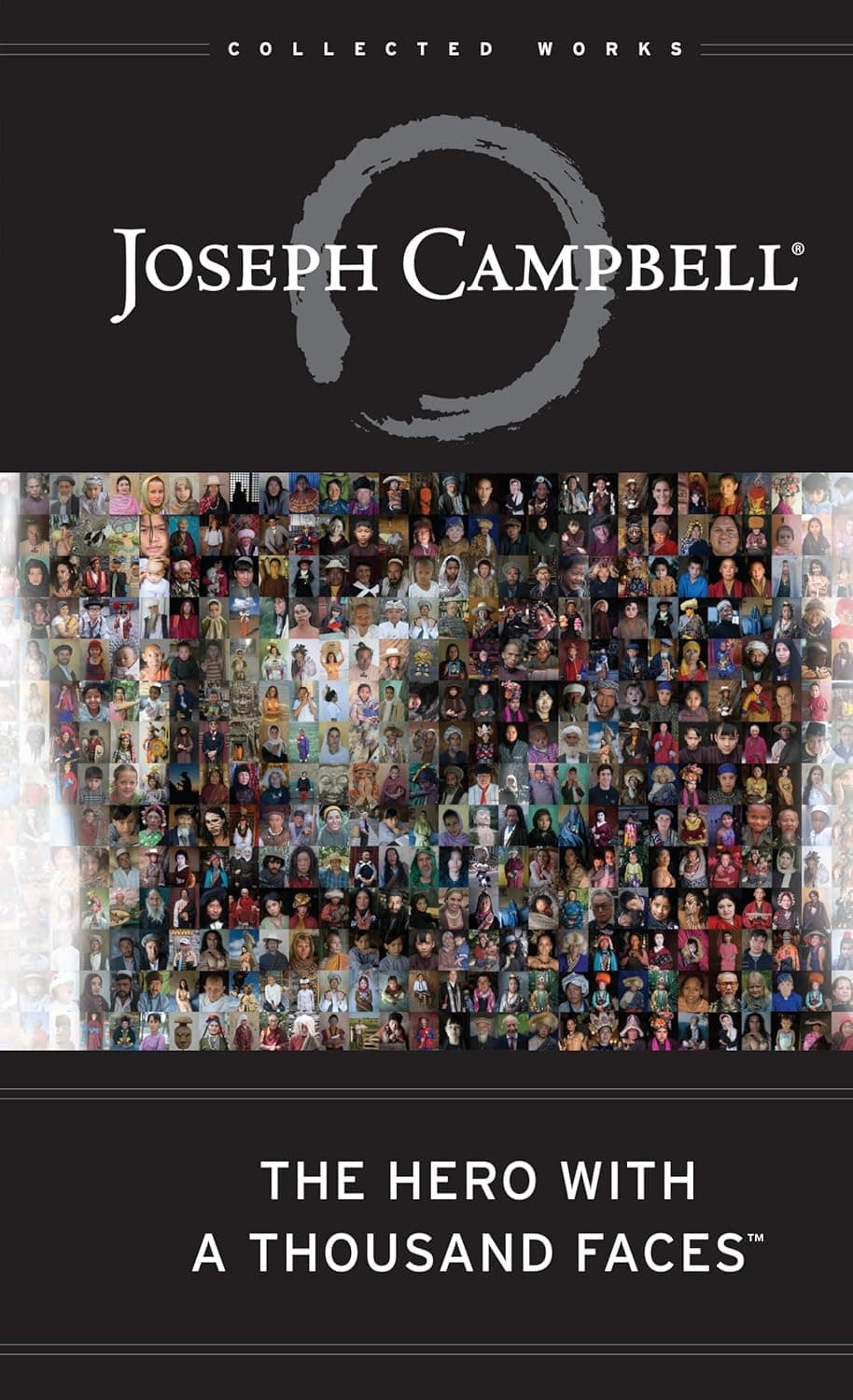
Campbell read the world's myths and found one story under them: a hero leaves home, survives an ordeal, returns changed. Hollywood took the pattern wholesale, from Star Wars to Disney's animated features.

Bloch's son asked what the use of history was. He answered from hiding: history is the science of men in time, and evidence speaks only when questioned. The Gestapo shot him in 1944.

Carpentier's preface named the marvelous real: Latin American history already outruns anything the surrealists could invent. He proves it across the Haitian Revolution, watched from below by an enslaved man named Ti Noel.

Leopold shot a wolf and watched the green fire go out of her eyes. Land is a community we belong to, he concluded, and his land ethic became American environmentalism's creed.
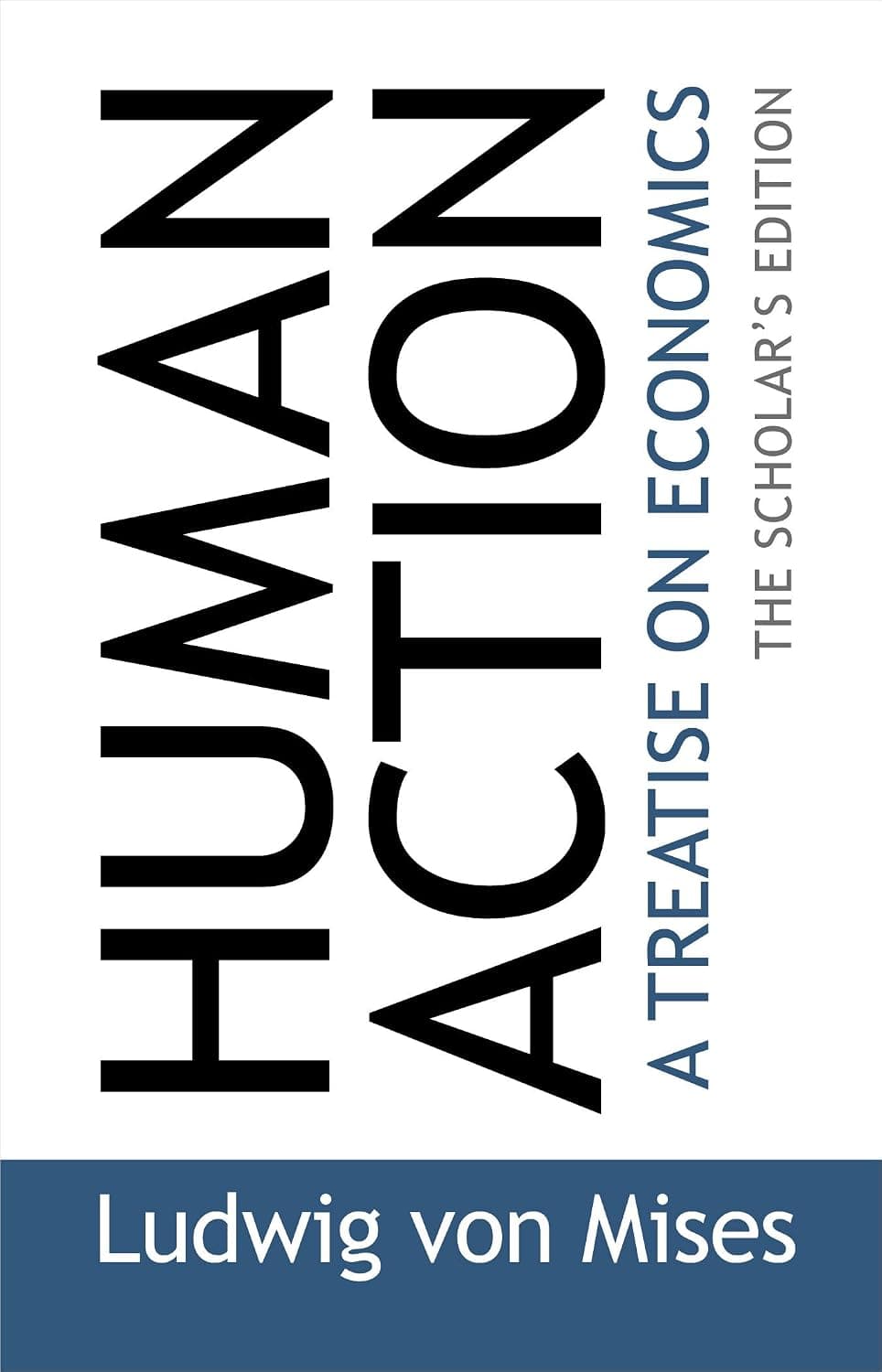
Every economic law follows from one fact, Mises argues: people act to relieve uneasiness. Planners without market prices are blind, and three generations of the libertarian right have drawn their economics from him.