Let Us Now Praise Famous Men
Sent to Alabama in 1936 to report on cotton tenancy, Agee returned with an act of devotion: three sharecropping families recorded down to the nails in their shoes, alongside Walker Evans's photographs.

Sent to Alabama in 1936 to report on cotton tenancy, Agee returned with an act of devotion: three sharecropping families recorded down to the nails in their shoes, alongside Walker Evans's photographs.

Tagore wrote the songs that became the national anthems of India and Bangladesh. His Bengali lyrics address God as a lover who is late, plainly and without a trace of religious machinery.

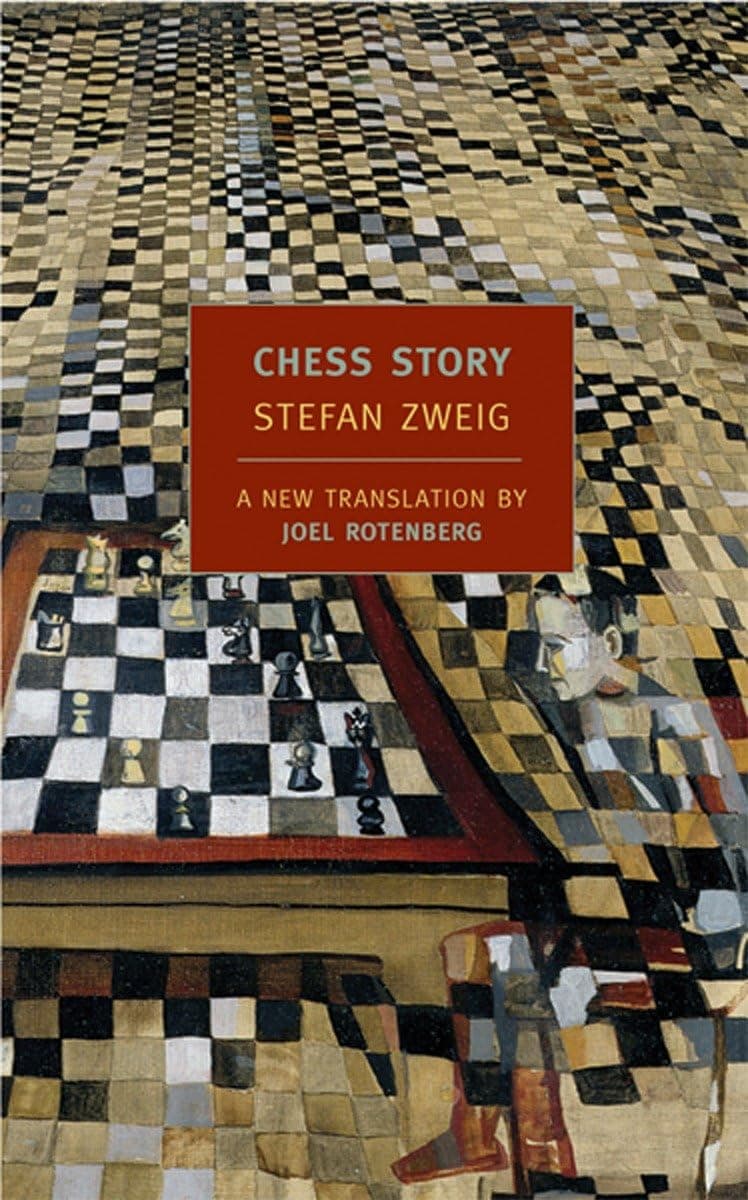
Aboard a liner to Buenos Aires, the world chess champion meets a stranger who learned the game in Gestapo isolation from one stolen book. Zweig makes chess an instrument of torture.

Rebecca West traveled through Yugoslavia in 1937 and wrote eleven hundred pages. A lamb bled on a Macedonian rock and a Serbian poem of chosen defeat become her account of Europe's death wish.

Capitalism is not dying into socialism, Burnham argues, but into rule by the managers who actually run production, in Berlin, Moscow and Washington alike. Orwell took Nineteen Eighty-Four's three superstates straight from him.

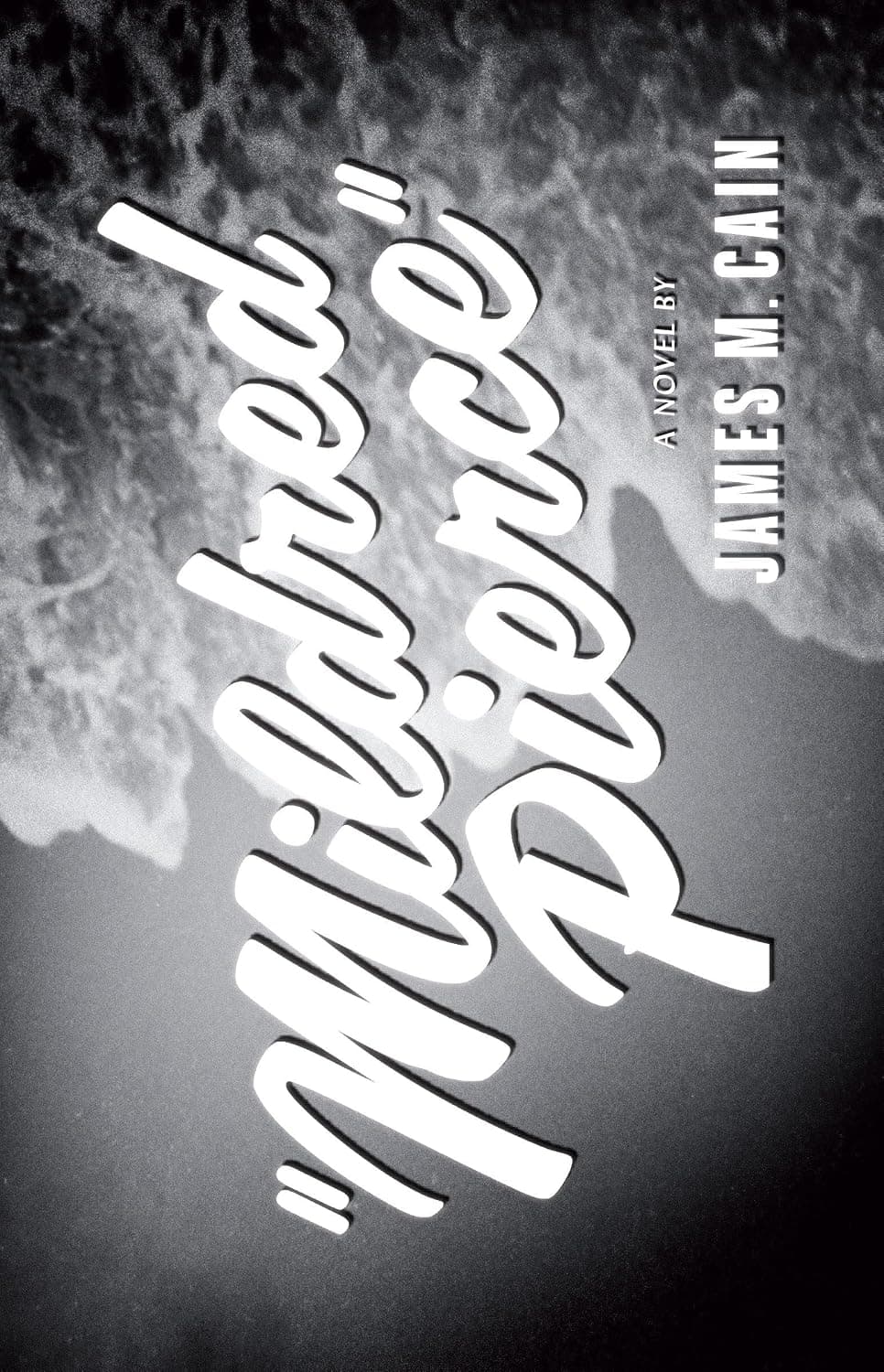
Abandoned in Depression-era Glendale, Mildred bakes pies and builds a restaurant chain, spending every dollar on the gifted, glacial daughter who despises her for working. Cain needs no corpse to write noir.