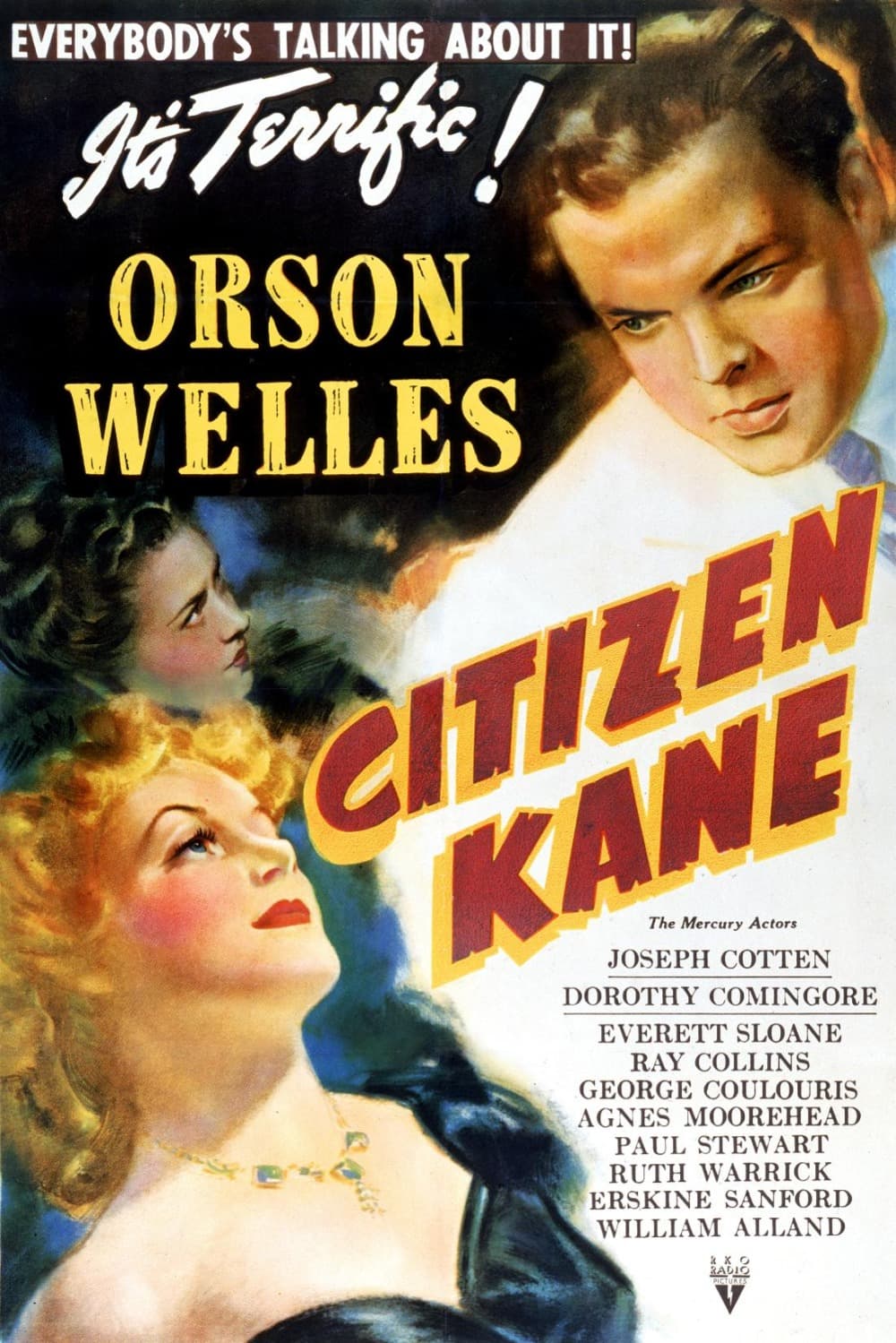
Citizen Kane
Directed by Orson Welles
1941
Welles was twenty-five and had never directed a feature before: he built a portrait of a man whose whole life nobody around him can add up, and changed everything.
★ 9.9
 skopia
Welles was twenty-five and had never directed a feature before: he built a portrait of a man whose whole life nobody around him can add up, and changed everything.
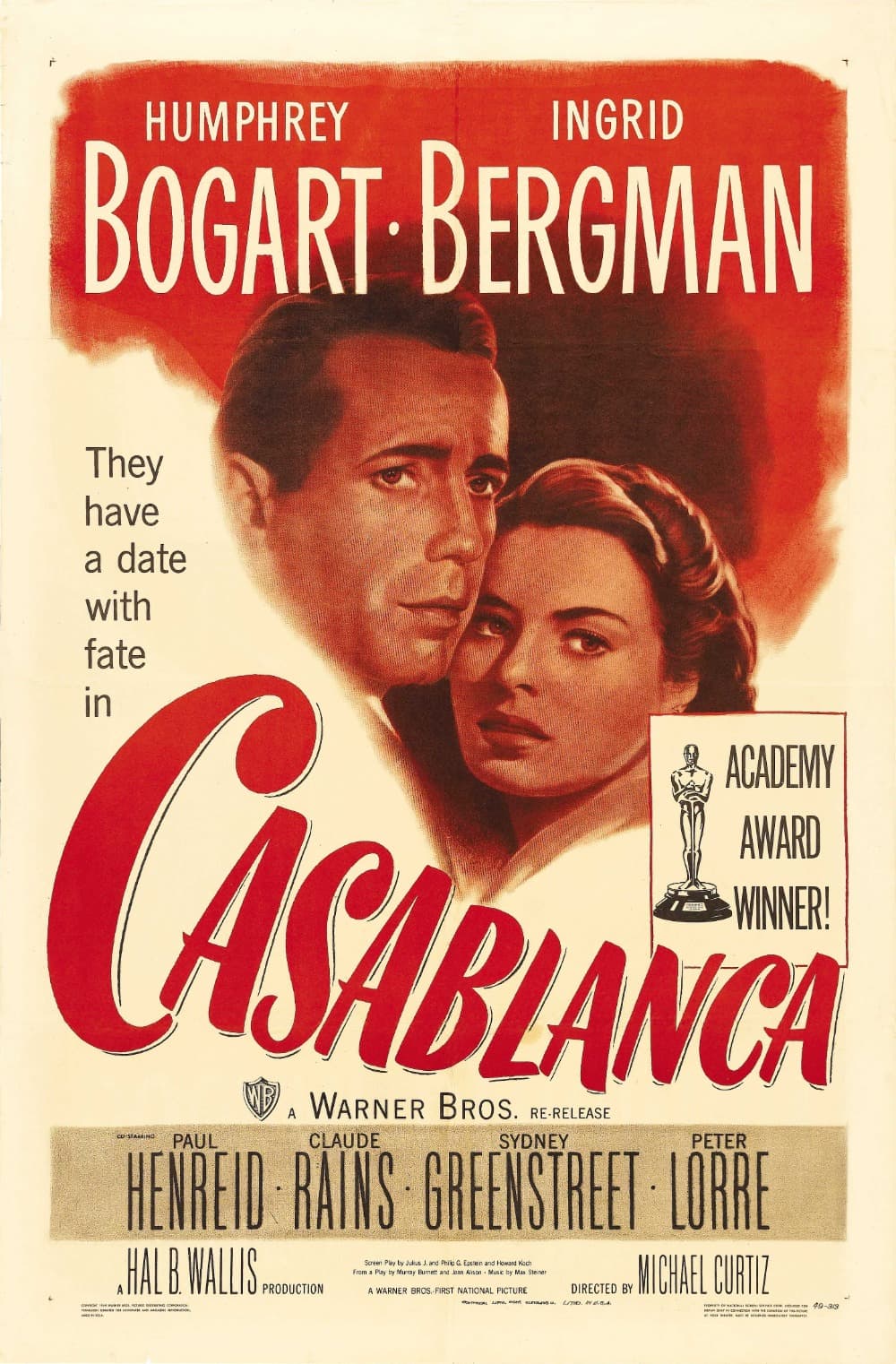
Proof that a studio picture thrown together in a hurry can outlive everything around it: eighty years on, the lines are still in the language and the romance still lands.
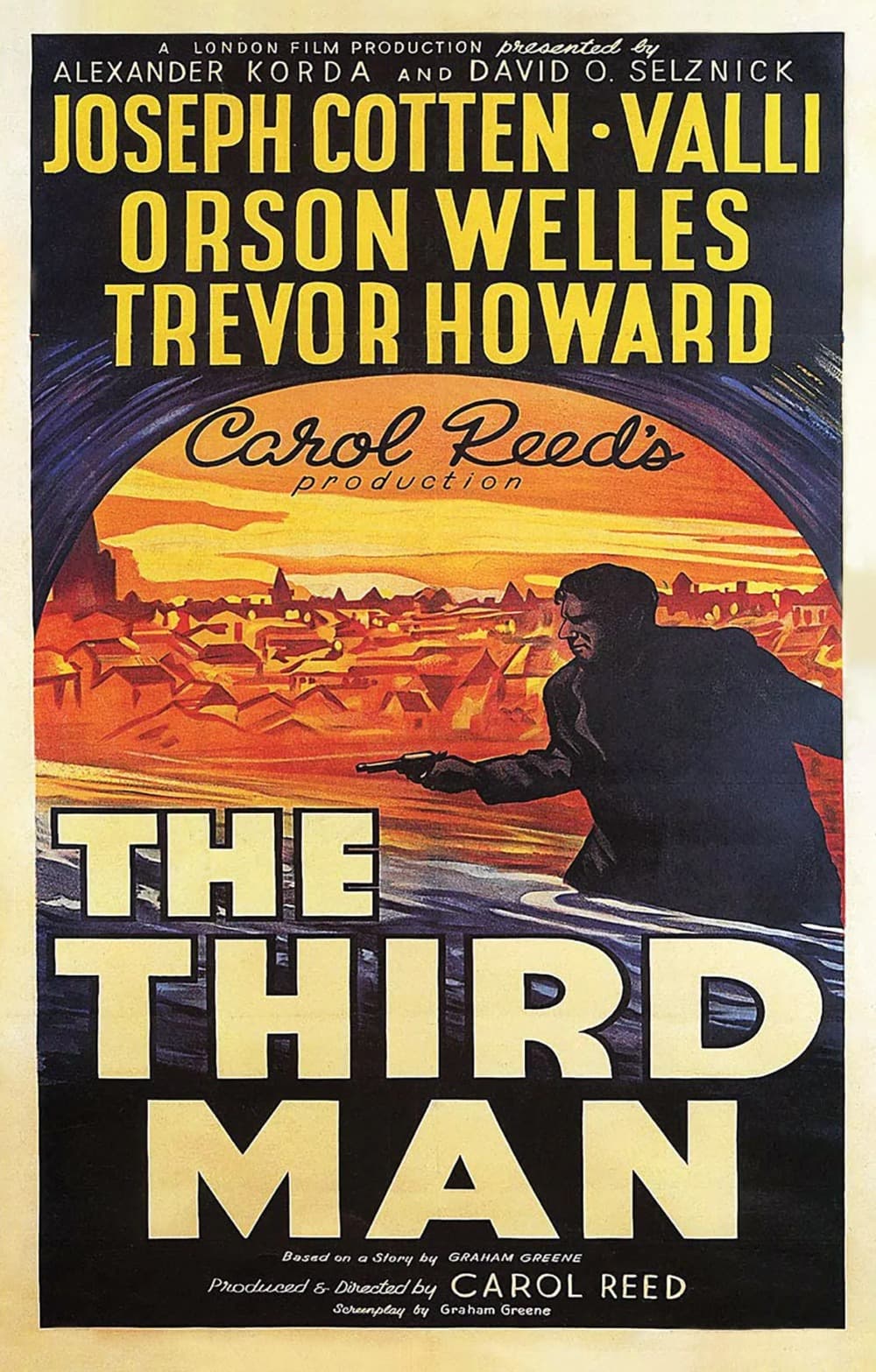
Britain has never made a better one, and nothing else sounds like it: a ruined postwar Vienna, and a zither score by a musician Reed first heard playing for the crew.
Berlin's snowless Christmas song, the best-selling physical single ever pressed, and the sound of every soldier's homesickness.
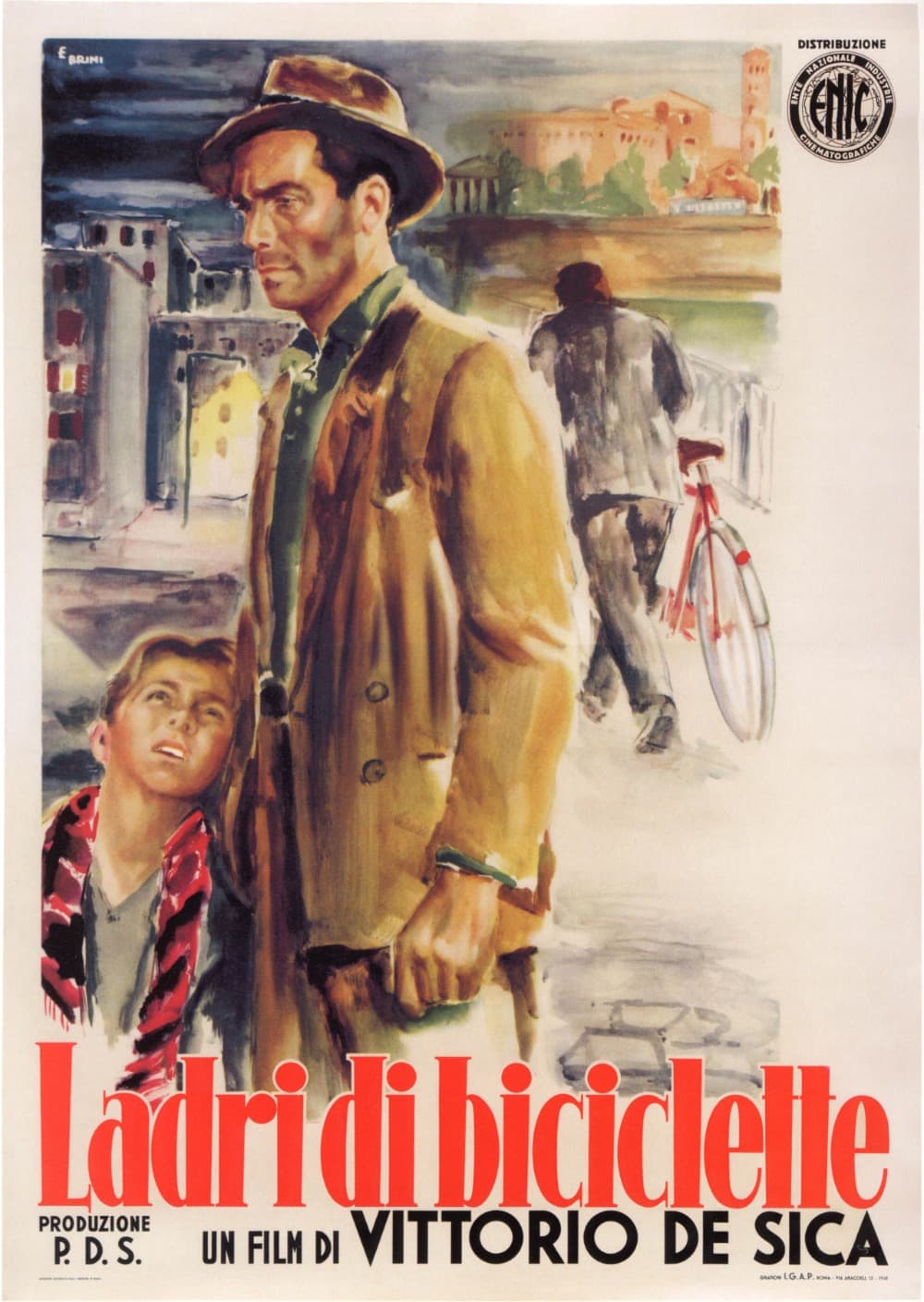
Italian neorealism starts with this, and it still guts people: De Sica cast a factory worker as his lead and found a whole society inside one stolen bicycle.
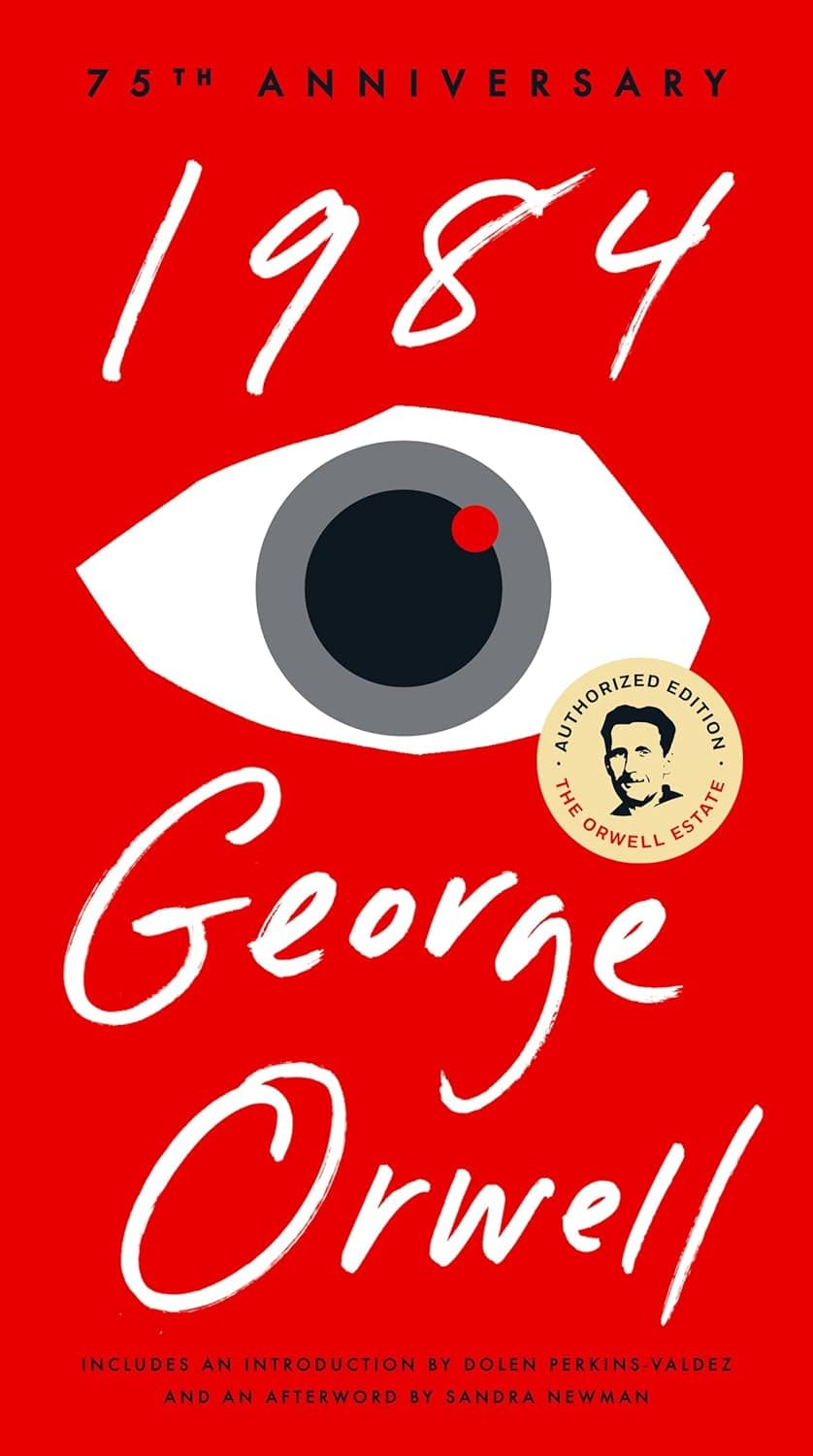
Winston Smith rewrites old newspapers so history agrees with the Party, then risks a diary and a love affair. Orwell built the machinery so exactly that reading it feels like being watched.
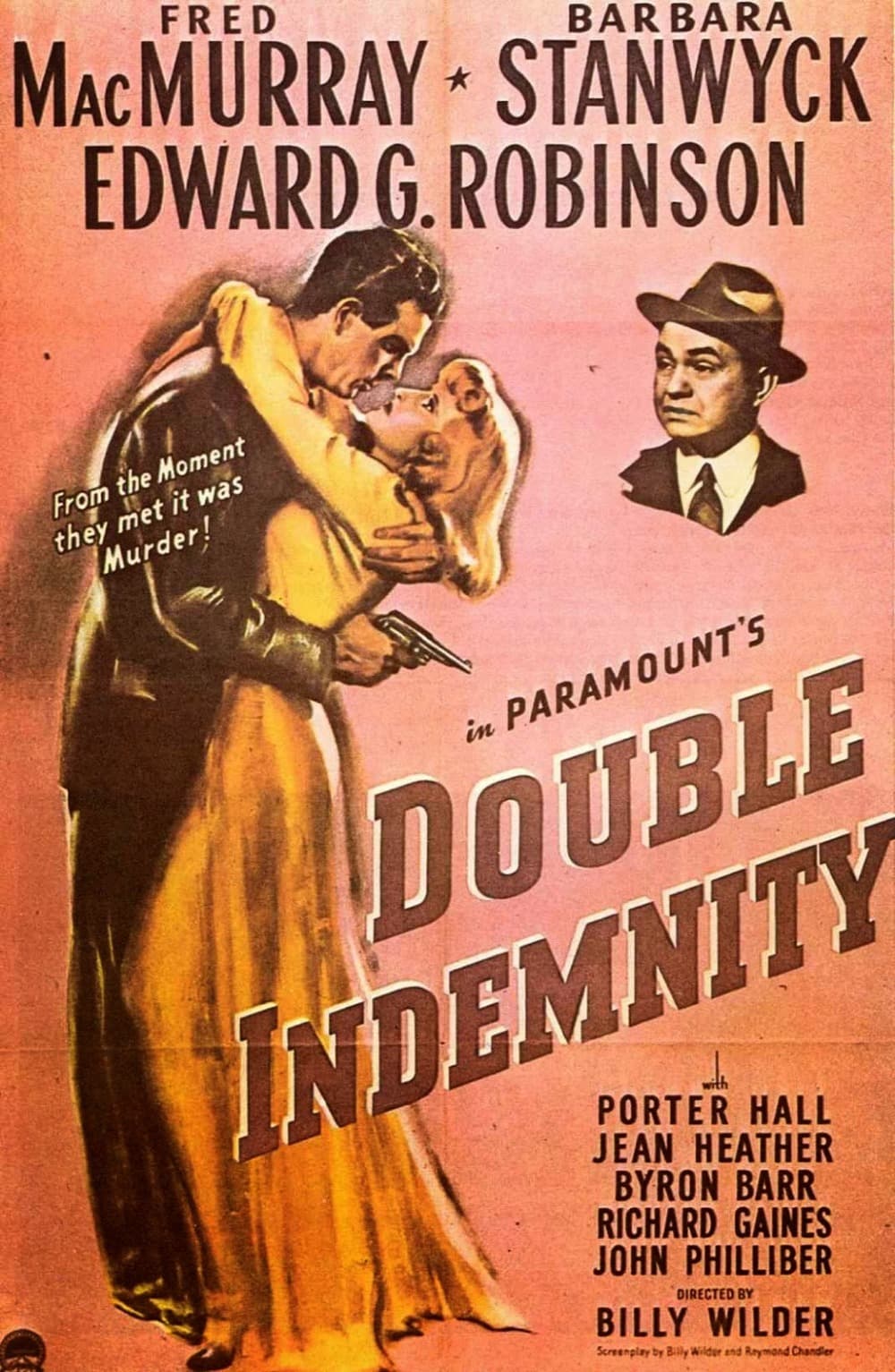
Film noir gets its blueprint here: Wilder and Chandler wrote dialogue nobody has matched for hardness, and set the pattern of the doomed man telling his own story.
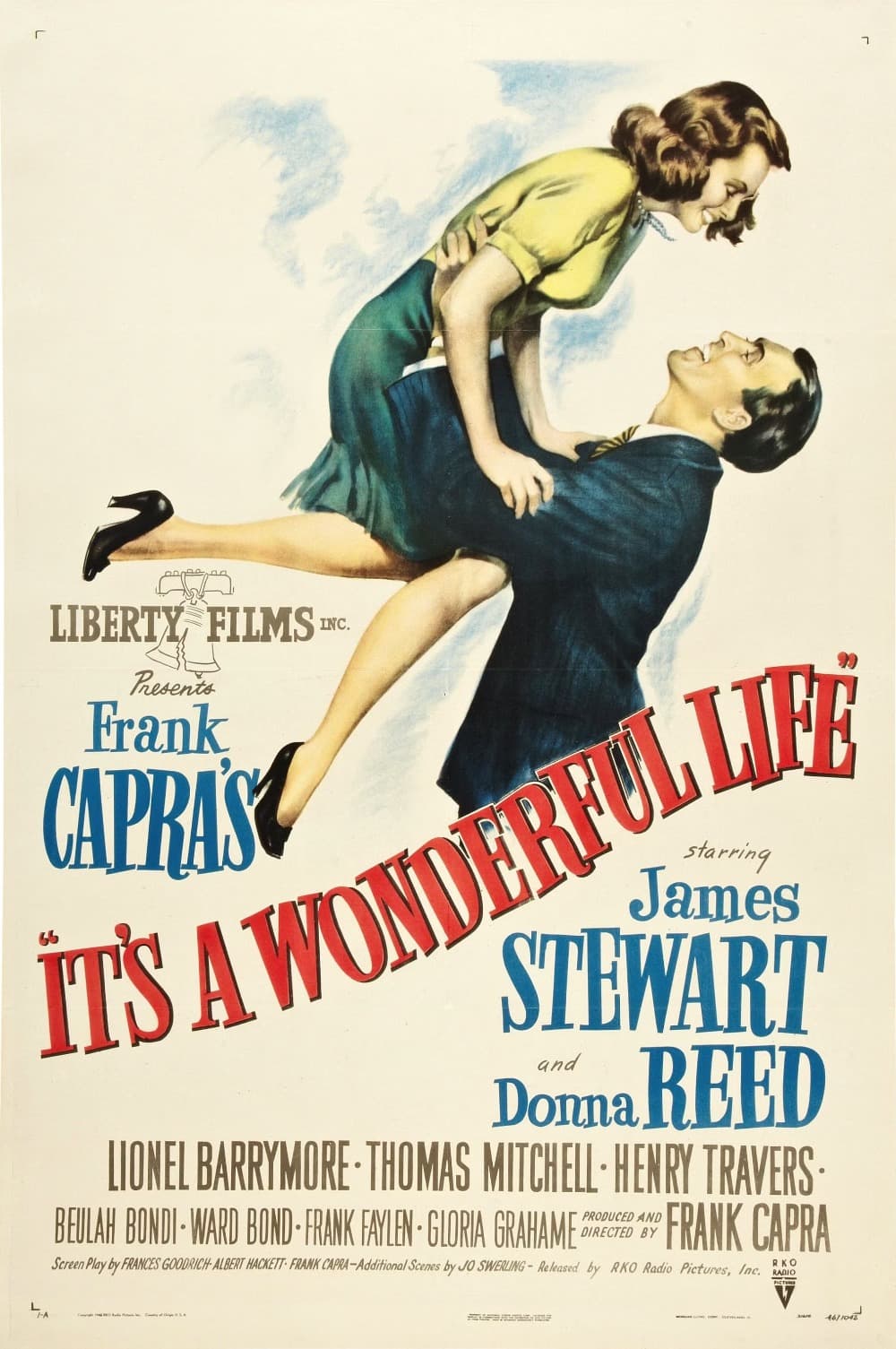
A commercial failure that decades of Christmas television turned into a national ritual: it is far darker than its reputation, and the ending earns every tear it gets.

Meursault buries his mother without crying, takes a lover, and shoots a man on a hot Algiers beach. At his trial the tears he never shed matter more than the killing.
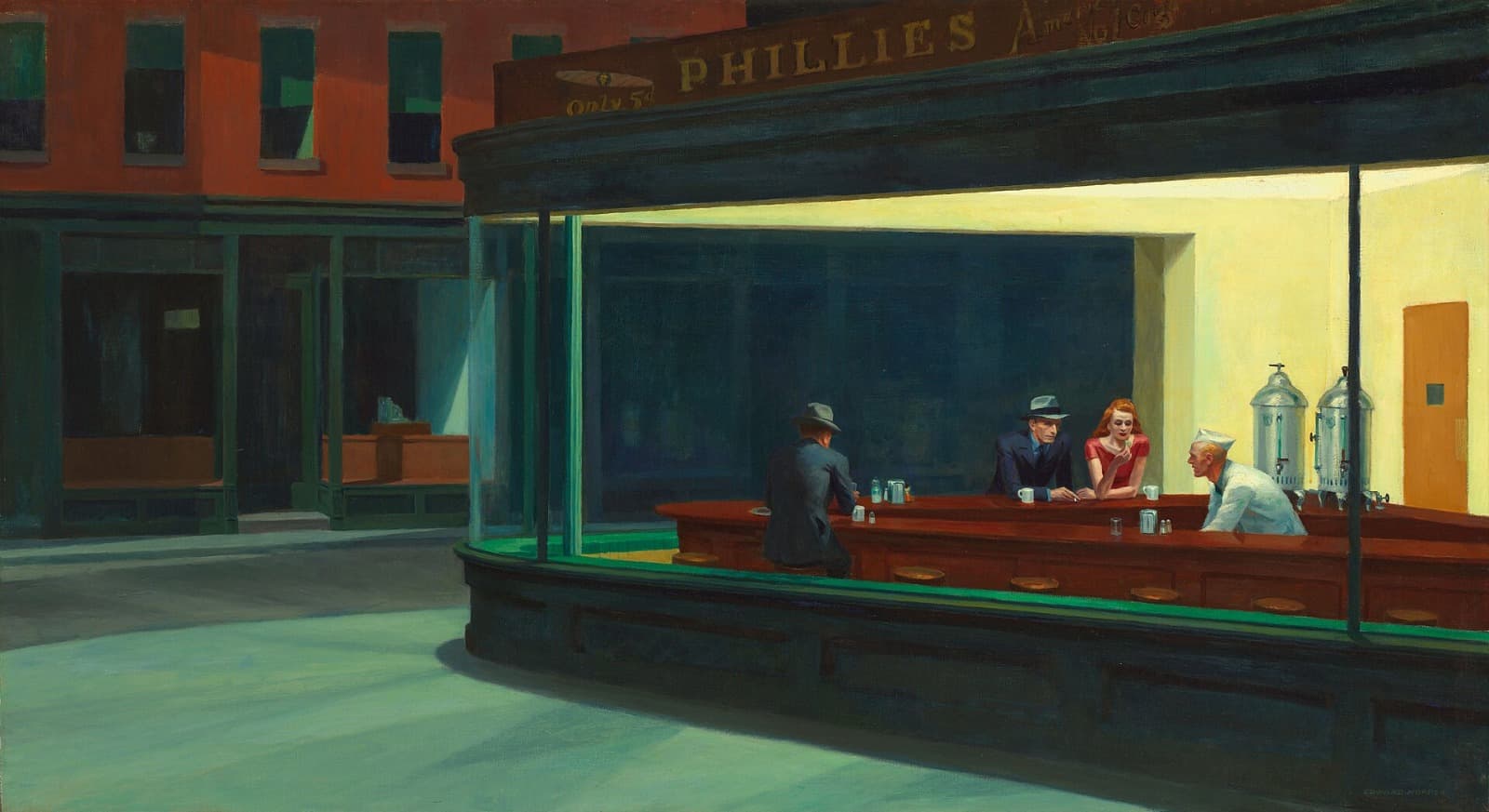
Four people sit under fluorescent light behind a curved sheet of glass, and Hopper gave the diner no door in or out.
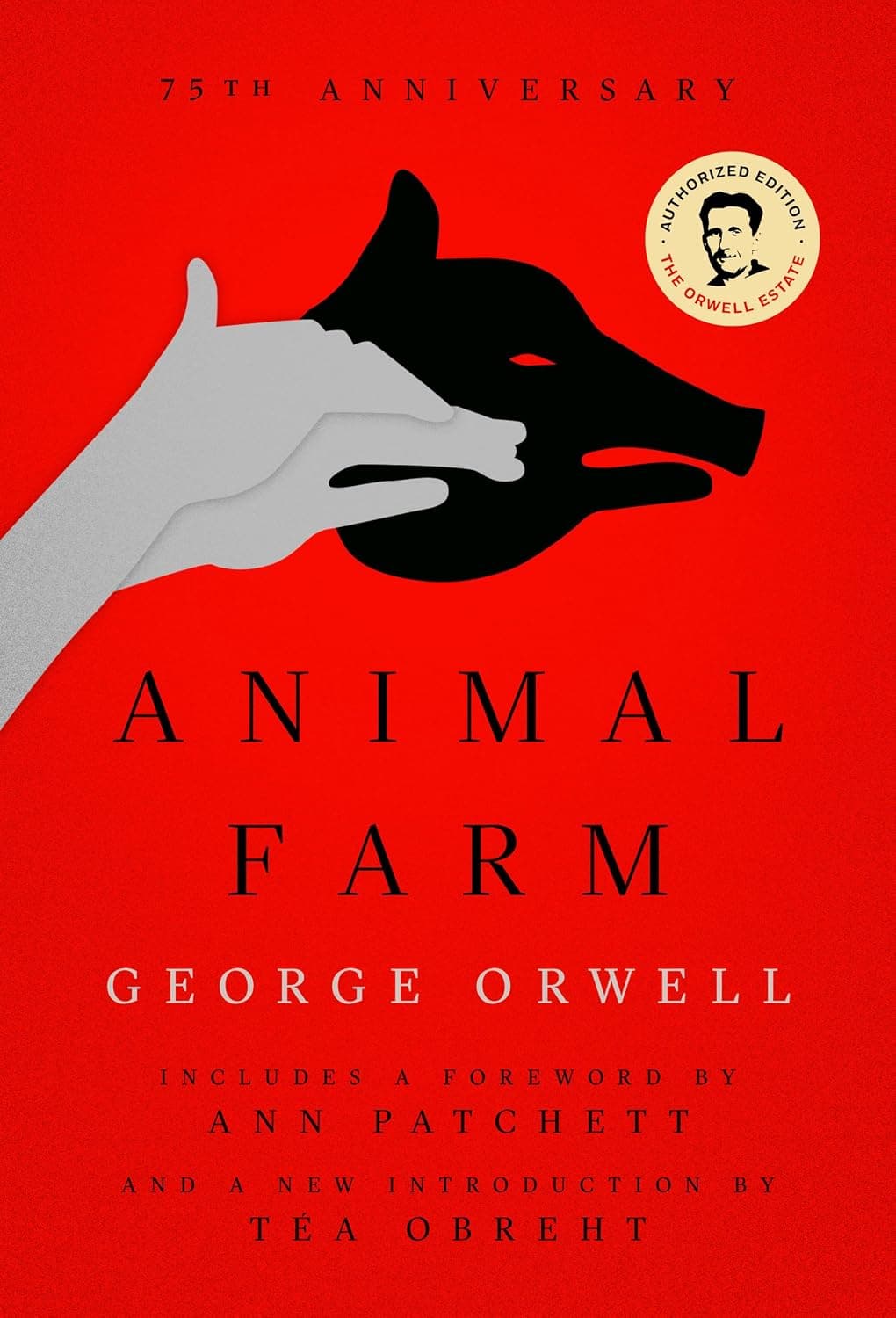
The animals drive out the farmer and run the place themselves, until the rules painted on the barn wall start changing. Orwell reduced the Russian Revolution to a fable no adult forgets.

One is not born a woman, Beauvoir argues, but becomes one. She works through biology, history, myth, marriage, and old age to prove it, and modern feminism begins in these pages.

Willy Loman, a traveling salesman worn down to nothing, argues with his grown sons and with people who are not in the room. Audiences have recognized their own fathers in him since 1949.

Blanche DuBois arrives at her sister's New Orleans apartment with nothing left, and her brother-in-law Stanley sets about destroying what remains. No American play has staged desire and cruelty this nakedly.
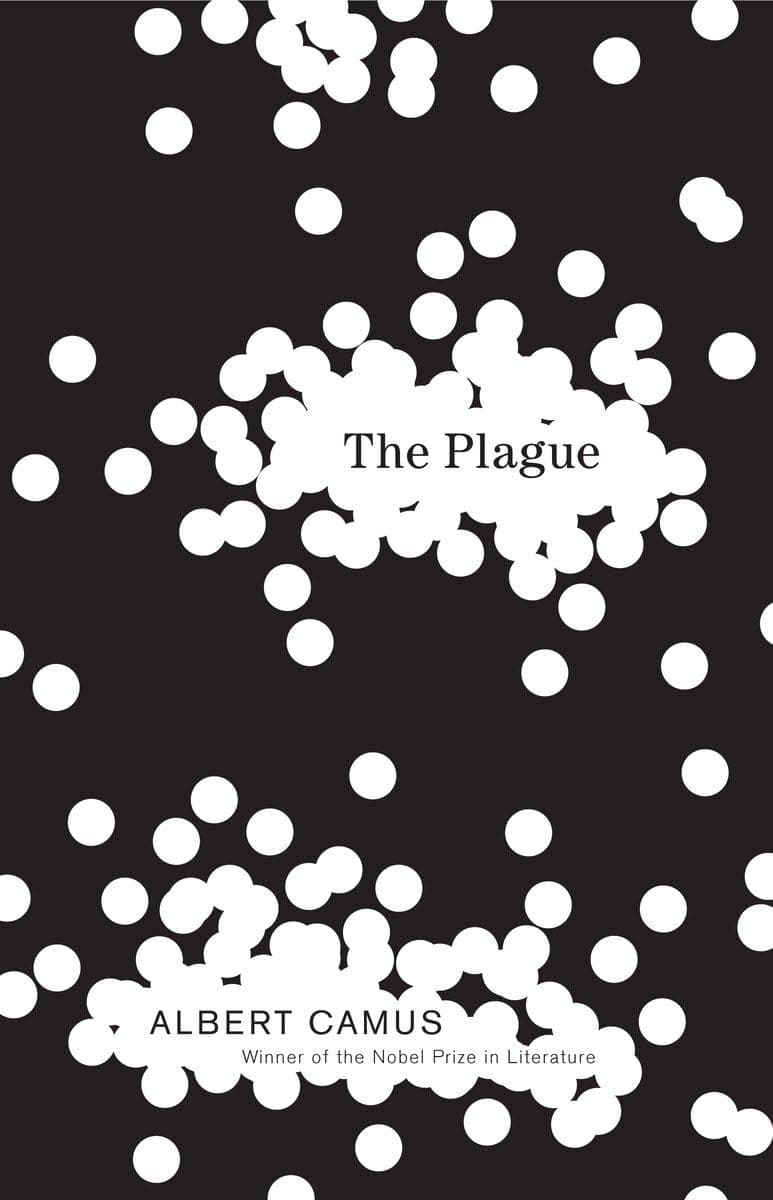
Rats die in the streets of an Algerian port, the gates shut, and a doctor named Rieux keeps working. Camus meant the German occupation, and every epidemic since has proved him right.

Levi was an Italian chemist deported to Auschwitz at twenty-four. He survived, then spent months making his way home across a ruined Europe, and reports all of it without raising his voice.

Two years in hiding behind an Amsterdam office, set down by a girl who wrote about her mother, her boredom, and who she meant to become. She was fifteen when they were found.

Crash-landed in the Sahara, a pilot meets a boy from a tiny planet who worries about his rose. Saint-Exupéry writes for children and lands hardest on adults who have stopped looking properly.
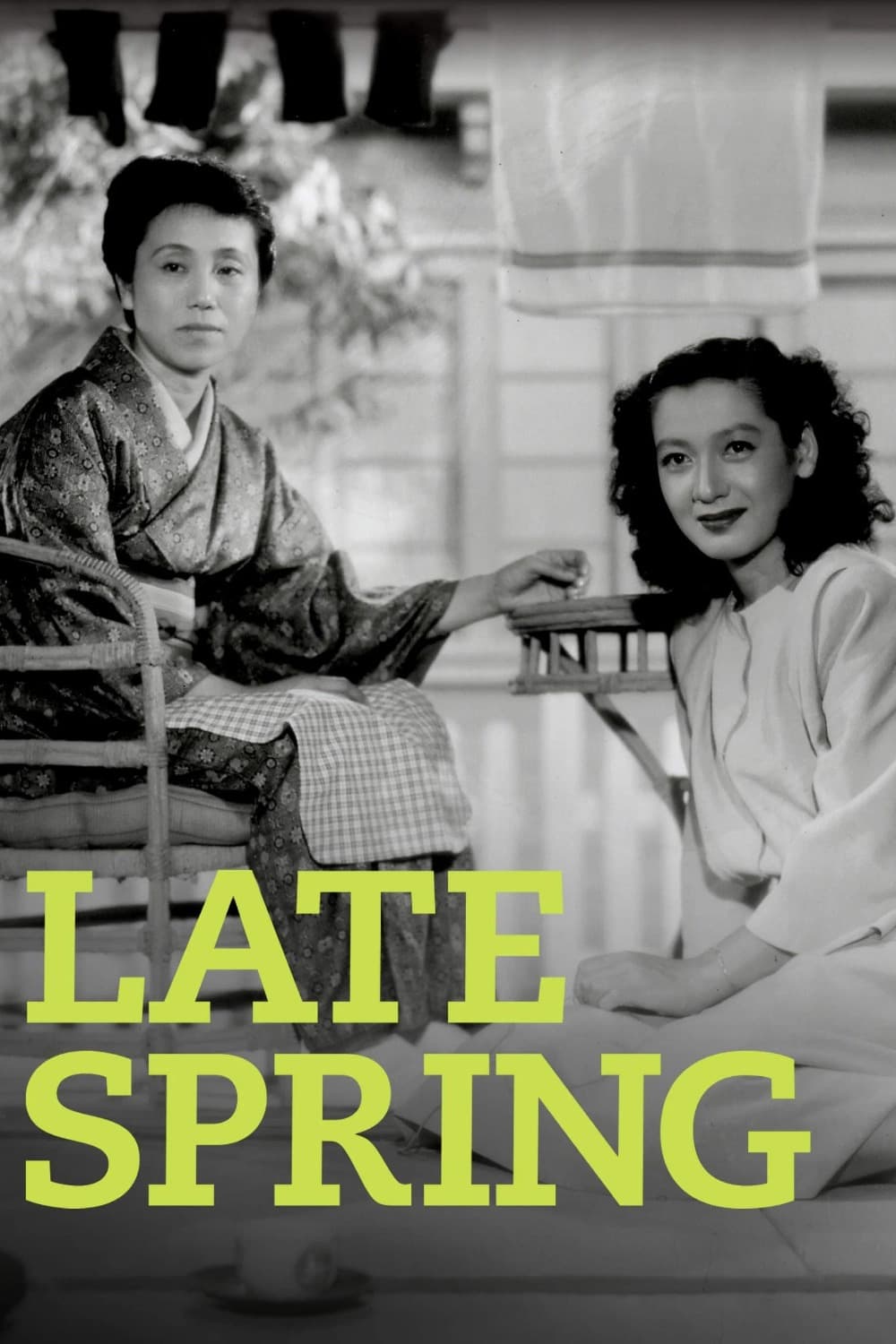
Ozu made the same film over and over and this is the most perfect version: a daughter who will not marry, a father who will not say what he wants, and one vase.
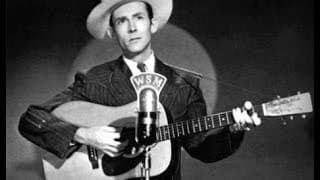
Issued as a B-side because jukeboxes wanted uptempo, with Jerry Byrd's steel guitar shadowing every line Williams sings.
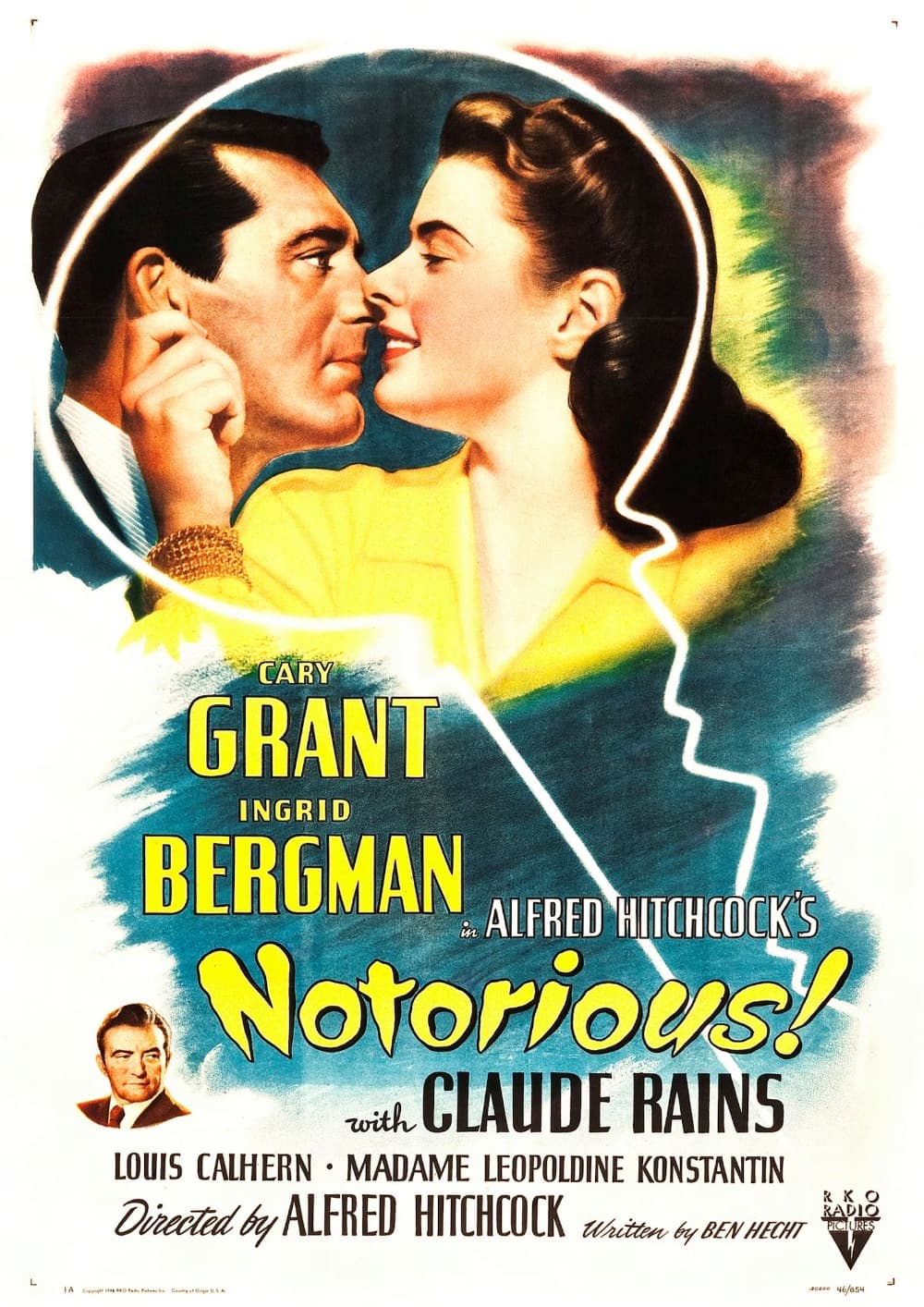
Hitchcock's most grown-up film, and the one where the suspense is entirely about feeling: a woman is sent to seduce a Nazi by the man who loves her.
Strayhorn turned Ellington's subway directions into a theme song; Ray Nance's trumpet solo got copied note for note ever after.

Huston won two Oscars for it and directed his own father to a third: three men look for gold in Mexico and the heat does the rest.
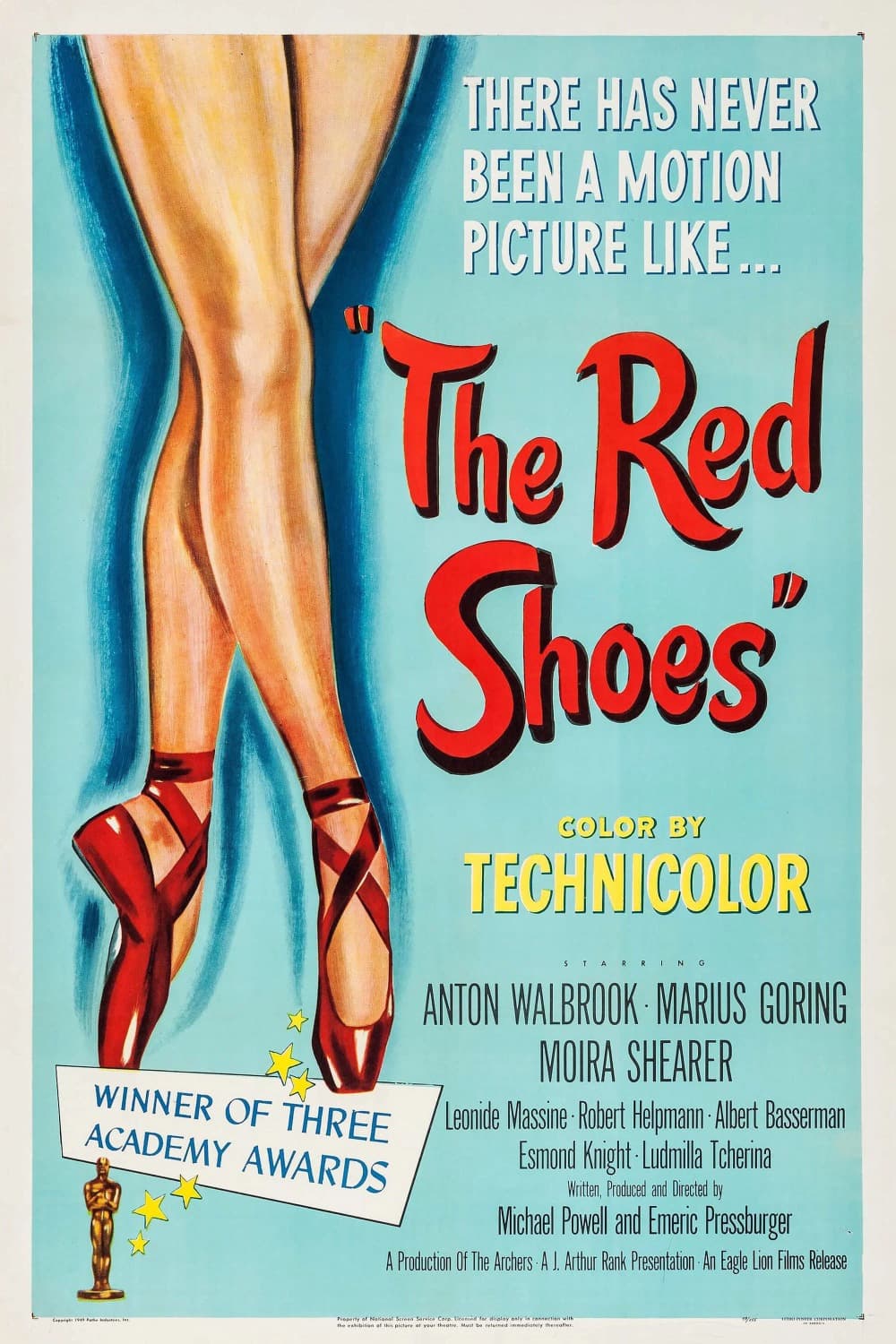
Scorsese has been watching it since childhood and has never stopped: Powell and Pressburger put a ballet on screen in Technicolor so saturated that it plays like a fever.

Three flayed creatures crane and scream on orange grounds. Shown as the war ended in 1945, they made Bacon's reputation overnight.
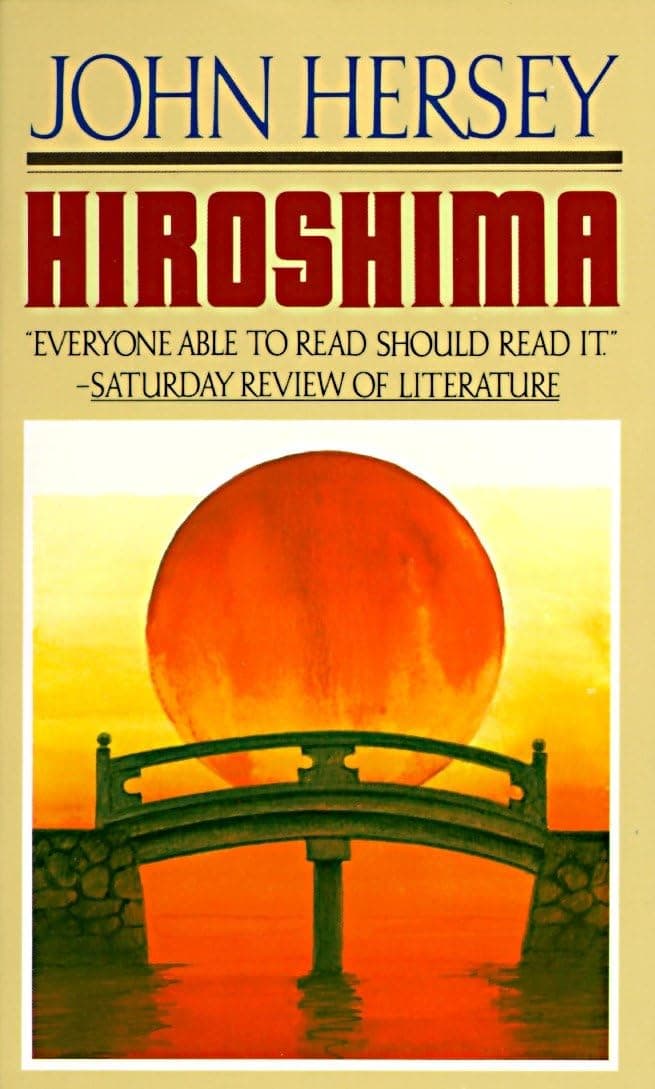
Six people survived the bomb at Hiroshima and Hersey follows them through the year after: a clerk, a widow, two doctors, and two clergymen. He writes flatly and it is unbearable.
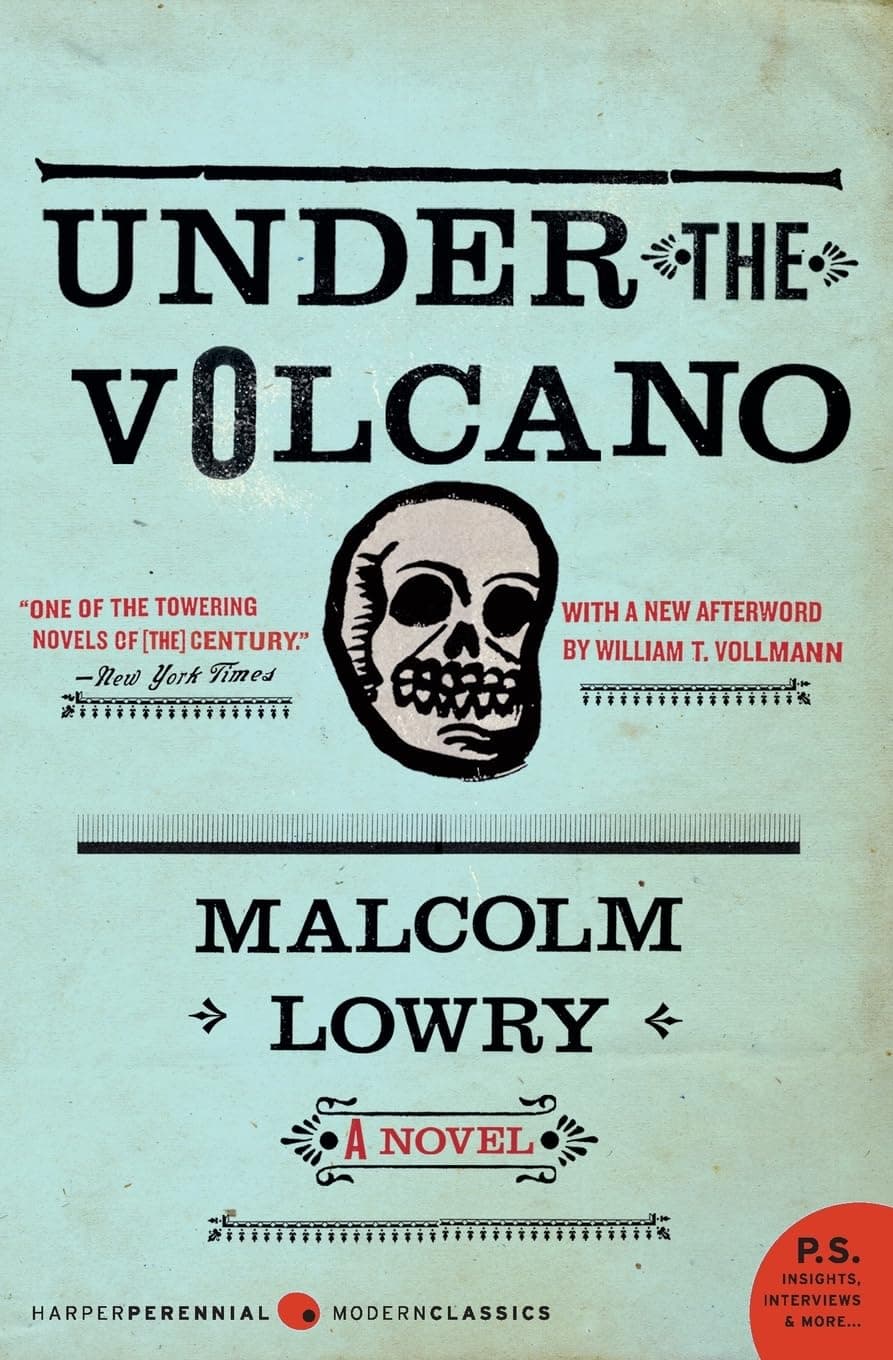
Drinking himself to death in Mexico, a British ex-consul is visited by the wife who left him. Lowry gives them one Day of the Dead, written from inside the bottle.
Monk wrote it around 1940, cutting it for Blue Note in 1947; no jazz composer's tune is recorded more.
A quarrel with her mother over money, by Holiday's own account, gave the song its title line and its steel.
Piaf's own lyric, dismissed by her collaborators as foolishness, then a million American sales and a French national possession.

Mondrian broke his own grid into blinking squares after moving to New York, where he loved the traffic and the jazz.
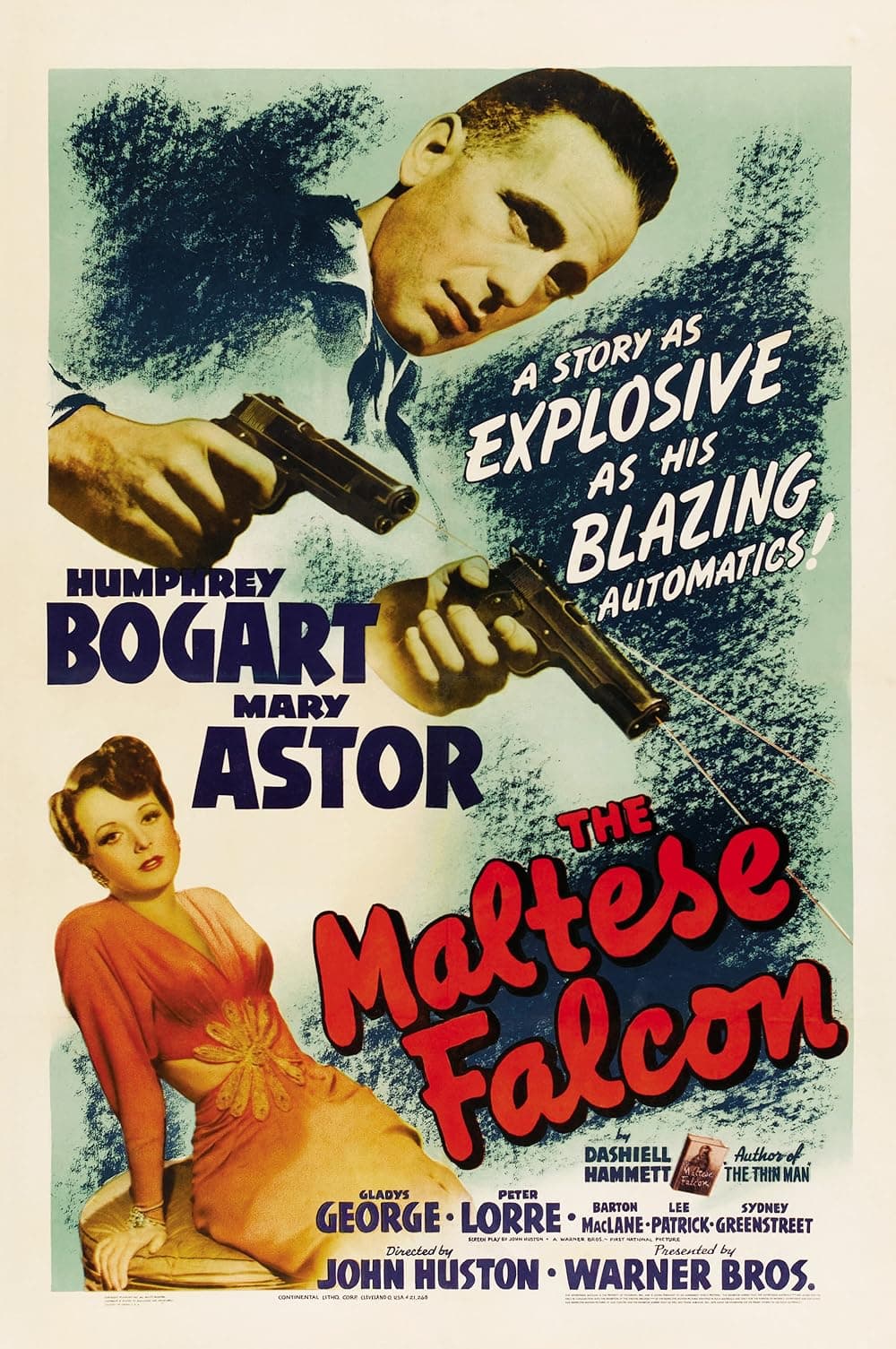
Huston's first film as a director, and the one that finally made Bogart a star: everyone chasing the black bird lies about it for a hundred straight minutes.