
The Wind Up Bird Chronicle
1994 · 607 pages
Toru Okada looks for his wife's cat, then his wife disappears. He sits in a dry well while the novel opens onto Japan's war in Manchuria and atrocities the country never faced.
★ 6.8
 skopia
Toru Okada looks for his wife's cat, then his wife disappears. He sits in a dry well while the novel opens onto Japan's war in Manchuria and atrocities the country never faced.

The twentieth century runs from 1914 to 1991 in Hobsbawm's account, moving through catastrophe, a golden age of postwar boom, then landslide. No later history of the century has displaced it.
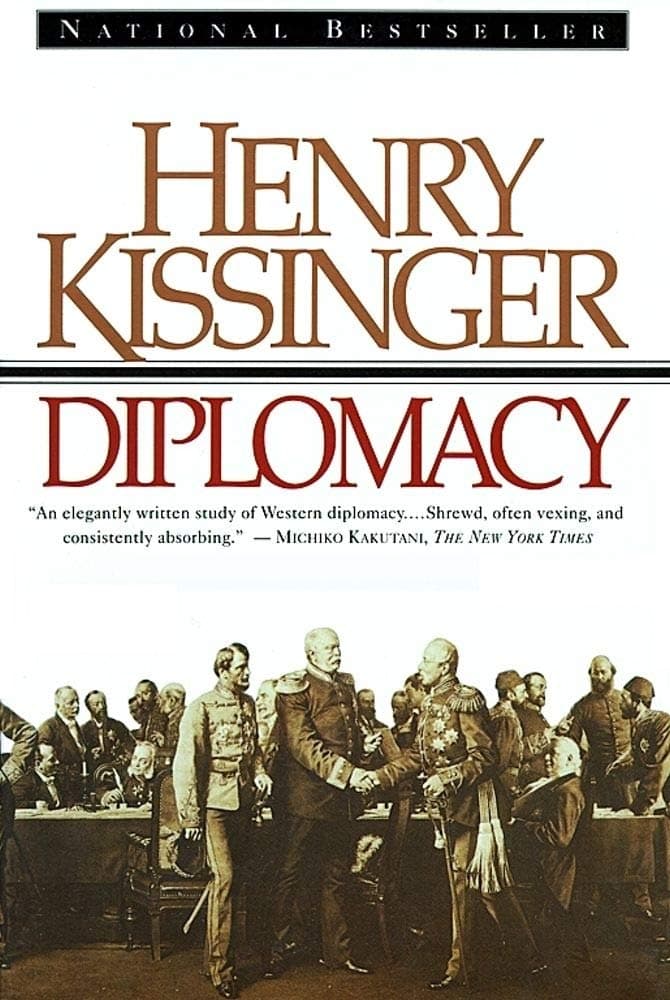
The fullest modern defense of power politics, written by a secretary of state who practiced it. Kissinger runs from Richelieu to the Cold War, insisting that order rests on balance, not moral aspiration.

Twenty-seven years in apartheid South Africa's prisons, set down without self-pity by the man who opened negotiations with his jailers from inside and then governed the country that had caged him.
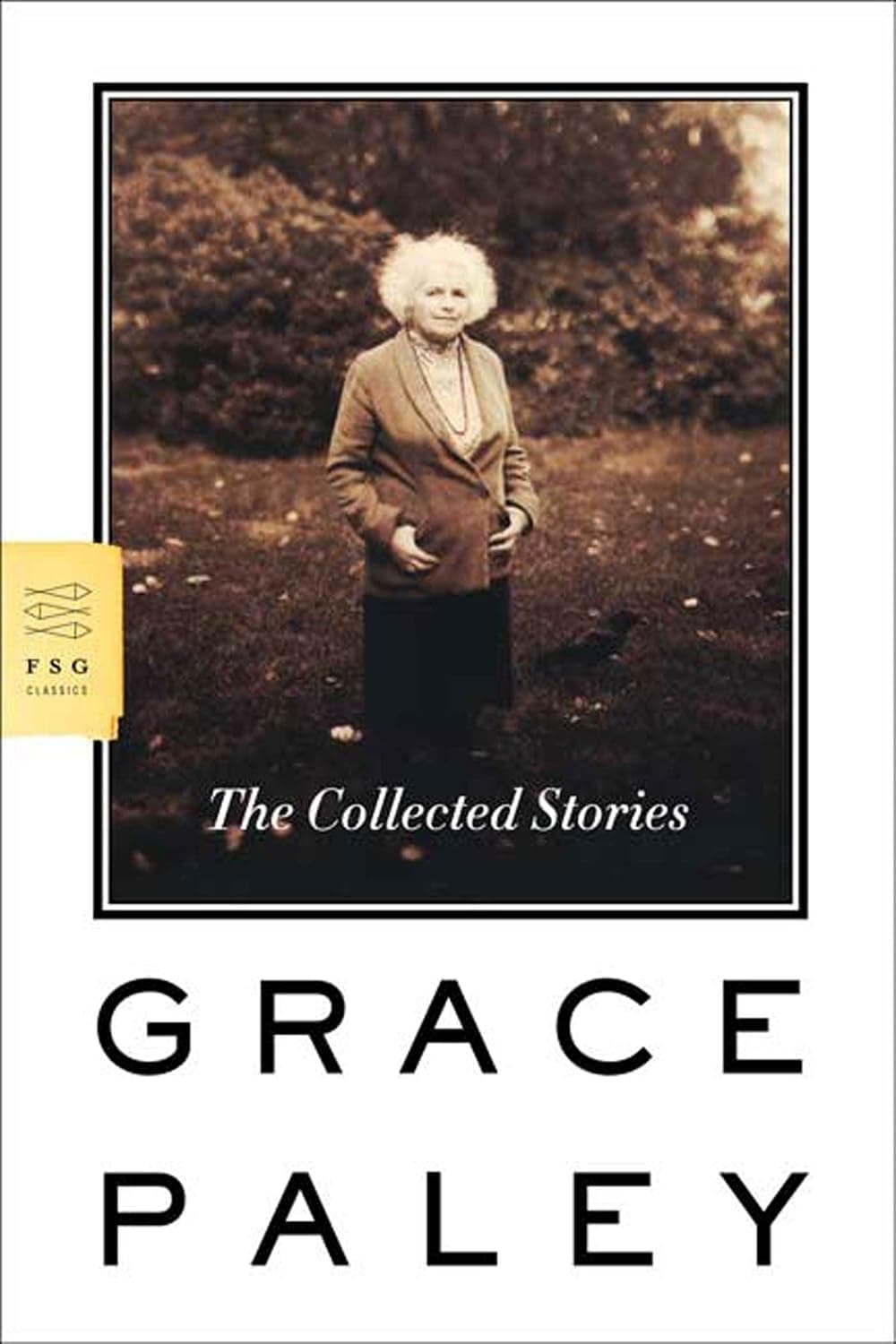
Paley wrote as people talk, in the Bronx Yiddish and Greenwich Village argument of women raising children alone, and got more life into three slim collections than most novelists manage in a career.

Beauty in things imperfect, impermanent, and incomplete. Koren traces the aesthetic from the Japanese tea room to the cracked bowl, and gives Western design a language for everything corporate polish cannot reach.

A shy Memphis truck driver walks into Sun Records and remakes American music. Guralnick carries Elvis to the Army with no sneer and no myth. Bob Dylan said it cancels out all others.