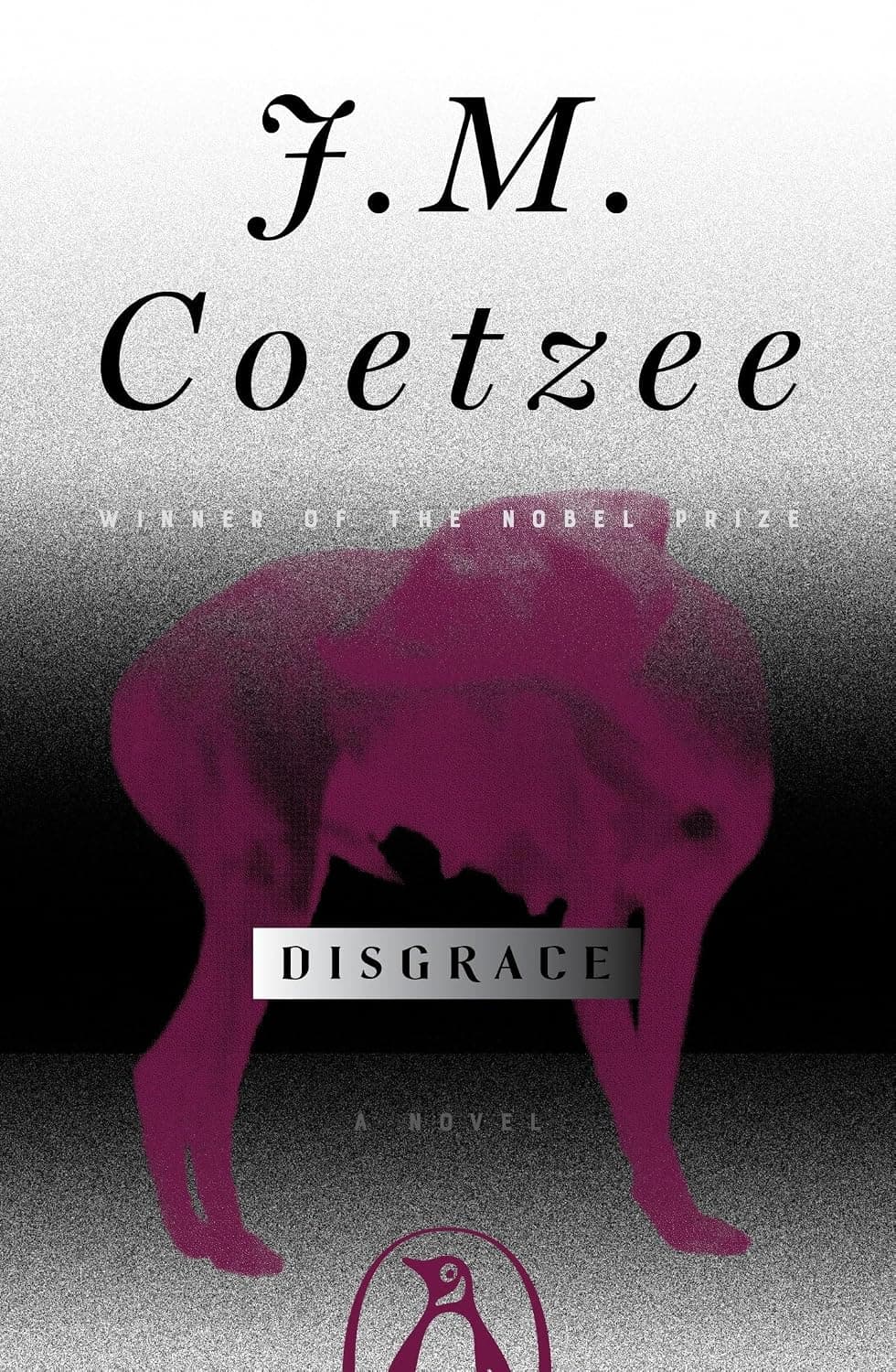
Disgrace
1999 · 220 pages
David Lurie loses his professorship over an affair with a student and retreats to his daughter's farm in the new South Africa, where three men arrive. Coetzee offers no comfort and no absolution.
★ 7.7
 skopia
David Lurie loses his professorship over an affair with a student and retreats to his daughter's farm in the new South Africa, where three men arrive. Coetzee offers no comfort and no absolution.
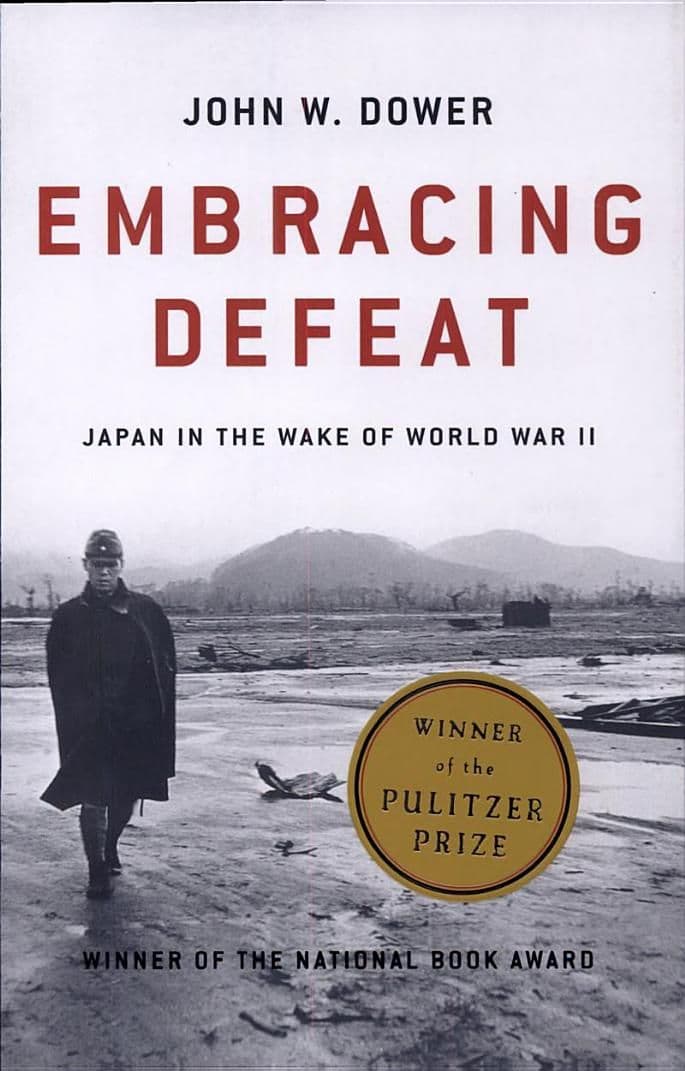
Defeated Japan is starving and occupied. Dower tells the years after 1945 from street level, through black markets, pulp magazines, and letters to MacArthur. The Japanese emerge remaking themselves rather than remade.

Borges wrote criticism the way he wrote fiction, in short pieces with trapdoors, on subjects from Dante to King Kong. Every writer creates his own precursors, he argues, and literary history rearranges itself.

The camera is a sketchbook, Cartier-Bresson insists, an instrument of intuition and not of art. These short essays hand you the working method that made modern photojournalism look the way it does.
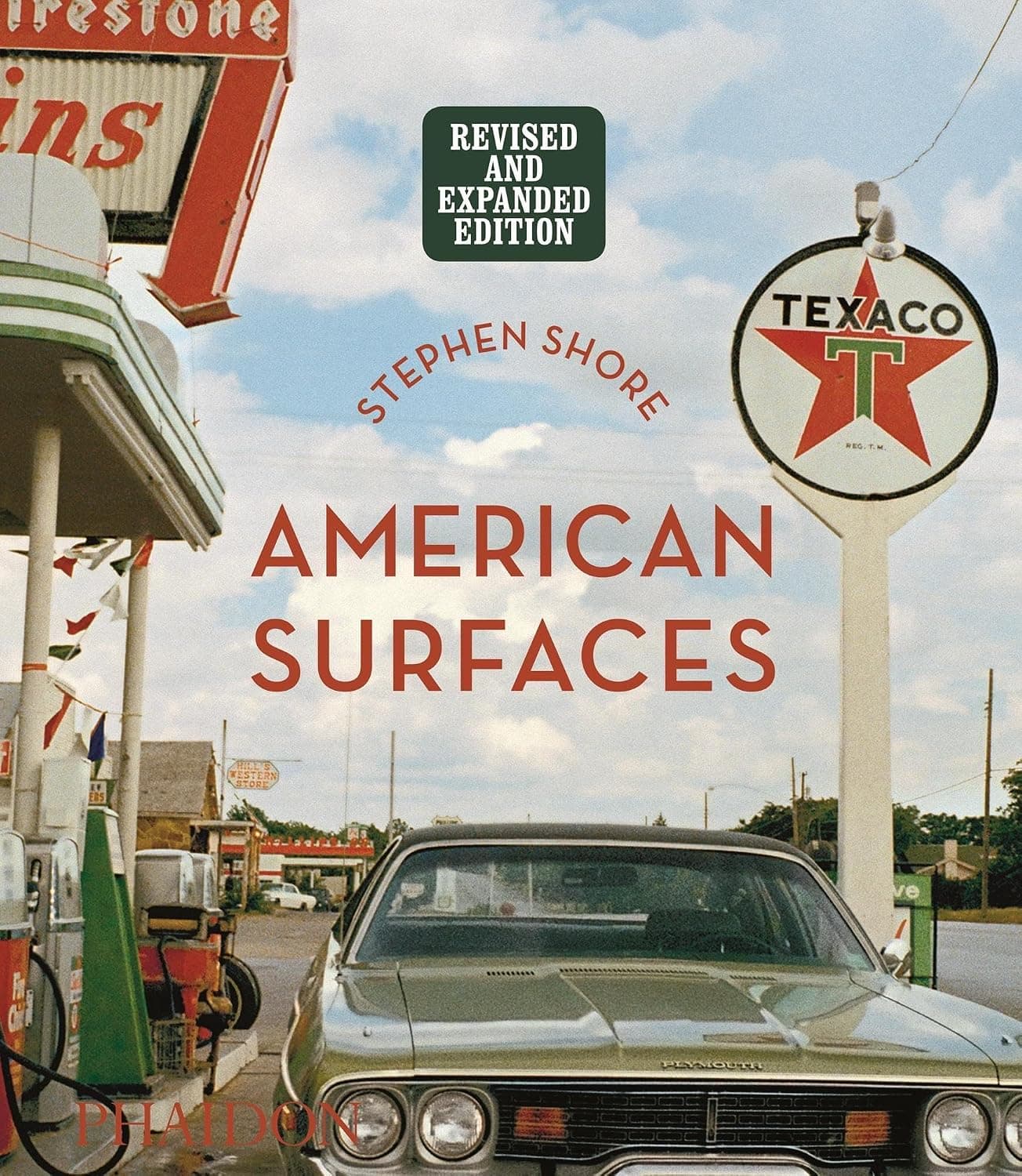
Every meal, every motel bed, every stranger the photographer Stephen Shore met driving America in 1972, printed cheap at a drugstore. He made the throwaway snapshot into how America gets pictured.
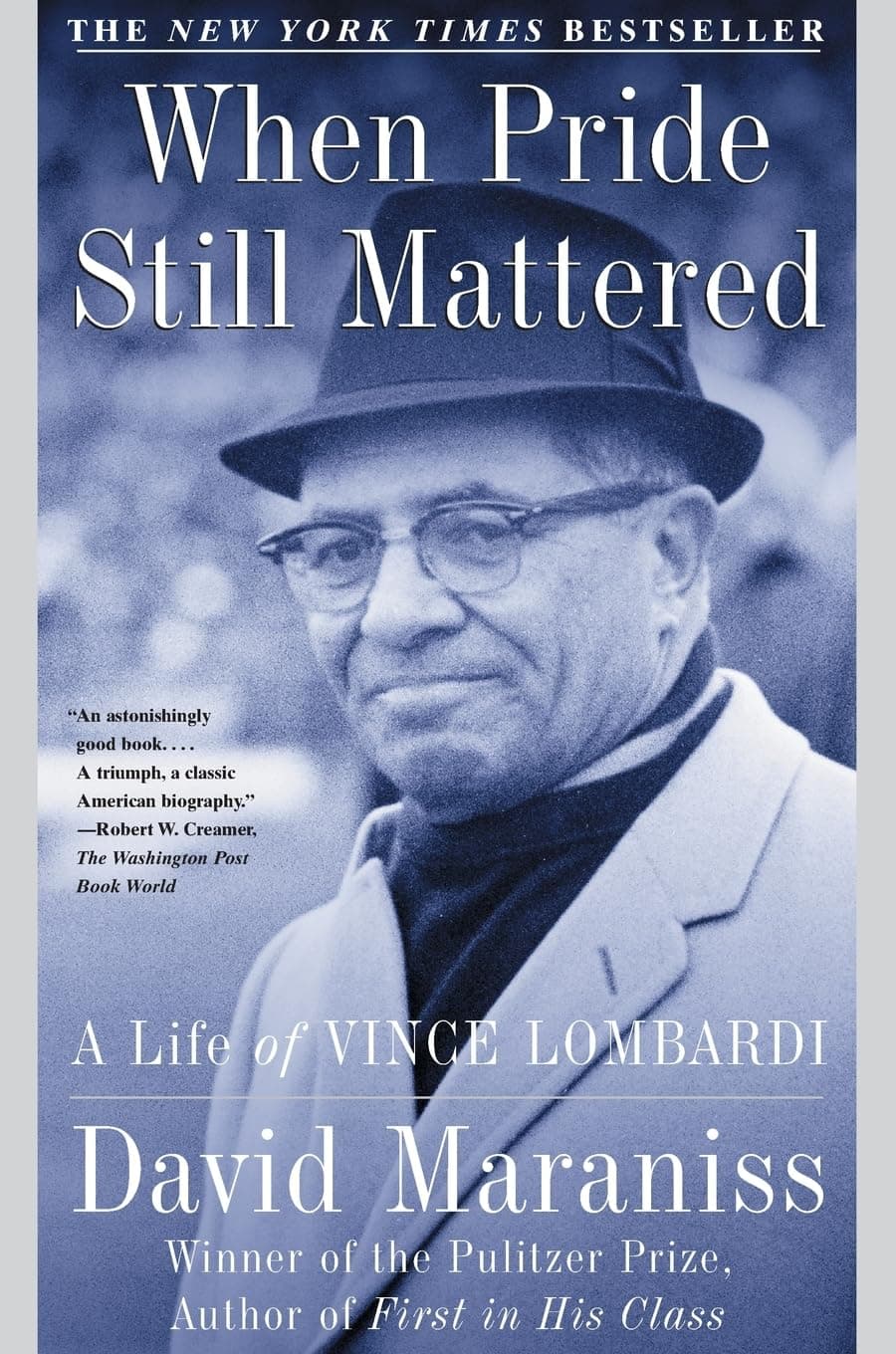
The finest life written of an American coach. Maraniss takes Lombardi from a Brooklyn butcher's son studying for the priesthood to the Packers dynasty, and shows what the discipline cost his family.

Bubbles are not aberrations but a permanent feature of markets. Chancellor follows the fever from tulip mania through the South Sea Bubble to Japan's 1980s, with borrowed money at the center every time.

Pendergrast traces coffee from an Ethiopian hillside to the corner cafe, through Brazilian slave plantations and the US-backed coup in Guatemala, and shows how grocery marketing wars made American coffee undrinkable.