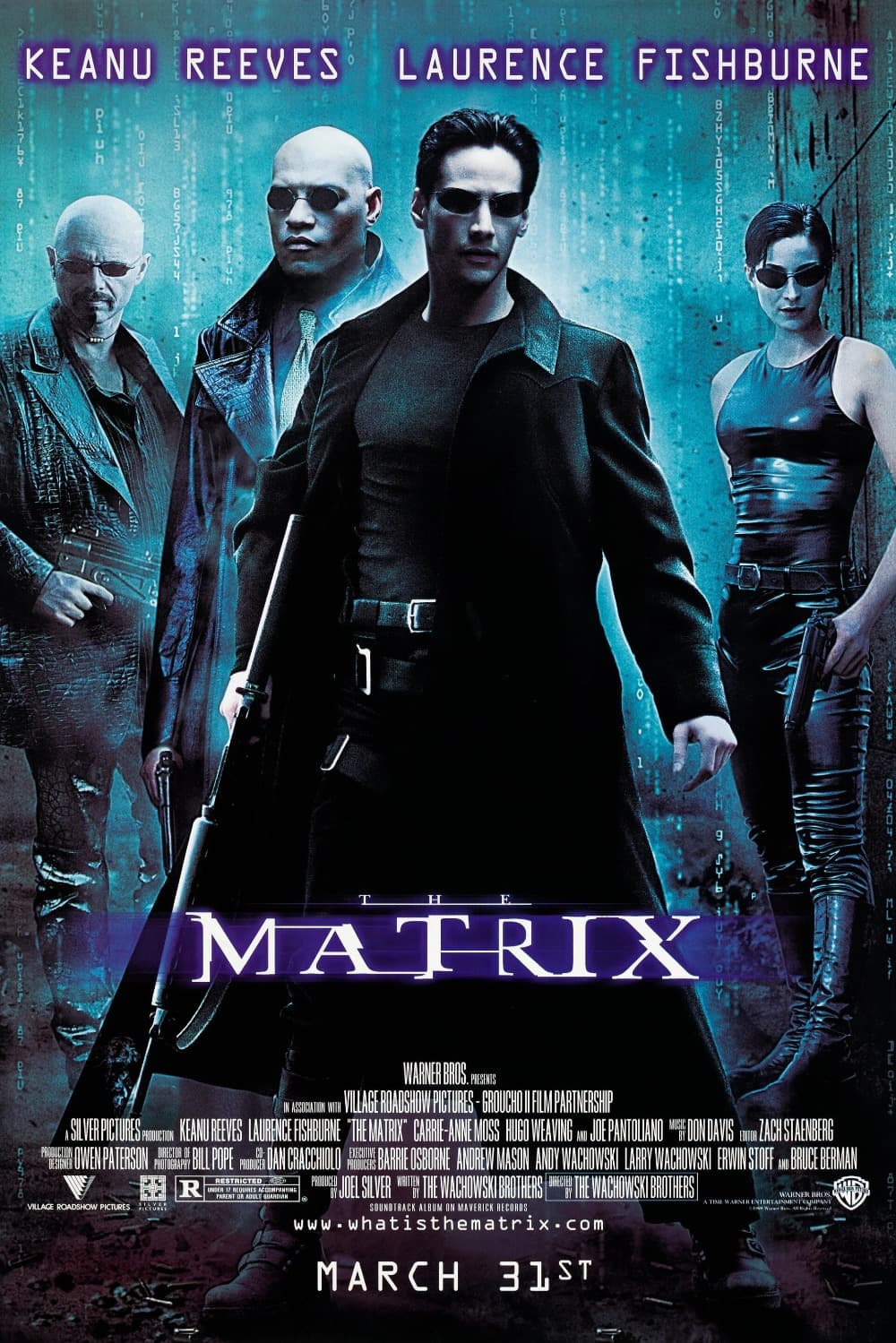
The Matrix
Directed by The Wachowskis
1999
Action filmmaking divides neatly into before and after this one: the Wachowskis fused Hong Kong wire work with a philosophy seminar's premise and everyone spent five years copying it.
★ 8.9
 skopia
Action filmmaking divides neatly into before and after this one: the Wachowskis fused Hong Kong wire work with a philosophy seminar's premise and everyone spent five years copying it.
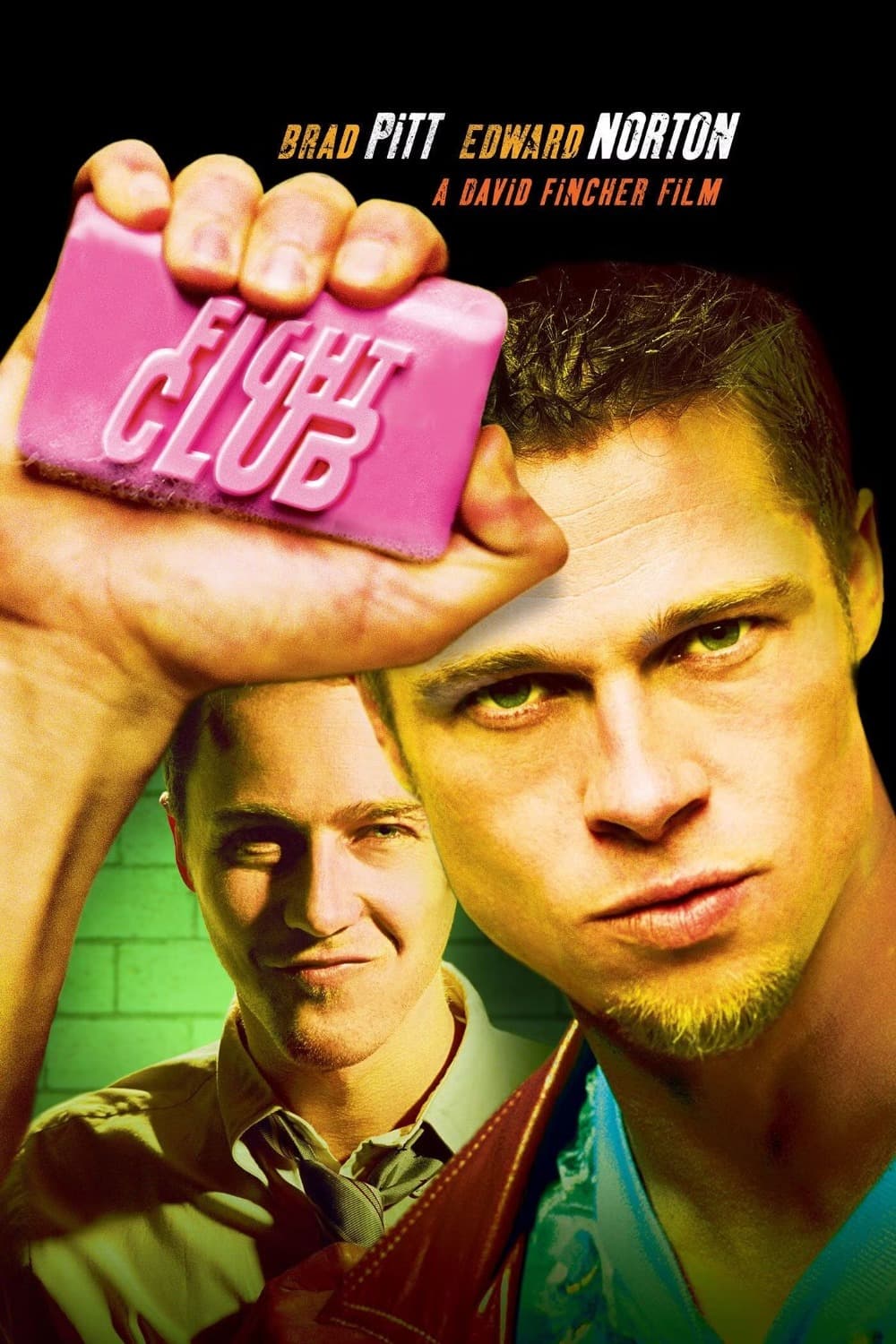
Twenty-five years of argument have still not settled what it is actually saying: Fincher made consumer despair look genuinely thrilling, which is either the joke or the problem.

Denis turned Melville's Billy Budd into something closer to dance than to drama: Foreign Legionnaires drilling in the Djibouti heat, all bodies and sun and things nobody will say.
Pixar scrapped the whole film and rebuilt it in nine months, and it came out better than expected: the song about being outgrown is what people remember.
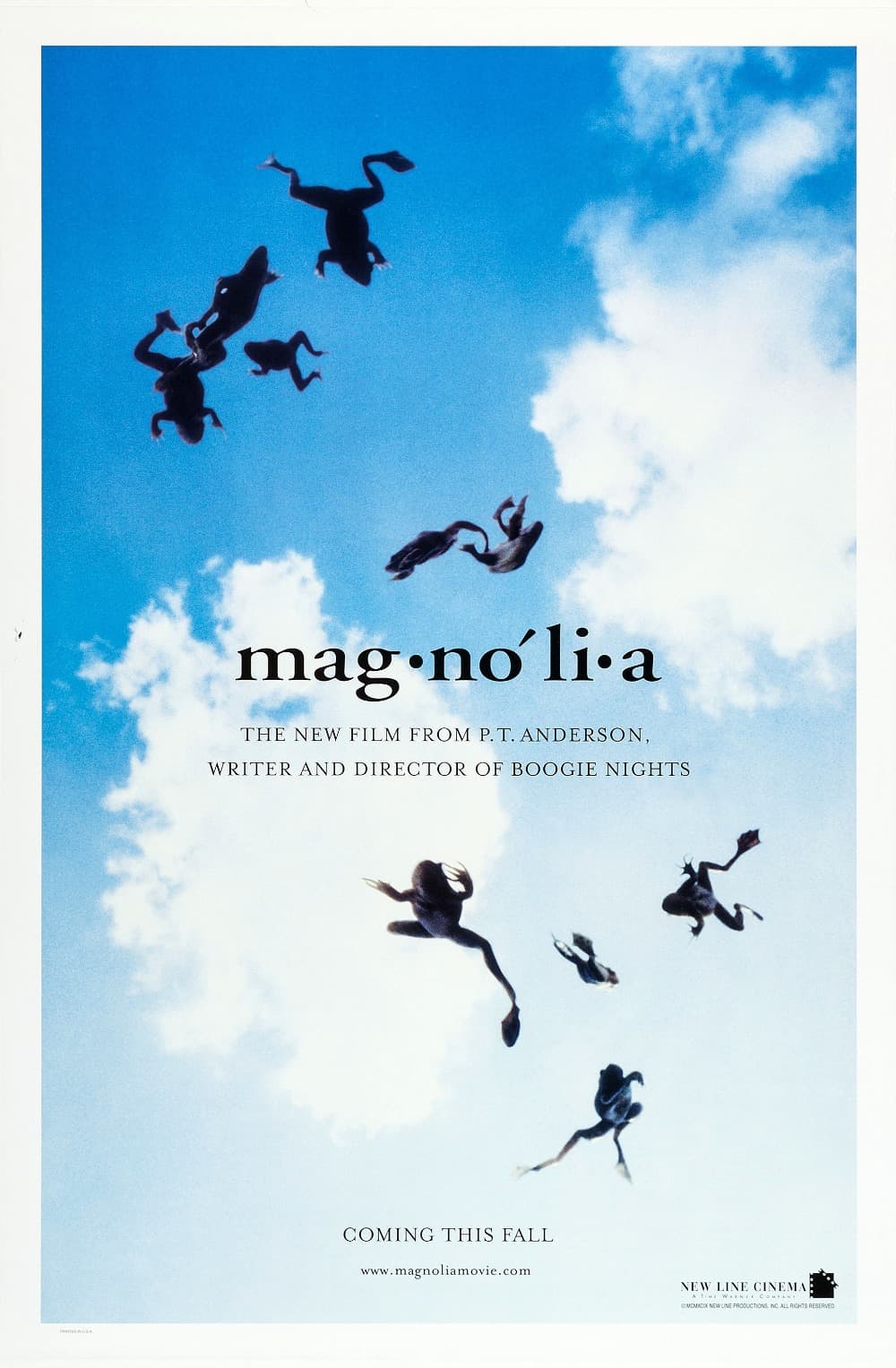
Three hours, nine storylines, and a last act nobody sees coming: Anderson made the most ambitious American film of the nineties and dared it to collapse under itself.
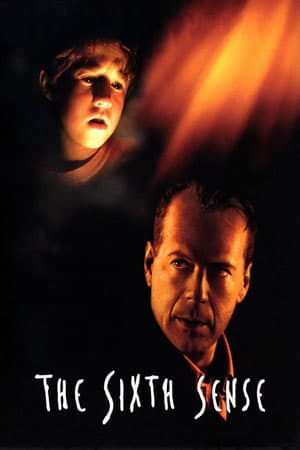
The ending changed how an entire generation watched films, and it is genuinely unguessable: a child psychologist takes on a boy who is frightened of something very specific.
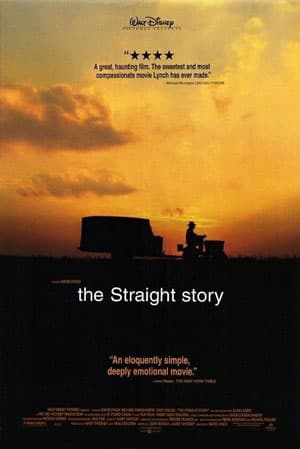
The strangest thing in David Lynch's filmography is this: a G-rated Disney picture in which an old man drives a riding lawnmower from Iowa to Wisconsin to reach his estranged brother.
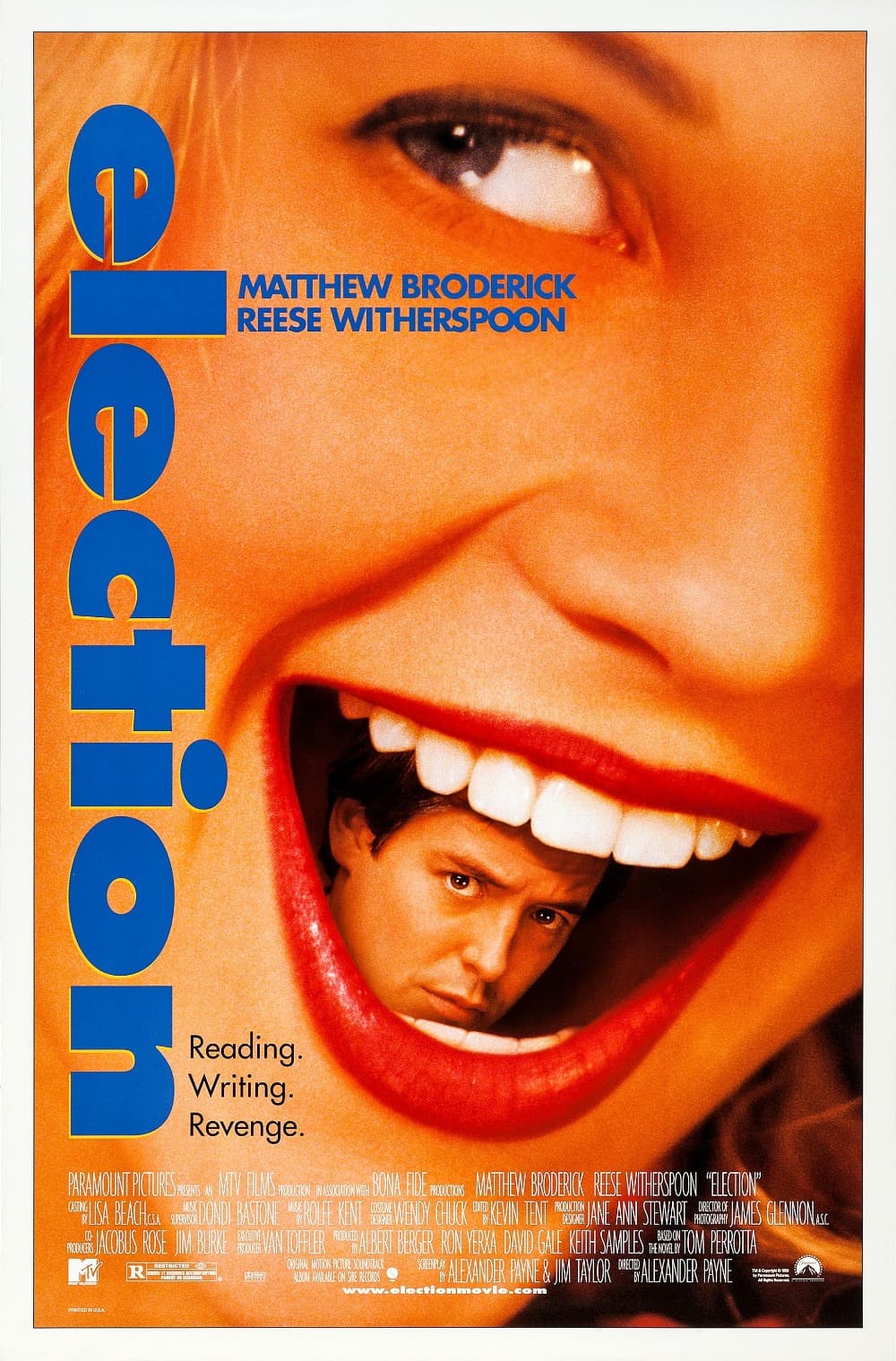
Reese Witherspoon has never been better used: a high-school student council election becomes a study of ambition and resentment, and Payne refuses to let a single character off the hook.
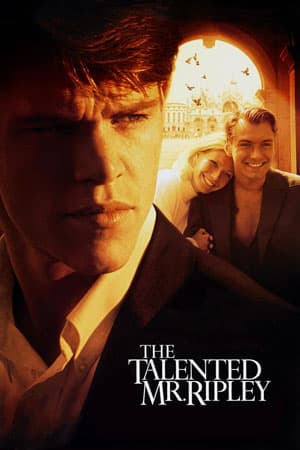
Nothing else captures the pull of wanting somebody else's life this well: Minghella fills the Italian coast with sunlight and good clothes, and lets a young man's envy curdle in plain sight.
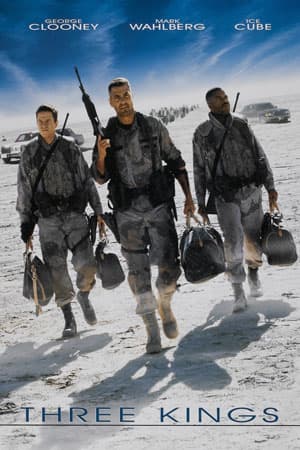
Russell shot it on bleached film stock so the desert looks radioactive: four American soldiers go looking for Kuwaiti gold in the days after the Gulf War stops, carrying a stolen map.
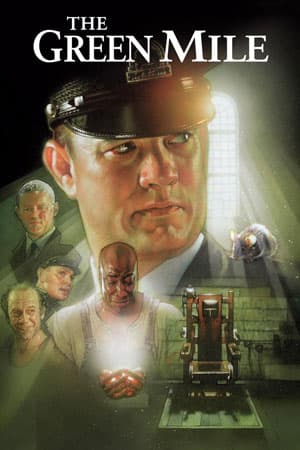
Darabont's second Stephen King prison film runs three hours and nobody notices: a death row guard in 1935 takes delivery of the largest, quietest inmate the block has ever held.
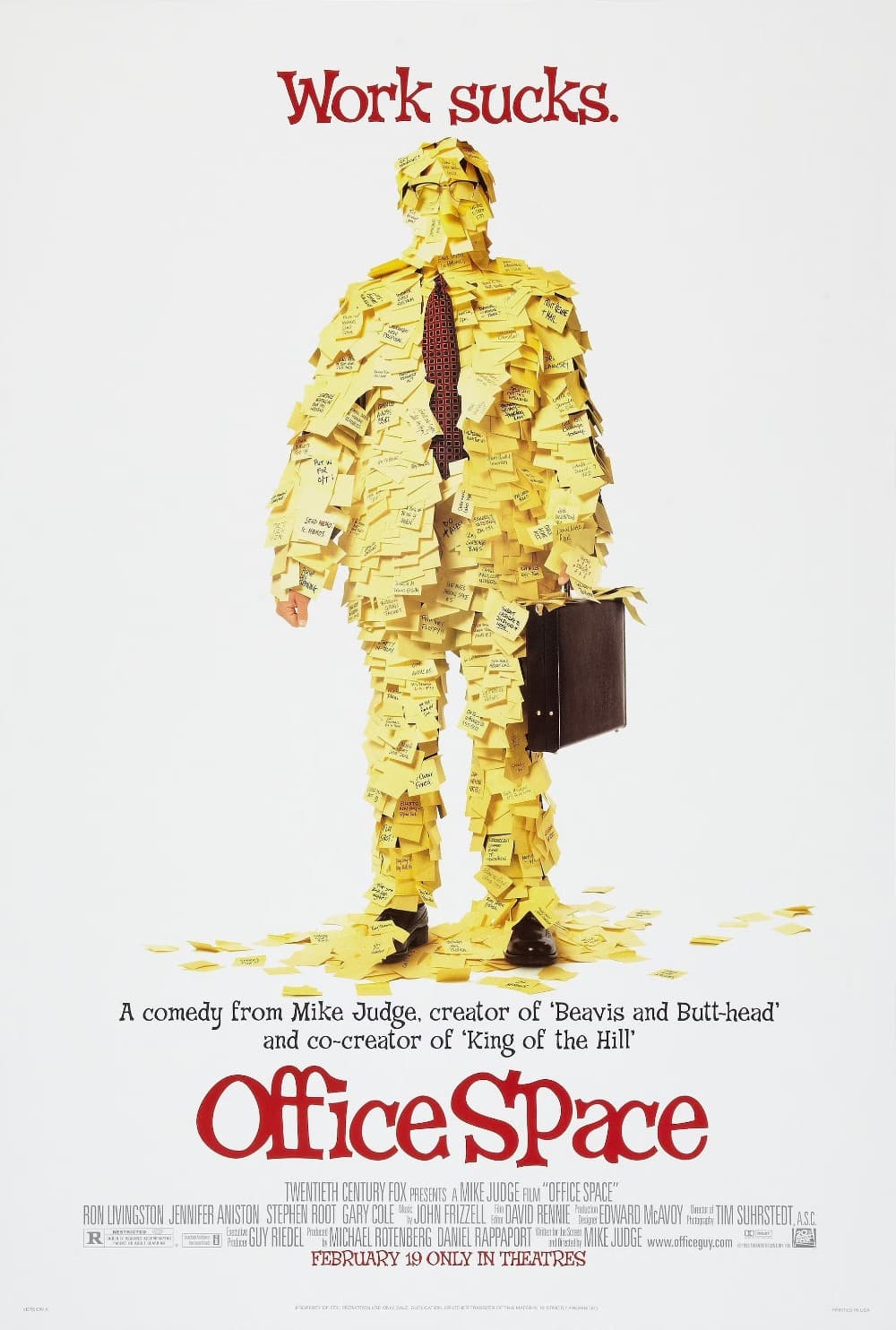
It died in theaters and then took over every office in America on video: Mike Judge got the cubicle exactly right, down to the stapler, the printer and the phrase about the memo.

It is a musical written by people who love musicals: Trey Parker and the composer Marc Shaiman took an Oscar nomination for a song nobody could print, and the censorship satire is exact.
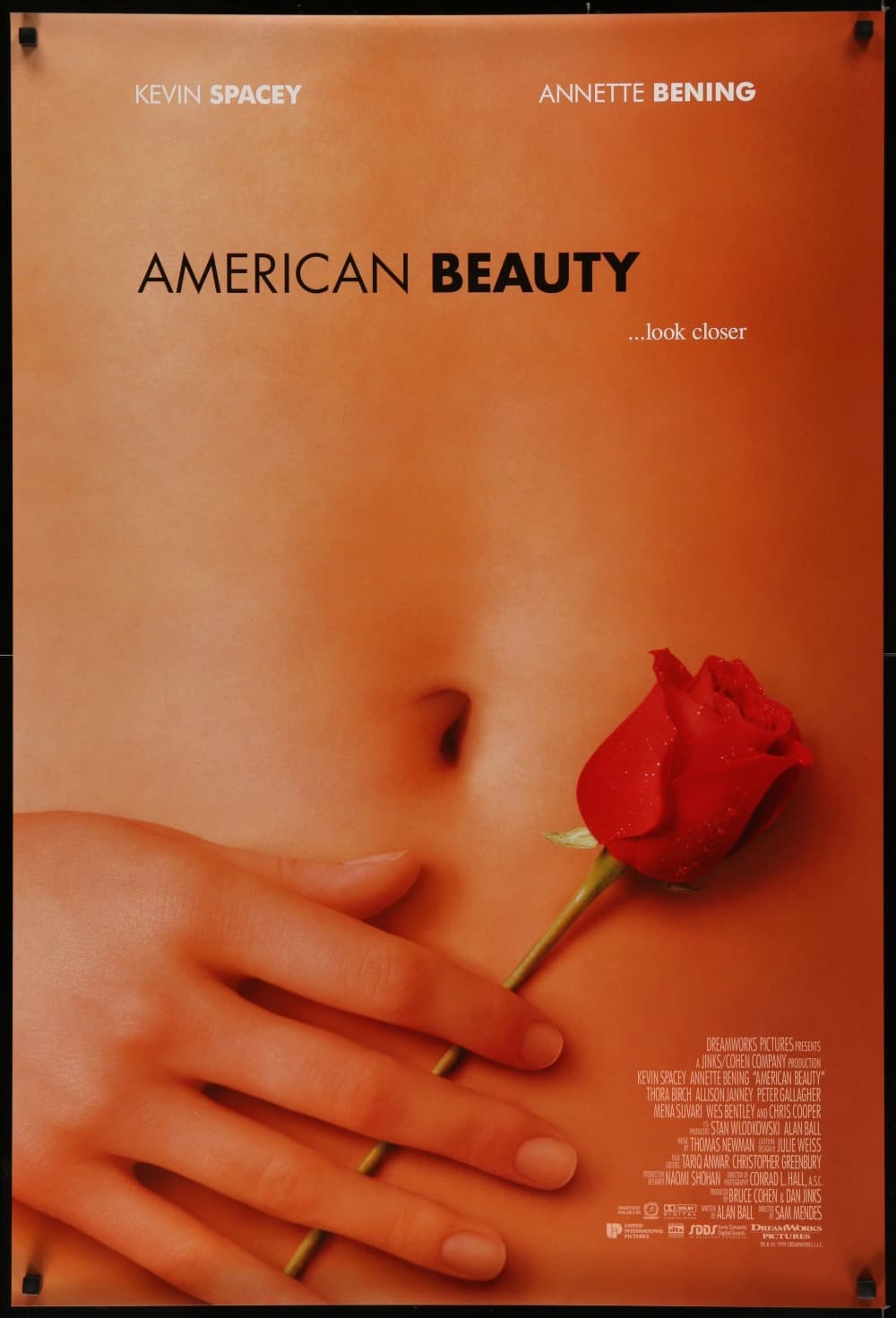
Conrad Hall photographed suburbia like a crime scene and took the cinematography Oscar for it: Sam Mendes came from the theater and made the most contested Best Picture of its era.
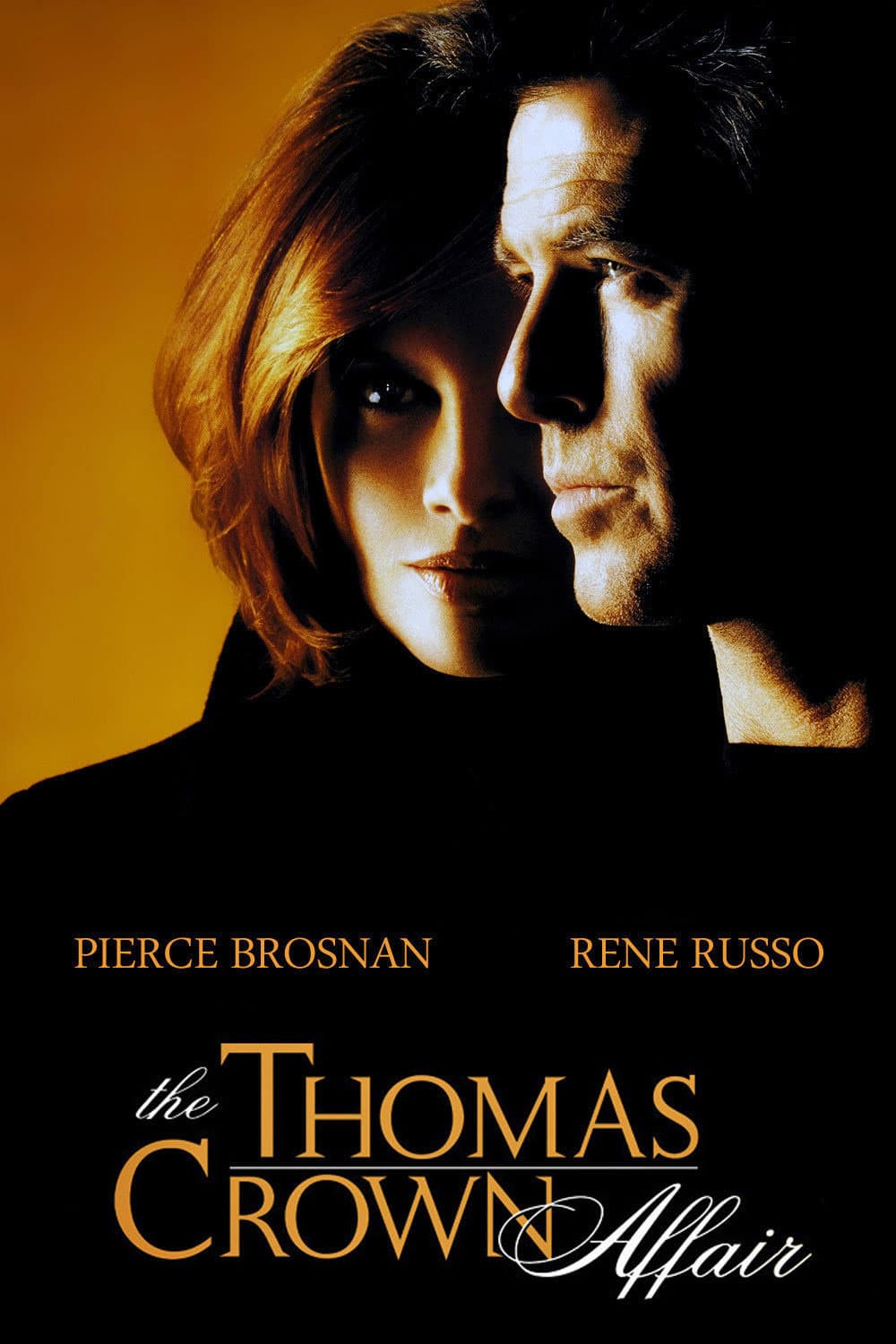
John McTiernan's remake is better than the original and knows how adult it is: a billionaire steals a Monet for entertainment, and the insurance investigator enjoys the chase as much as he does.