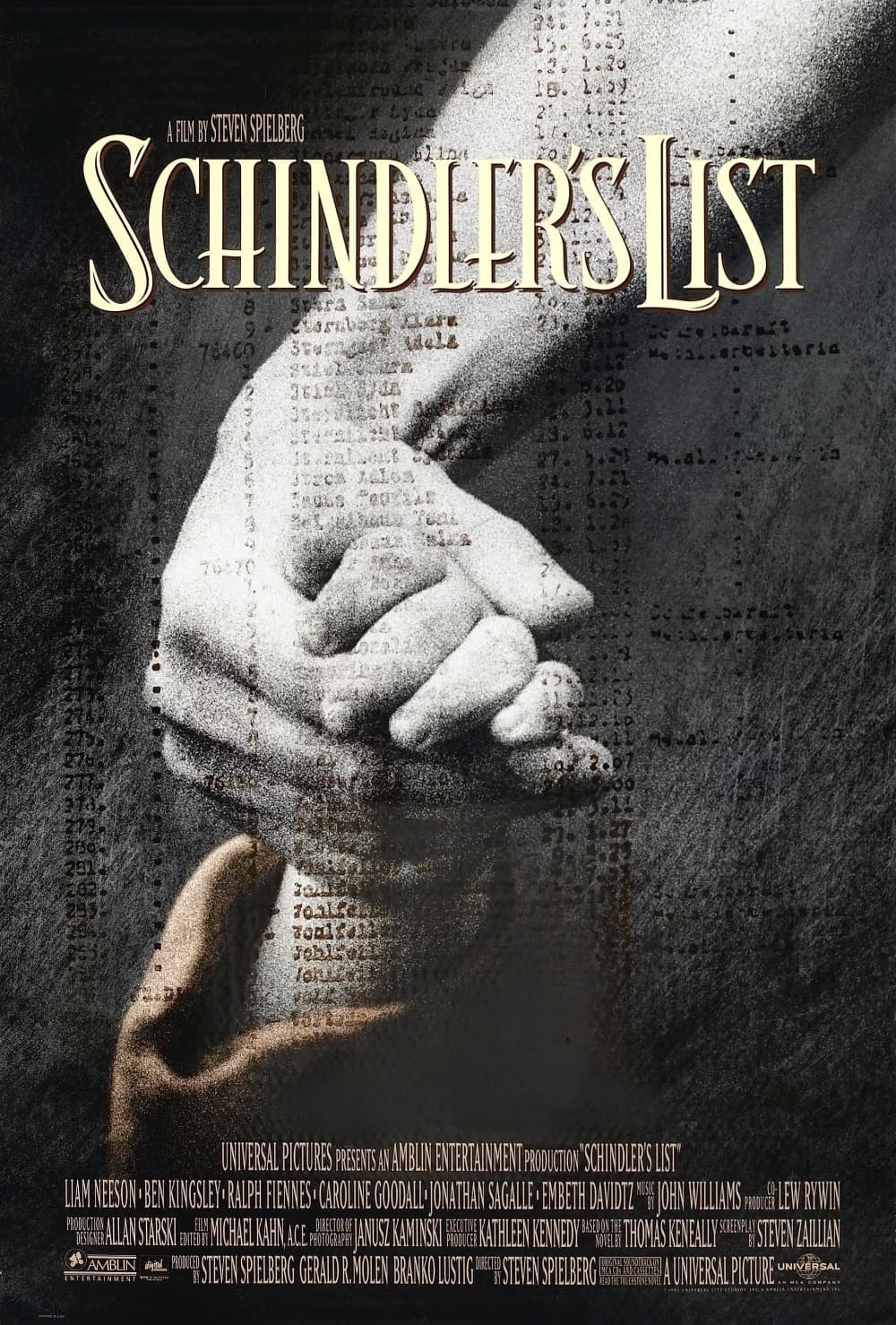
Schindler's List
Directed by Steven Spielberg
1993
More people have understood the Holocaust through this film than through any other: Spielberg took no fee, shot it in black and white, and gave the last word to the survivors.
★ 9.7
 skopia
More people have understood the Holocaust through this film than through any other: Spielberg took no fee, shot it in black and white, and gave the last word to the survivors.
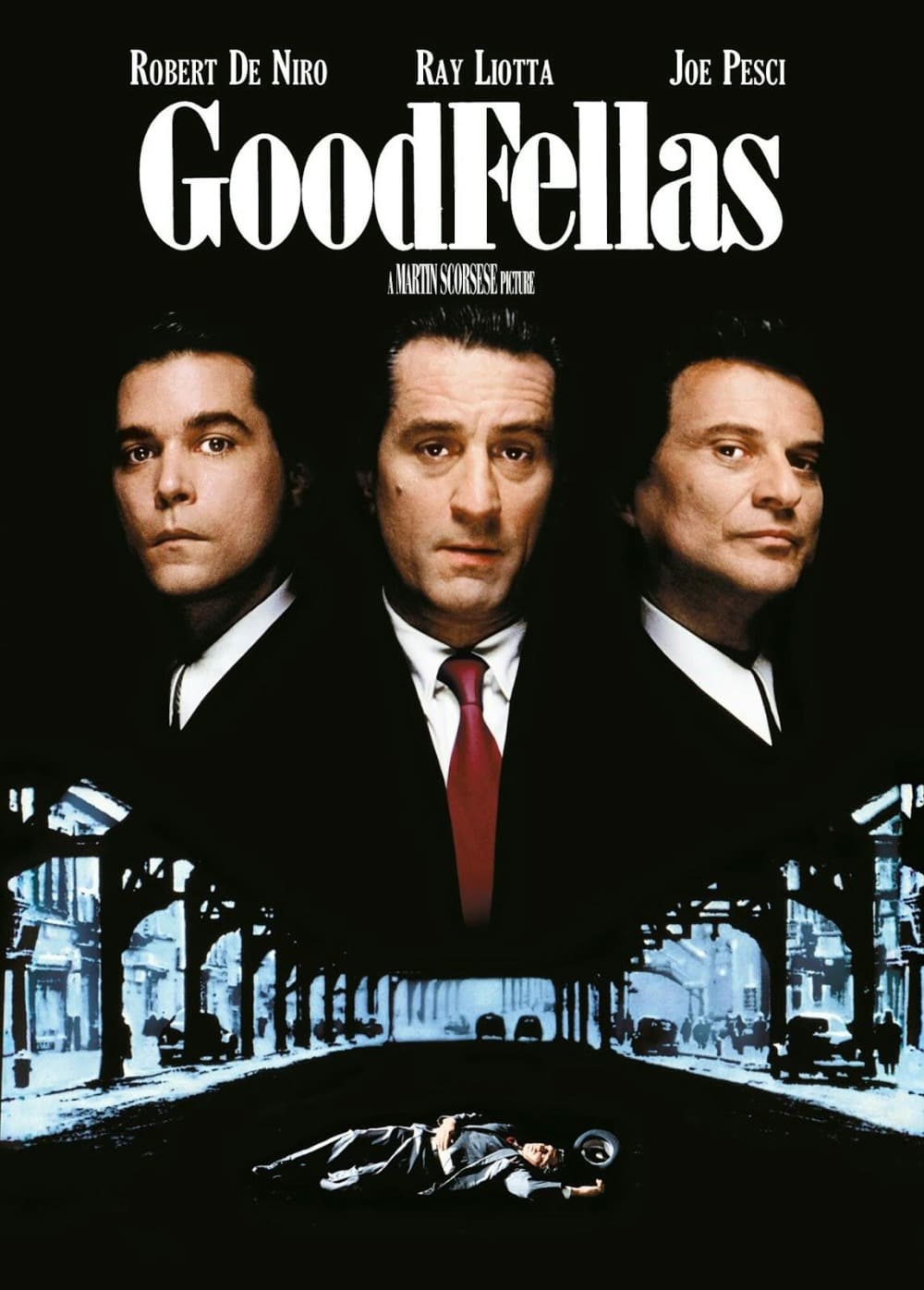
Every gangster film of the last thirty years is arguing with this one: Scorsese made the life so intoxicating for an hour that the comedown lands like a physical event.
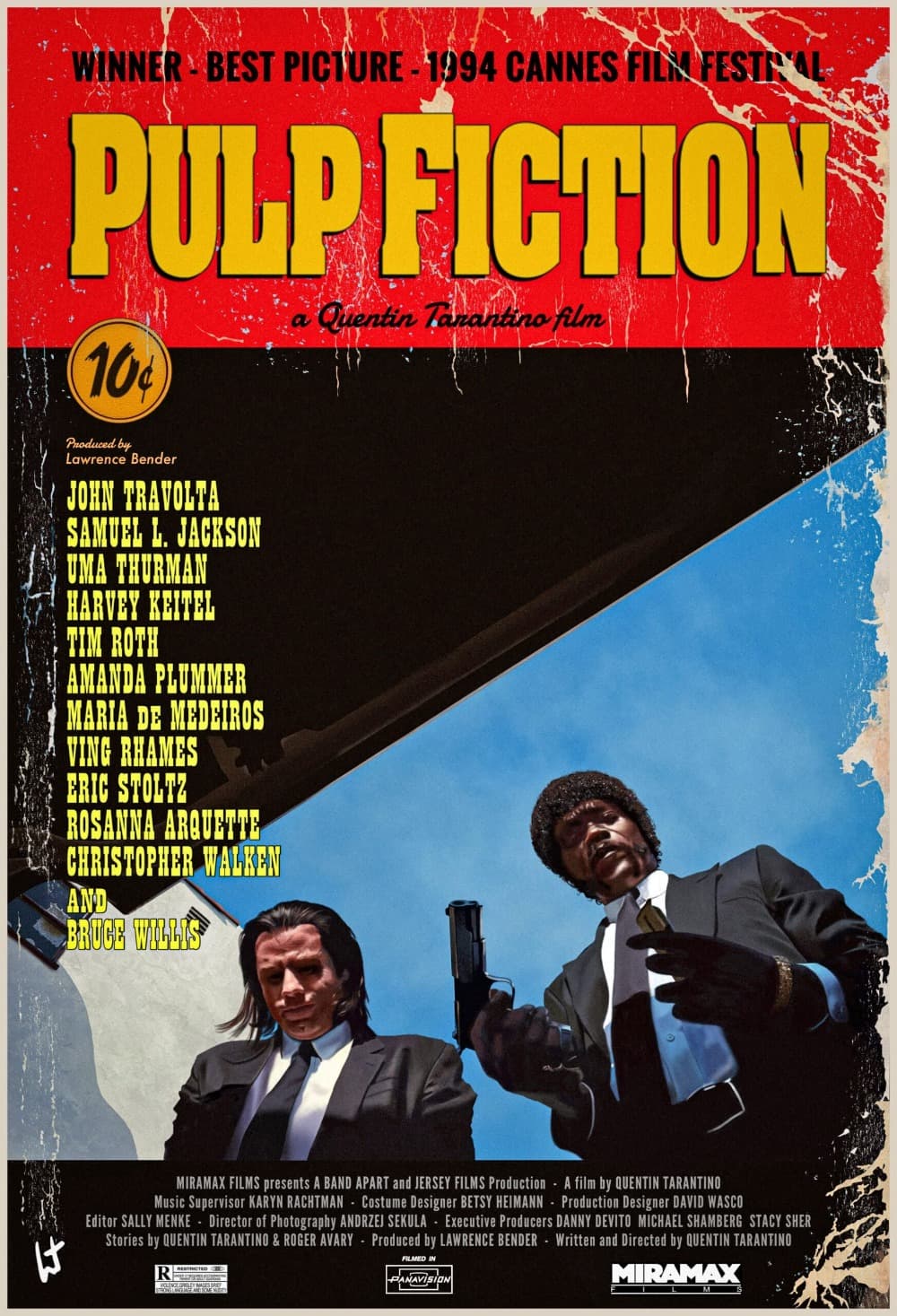
Young filmmakers were allowed to sound different after this one: Tarantino let two hitmen argue about hamburgers for ten minutes, and an entire decade of American cinema followed.
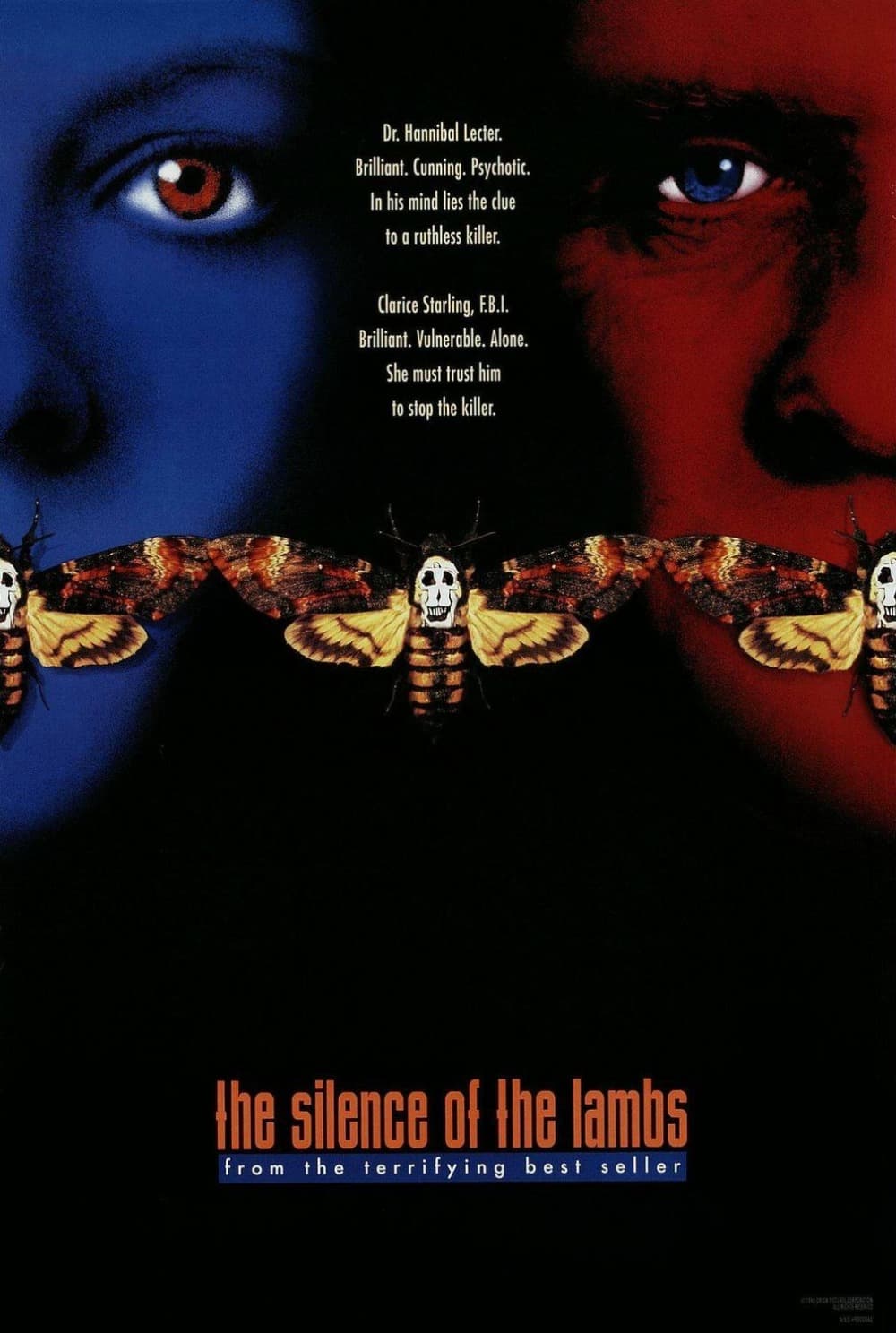
Hopkins is on screen for a fraction of the film and won an Oscar anyway: Demme shot the interviews straight down the lens so Lecter looks directly at you.
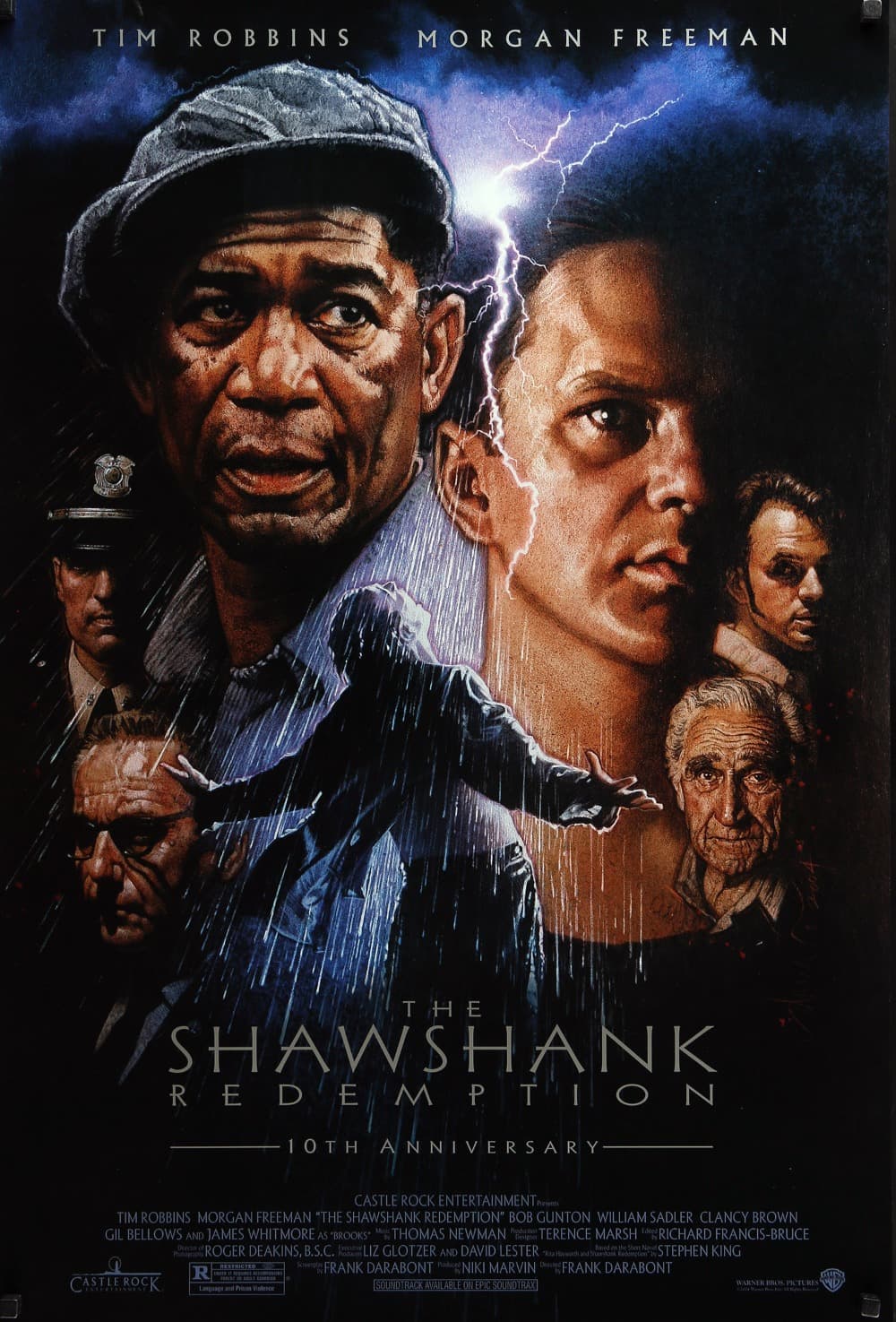
It lost money in cinemas and has sat at the top of IMDb's ranking since 2008: a prison friendship, told patiently, that pays off better than almost anything.
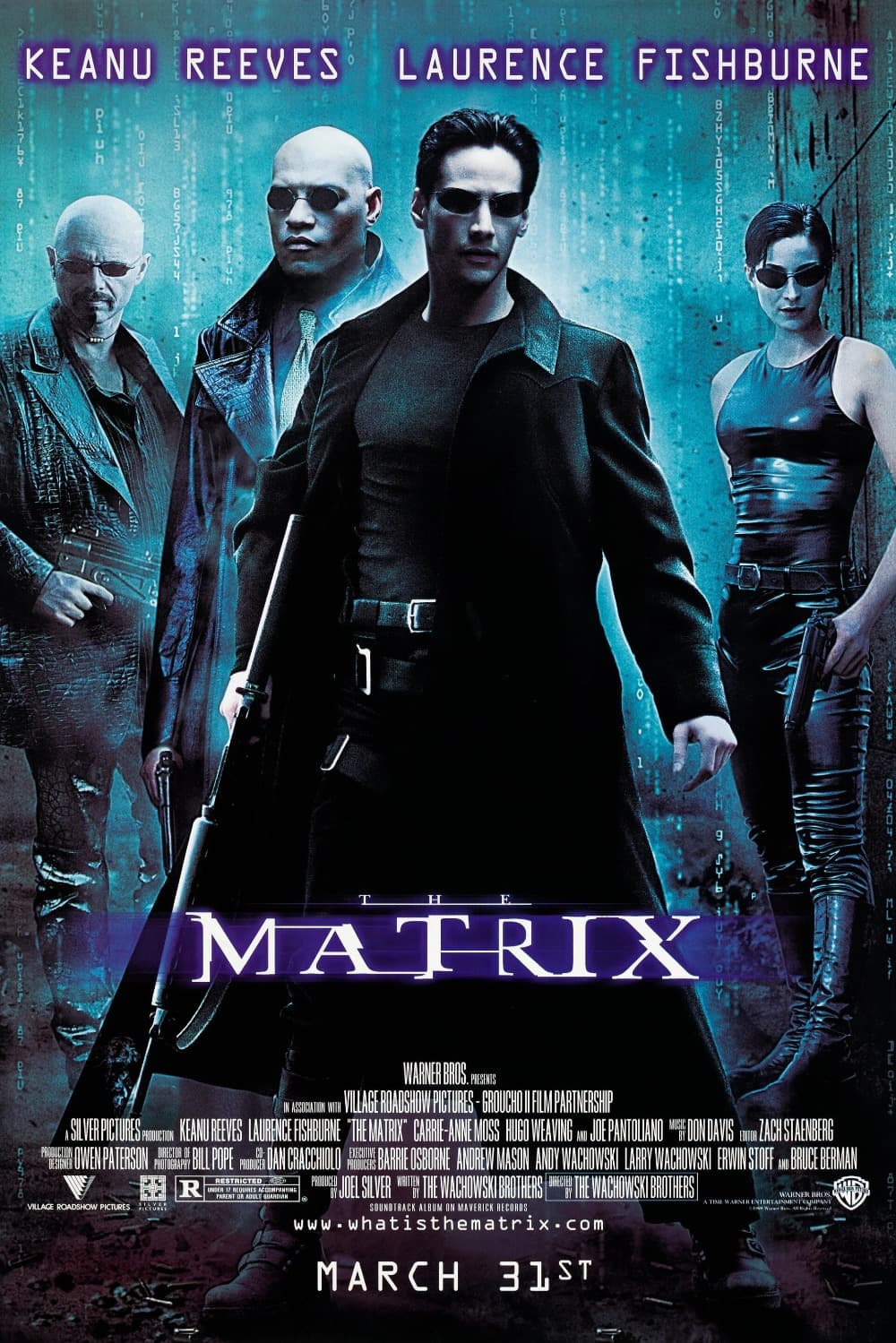
Action filmmaking divides neatly into before and after this one: the Wachowskis fused Hong Kong wire work with a philosophy seminar's premise and everyone spent five years copying it.
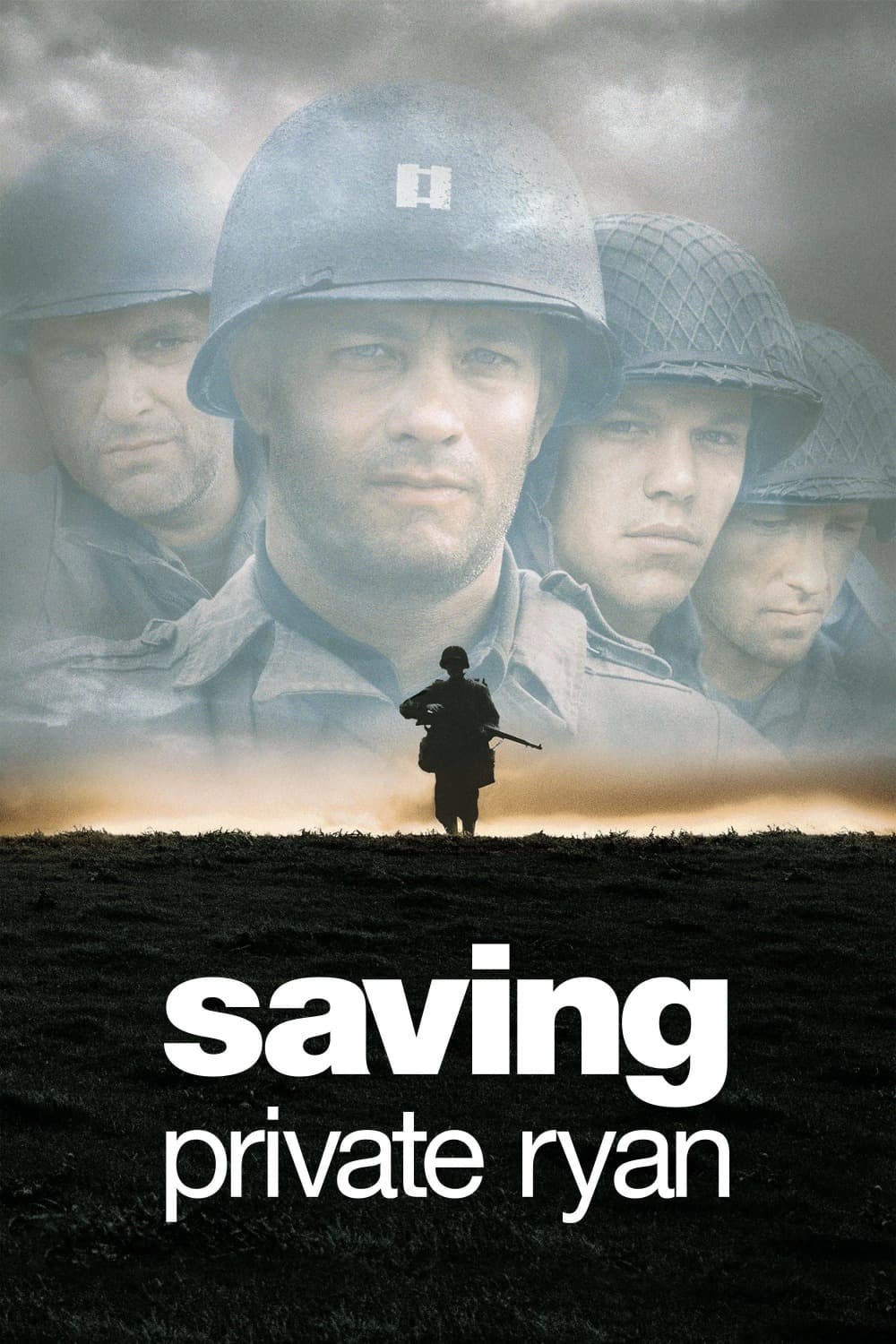
War films look different since the first twenty minutes of this one: Spielberg put the camera in the surf at Omaha Beach and veterans left cinemas unable to speak.
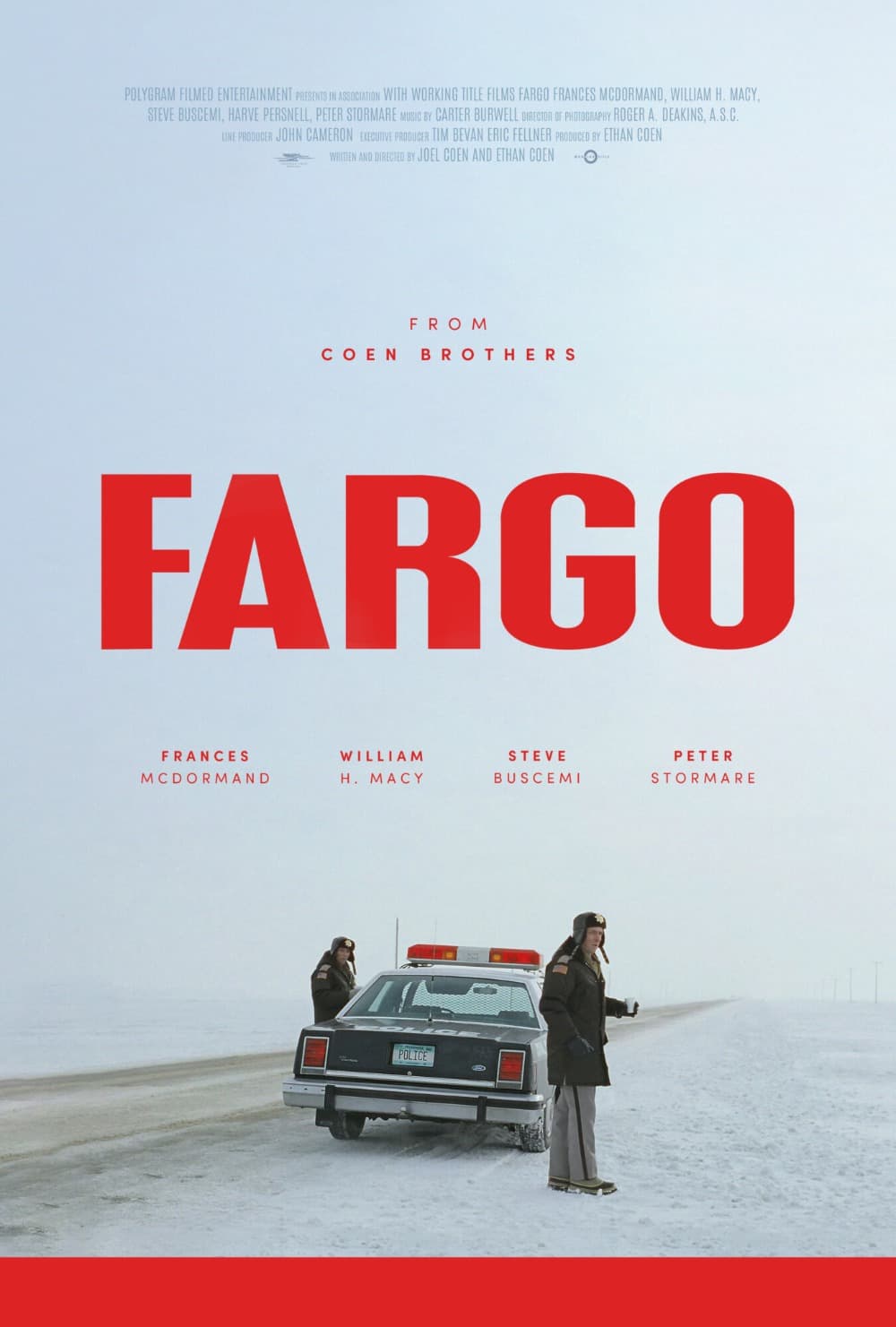
Marge Gunderson is the warmest character the Coens ever wrote, and the reason this one lasts: a kidnapping goes wrong in the snow and she is the only calm person in it.
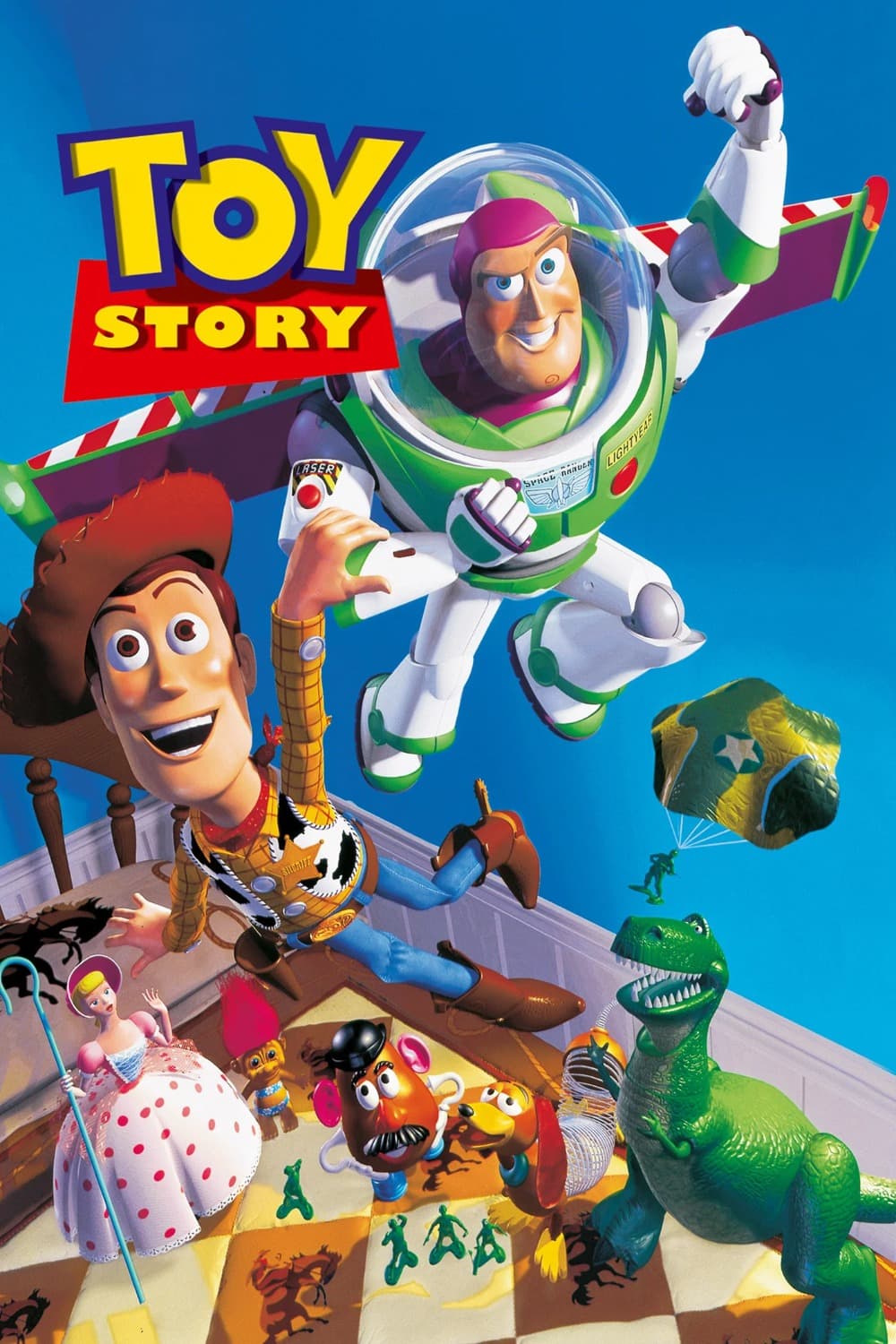
First feature film animated entirely on computers, and the start of Pixar's extraordinary run: it holds up because underneath the toys it is a sharp story about jealousy.
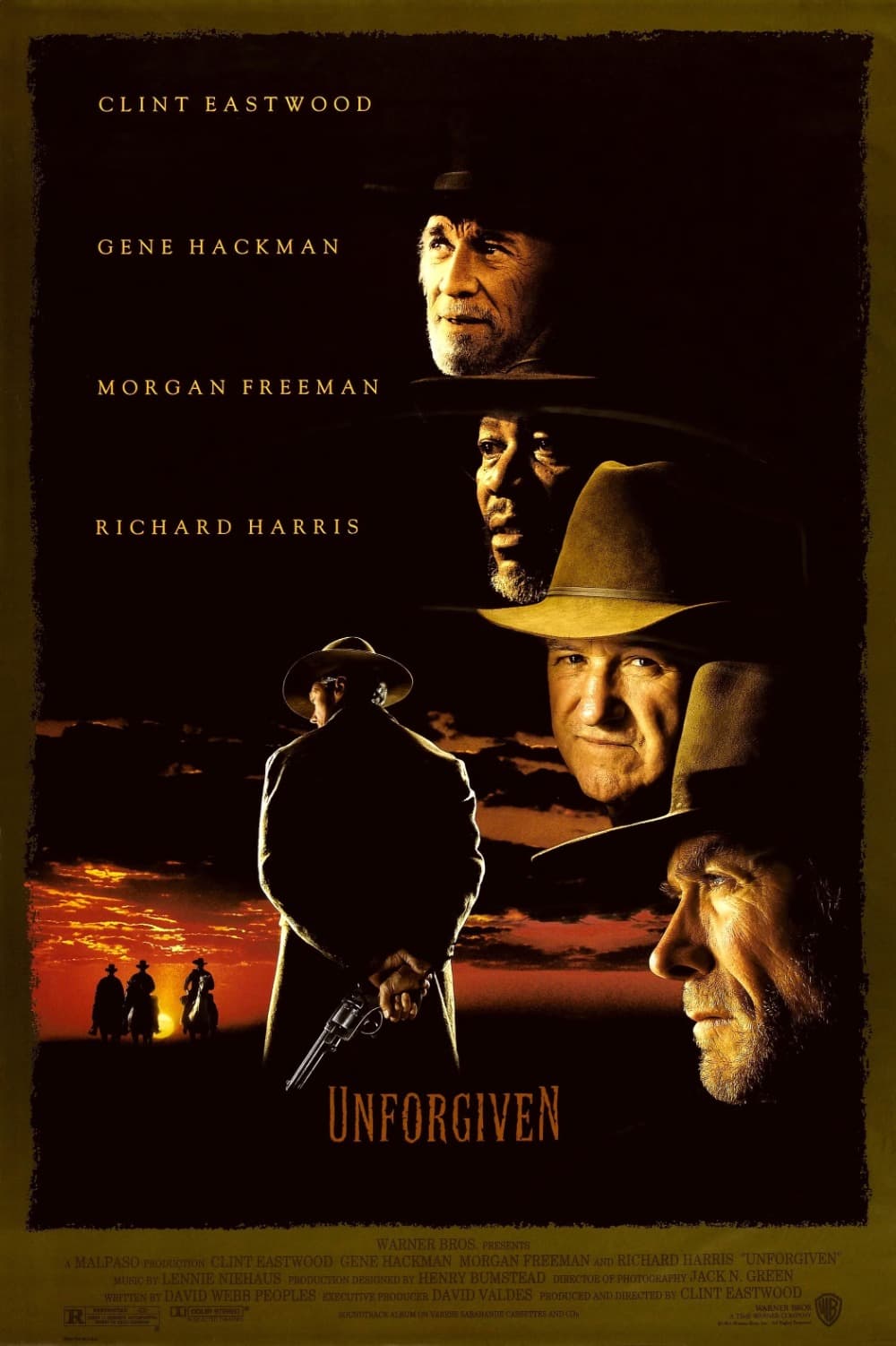
Eastwood spent thirty years building the myth this film takes apart: no western has been harder on the pleasure of violence, or on the men who deal it out.
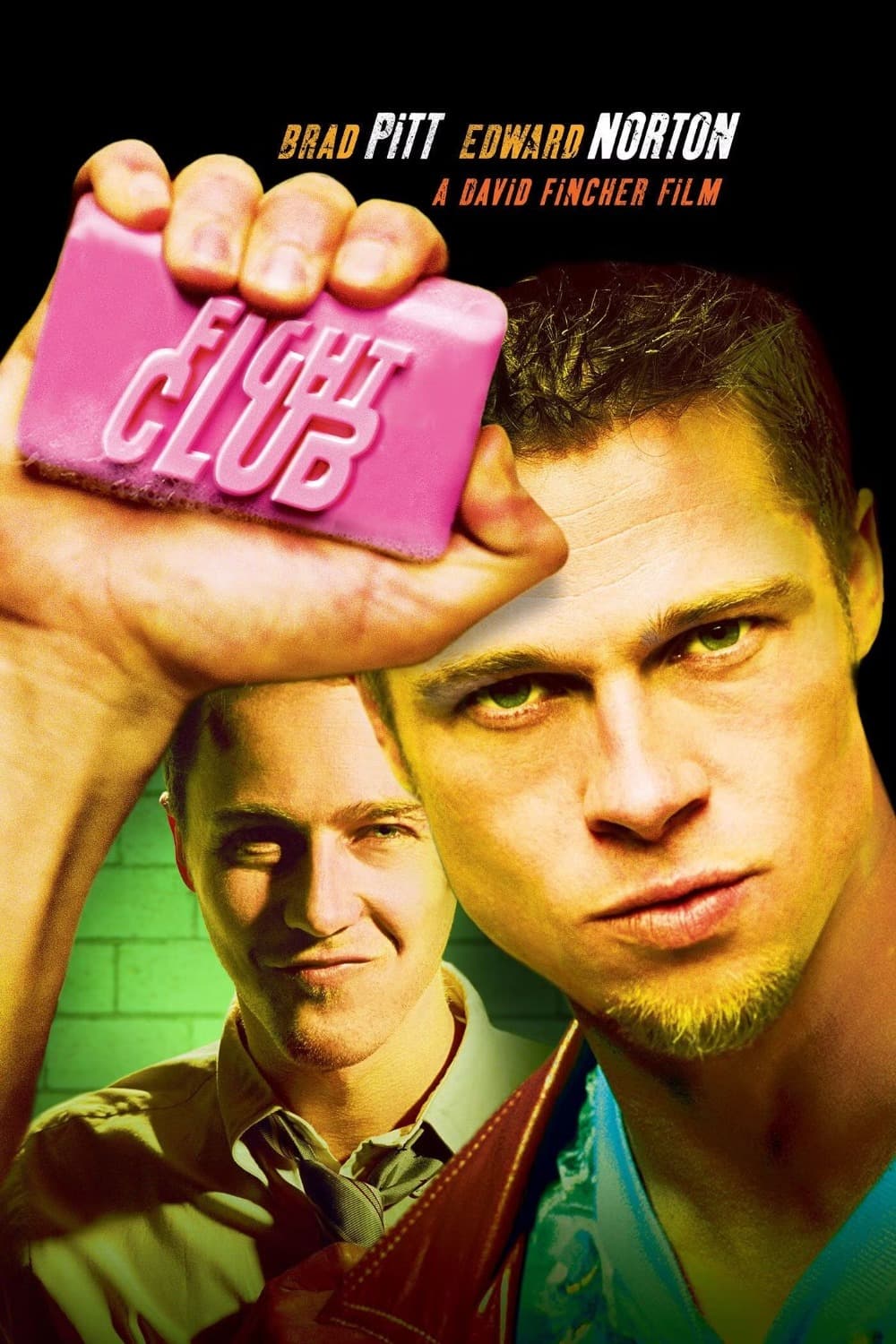
Twenty-five years of argument have still not settled what it is actually saying: Fincher made consumer despair look genuinely thrilling, which is either the joke or the problem.
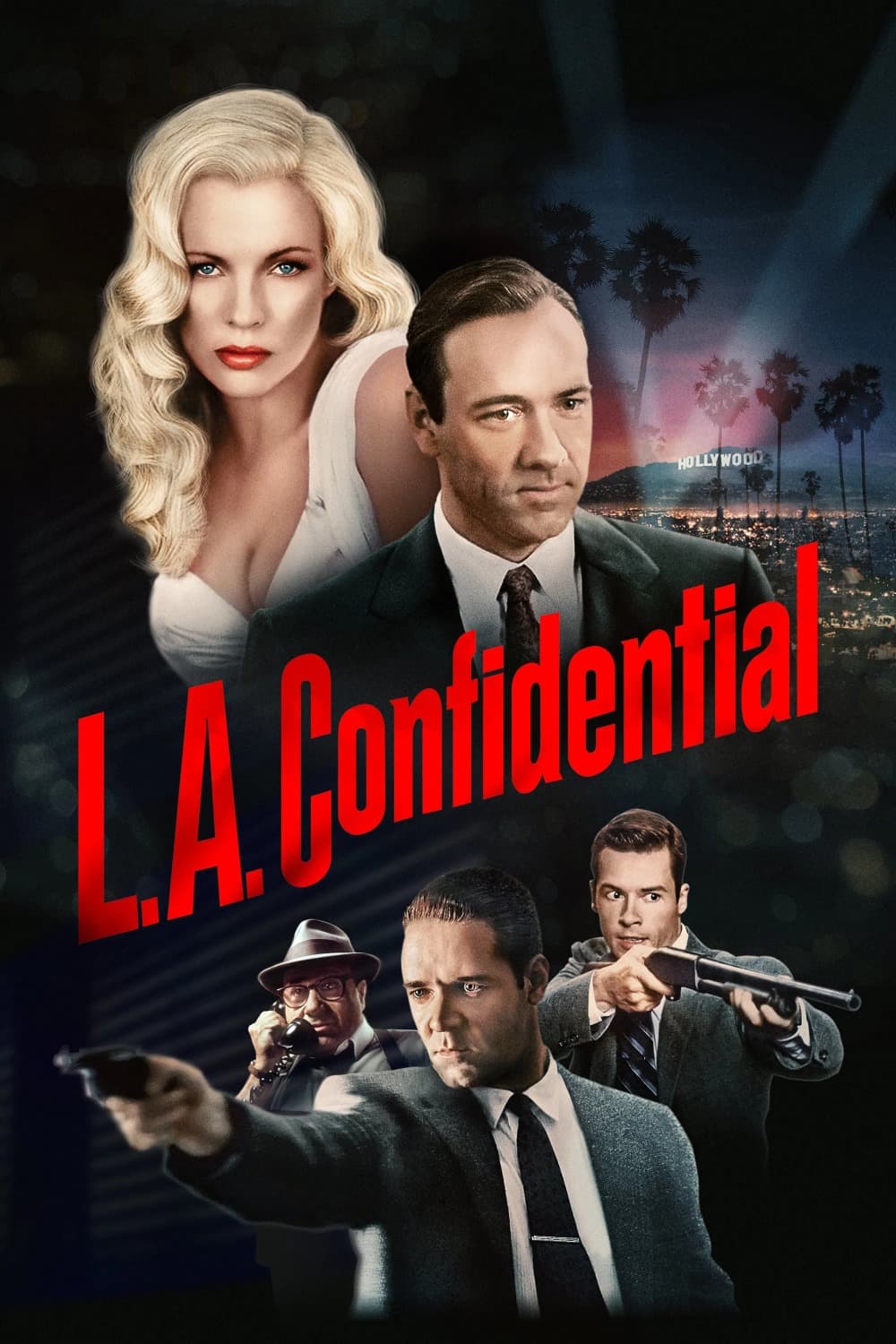
Modern film noir does not get better than this: three Los Angeles cops with nothing in common, and a plot so tightly wired people rewatch it to follow the connections.
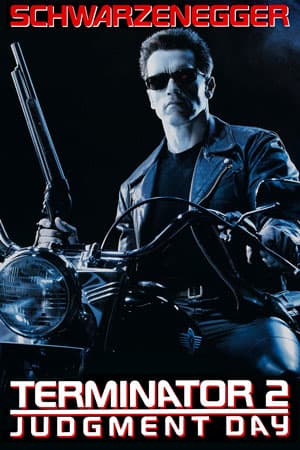
Computer effects became believable overnight: Cameron spent more money than anyone ever had, put a liquid metal killer on screen, and every studio in town immediately started writing checks.
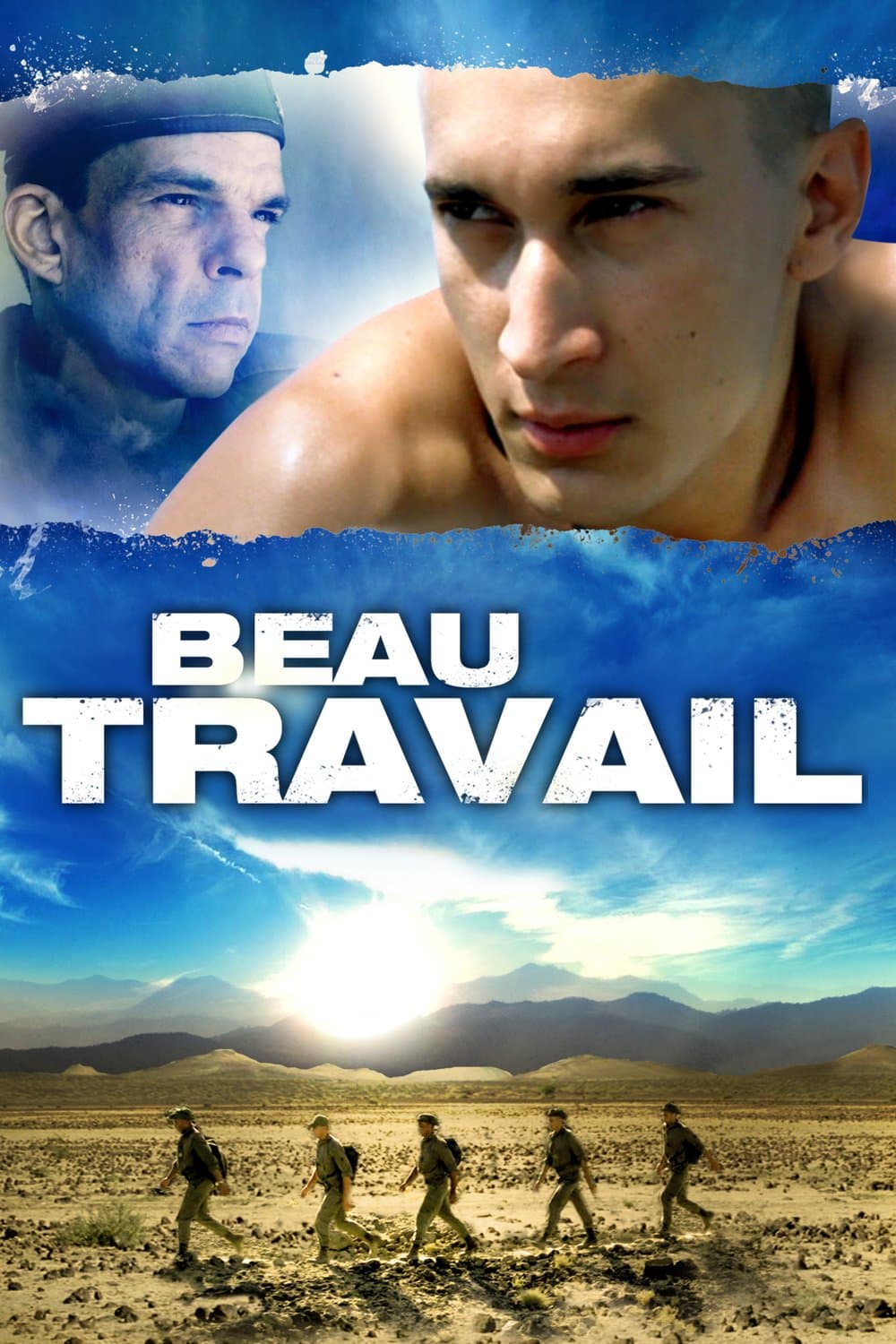
Denis turned Melville's Billy Budd into something closer to dance than to drama: Foreign Legionnaires drilling in the Djibouti heat, all bodies and sun and things nobody will say.
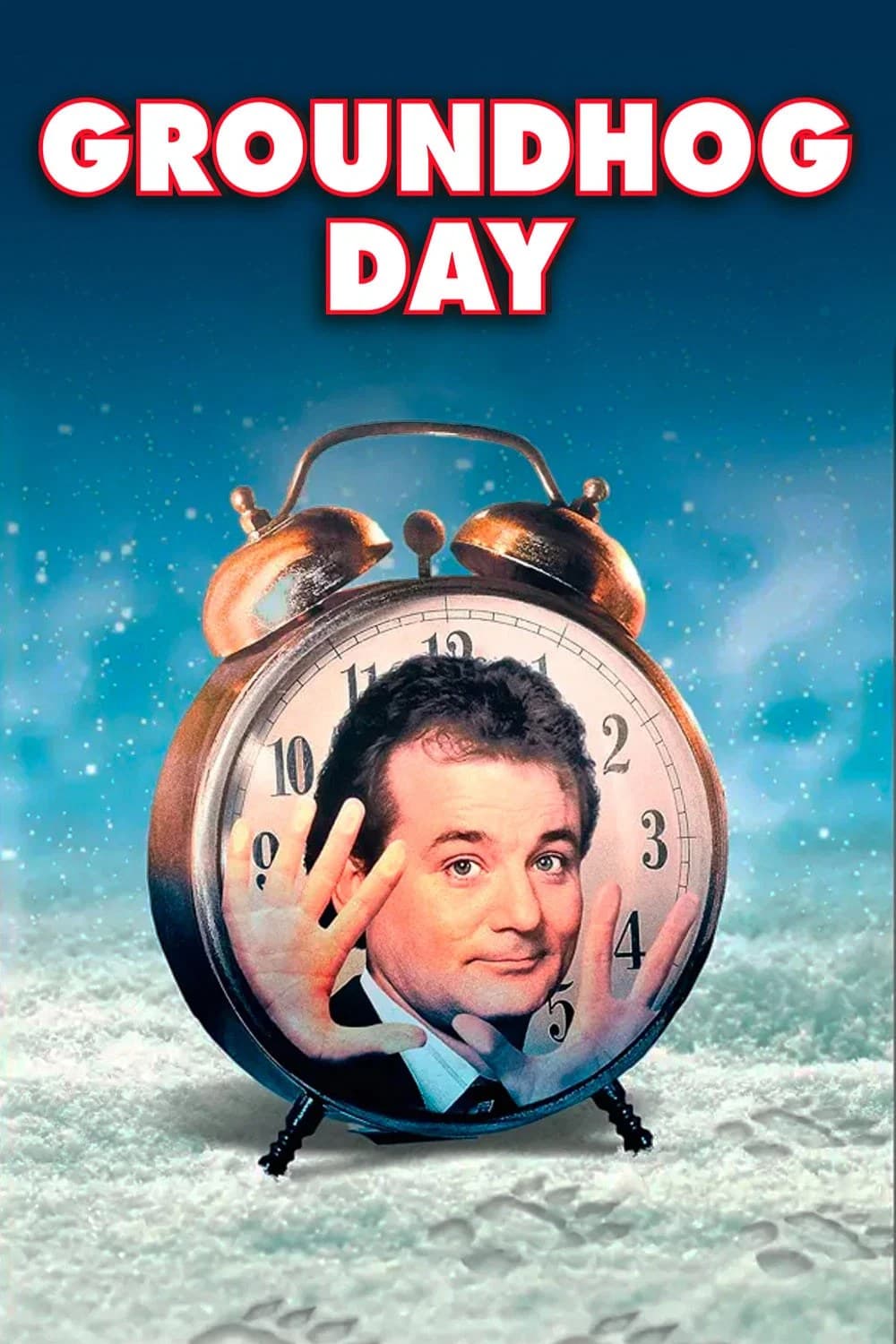
The title became a phrase people use without knowing the film: a comedy about repeating one day turned into the most quietly serious argument about how to live.
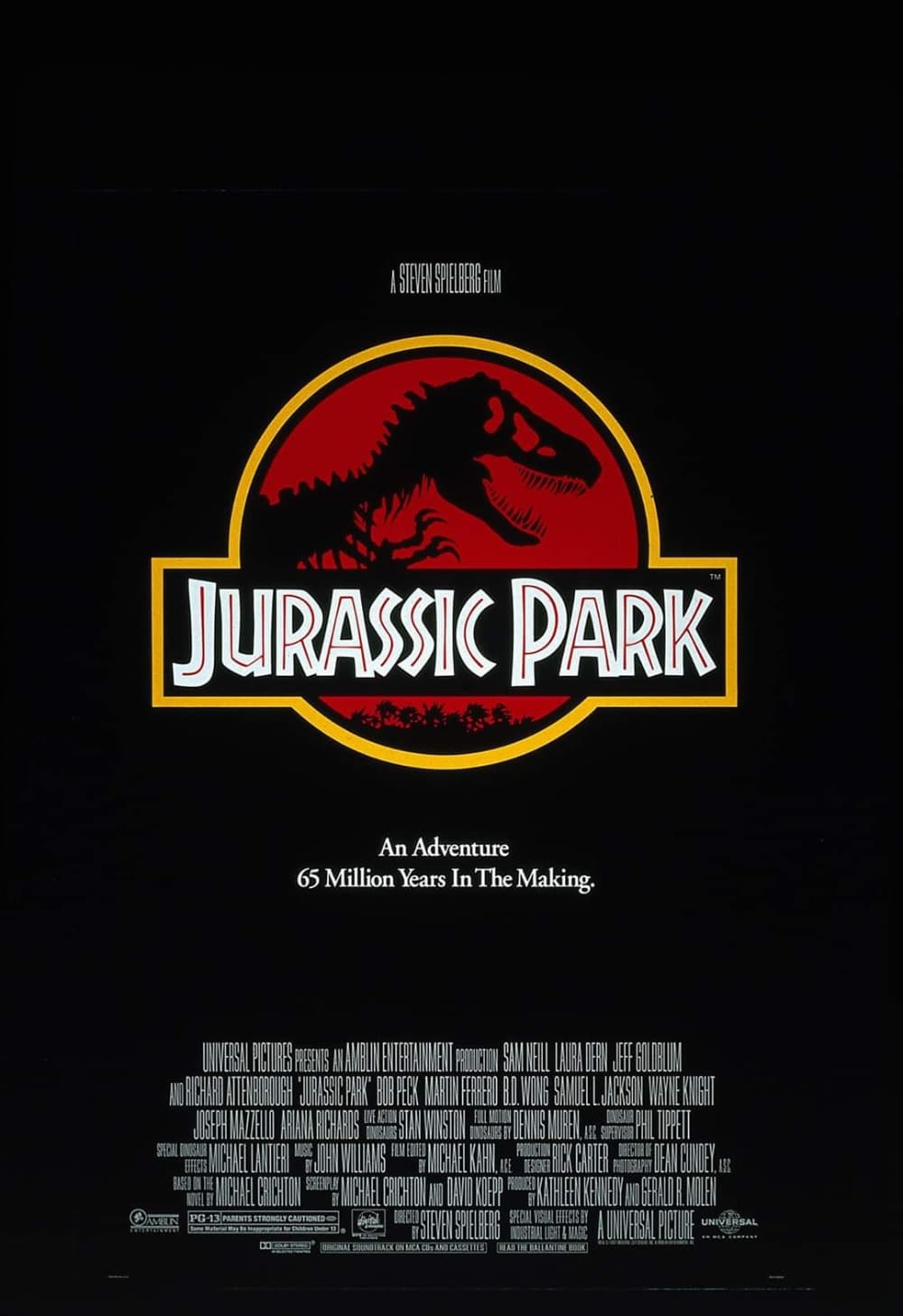
The moment the first dinosaur appears is the moment audiences stopped trusting their own eyes: Spielberg mixed puppets and computers so well that the seams still do not show.
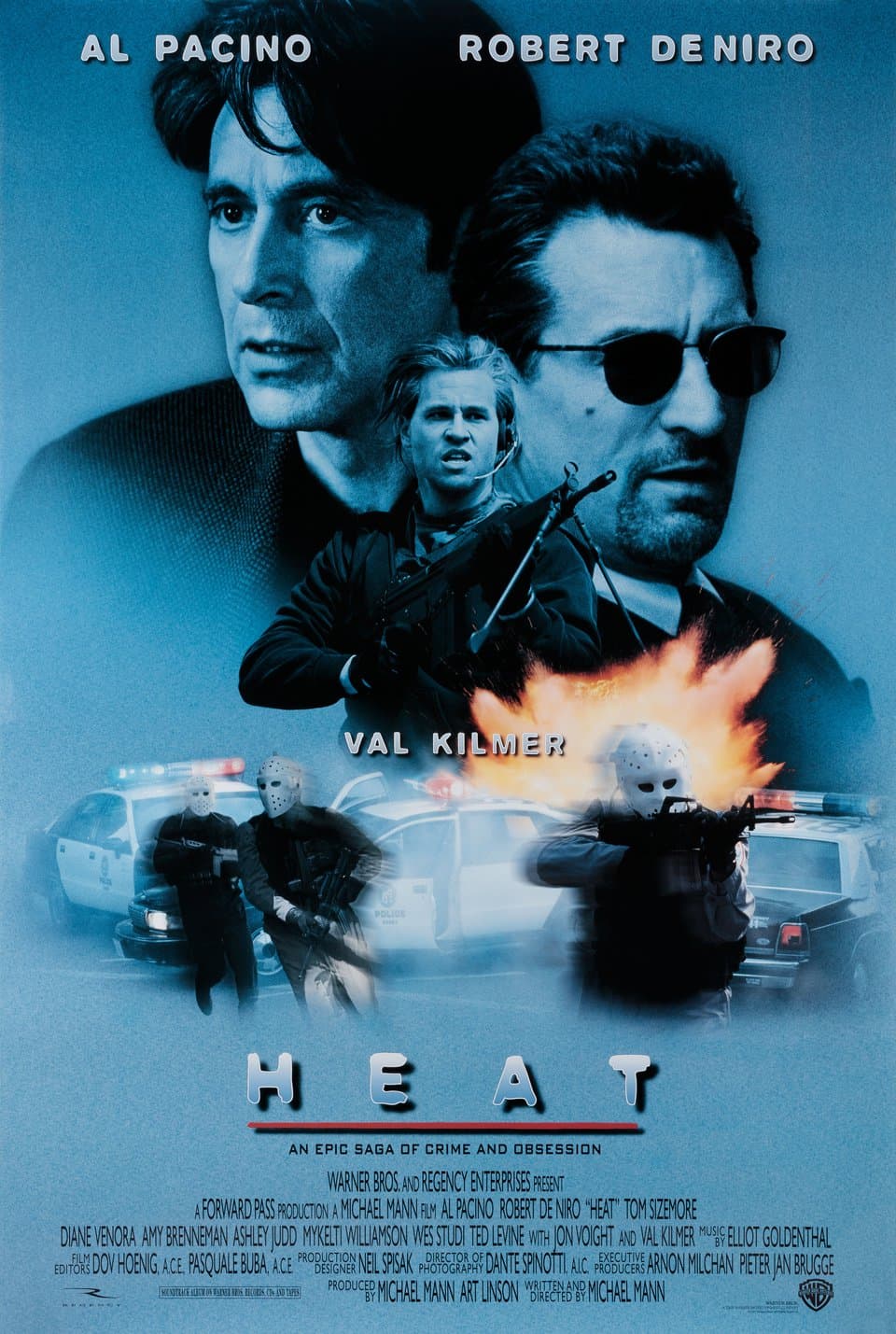
Police forces train on the shootout and every heist film since has copied it: Mann also got De Niro and Pacino into one diner booth for the first time.
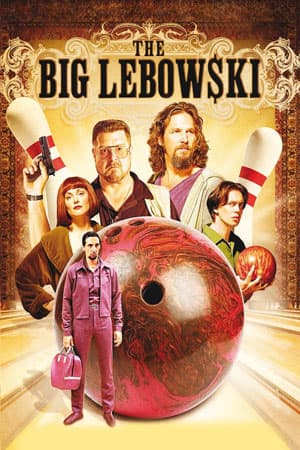
It underwhelmed in cinemas and then grew a festival, a religion and a vocabulary: the Coens built a Chandler plot around a man whose only ambition is getting his rug replaced.
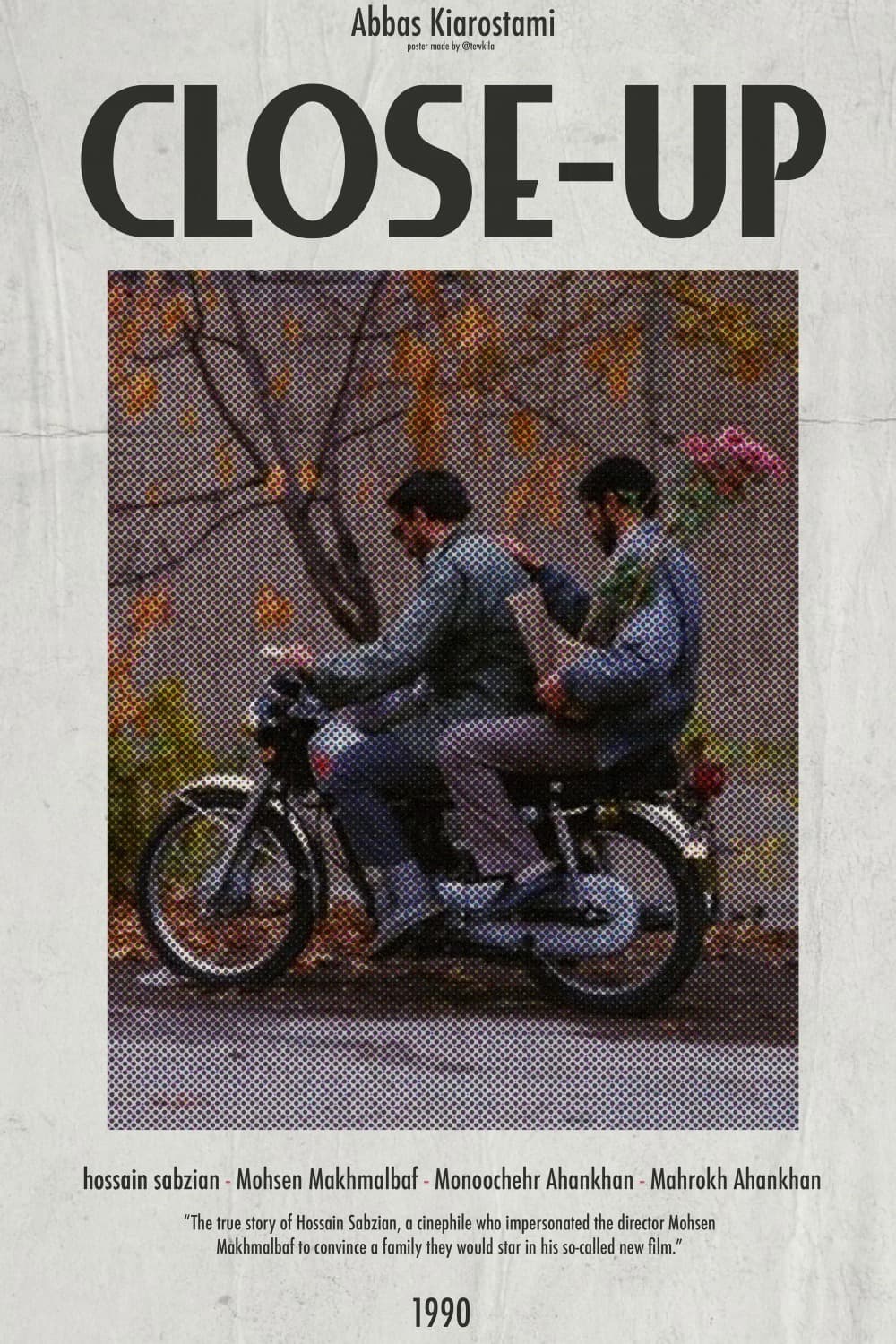
Kiarostami blurred documentary and fiction so completely that nobody has quite untangled it since: a man caught impersonating a director, with everyone involved playing themselves on camera.
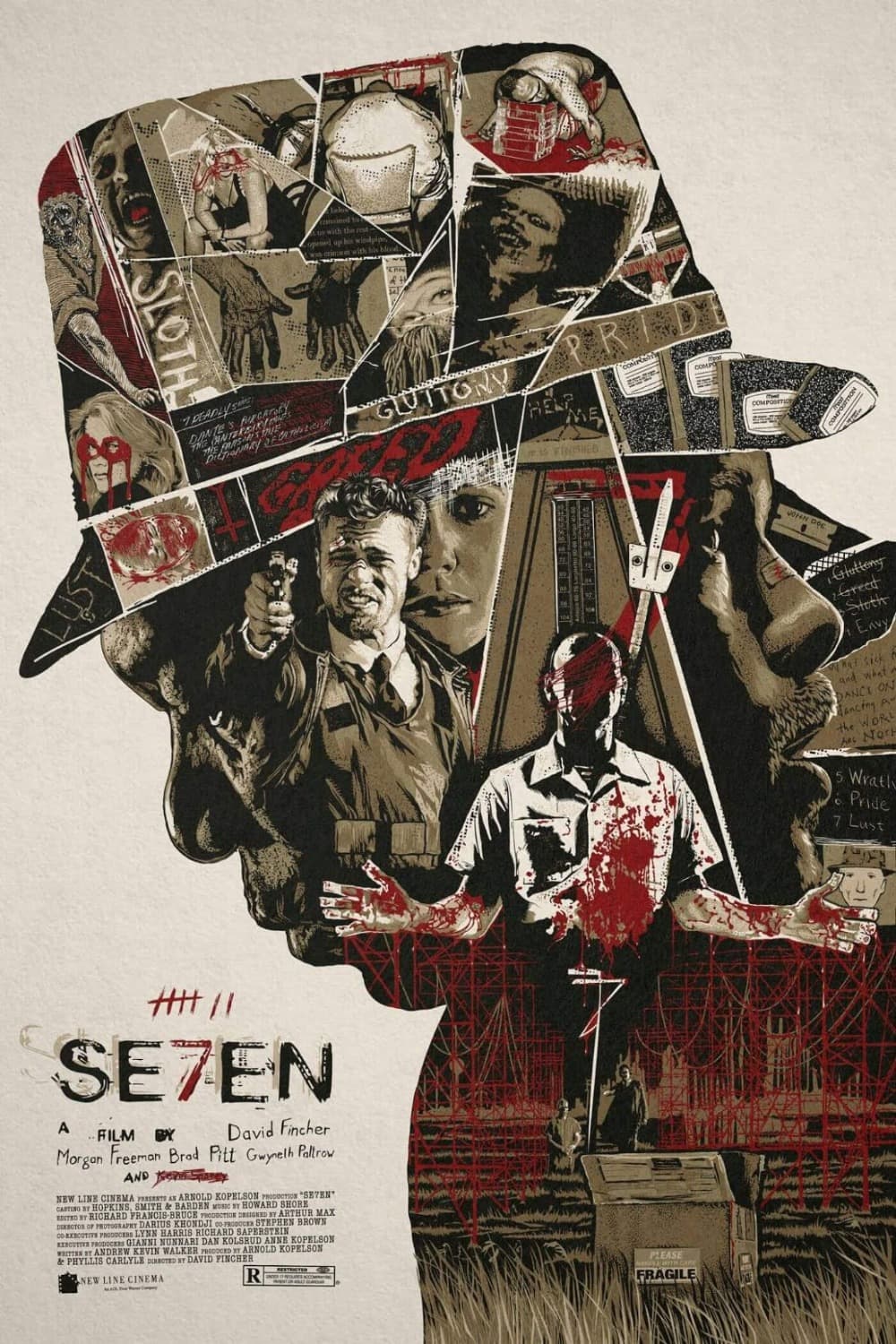
The studio wanted the ending changed and Fincher refused, and studios then spent a decade trying to reproduce the atmosphere: a procedural so bleak the rain never stops.