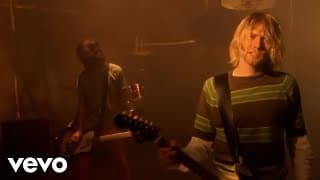
Smells Like Teen Spirit
1991 · From Nevermind
Four chords, a mumble nobody could decipher, and the riff that ended one decade of rock and started another.
★ 9.9
 skopia
Four chords, a mumble nobody could decipher, and the riff that ended one decade of rock and started another.
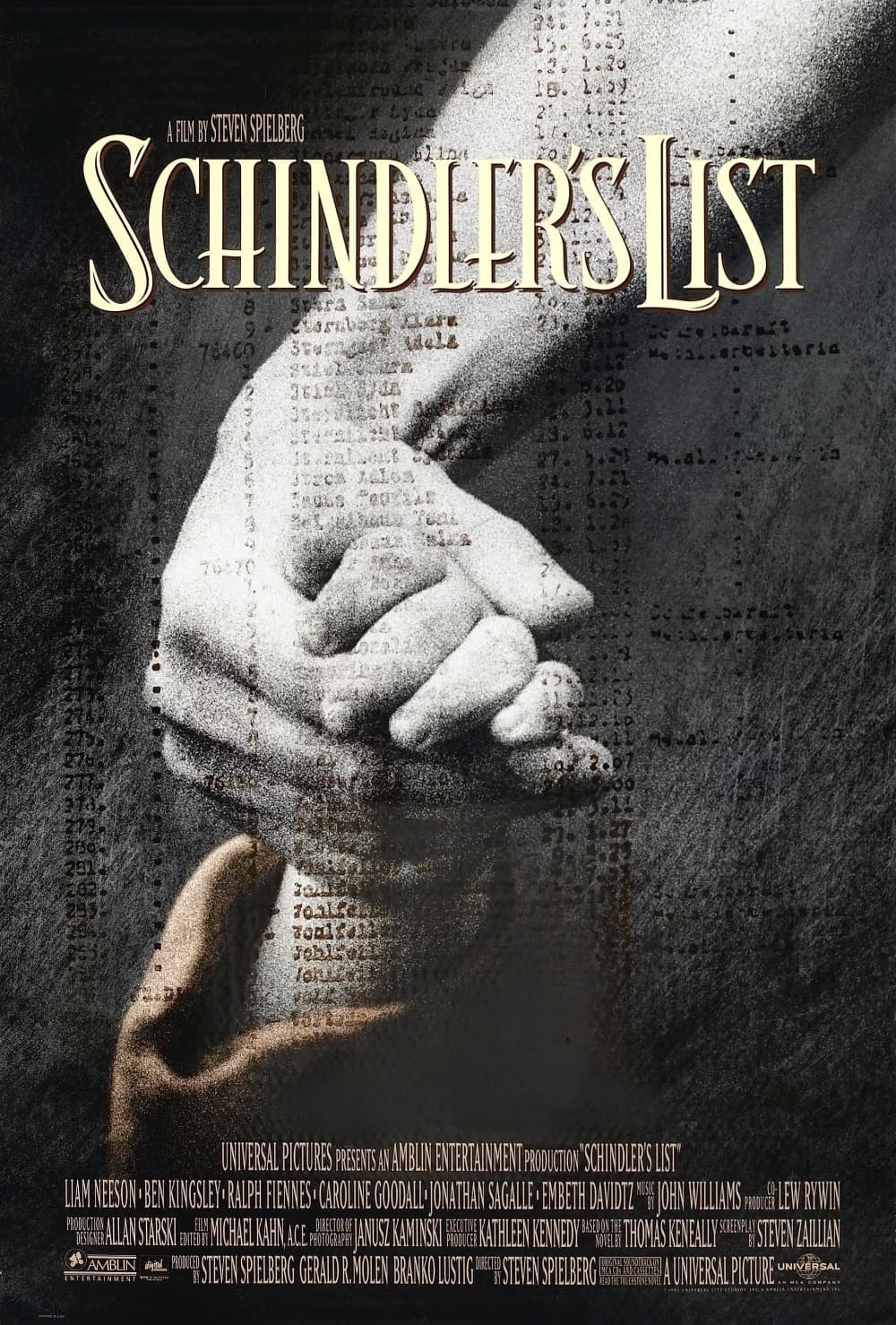
More people have understood the Holocaust through this film than through any other: Spielberg took no fee, shot it in black and white, and gave the last word to the survivors.
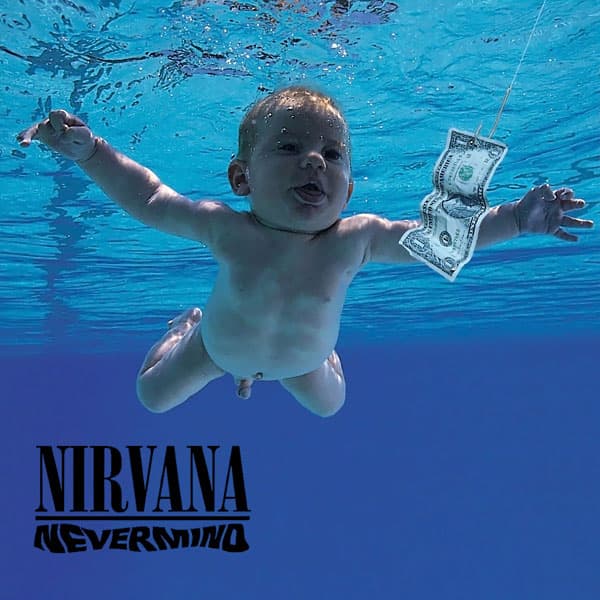
The baby on the cover was paid two hundred dollars. Four months after release it knocked Michael Jackson off the top of the chart.
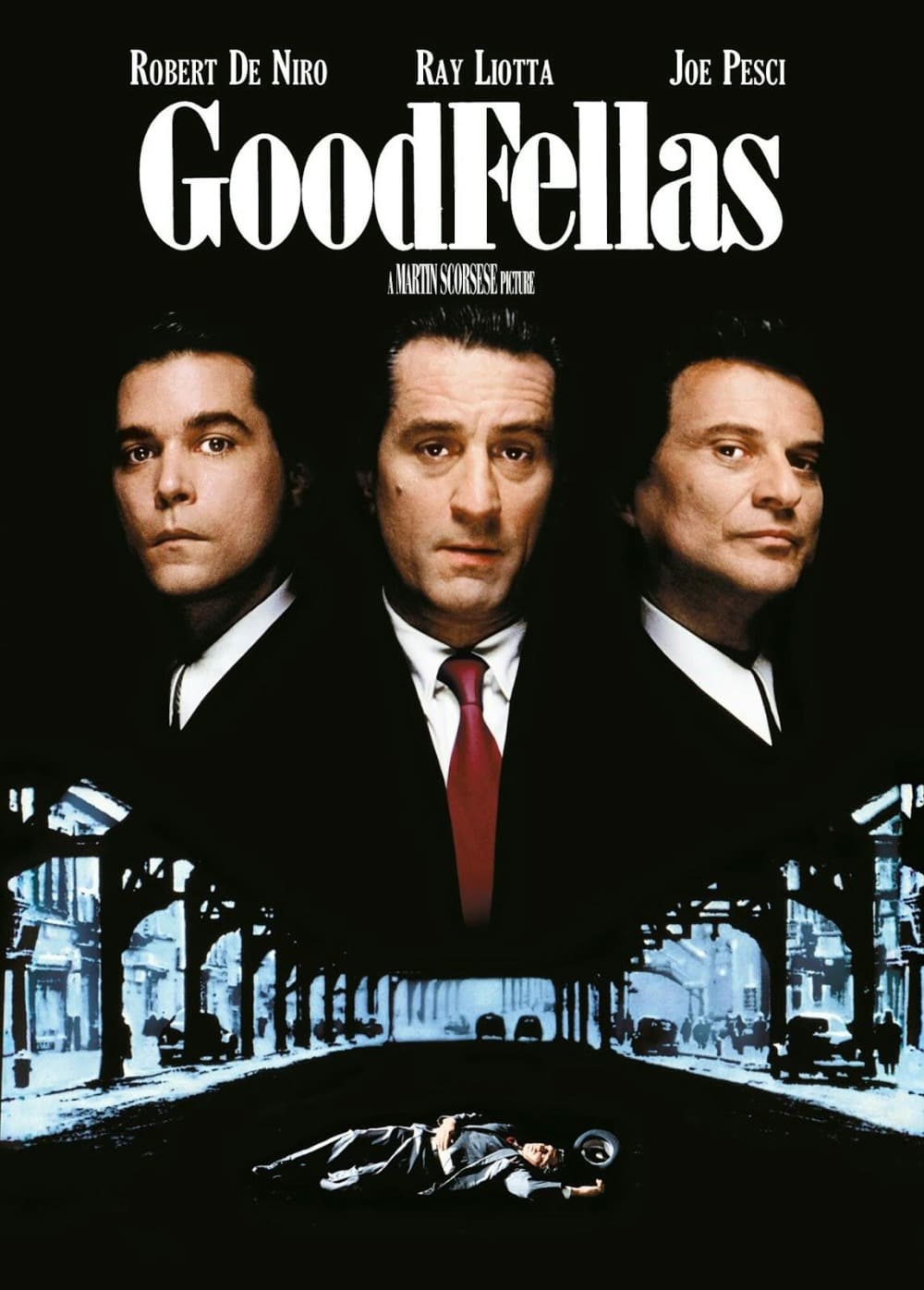
Every gangster film of the last thirty years is arguing with this one: Scorsese made the life so intoxicating for an hour that the comedown lands like a physical event.
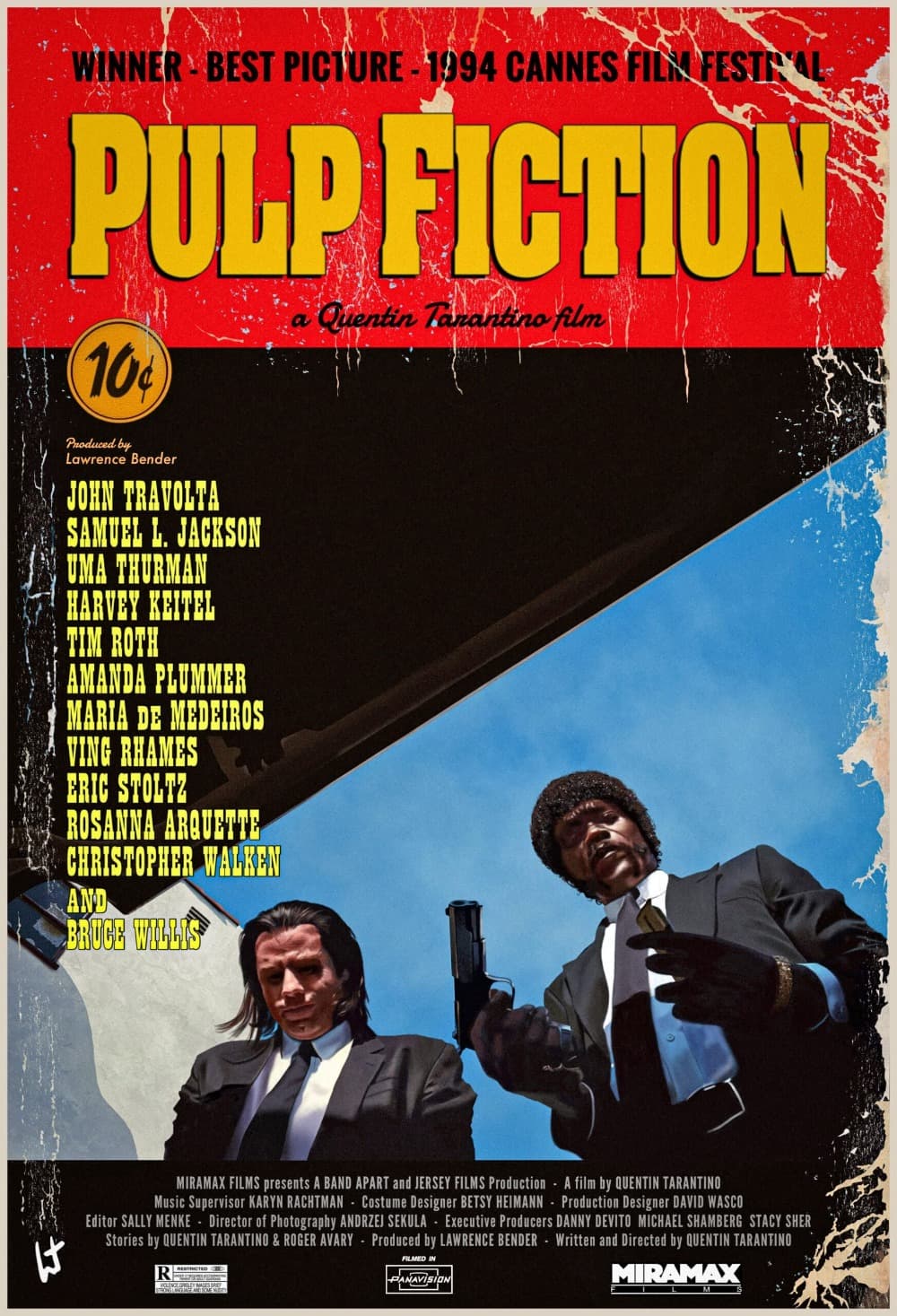
Young filmmakers were allowed to sound different after this one: Tarantino let two hitmen argue about hamburgers for ten minutes, and an entire decade of American cinema followed.
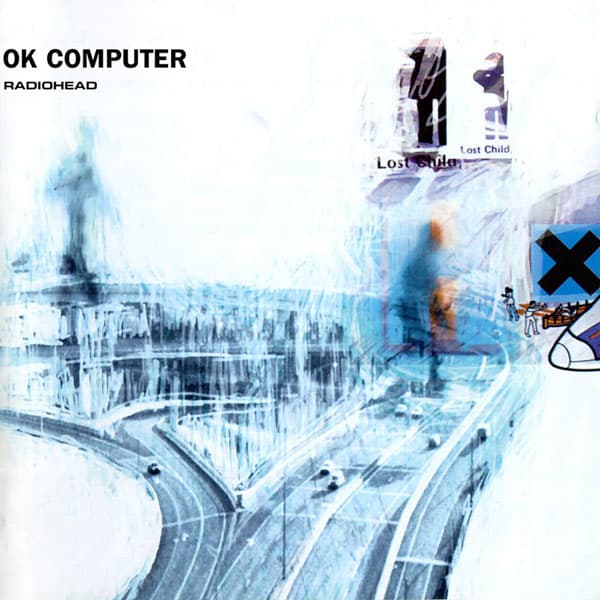
Recorded in a fifteenth-century mansion the band rented from an actress, with one track narrated entirely by the computer voice on a Macintosh.
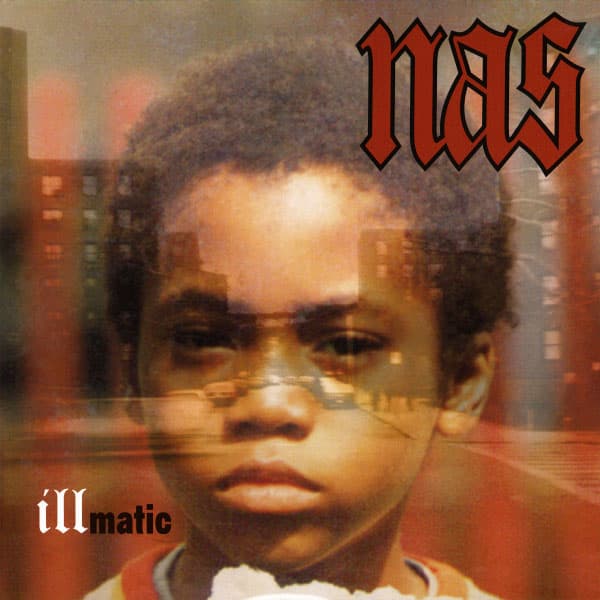
Ten tracks, under forty minutes, made by a twenty-year-old with the best producers in New York each giving him one beat.

The opening traces his life from the delivery room to prison in about three minutes. Puffy made him rewrite half of it for radio.
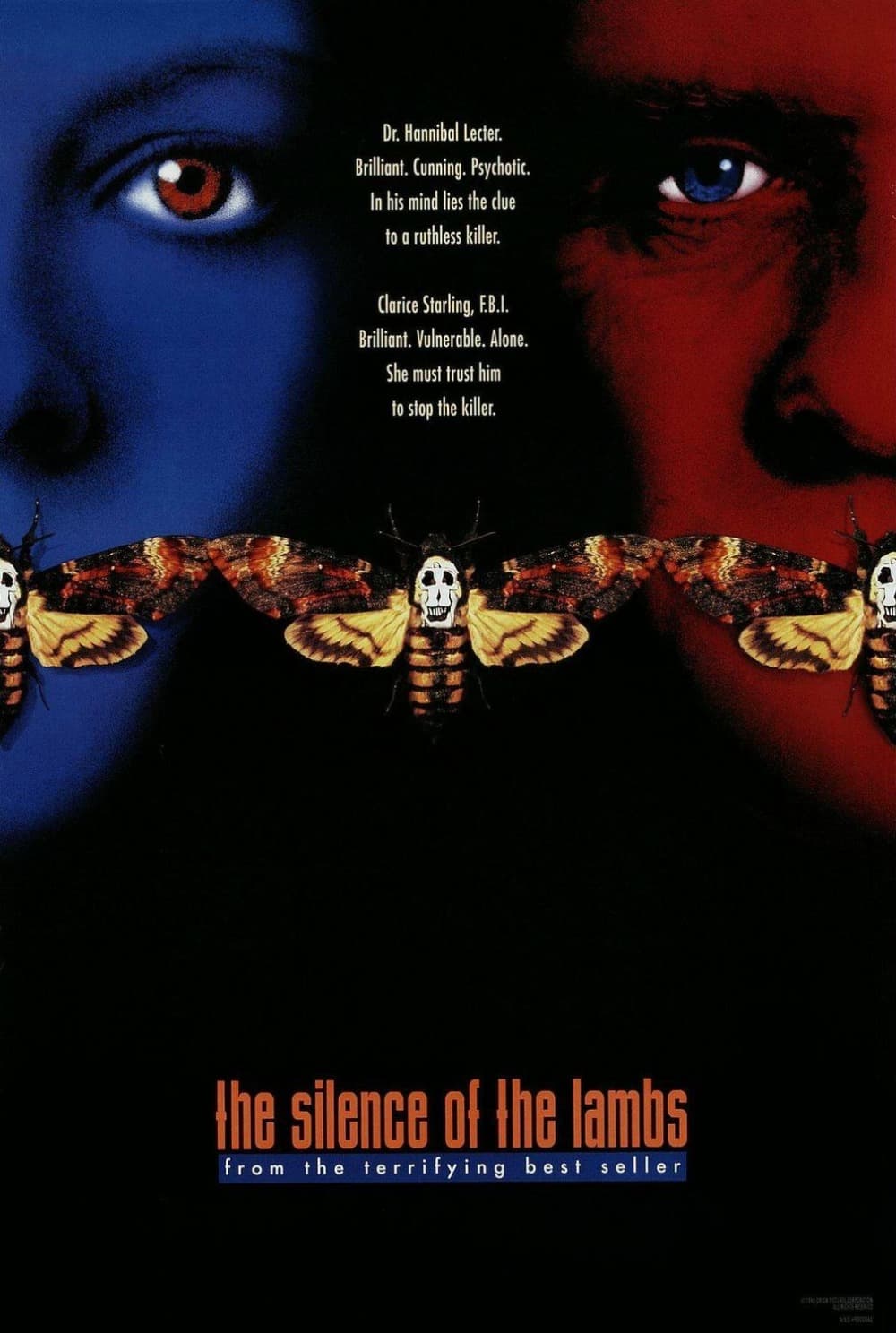
Hopkins is on screen for a fraction of the film and won an Oscar anyway: Demme shot the interviews straight down the lens so Lecter looks directly at you.
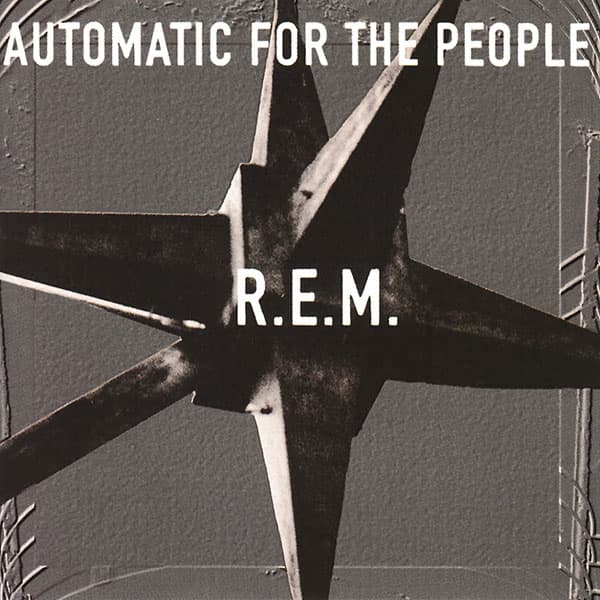
They set out to make a loud record and ended up with a quiet one. John Paul Jones of Led Zeppelin wrote the string parts.
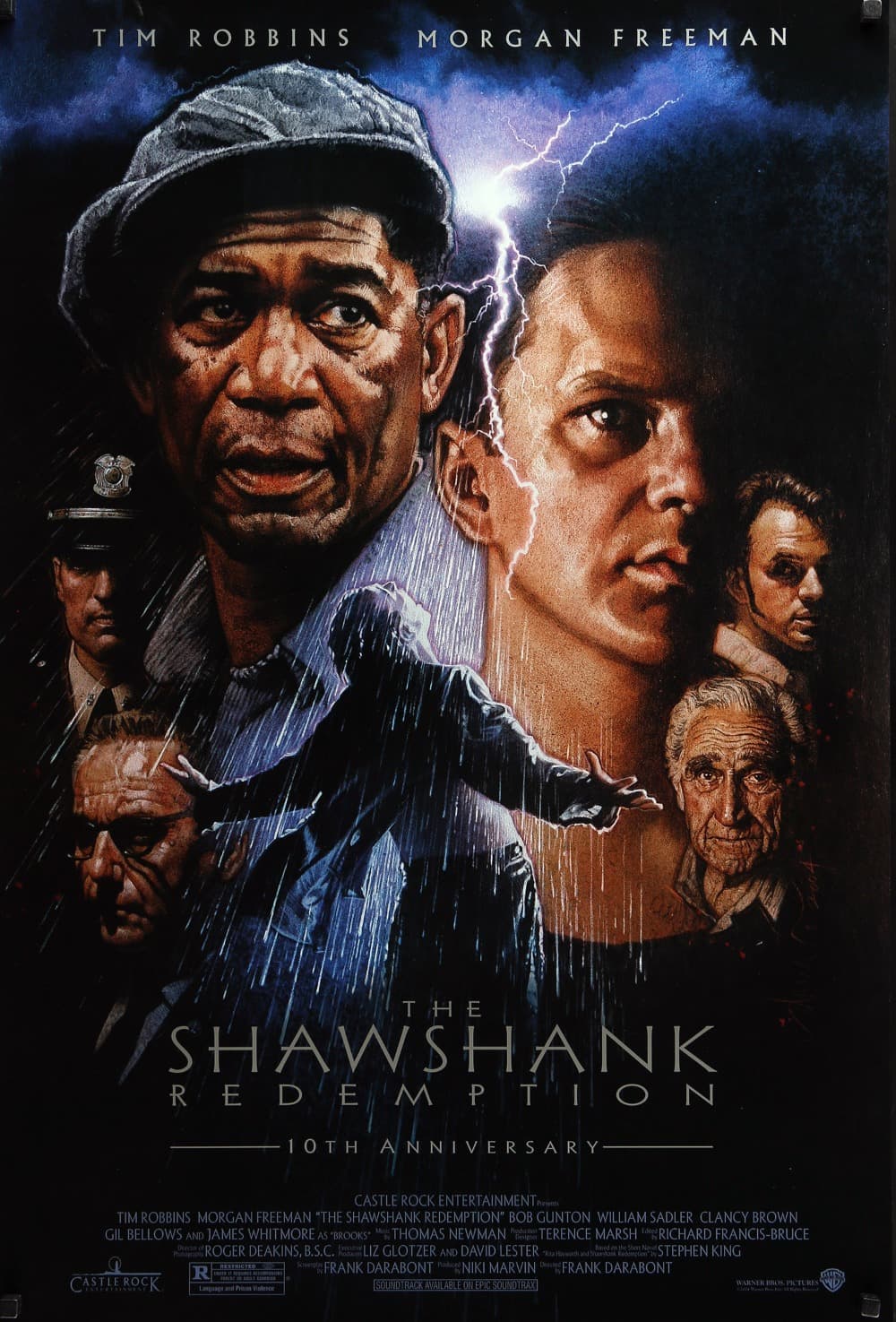
It lost money in cinemas and has sat at the top of IMDb's ranking since 2008: a prison friendship, told patiently, that pays off better than almost anything.
RZA looped a lonely piano figure from the Charmels, and Inspectah Deck's second verse became hip hop scripture.
Dre built G-funk on a Leon Haywood sample, handed Snoop the mic, and gangsta rap reached number two.
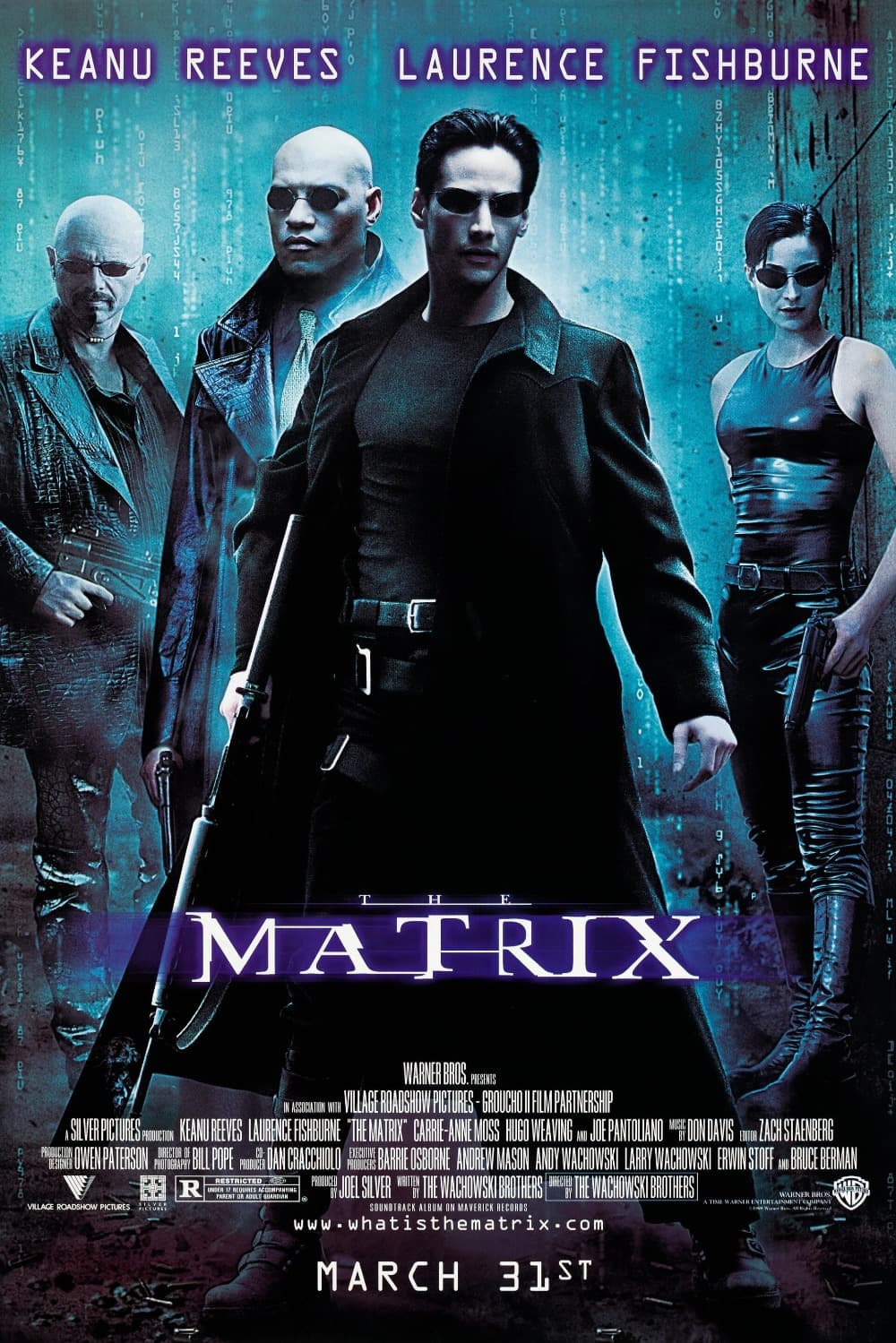
Action filmmaking divides neatly into before and after this one: the Wachowskis fused Hong Kong wire work with a philosophy seminar's premise and everyone spent five years copying it.

RZA negotiated a deal letting every member sign solo elsewhere, then recorded the group in a basement on deliberately cheap, muddy equipment.
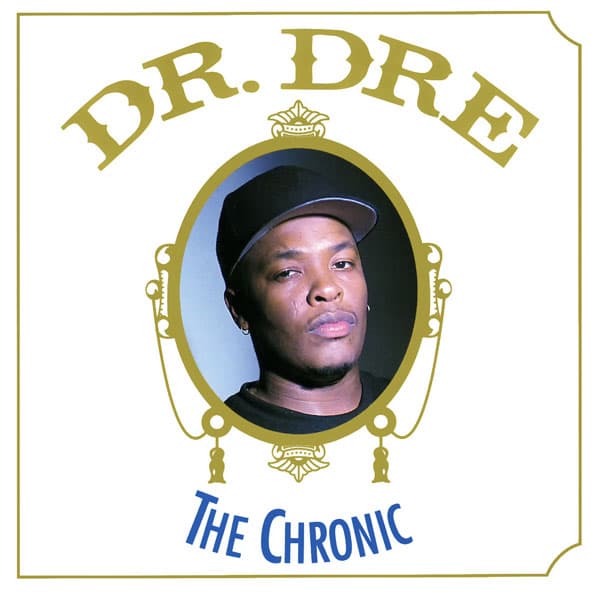
Dre had session players replay the funk records rather than sample them, which sidestepped clearance and made everything sound warmer and slower.
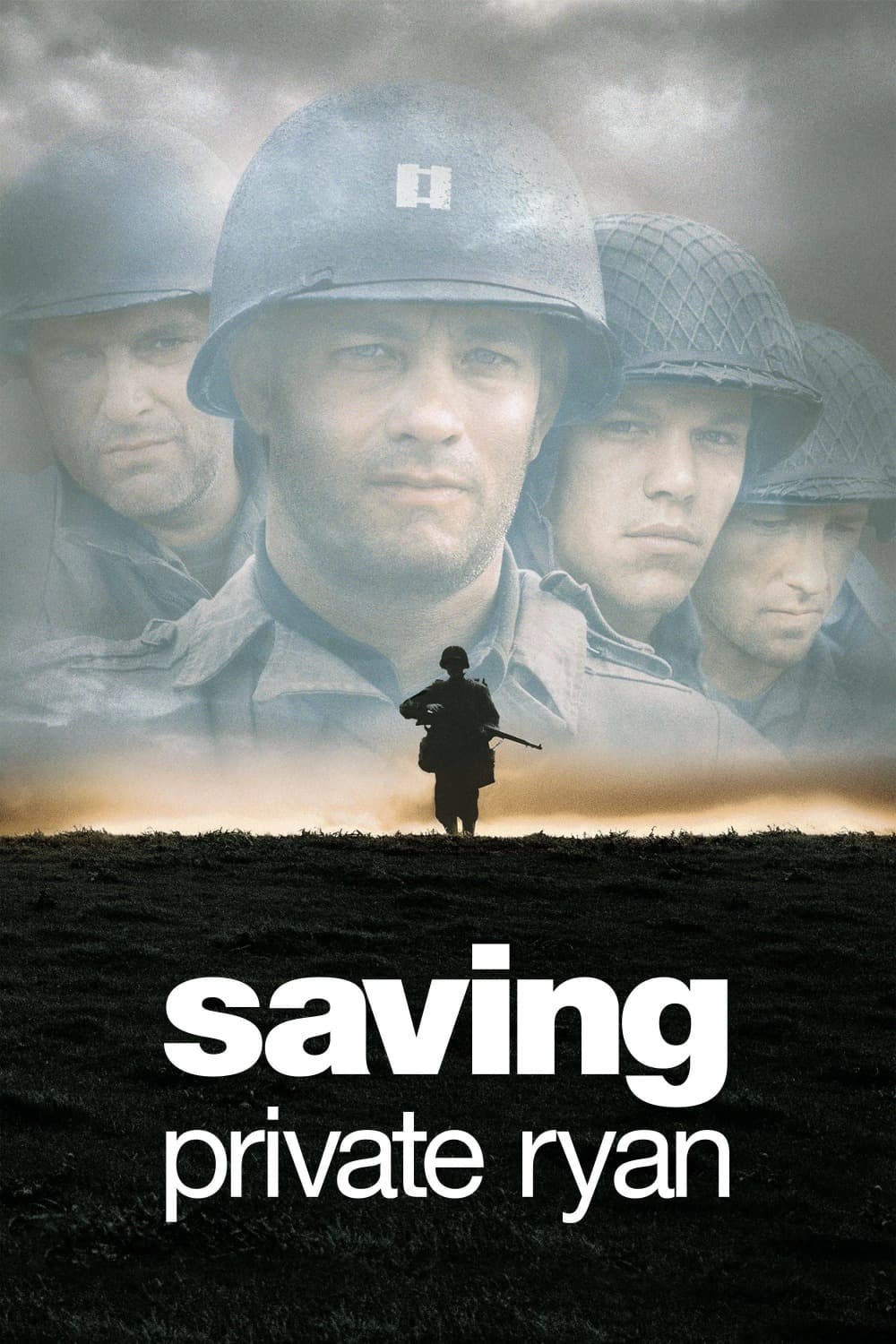
War films look different since the first twenty minutes of this one: Spielberg put the camera in the surf at Omaha Beach and veterans left cinemas unable to speak.

Ron Carter, who played bass with Miles Davis, appears on one track and made them promise there would be no swearing on it.
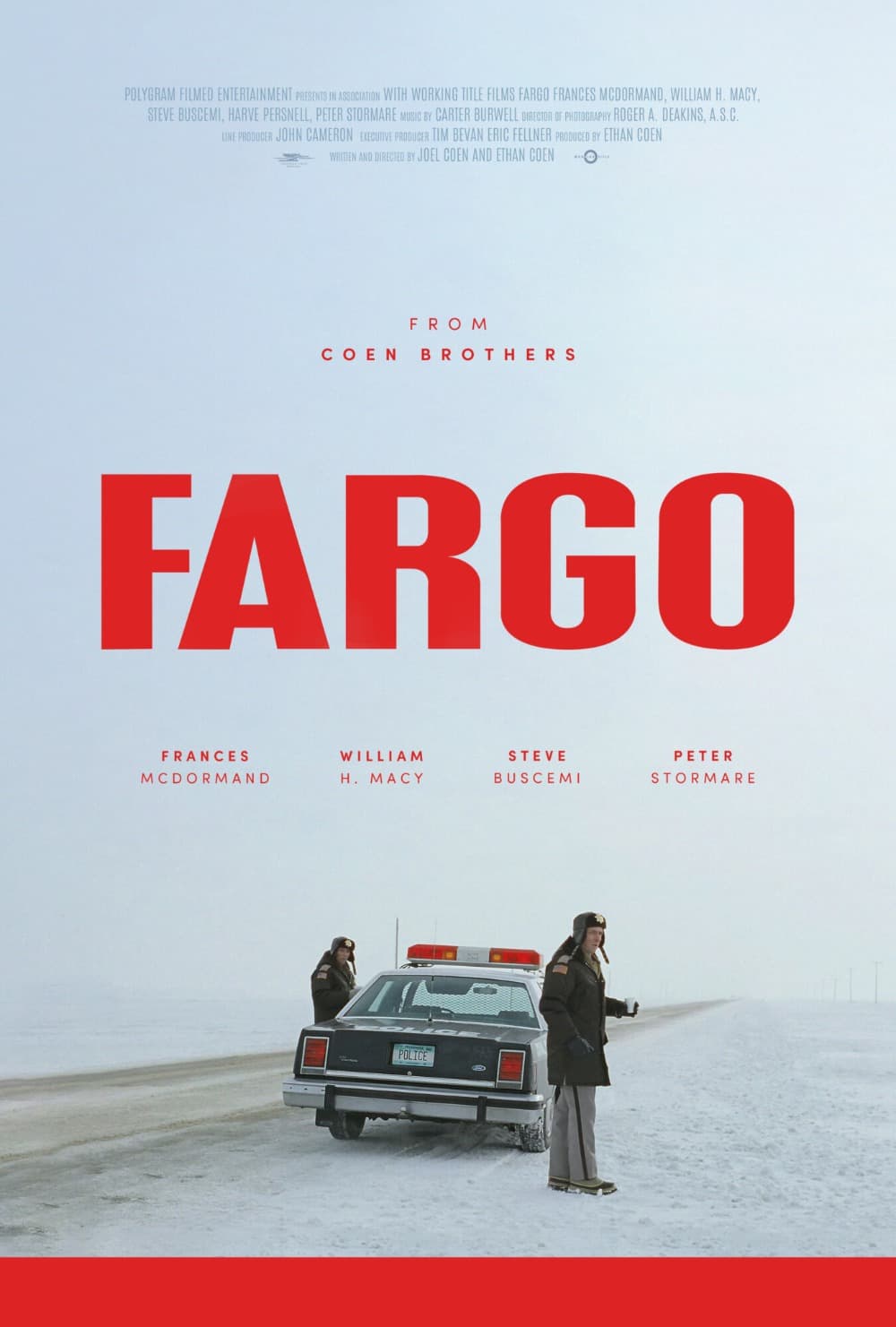
Marge Gunderson is the warmest character the Coens ever wrote, and the reason this one lasts: a kidnapping goes wrong in the snow and she is the only calm person in it.
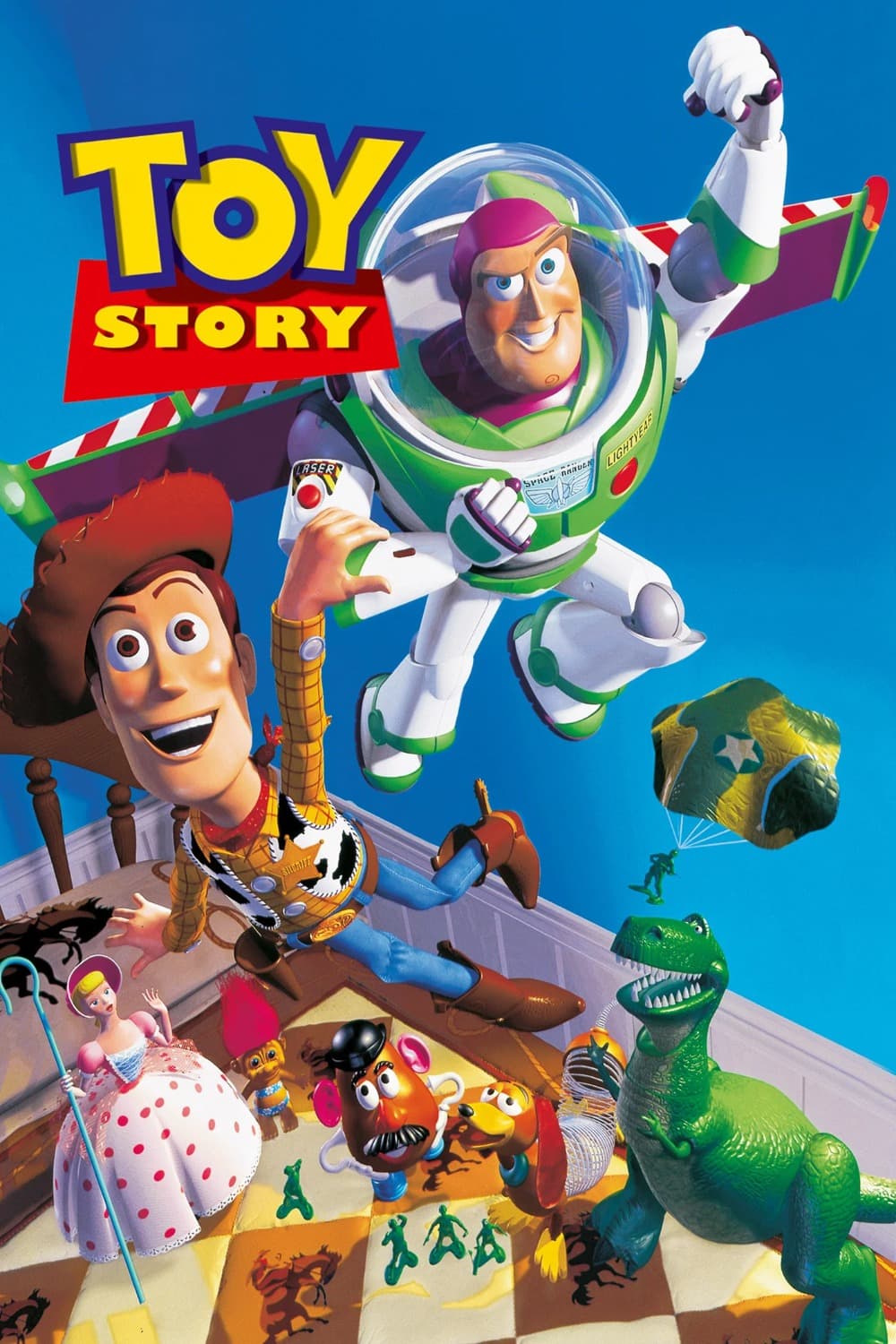
First feature film animated entirely on computers, and the start of Pixar's extraordinary run: it holds up because underneath the toys it is a sharp story about jealousy.