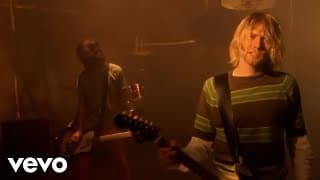
Smells Like Teen Spirit
1991 · From Nevermind
Four chords, a mumble nobody could decipher, and the riff that ended one decade of rock and started another.
★ 9.9
 skopia
Four chords, a mumble nobody could decipher, and the riff that ended one decade of rock and started another.
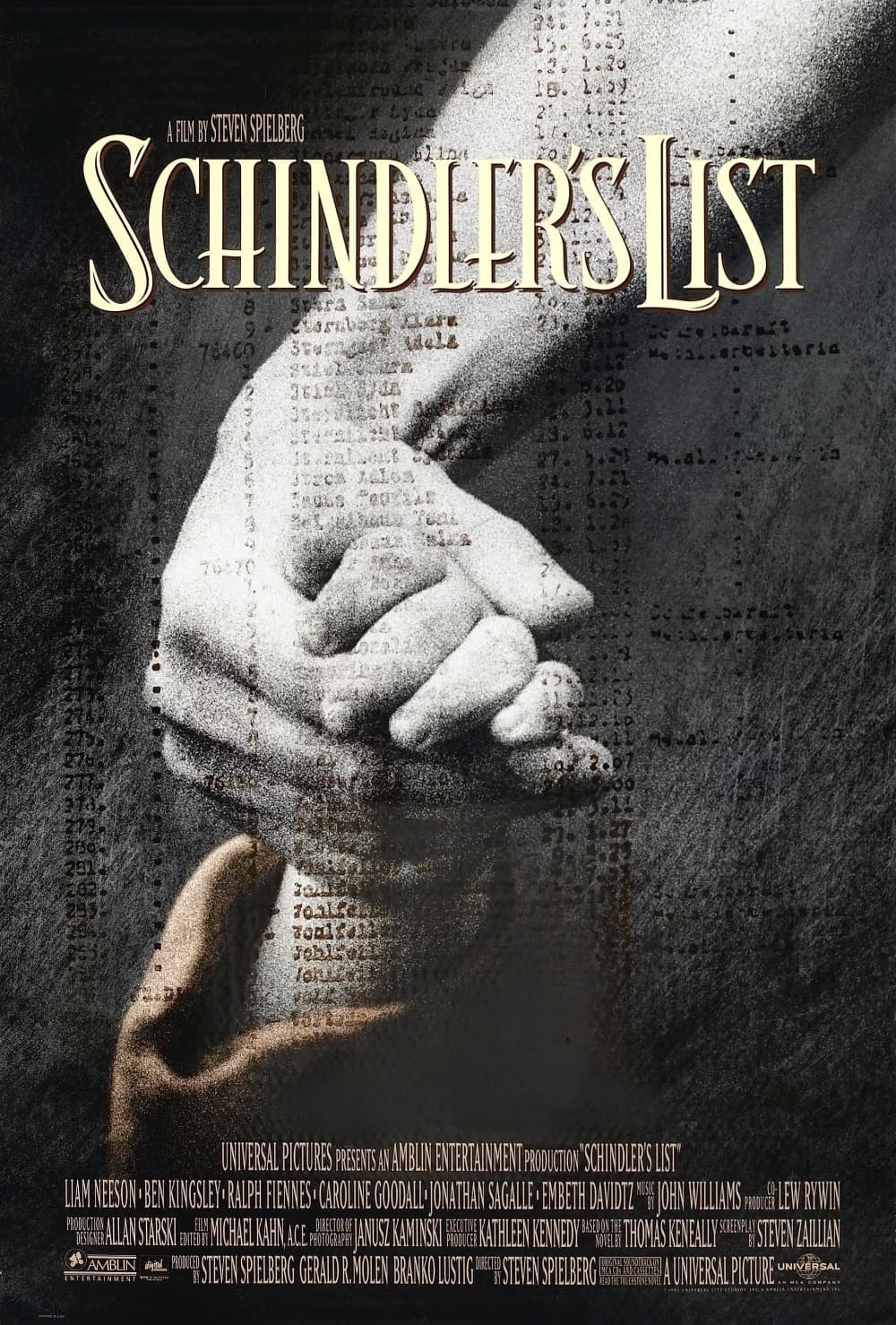
More people have understood the Holocaust through this film than through any other: Spielberg took no fee, shot it in black and white, and gave the last word to the survivors.
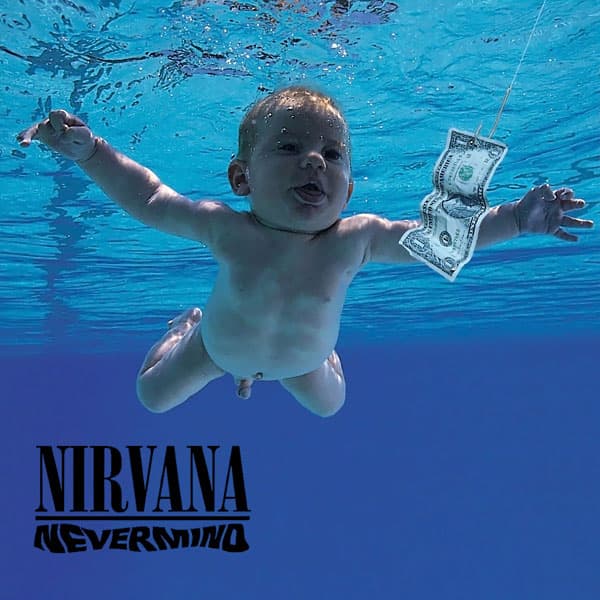
The baby on the cover was paid two hundred dollars. Four months after release it knocked Michael Jackson off the top of the chart.
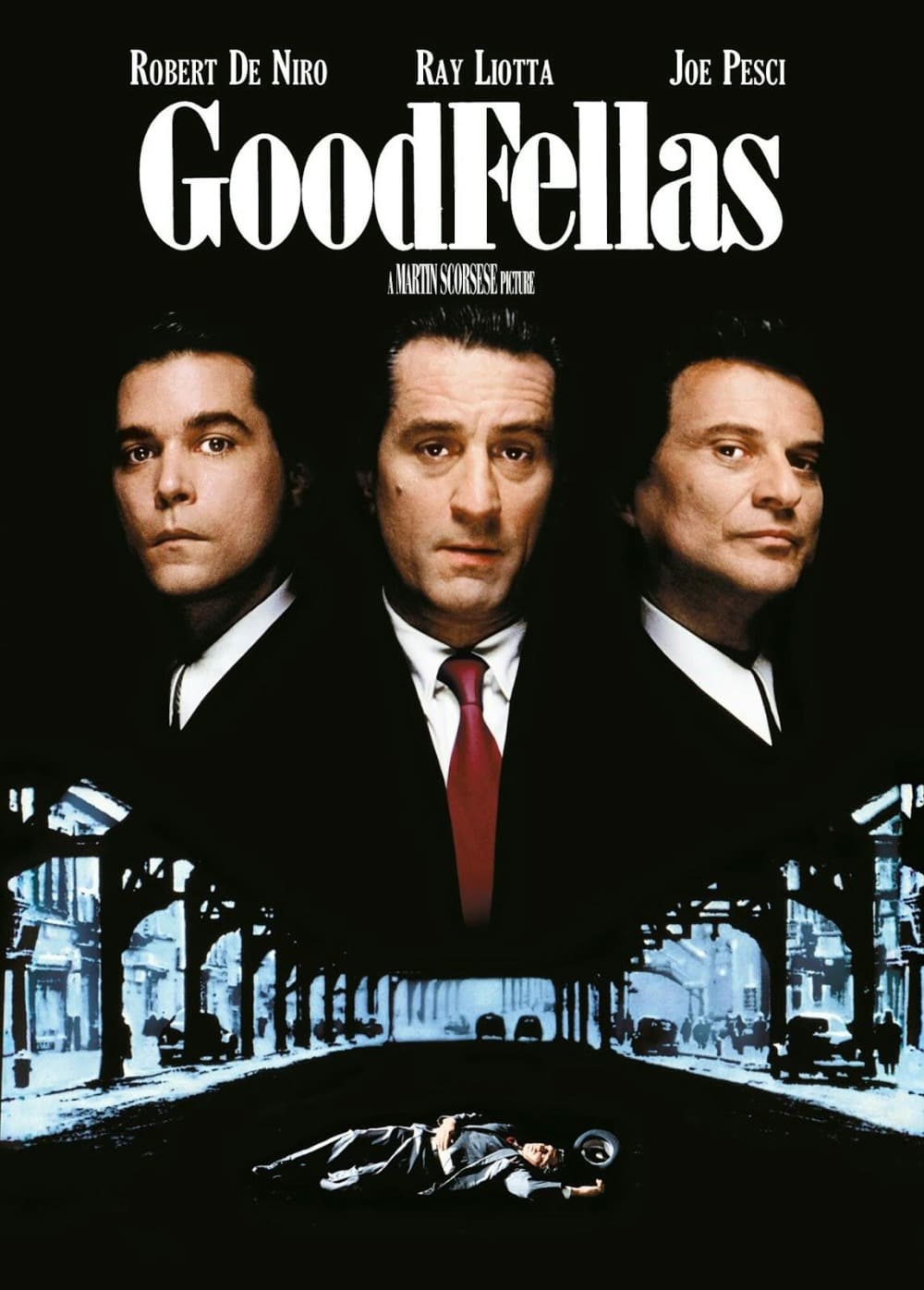
Every gangster film of the last thirty years is arguing with this one: Scorsese made the life so intoxicating for an hour that the comedown lands like a physical event.
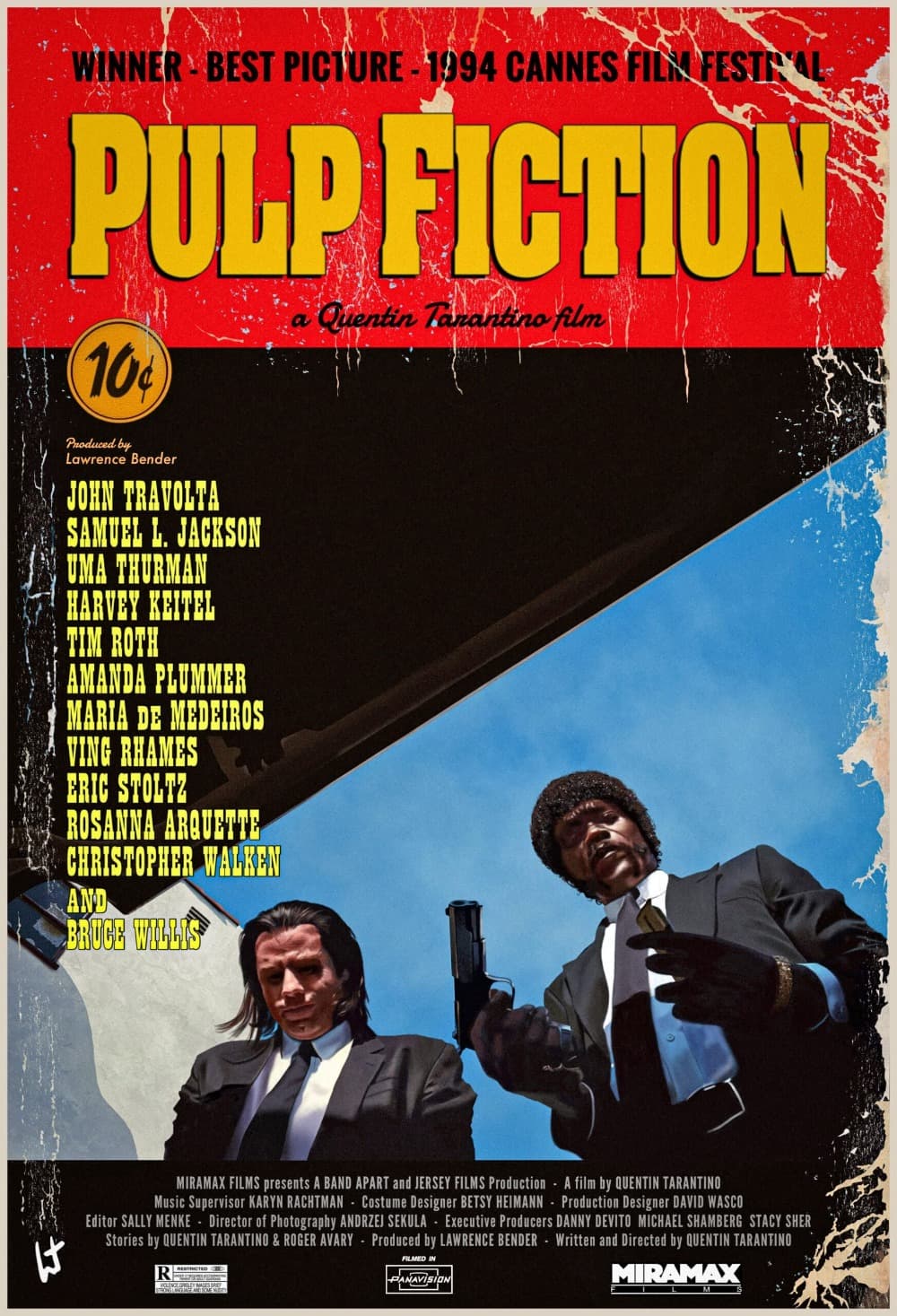
Young filmmakers were allowed to sound different after this one: Tarantino let two hitmen argue about hamburgers for ten minutes, and an entire decade of American cinema followed.
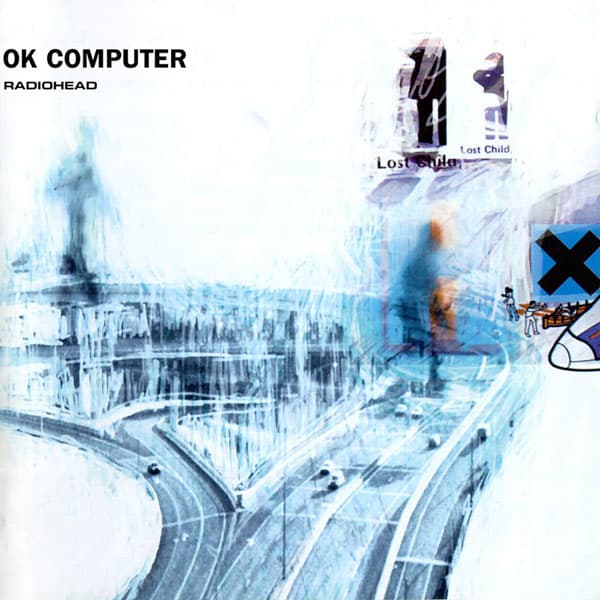
Recorded in a fifteenth-century mansion the band rented from an actress, with one track narrated entirely by the computer voice on a Macintosh.
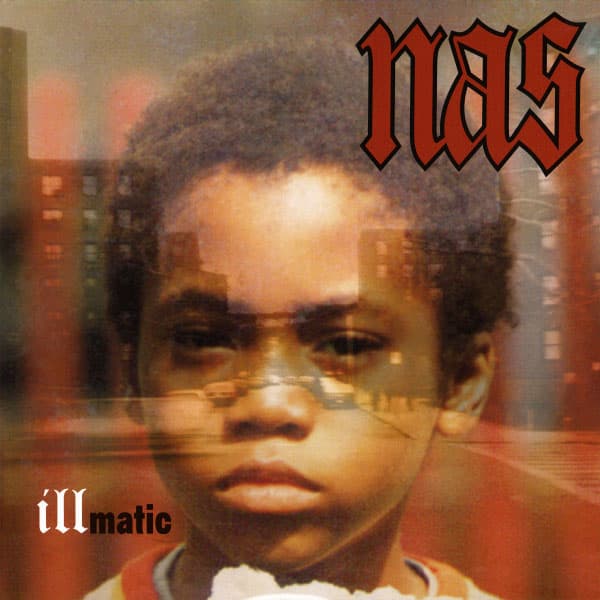
Ten tracks, under forty minutes, made by a twenty-year-old with the best producers in New York each giving him one beat.

The opening traces his life from the delivery room to prison in about three minutes. Puffy made him rewrite half of it for radio.
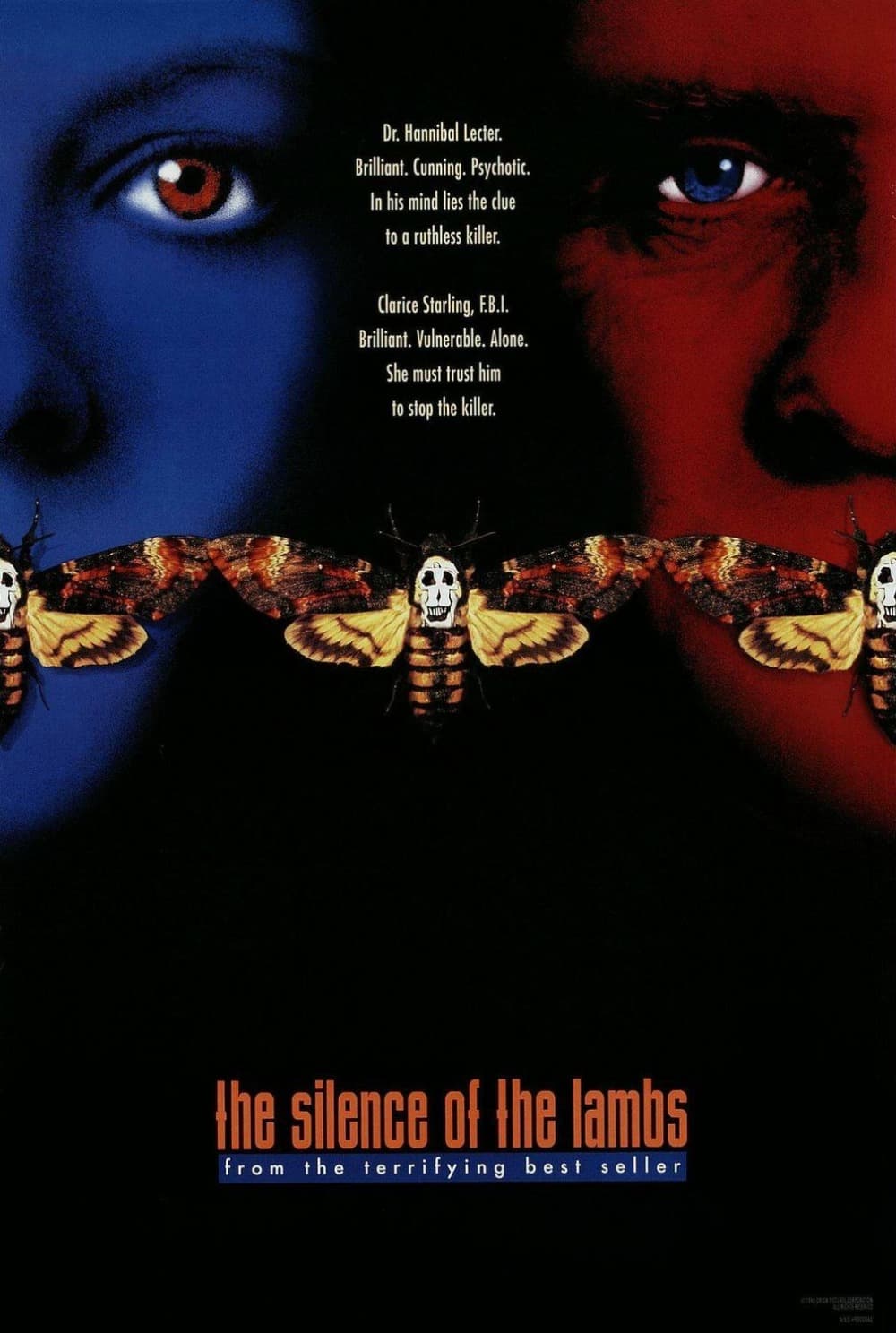
Hopkins is on screen for a fraction of the film and won an Oscar anyway: Demme shot the interviews straight down the lens so Lecter looks directly at you.
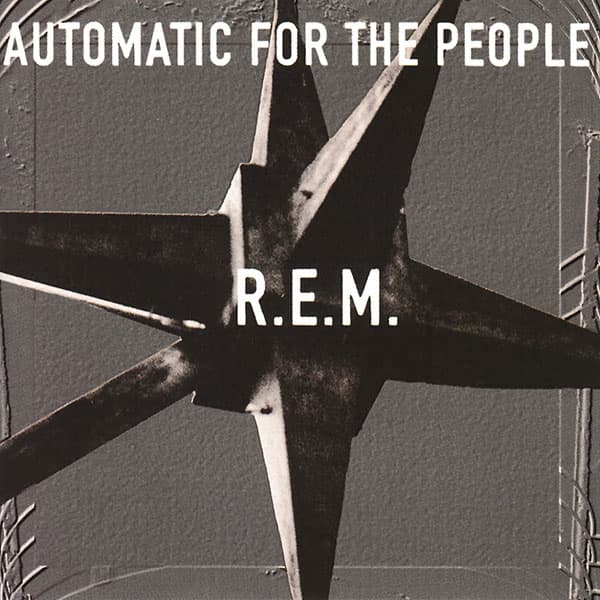
They set out to make a loud record and ended up with a quiet one. John Paul Jones of Led Zeppelin wrote the string parts.
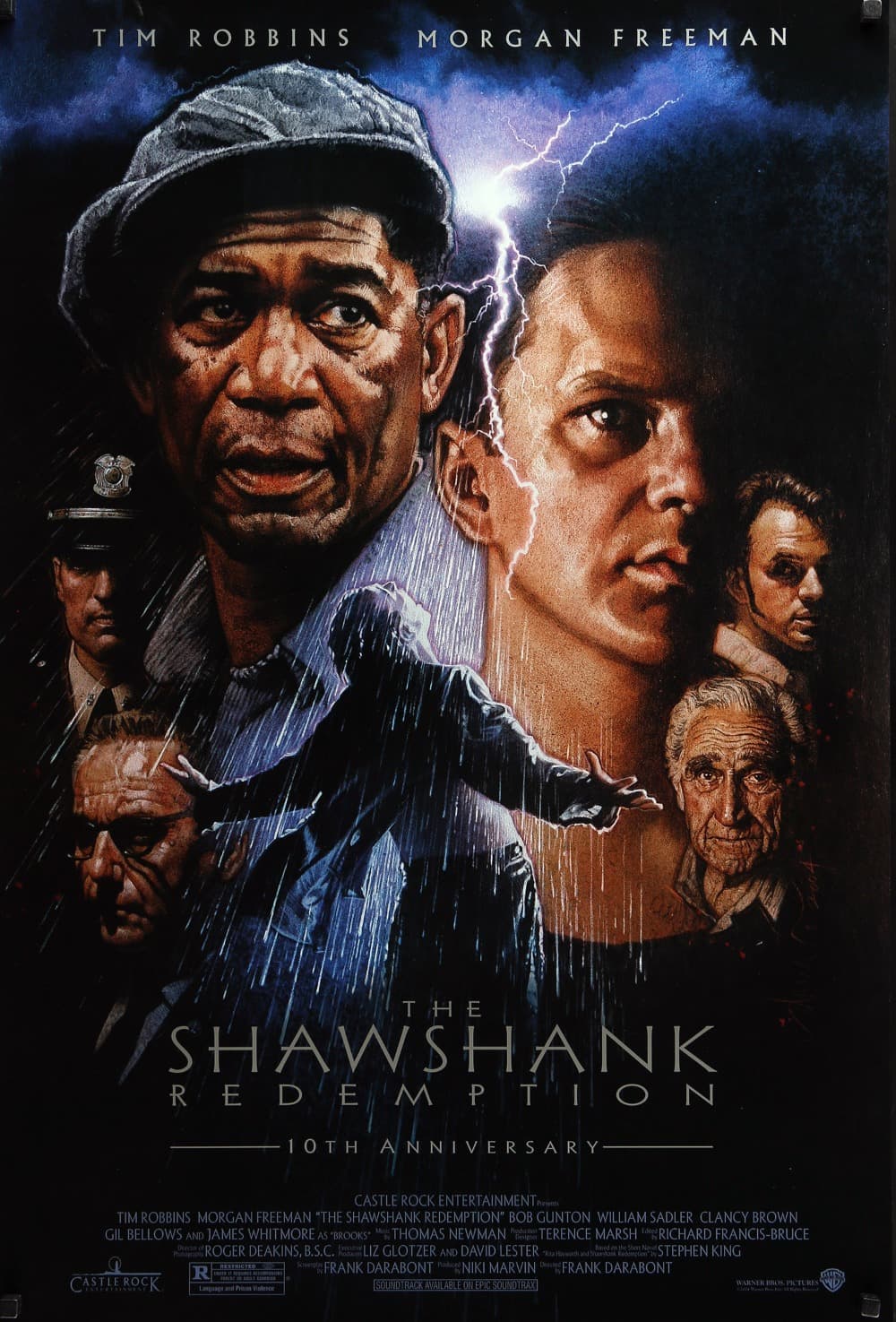
It lost money in cinemas and has sat at the top of IMDb's ranking since 2008: a prison friendship, told patiently, that pays off better than almost anything.
RZA looped a lonely piano figure from the Charmels, and Inspectah Deck's second verse became hip hop scripture.
Dre built G-funk on a Leon Haywood sample, handed Snoop the mic, and gangsta rap reached number two.
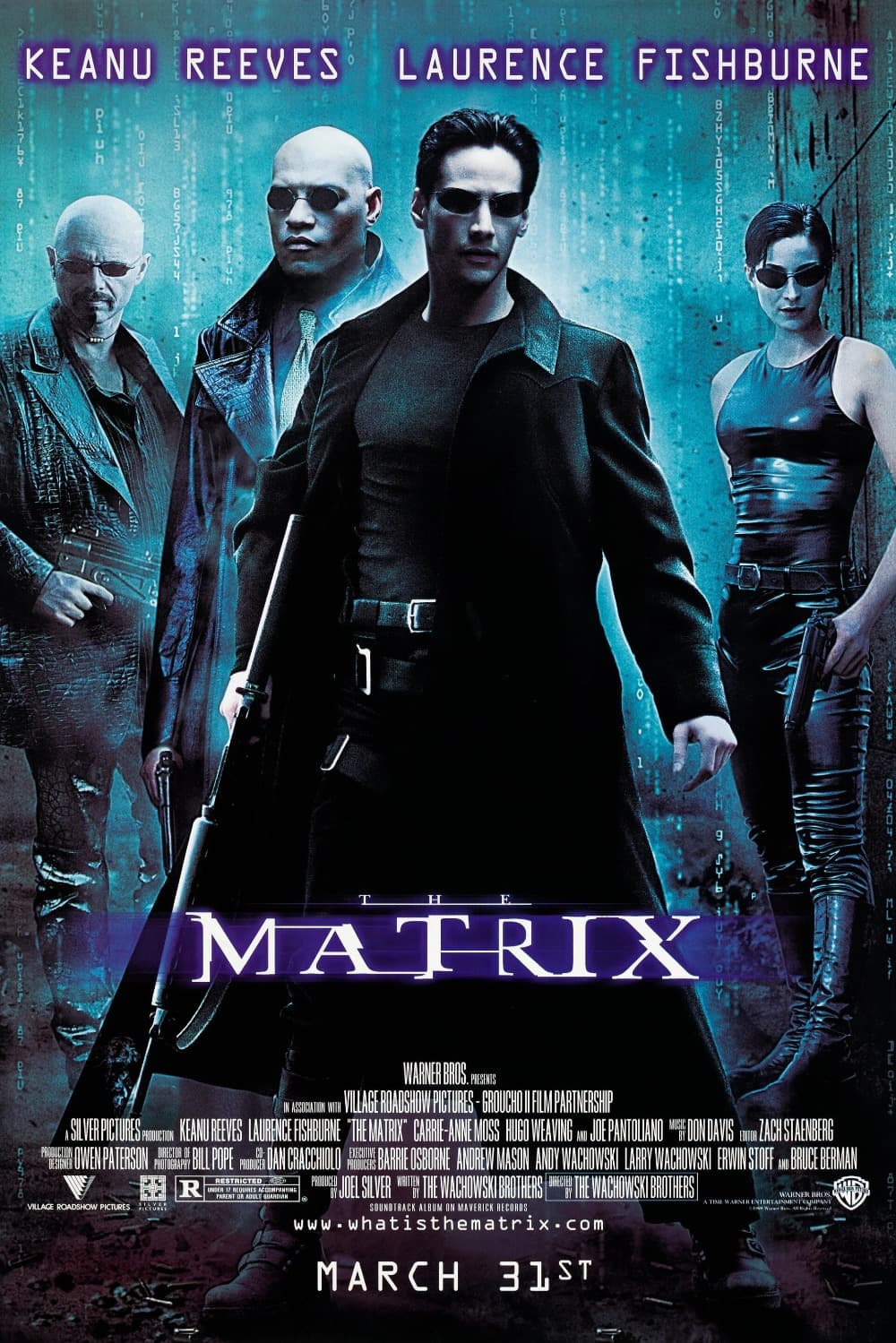
Action filmmaking divides neatly into before and after this one: the Wachowskis fused Hong Kong wire work with a philosophy seminar's premise and everyone spent five years copying it.

RZA negotiated a deal letting every member sign solo elsewhere, then recorded the group in a basement on deliberately cheap, muddy equipment.
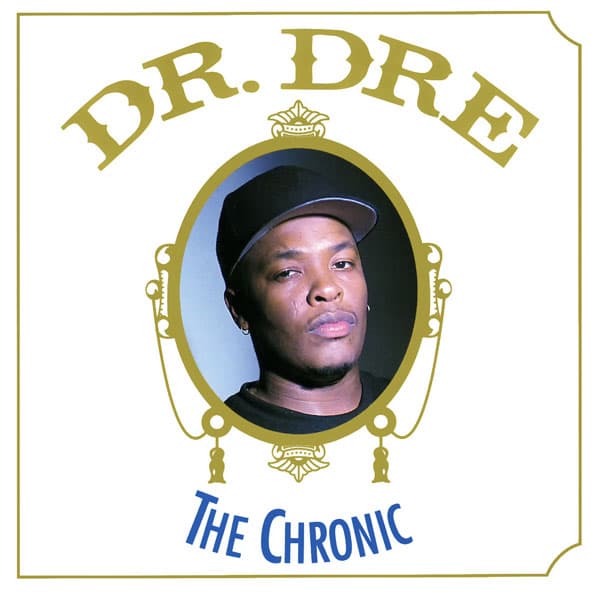
Dre had session players replay the funk records rather than sample them, which sidestepped clearance and made everything sound warmer and slower.
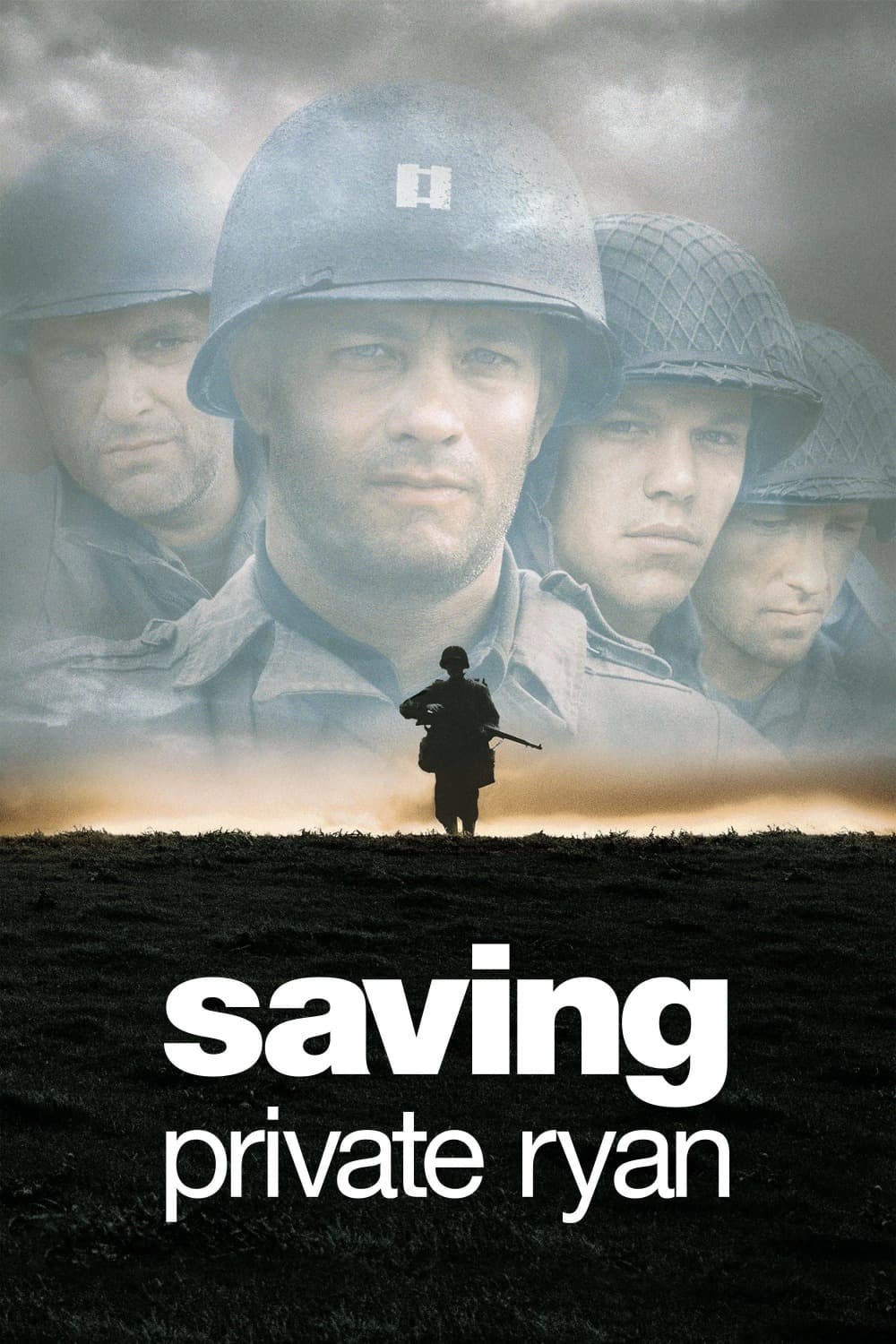
War films look different since the first twenty minutes of this one: Spielberg put the camera in the surf at Omaha Beach and veterans left cinemas unable to speak.

Ron Carter, who played bass with Miles Davis, appears on one track and made them promise there would be no swearing on it.
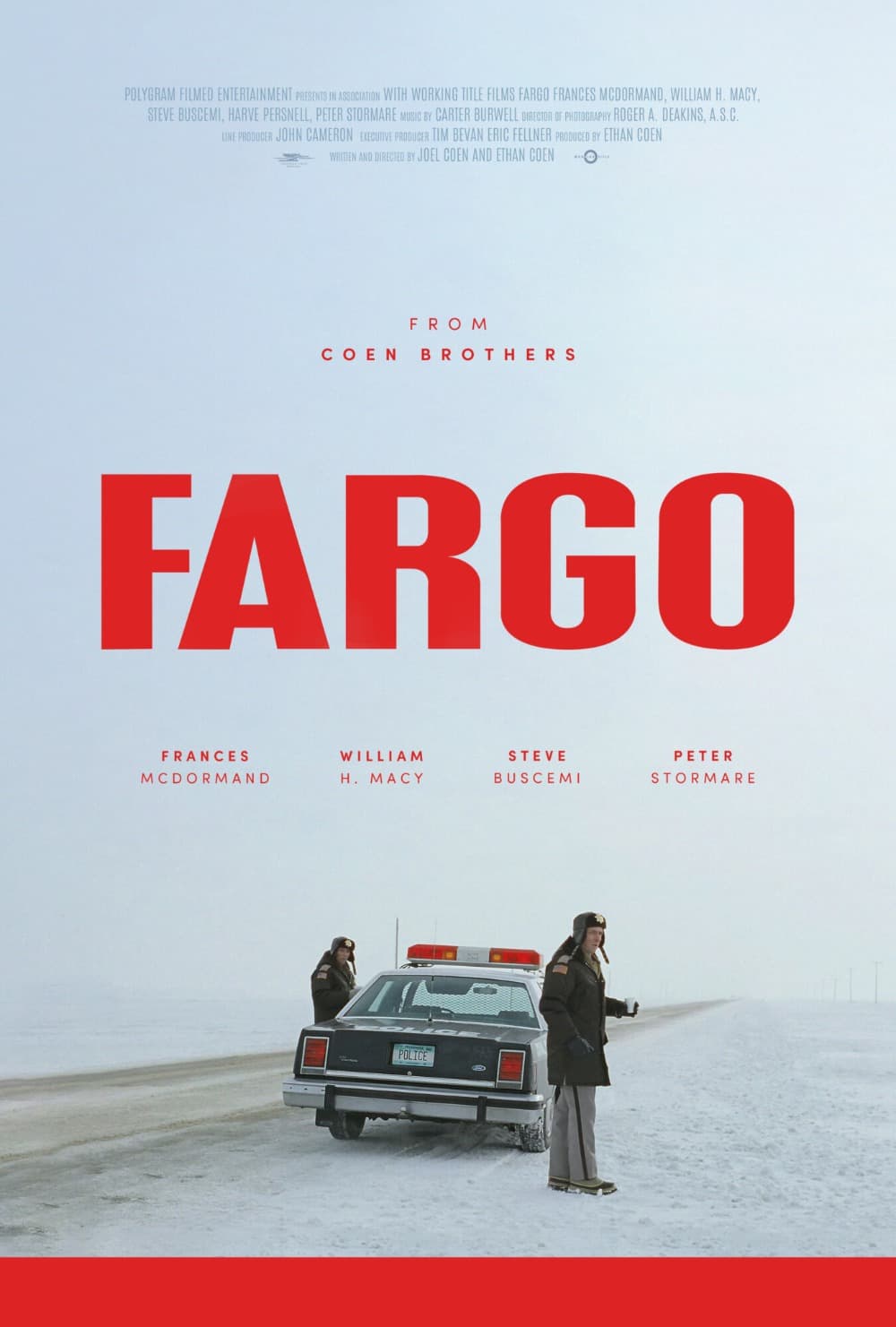
Marge Gunderson is the warmest character the Coens ever wrote, and the reason this one lasts: a kidnapping goes wrong in the snow and she is the only calm person in it.
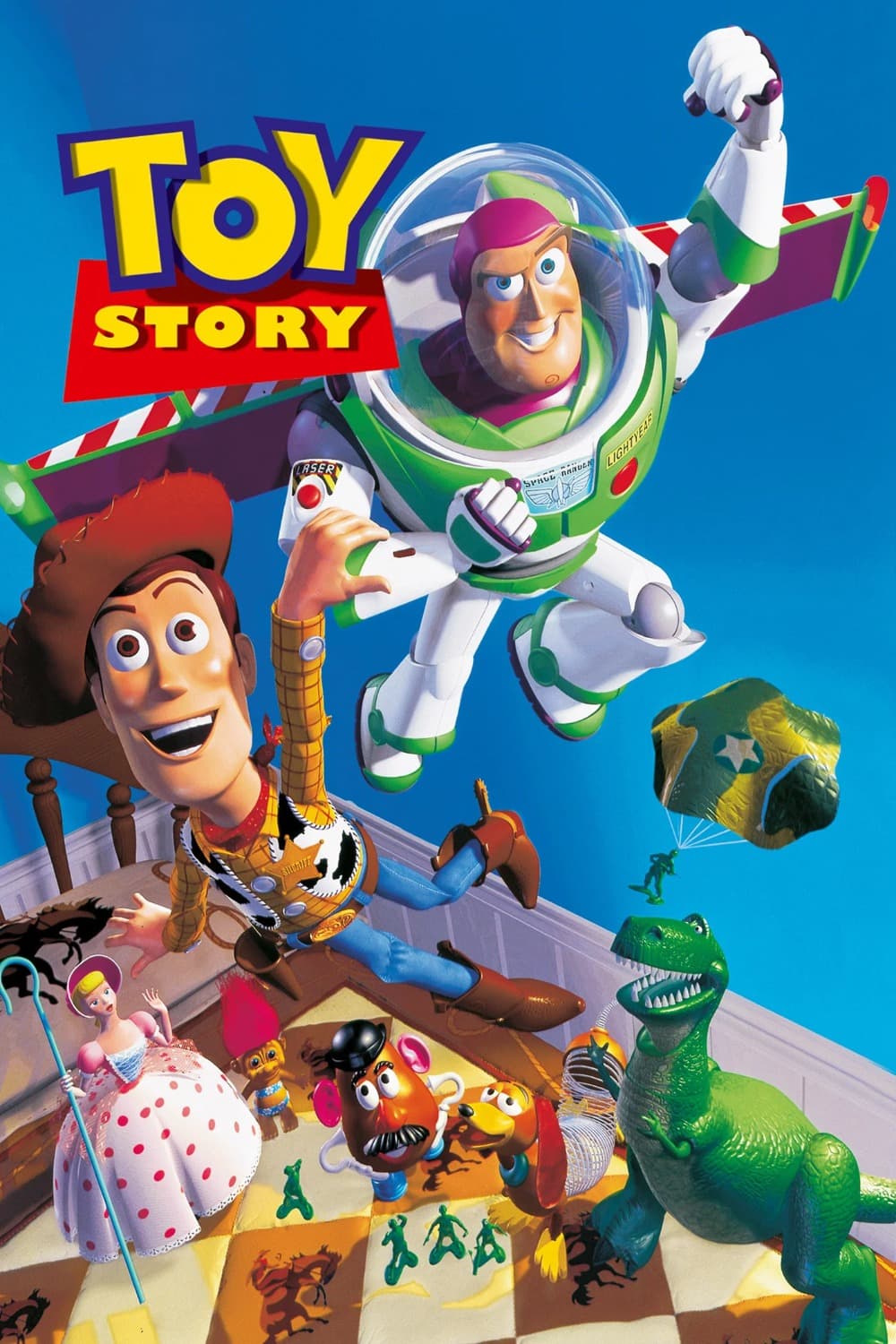
First feature film animated entirely on computers, and the start of Pixar's extraordinary run: it holds up because underneath the toys it is a sharp story about jealousy.
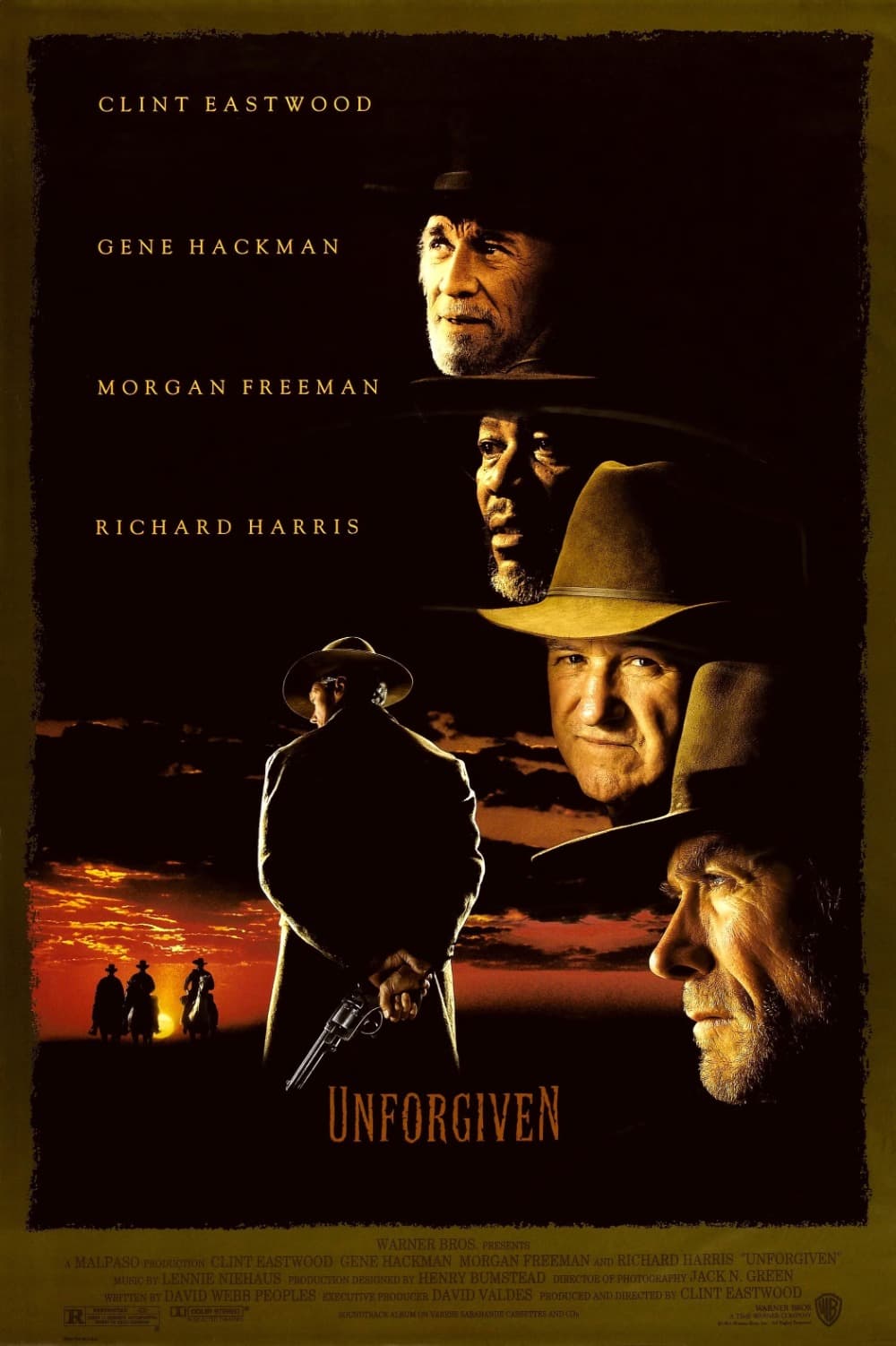
Eastwood spent thirty years building the myth this film takes apart: no western has been harder on the pleasure of violence, or on the men who deal it out.
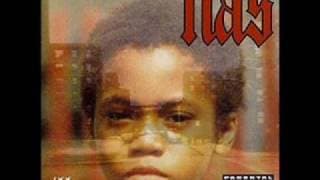
Premier built the beat on the spot; Nas nailed verse one in a take, muttering doubt into the intro.
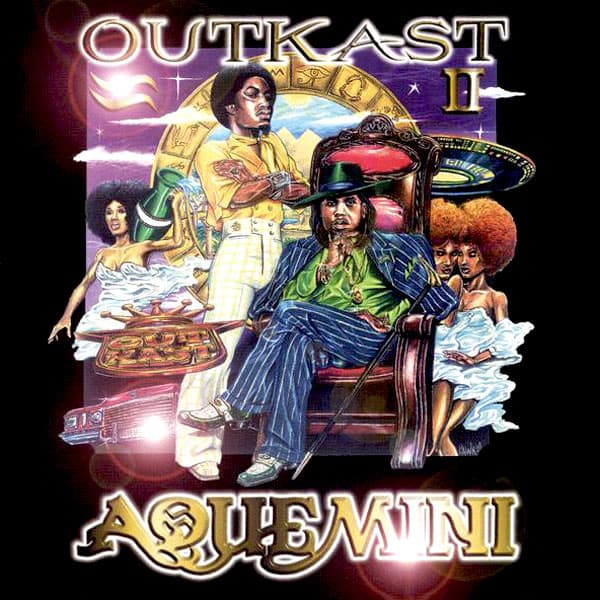
Rosa Parks sued them over the song named after her, and the case ran for a decade. The record itself goes everywhere at once.
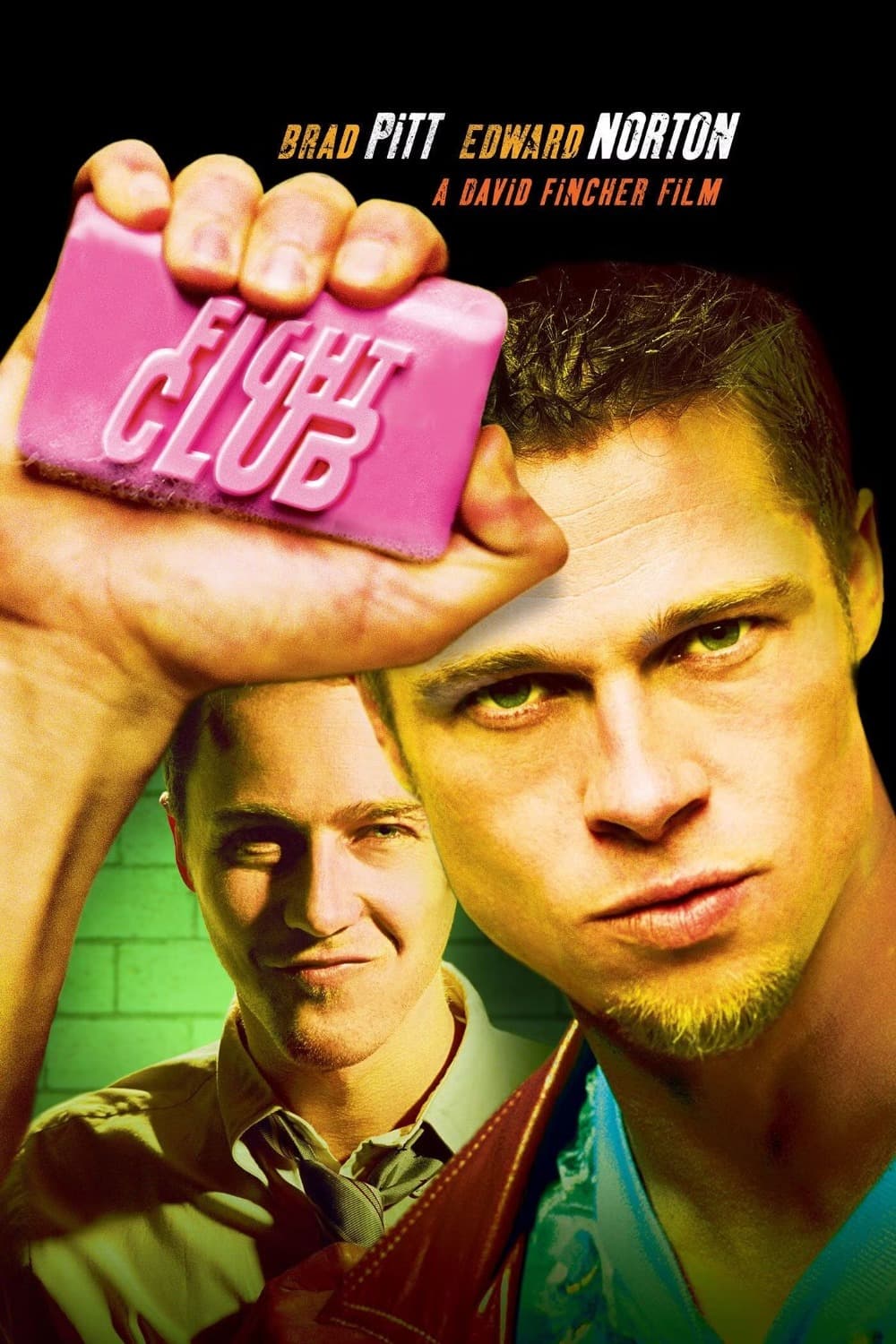
Twenty-five years of argument have still not settled what it is actually saying: Fincher made consumer despair look genuinely thrilling, which is either the joke or the problem.

It came out sixteen days after Biggie was shot dead in Los Angeles, a double album he had finished and titled beforehand.
Pizarro built it from a Joe Sample loop and the Spinners' Sadie, and the Library of Congress later archived it.
Poke and Combs looped Mtume's Juicy Fruit, and Wallace told the rags to riches story that hip hop kept retelling.
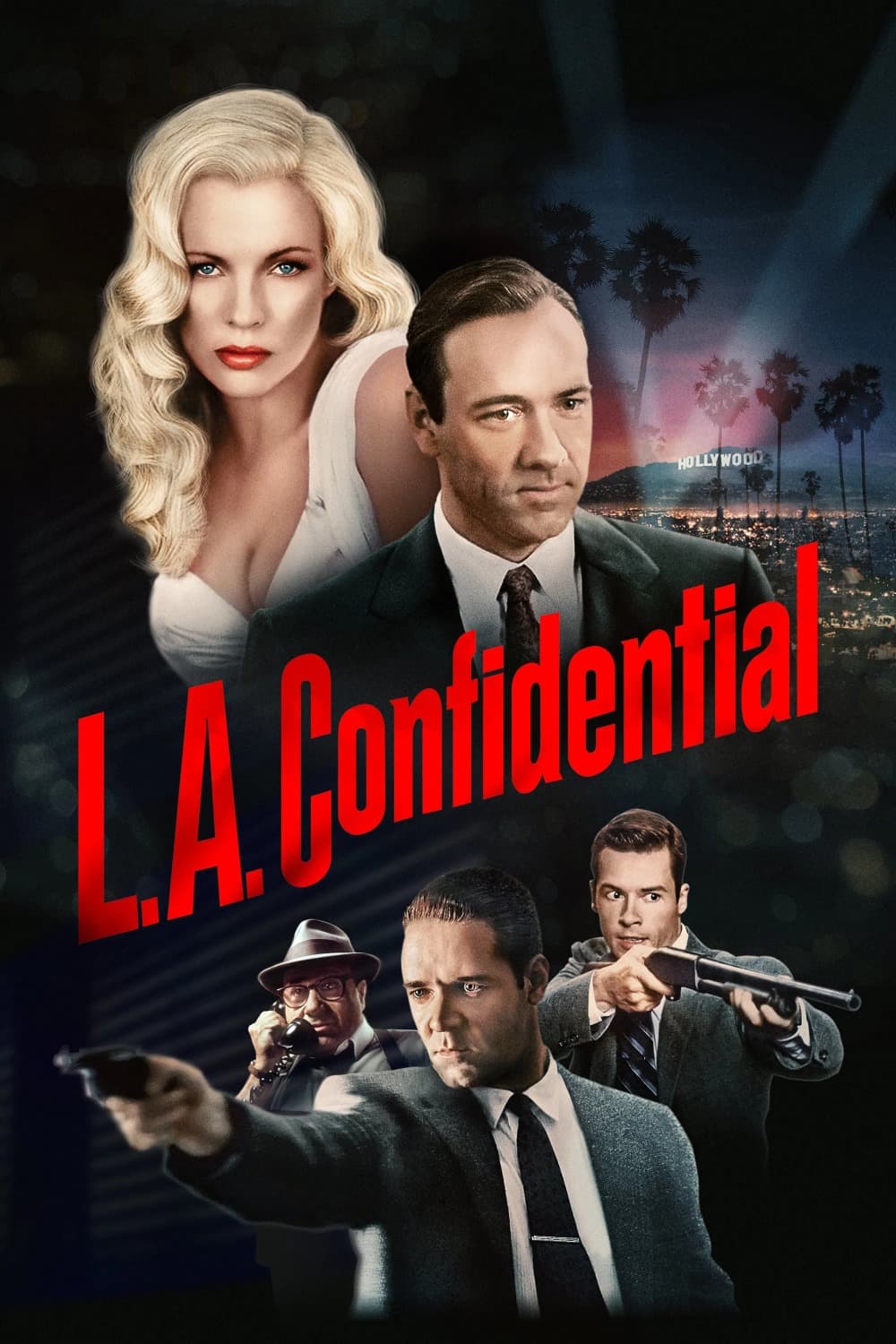
Modern film noir does not get better than this: three Los Angeles cops with nothing in common, and a plot so tightly wired people rewatch it to follow the connections.
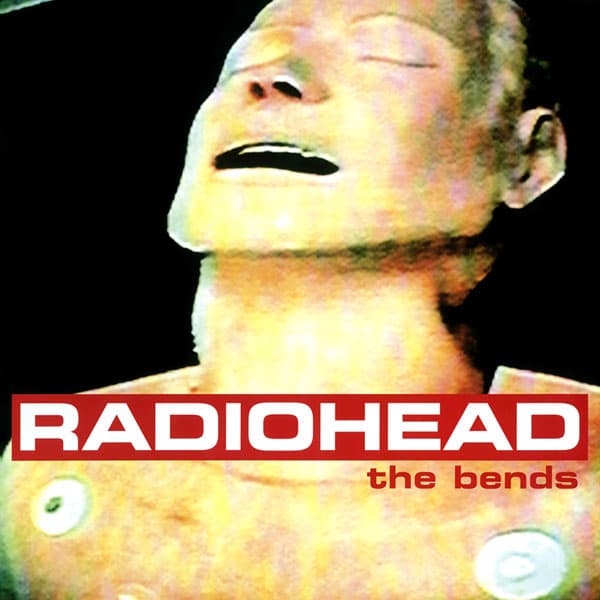
They were exhausted and sick of being the Creep band, and nearly fell apart making it. Nothing on it sounds anything like Creep.

Producer Rick Rubin moved the band into a Hollywood mansion they were convinced was haunted. Guitarist John Frusciante quit within a year of its release.
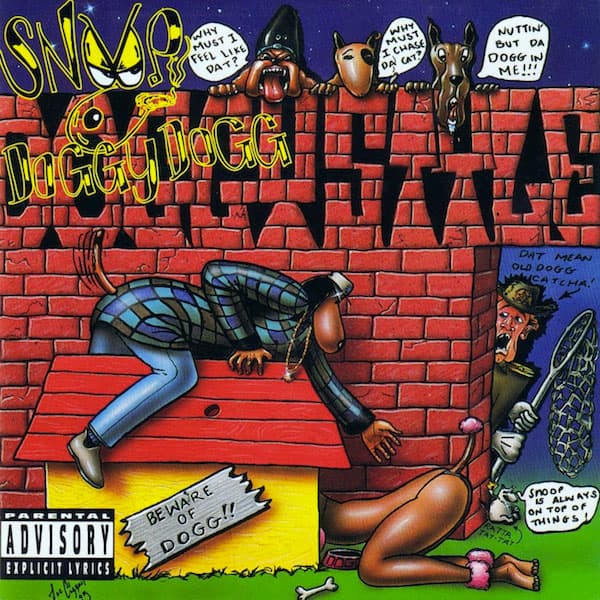
Snoop was on trial for murder while promoting it. It was the first debut album in history to enter the chart at number one.

Their production team piled so many samples into each track that the record could not legally be made today. Nothing since sounds this crowded.
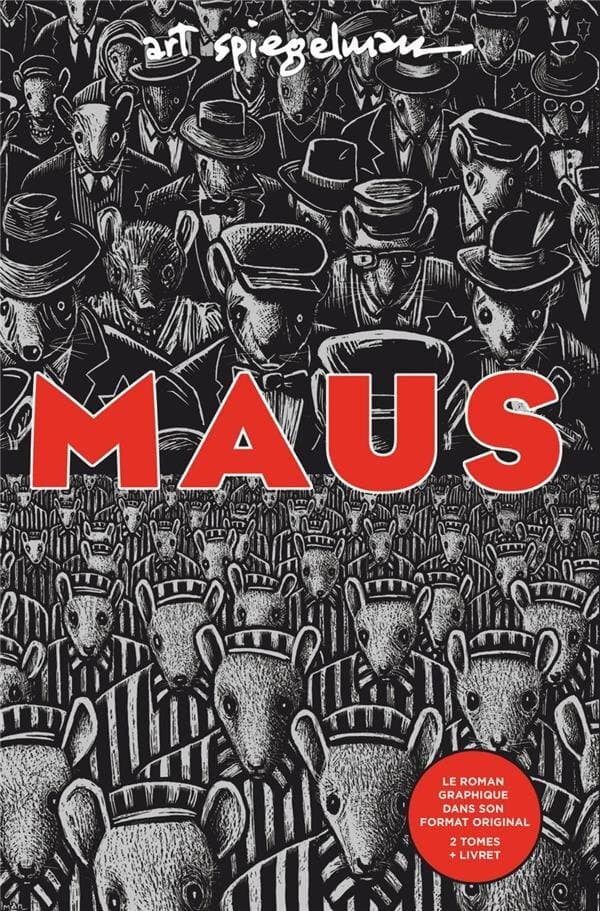
Spiegelman drew his father's survival of Auschwitz as a comic, Jews as mice and Nazis as cats, and drew himself failing to get along with the old man telling it.
Pete Rock looped a Tom Scott saxophone line, and CL Smooth's eulogy for a lost friend still aches.
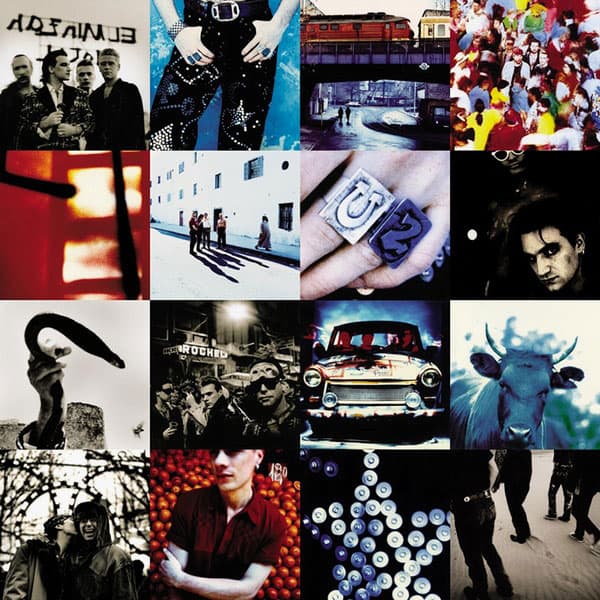
They went to Berlin just after the Wall came down, argued badly enough to nearly break up, and got the song One out of it.
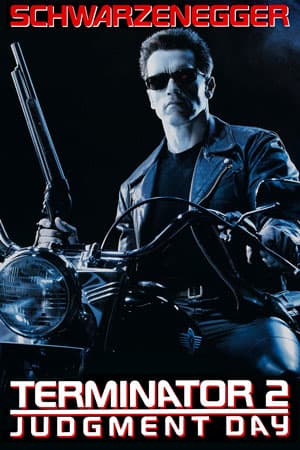
Computer effects became believable overnight: Cameron spent more money than anyone ever had, put a liquid metal killer on screen, and every studio in town immediately started writing checks.
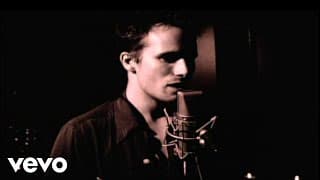
Buckley learned it from John Cale's version and cut over twenty takes at Bearsville; the edit sounds like one breath.
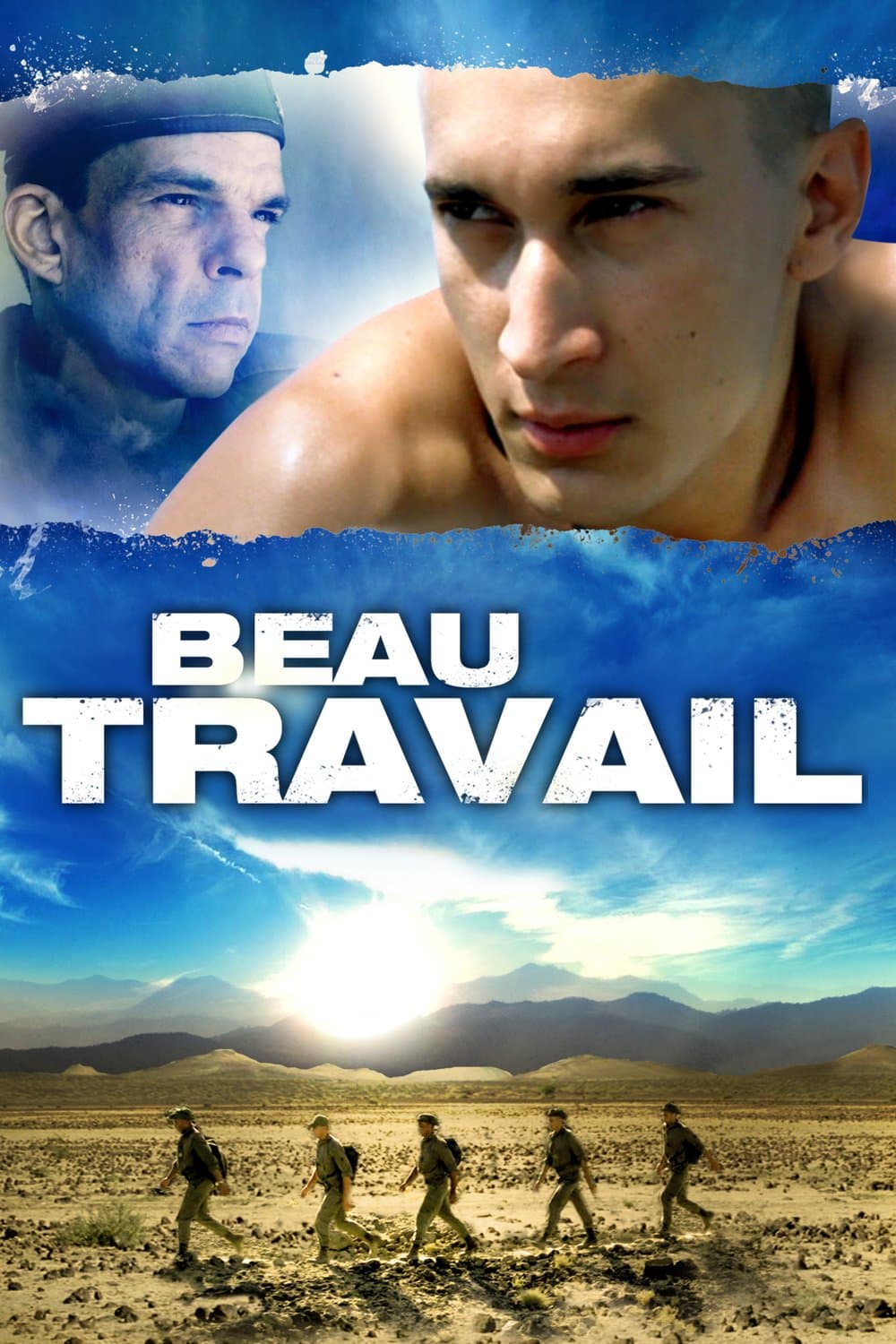
Denis turned Melville's Billy Budd into something closer to dance than to drama: Foreign Legionnaires drilling in the Djibouti heat, all bodies and sun and things nobody will say.