
The Low End Theory
1991
Ron Carter, who played bass with Miles Davis, appears on one track and made them promise there would be no swearing on it.
★ 8.8
 skopia
Ron Carter, who played bass with Miles Davis, appears on one track and made them promise there would be no swearing on it.

Their production team piled so many samples into each track that the record could not legally be made today. Nothing since sounds this crowded.

They sampled so freely that the Turtles sued them, and the case helped make sample clearance the expensive business it has been ever since.

A synthesized voice introduces the tracks like a museum tour guide, and the cover is a grid of about seventy other rappers' faces.
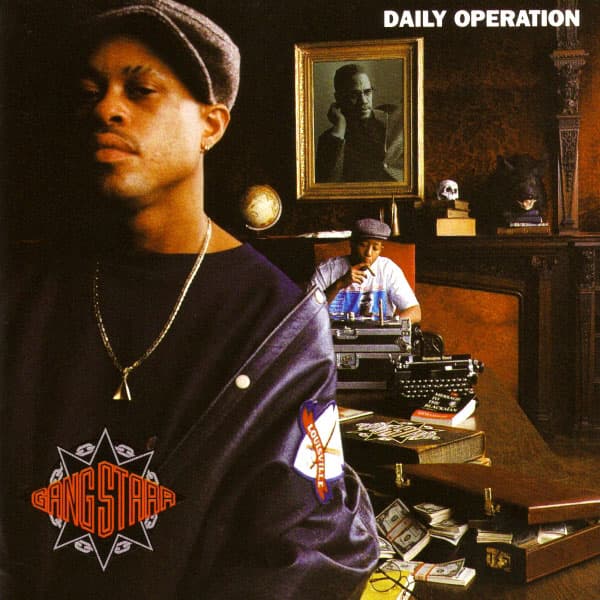
DJ Premier chopped the loops so short they barely repeat, and Guru delivers everything in the same flat voice, which somehow makes it land harder.

Kane was already ghostwriting for half the Juice Crew when he made it, and Marley Marl gave him beats built from single drum hits.

This is where DJ Premier worked out his method of chopping a record into single notes and rebuilding the melody from the pieces.

They were teenagers when they made it, rapping fast over a Billy Cobham loop about doing very little on a warm Oakland afternoon.
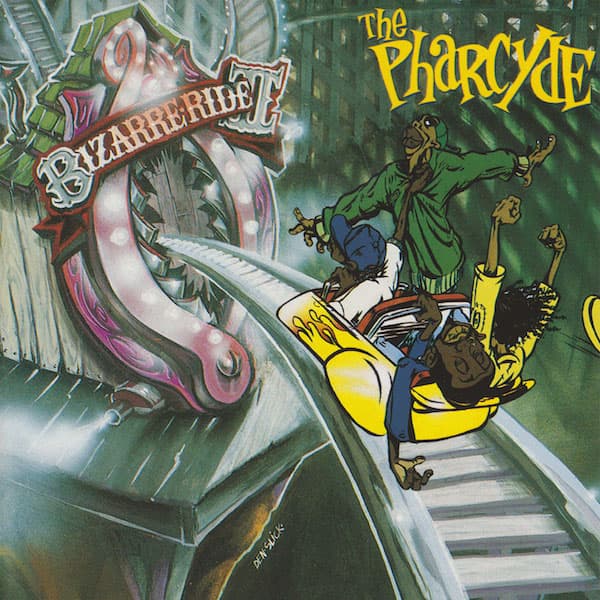
They started out as dancers, and it shows in how loose the record is. Their producer J-Swift built the beats out of jazz records.
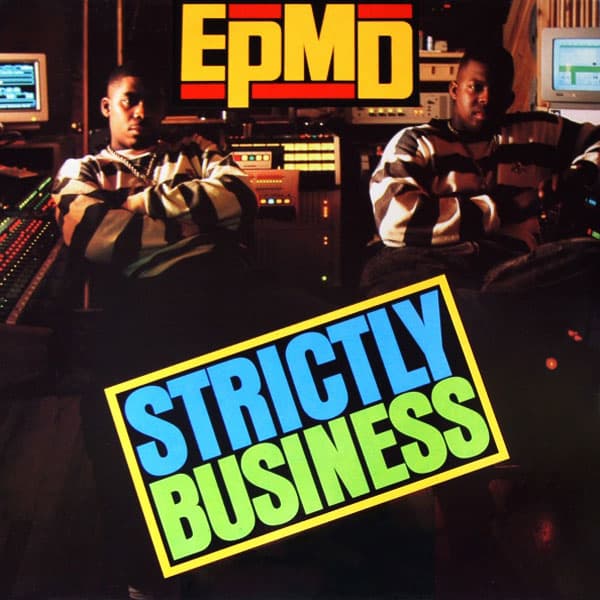
Both of them rap in the same flat monotone, over Zapp and Eric Clapton records, and somehow the lack of energy is the appeal.

He had written much of N.W.A's material, and a car crash months after this destroyed his voice permanently. He was twenty-one.