
The Second Sex
1949 · 832 pages
One is not born a woman, Beauvoir argues, but becomes one. She works through biology, history, myth, marriage, and old age to prove it, and modern feminism begins in these pages.
★ 8.7
 skopia
One is not born a woman, Beauvoir argues, but becomes one. She works through biology, history, myth, marriage, and old age to prove it, and modern feminism begins in these pages.

Give a woman five hundred a year and a room with a lock and she will write, Woolf argues, then invents a gifted sister for Shakespeare and follows her to a terrible end.

The legal subordination of one sex to the other is wrong in itself and a hindrance to human improvement. Mill wrote that when a married Englishwoman could own nothing and had no vote.

Christine de Pizan, the first woman in Europe to live by her pen, answers centuries of learned misogyny by building an allegorical city whose every stone is the life of a woman.

Gornick walks Manhattan with her widowed mother, arguing the argument they have had since the Bronx tenement of her girlhood. Writing programs teach it as how a memoir is built.

Kingston's aunt drowned herself in the family well, and no one may say her name. Out of that silence and the legend of a woman warrior, Kingston remade what American memoir could do.

Widowed after thirty years, a Senegalese teacher writes to her closest friend about the husband who took her daughter's teenage friend as a second wife. It won the first Noma Award.

Carter opened the old fairy tales and took out what was always inside: appetite, blood, and women who want things. Her Bluebeard is a French Marquis, and her Beauty walks toward the tiger.
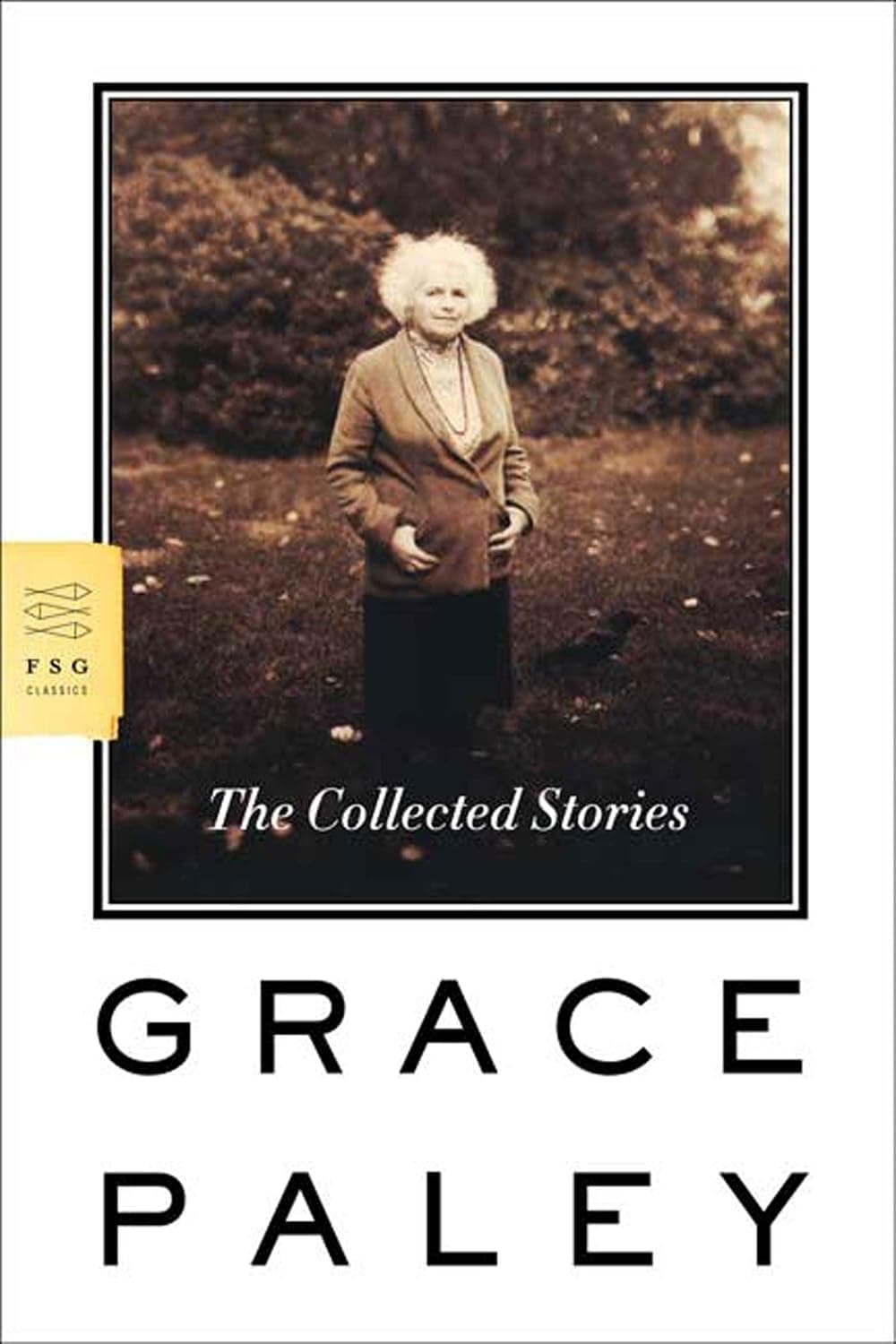
Paley wrote as people talk, in the Bronx Yiddish and Greenwich Village argument of women raising children alone, and got more life into three slim collections than most novelists manage in a career.
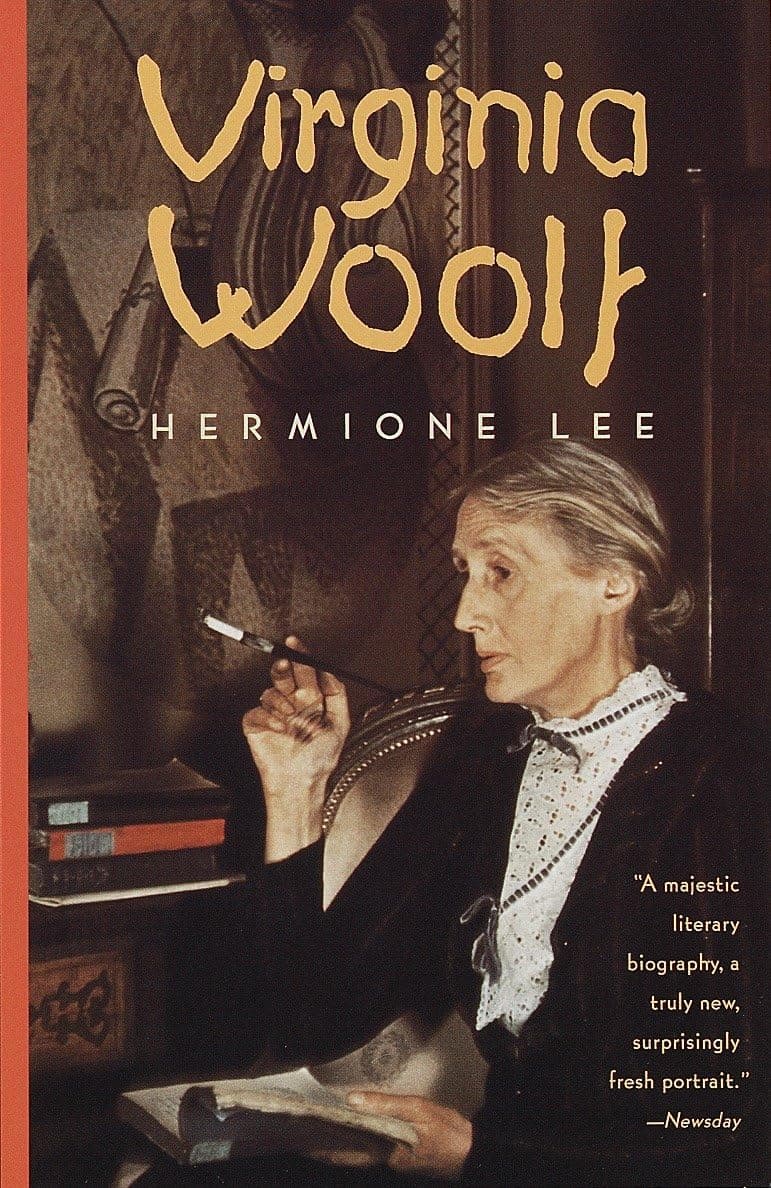
Lee refuses the fragile madwoman of legend and gives back a working writer: funny, ambitious, hard on her friends. She holds the breakdowns and the novels together and lets neither explain the other.
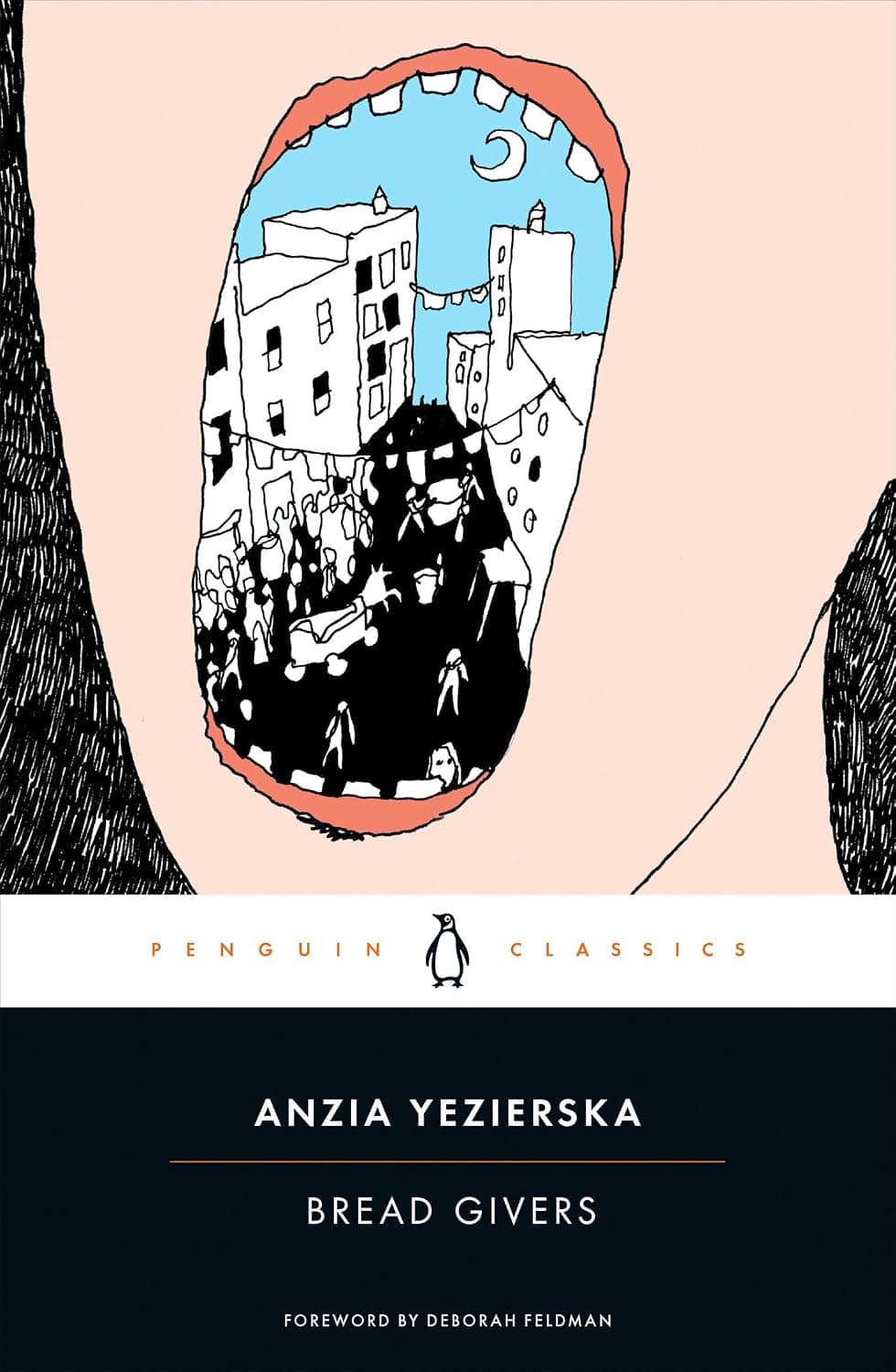
Sara Smolinsky's father studies Torah in a Lower East Side tenement while her mother takes in boarders and he marries her sisters to men they dread. She leaves at seventeen for night school.

At an Aspen party a man lectures Solnit about an important new book on the photographer Muybridge. She wrote it. Her essays track how silencing women shades into violence against them.