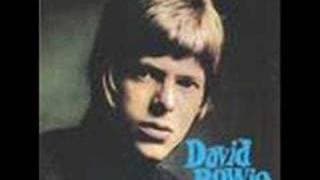
Changes (David Bowie)
1971 · From Hunky Dory
Rick Wakeman's piano, Bowie's own saxophone, and a stutter on the title that flopped before it defined him.
★ 8.3
 skopia
Rick Wakeman's piano, Bowie's own saxophone, and a stutter on the title that flopped before it defined him.

A piano riff Martin nearly saved for the next album, rescued by their manager, then Record of the Year.

Apple wrote it in forty-five minutes to give the label its hit, then took a Grammy for the vocal.
Hornsby wrote the words first in a Van Nuys garage; that piano figure later became the spine of Tupac's Changes.
Written on guitar rather than piano, cut live in a bedroom on a few microphones, and unbearably calm.
A slave trader's sales pitch set to strings and Newman's warmest melody; Bobby Darin later sang it straight.
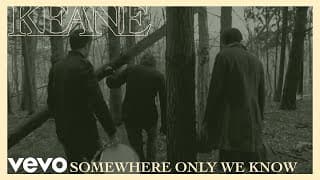
Rice-Oxley hammered it out on piano after "Heroes", and Keane proved a rock band could skip guitars entirely.

Paich's pounding piano intro, Porcaro's triplet hi-hat, and Lukather's solo, all on a debut single that hit number five.
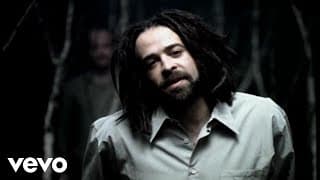
Duritz wrote it before dawn while a friend lay in hospital, and the band cut it almost entirely live.

Carlton built that piano figure in about an hour and titled it Interlude; her label insisted on something catchier.
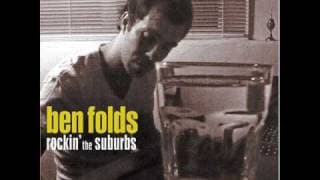
Written for the comedy Loser, which cut the scene, and now the piano ballad people play at weddings.
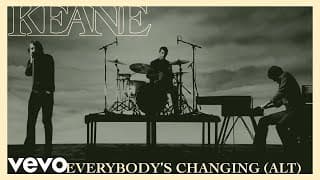
Rice-Oxley wrote it after the guitarist quit, which is why a rock band's biggest hook is played on piano.
Martin wrote the verse in Amsterdam and the outro in Iceland; the closing track waits minutes before the guitars arrive.
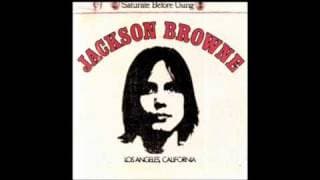
Clarence White on acoustic guitar, and the demo that led David Geffen to found Asylum Records and sign Browne.
Folds went back to a trio for Songs for Silverman, and made its lead single a phone call home.
A fight with his brother Caleb, a Denver station spinning the demo, and Slade's chorus everywhere by 2006.
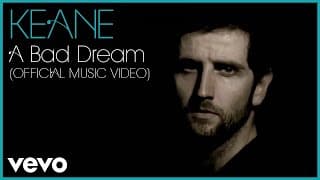
Rice-Oxley built it from Yeats's poem about an Irish airman, a pilot too high up to hear the guns below.