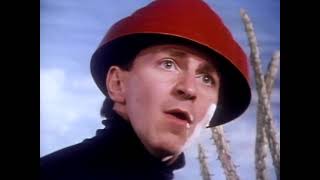
Once in a LifetimeTalking Heads
Once in a Lifetime
1980 · From Remain in Light
Byrne borrowed a preacher's cadence, Eno hummed the chorus melody, and the band looped its own jams like samplers.
★ 9.0
 skopia
Byrne borrowed a preacher's cadence, Eno hummed the chorus melody, and the band looped its own jams like samplers.
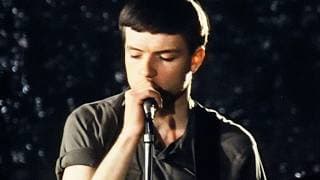
The title flips Captain and Tennille into its opposite, and the single arrived a month after Curtis's death.
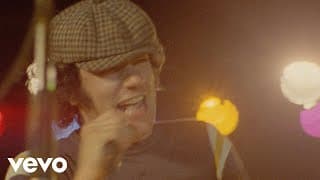
Johnson was told the Bon Scott tribute could not be morbid, so he wrote a celebration over Angus Young's riff.
A single voice and acoustic guitar close Uprising, with a line lifted from Marcus Garvey and Marley already ill.
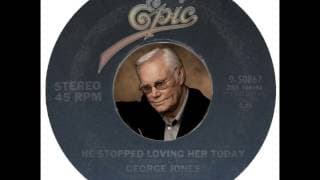
Jones thought nobody would play something so morbid; Sherrill spent eighteen months coaxing the vocal onto tape.
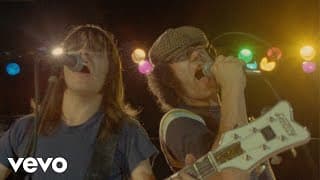
Recorded at Compass Point in Nassau with Mutt Lange, Johnson's first single, and a riff that swings rather than pounds.
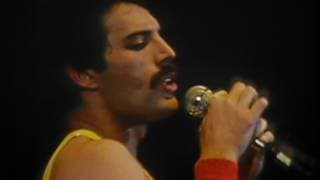
Deacon's bassline owes Chic, Michael Jackson talked them into releasing it, and Queen landed their biggest-selling single.
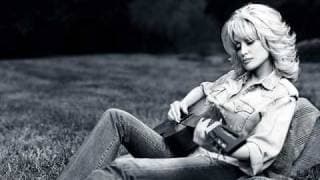
Parton played the typewriter part on her acrylic fingernails, credited on the album, then took it to number one.
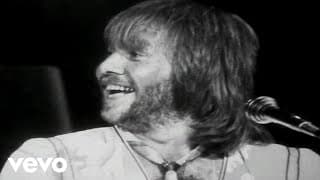
Ulvaeus wrote it in an hour over whisky; the video came ten days after his divorce from Fältskog was final.
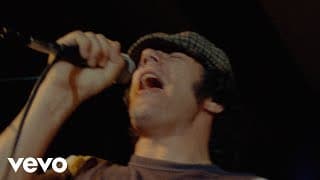
A one-ton bronze bell cast to order in Loughborough, recorded inside the foundry, and Johnson's opening words for AC/DC.
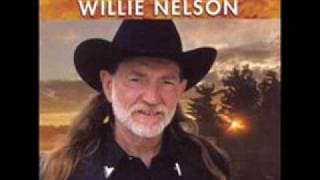
An airsickness bag, a film producer's request, and a single cut live at a club over two Austin nights.
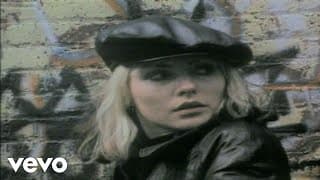
Moroder cut the backing track in Los Angeles, Harry wrote the words in hours, and it ruled 1980.
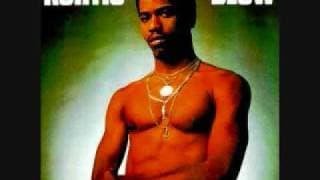
Eighty-four uses of one word, a live band instead of samples, and the first rap single certified gold.
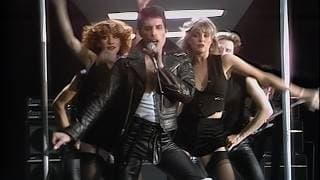
Ten minutes after a Munich bath, a borrowed Fender not the Red Special, and Queen's first American number one.
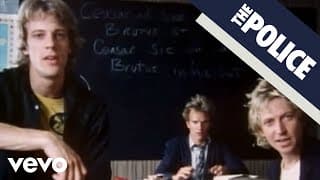
Sting drew on his years teaching and on Nabokov, then watched it become Britain's best-selling single of 1980.
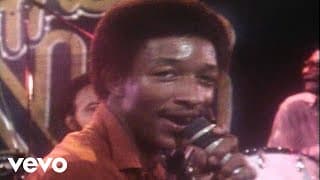
Recorded in a New Jersey studio with Deodato producing, and adopted everywhere from ballparks to the hostages' homecoming.
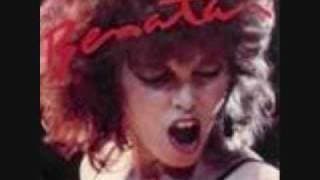
Schwartz took the title from a pillow-punching therapy session, and Benatar made it her first American top ten.
Almost all acoustic guitar, one electric part running backwards, and an import single that still reached number twenty-one in Britain.
Nineteen weeks on the Hot 100, fittingly, and a middle-aged narrator undone by a girlfriend who doesn't know Aretha Franklin.
Rodgers and Edwards wrote the groove, Ross remixed the album to lift her vocal, and it topped the Hot 100.
A Paragons rocksteady tune from 1967, Jimmie Haskell's horns and strings on top, and Harry strolling to number one.
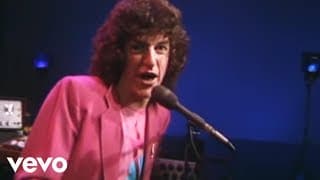
Cronin wrote it after his wife confessed an affair; Richrath's Les Paul turned a piano ballad into a number one.
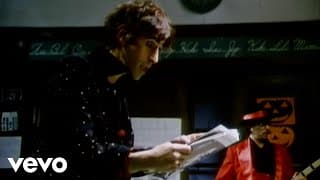
Justman, the band's keyboardist, wrote it, and his synth hook took a Worcester blues band to six weeks at number one.
A ten-note synth riff cut at Sound 80 in Minneapolis, Cynthia Johnson vocoded then unleashed at full wail.
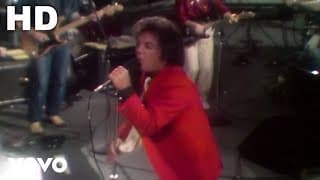
Richie Cannata's sax break, Joel needling critics and fashion alike, and his first American number one.
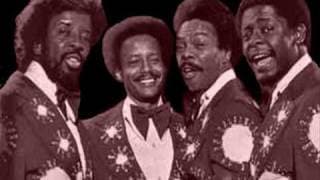
Cut in Chicago with Leo Graham producing, Gerald Alston's lead vocal won the group their only Grammy.
A song its writer said had no bridge and no hook, written in 45 minutes and sung to number three.
Florrie Palmer wrote it, Britain sent it to number three, and America renamed it to dodge Dolly Parton's hit.