How Soon is Now?The Smiths
How Soon is Now?
1985 · From Meat Is Murder
Marr's shudder came from four Fender Twins with their tremolos fighting, and Morrissey put a lonely man in a nightclub.
★ 8.1
 skopia
Marr's shudder came from four Fender Twins with their tremolos fighting, and Morrissey put a lonely man in a nightclub.
Two voices and no instruments at all: Doug E. Fresh's beatbox under Slick Rick's storytelling, sampled ever since.
Cut twice, once for Bobby Orlando and again with Stephen Hague, Tennant half-rapping London class anxiety to number one.
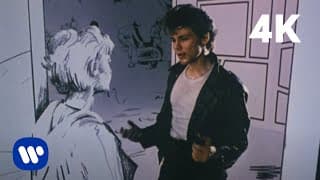
Two releases flopped before the third one broke, Furuholmen's Juno-60 riff intact and a video rotoscoped over sixteen weeks.
It missed the UK top forty, all Fairlight sequencing except Hook's bass, and now every indie disco needs it.
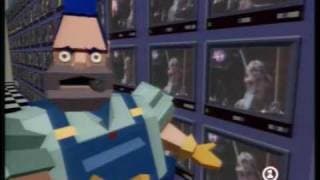
Knopfler borrowed a pen in a New York appliance store to copy down a delivery man's complaints about MTV.
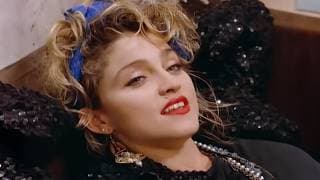
Written for another singer, rebuilt with Stephen Bray for a Desperately Seeking Susan dance scene, then buried on a B-side.
Orzabal found the shuffle alien to the band, Hughes talked him into it anyway, and America made it a number one.
Bryan Ferry and Billy Idol passed; Simple Minds cut it reluctantly, then kept the placeholder chant that closes it.
Orzabal wrote it on a small synth as an album track; Stanley heard a worldwide smash and was right.
Smith's six-string bass, acoustic guitars strummed to a blur, and the Cure's sunniest song about feeling old.
Ian Stanley wrote the motif, Orzabal added melody and words, and the chorus arrives like a door kicked open.
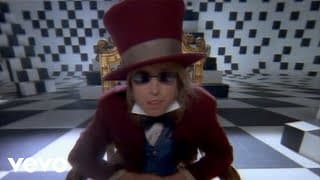
Stewart's electric sitar, a title Stevie Nicks said out loud one night, and Petty at his strangest.

A demo Janet Jackson's camp turned down, which Houston rode to number one over her cousin Dionne Warwick.

Written after a show in Utrecht by the band's own drummer, it walked Latin percussion onto American pop radio.
Zemeckis told Lewis to write whatever he liked for Back to the Future; the band got its first number one.
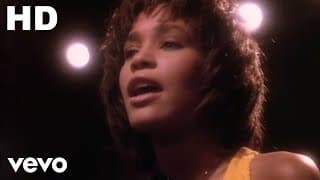
Goffin and Masser's song, first recorded by Marilyn McCoo and Billy Davis Jr.; Tom Scott's saxophone, Houston's first number one.
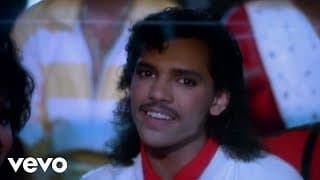
Warren wrote it for a Motown kung fu film, Perry swapped the drum machine for live players, DeBarge soared.
Forty-odd stars filed past a sign reading "Check your ego at the door," and Quincy Jones got them singing together.
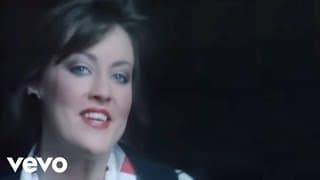
Kimberley Rew called it simple fun; the 1985 re-recording added horns and carried the band into the American top ten.