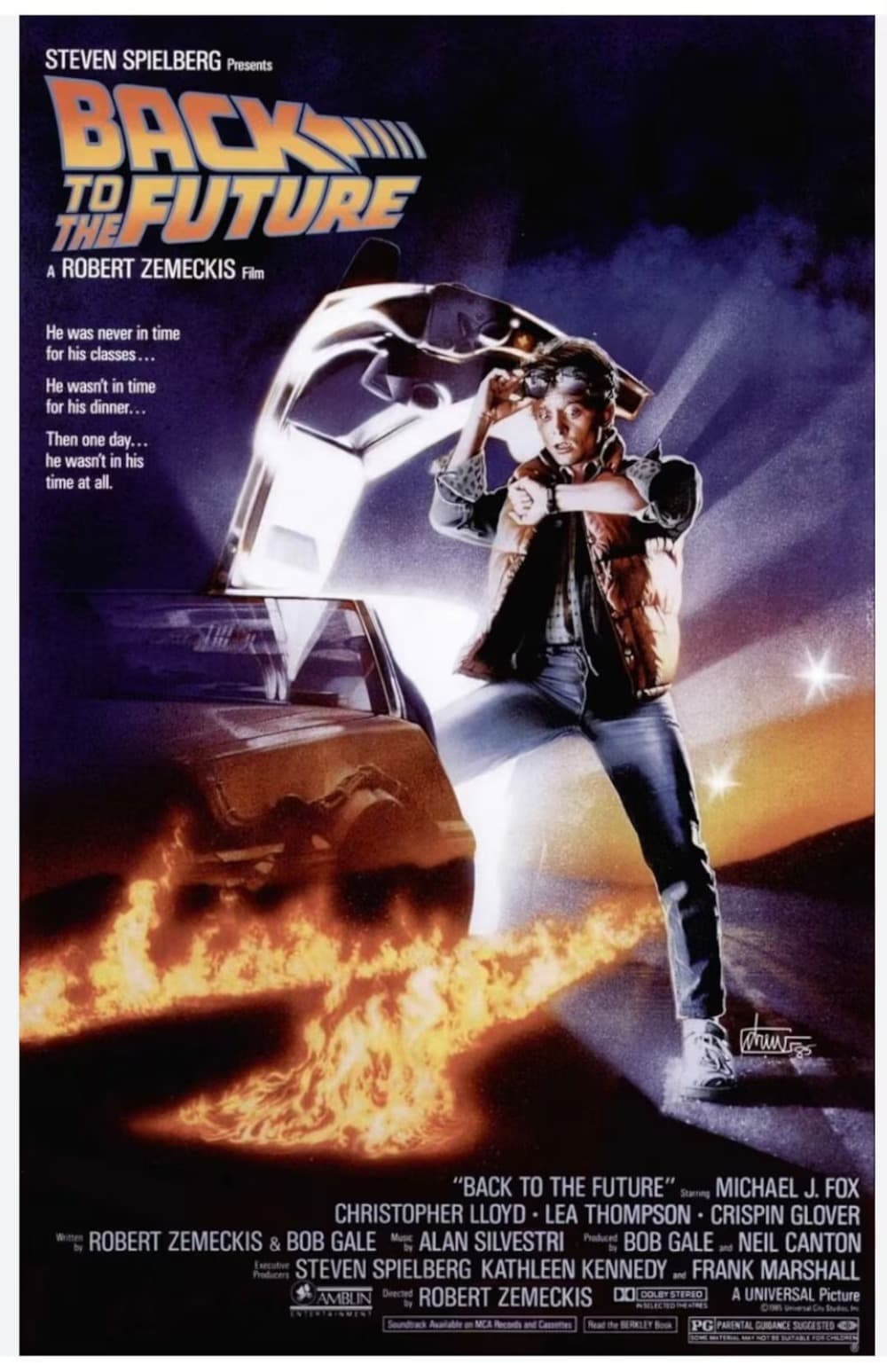
Back to the Future
Directed by Robert Zemeckis
1985
Screenwriting teachers use it as the worked example: every joke and every prop planted early comes back later, and the whole machine runs without a single wasted second.
★ 8.8
 skopia
Screenwriting teachers use it as the worked example: every joke and every prop planted early comes back later, and the whole machine runs without a single wasted second.
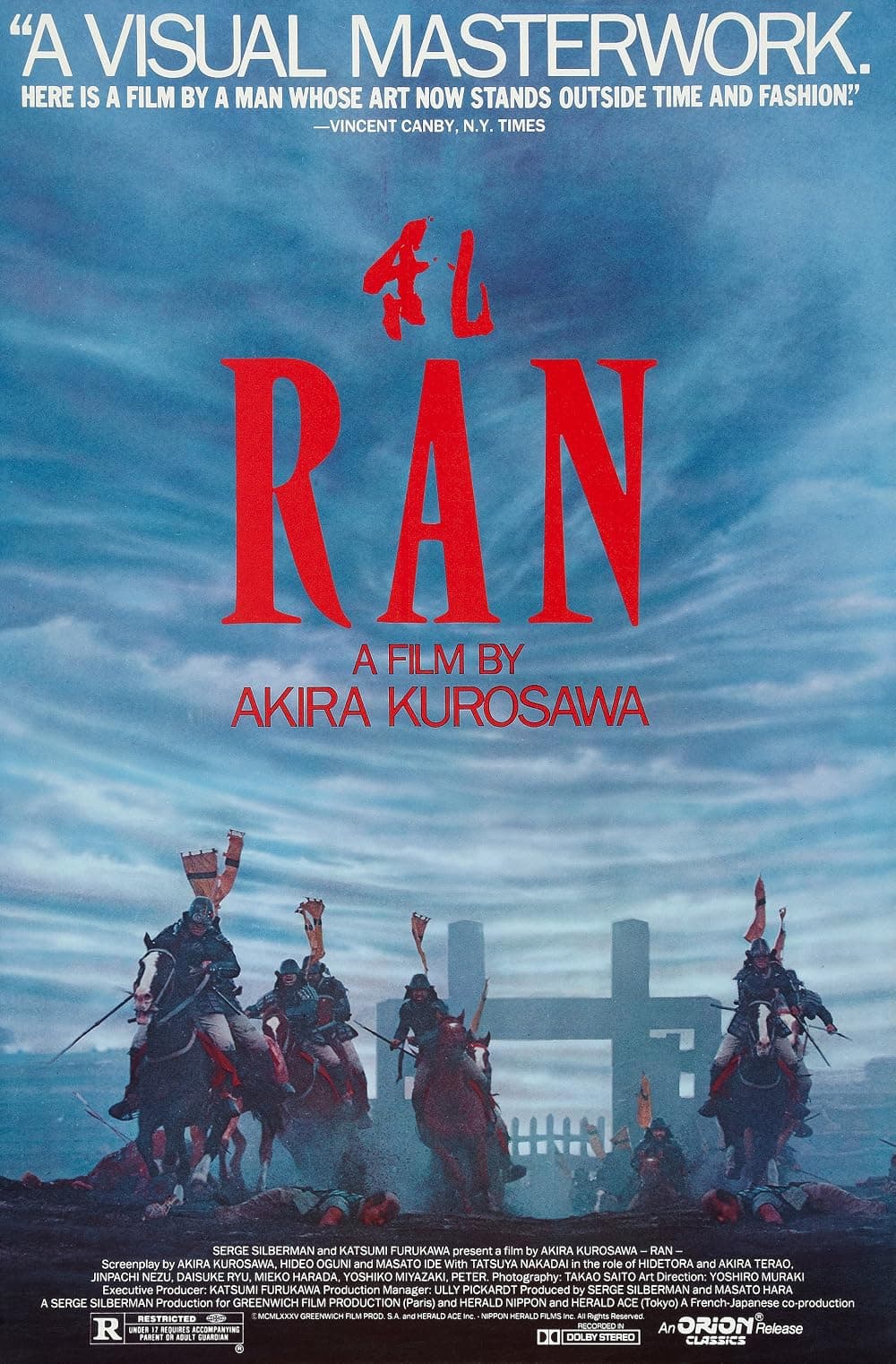
Kurosawa was seventy-five and his eyesight was failing when he made it: King Lear moved to feudal Japan, with a great battle that plays to music and nothing else.
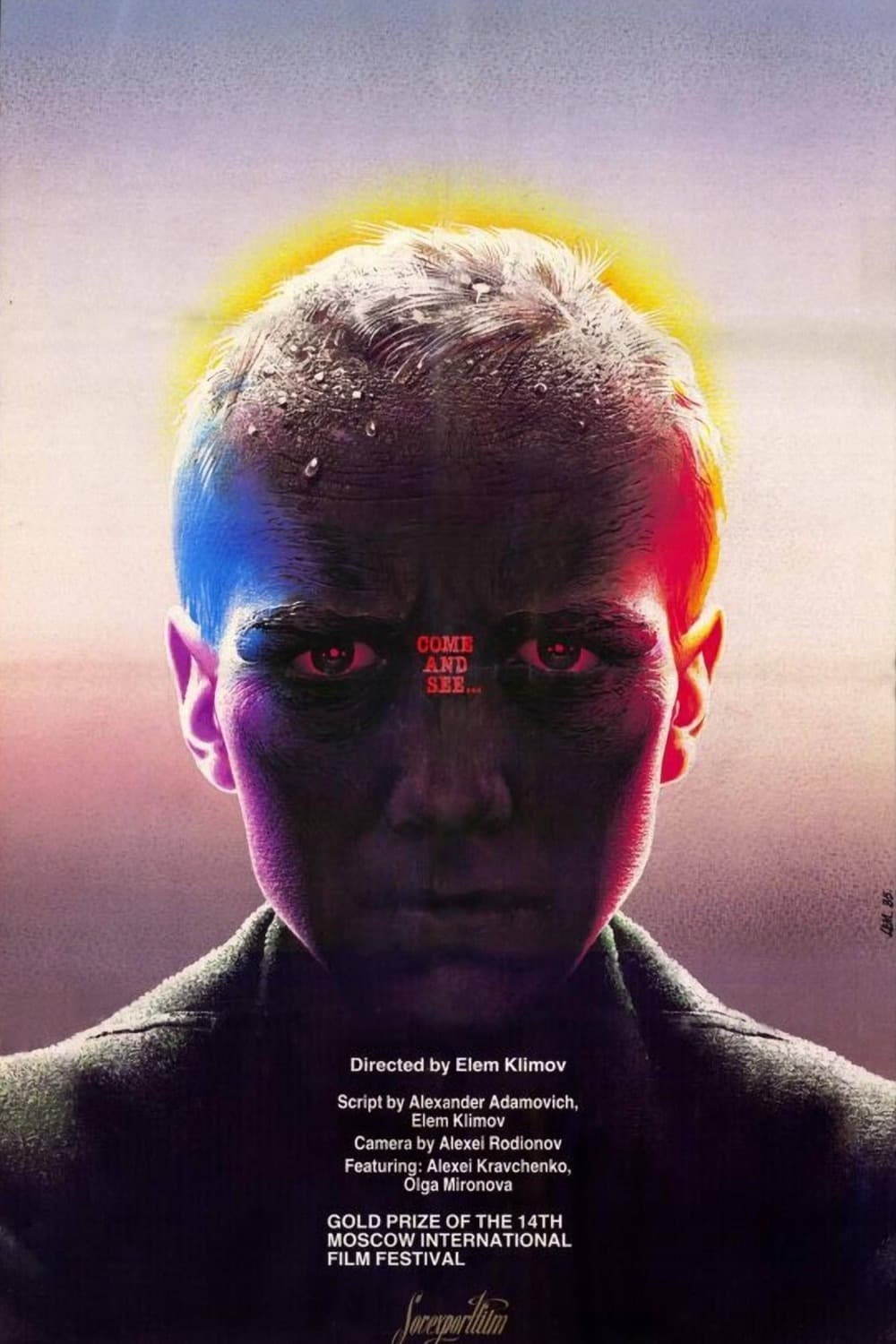
No other war film can follow it: Klimov put a boy's face through the destruction of Belarus and let it age visibly, and nobody watches it twice lightly.
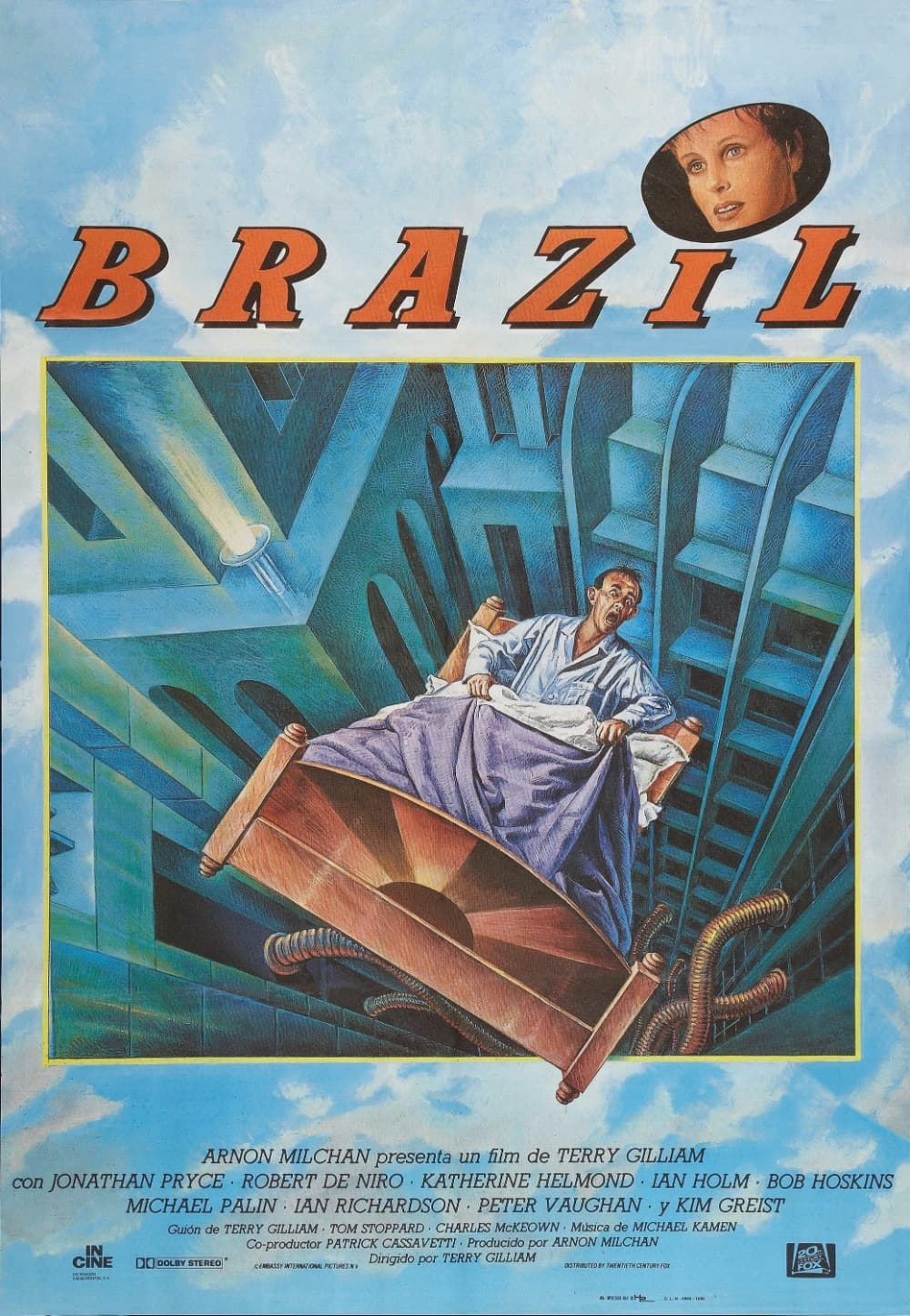
The bleakest comedy ever made about paperwork: Gilliam imagined a state that tortures you politely and misfiles the forms afterward, and had to fight his own studio to release it.
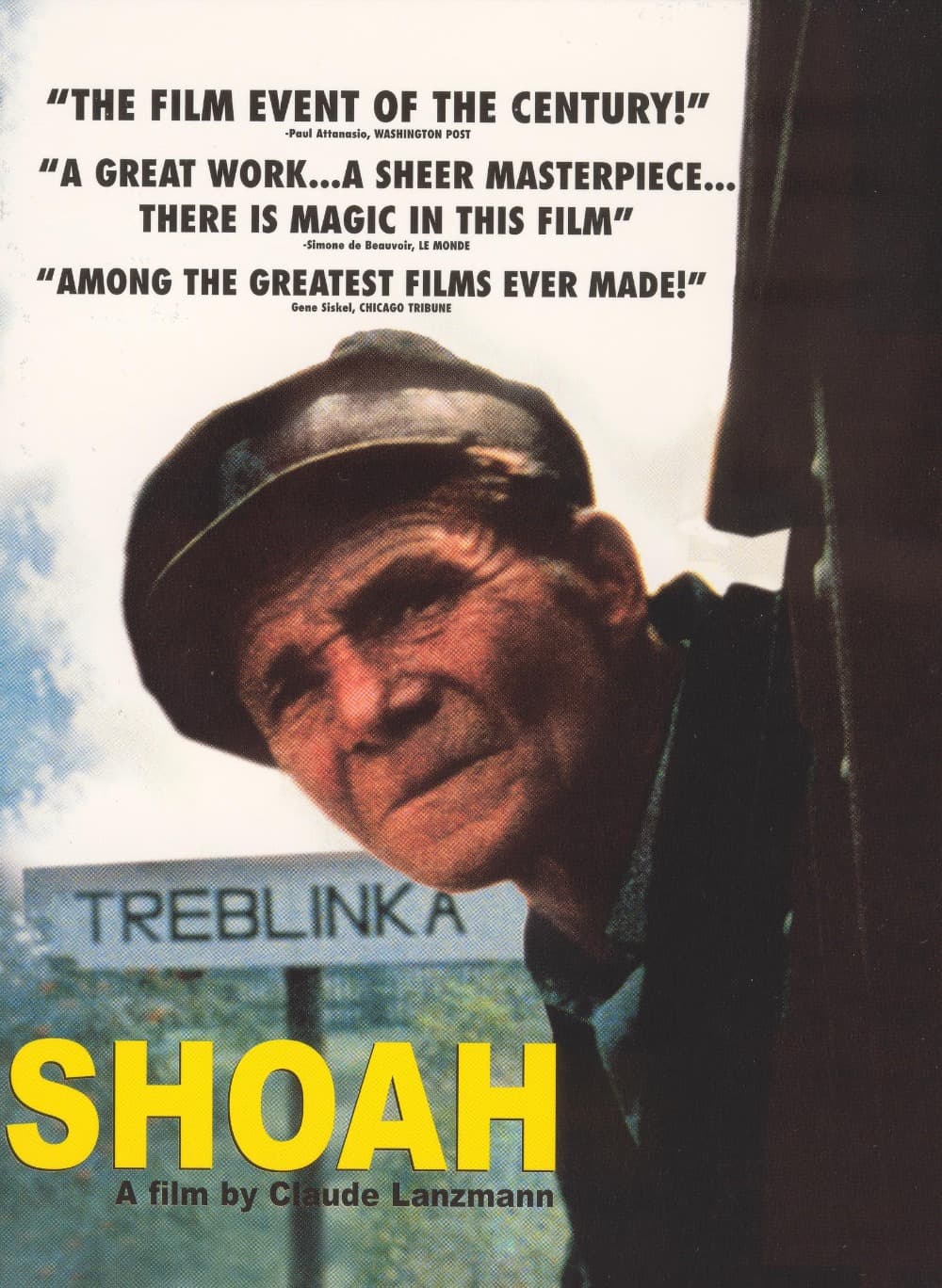
Nine hours long, with no archive footage at all: Lanzmann spent eleven years getting survivors, bystanders and perpetrators to describe what they saw, standing on the actual sites.
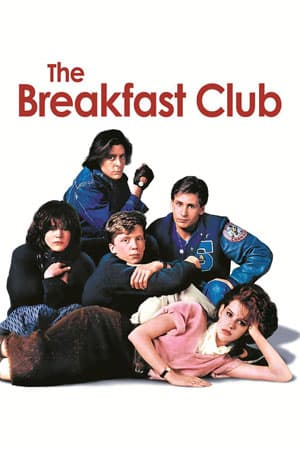
Five teenagers in one room for a Saturday detention, and every teen film since has been rearranging the same five: Hughes let them talk instead of doing anything.
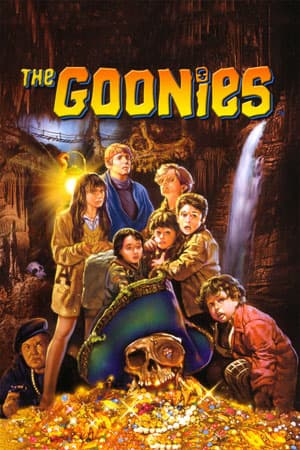
Spielberg wrote the story and Richard Donner let the children shout constantly across each other's lines: a treasure map, a condemned neighborhood, and a set built so they discovered it in order.
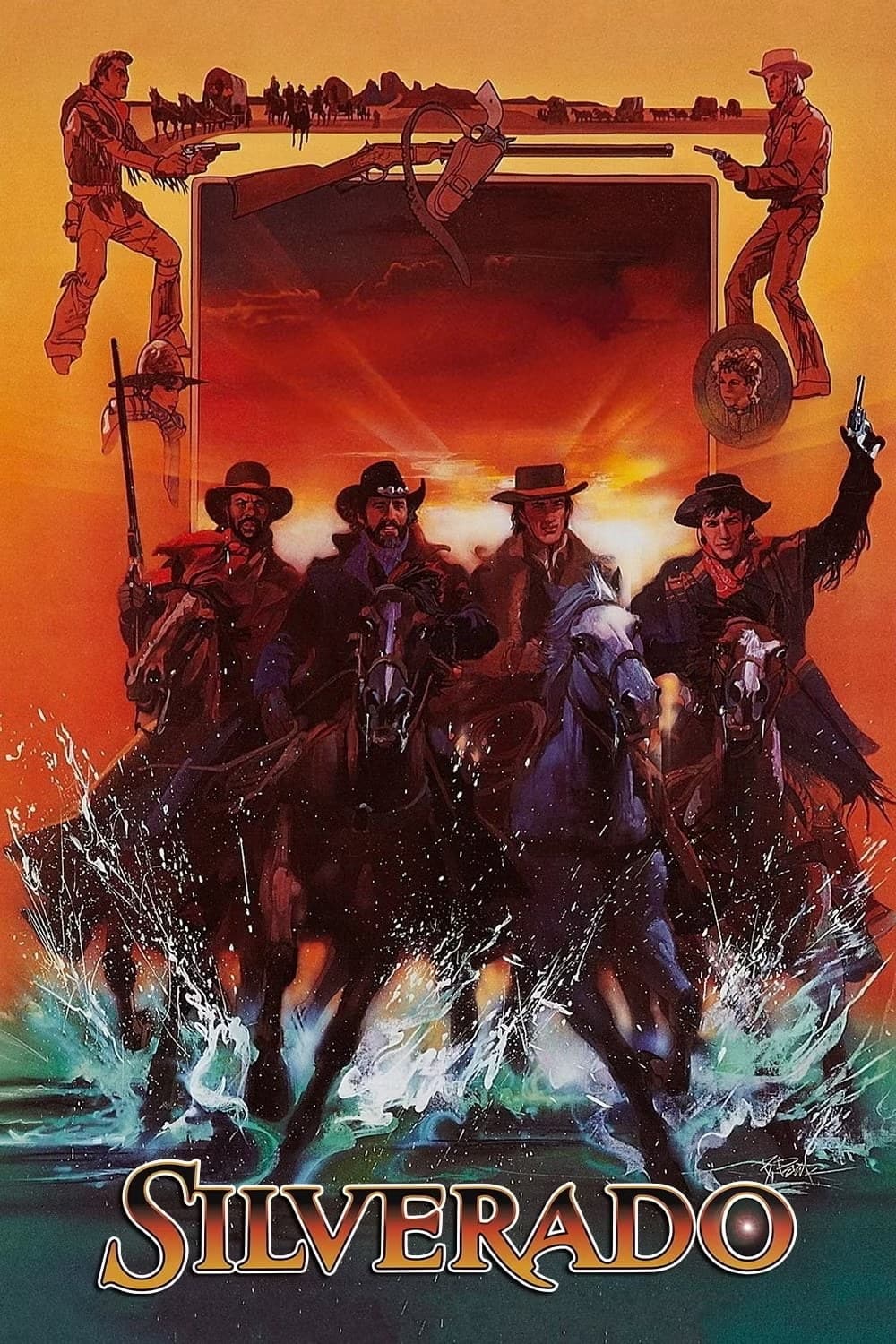
Lawrence Kasdan set out to prove the western was not dead and assembled half of Hollywood: four men ride into a town run by the wrong sheriff, and the pleasures are entirely traditional.
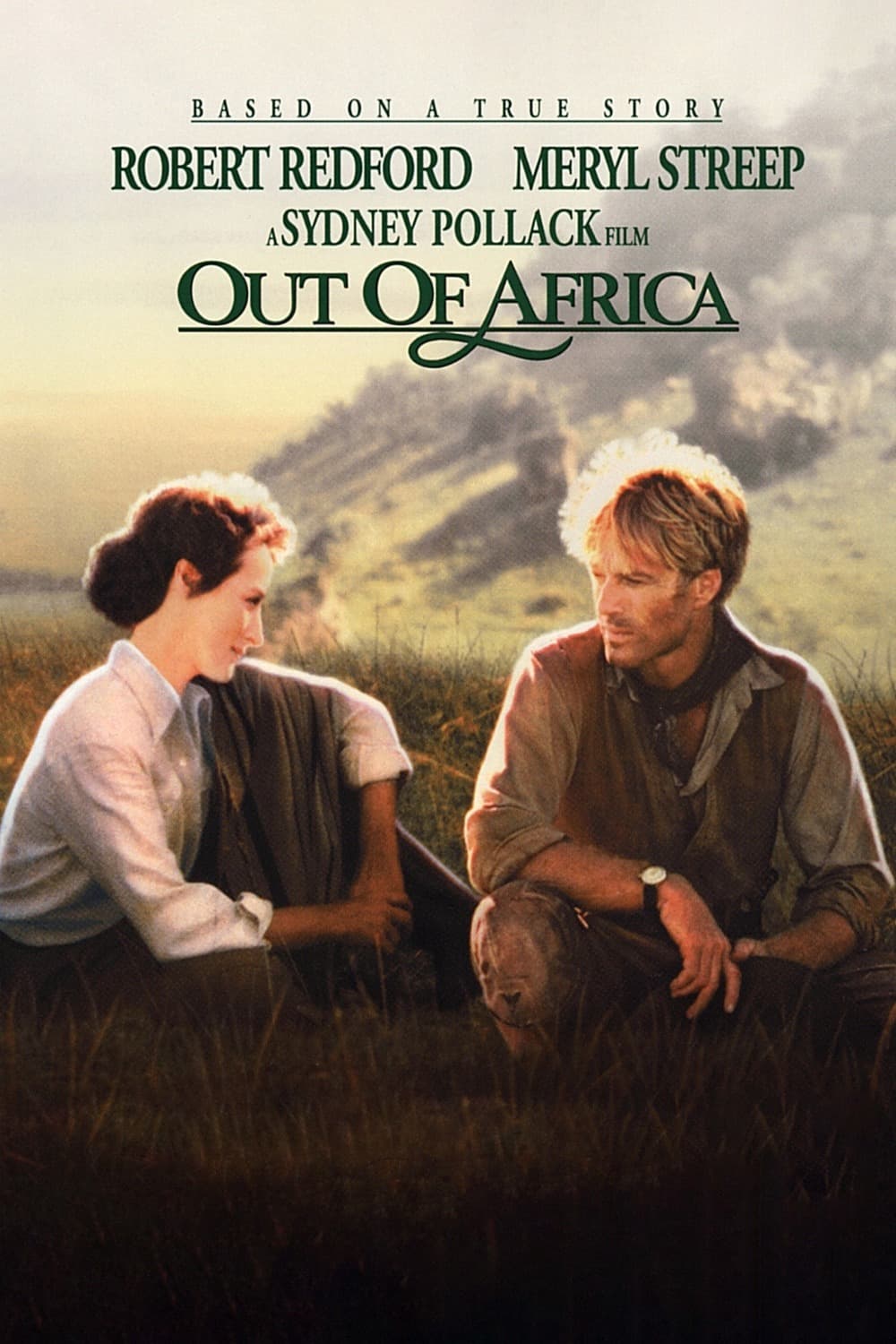
The flight over the Rift Valley is why anyone remembers it: Meryl Streep built Karen Blixen's Danish accent from recordings, and the film takes its time in a way nothing does now.
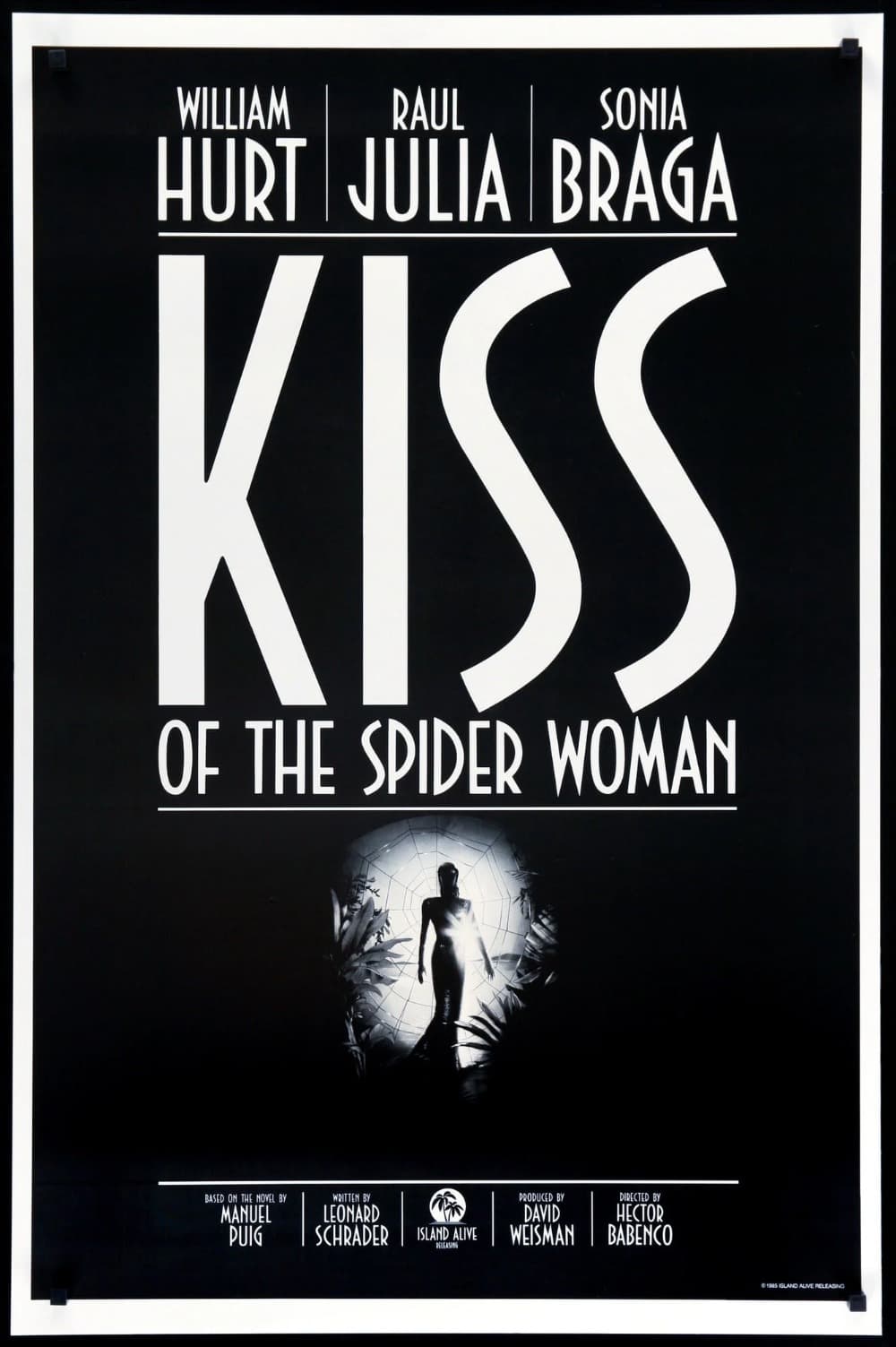
William Hurt took Best Actor and the film became the first independent production nominated for Best Picture: two cellmates in a Brazilian prison, one political and one who describes old movies.