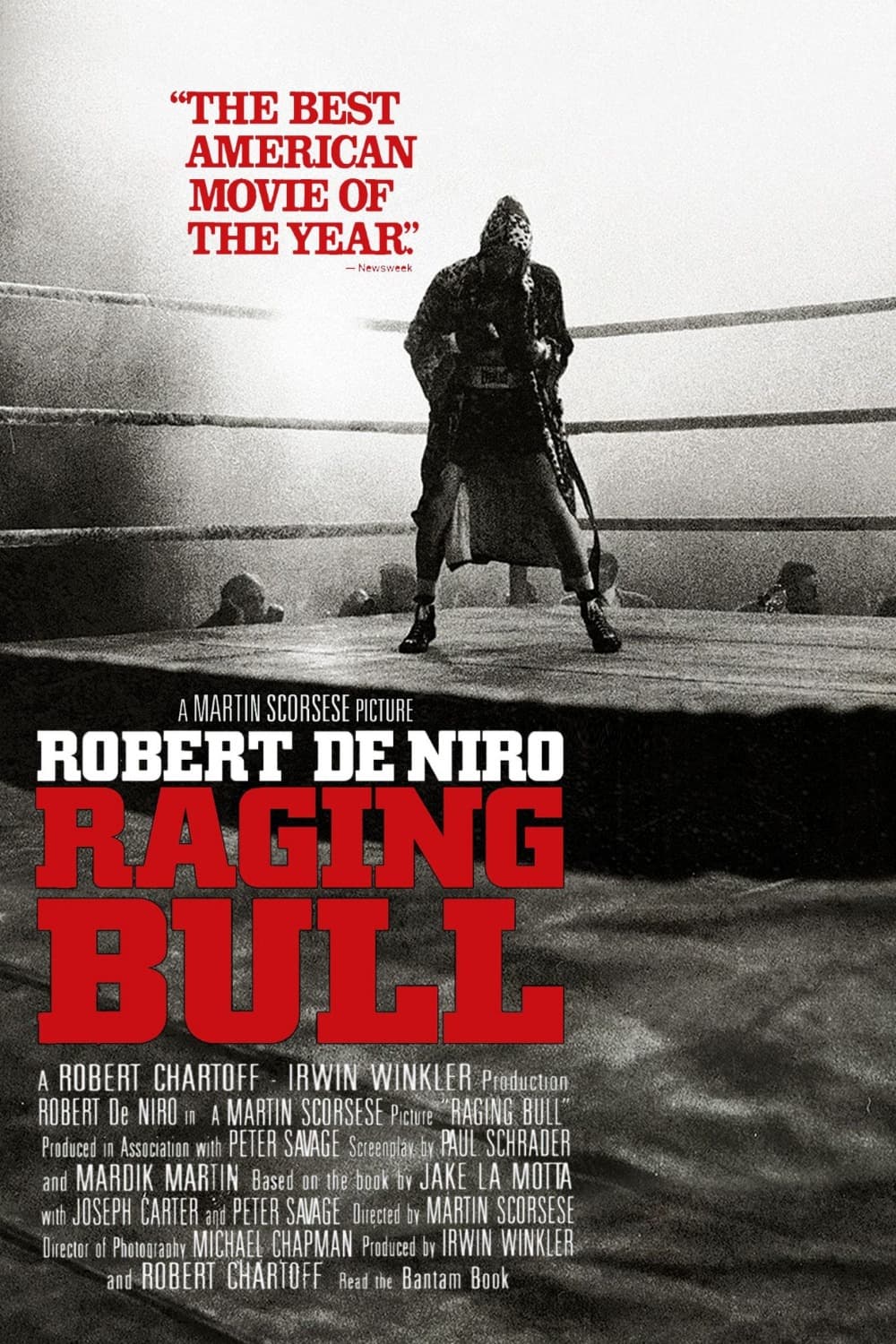
Raging Bull
Directed by Martin Scorsese
1980
Scorsese shot boxing as penance rather than sport, and audiences come out feeling bruised: De Niro's jealousy destroys everyone near him, in the blackest black and white imaginable.
★ 9.6
 skopia
Scorsese shot boxing as penance rather than sport, and audiences come out feeling bruised: De Niro's jealousy destroys everyone near him, in the blackest black and white imaginable.

Everyone learned how to make a sequel from this: the pressure builds for two hours, the tone stays darker than anyone expected, and one line near the close rearranged a generation's childhood.
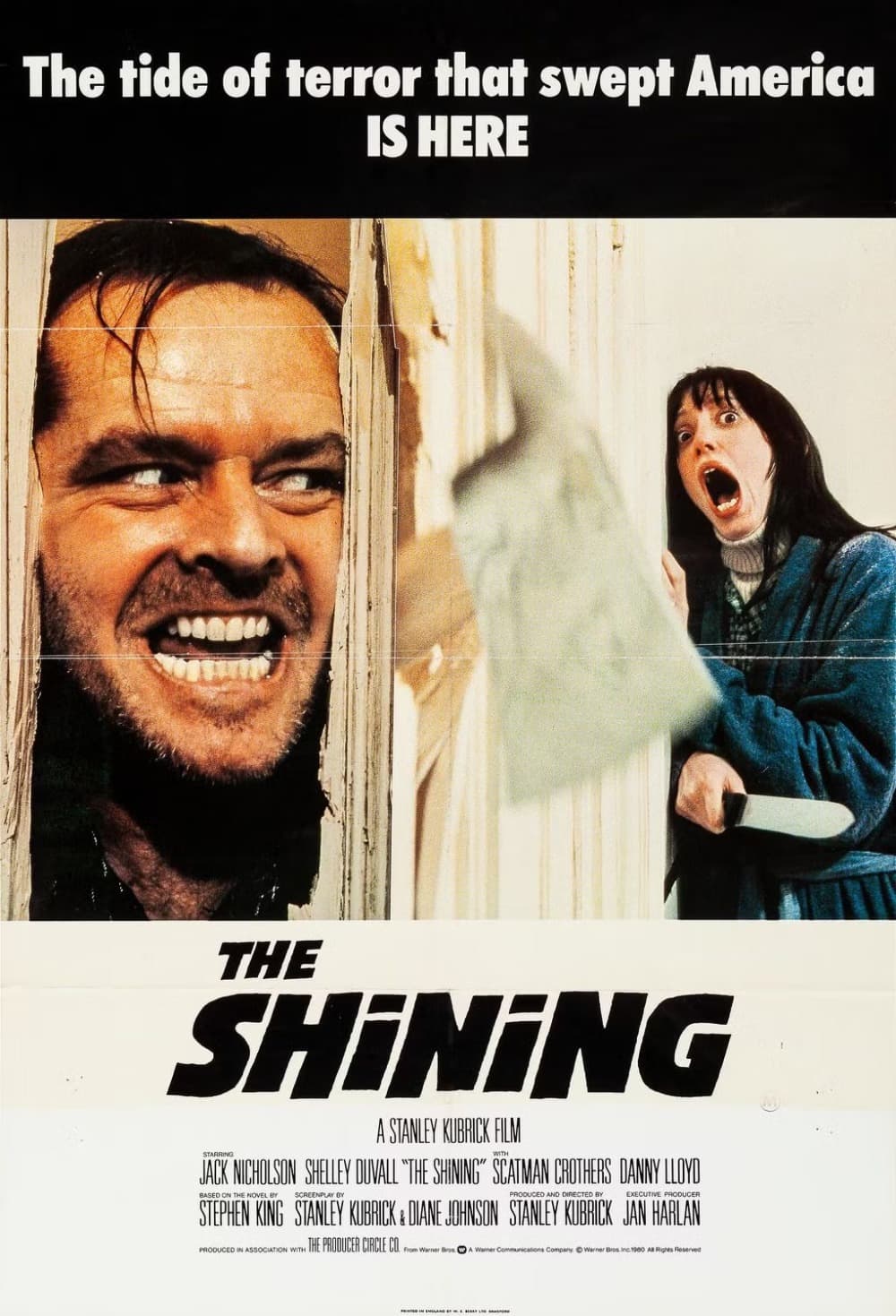
Whole documentaries exist about what this film means: Kubrick threw out most of King's novel, sent a Steadicam gliding down those corridors, and left a dread nobody can explain away.
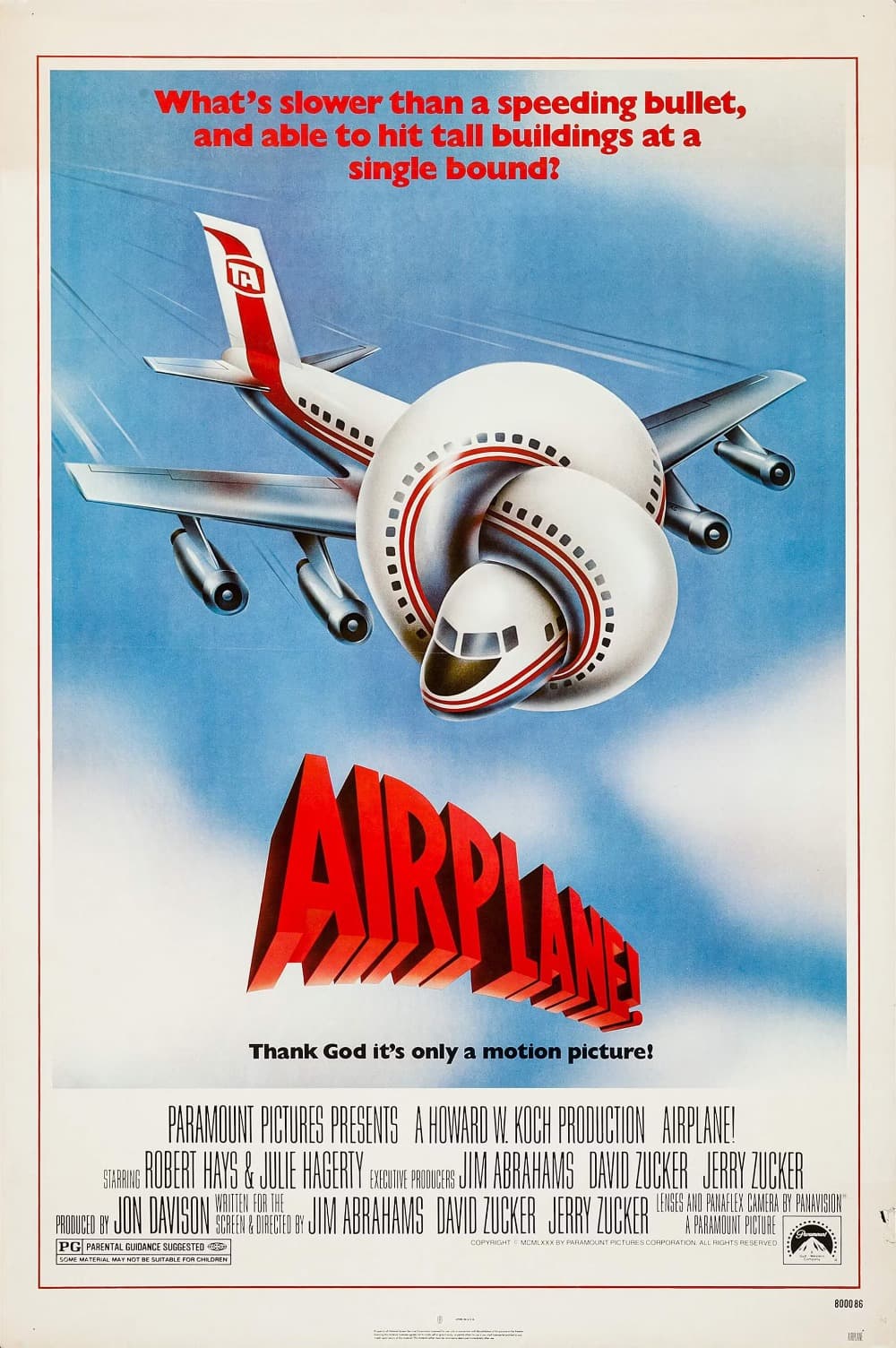
It fires jokes at a rate almost nothing before it attempted and lands most of them: the trick was casting dramatic actors and telling them to play everything straight.
It held the record for cars destroyed on film and works as a music documentary besides: Aretha Franklin, Ray Charles, James Brown and Cab Calloway all get a full number.
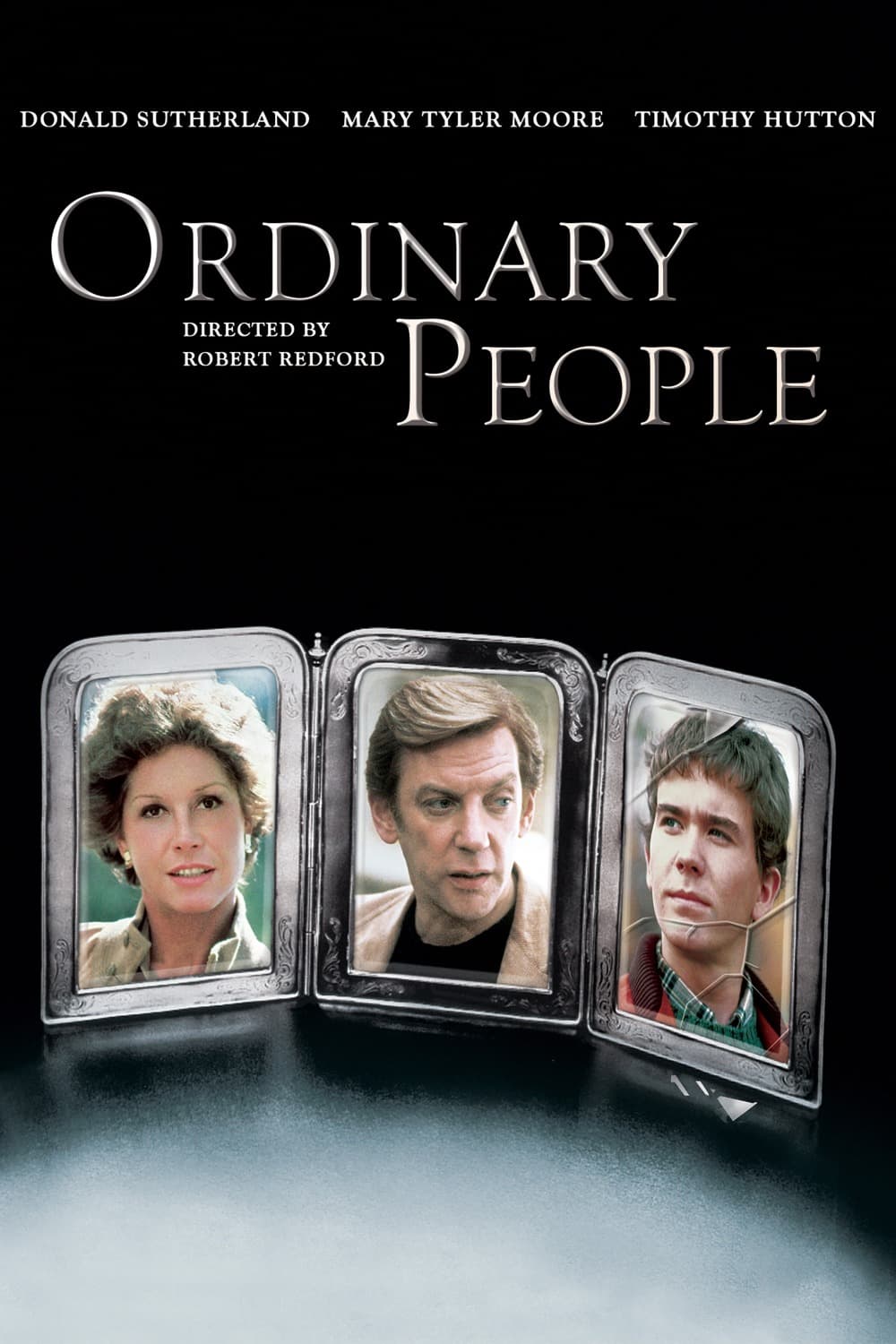
Redford directed this before anyone thought he could, and it goes at what American families do not discuss: a Chicago suburb where everyone is fine, and a son in therapy who is not.
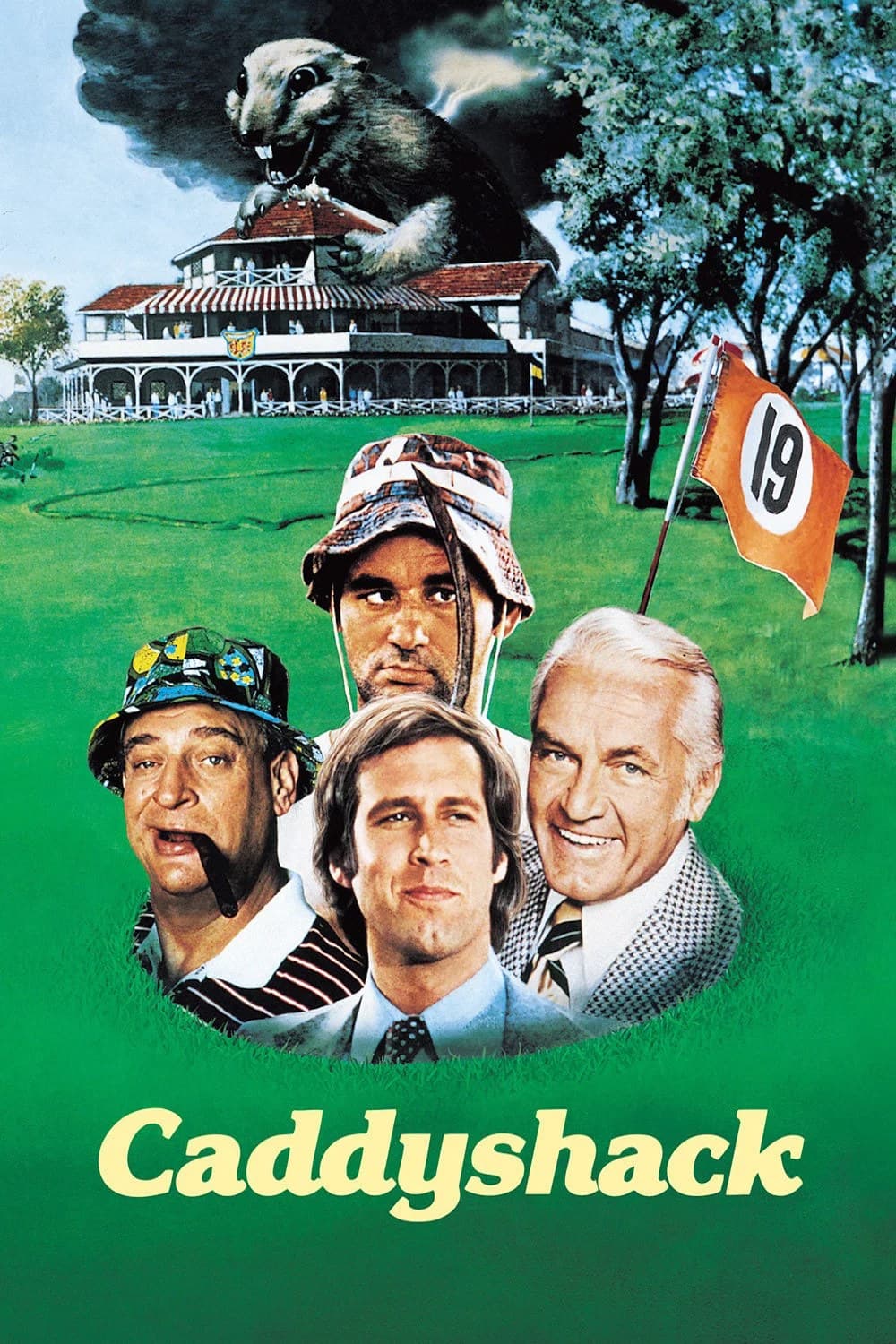
Bill Murray improvised nearly all of his part and the gopher was added after shooting finished: a country club comedy with no functioning plot and absolutely no need for one.
Samuel Fuller fought in the division he is filming and waited thirty-five years to tell it: a squad from North Africa to Sicily to Normandy, filmed as a job that does not end.