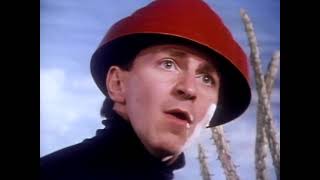
Once in a LifetimeTalking Heads
Once in a Lifetime
1980 · From Remain in Light
Byrne borrowed a preacher's cadence, Eno hummed the chorus melody, and the band looped its own jams like samplers.
★ 9.0
 skopia
Byrne borrowed a preacher's cadence, Eno hummed the chorus melody, and the band looped its own jams like samplers.
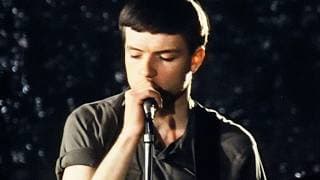
The title flips Captain and Tennille into its opposite, and the single arrived a month after Curtis's death.
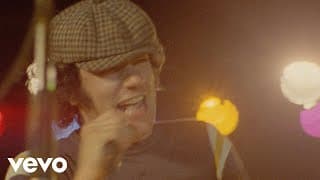
Johnson was told the Bon Scott tribute could not be morbid, so he wrote a celebration over Angus Young's riff.
A single voice and acoustic guitar close Uprising, with a line lifted from Marcus Garvey and Marley already ill.
Jones thought nobody would play something so morbid; Sherrill spent eighteen months coaxing the vocal onto tape.
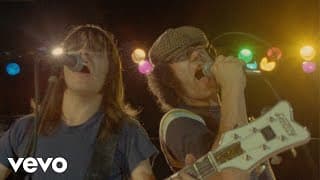
Recorded at Compass Point in Nassau with Mutt Lange, Johnson's first single, and a riff that swings rather than pounds.
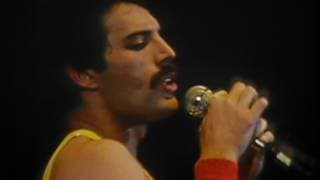
Deacon's bassline owes Chic, Michael Jackson talked them into releasing it, and Queen landed their biggest-selling single.
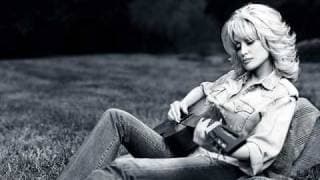
Parton played the typewriter part on her acrylic fingernails, credited on the album, then took it to number one.
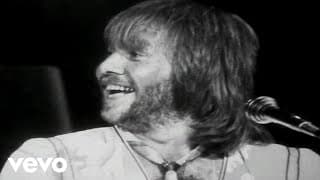
Ulvaeus wrote it in an hour over whisky; the video came ten days after his divorce from Fältskog was final.
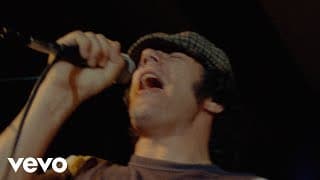
A one-ton bronze bell cast to order in Loughborough, recorded inside the foundry, and Johnson's opening words for AC/DC.
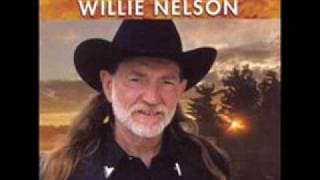
An airsickness bag, a film producer's request, and a single cut live at a club over two Austin nights.
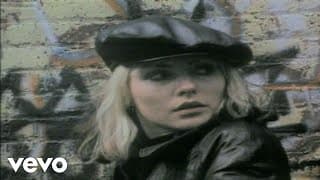
Moroder cut the backing track in Los Angeles, Harry wrote the words in hours, and it ruled 1980.
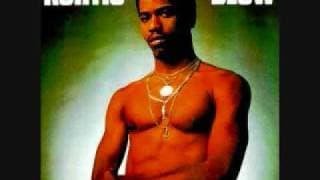
Eighty-four uses of one word, a live band instead of samples, and the first rap single certified gold.
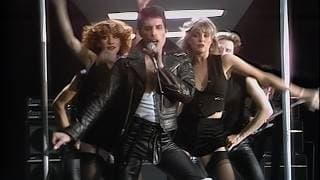
Ten minutes after a Munich bath, a borrowed Fender not the Red Special, and Queen's first American number one.
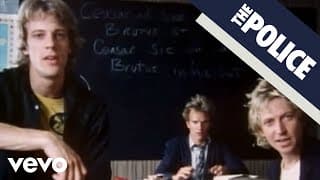
Sting drew on his years teaching and on Nabokov, then watched it become Britain's best-selling single of 1980.
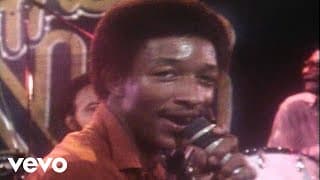
Recorded in a New Jersey studio with Deodato producing, and adopted everywhere from ballparks to the hostages' homecoming.
Schwartz took the title from a pillow-punching therapy session, and Benatar made it her first American top ten.
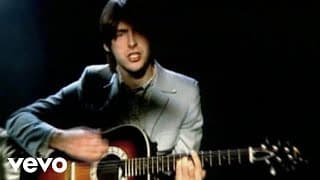
Almost all acoustic guitar, one electric part running backwards, and an import single that still reached number twenty-one in Britain.
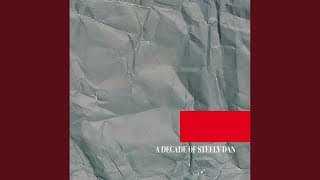
Nineteen weeks on the Hot 100, fittingly, and a middle-aged narrator undone by a girlfriend who doesn't know Aretha Franklin.