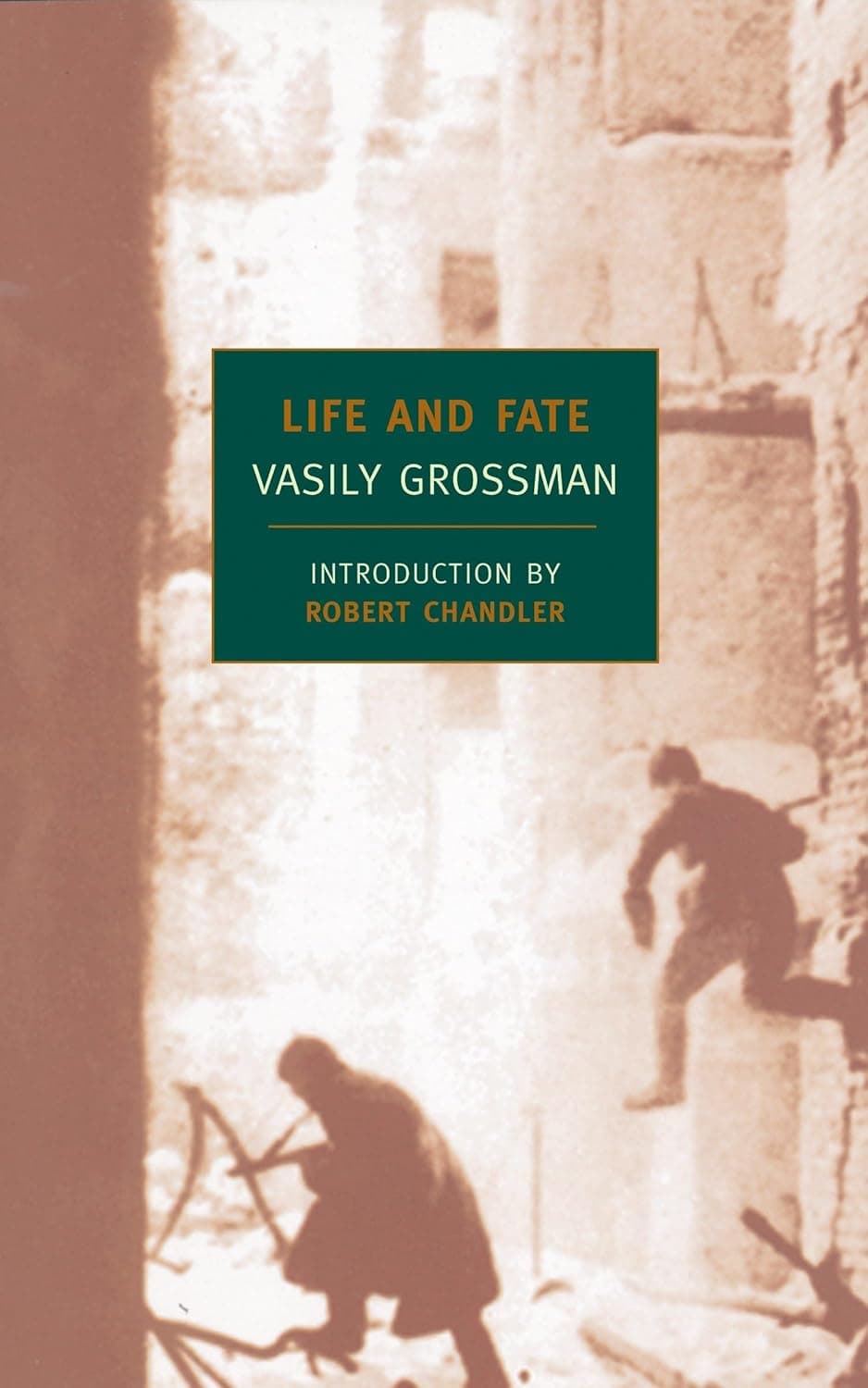
Life and Fate
1980 · 896 pages
During the siege of Stalingrad, a Soviet physicist receives his mother's last letter from a Nazi ghetto. Grossman wrote the war at Tolstoy's scale and said plainly that both tyrannies were one thing.
★ 8.7
 skopia
During the siege of Stalingrad, a Soviet physicist receives his mother's last letter from a Nazi ghetto. Grossman wrote the war at Tolstoy's scale and said plainly that both tyrannies were one thing.

Monks are dying at an Italian abbey in 1327, the library is a labyrinth no one may enter, and a Franciscan detective and his novice go in. Eco made medieval theology a thriller.

Minke, a Javanese student under Dutch rule, loves the daughter of a concubine running the estate its Dutch owner cannot. Indonesia banned it for a generation and now claims it as its greatest.

Ignatius J. Reilly, obese and certain the modern age is beneath him, is pushed out of his mother's New Orleans house to find work. Toole wrote the funniest American novel of its century.
Grieving his mother, Barthes asks what a photograph is and answers with the punctum, the detail that wounds you. Photography criticism has argued in the vocabulary he invented here ever since.
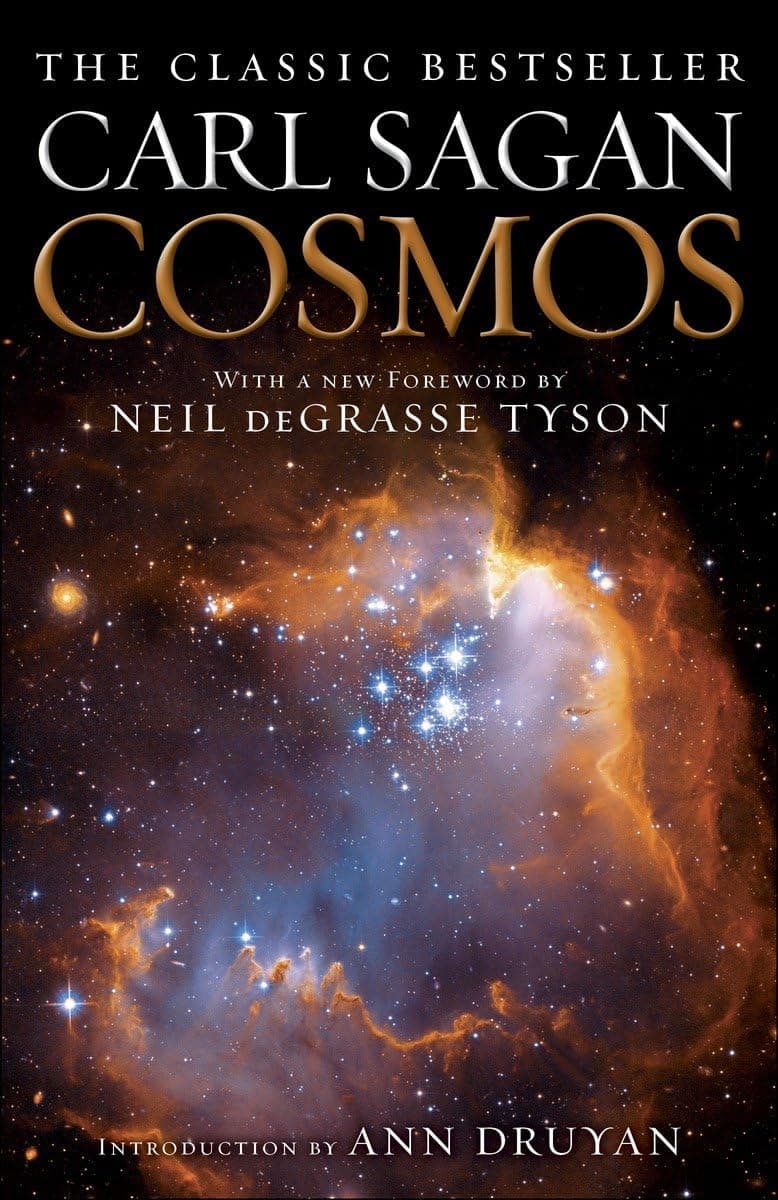
Sagan moves from the Big Bang to the Library of Alexandria to the carbon in your body, forged inside dying stars. No science book written in English had ever sold so well.

Returning decades later to the Pacific islands where he served as a Marine sergeant, Manchester sets the quiet beaches against what happened there. He was badly wounded on Okinawa and kept dreaming it.
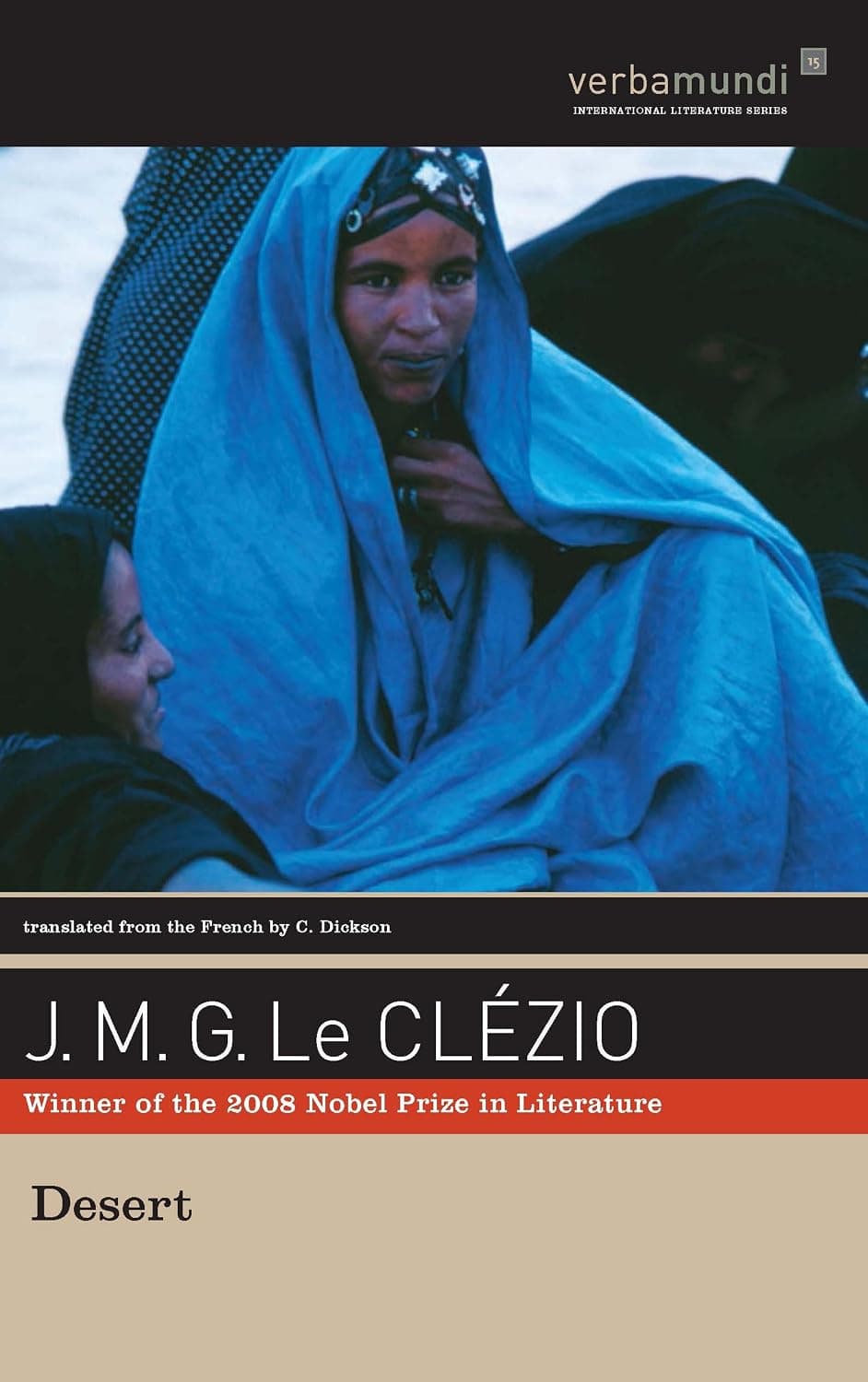
Two journeys decades apart: a boy walking north with the blue-veiled nomads driven from the Sahara by French troops, and a girl of their blood who leaves a Moroccan shantytown for Marseille.

In a decaying Old Delhi house, two sisters reopen everything the family did to each other in 1947, the year of Partition. Desai makes still summer afternoons unbearable.
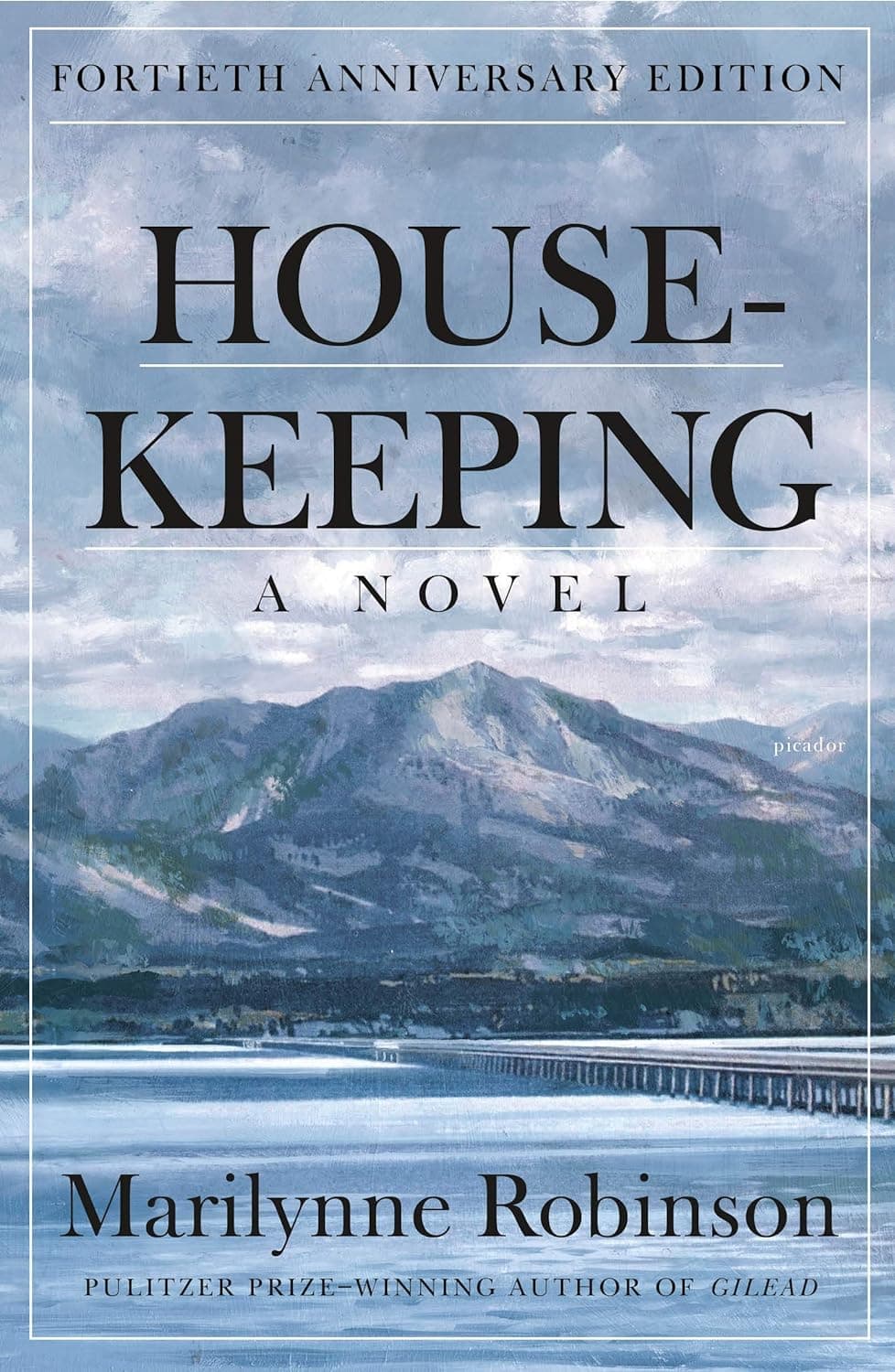
Two sisters in an Idaho lake town are raised by a drifter aunt who leaves the doors open and lets leaves blow through the house. Robinson makes transience a form of faith.

Modern art's century, from the Eiffel Tower to the moment modernism became the official culture it once attacked. Hughes explains what Picasso and Pollock were after in plain, unhurried English.