
Battle Cry of Freedom
1988 · 952 pages
McPherson carries the whole Civil War in one volume, from the fights over slavery in the 1840s through Antietam to the surrender at Appomattox, and it reads like dispatches filed the same day.
★ 7.9
 skopia
McPherson carries the whole Civil War in one volume, from the fights over slavery in the 1840s through Antietam to the surrender at Appomattox, and it reads like dispatches filed the same day.

Branch follows Martin Luther King from the Montgomery bus boycott to Birmingham, moving between black church basements, the Kennedy White House, and the FBI, and ten years become full American history.
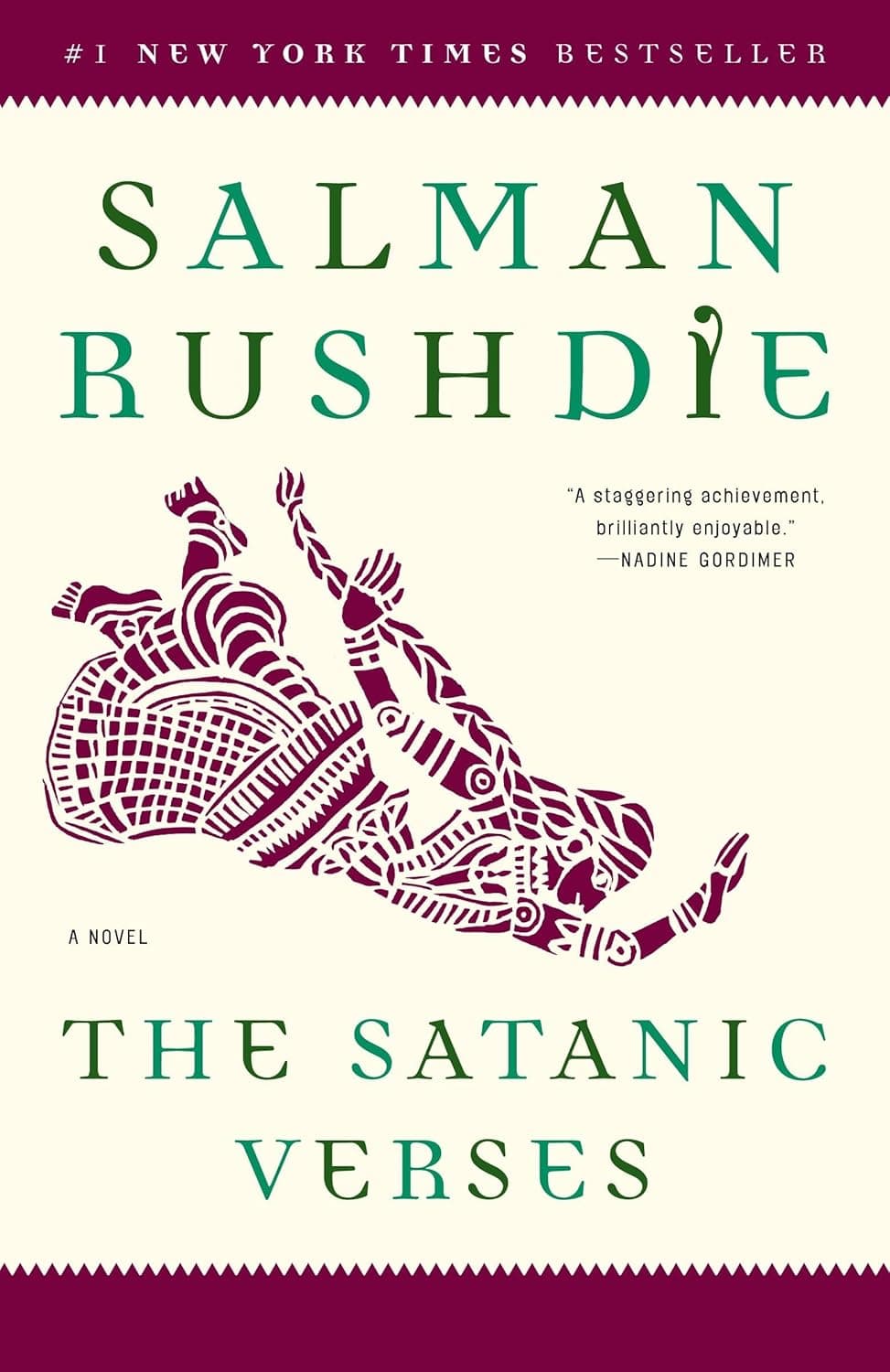
Two men fall from an exploding jet and live, one sprouting a halo, the other hooves. The Ayatollah Khomeini's death sentence put Rushdie underground for nine years, and his Japanese translator was murdered.

The press needs no censors, Herman and Chomsky argue: ownership, advertisers, official sources and the fear of blowback filter the news first. Every argument about media bias since has had to answer them.

The first novel any Black Zimbabwean woman published in English opens with a girl not sorry her brother died: his death frees her for the mission school, where education costs her cousin everything.
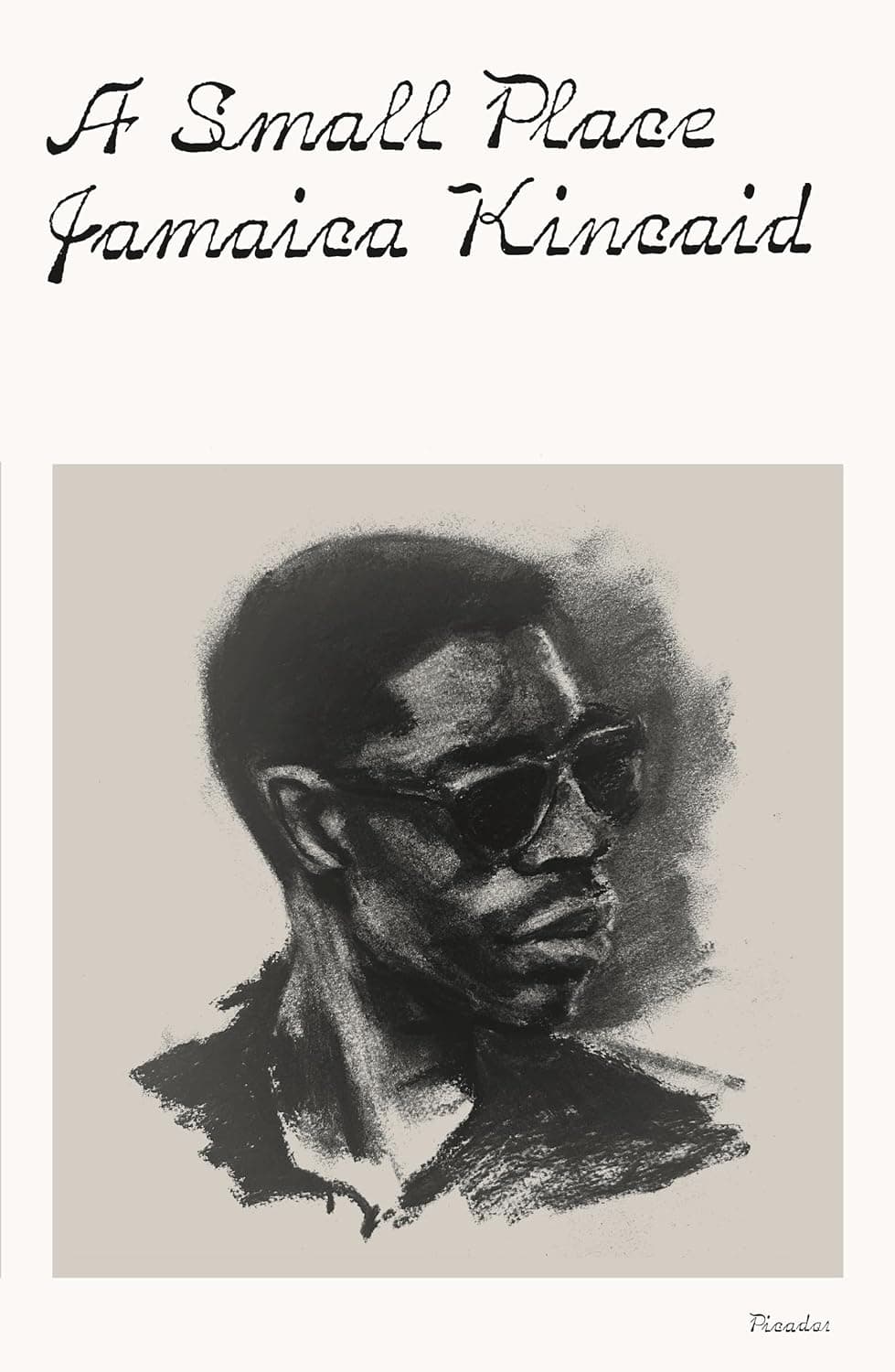
You arrive in Antigua as a tourist and Kincaid tells you what you look like to the people who live there, then turns on the empire and the government that wrecked the island.
Army adviser John Paul Vann fed reporters the truth about Vietnam while the generals lied, then spent ten years insisting the war could be won. Sheehan reports his private ruin alongside the courage.
Set theory, Badiou insists, is the only language that can say what being is. Truth erupts as an event in politics, art, science, or love, and a subject is whoever stays faithful.
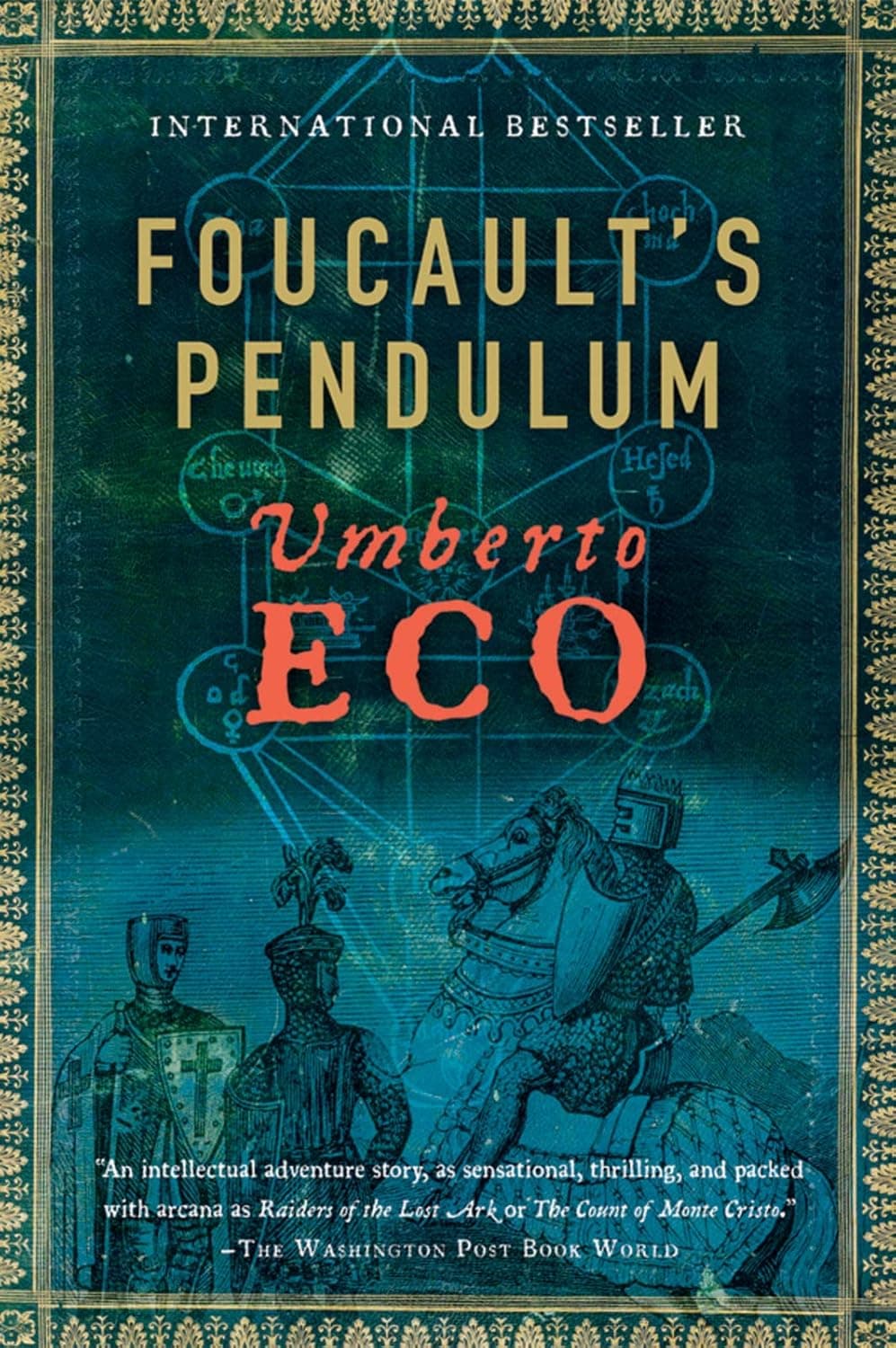
Three editors, buried in crank manuscripts about the Templars, invent a secret history of the world as a joke and feed it to a computer. Then the actual occultists arrive, wanting the secret.

Twenty-five million people bought a physics book. Hawking explains black holes, the arrow of time, and whether the universe needed a beginning, carrying the argument on almost no mathematics at all.
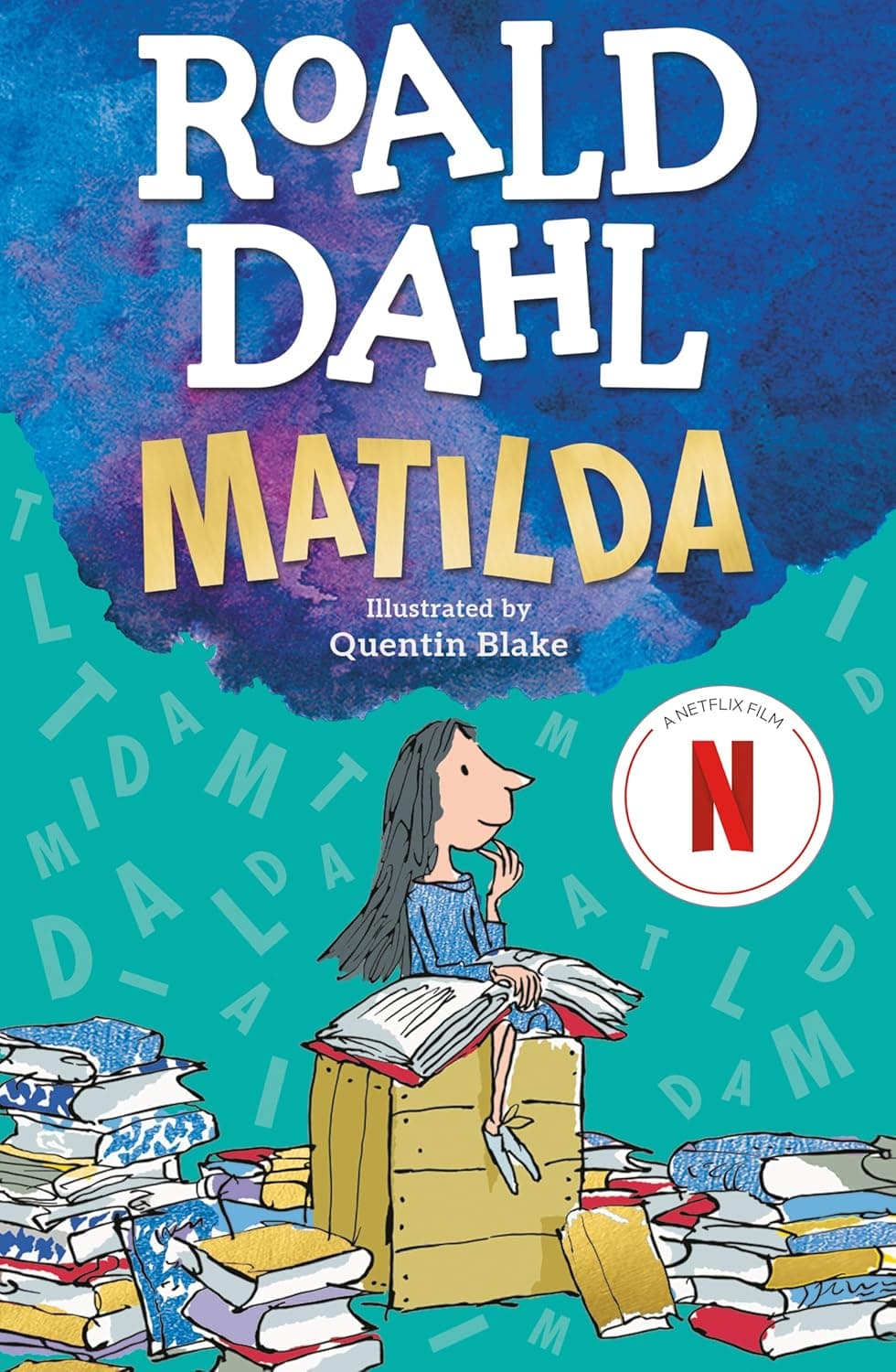
Matilda finished Great Expectations at four, which her parents treat as an insult. Her headmistress at school throws children by the pigtails, and Matilda discovers she can move objects with her eyes.

A Berkeley merchant drives France cellar by cellar, buying from small growers and arguing that filtering a wine bright strips out what you want to drink. Lynch taught Americans to taste for place.