
Grave of the Fireflies
Directed by Isao Takahata
1988 · Japan
Nobody recommends this one lightly: Takahata put two children through the last months of the war in Japan, and being animated makes it harder to bear, not easier.
★ 8.4
 skopia
Nobody recommends this one lightly: Takahata put two children through the last months of the war in Japan, and being animated makes it harder to bear, not easier.
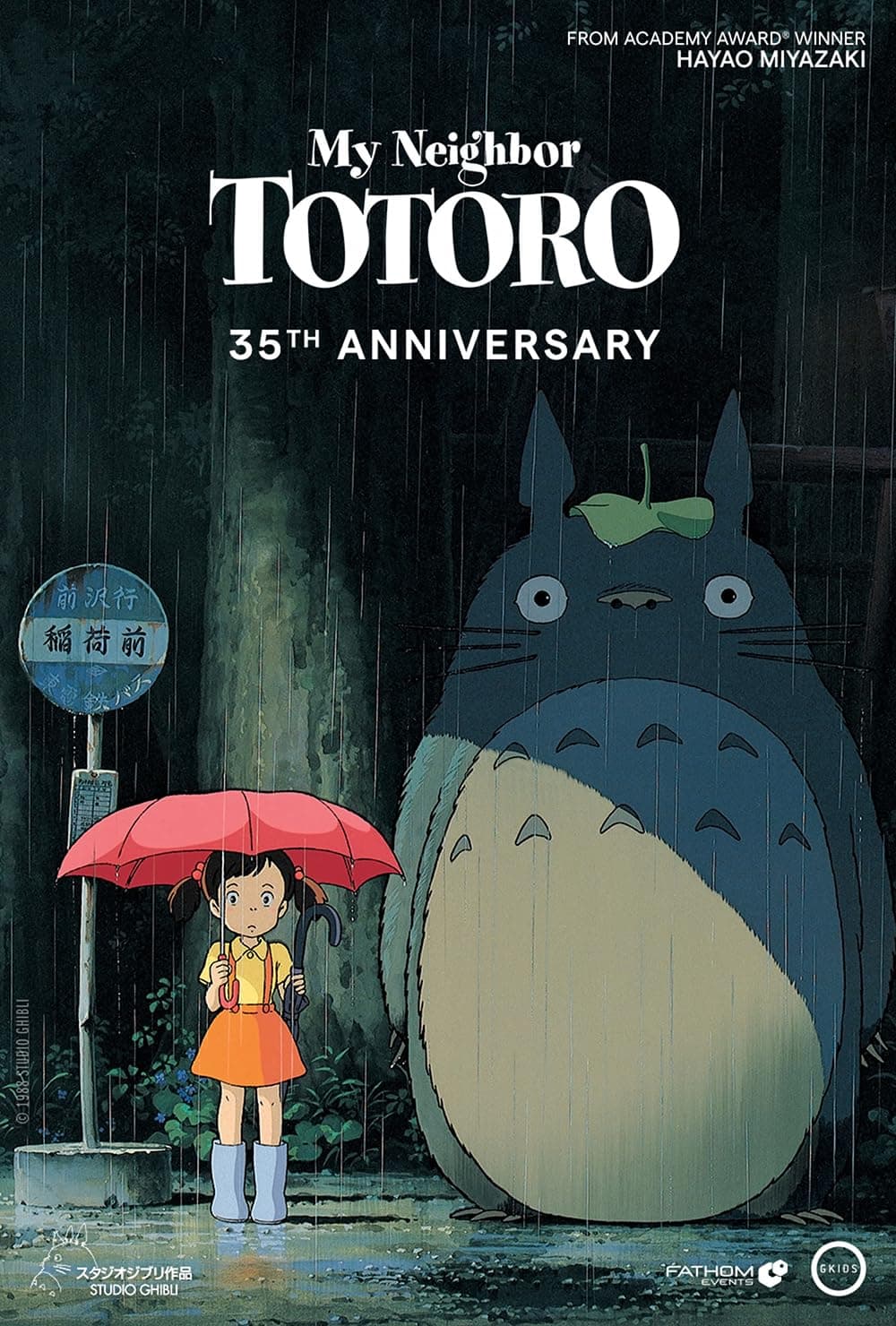
Children's films almost never dare to have no villain: Miyazaki made eighty minutes of pure safety out of two sisters and a forest spirit, and it became Ghibli's emblem.
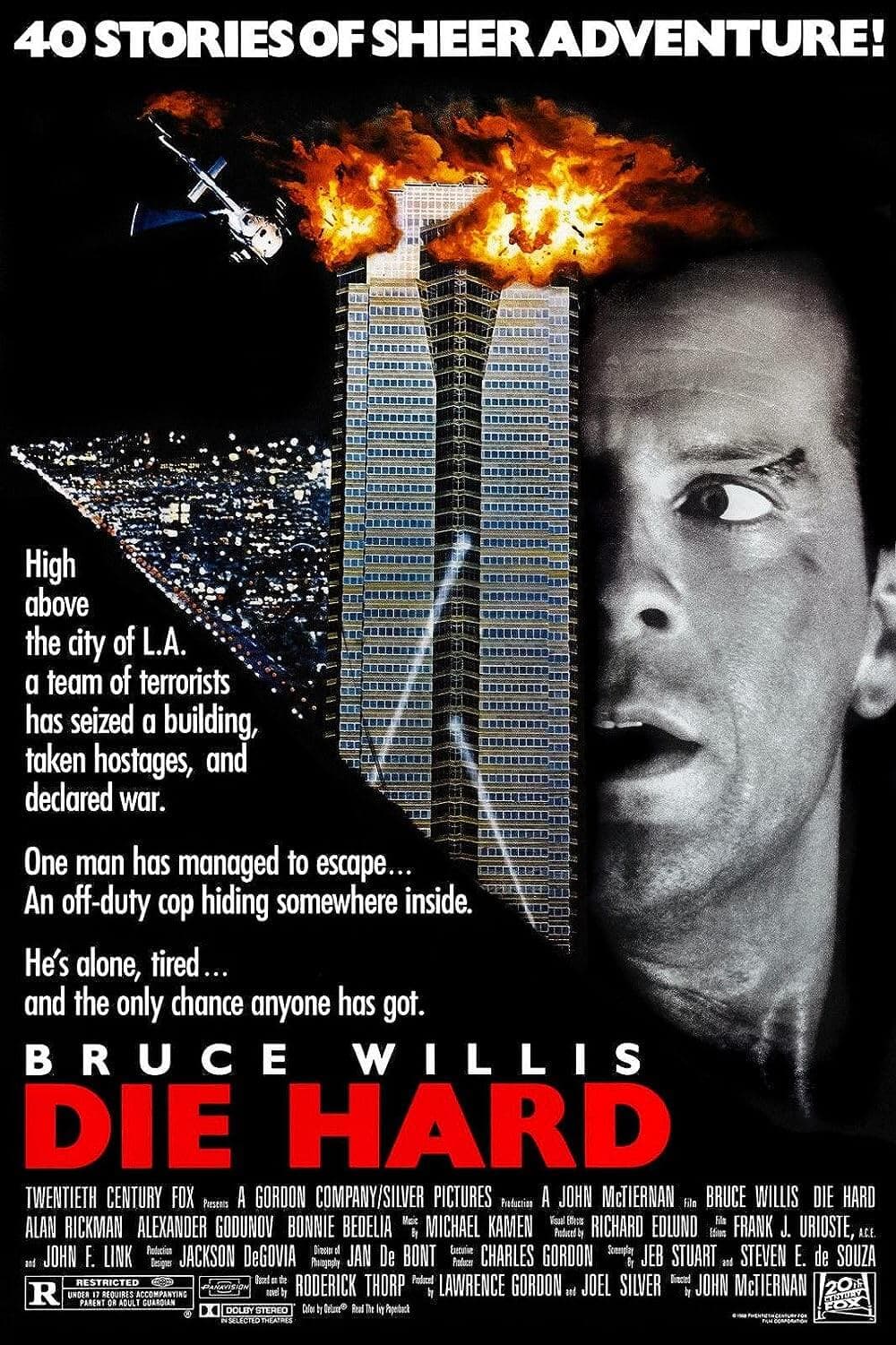
Hollywood spent the next decade pitching films as Die Hard on a boat, a bus, a plane: McTiernan built the action machine everyone has been copying since 1988.
A documentary that overturned a real murder conviction: Morris reconstructed the same killing over and over from contradictory testimony, and the case collapsed within a year of release.
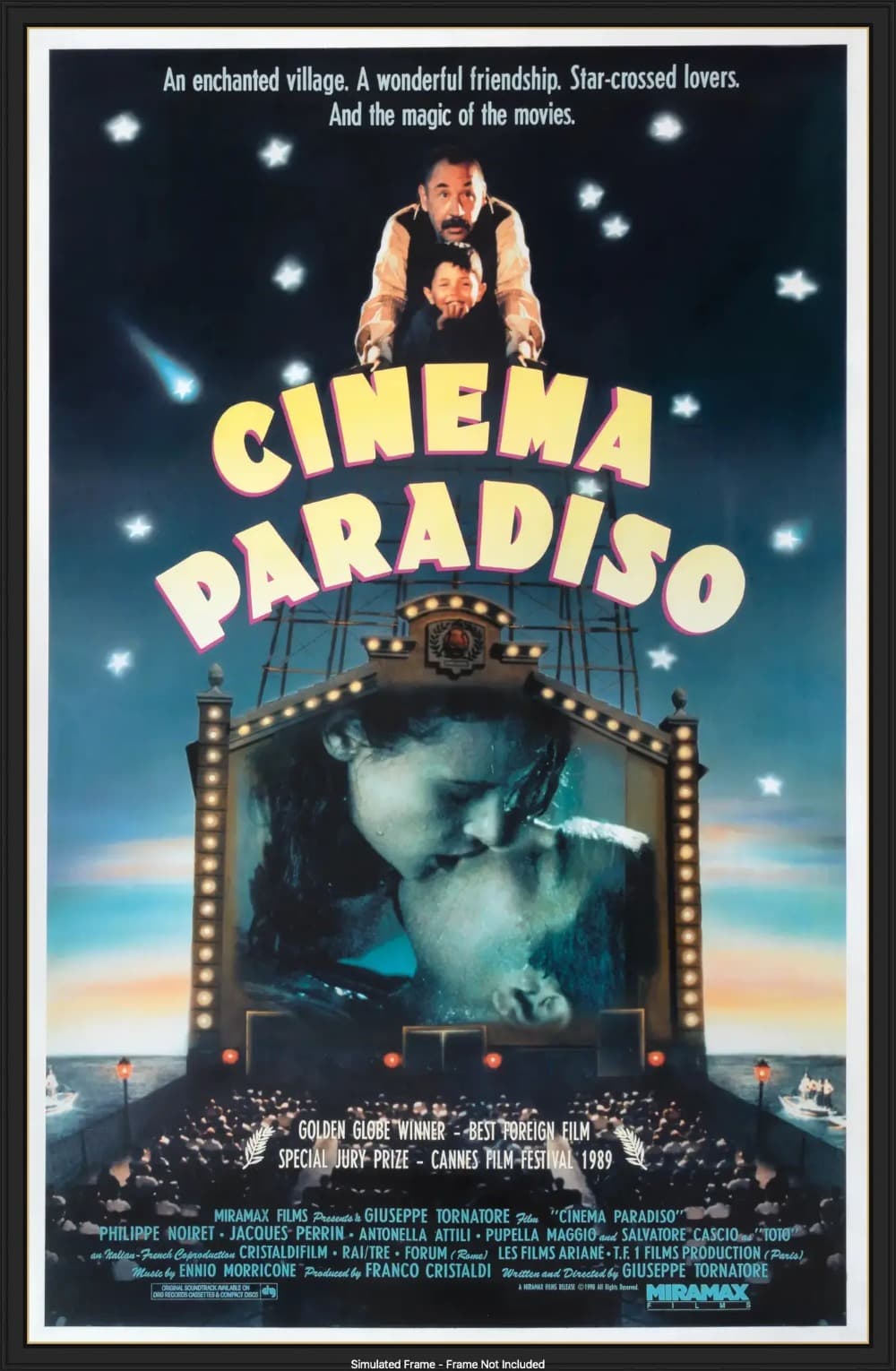
Morricone wrote the theme that reduces grown men to tears: a Sicilian boy grows up in a village projection booth, and the subject underneath is what movies do to a life.
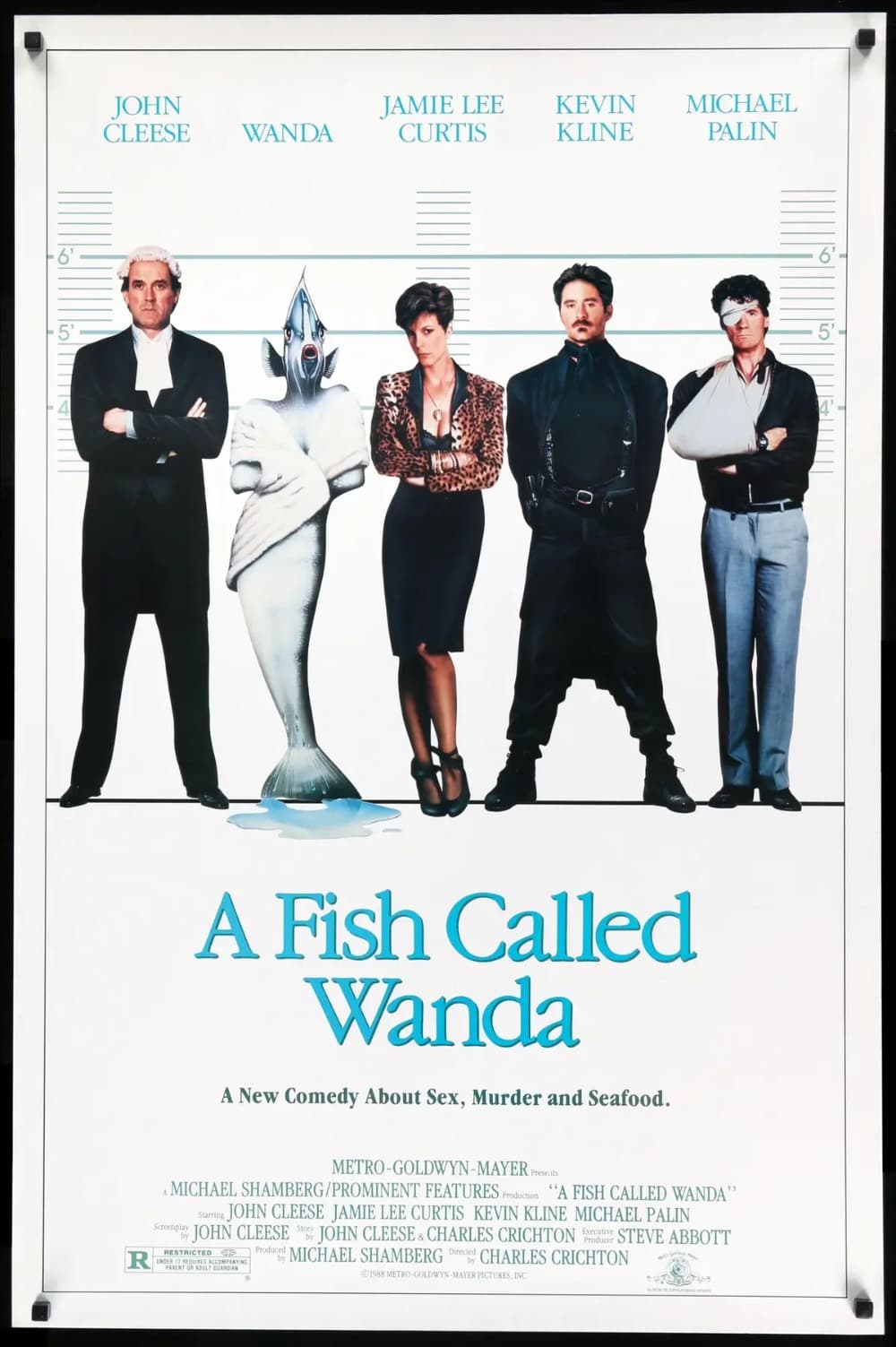
A Danish audiologist reportedly died laughing during a screening: Charles Crichton was seventy-seven and made the fastest farce of the decade, with four thieves who all intend to betray the others.
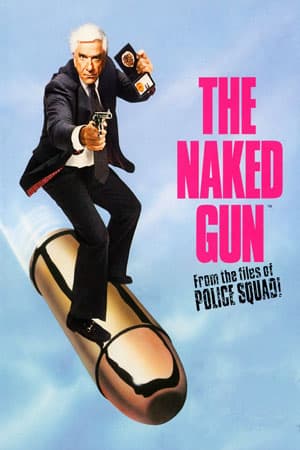
The Zucker team moved their television cop parody to the big screen and improved it: Leslie Nielsen anchors a squad room where three more gags are running behind every line.
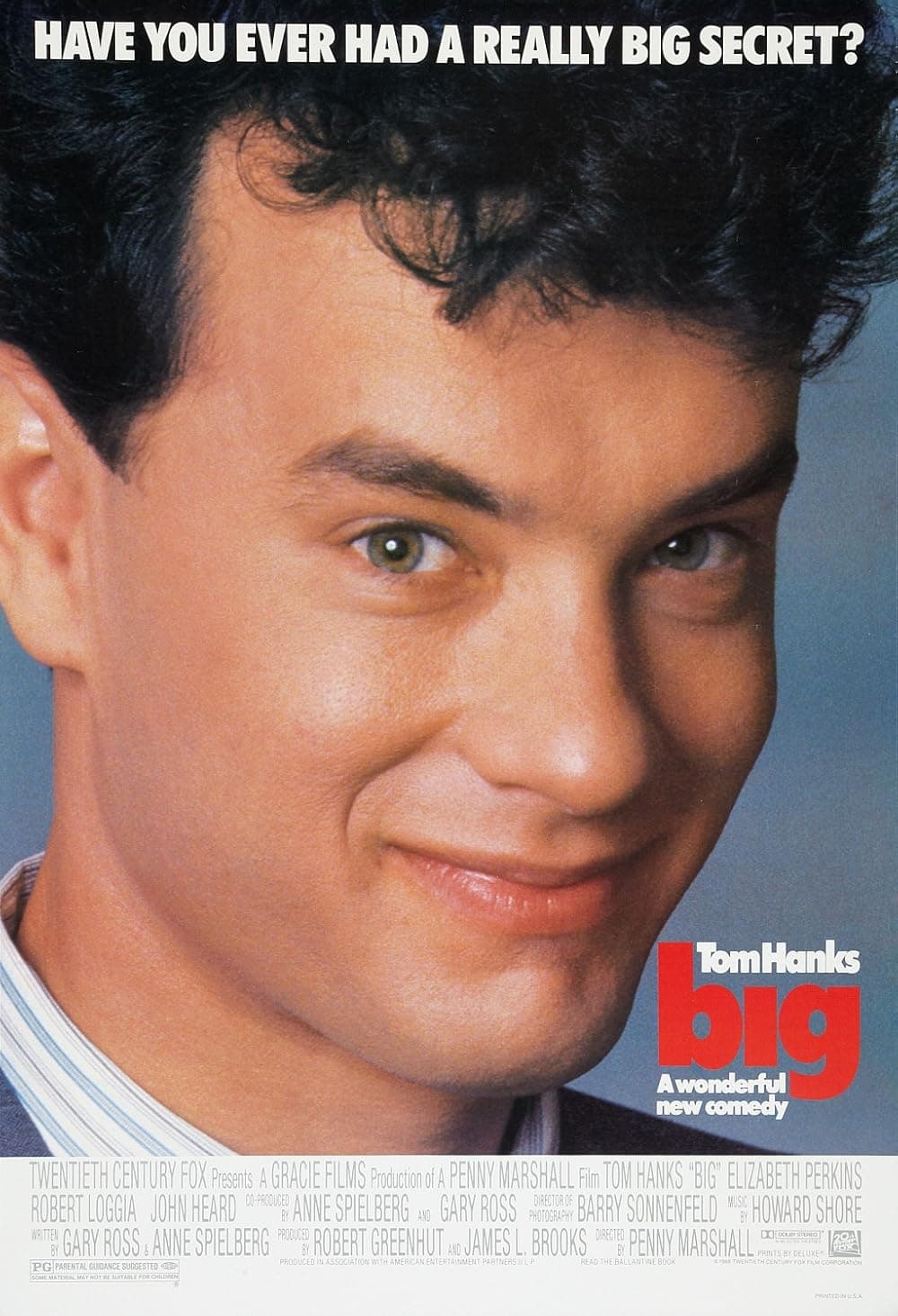
Penny Marshall became the first woman to direct a film that made a hundred million dollars: Tom Hanks plays a thirteen-year-old in an adult body and never once winks at the audience.
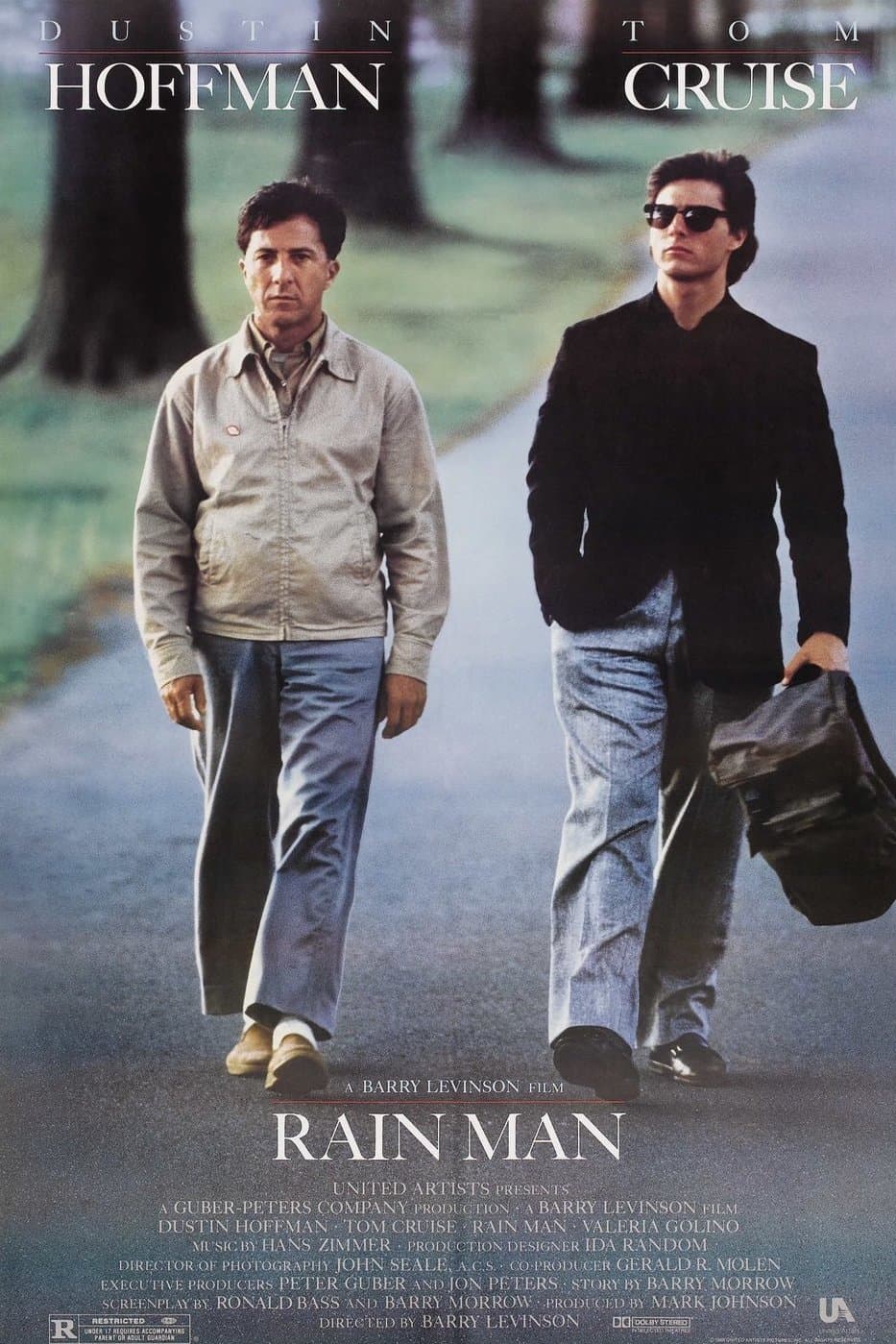
Hoffman spent a year with autistic men before shooting and the film changed what most people thought autism was: two brothers, one Buick, and a drive across America neither of them wanted.
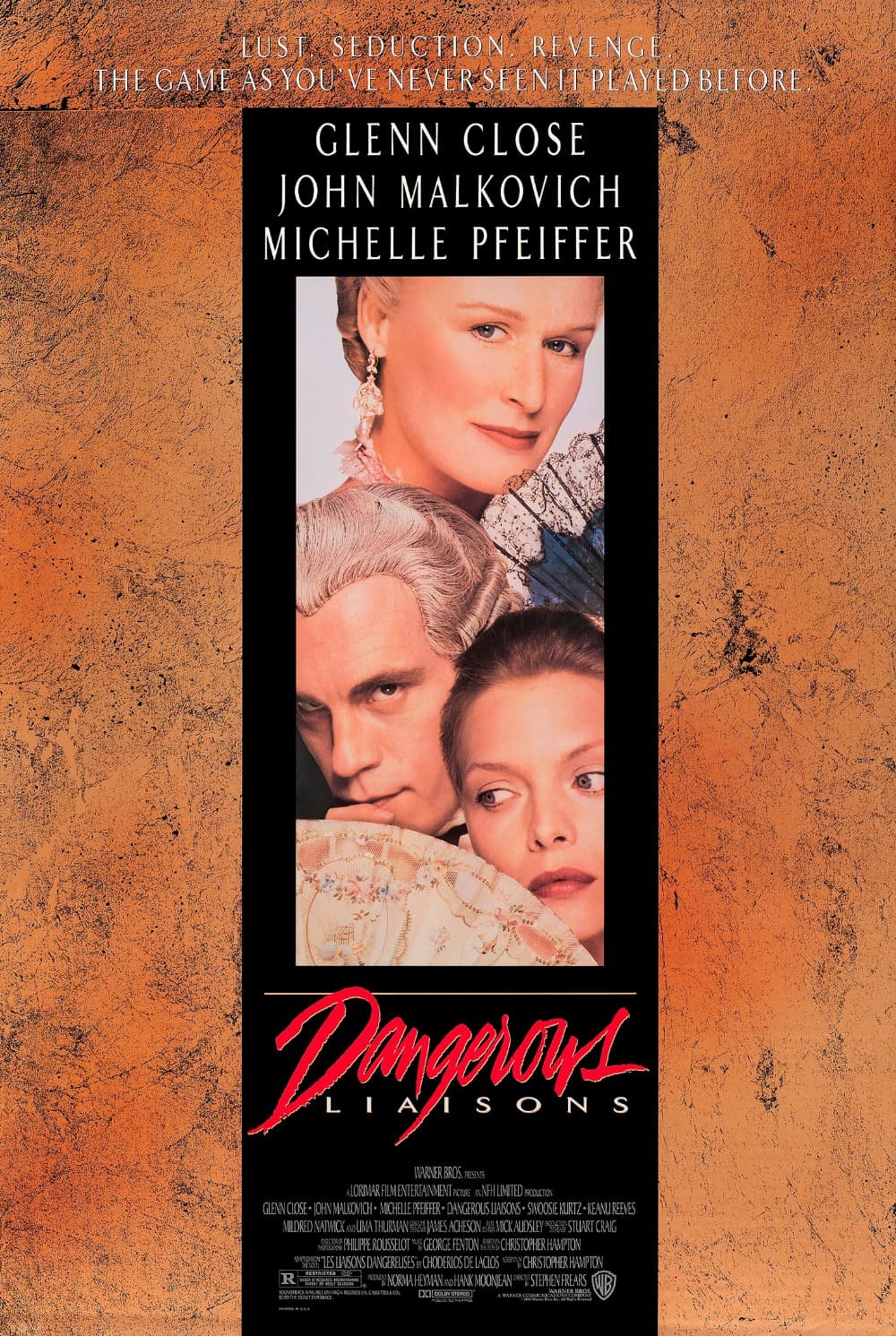
Glenn Close and John Malkovich play two aristocrats who ruin people for entertainment: Frears films eighteenth-century seduction as a campaign with objectives, and the wit stays lethal to the end.
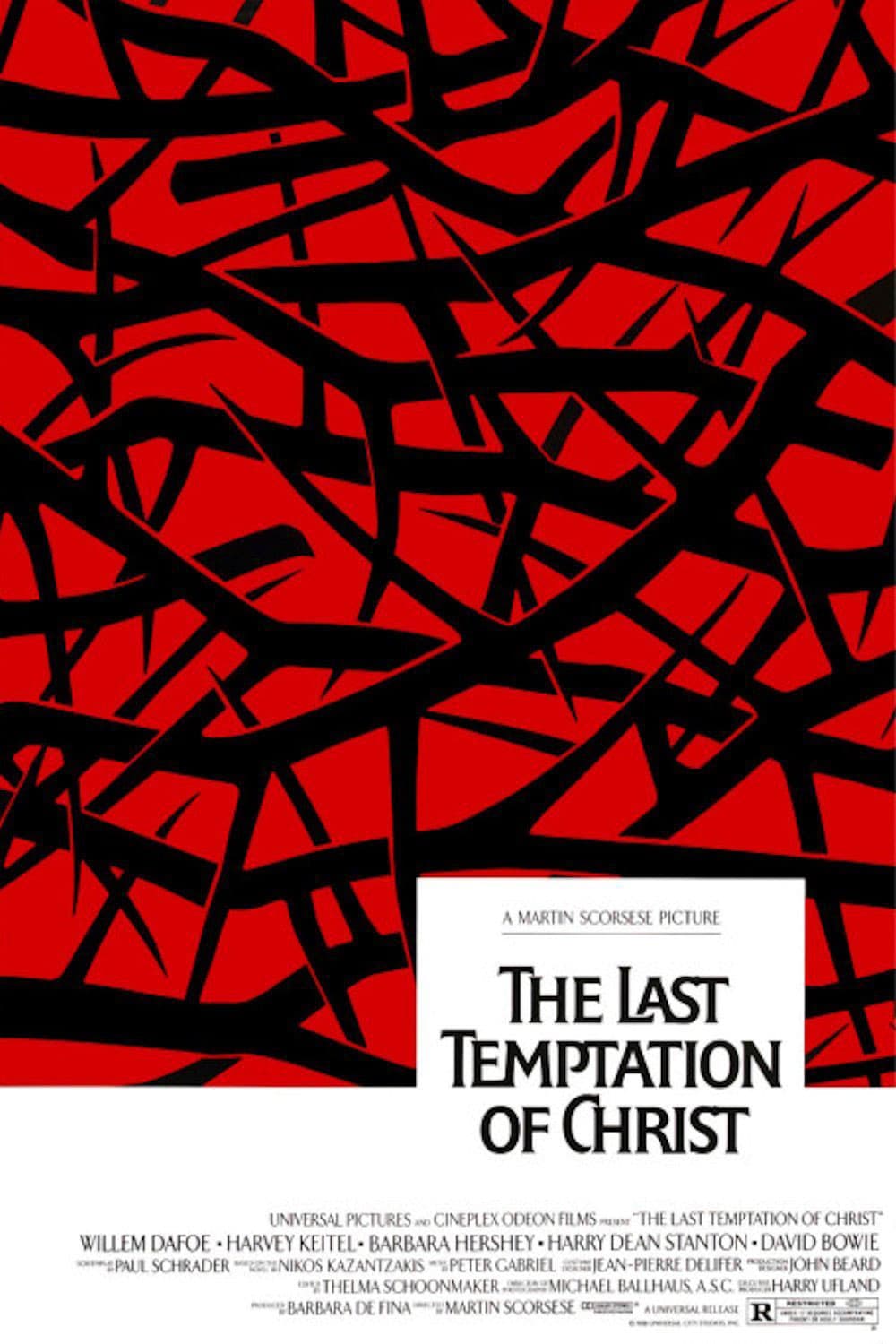
A Paris cinema showing it was firebombed and Scorsese needed years to get it financed: Christ imagined as someone who could refuse, with Peter Gabriel's score sounding like the actual Middle East.
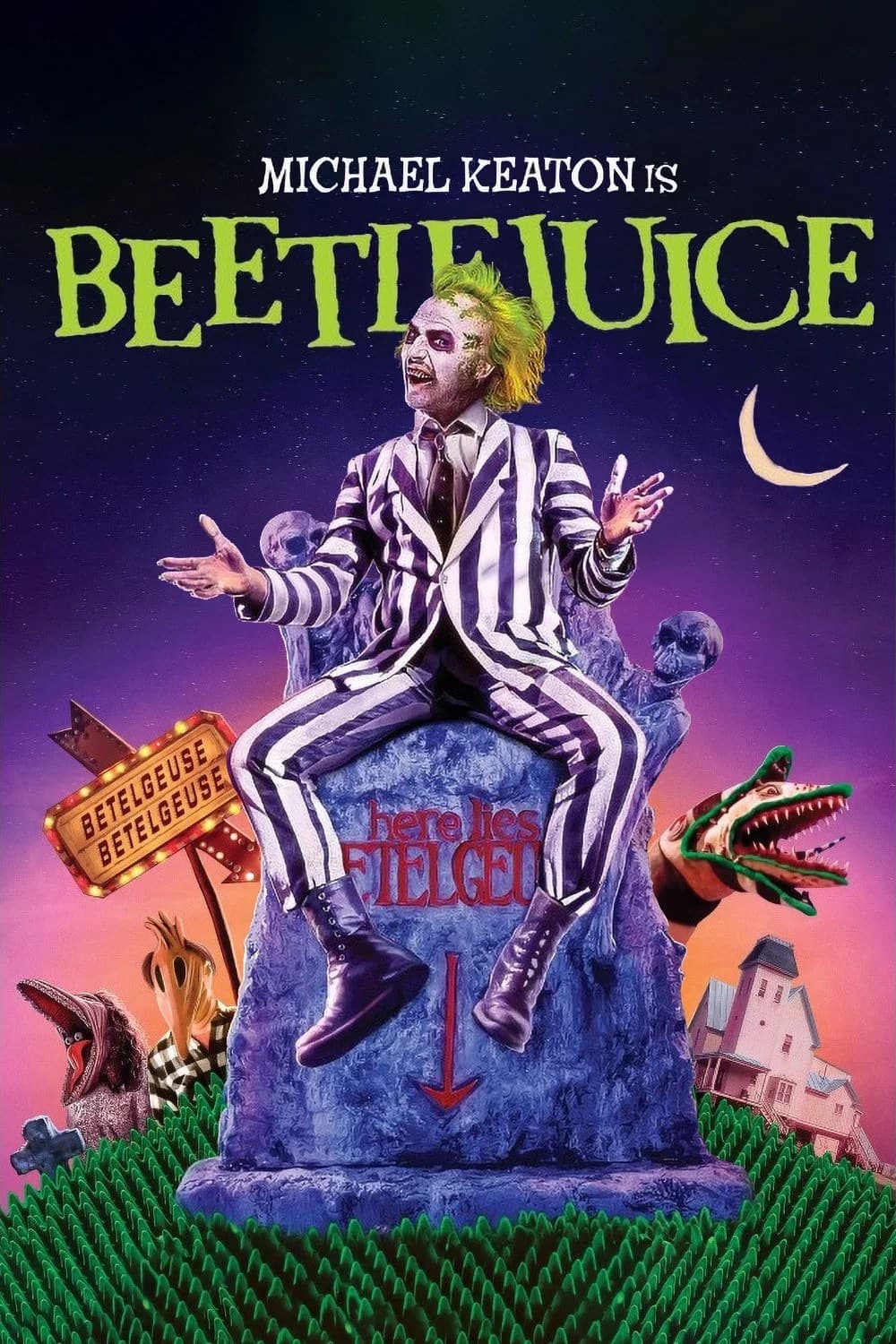
Michael Keaton appears for roughly seventeen minutes and the film belongs entirely to him: Tim Burton makes the afterlife a bureaucracy with waiting rooms, and the possessed dinner party is the peak.
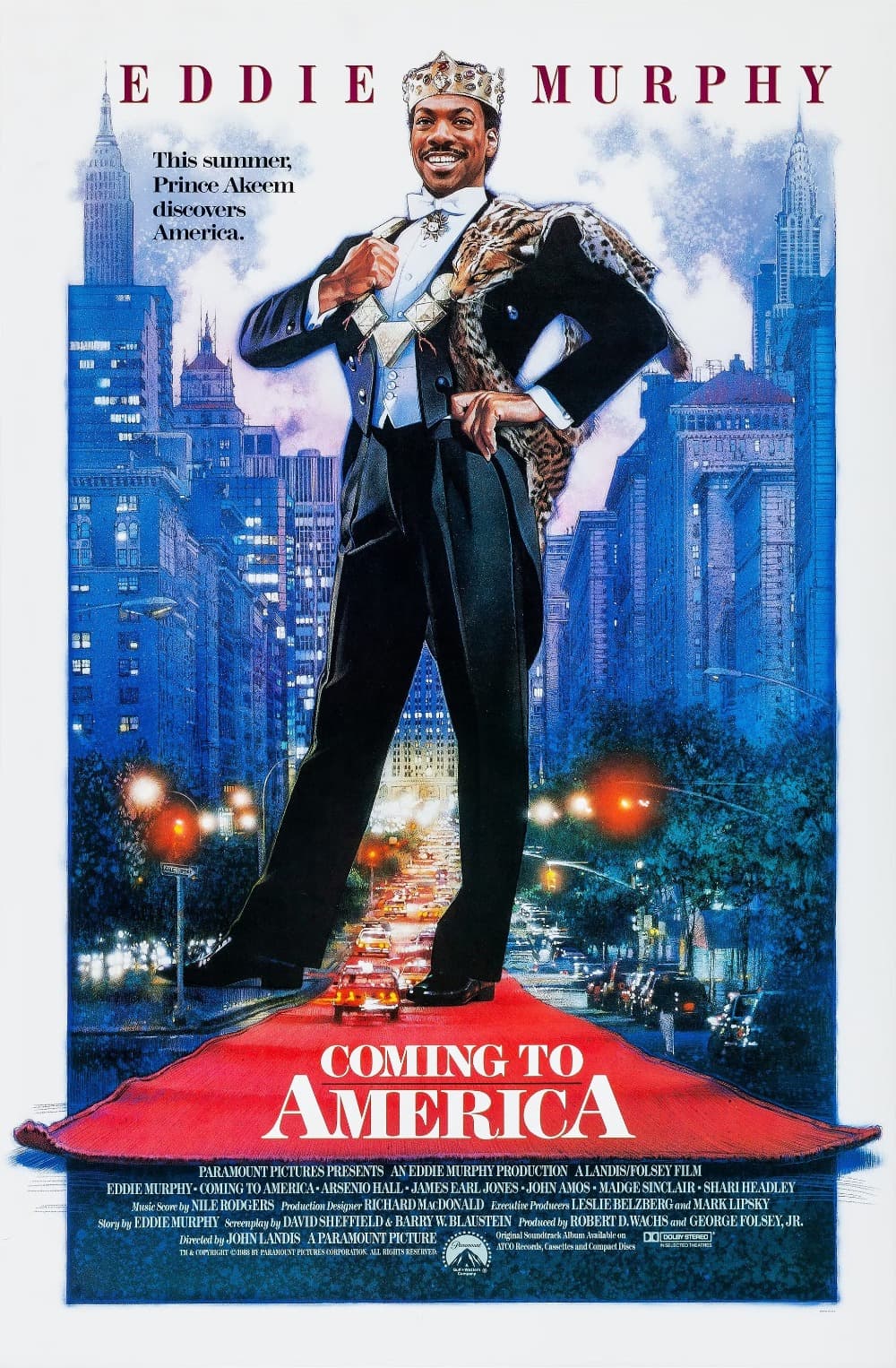
Eddie Murphy and Arsenio Hall play four characters each under Rick Baker's makeup: an African prince goes to Queens specifically to be treated like nobody, and the barbershop scenes steal it.
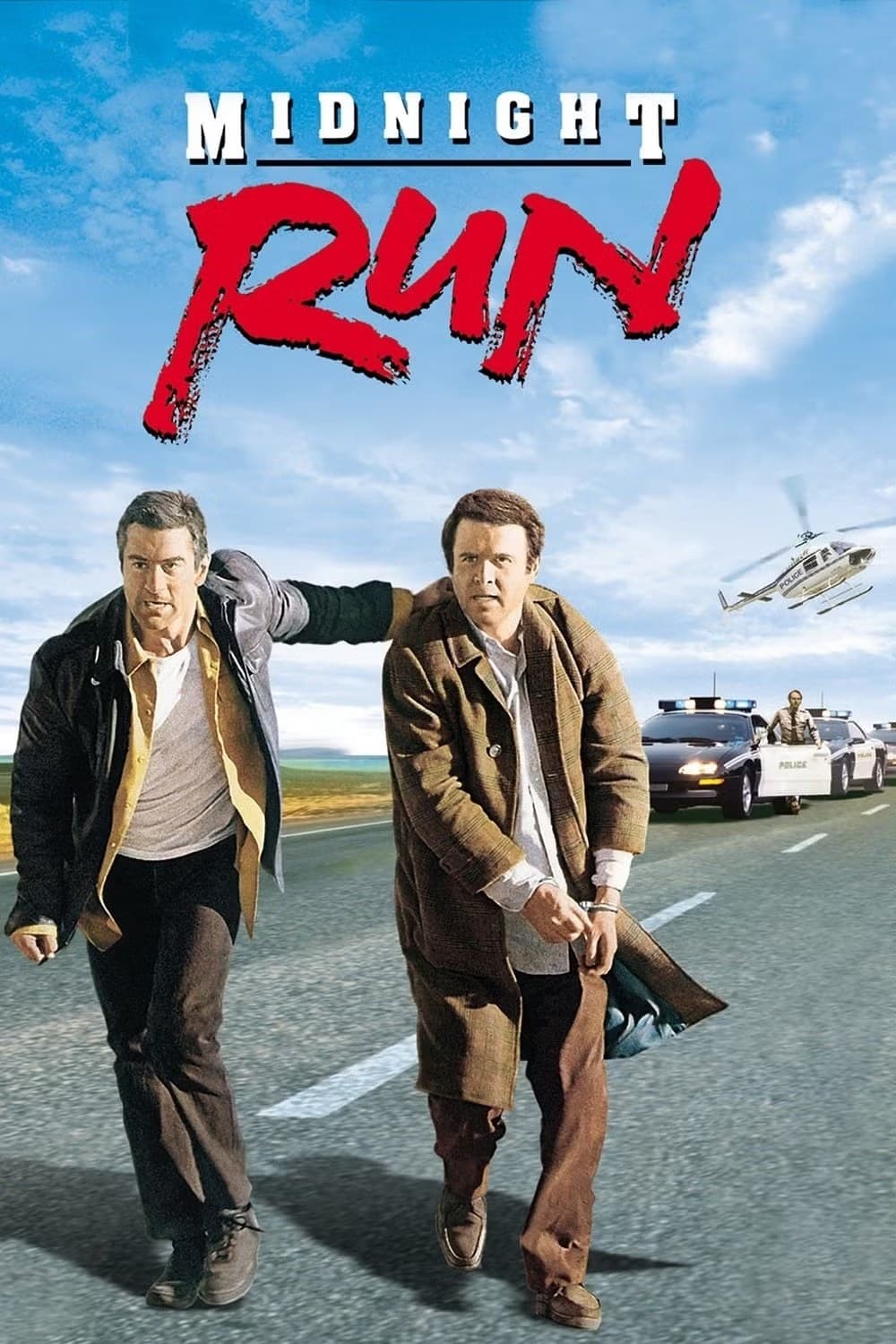
De Niro is funnier here than in any comedy he tried to be funny in: a bounty hunter has to move an embezzling accountant coast to coast, and the accountant never stops talking.
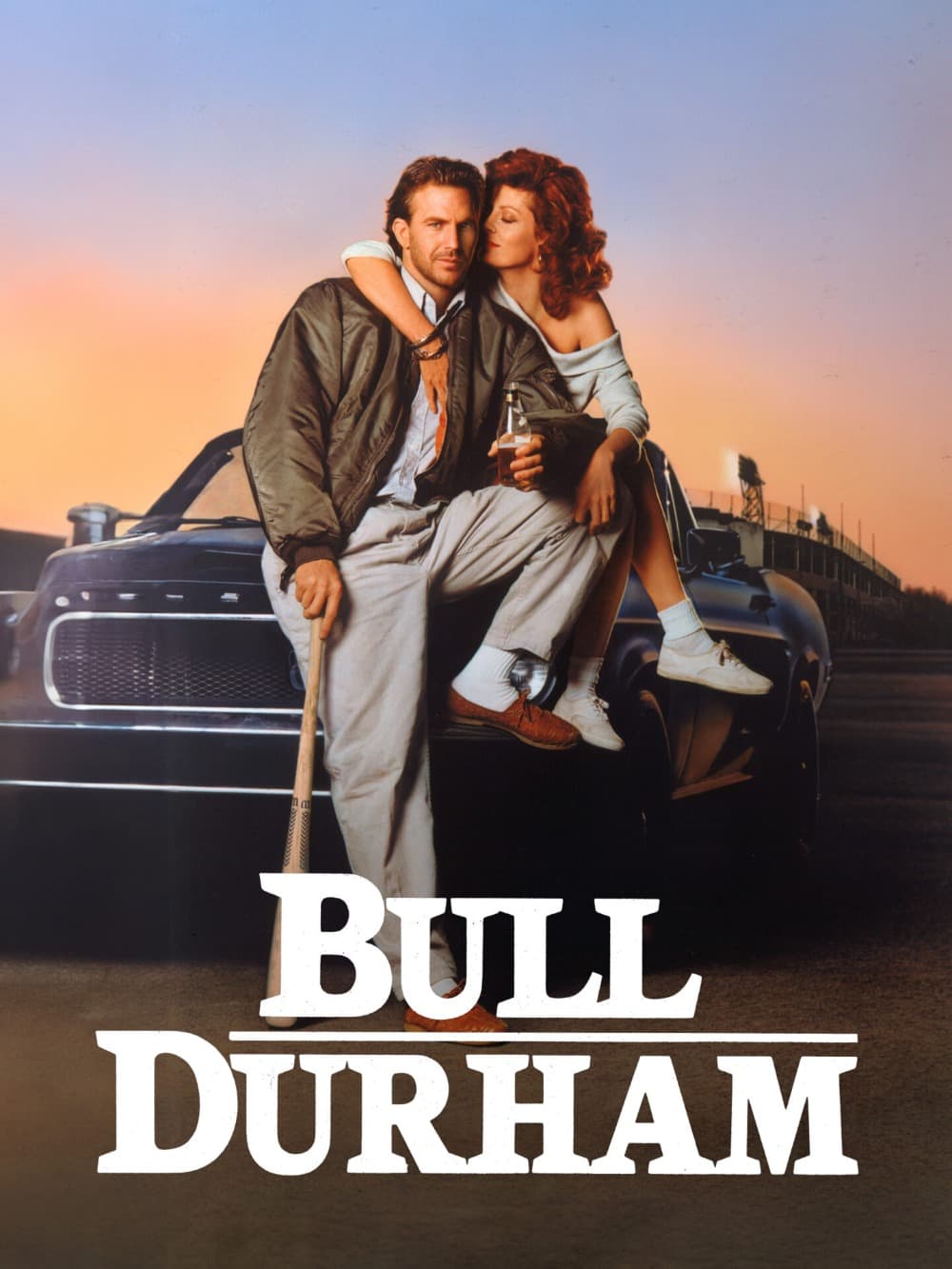
Ron Shelton played five years of minor league baseball and wrote what he actually saw: the mound conference about wedding presents is the funniest scene in any sports film.
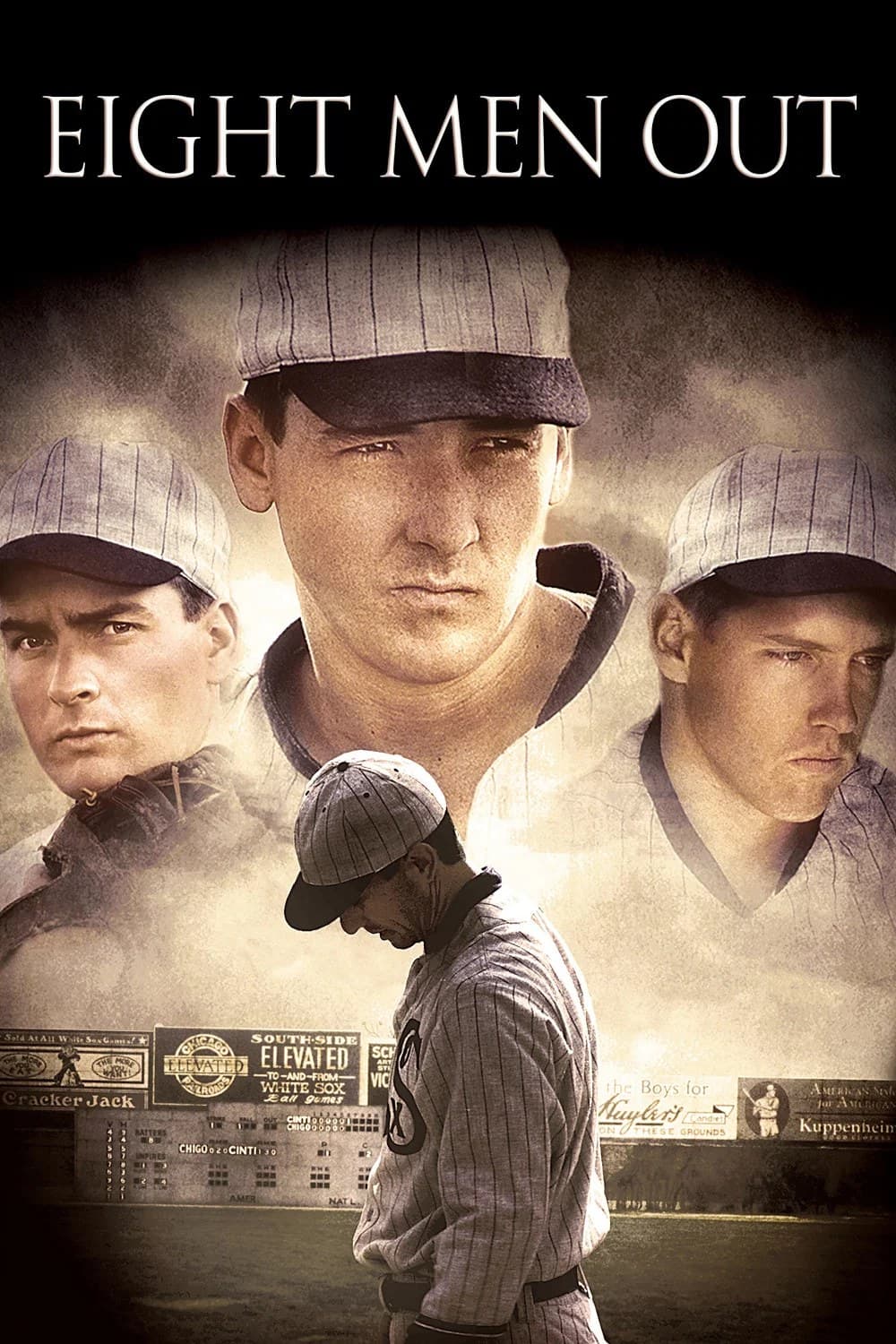
The 1919 World Series fix filmed as a labor dispute rather than a scandal: John Sayles shows eight underpaid White Sox taking money from gamblers, and an owner who pays them nothing.