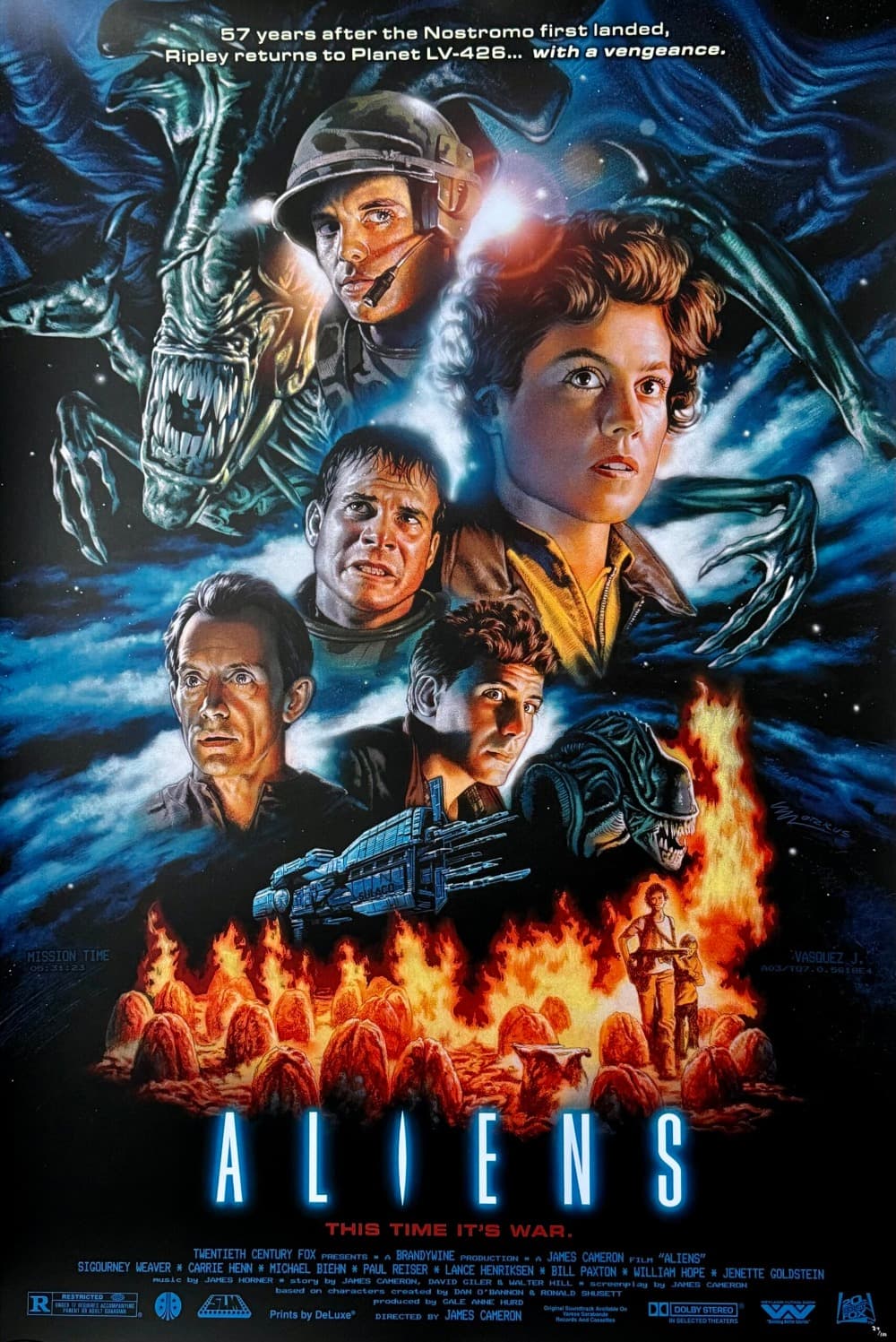
Aliens
Directed by James Cameron
1986
Almost no sequel changes genre and survives it: Cameron turned Scott's haunted house into a war picture, and an action performance drew a rare Academy Award nomination.
★ 8.6
 skopia
Almost no sequel changes genre and survives it: Cameron turned Scott's haunted house into a war picture, and an action performance drew a rare Academy Award nomination.
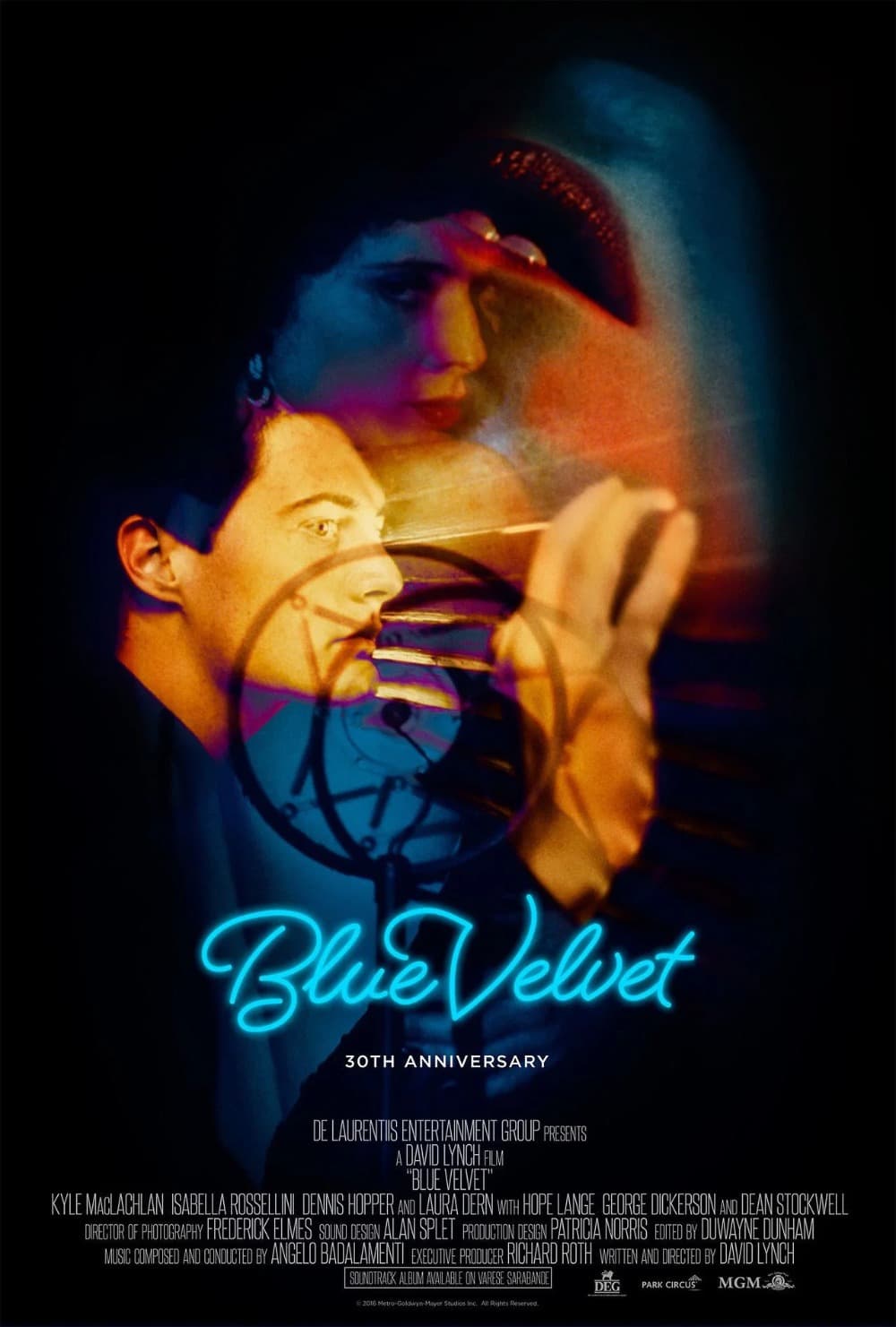
Lynch invented his own genre here and the word Lynchian dates from it: a severed ear in a field leads into the underside of an ordinary American town.
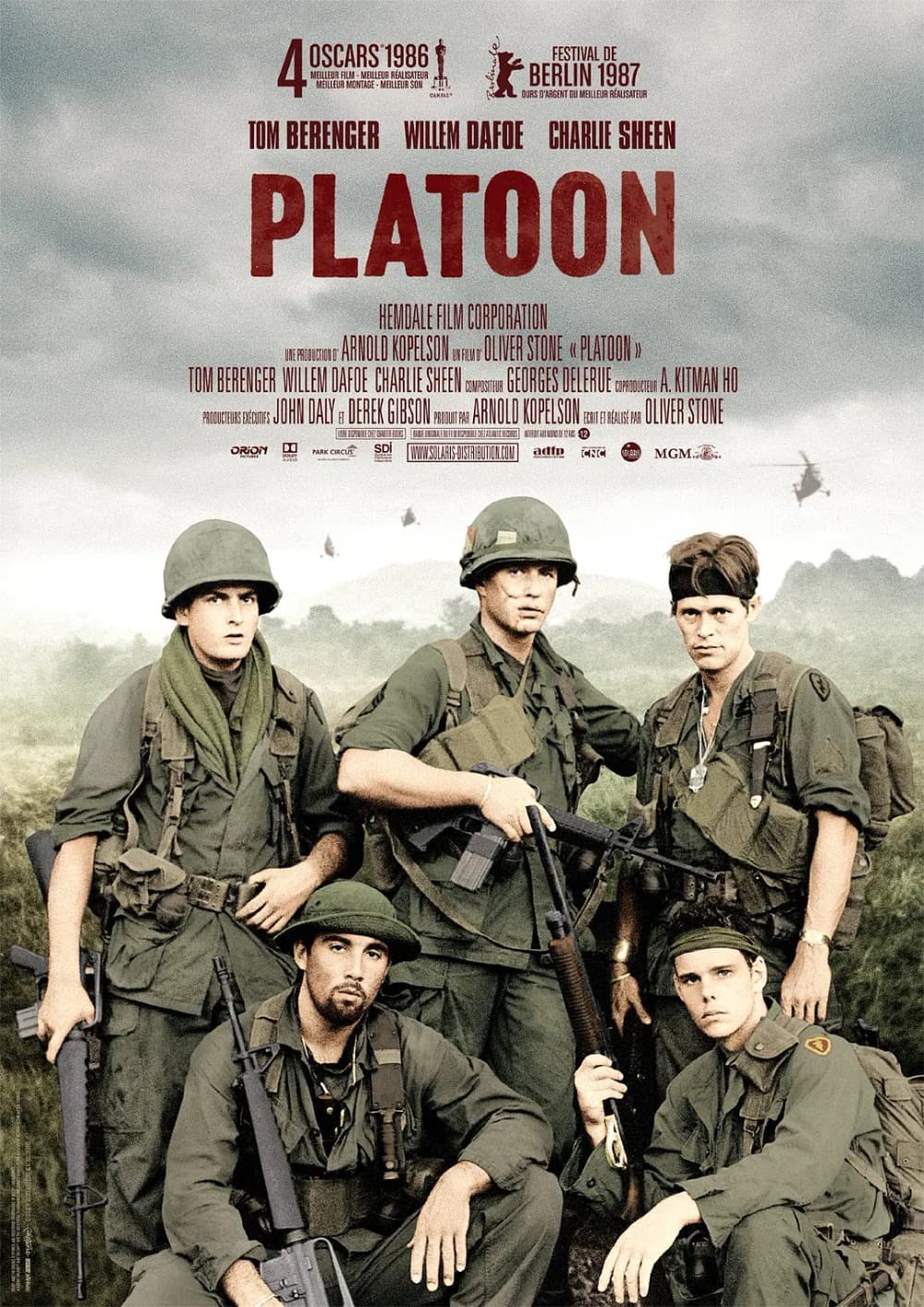
Oliver Stone served in Vietnam and made this to correct everyone else's version: no glamour, no clarity, and a platoon that splits between two sergeants and stays split.
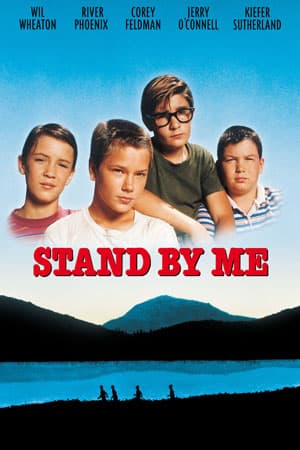
Nothing else captures being twelve years old this exactly: four boys walk along a railway line for two days, and the narration knows precisely how much it mattered.
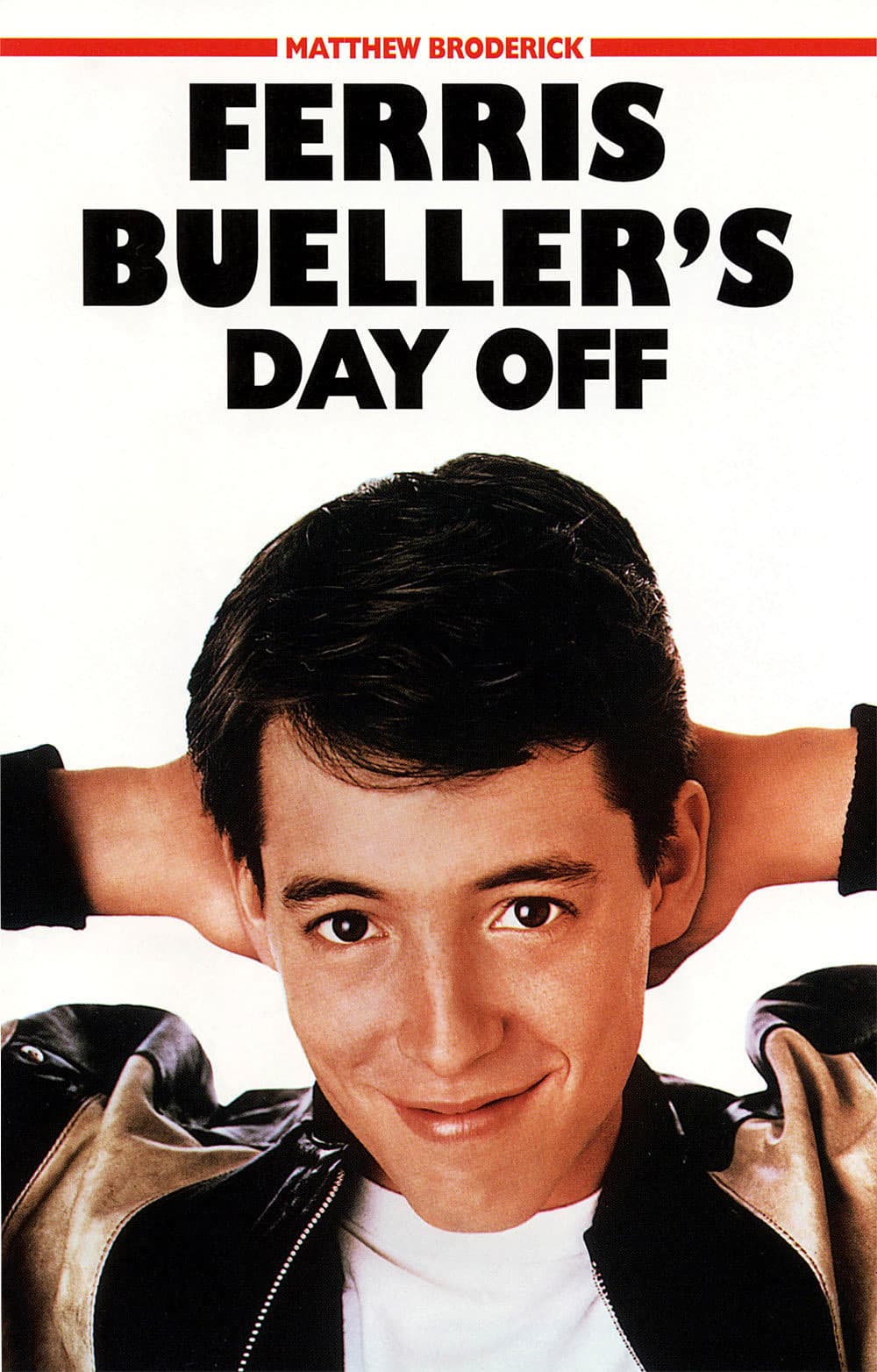
Truancy has never looked this appealing: Ferris talks straight to the audience, takes a Ferrari and a parade, and the whole film is completely on his side.
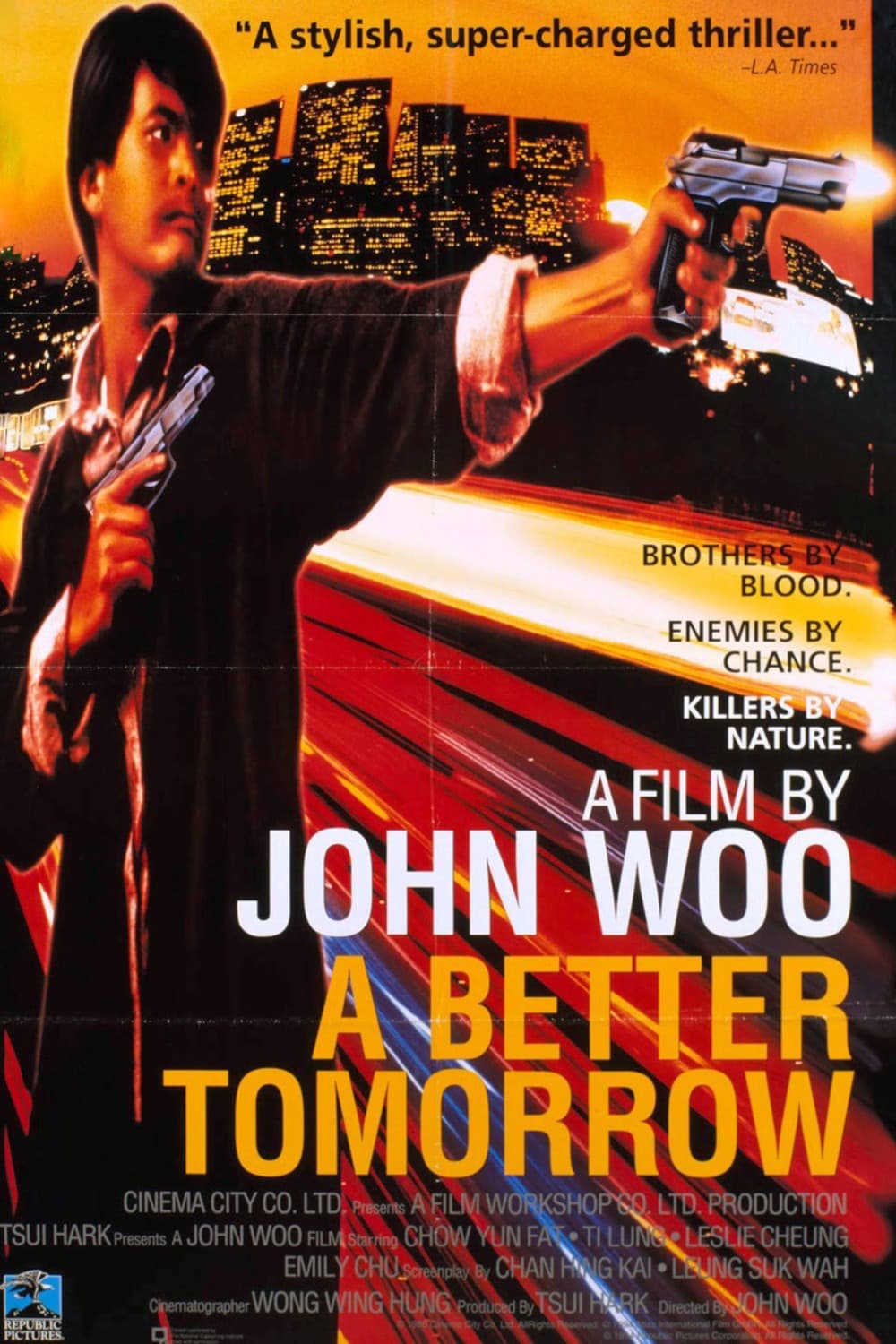
It made Chow Yun-fat a superstar and started an entire Hong Kong genre: two brothers on opposite sides of the law, and a gunman in a trenchcoat lighting a cigarette with money.
Theaters in Los Angeles and Detroit let Navy recruiters set up tables in the lobby: Tony Scott shot fighter jets in golden light and sold an entire decade on aviator sunglasses.
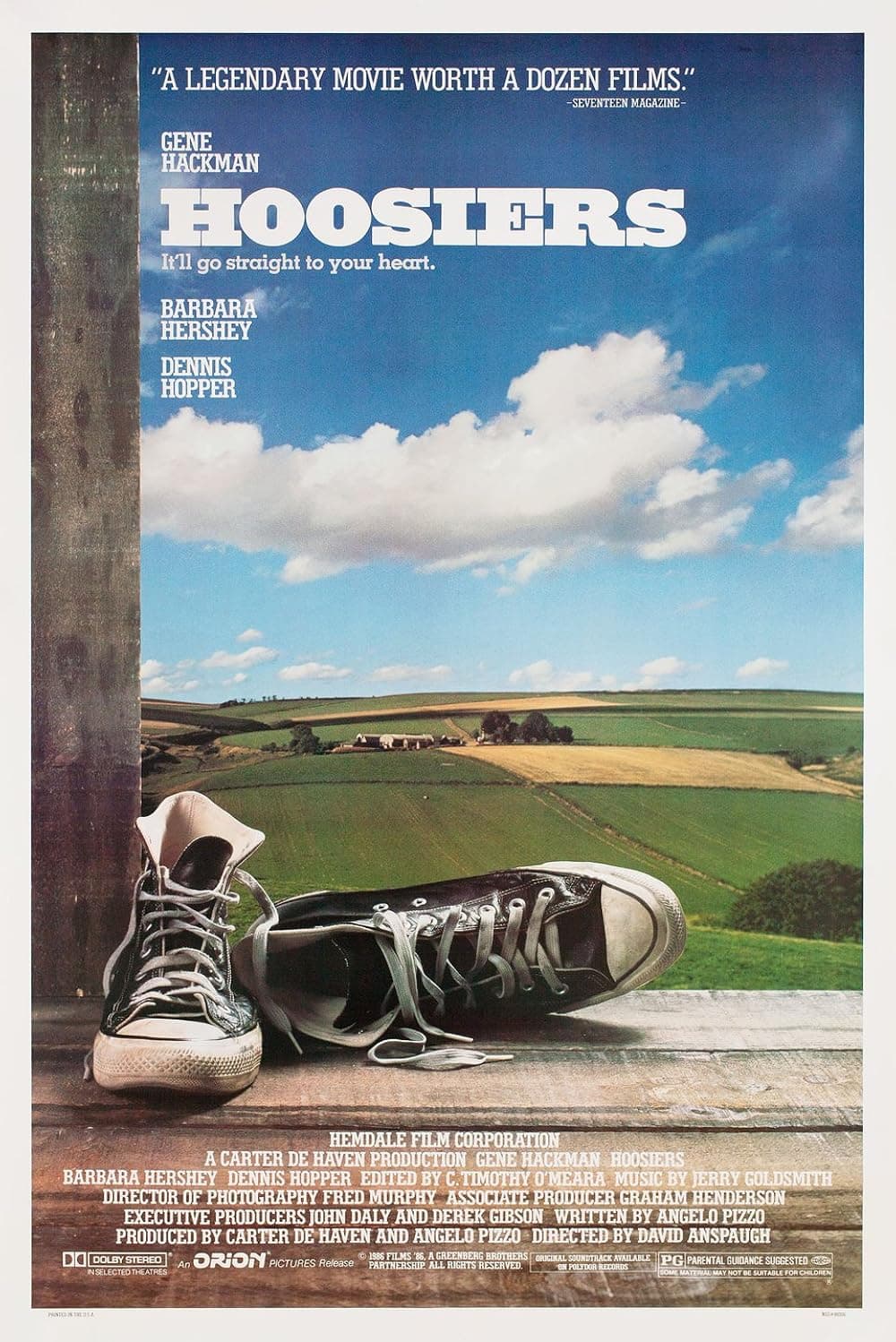
Indiana still argues about how close it is to what actually happened in 1954: Gene Hackman coaches a town of a few hundred people who care about nothing else at all.

Paul Newman got his Oscar twenty-five years late, for playing the same character a second time: Scorsese films pool halls like boxing rings, and Tom Cruise is the new hustler.
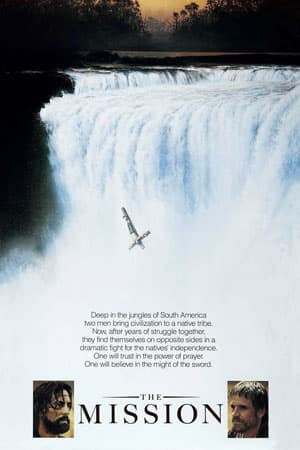
Ennio Morricone said he recognized himself in this score technically and spiritually: Jesuits build a mission above the Iguazu falls in the 1750s, and Europe decides its fate from several thousand miles away.
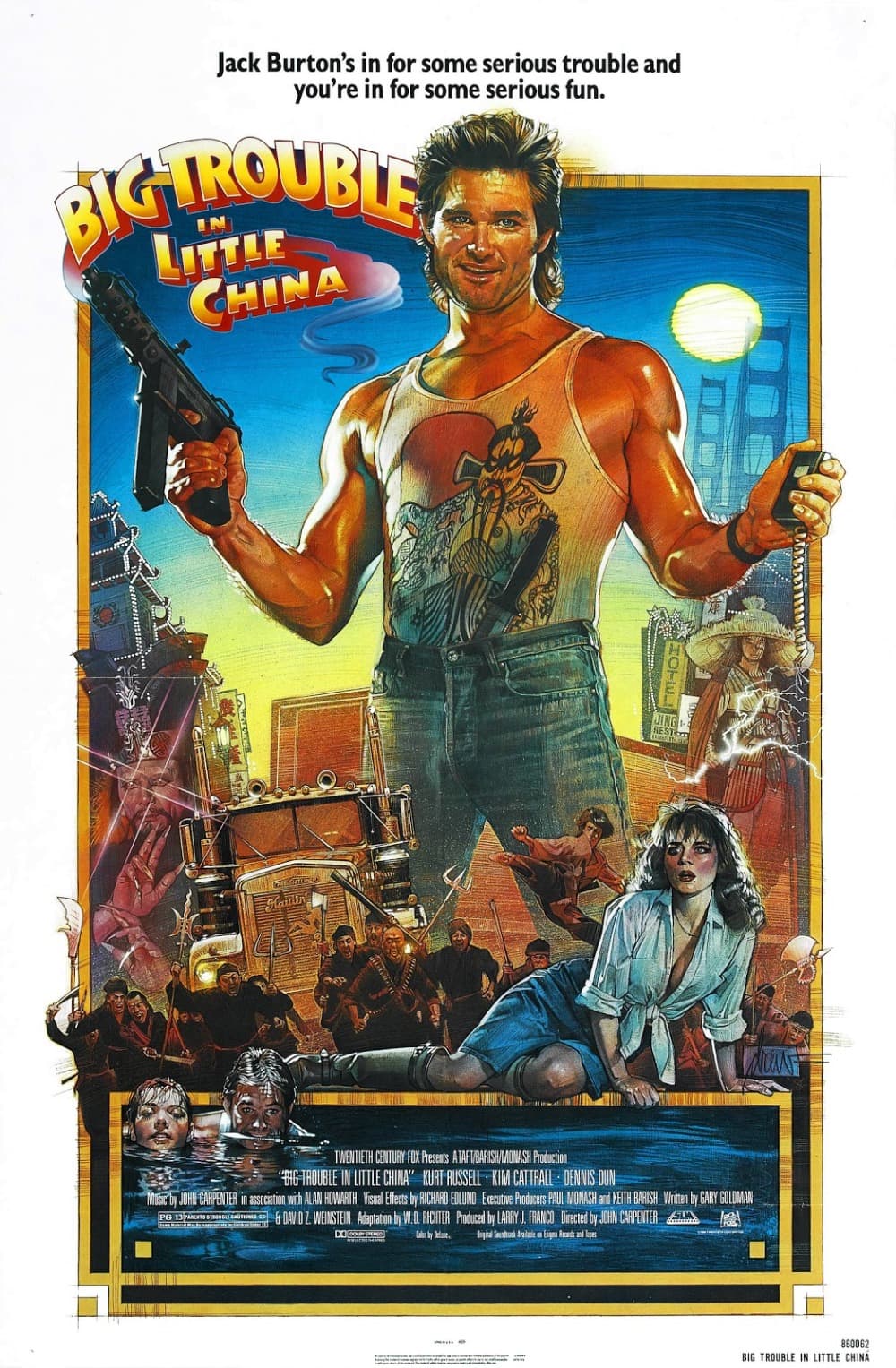
It flopped completely and then found everybody on video: Kurt Russell's swaggering trucker is really the useless sidekick, and nothing in it is ever explained to anyone.
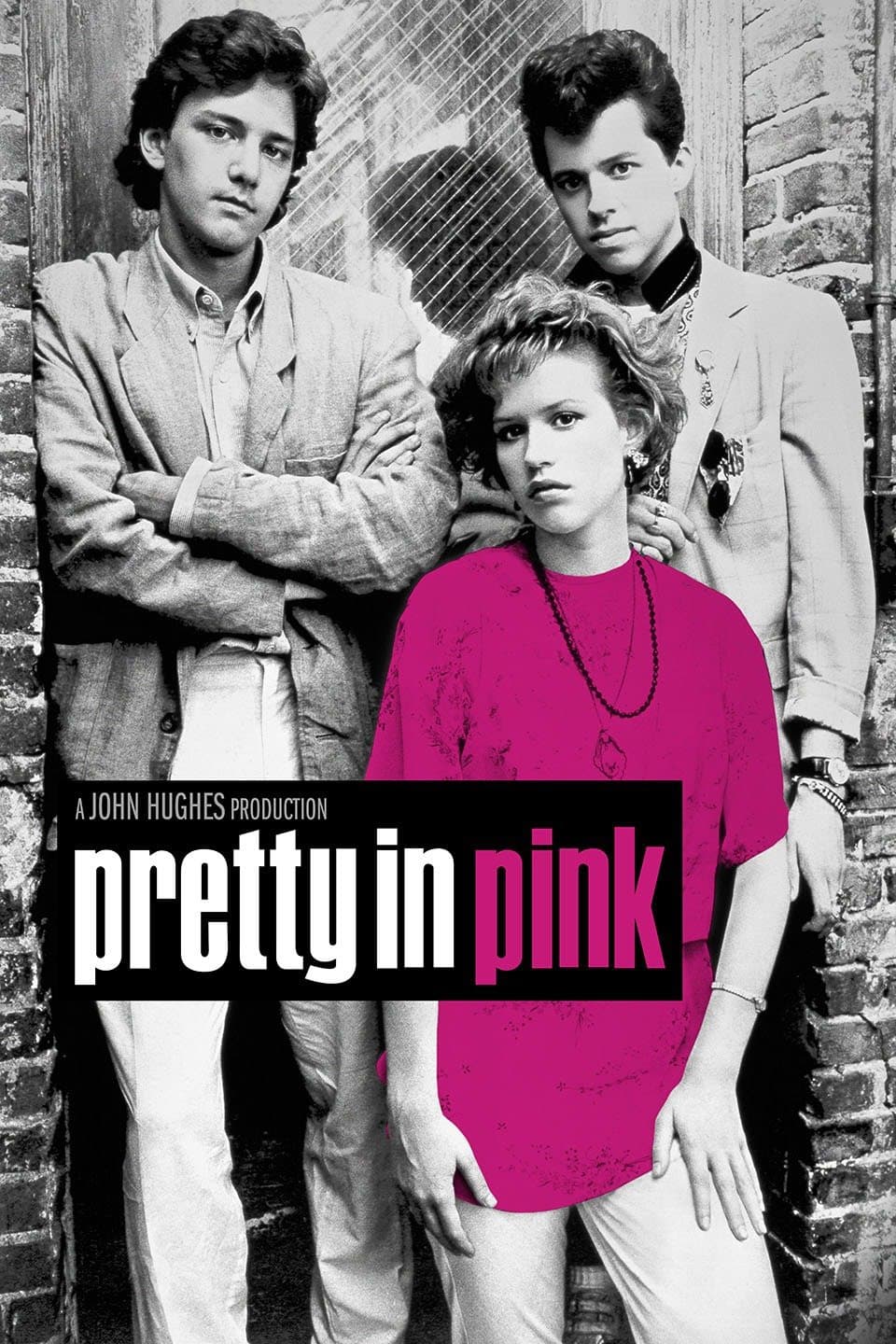
Molly Ringwald's prom dress is stitched together from two others, an image the whole film runs on: Howard Deutch directs a John Hughes script about who gets to sit where.
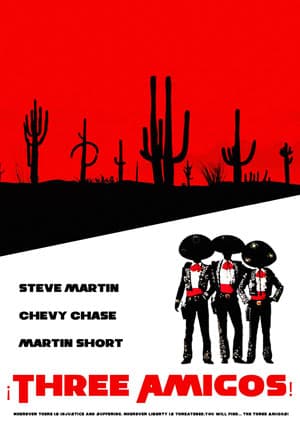
Steve Martin, Chevy Chase and Martin Short play silent film stars mistaken for real gunfighters: a Mexican village hires them in earnest, and the singing bush is exactly as stupid as it sounds.