There is a Light that Never Goes OutThe Smiths
There is a Light that Never Goes Out
1986 · From The Queen is Dead
Marr faked the strings on an Emulator, credited them to the Hated Salford Ensemble, and Britain waited six years.
★ 8.3
 skopia
Marr faked the strings on an Emulator, credited them to the Hated Salford Ensemble, and Britain waited six years.
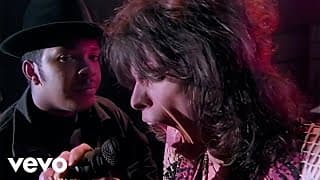
Rubin had to talk Run-DMC into it; Tyler smashed through the video's wall and Aerosmith got a career back.
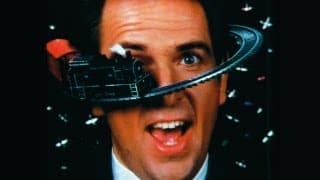
Gabriel wanted real brass, hired the Memphis Horns' Wayne Jackson, then knocked his old band Genesis off number one.
Bakithi Kumalo's fretless bass and a Nigerian pedal steel carry it, with the Everly Brothers singing behind Simon.
Youssou N'Dour improvising in Wolof, and a bassline so deep it had to move up the vinyl.
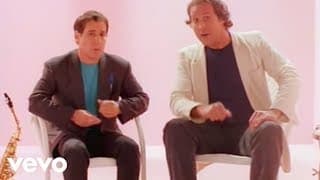
Kumalo cut one descending bass measure, Halee reversed the tape for the break, and Chevy Chase mimed it on MTV.
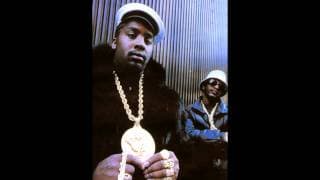
By Eric B.'s account he paid Marley Marl to engineer it in Queensbridge; Rakim arrived rapping like nobody before.
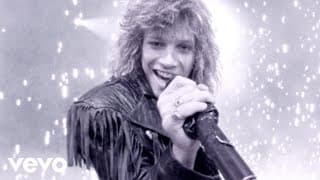
The band laughed at Sambora's talk box until it opened the record. The last chorus climbs a minor third.
Jackson answered street harassers by demanding respect over a factory preset Jimmy Jam found on an Ensoniq Mirage.
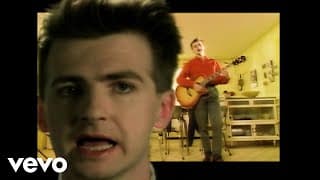
Froom's Hammond solo does the heavy lifting, and Finn wrote the rest as an exhortation to himself.
James Brown horns looped, an answer to MC Shan's The Bridge, and hip hop's birthplace claimed for the Bronx.
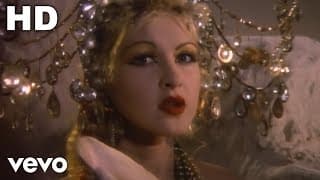
Anne Murray turned it down, so Lauper took Steinberg and Kelly's gospel ballad and stripped it to almost nothing.
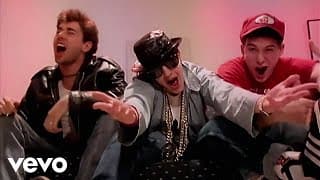
Conceived as a satire of party songs, it became the band's only top ten hit, the joke unnoticed.
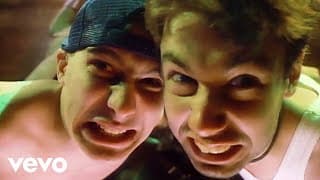
Slayer's Kerry King plays the solo, the title bends Motorhead's, and Rubin welds rap to metal without apology.
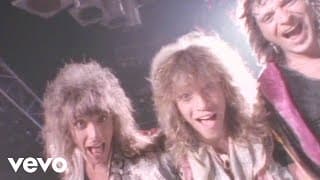
A Bonnie Tyler chorus that went nowhere, rewritten by Desmond Child, and suddenly Bon Jovi's first number one.
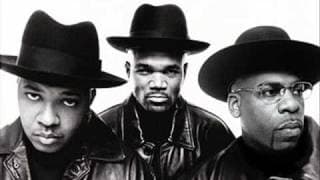
Bells lifted from a Bob James record, nursery-rhyme characters conscripted, and Jam Master Jay finally getting his own showcase.

Chaka Khan's label blocked her from the duet, so Palmer sang it alone over Tony Thompson's drum intro.
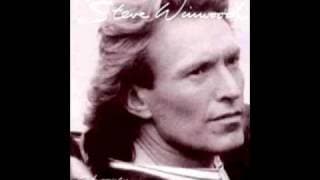
Chaka Khan's backing vocals lift Winwood's first solo number one, and the Grammy for Record of the Year followed.

One synth riff, written years earlier on a Korg Polysix borrowed from Michaeli, went to number one in twenty-five countries.