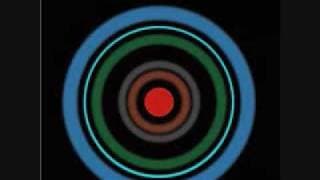
Blue Monday
1983
A die-cut sleeve modelled on a floppy disk, an Oberheim drum machine, and the best-selling twelve-inch single ever pressed.
★ 8.4
 skopia
A die-cut sleeve modelled on a floppy disk, an Oberheim drum machine, and the best-selling twelve-inch single ever pressed.
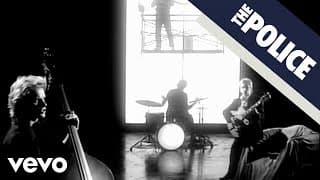
Sting woke at Fleming's Goldeneye with the melody; Summers cut that arpeggio in one take and made surveillance sound tender.
Recorded on a secondhand eight-track in a Chalk Farm attic, and an American number one by September.
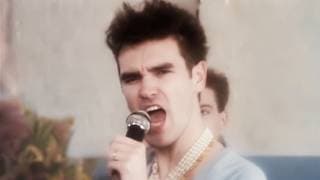
Marr stacked roughly fifteen guitar tracks and dropped a knife on the strings; Morrissey lifted a line from Sleuth.
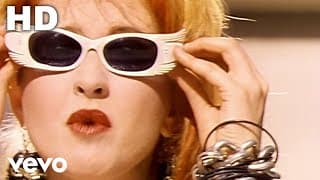
Robert Hazard wrote it in 1979 from a man's point of view, and Lauper flipped it into female solidarity.
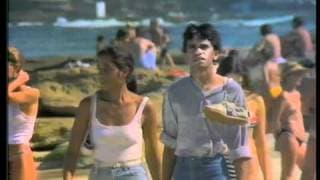
Nile Rodgers on rhythm guitar, an unknown Stevie Ray Vaughan on lead, and Bowie's biggest-selling single by a distance.
An Oberheim drum machine, a few scratches, and two voices. Everything before it suddenly sounded old school.
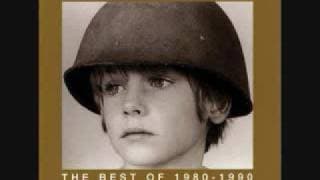
Mullen's marching snare was cut at the foot of a Windmill Lane stairwell, and Bono insisted it was no rebel song.
Doug Wimbish replayed Liquid Liquid's Cavern bassline, Melle Mel wrote the warning, and Flash's name went on the label anyway.
Frantz came home from a Parliament-Funkadelic show chanting it, and Byrne built the band's only American top ten.
Busking outside a Milwaukee theatre got them discovered by the Pretenders, and Gano's riff has been filling dancefloors ever since.
Wolinski's synth loop, his threat to hand the song to Quincy Jones instead, and Khan sailing clean over it.
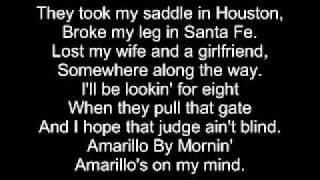
Stafford's idea, Fraser's overnight lyric, and a fiddle arrangement that rodeo crowds took for their own.
A bass line Clayton stumbled on while decoding Visage's Fade to Grey, then Bono aimed the words at Poland's Solidarity.
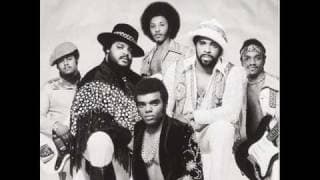
Chris Jasper's keyboards and drum machine, Ronald Isley at his silkiest, and the loop under "Big Poppa".
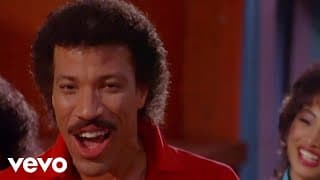
Those African-sounding chants are invented gibberish; Richie had no time for a translator and no reason to care.
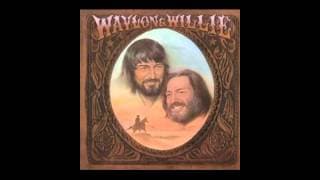
Nelson cut his part after midnight, fetched Haggard from his bus, and kept the one take Haggard wanted redone.
Mary Wilson and Phyllis Hyman turned it down; Benitez cut it at Sigma Sound in a week, cowbell included.
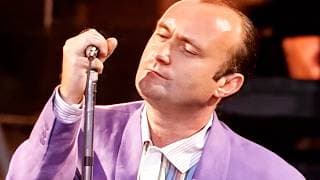
A Face Value outtake with new lyrics for Taylor Hackford's film, and Collins's first American number one.
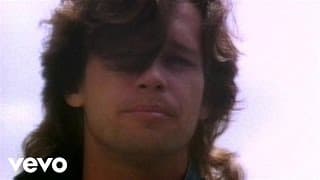
Mellencamp waved at a man sitting outside a pink shotgun house near the highway, and wrote America's most misread chorus.