
Billie Jean
1982 · From Thriller
That bassline, mixed and remixed until it gleamed, and the four minutes that integrated MTV.
★ 9.8
 skopia
That bassline, mixed and remixed until it gleamed, and the four minutes that integrated MTV.
The record that proved hip hop could report and not just party, and the edge everyone's been close to since.
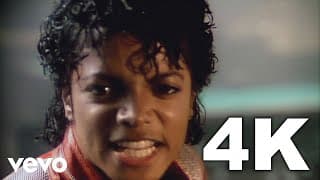
Van Halen dropped in, played the solo for free, and Jackson made rock and pop the same building.

Vincent Price cackling over a disco-funk groove, and a fourteen-minute video that turned pop into event television.
Byrne borrowed a preacher's cadence, Eno hummed the chorus melody, and the band looped its own jams like samplers.

Spike Lee asked for a defiant anthem, and the Bomb Squad answered with layered samples and Branford Marsalis's saxophone.

The title flips Captain and Tennille into its opposite, and the single arrived a month after Curtis's death.

Dre and Yella built it in a Torrance studio on almost no money, and Compton stopped being invisible.
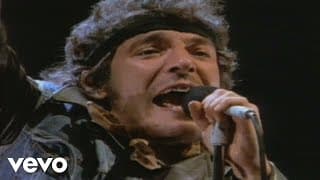
Take four, April 1982, a Yamaha synth from Roy Bittan, and the most misheard chorus in American rock.

Slash was goofing through a warm-up he called a circus melody; an hour later the band had this.
Structured as a mock trial with Dre presiding, and it drew a warning letter from an FBI assistant director.
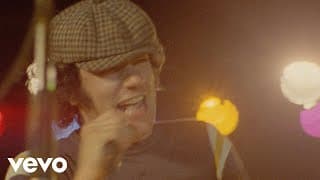
Johnson was told the Bon Scott tribute could not be morbid, so he wrote a celebration over Angus Young's riff.
A single voice and acoustic guitar close Uprising, with a line lifted from Marcus Garvey and Marley already ill.

Patrick Leonard co-wrote it, Prince played the intro guitar, and Pepsi pulled its five million dollar ad but paid anyway.

Slash's riff, McKagan's breakdown recycled from his old punk band, and roughly three hours from nothing to finished song.

Eno reckoned half the album's sessions went into it and nearly wiped the tape; the Edge's delay does the rest.
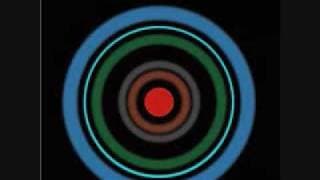
A die-cut sleeve modelled on a floppy disk, an Oberheim drum machine, and the best-selling twelve-inch single ever pressed.
Bowie lived near Mountain Studios, dropped in, and one evening's jam became a UK number one with a disputed bassline.
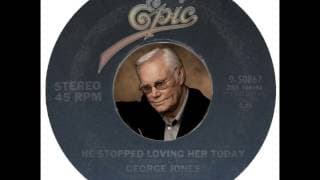
Jones thought nobody would play something so morbid; Sherrill spent eighteen months coaxing the vocal onto tape.
Marr faked the strings on an Emulator, credited them to the Hated Salford Ensemble, and Britain waited six years.