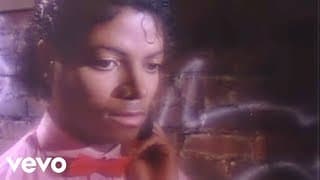
Billie Jean
1982 · From Thriller
That bassline, mixed and remixed until it gleamed, and the four minutes that integrated MTV.
★ 9.8
 skopia
That bassline, mixed and remixed until it gleamed, and the four minutes that integrated MTV.
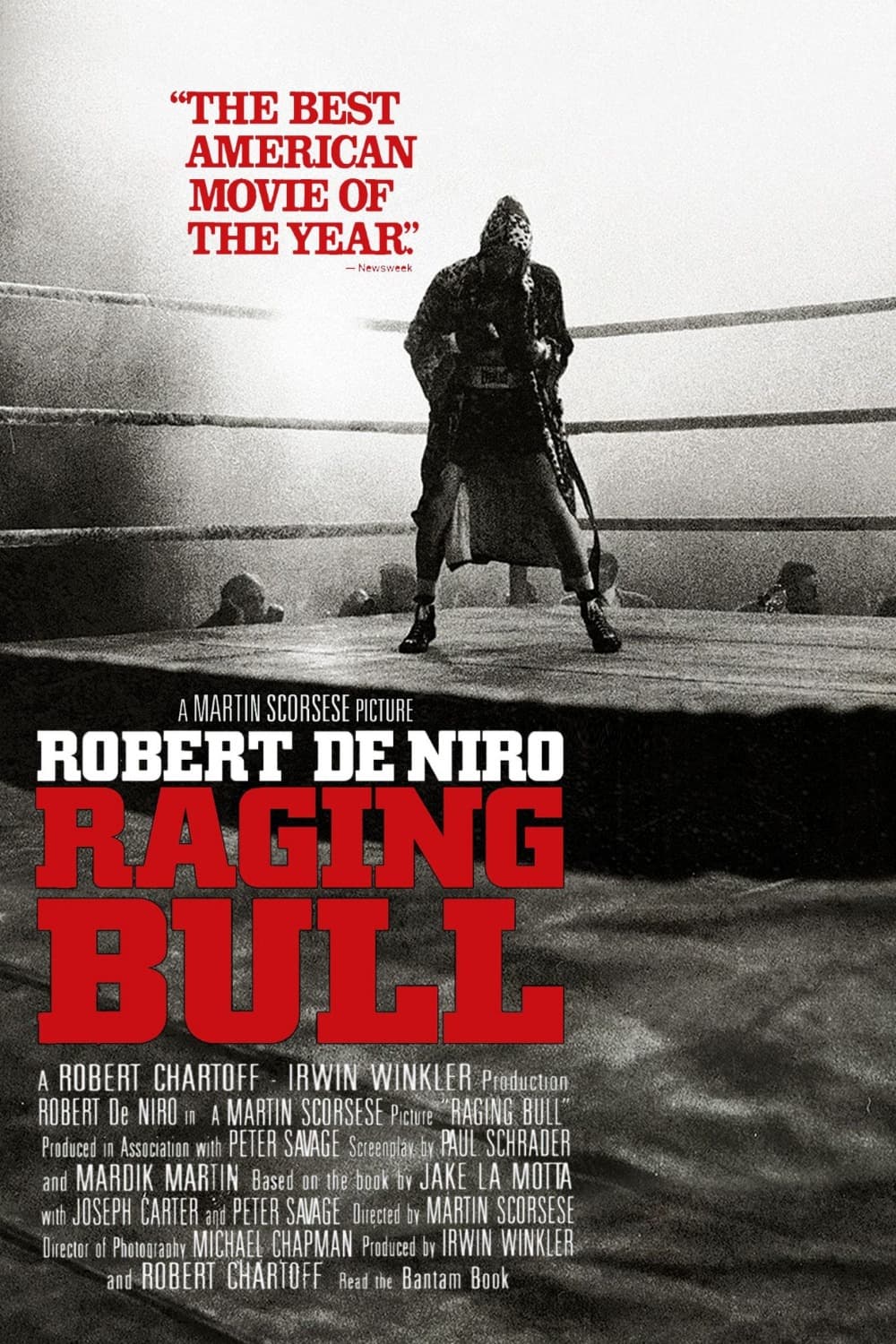
Scorsese shot boxing as penance rather than sport, and audiences come out feeling bruised: De Niro's jealousy destroys everyone near him, in the blackest black and white imaginable.
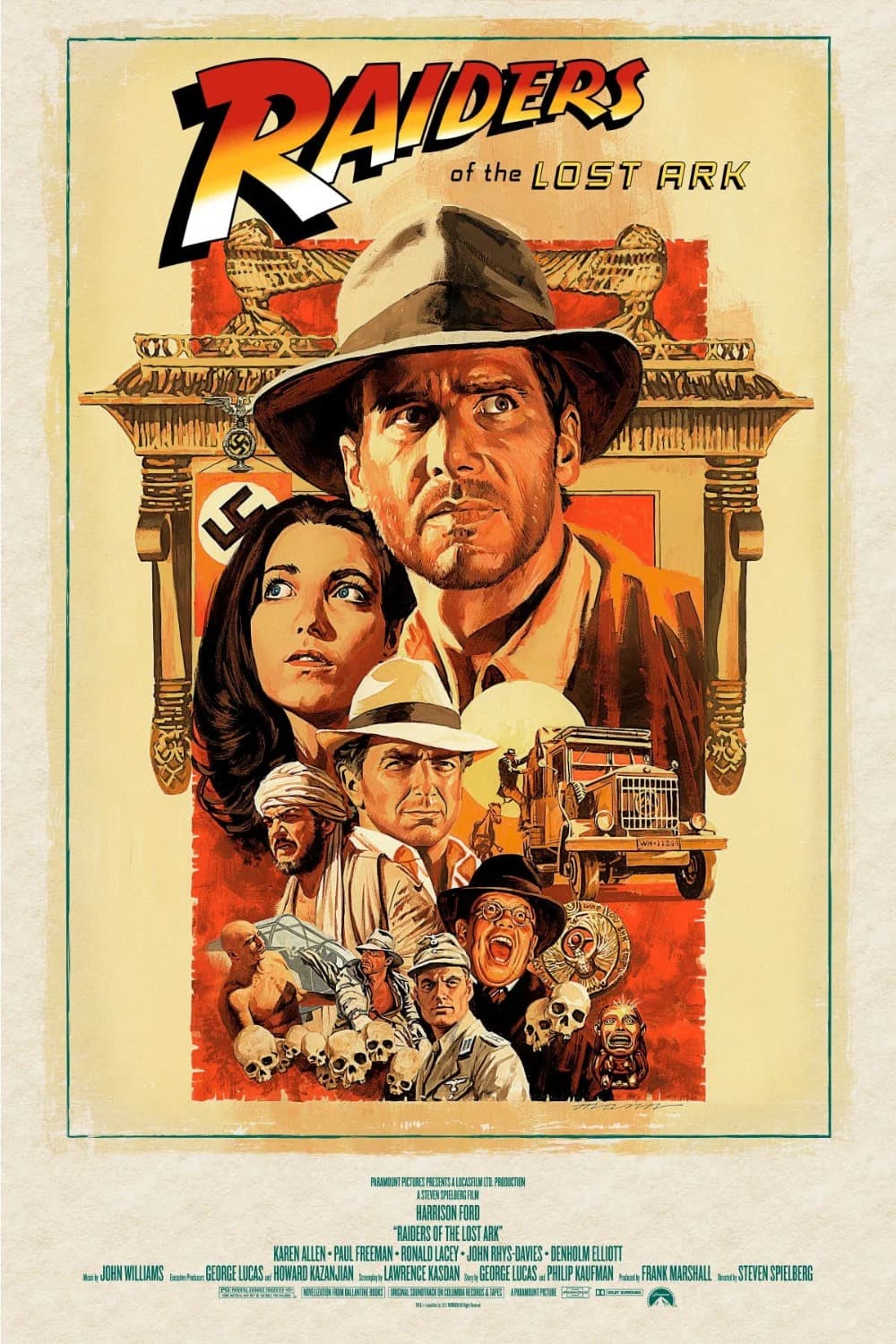
Every adventure film since is measured against it: Spielberg and Lucas built a machine of chases and near misses so efficient that forty years of imitation have not worn it out.
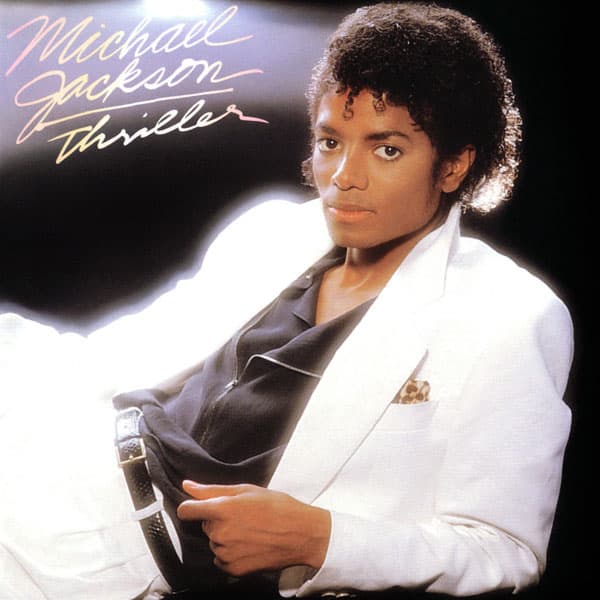
Quincy Jones and Jackson remixed the whole record because the first version sounded thin, and Eddie Van Halen played his solo for free.
The record that proved hip hop could report and not just party, and the edge everyone's been close to since.

Everyone learned how to make a sequel from this: the pressure builds for two hours, the tone stays darker than anyone expected, and one line near the close rearranged a generation's childhood.
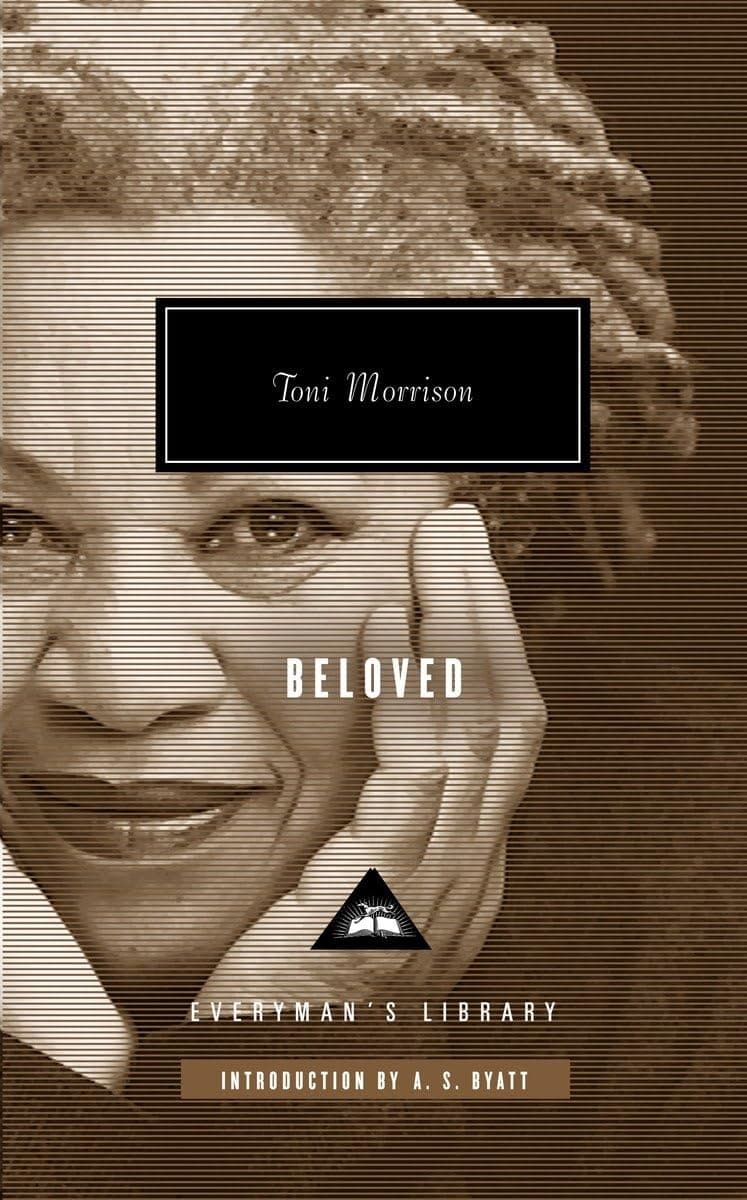
Sethe escaped slavery years ago and cannot escape the daughter she lost, who comes back to the house as a young woman. Morrison writes American history's worst chapter with unbearable tenderness.
Van Halen dropped in, played the solo for free, and Jackson made rock and pop the same building.
Vincent Price cackling over a disco-funk groove, and a fourteen-minute video that turned pop into event television.
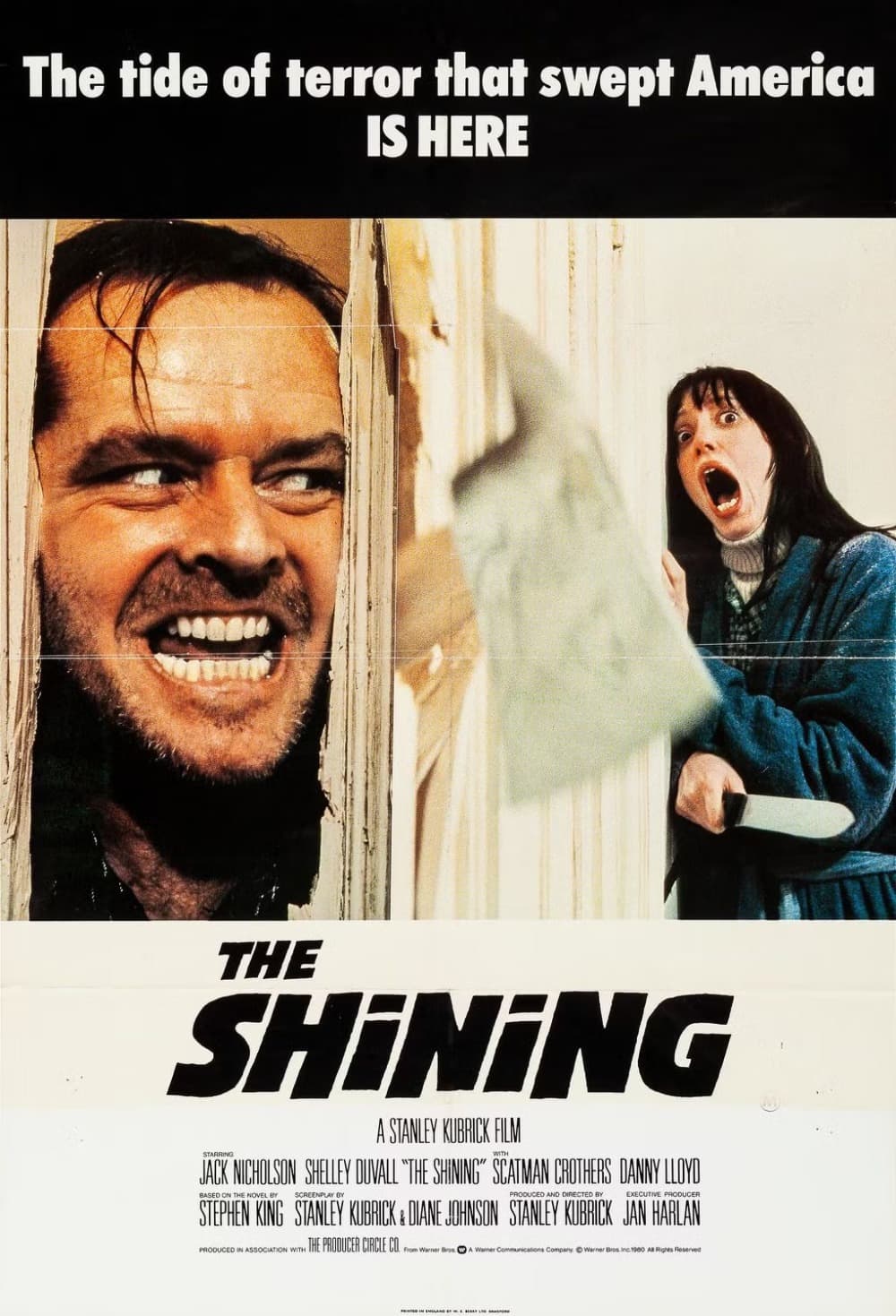
Whole documentaries exist about what this film means: Kubrick threw out most of King's novel, sent a Steadicam gliding down those corridors, and left a dread nobody can explain away.
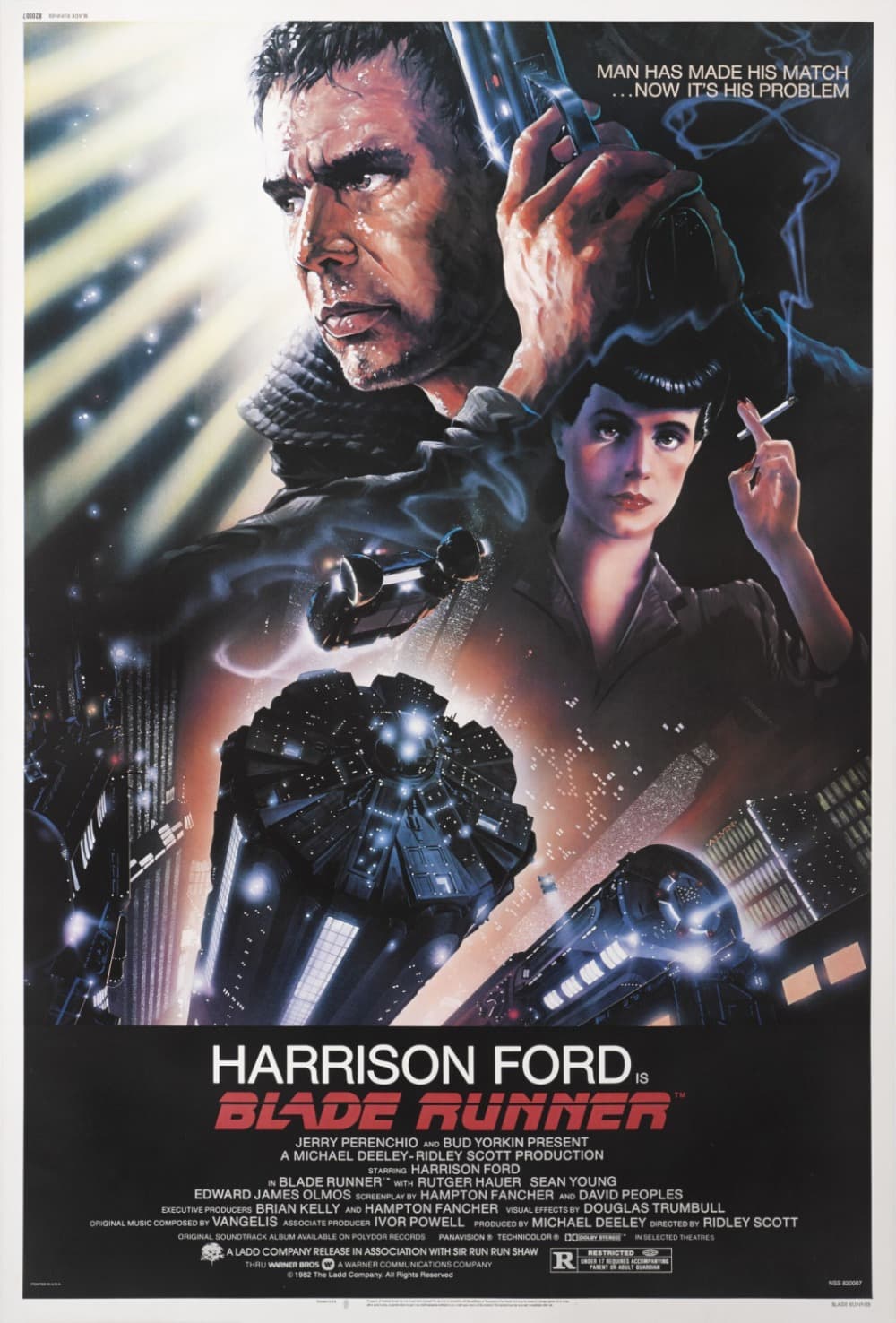
It flopped, then quietly redesigned the future: every rainy neon city of the last forty years is borrowing from Ridley Scott, and the mood still outlasts the plot.

Scalp hunters ride the Mexican border in 1849, among them a runaway Tennessee boy and the hairless giant Judge Holden. McCarthy writes the violence in Old Testament prose and never once looks away.

Bush built her own studio at home so nobody could interfere, then gave over an entire side to a woman drowning through one night.

The producers used sirens, squeals and feedback as rhythm instruments, which is why it sounds less like music than like an emergency.
Byrne borrowed a preacher's cadence, Eno hummed the chorus melody, and the band looped its own jams like samplers.

Spike Lee asked for a defiant anthem, and the Bomb Squad answered with layered samples and Branford Marsalis's saxophone.

The title flips Captain and Tennille into its opposite, and the single arrived a month after Curtis's death.
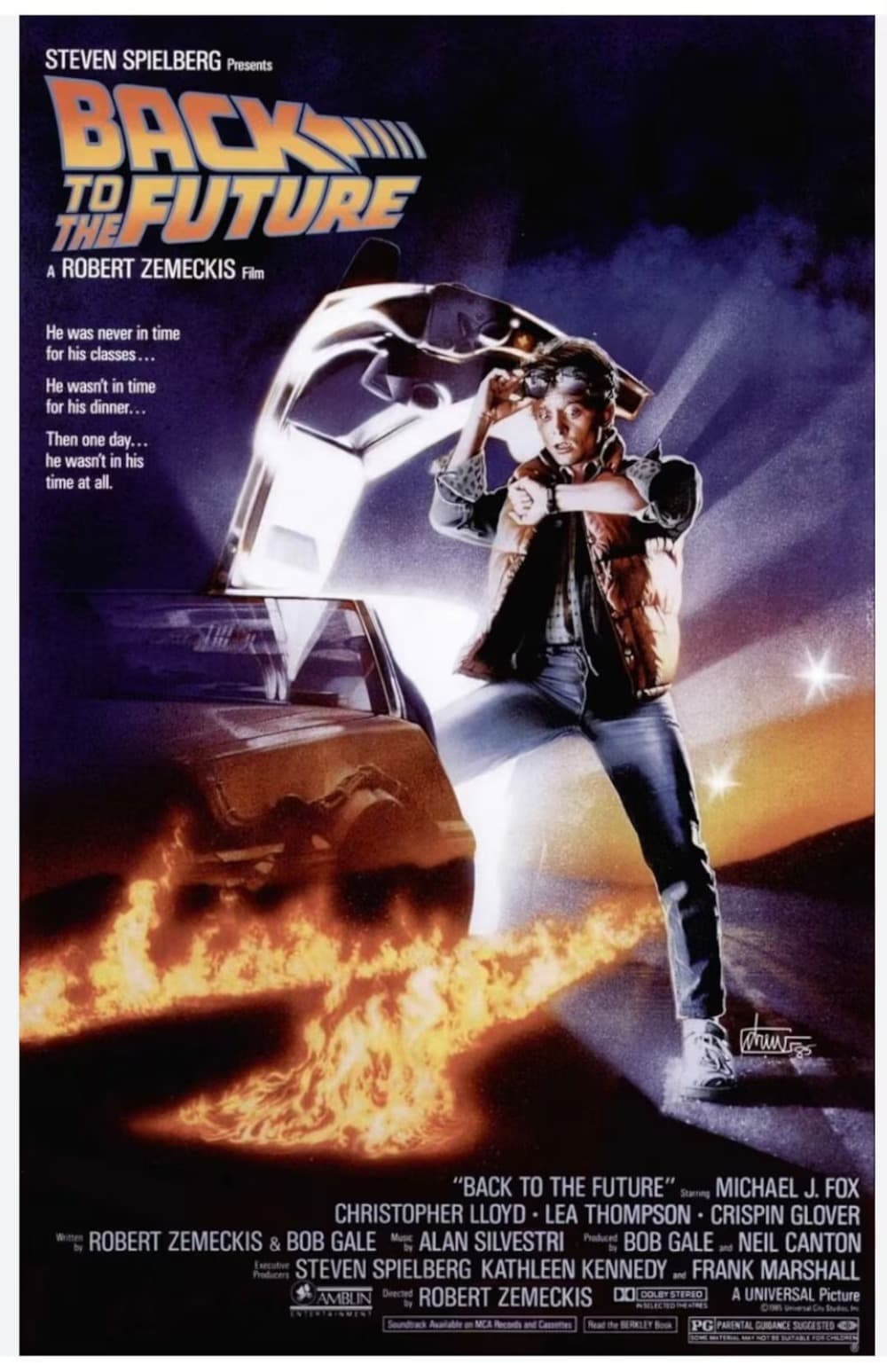
Screenwriting teachers use it as the worked example: every joke and every prop planted early comes back later, and the whole machine runs without a single wasted second.
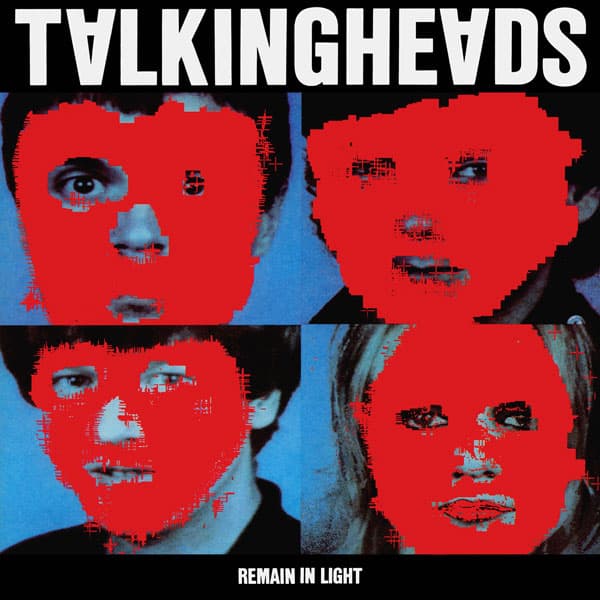
Most of it is built on a single chord that never changes, with the interest coming entirely from layers of interlocking rhythm.