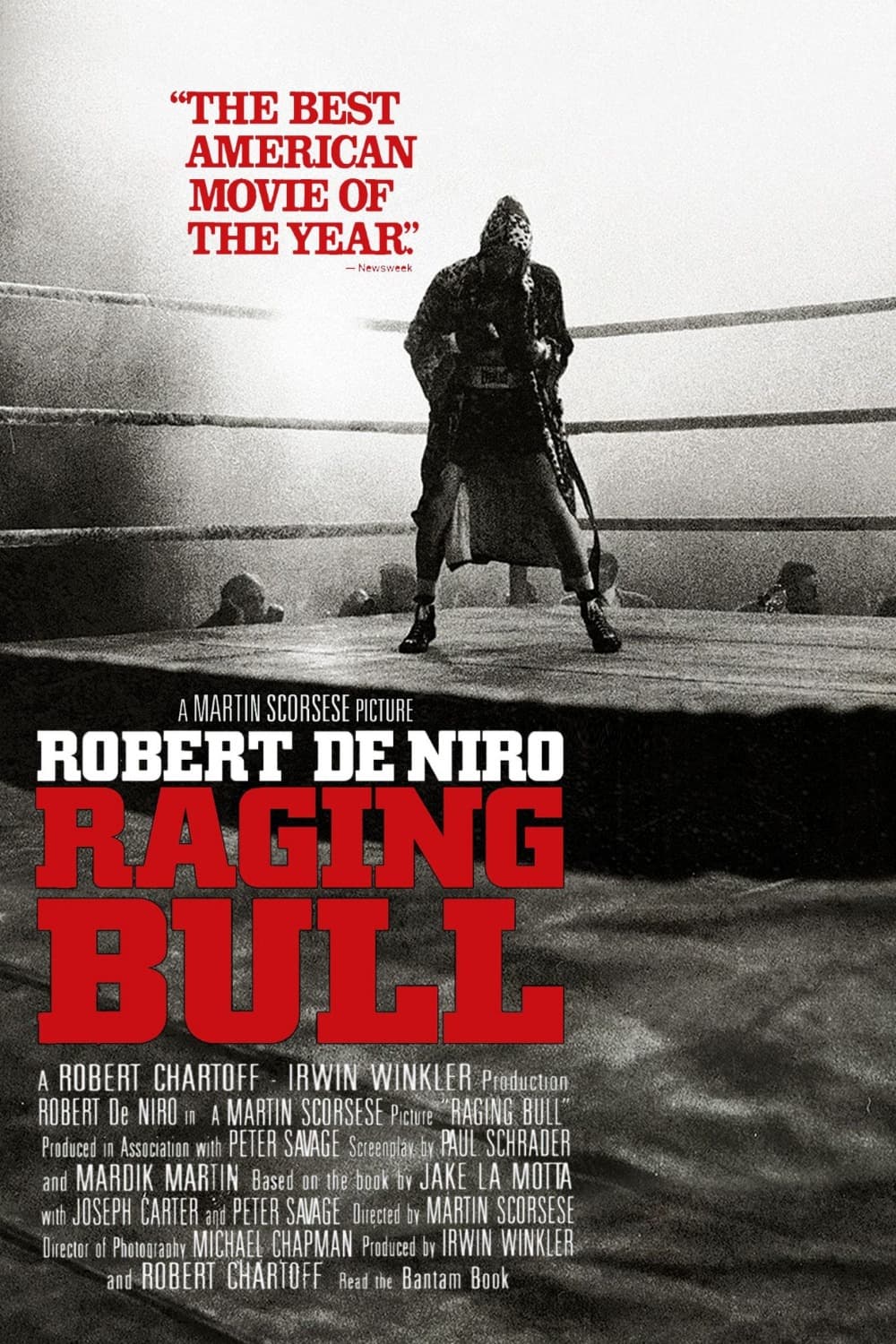
Raging Bull
Directed by Martin Scorsese
1980
Scorsese shot boxing as penance rather than sport, and audiences come out feeling bruised: De Niro's jealousy destroys everyone near him, in the blackest black and white imaginable.
★ 9.6
 skopia
Scorsese shot boxing as penance rather than sport, and audiences come out feeling bruised: De Niro's jealousy destroys everyone near him, in the blackest black and white imaginable.
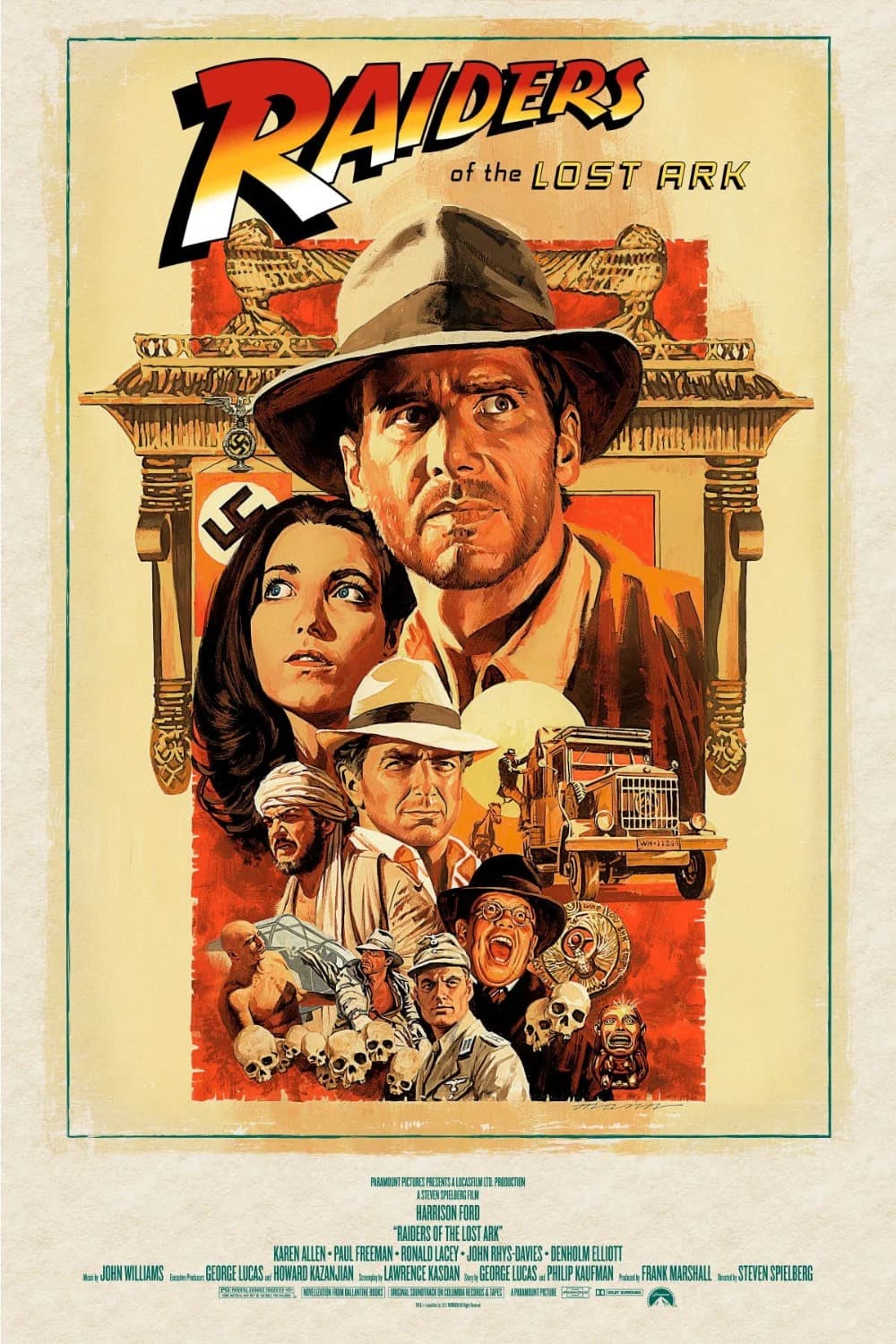
Every adventure film since is measured against it: Spielberg and Lucas built a machine of chases and near misses so efficient that forty years of imitation have not worn it out.

Everyone learned how to make a sequel from this: the pressure builds for two hours, the tone stays darker than anyone expected, and one line near the close rearranged a generation's childhood.
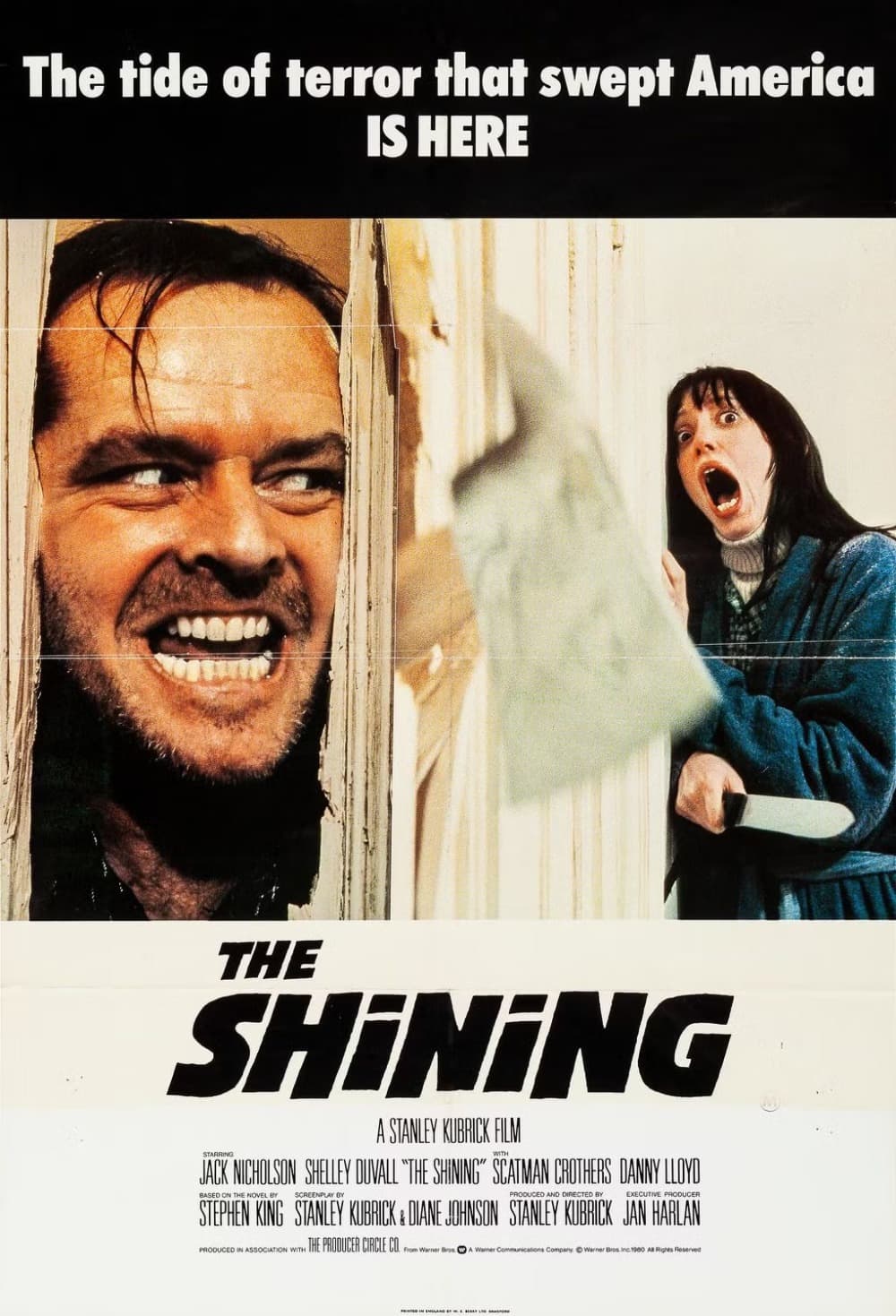
Whole documentaries exist about what this film means: Kubrick threw out most of King's novel, sent a Steadicam gliding down those corridors, and left a dread nobody can explain away.
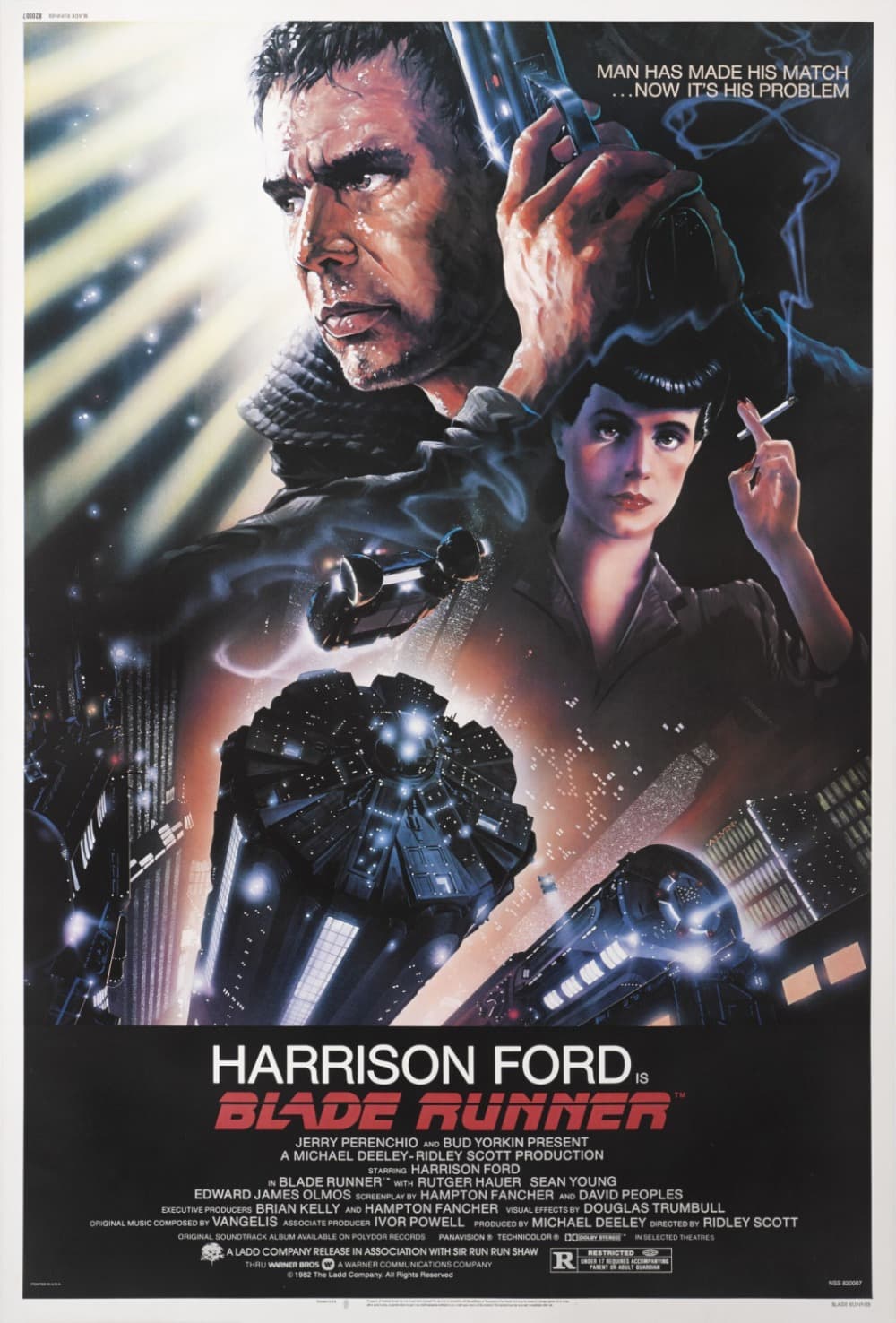
It flopped, then quietly redesigned the future: every rainy neon city of the last forty years is borrowing from Ridley Scott, and the mood still outlasts the plot.
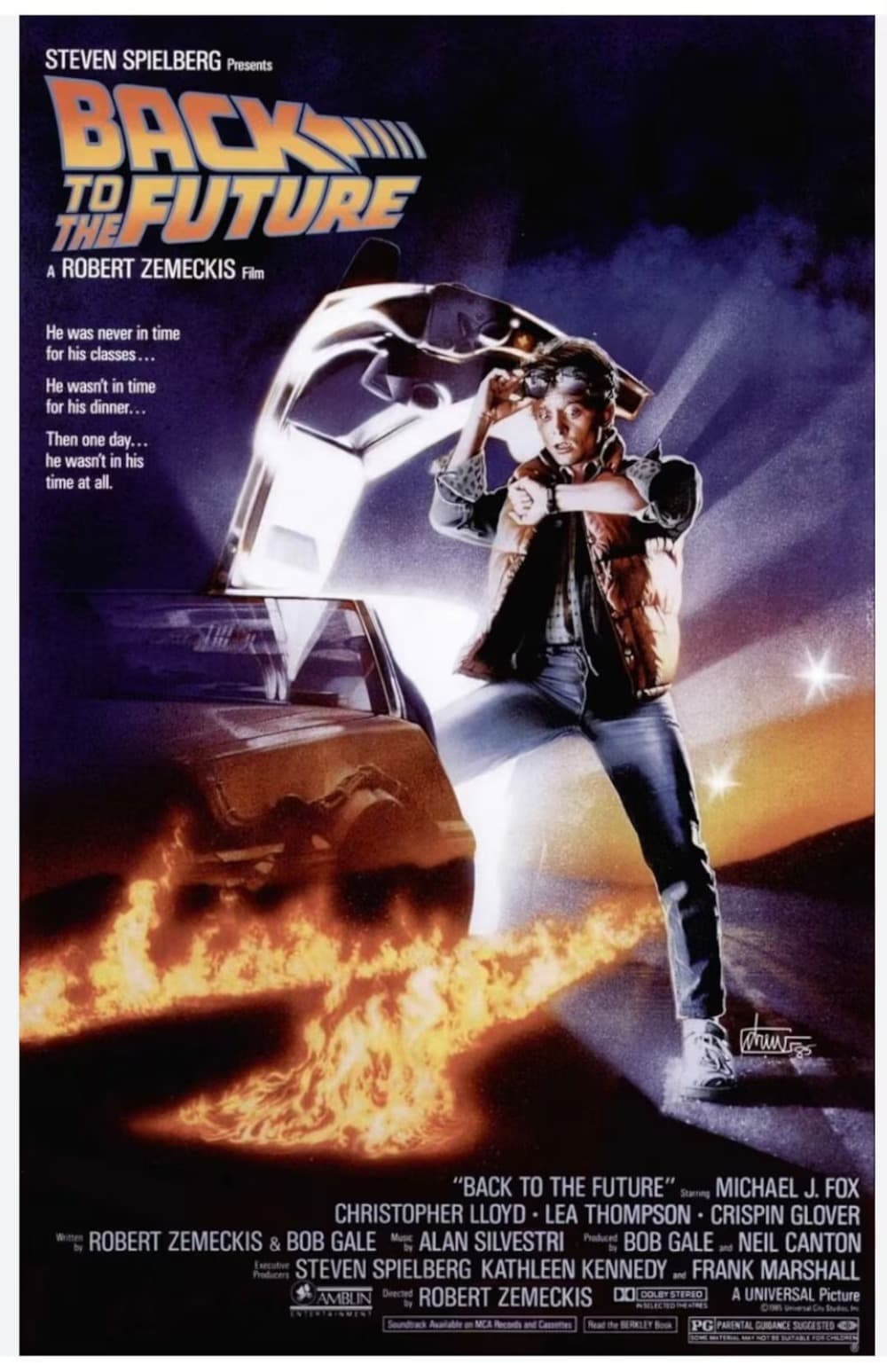
Screenwriting teachers use it as the worked example: every joke and every prop planted early comes back later, and the whole machine runs without a single wasted second.
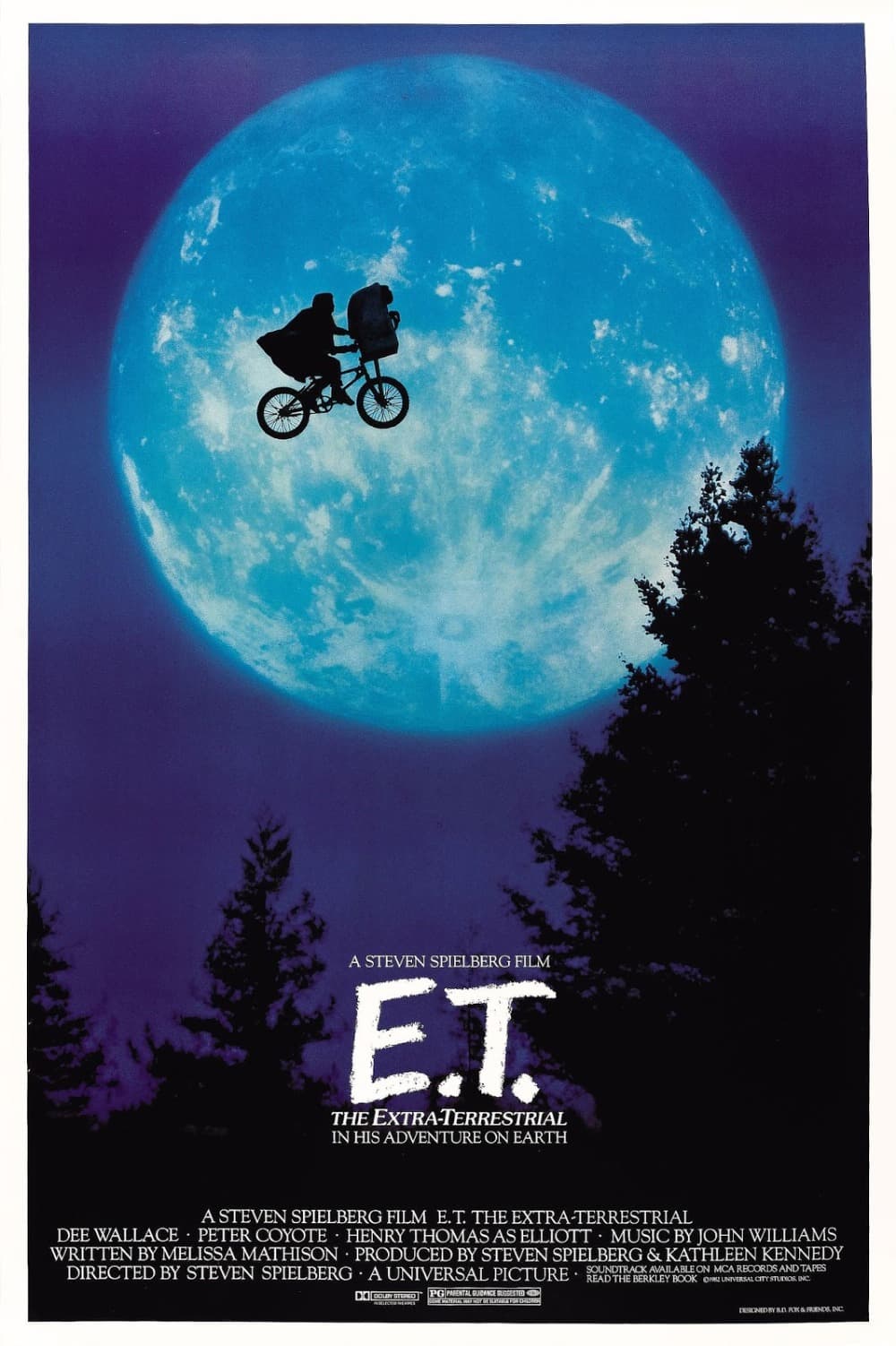
Highest grossing film in the world for a decade, and it earns every cent: Spielberg shot at child height so the adults are legs and voices, and wrecks entire cinemas.
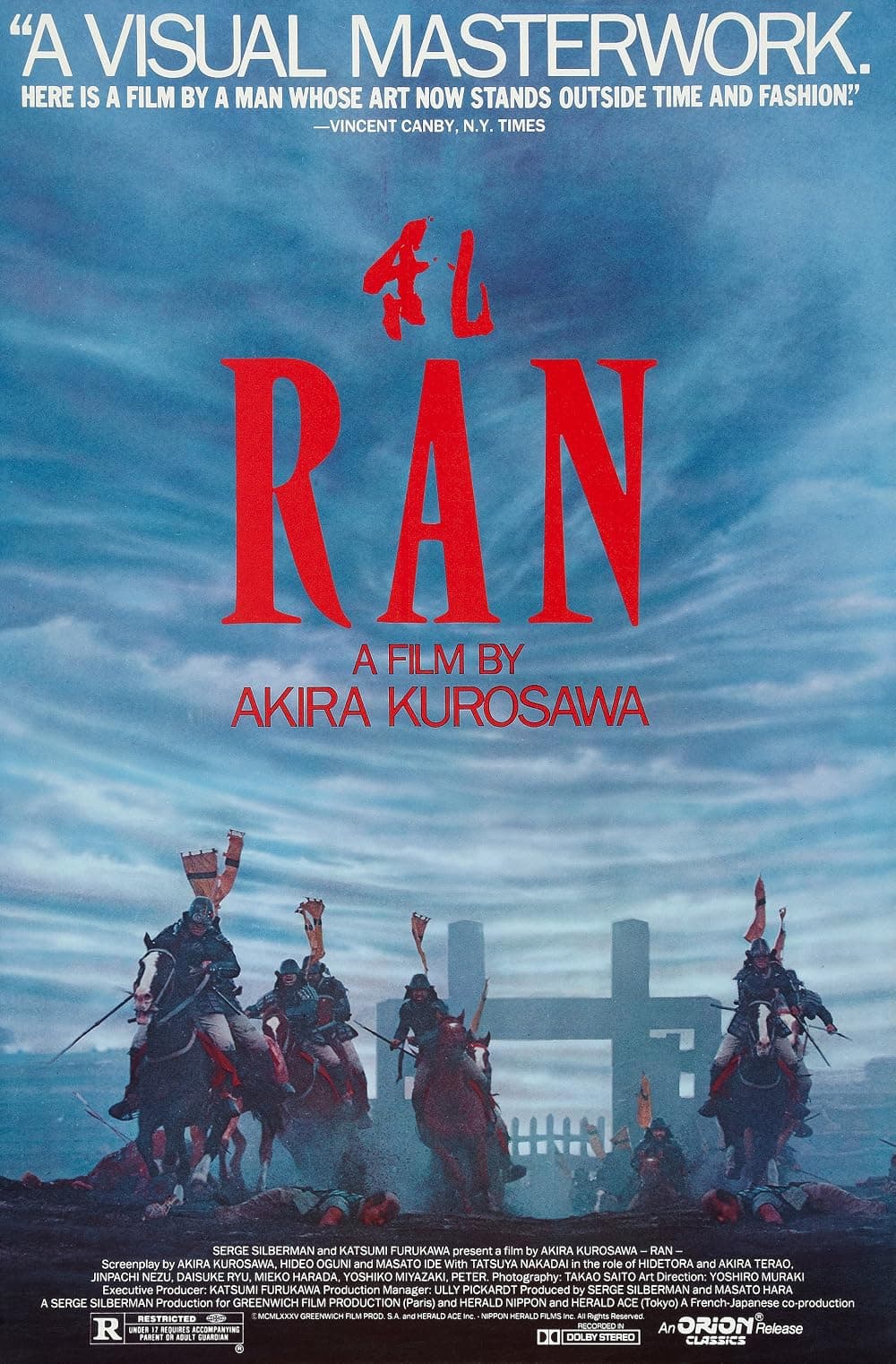
Kurosawa was seventy-five and his eyesight was failing when he made it: King Lear moved to feudal Japan, with a great battle that plays to music and nothing else.
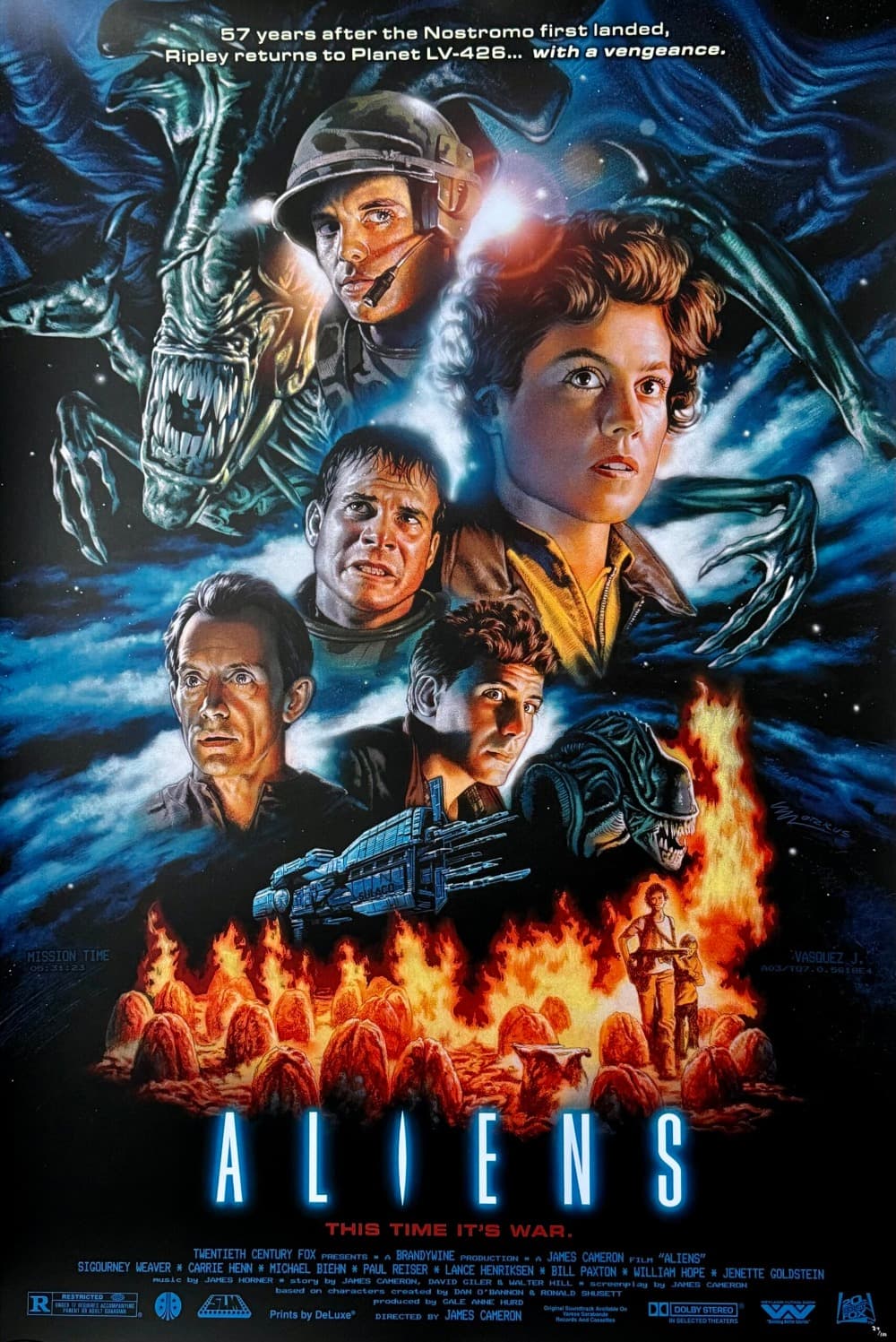
Almost no sequel changes genre and survives it: Cameron turned Scott's haunted house into a war picture, and an action performance drew a rare Academy Award nomination.
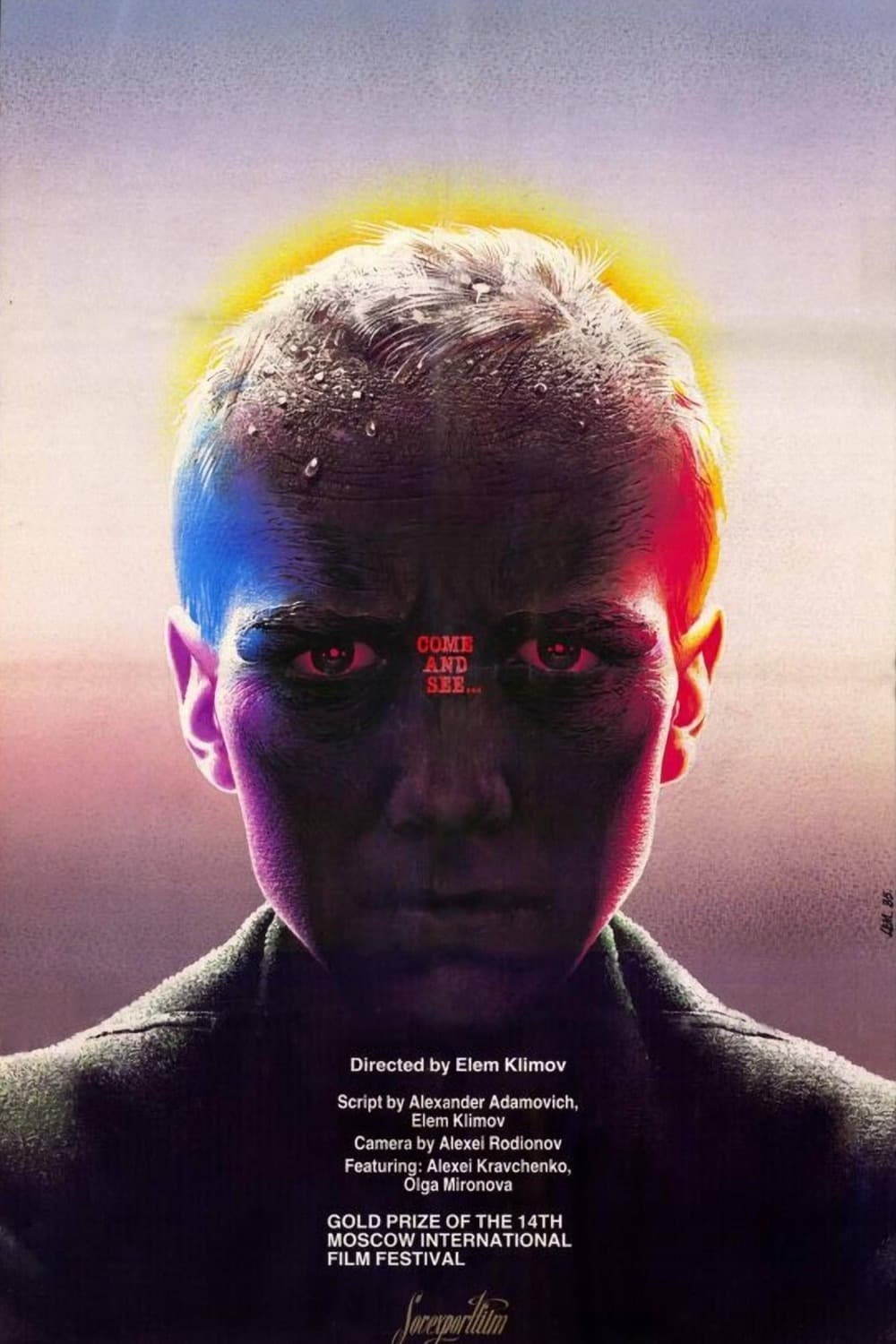
No other war film can follow it: Klimov put a boy's face through the destruction of Belarus and let it age visibly, and nobody watches it twice lightly.
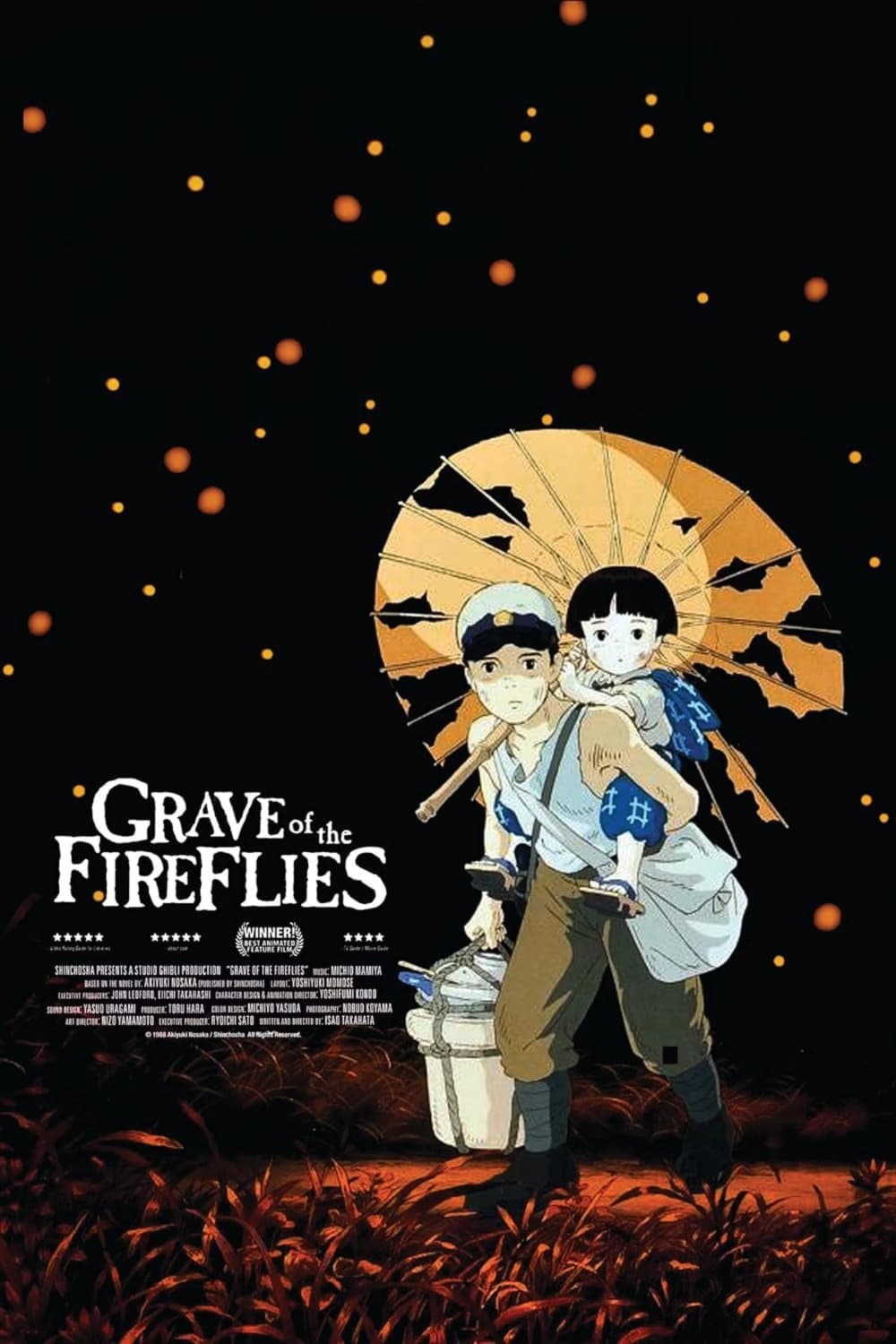
Nobody recommends this one lightly: Takahata put two children through the last months of the war in Japan, and being animated makes it harder to bear, not easier.
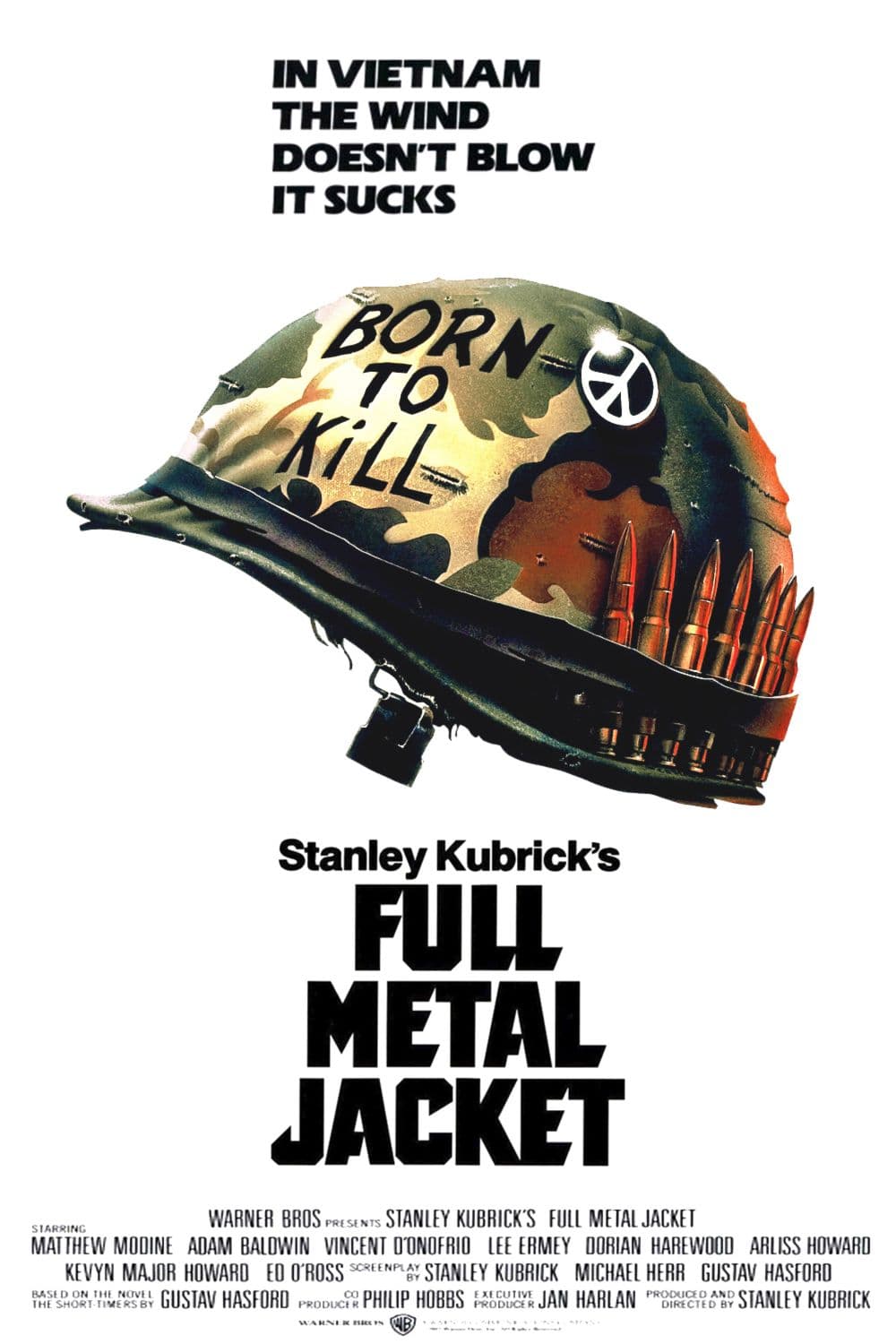
The first half is the most quoted boot camp ever filmed: Kubrick found a real Marine drill instructor, let him write half his own material, and made basic training terrifying.
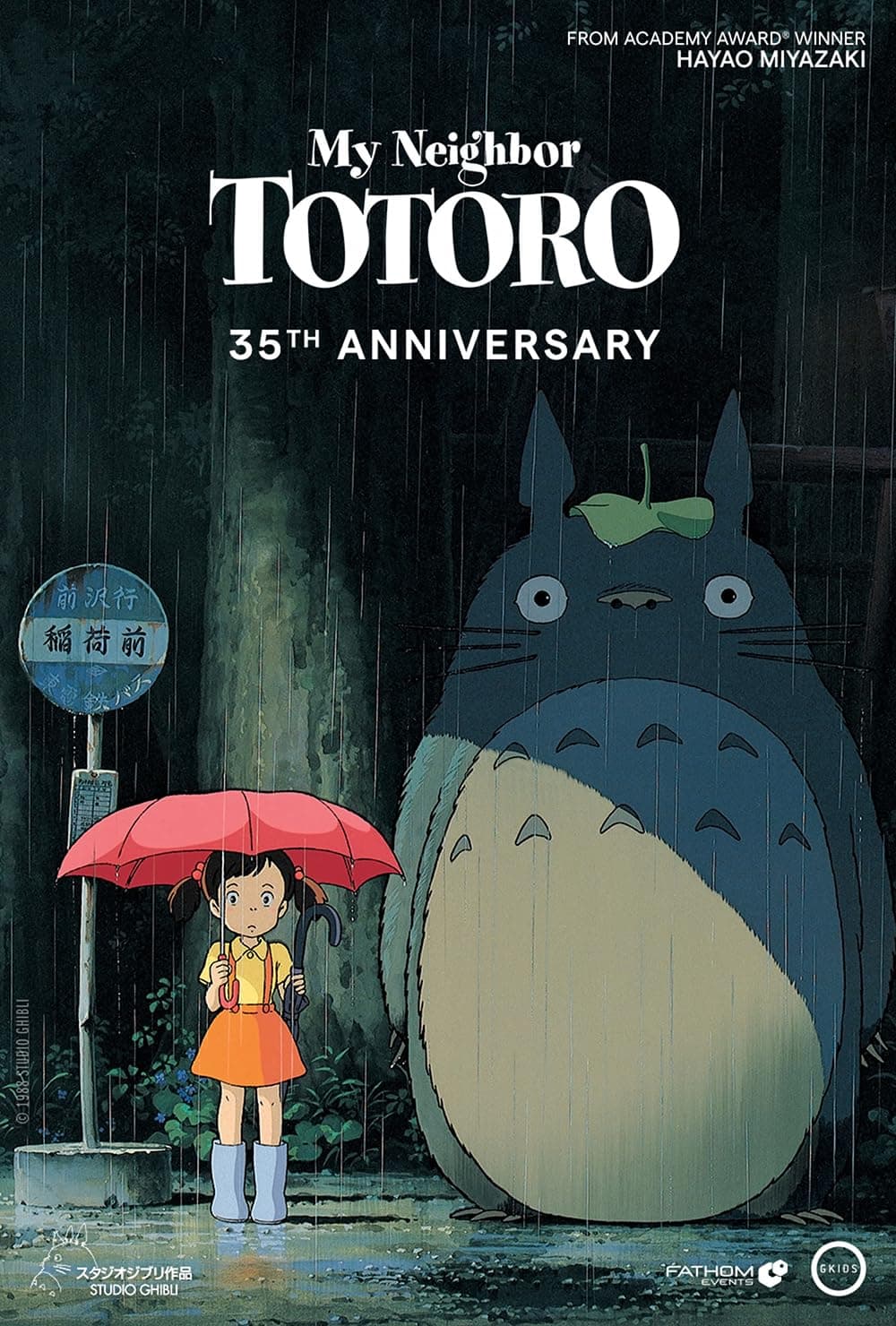
Children's films almost never dare to have no villain: Miyazaki made eighty minutes of pure safety out of two sisters and a forest spirit, and it became Ghibli's emblem.
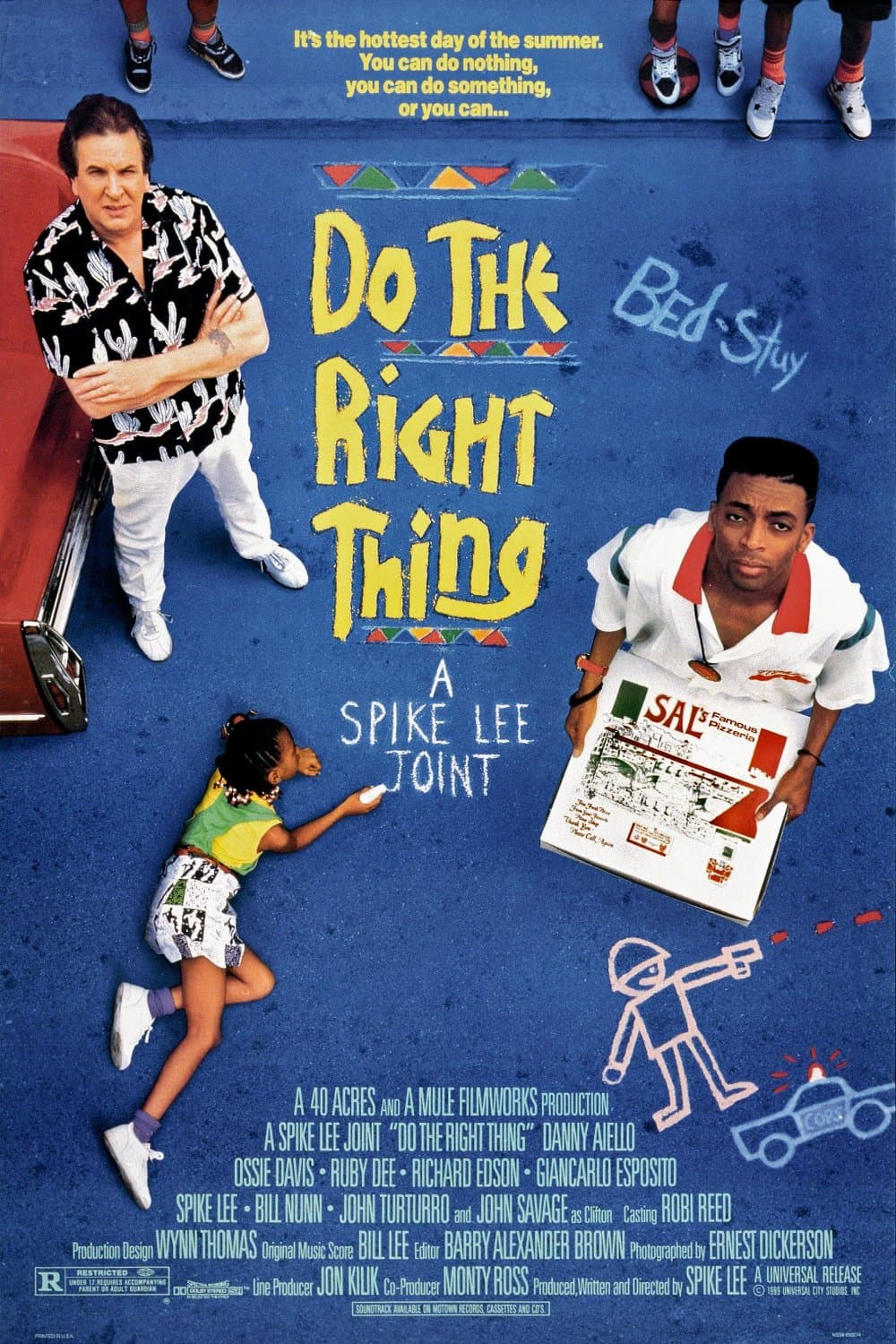
No American film has been braver about refusing to resolve: one Brooklyn block on the hottest day of the year, and Lee will not tell you who was right.
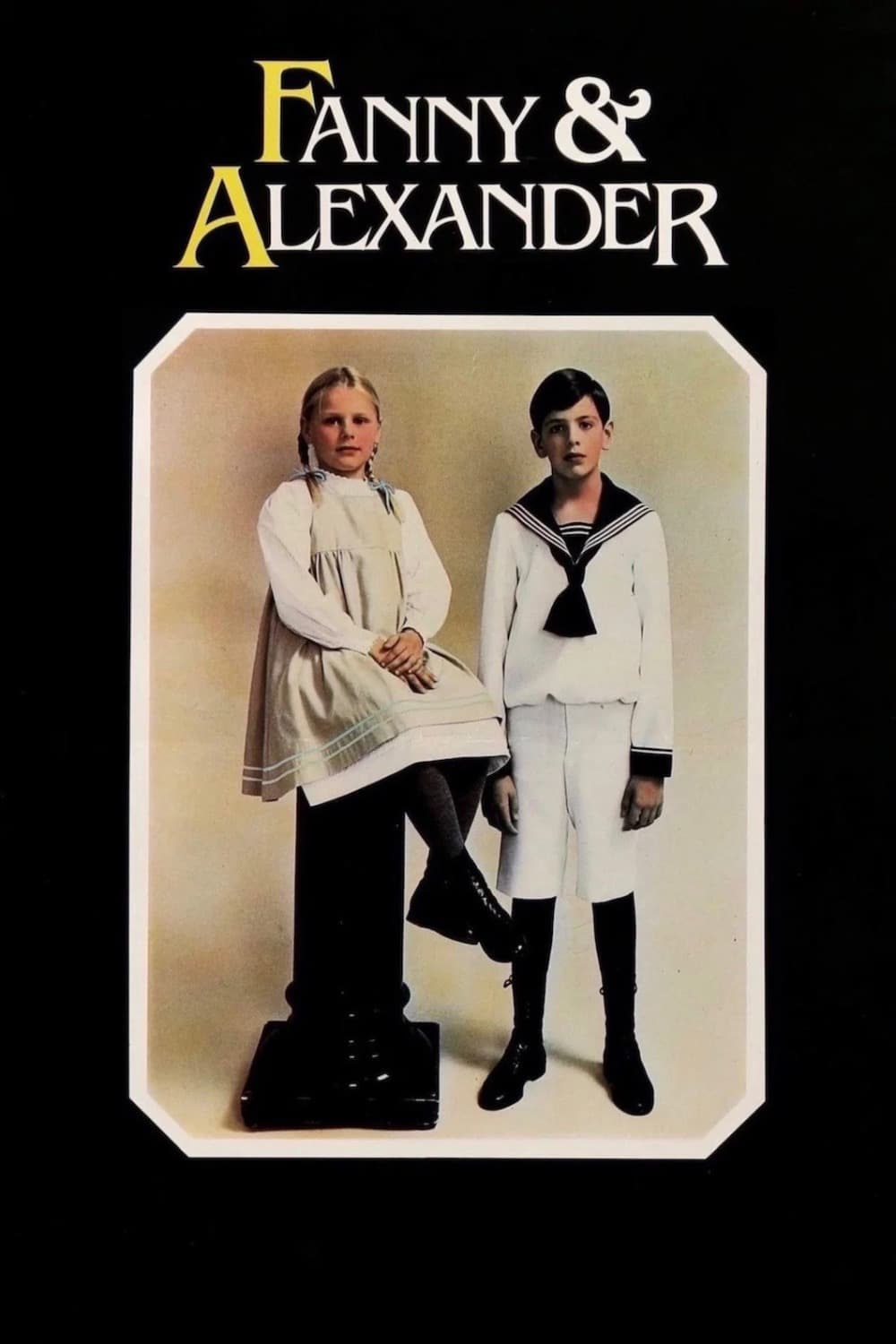
Bergman meant it as his farewell to cinema and made it the warmest thing he ever did: five hours in its full version, of Christmas light, ghosts, cruelty and childhood.
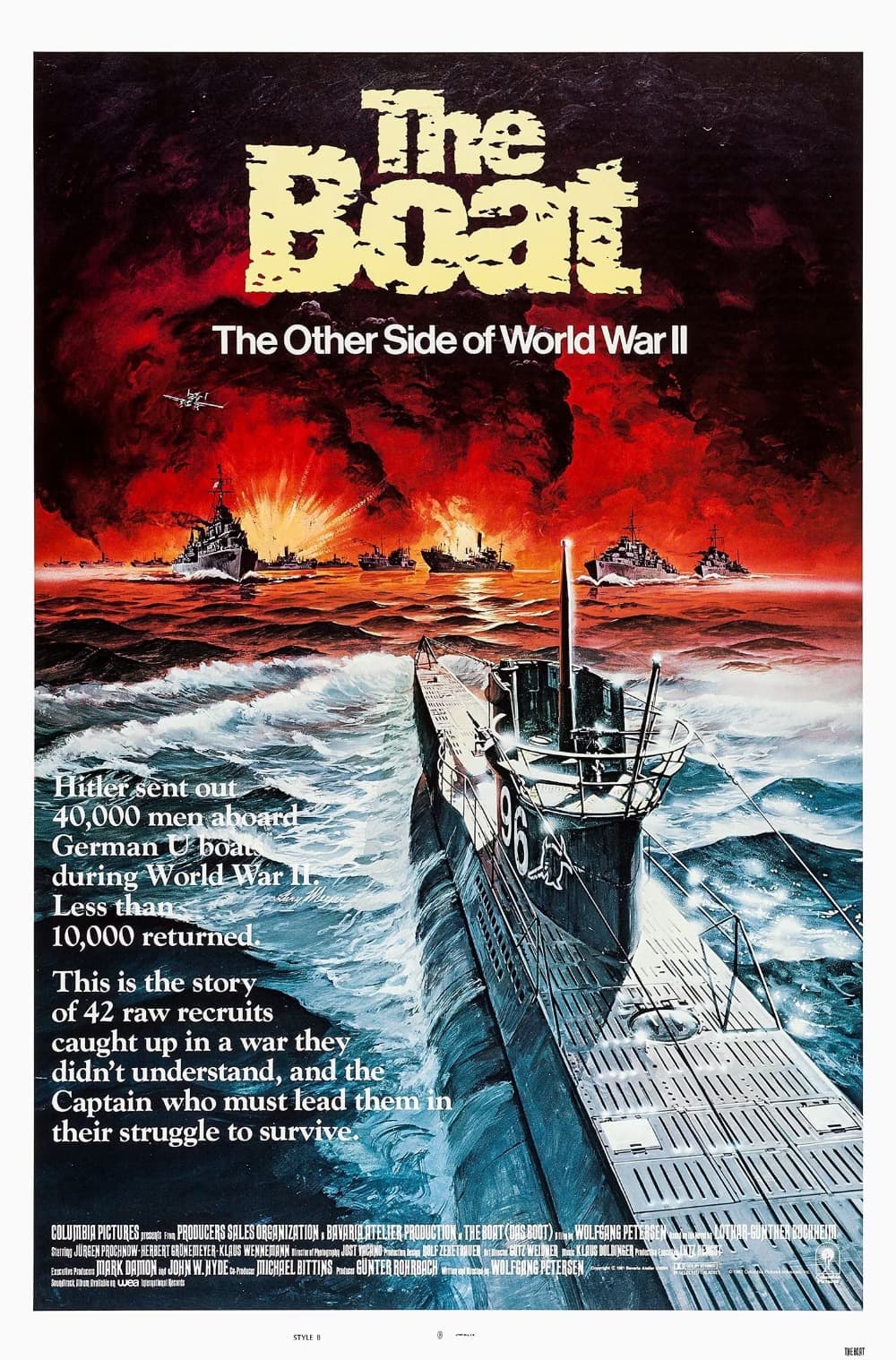
No war film has ever been this claustrophobic: Petersen ran a camera the length of a U-boat again and again until the steel walls start pressing in on you.
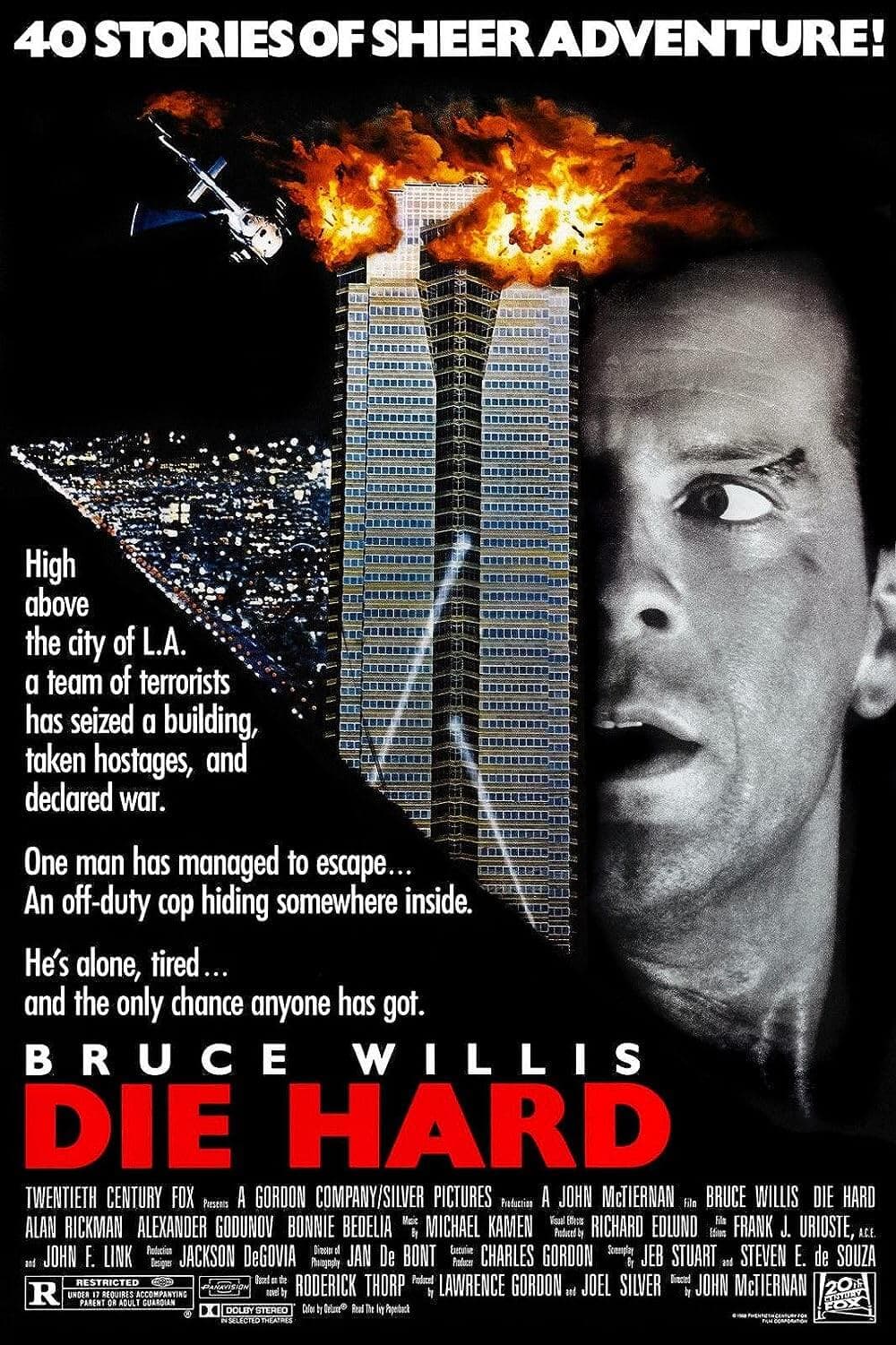
Hollywood spent the next decade pitching films as Die Hard on a boat, a bus, a plane: McTiernan built the action machine everyone has been copying since 1988.
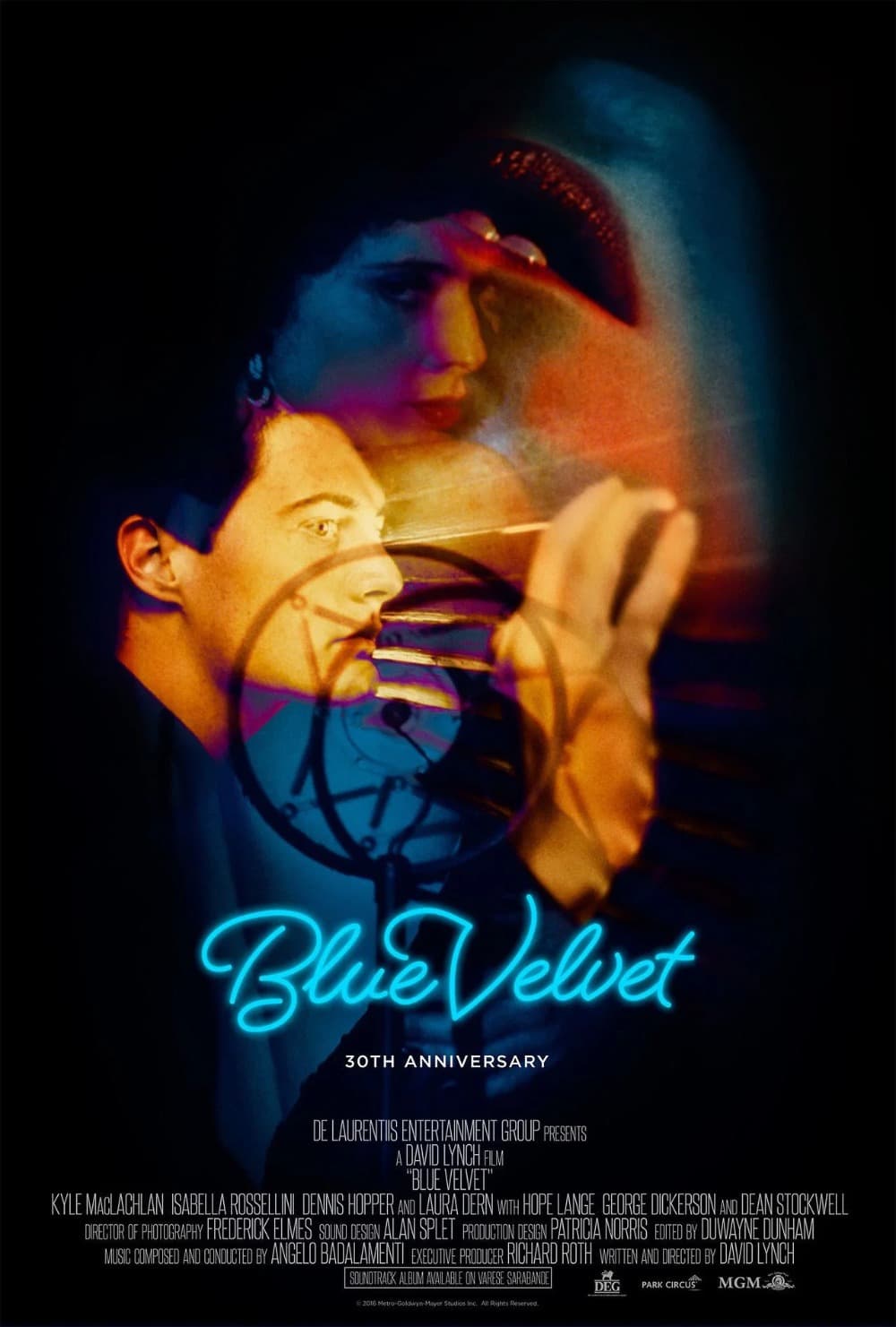
Lynch invented his own genre here and the word Lynchian dates from it: a severed ear in a field leads into the underside of an ordinary American town.

American distributors cut ninety minutes out of it and destroyed the reviews: restored to full length, Leone's fifty-year gangster elegy drifts between decades like an opium dream.
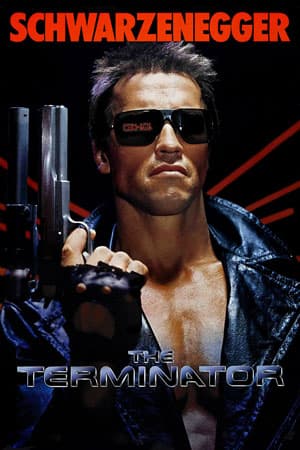
Cameron made it for six million dollars and launched two careers and a franchise: a machine that cannot be bargained with, cannot be reasoned with, and absolutely will not stop.