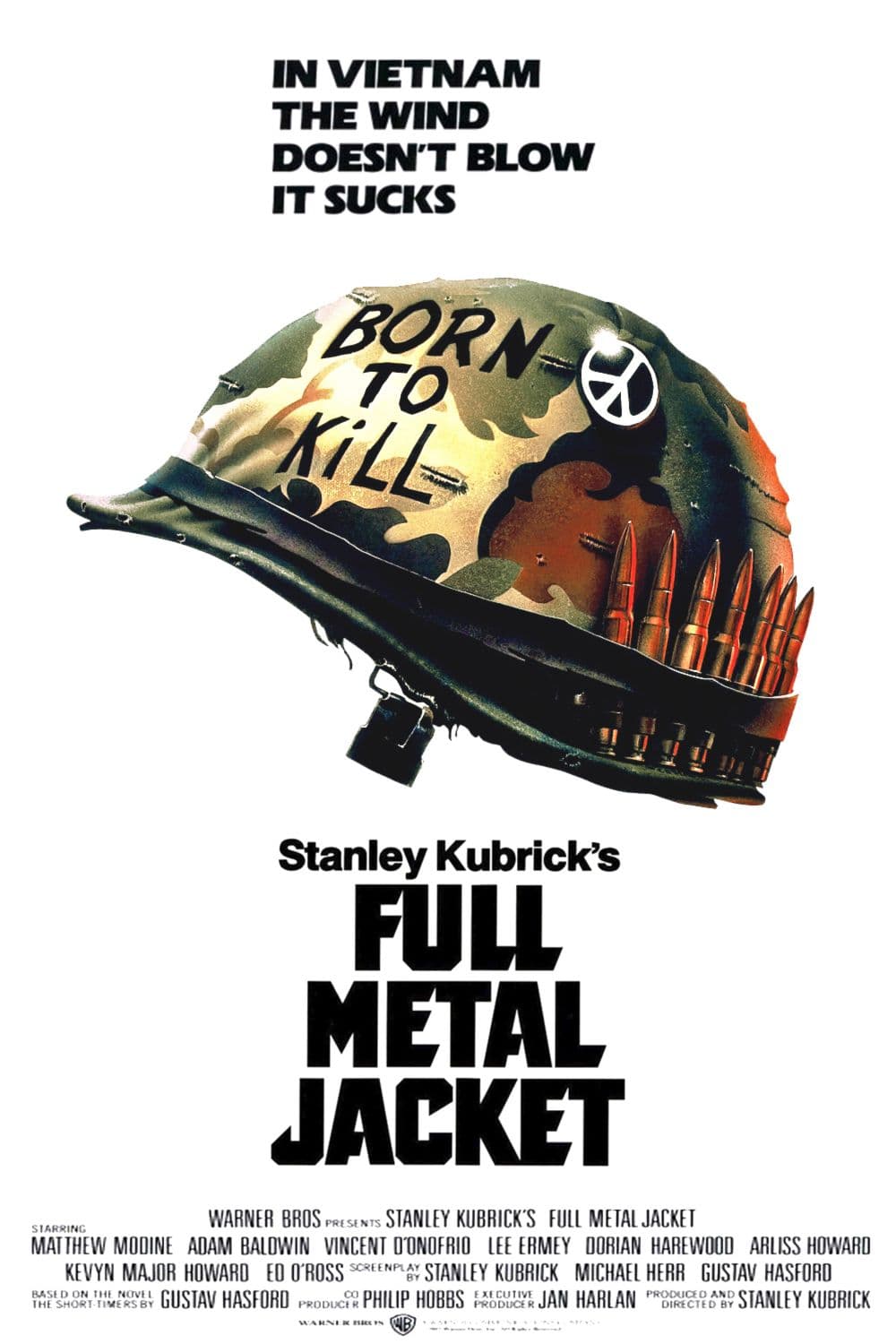
Full Metal Jacket
Directed by Stanley Kubrick
1987
The first half is the most quoted boot camp ever filmed: Kubrick found a real Marine drill instructor, let him write half his own material, and made basic training terrifying.
★ 8.3
 skopia
The first half is the most quoted boot camp ever filmed: Kubrick found a real Marine drill instructor, let him write half his own material, and made basic training terrifying.
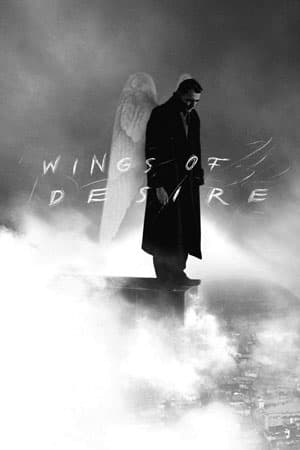
Wenders filmed a divided Berlin two years before the Wall came down and caught something nobody could stage again: angels listening in on what the people below are thinking.
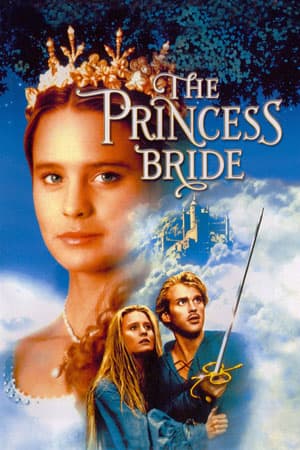
It barely registered in cinemas and built its whole following on video: pirates, giants, a six-fingered man, and a grandfather reading to a boy who does not want the story.
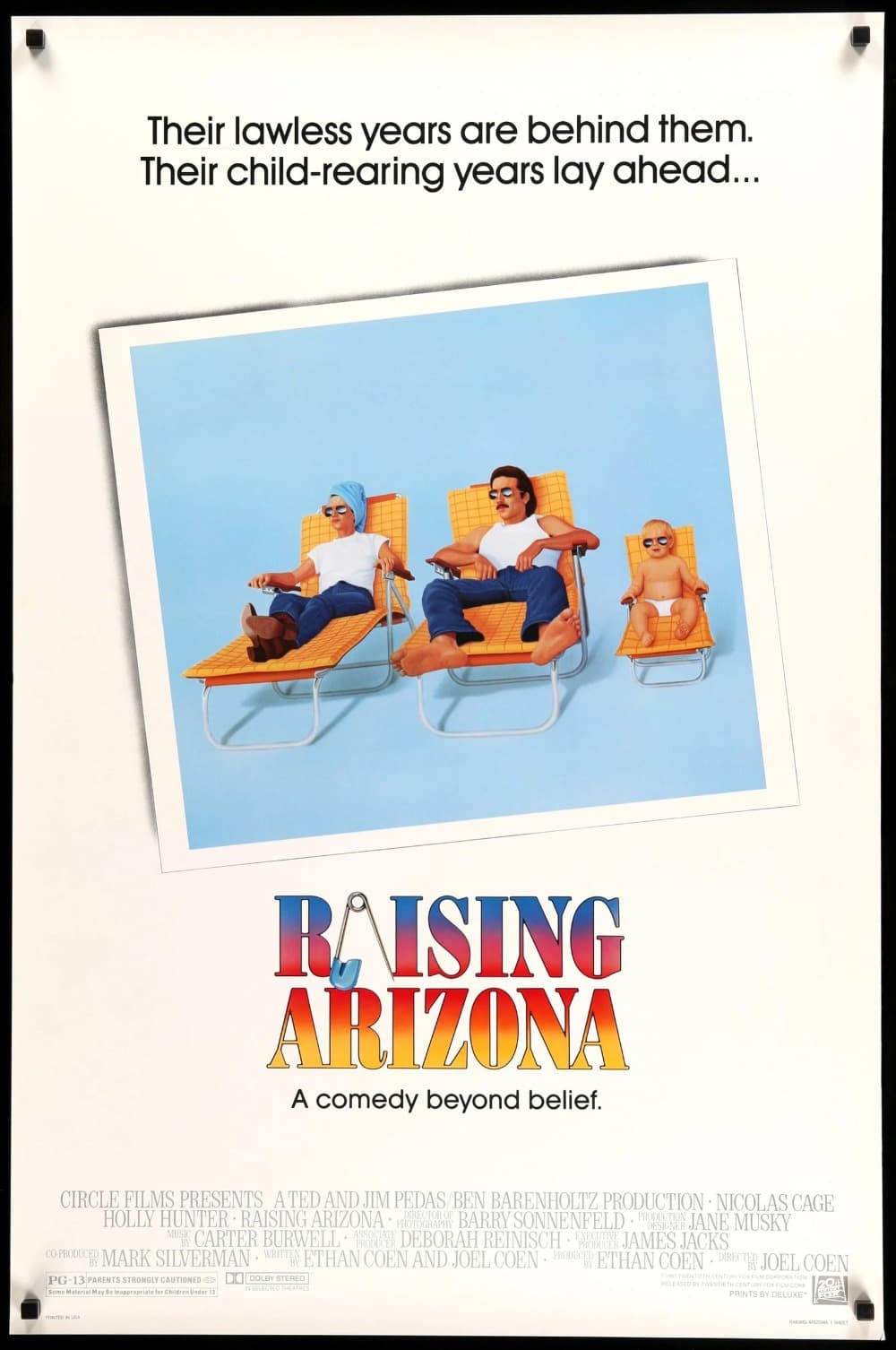
The Coens' funniest film and by some way their fastest: a childless couple steal one of a furniture magnate's quintuplets, and the chase never once slows down afterward.
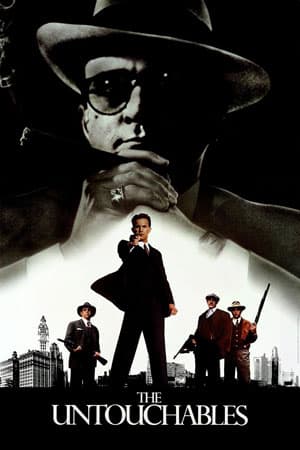
Mamet wrote it and Morricone scored it: De Palma stages a shootout on a station staircase in open tribute to Battleship Potemkin, and turns Prohibition Chicago into pure American myth.
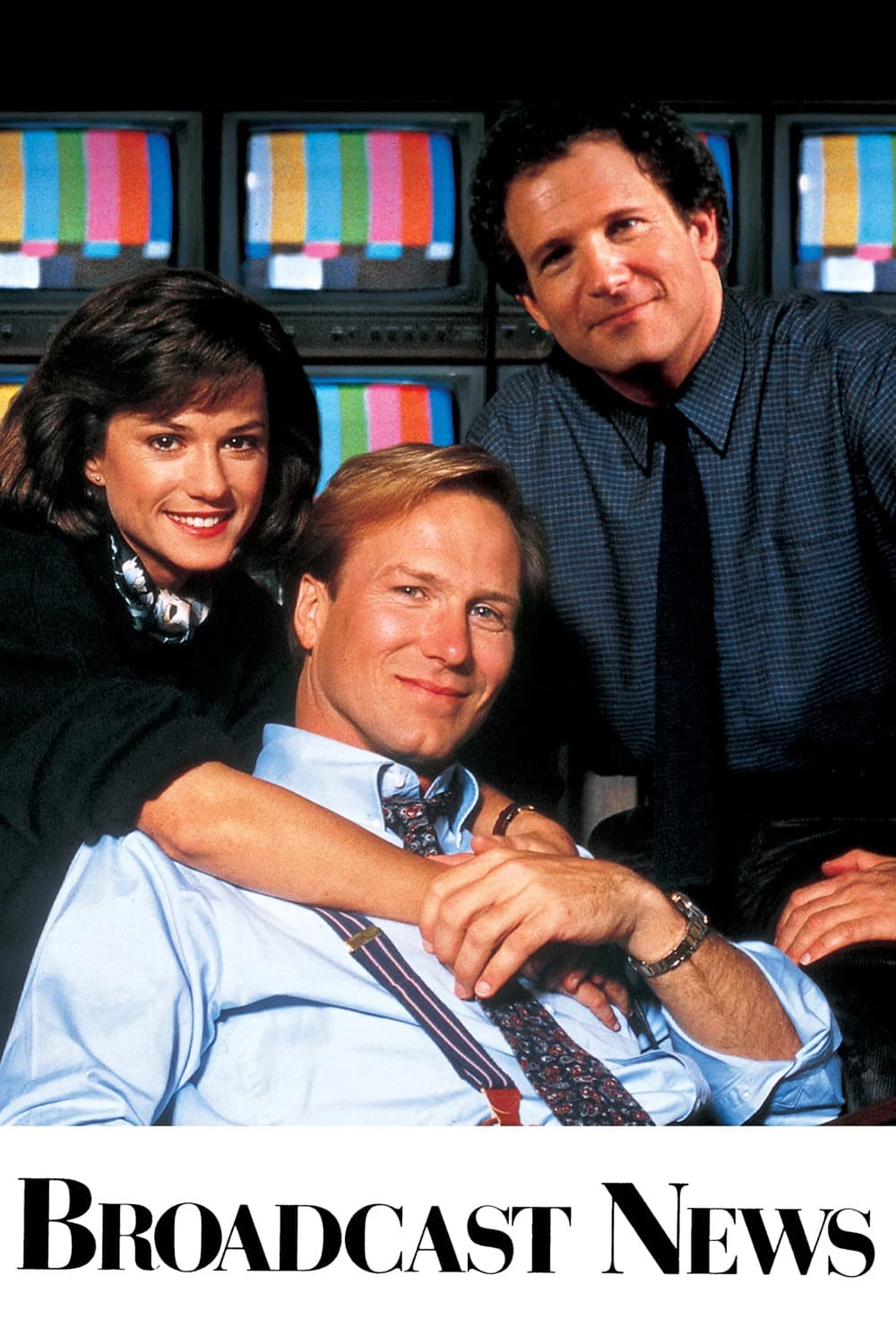
James L. Brooks got the newsroom exactly right and predicted what television news would become: three colleagues tangled up in each other, and the one who is best on camera knows the least.
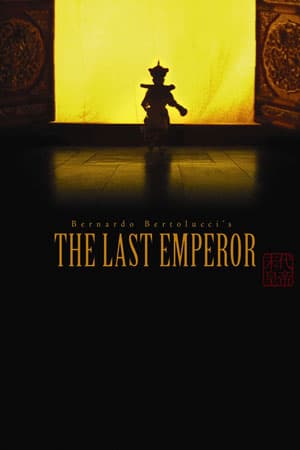
The Chinese government let Bertolucci shoot inside the Forbidden City, the first Western production ever allowed in: a child emperor is crowned before thousands and then history keeps rearranging him.
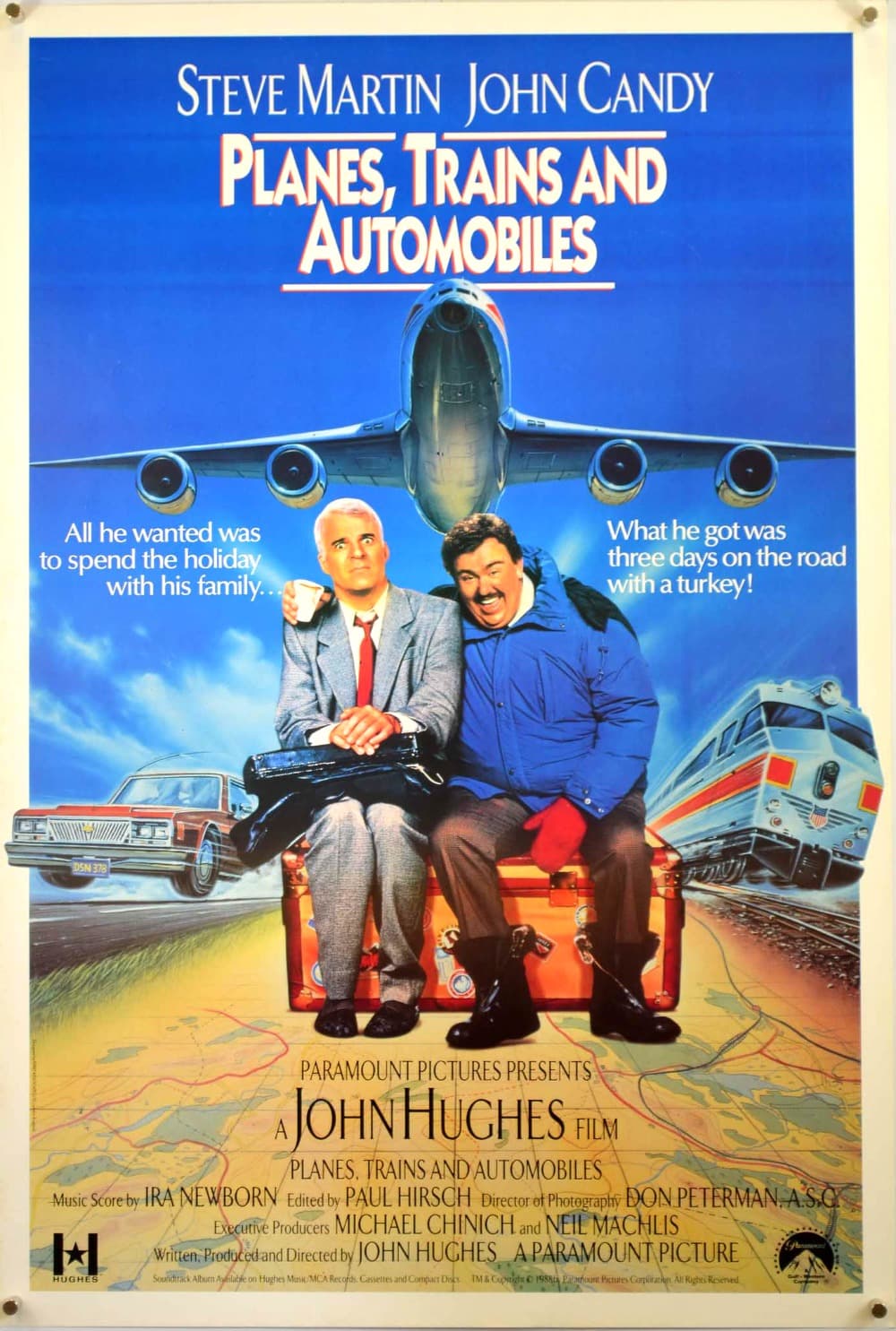
John Hughes wrote it in three days: two men try to get home for Thanksgiving, and John Candy turns what starts as a comic irritant into the most devastating performance of his career.
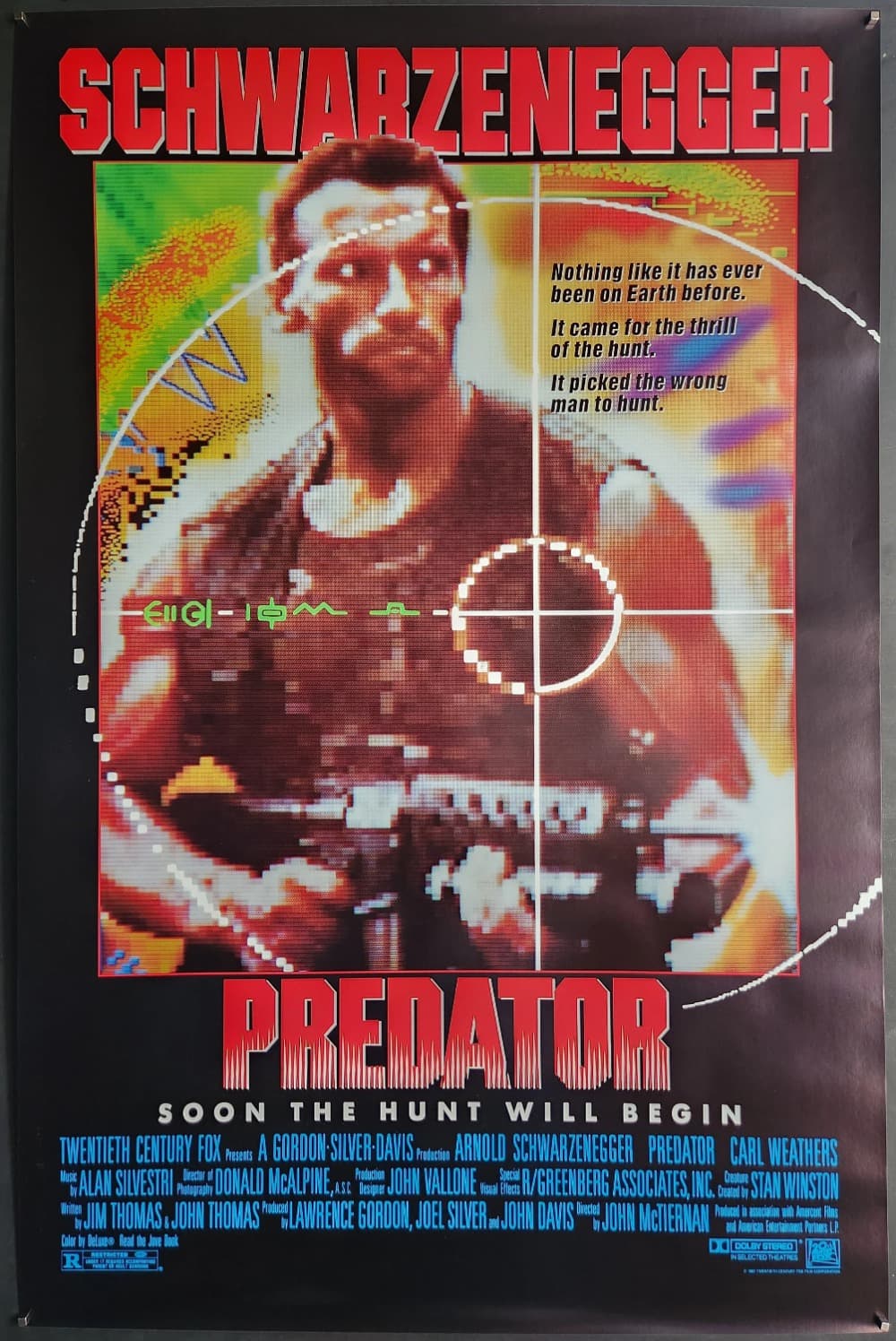
The original creature suit was so bad they scrapped it mid-shoot and had Stan Winston build another: a commando squad in the jungle slowly works out that something is hunting them.
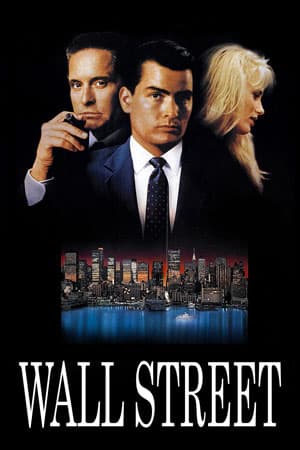
Oliver Stone meant it as an indictment and a generation took it as a recruitment ad: Gordon Gekko's speech about greed is the most misread scene in American film.
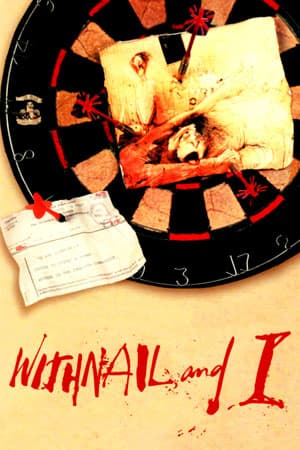
Richard E. Grant does not drink and had to be taught to be convincing: two unemployed actors leave London for a cottage in 1969 with no money, no food and no plan whatsoever.
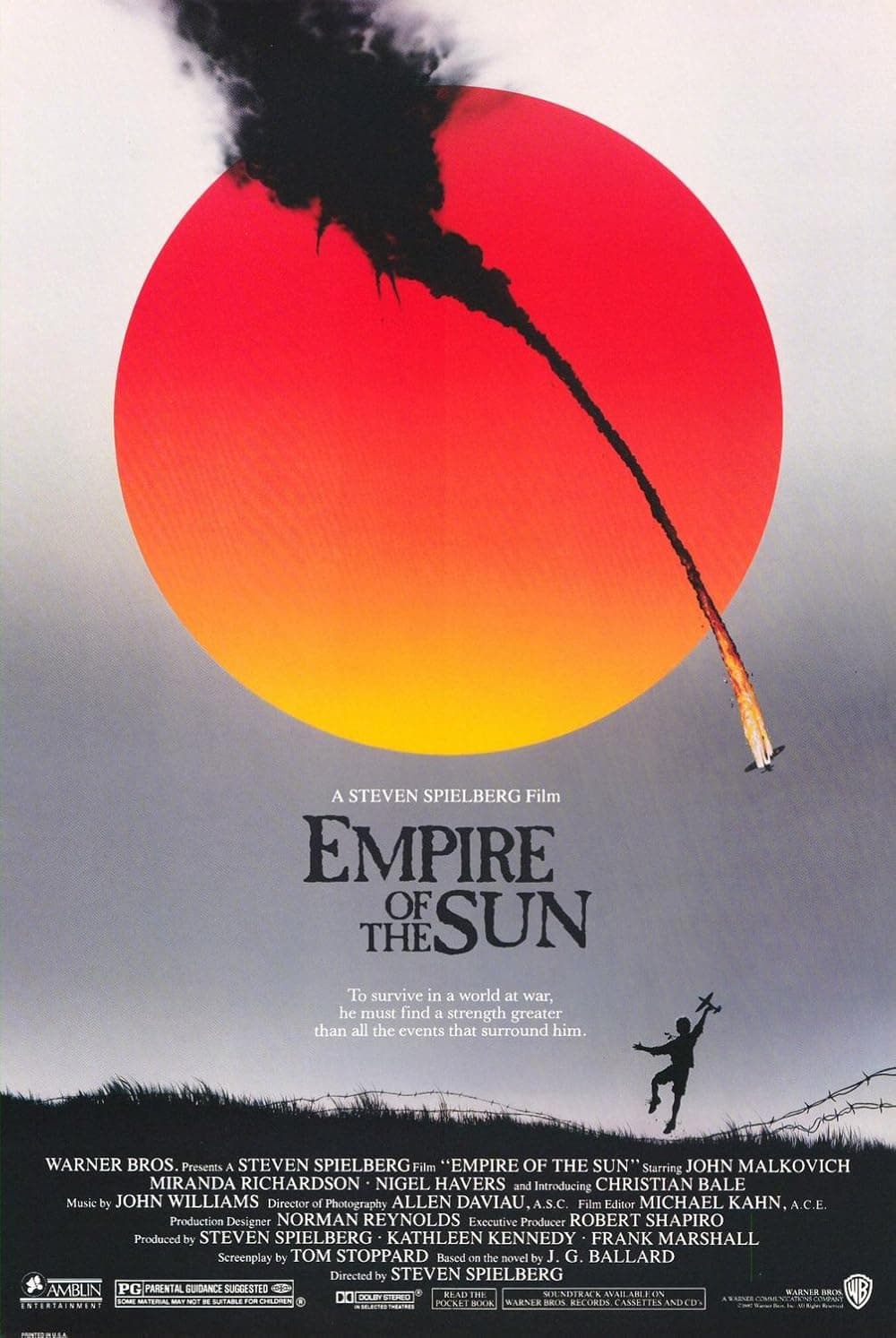
Christian Bale was thirteen and carries the entire film: Spielberg follows an English boy separated from his parents in occupied Shanghai, and never lets the war become an adventure.
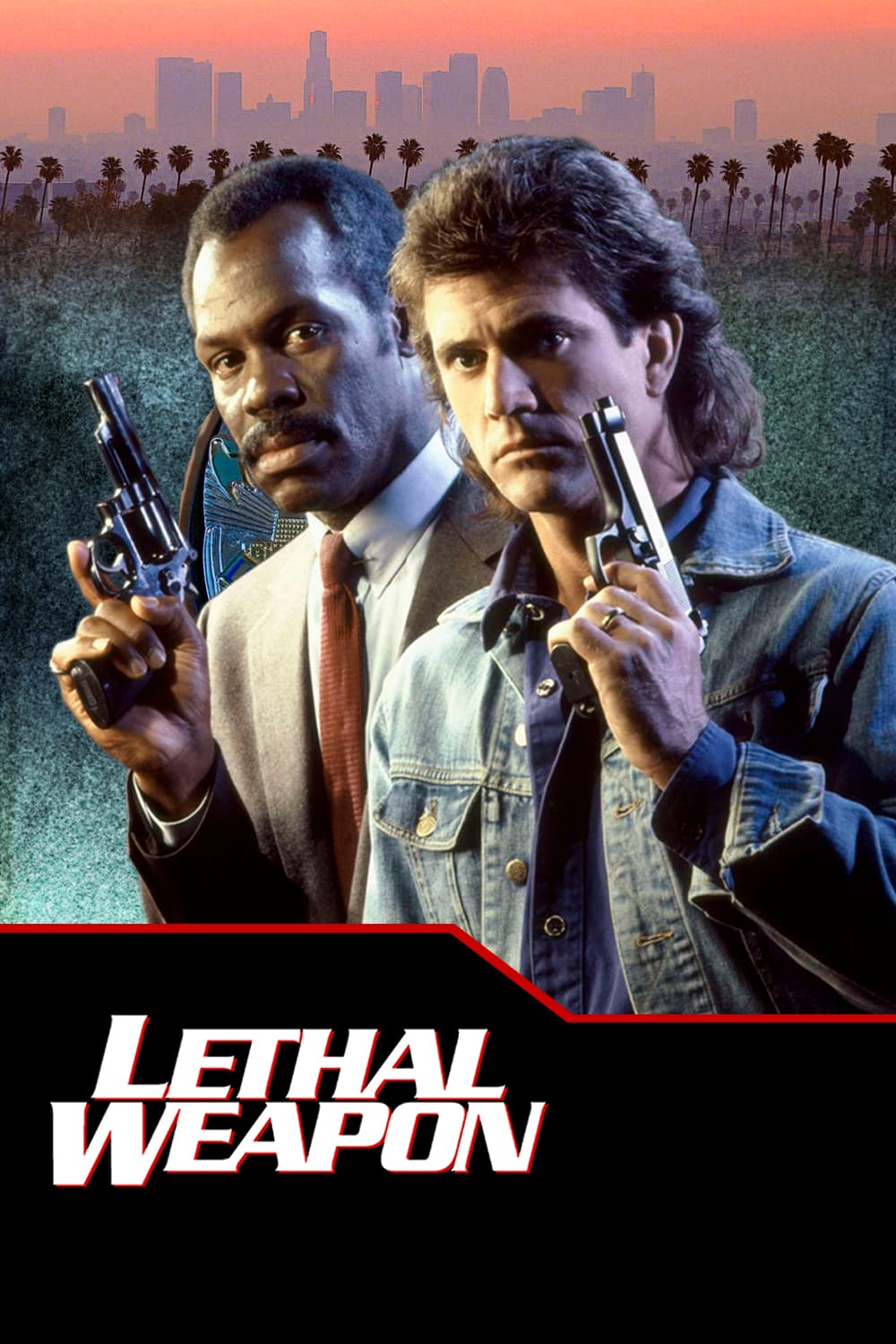
Shane Black sold the script at twenty-three and set the buddy-cop template for two decades: one cop is counting down to his pension, the other is a widower nobody trusts to be careful.
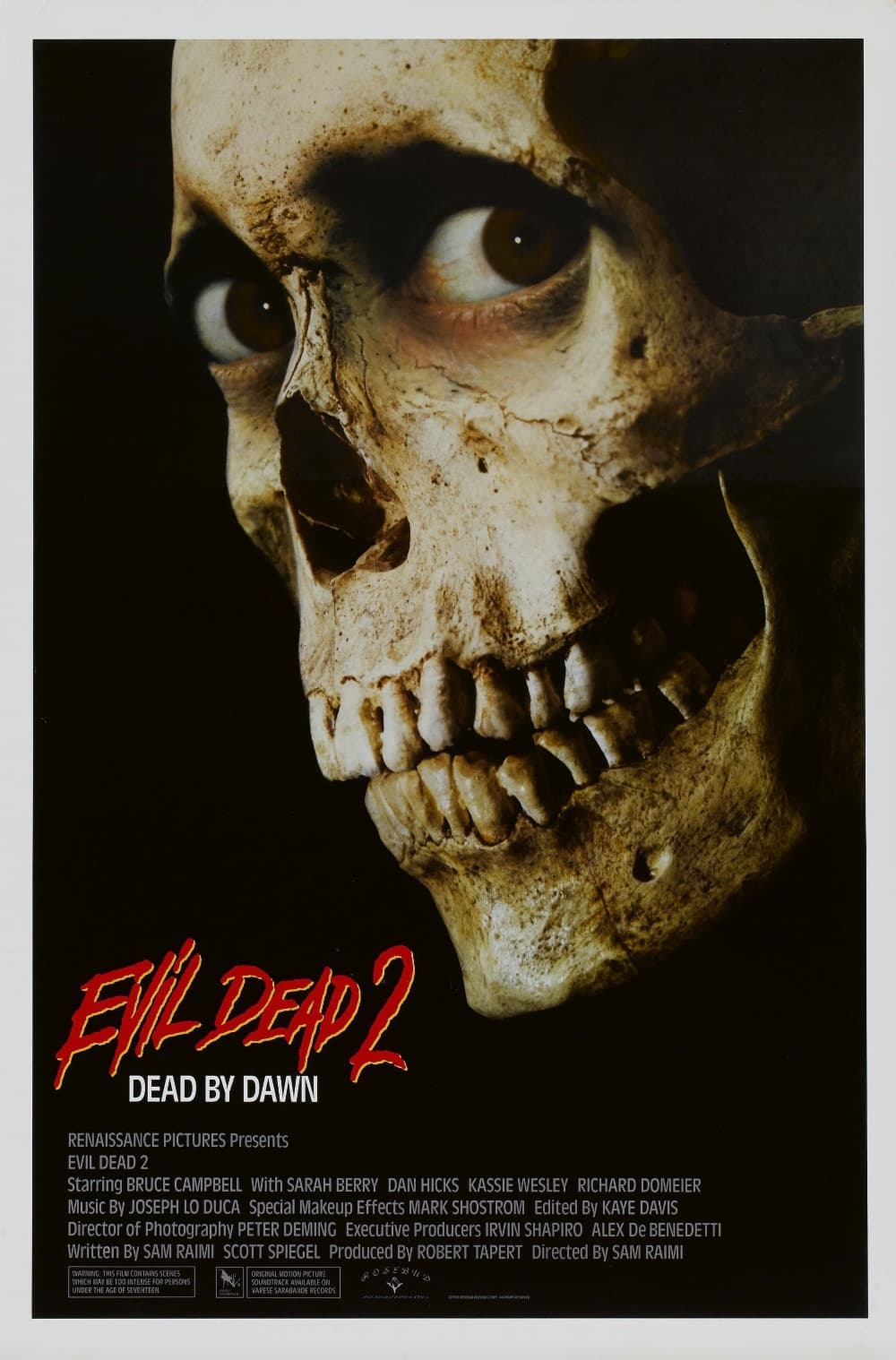
Sam Raimi rebuilt his own debut as a Three Stooges routine with blood: Bruce Campbell spends an entire sequence fighting his own hand, and the camera moves like something chasing him.
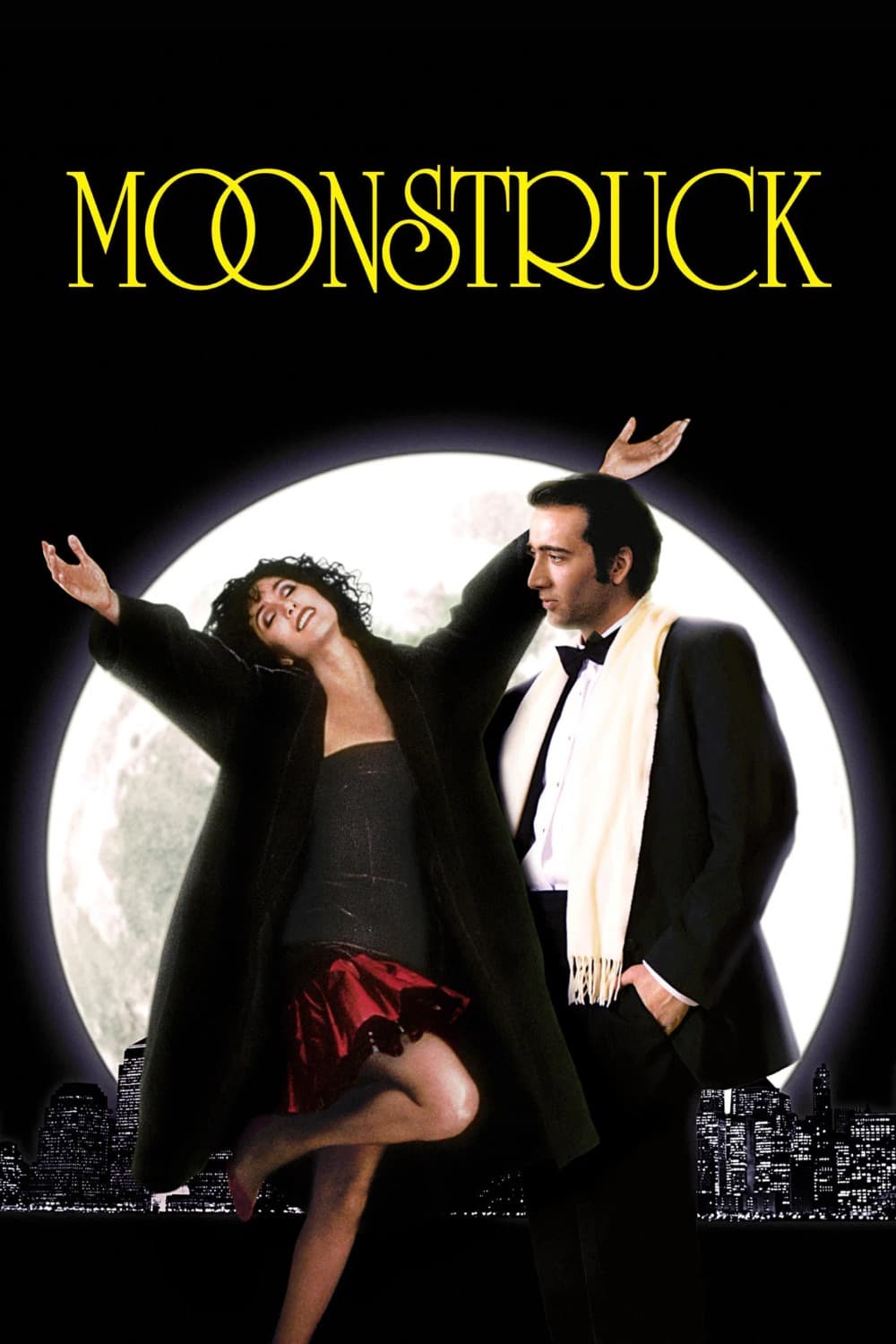
Cher and Olympia Dukakis both took Oscars from it, and the screenplay took a third: John Patrick Shanley wrote a Brooklyn Italian family who argue at operatic volume and mean every word.
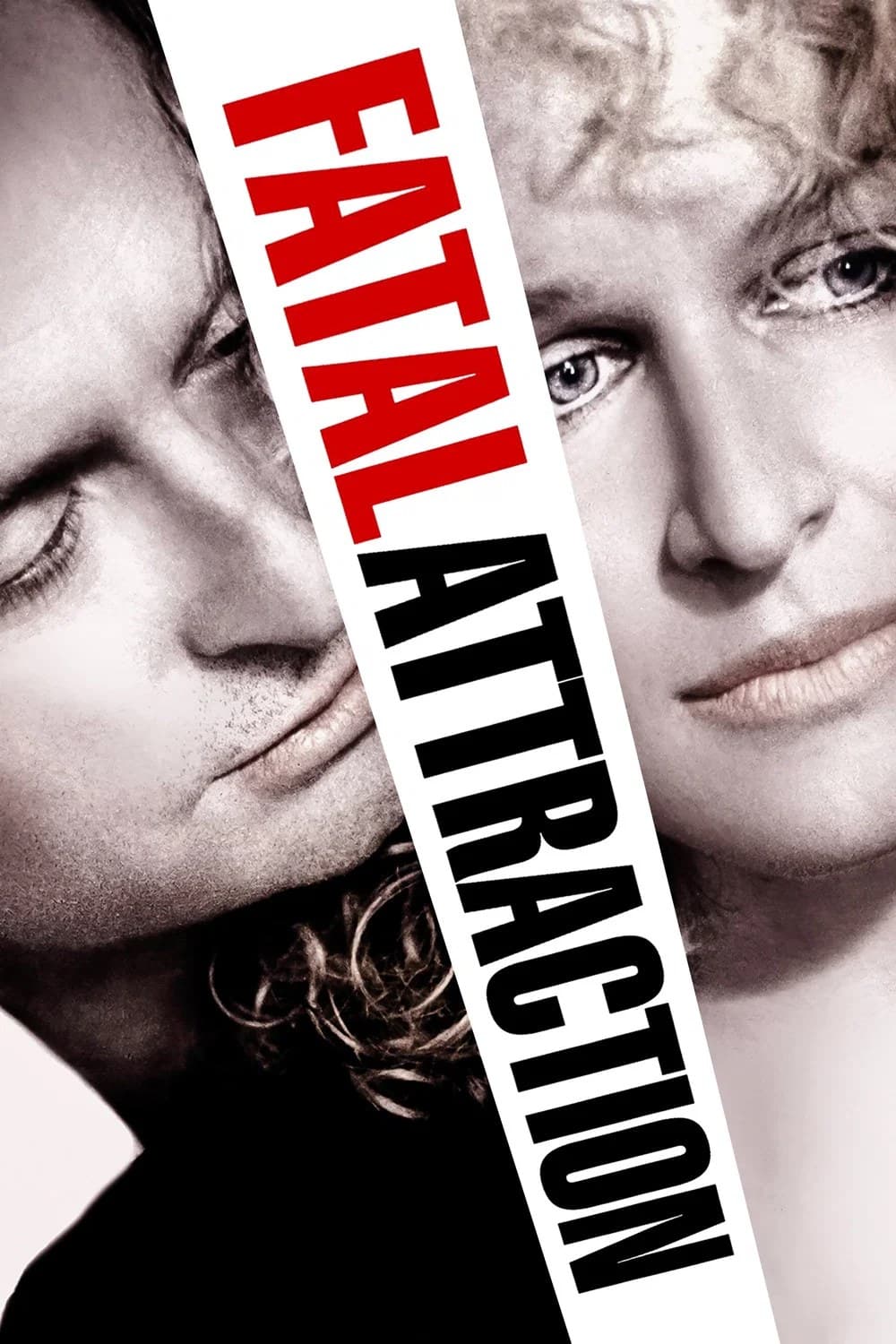
It became a national argument for months and put a phrase into the language: a married man has a weekend affair in Manhattan, and Glenn Close will not let it end there.
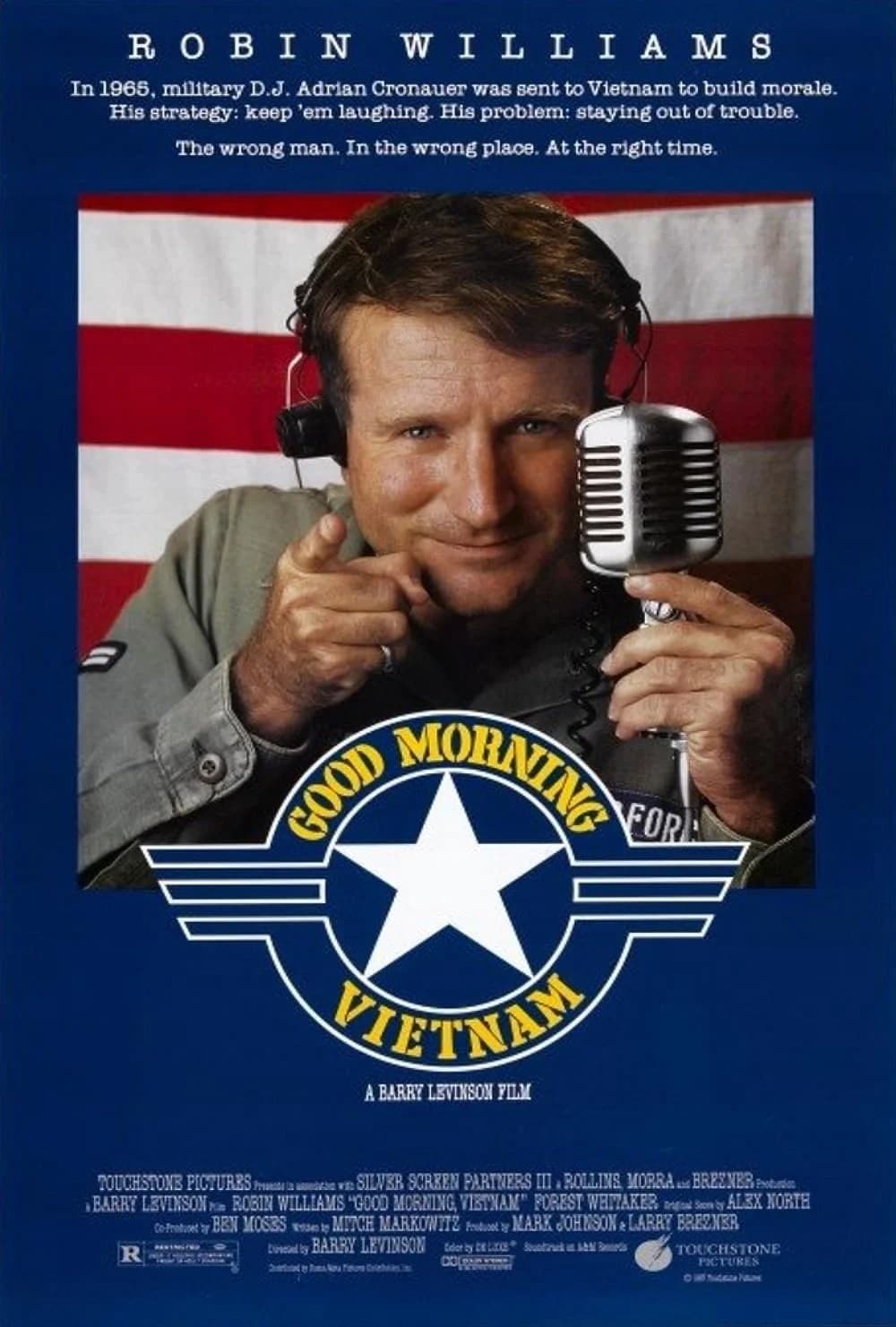
Robin Williams was handed a microphone and the cameras simply ran: an armed forces disc jockey lands in Saigon in 1965, and everyone above him wants the broadcast back the way it was.
Vampires got young, good-looking and sold on a soundtrack here: Joel Schumacher put them on a California boardwalk in 1987, and the horror genre never went back to castles.
George Lucas allowed it on condition that no merchandise be sold, so Mel Brooks put a merchandising joke in the film: Star Wars parodied by someone who clearly loves it.
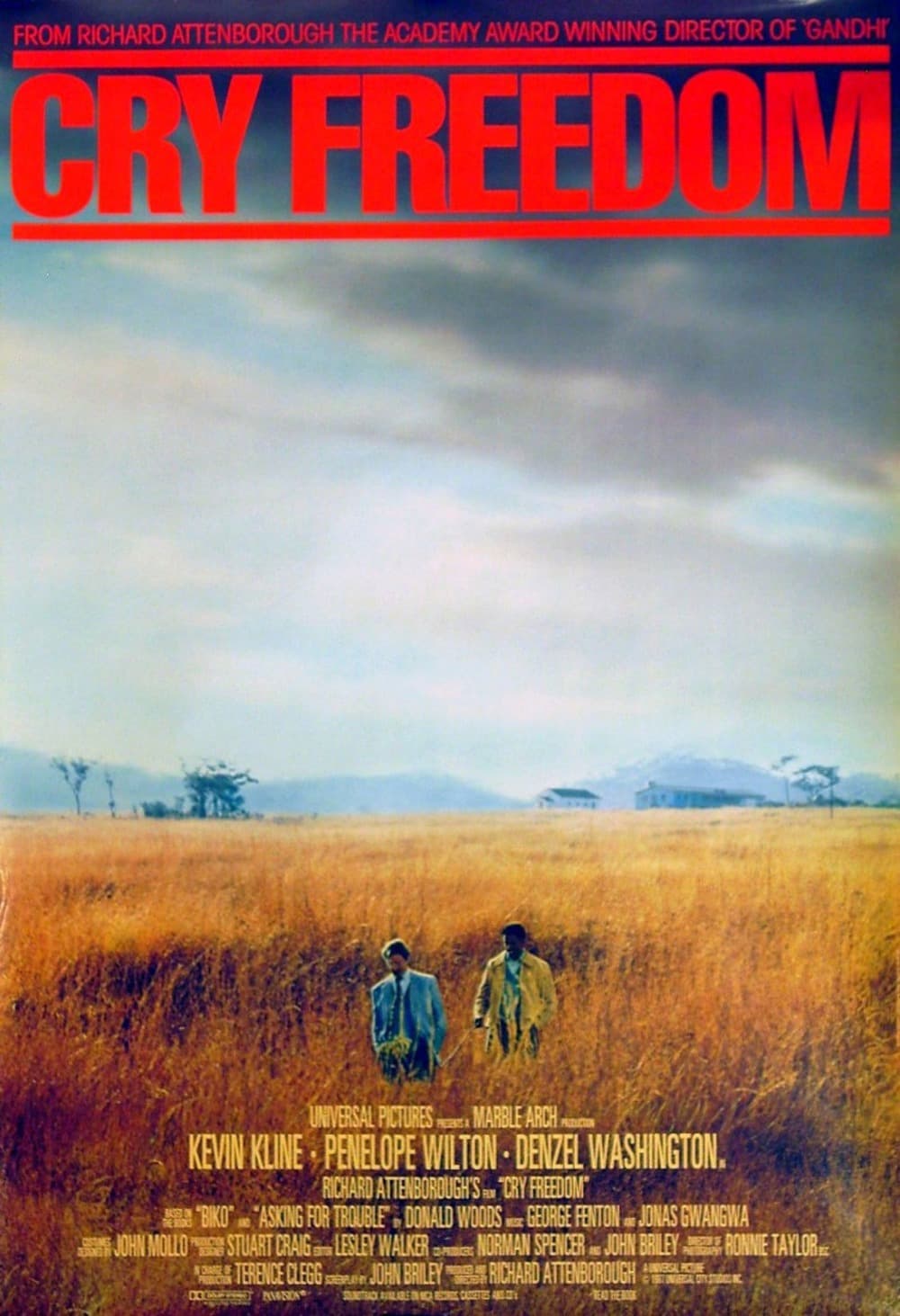
Richard Attenborough got Steve Biko into cinemas while apartheid was still standing: Denzel Washington's first Oscar nomination, and a white newspaper editor learning what Black South Africans already knew.